Serving Beavercreek, OH & nearby
(937) 326-4953
Beavercreek, OH

What a Garage Door Replacement Looks Like in Beavercreek

Beavercreek homes date mostly to 1960s-70s builds with cold winters that stress old torsion springs. Here's what a replacement door actually involves.

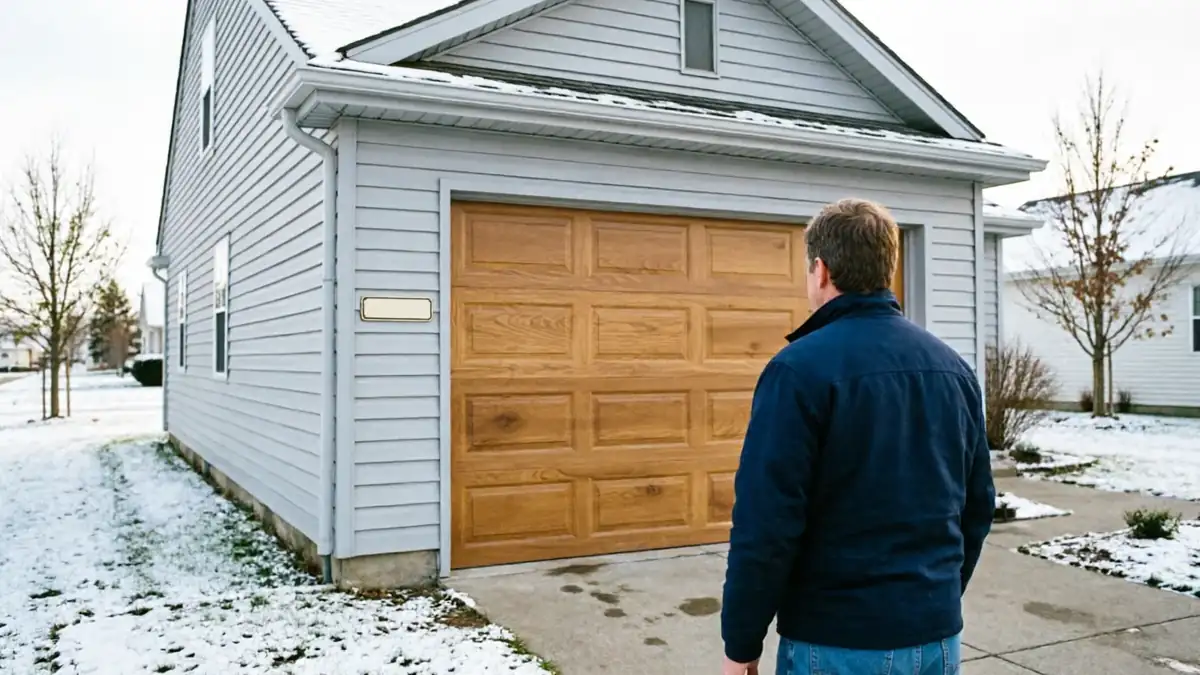
A man stands facing a wooden garage door on a snowy day.

What the Weather Here Does to It

Beavercreek sits in a climate band classified as cold and severe, and that matters more for a garage door than most people think. A steel door built in the 1960s or 70s - which describes a lot of what's still hanging in this area - usually has little to no insulation and a single-layer skin. Through a hard winter, that door flexes with every temperature swing. The bottom seal hardens and cracks. The torsion spring, already decades old, loses tension faster in the cold because the steel itself gets less forgiving. Panels that look fine in July start binding in January because the track has pulled slightly out of plumb from years of frost heave under the slab. None of this is dramatic on its own. It's cumulative. A door that's been fighting freeze-thaw cycles since before most of its original hardware was discontinued is a door that's closer to the end than the dent in the bottom panel suggests. If your opener is straining harder to lift the door on cold mornings than it did in October, that's the spring talking, not the motor.

What Is Going On

Housing in this service area was mostly built between 1938 and 1998, with the median landing around 1971, and that's the root of most of the calls we get. A door and hardware set installed when a house went up in 1971 is now over fifty years old if it hasn't been touched. Torsion springs have a rated cycle life, and most of them are well past it. Rollers that were steel-on-steel from that era grind instead of roll. Cables fray where nobody can see them, at the drum, not at the bottom bracket. Across the 31 named communities that make up this area's housing stock, the pattern repeats: a 1960s or 70s one-piece or sectional door on side-mounted torsion hardware, original to the house, patched a few times, never replaced. The parts for some of that older hardware aren't stocked anymore because nobody manufactures to those exact spring and drum dimensions. At that point you're not repairing the door, you're replacing it, and pretending otherwise just delays the inevitable call.

What You Pay

We don't have a price list to hand you here, and giving you a number without seeing the door would be a guess dressed up as a fact. What we can tell you is what drives the cost up or down: door size, insulation level, whether the opener and track need replacing along with the door, and how much of the original 1960s-70s hardware is salvageable versus corroded or seized. With a median household income of $70,000 across this service area, a lot of owners weigh a full replacement against a patch-and-wait repair pretty carefully, and that's a reasonable instinct. The honest answer is that a repair on a 50-year-old torsion system sometimes costs more in parts sourcing than a straight swap to a new door and modern hardware, because the old parts aren't off a shelf anymore. Ask for the breakdown before you agree to anything, and ask specifically whether a quoted repair uses original-spec parts or a compatible substitute.
Leaving It Alone

Not every door in this area needs to come out. If the panels are sound, the track is straight, and the spring is within its rated life, a repair is the right call and we'll tell you that instead of pushing a sale. Where it gets harder is the in-between case: a 1970s door that still opens fine but has a weatherseal that's given up and an opener straining on cold mornings. That's a judgment call, and sometimes the honest answer is wait until it actually fails, because replacing early doesn't buy you much if the rest of the house's original hardware era is holding steady. What we won't do is tell you a 50-year-old torsion spring is fine indefinitely just because it hasn't snapped yet. It will, and it tends to go on the coldest morning of the year, not the mildest.

How it works

From “it’s stuck” to “it’s fixed”

1
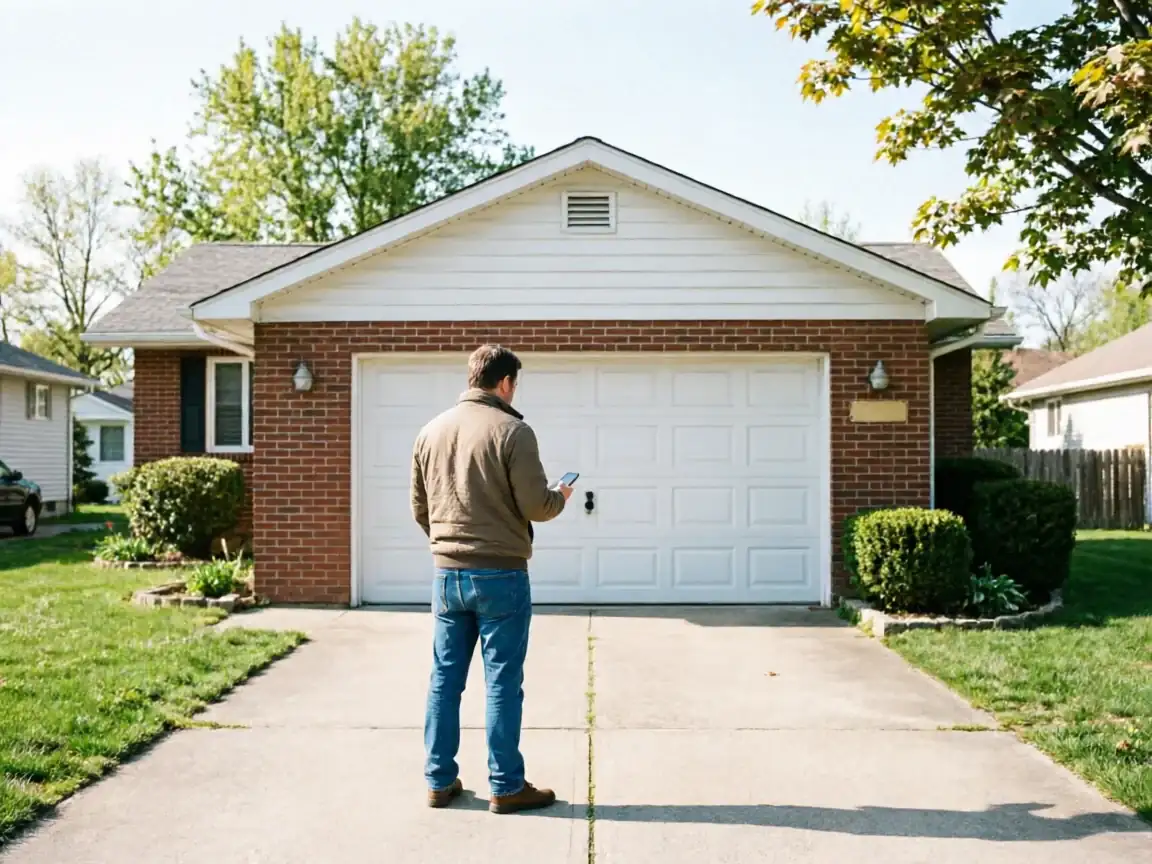
A man stands in a driveway looking at his phone in front of a white garage door.

Tell us what’s wrong

Describe the symptom - won’t open, loud bang, opener runs but the door won’t move.

2
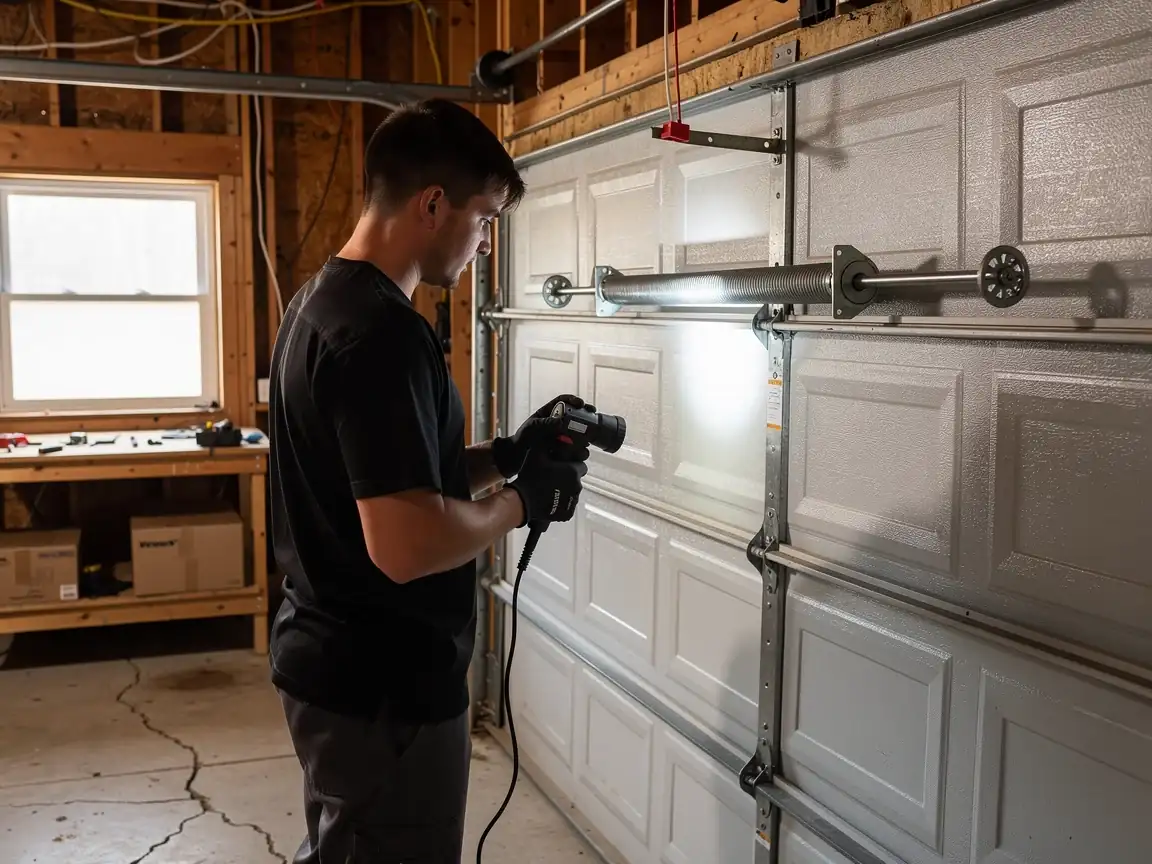
A technician shines a light on a garage door torsion spring.

On-site diagnosis

A technician tests the door under power and by hand and finds what actually failed.

3
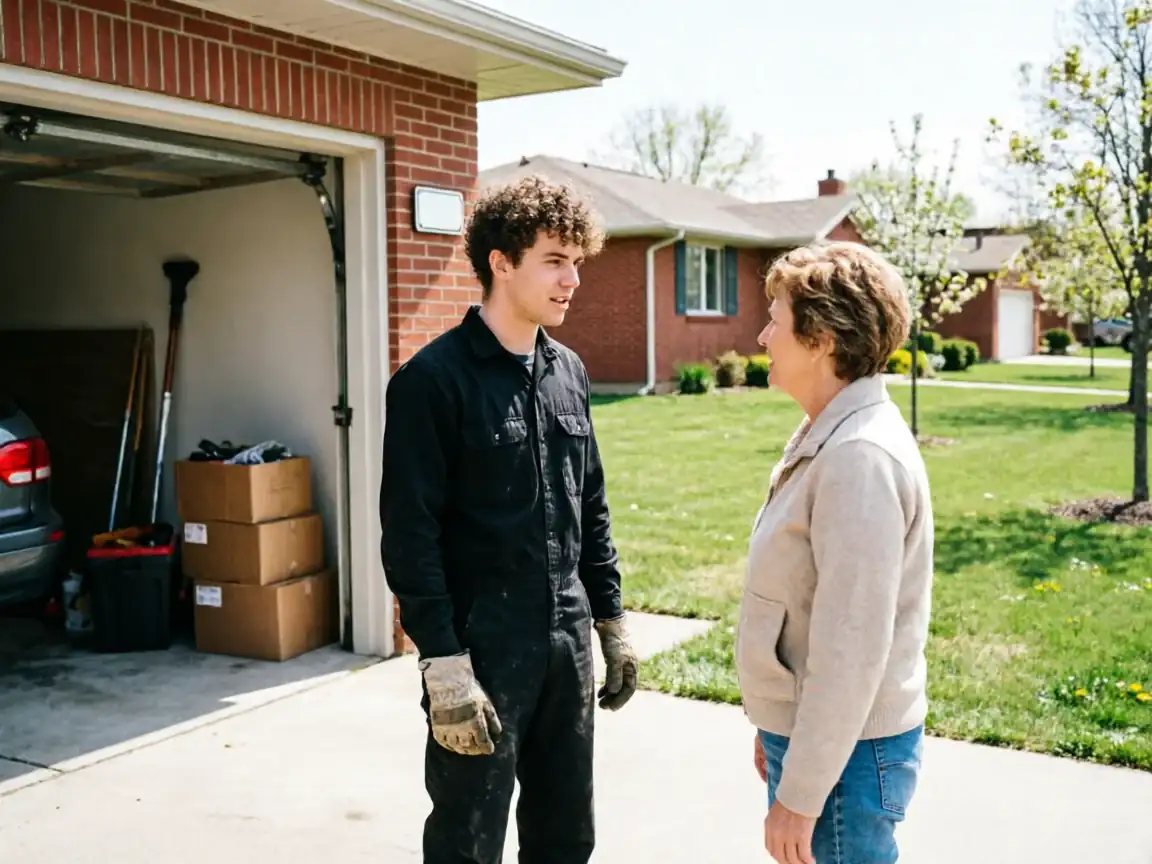
A technician in a black uniform talks to a woman in a beige jacket.

Clear, up-front plan

You get the fix that’s needed and what drives the cost - before any work starts.

4
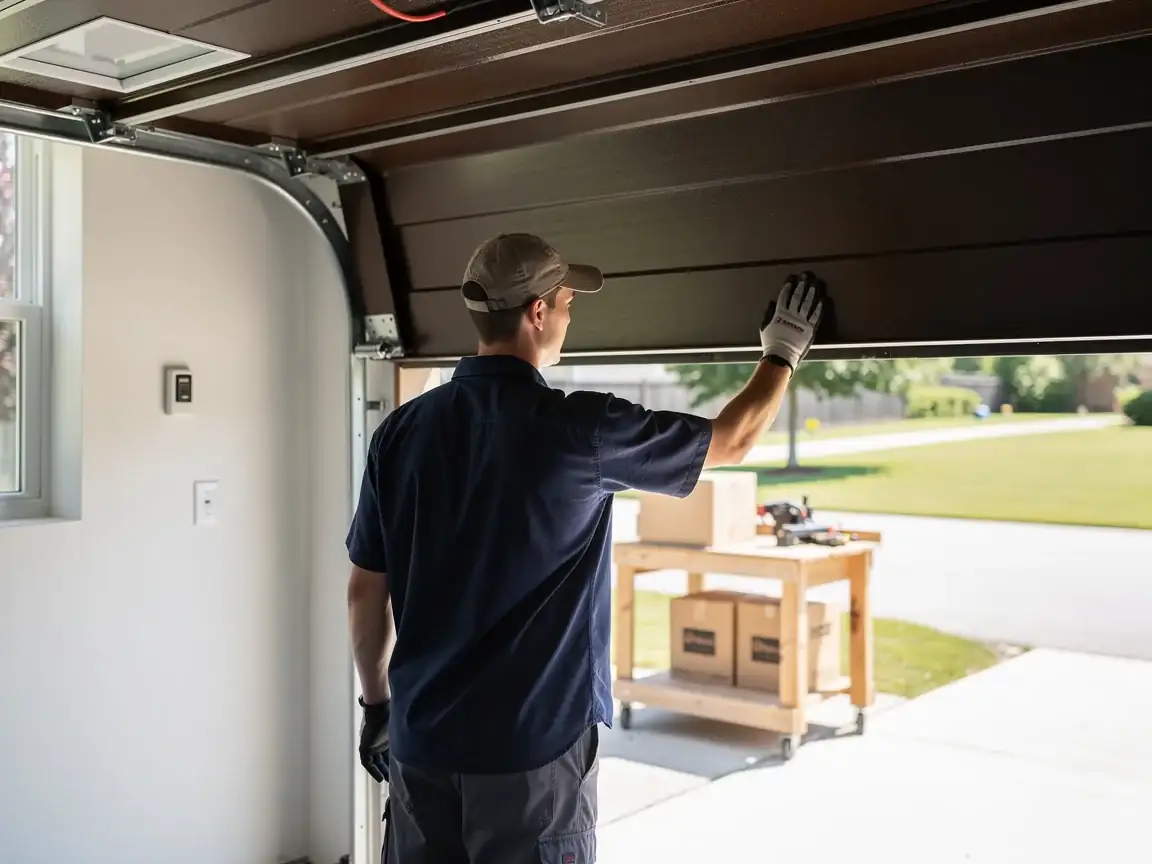
A technician in a cap and gloves adjusts a brown garage door.

Repaired & tested

The repair is done, the door is set true and tested, and the work area left clean.

Not sure which repair your door needs in Beavercreek, OH? Describe what it’s doing - every job starts with a diagnosis.

How we work

What to expect

Diagnosis firstEvery visit starts by finding what actually failed - not a pre-written parts list.
The right part for the doorSprings and openers matched to the door’s weight and age, so the fix holds up.
Straight answersWhen a repair makes more sense than a replacement - or the reverse - you hear it plainly.
Clean, careful workTension released safely, hardware set true, the door tested under power before we leave.
What we do

Garage Door Services

Repair and installation work for Beavercreek homes and businesses.

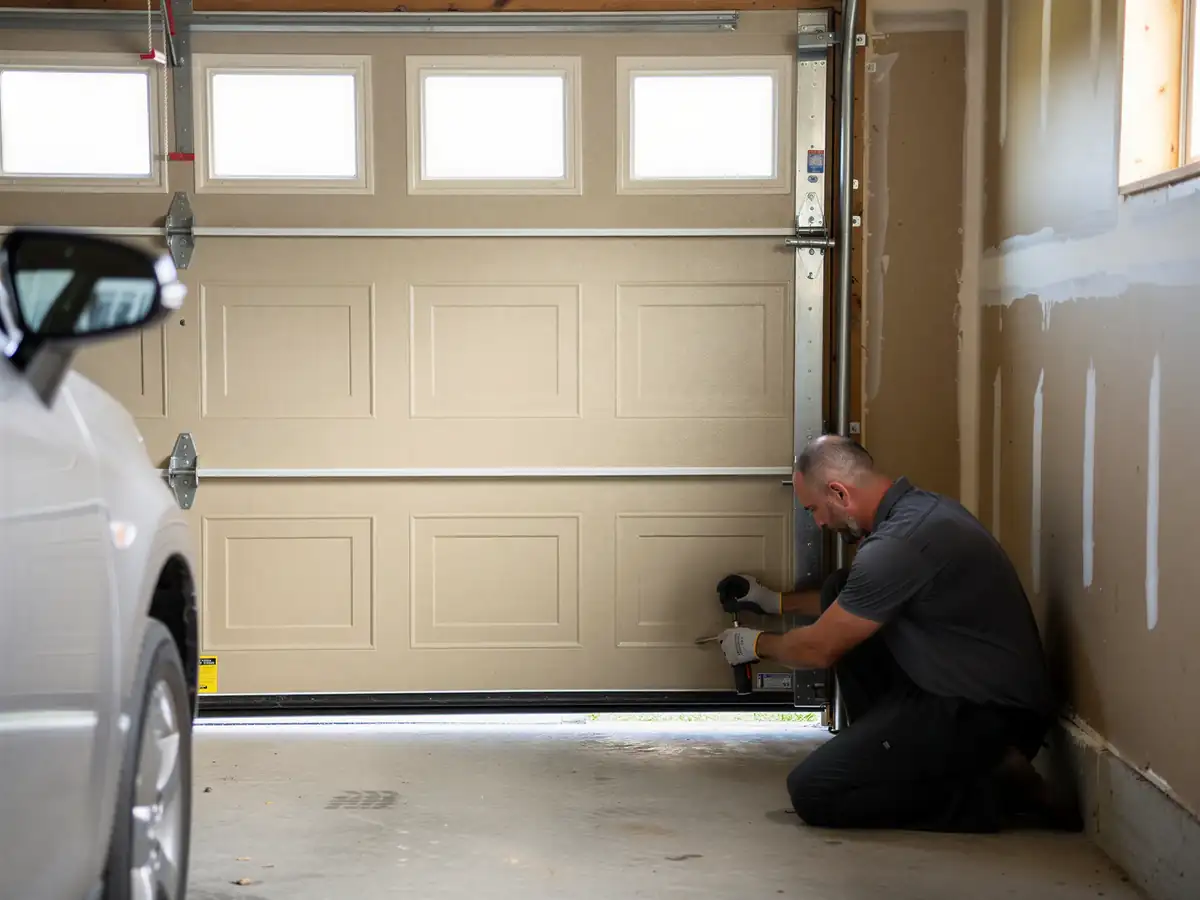
A technician kneels to work on the bottom panel of a beige garage door.

Garage Door Repair

Garage door repair for Beavercreek homes built 1938-1998, where original torsion hardware and cold-weather spring fatigue are the most common calls we get.

Learn more
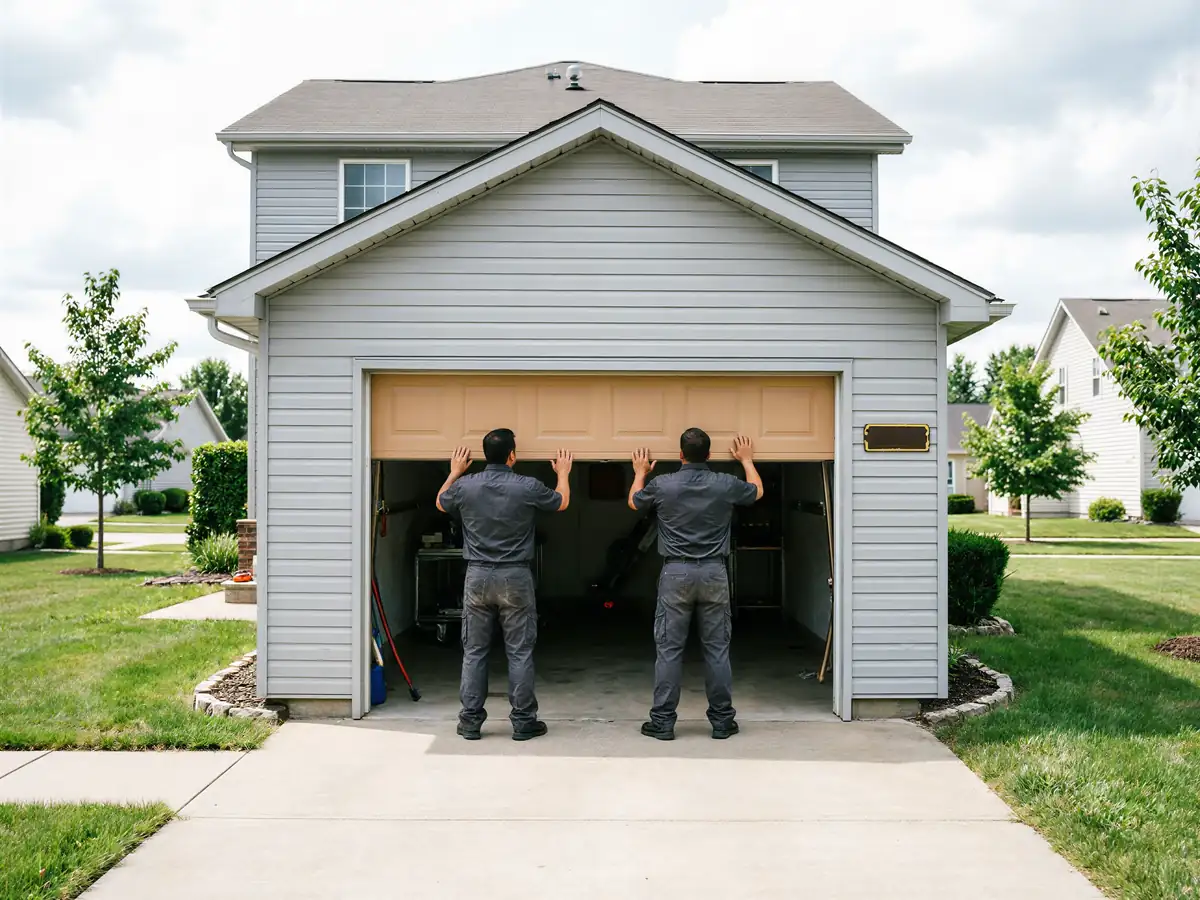
Two technicians are installing a beige garage door on a gray house.

Garage Door Installation

New garage door installation for Beavercreek homes built 1938-1998, sized for original openings and rated for severe cold winters. Local install, no invented numbers.

Learn more
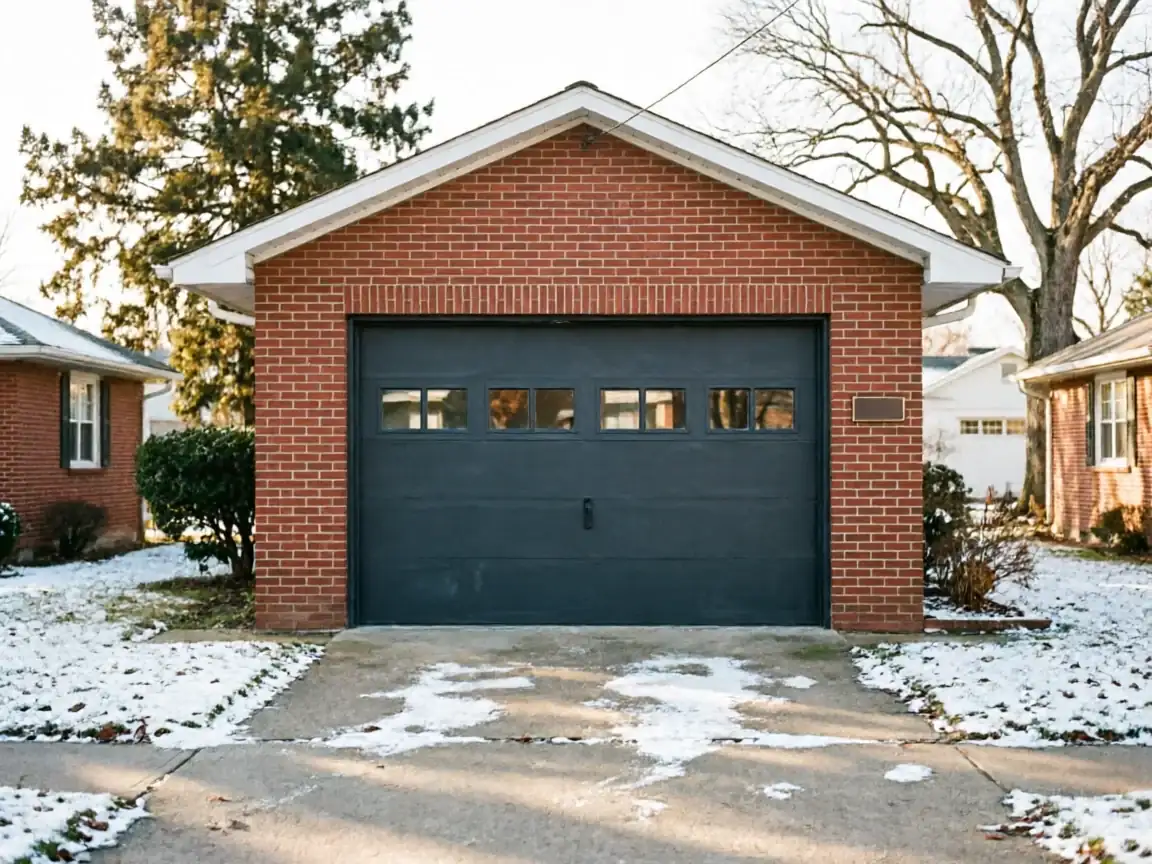
The brick garage has a dark gray door with windows, and snow covers the ground.

Garage Door Service

Garage door service for Beavercreek's 1960s-70s housing stock, built for a severe cold climate that wears out old torsion springs and track hardware fast.

Learn more
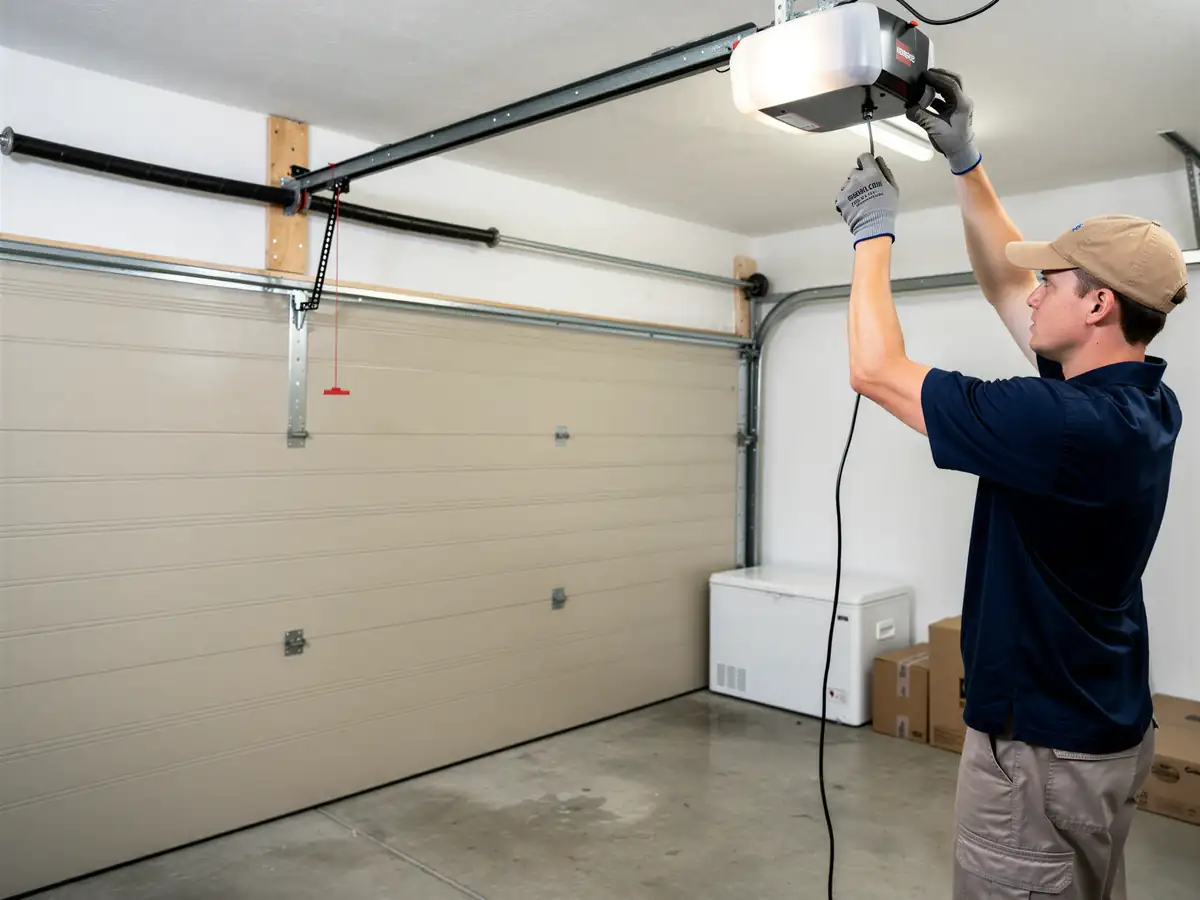
A technician in a cap and gloves adjusts a garage door opener.

Opener Installation

Opener installation and replacement for Beavercreek-area homes built mostly in the 1960s and 70s, sized for cold-climate doors and the drive hardware that era actually used.

Learn more
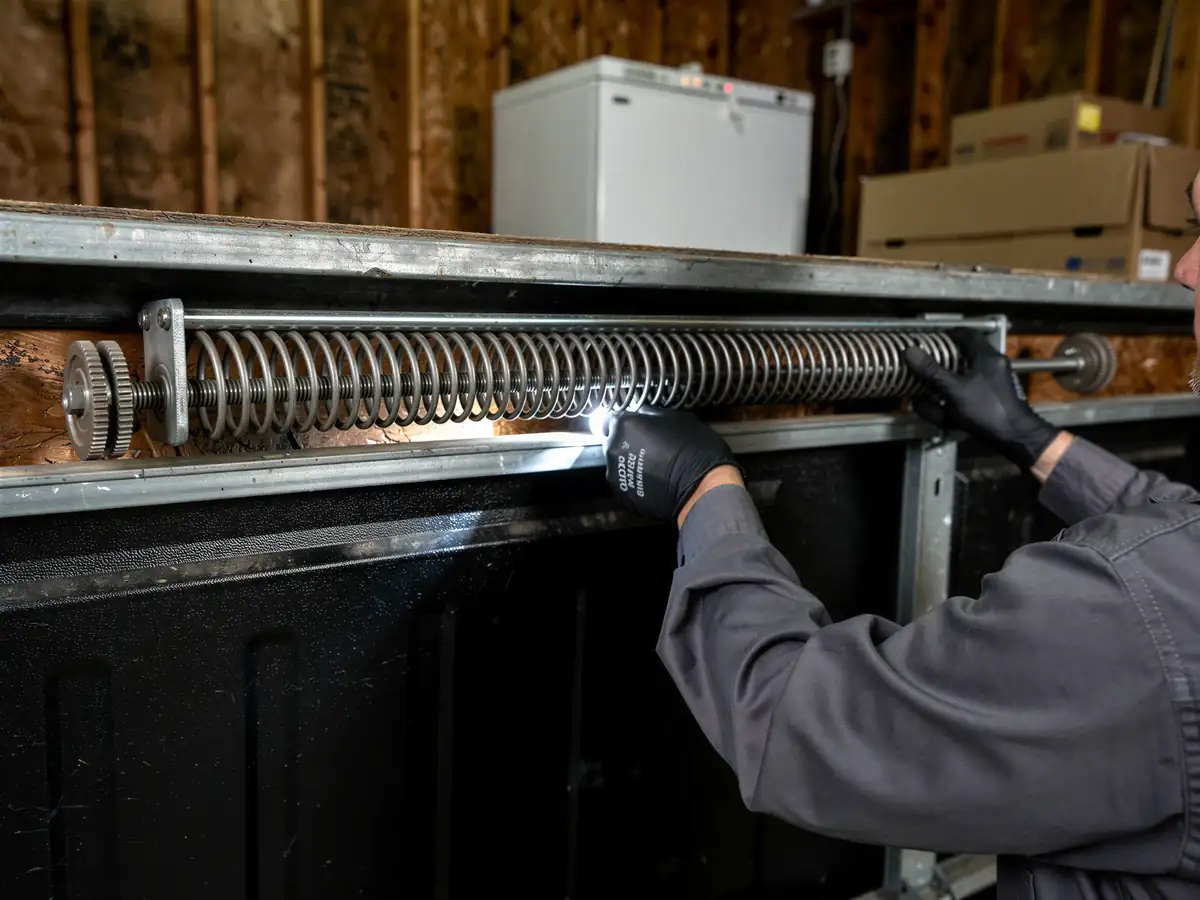
A technician in black gloves works on a garage door torsion spring.

Spring Repair

Torsion and extension spring repair for Beavercreek homes built mostly between 1938 and 1998, sized for the cold-climate loads this housing stock sees every winter.

Learn more
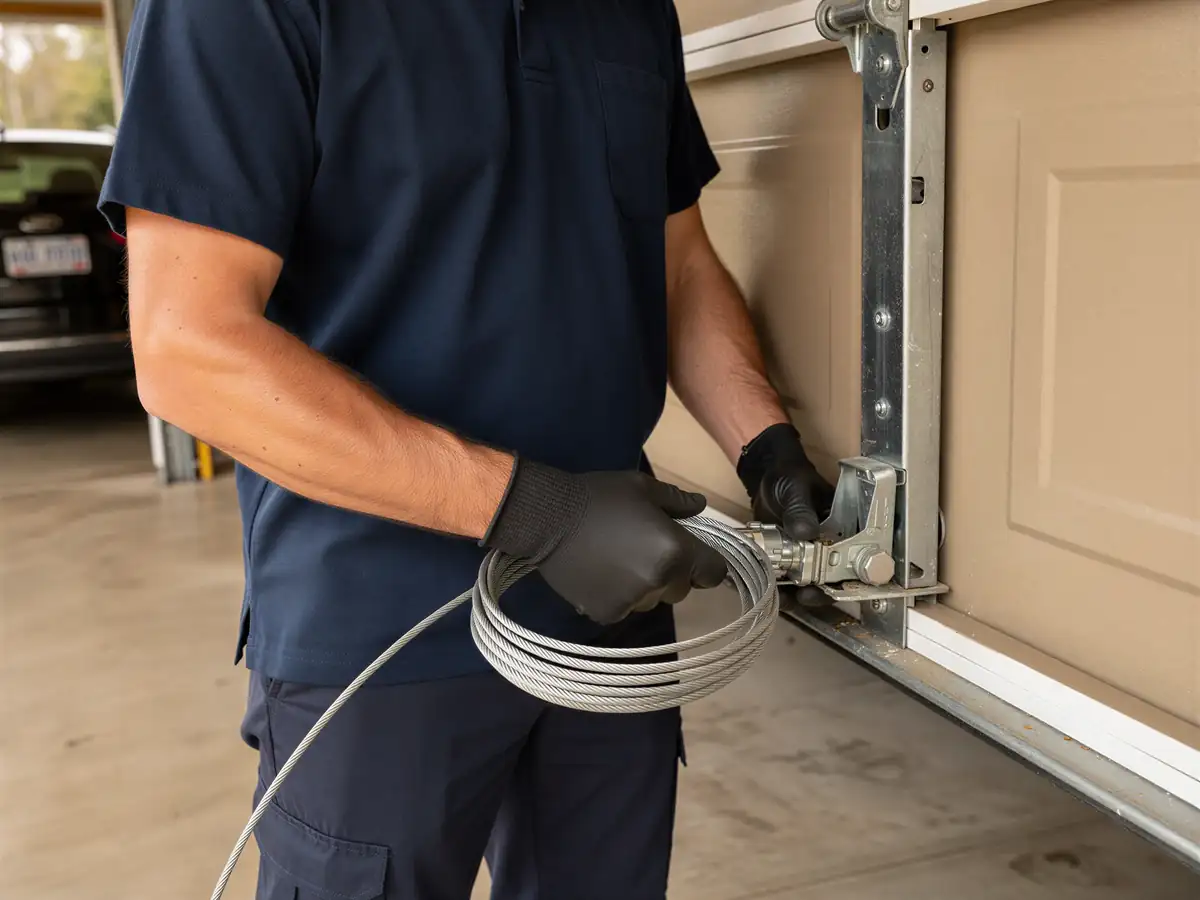
A technician in black gloves holds a coiled cable near a garage door.

Cable Repair

Broken or frayed garage door cables are common on Beavercreek's 1960s-70s housing stock. Here's how the repair works, what drives the cost, and what to watch for.

Learn more
A technician wearing gloves adjusts a garage door roller and track.

Off-Track Repair

Off-track garage doors are common in Beavercreek's 1960s-70s tract homes once cold weather stiffens rollers and tracks. See how we diagnose and fix it.

Learn more
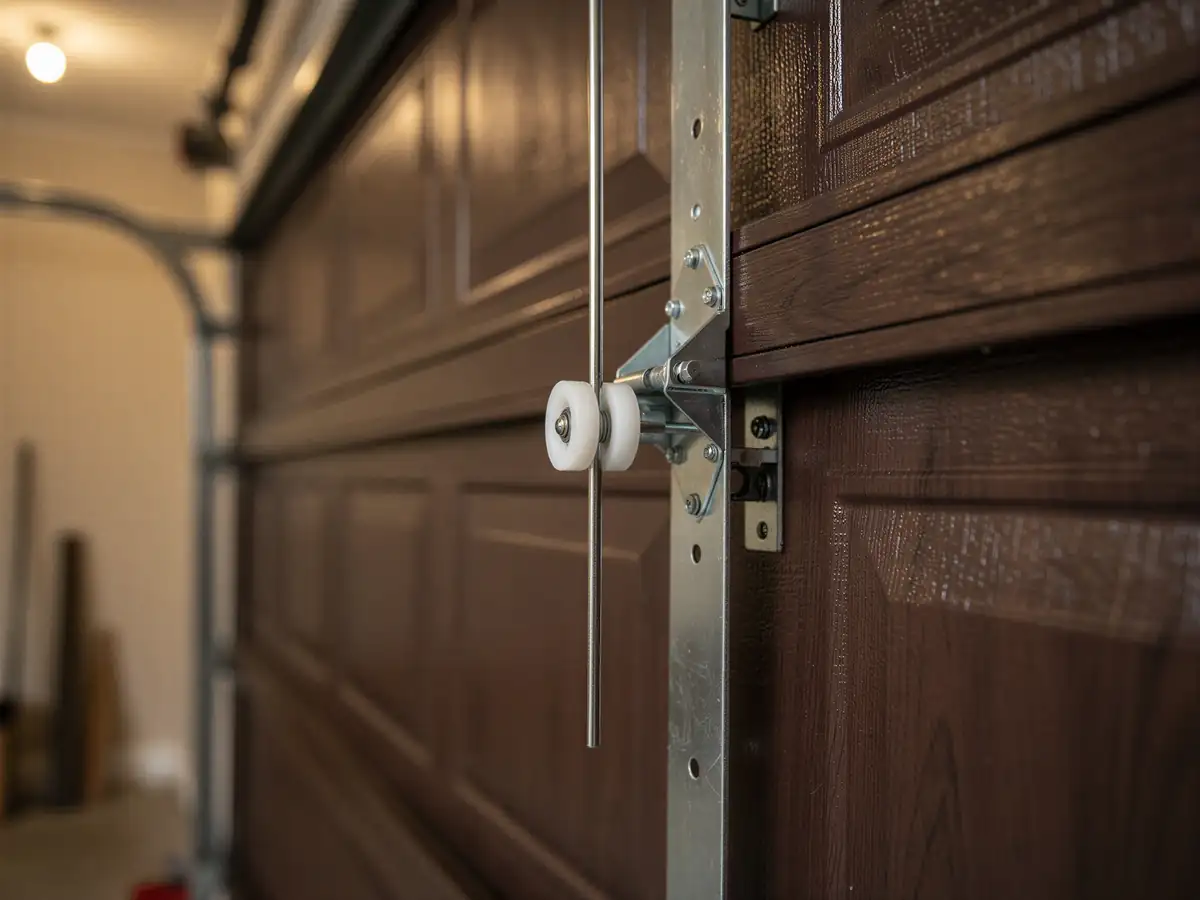
The brown garage door is open, showing a roller and track.

Roller Replacement

Worn rollers on homes built 1938-1998 bind in cold winters. Beavercreek Garage Door Pros explains the fix, the cost factors, and how to spot it early.

Learn more
Questions

Frequently asked

Straight answers about garage door repair in Beavercreek. Still unsure? Ask us directly.

How old does a garage door have to be before replacement makes more sense than repair?

There's no fixed year, but once you're dealing with original hardware from a house built in the 1960s or 70s - which is common in this area - the spring and drum parts are often no longer made to spec. At that point, sourcing a compatible repair part can cost close to what a new door and hardware set runs, so replacement usually wins.

Does the cold really affect garage door springs that much?

Yes. This area sits in a severe cold climate band, and steel springs lose tension faster through repeated freeze-thaw cycles. A spring that's already near the end of its rated life will often fail in the coldest stretch of winter, not during a mild spell, because the cold accelerates the fatigue that's already there.

My door still opens fine, so why would I replace it now?

If the panels are solid, the track is straight, and the spring is within its rated cycles, there's no reason to replace a working door. We'll tell you to leave it alone in that case. Replacement makes sense when the hardware is original to a house built decades ago and parts for it are getting hard to find.

Ready to get your garage door sorted?

Tell us what it’s doing and where you are in Beavercreek - we’ll take it from there.

Request a QuoteCall