How We Fix It
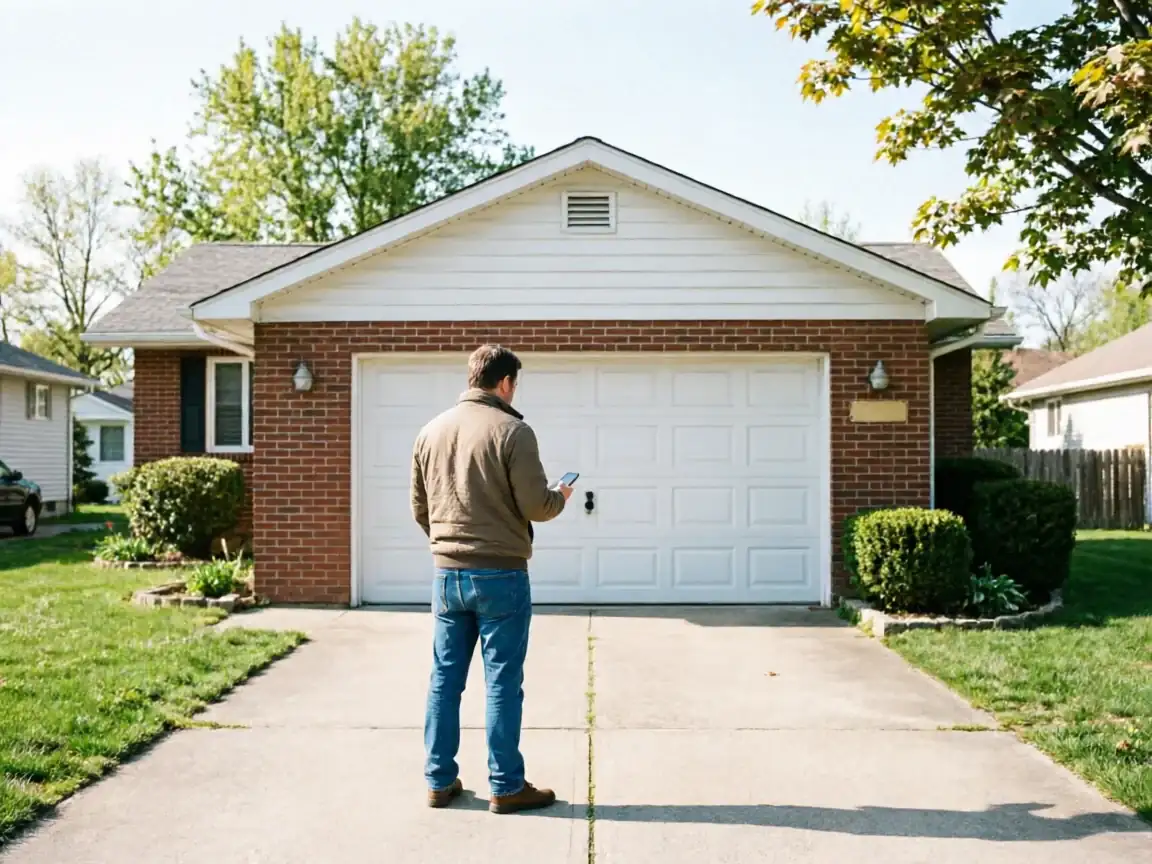
Most of the repair calls we run start the same way
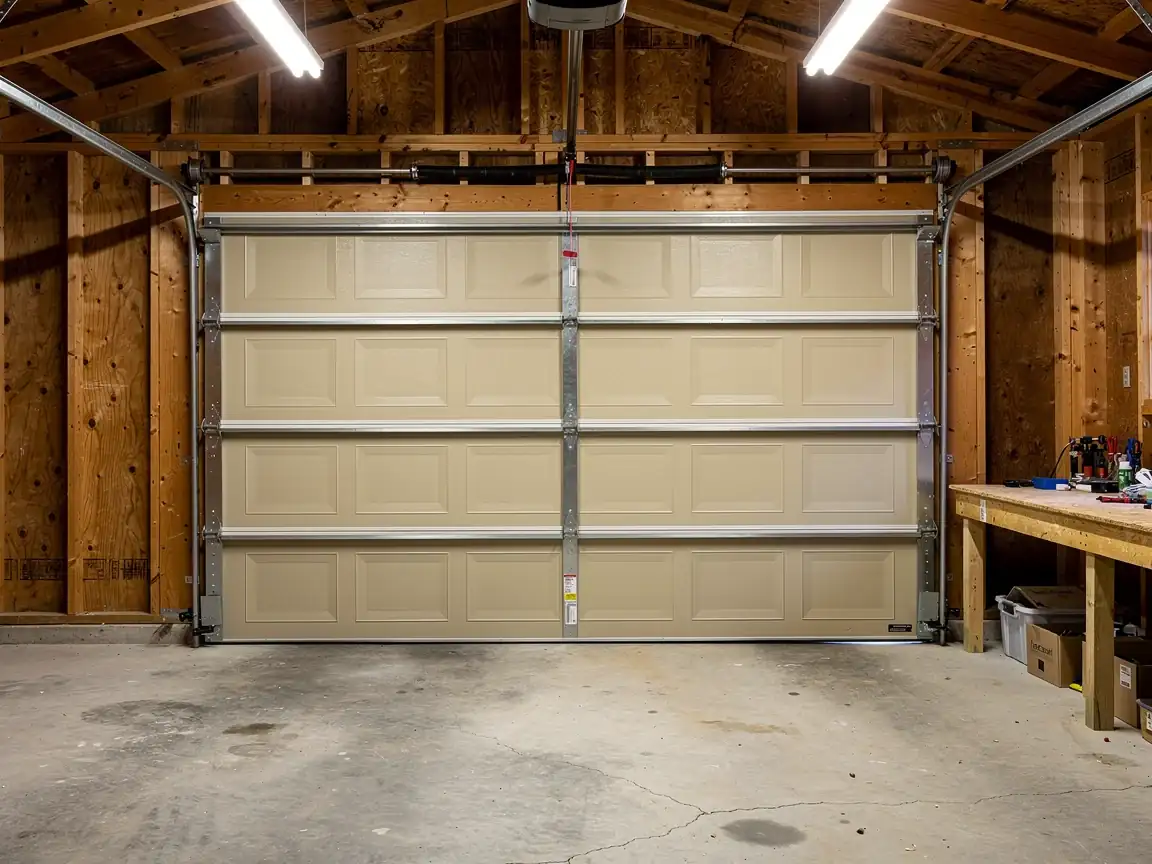
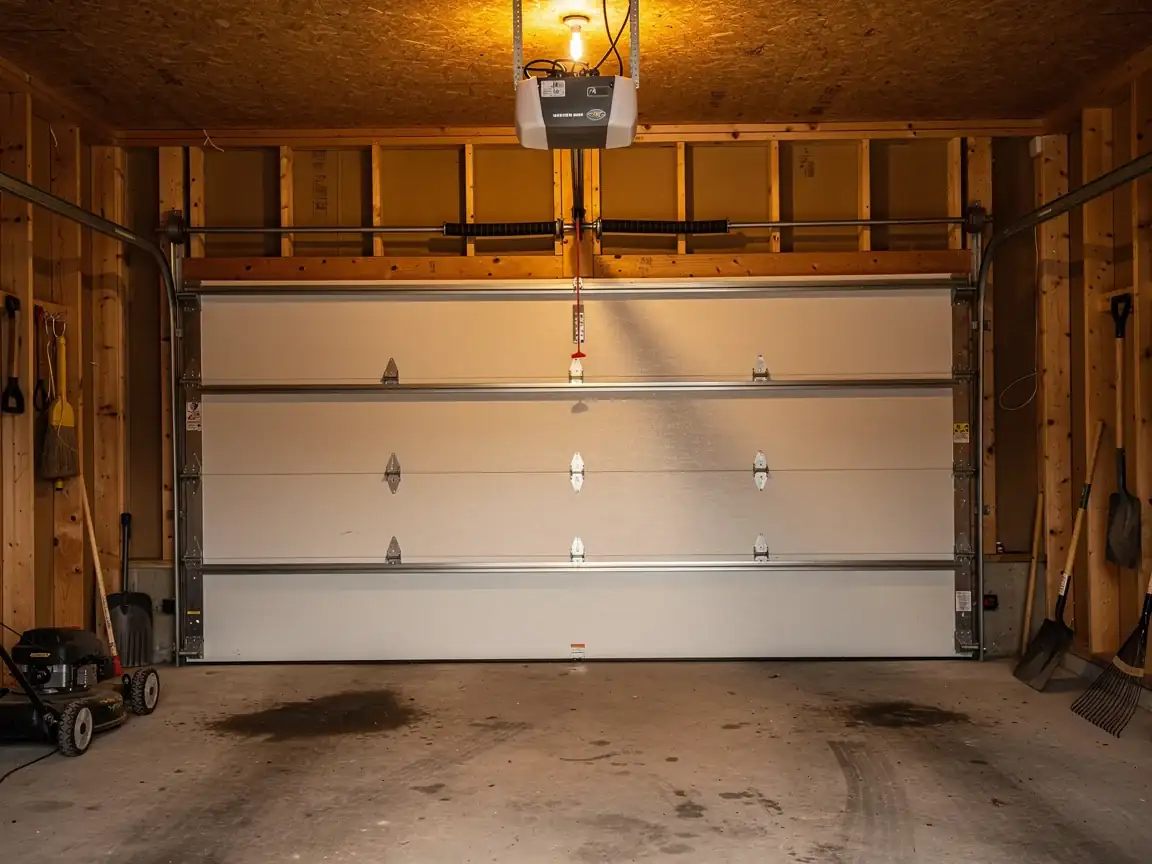
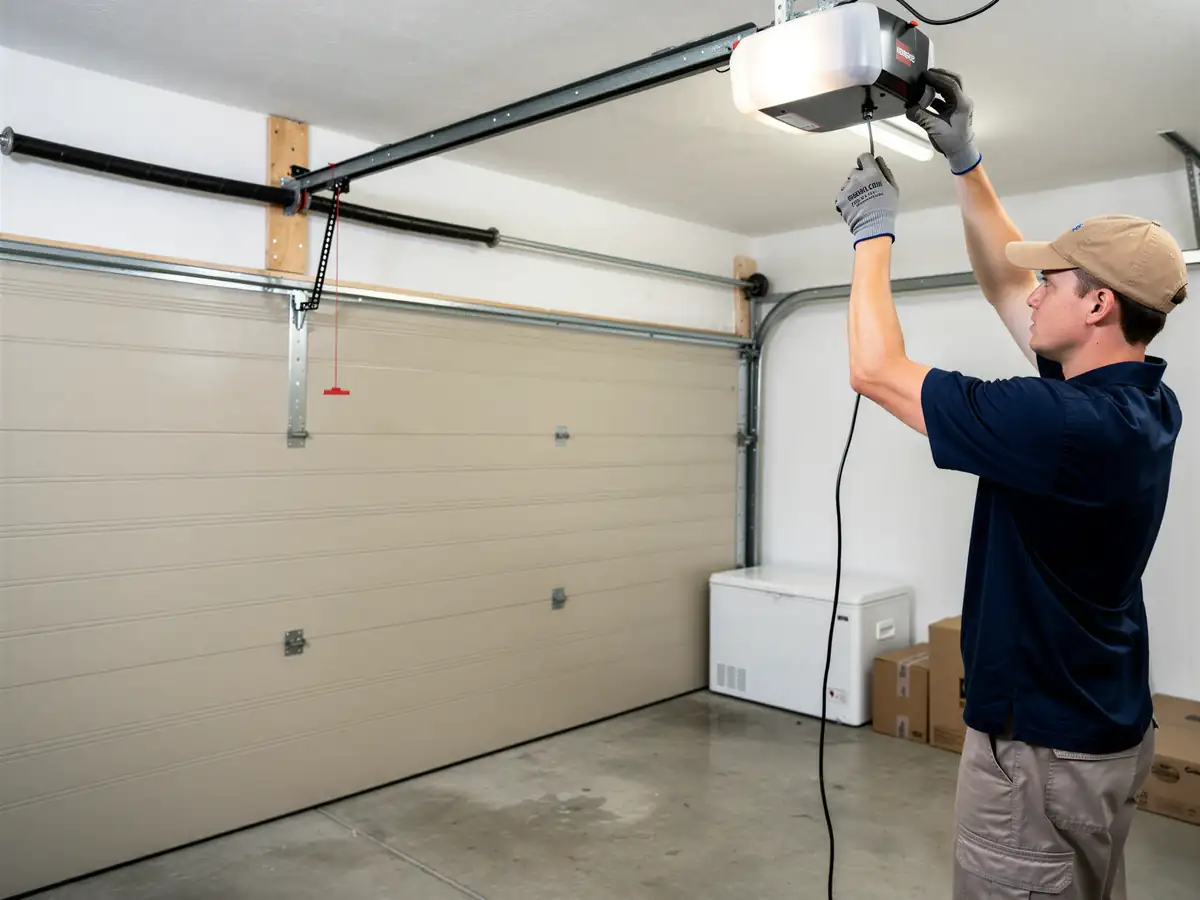
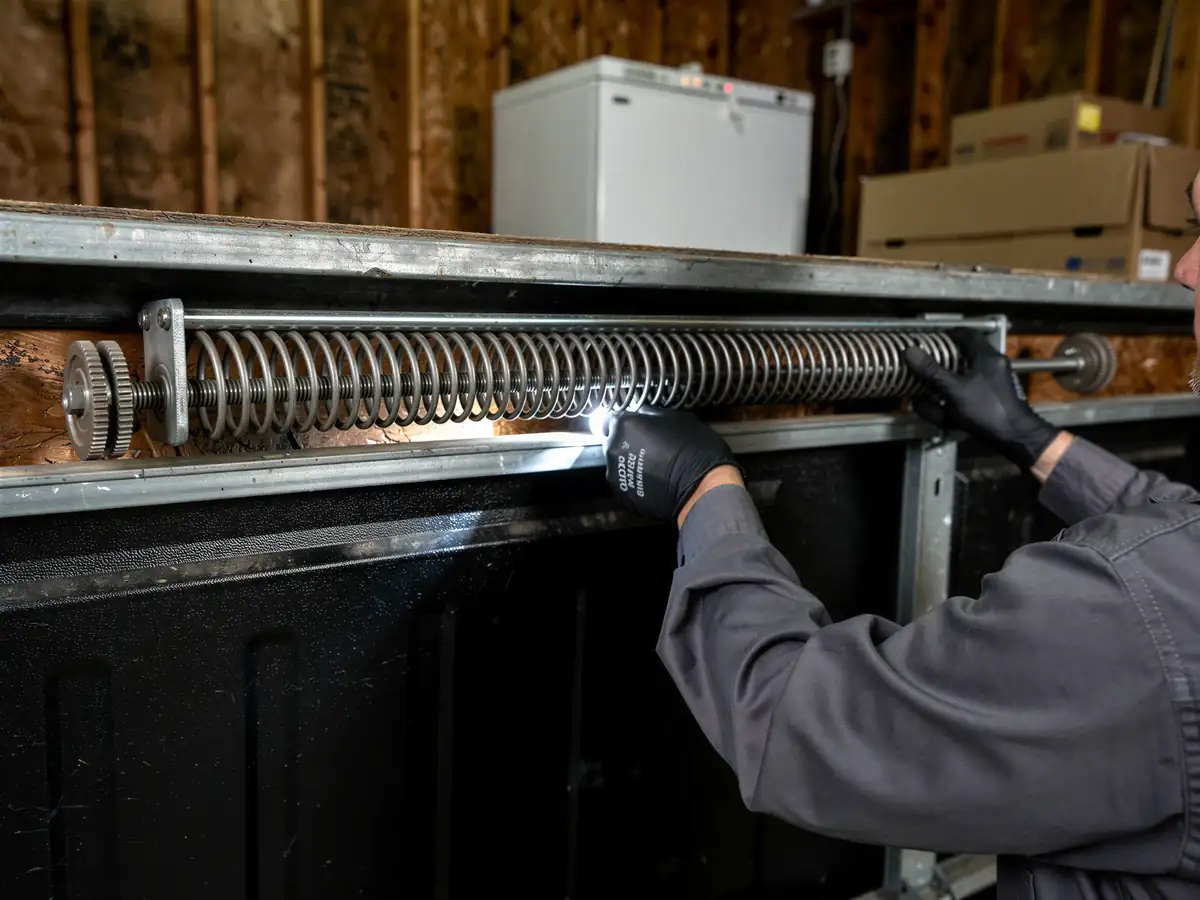
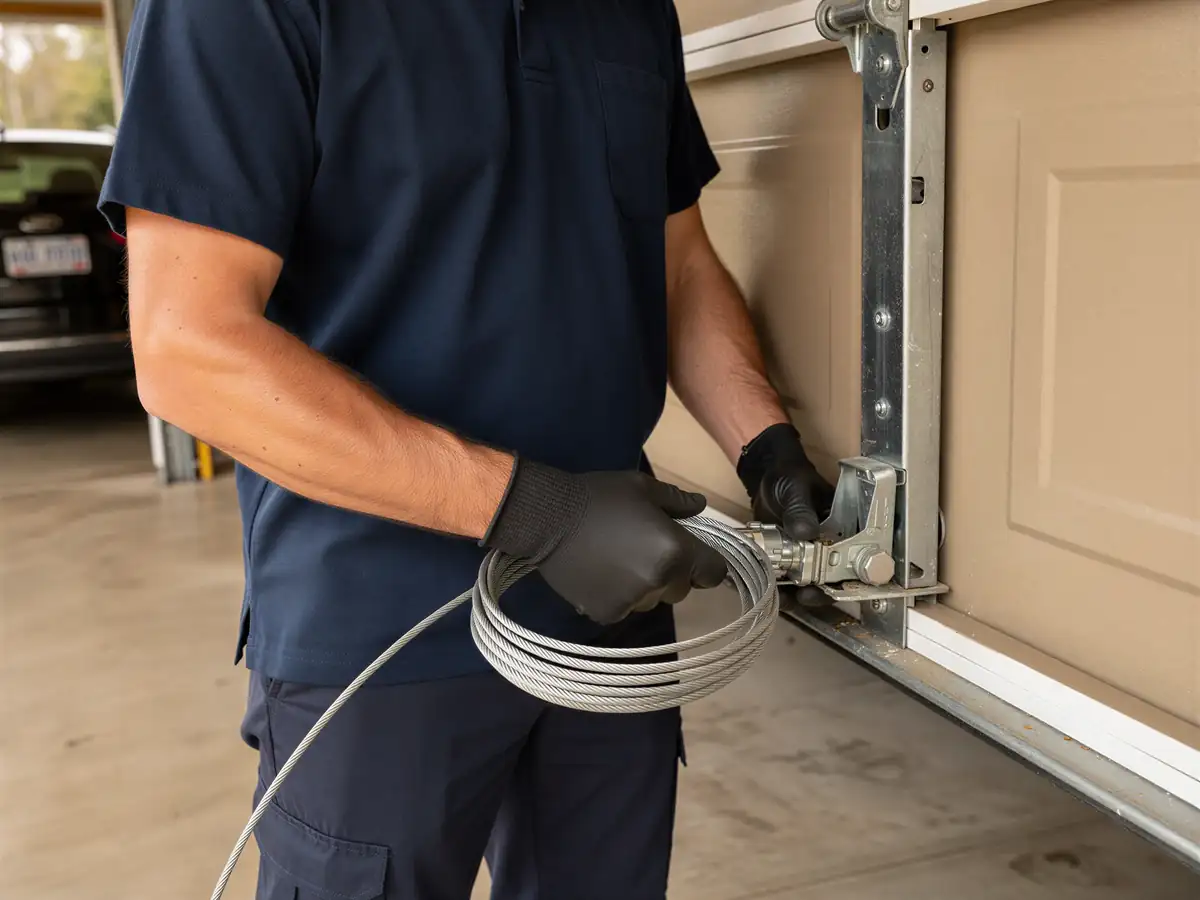
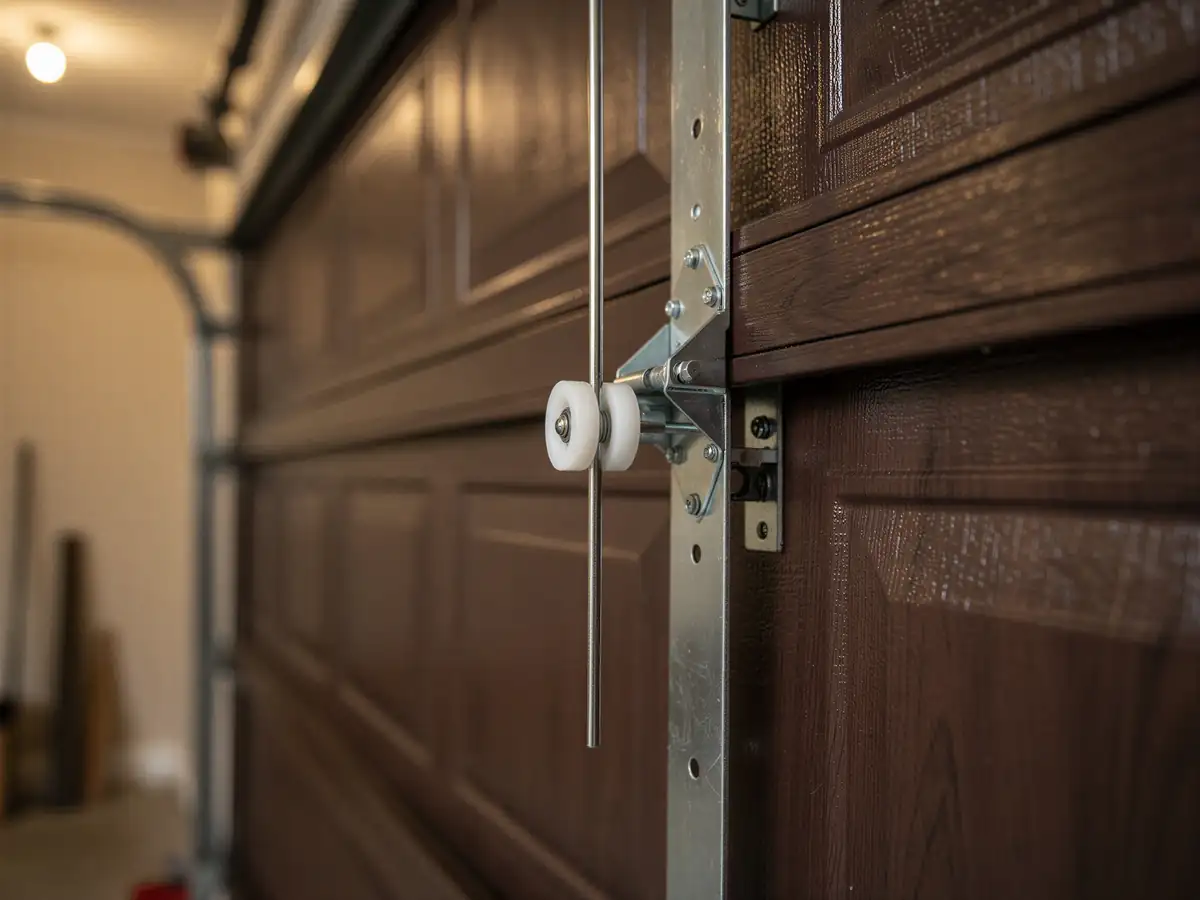
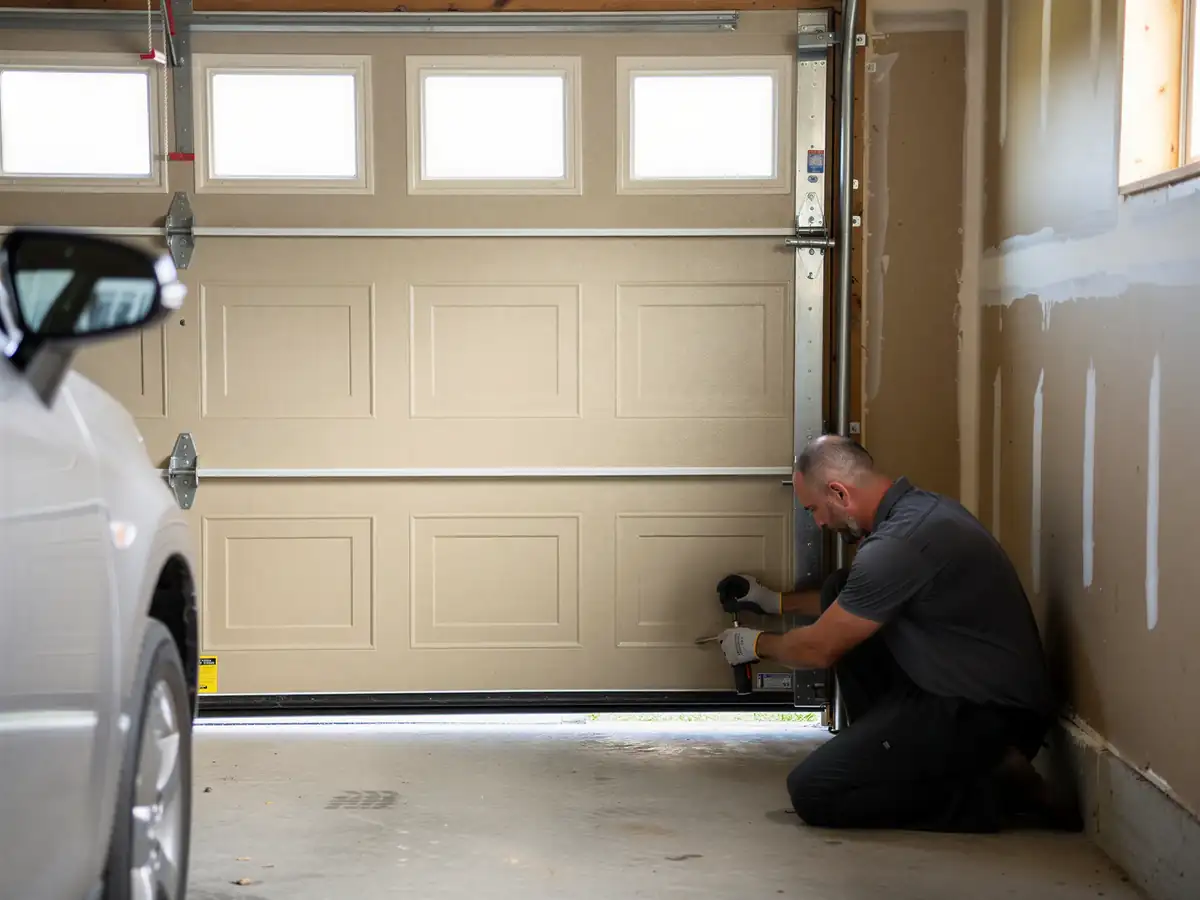
A spring that let go, a cable that jumped the drum, or an opener that's grinding instead of pulling. We start at the spring and track, not the opener, because on a door this old the opener is usually fine and the hardware underneath it is what's worn out.
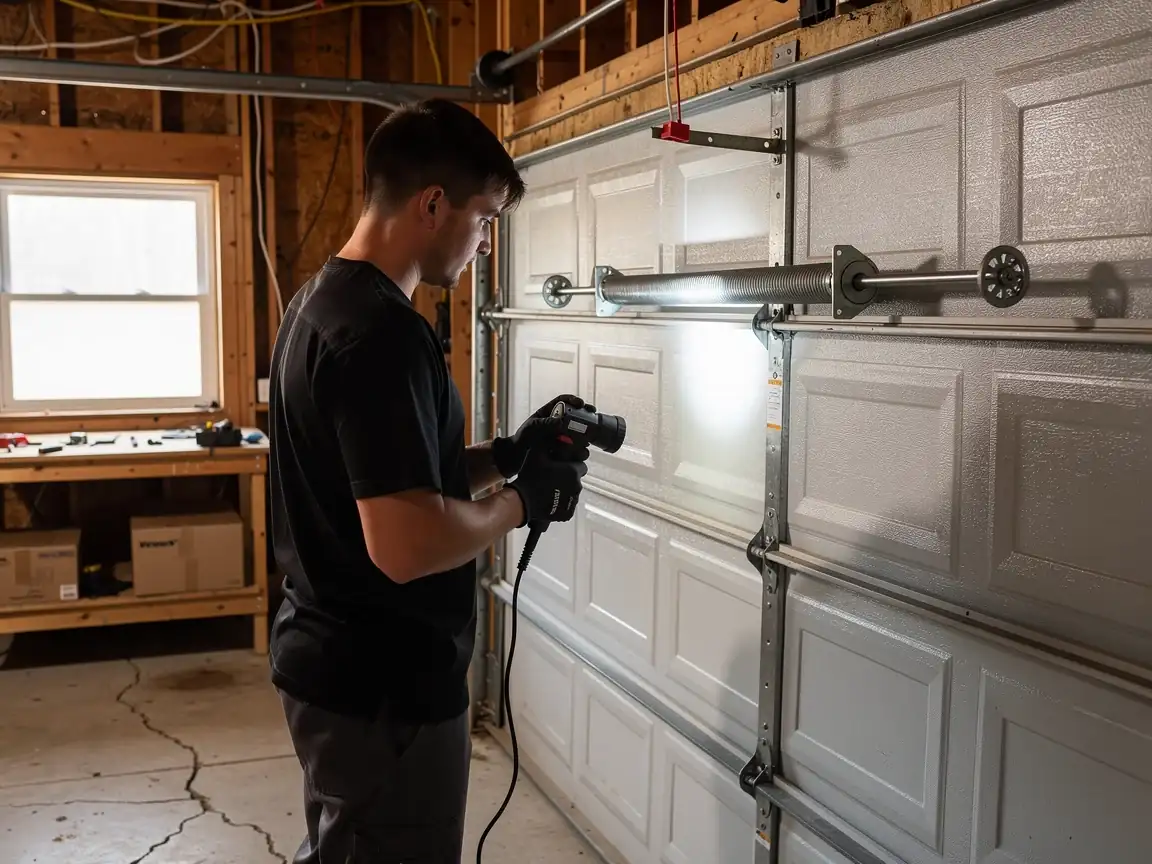
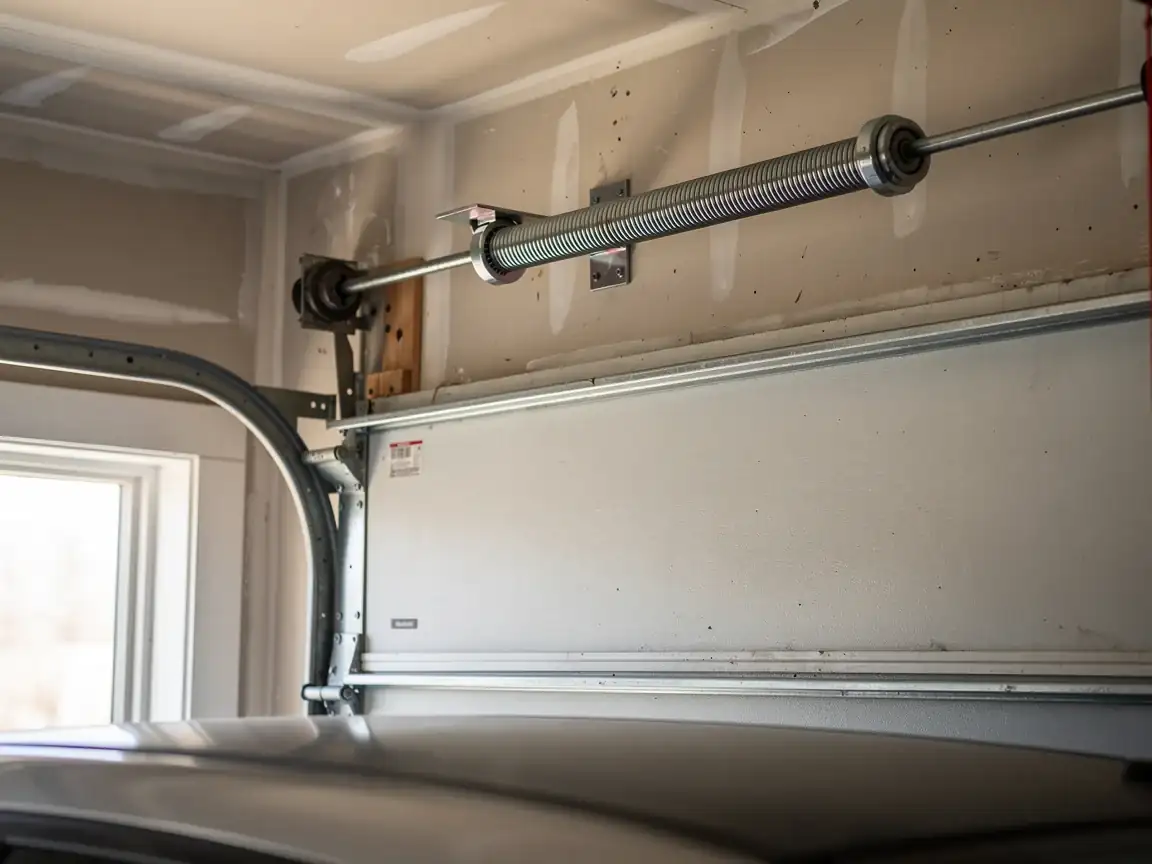
We check the torsion spring wind and cycle count first
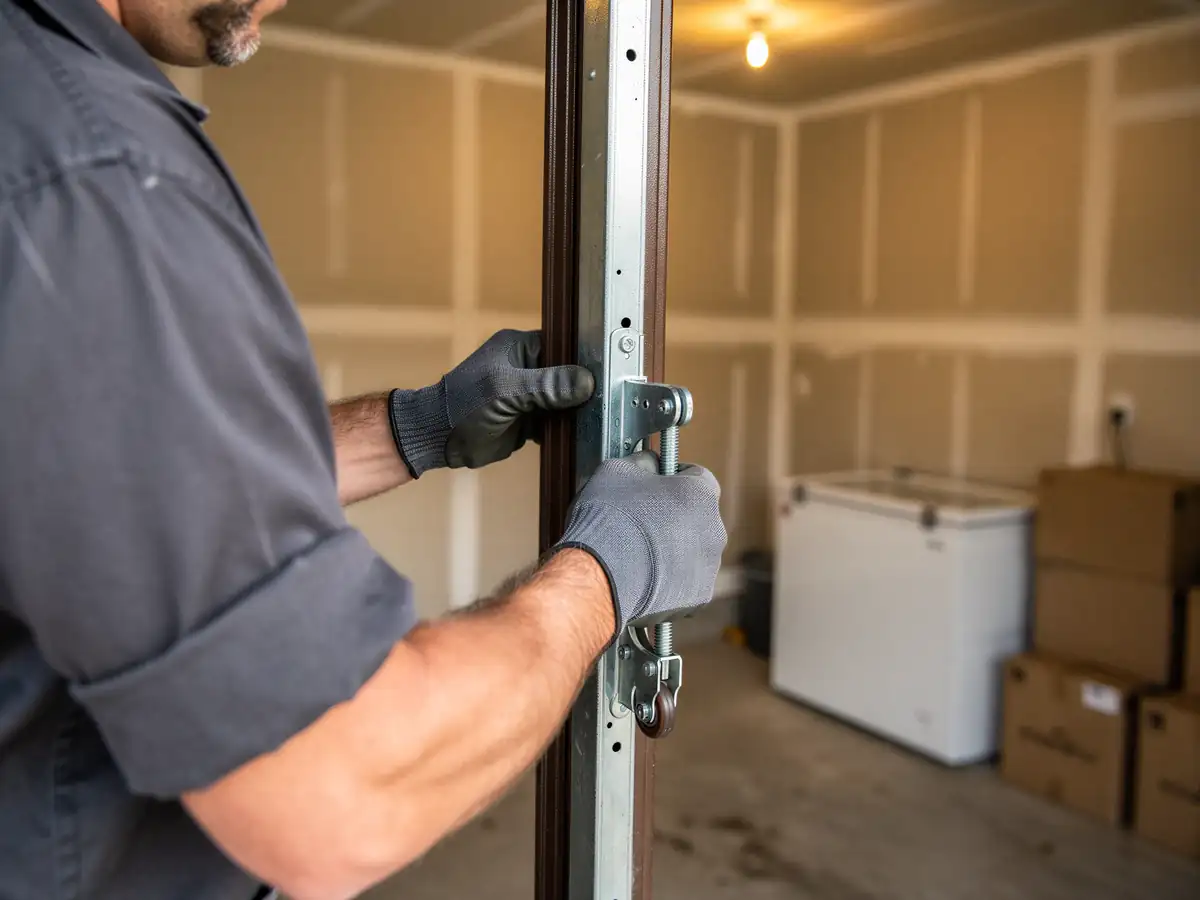
Since a door built when this area's housing stock went up - 1938 to 1998, with a lot of it dating to the 1960s and 70s - is running original or first-replacement springs that were never rated for the cycle count a modern household puts on a door. From there we look at rollers, the track alignment, and the cable drums, because a spring failure on an older door almost always drags one of those three down with it.
If the opener itself is the problem
Stripped gear, dead capacitor, a logic board that's lost its mind - we diagnose it on the bench side of the call before we quote replacement parts. We don't swap a part because it's old; we swap it because we've confirmed it's the one that failed.
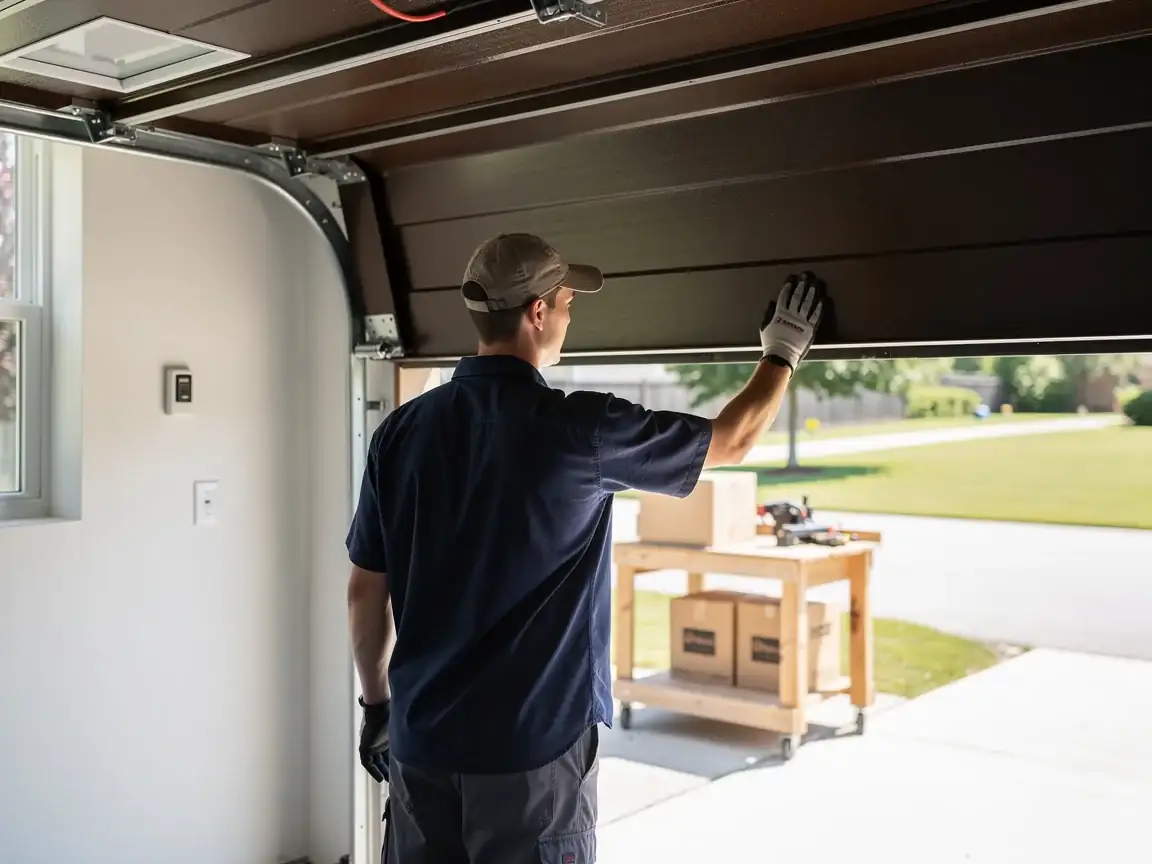
One limit here: if the door panel itself is rusted through or the track is bent past re-alignment
We'll tell you that straight rather than patch it and have you call us back in six weeks.
Why This Fails Locally
Beavercreek sits in a cold, severe climate band, and that matters more to a garage door than people expect. Steel springs lose temper faster through repeated freeze-thaw cycling, and torsion springs on doors from the 1960s and 70s stock common across this area were wound for a lighter winter workload than what two or three decades of Ohio winters actually deliver.
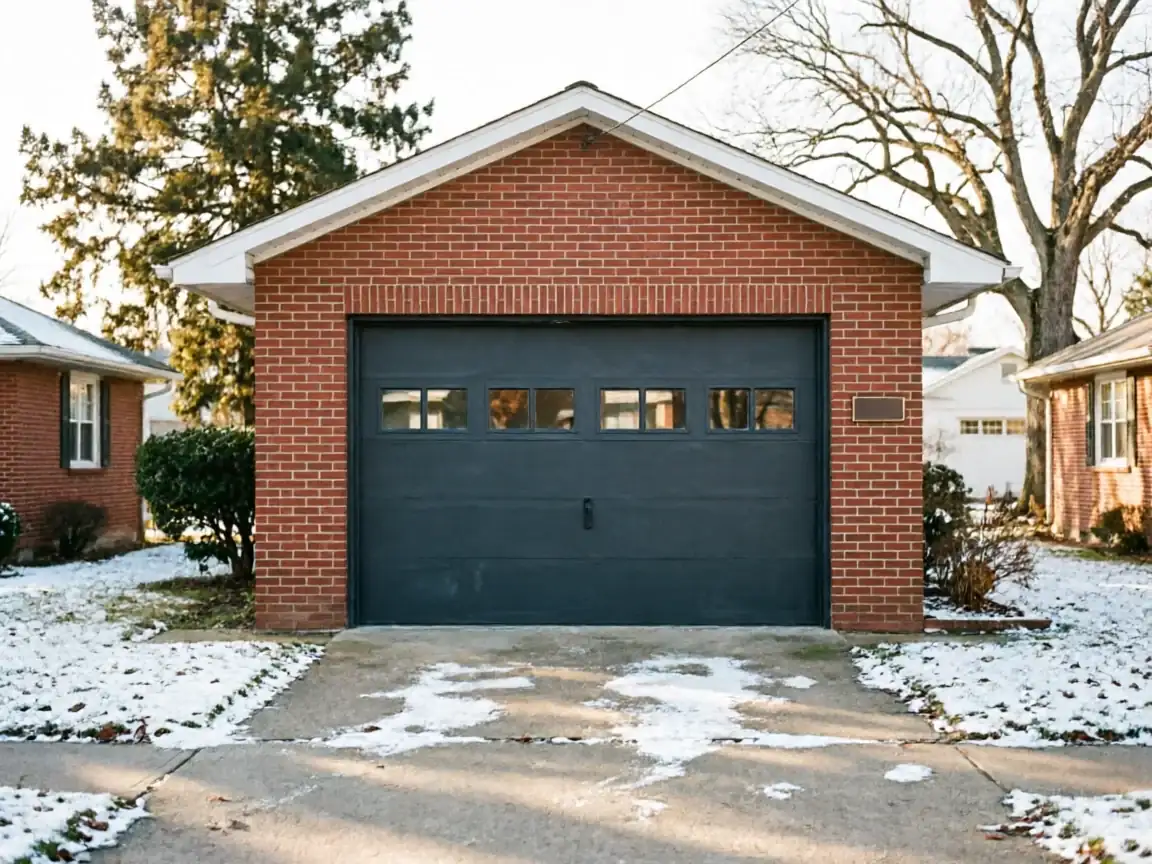
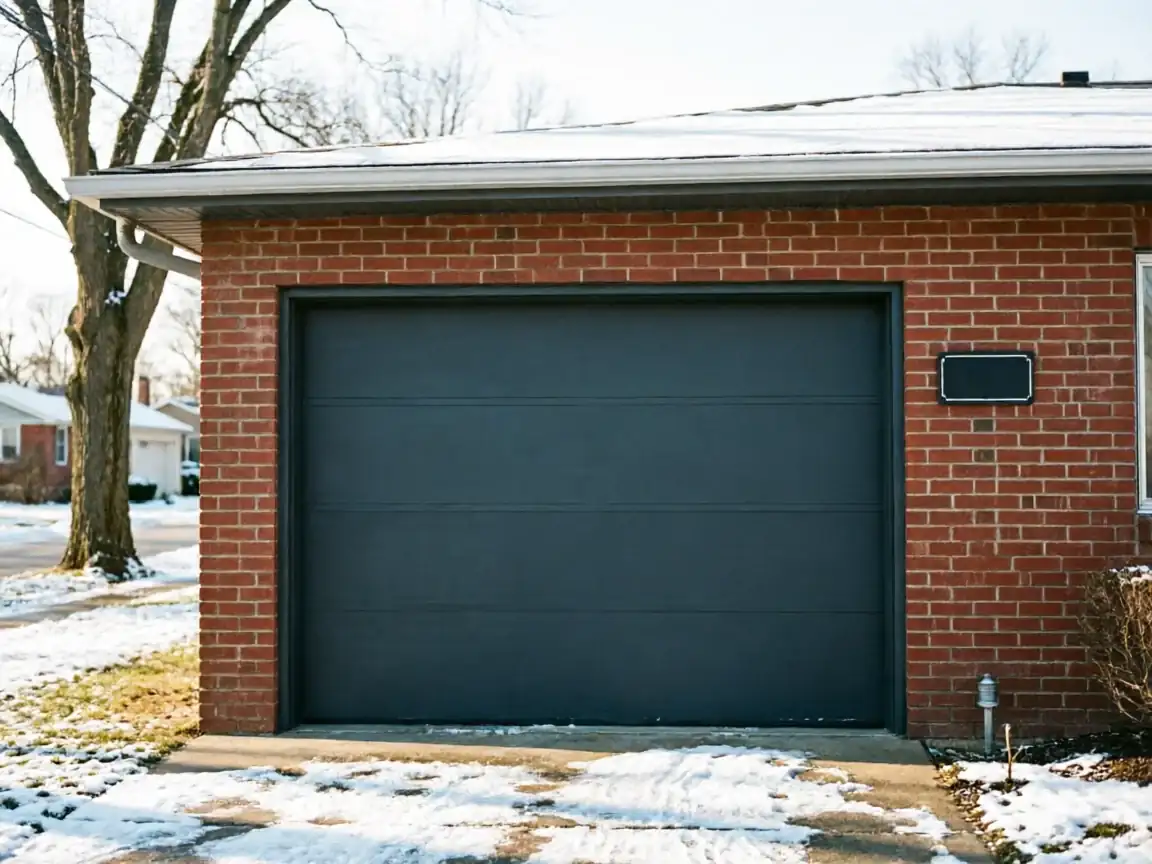
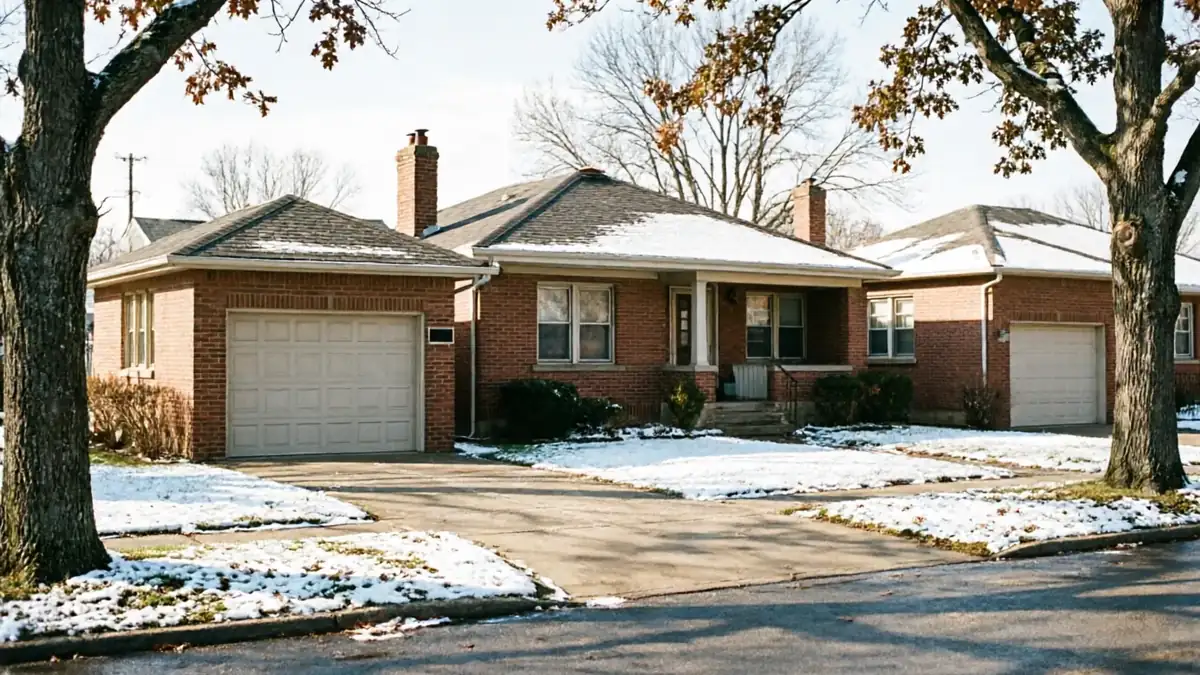
The housing here runs from 1938 up through 1998, with the median built around 1971, which means a large share of garage doors in this service area are either original hardware or a single replacement cycle in. That generation of door commonly used side-mounted torsion setups with parts that newer big-box kits don't match. When a spring snaps on one of these, the fix isn't always a drop-in part - sometimes it's a full torsion conversion to hardware that's actually stocked.
Cold also stiffens the lubricant in older rollers and hinges, which is why so many of our winter calls aren't springs at all - they're a door that's binding on the track because everything moving through it has gone stiff and dry overnight.
What You Pay
We don't post a flat number here because what you pay depends on what's actually broken - a single spring replacement is a different job than a full torsion conversion on an original-hardware door, and that's common on housing stock this old. What we can tell you is that we price the job after we've looked at the spring, track, and opener, not before, so you're not paying for parts you don't need.
If you want a ballpark before we're on site, tell us the age of the house and whether the door is making noise, binding, or has already dropped - that narrows it down quickly on the phone.
How It Shows Up
The most common first sign is a door that won't open at all
The opener runs but the door doesn't move, which usually means a torsion spring has already let go. Second most common: a door that's noticeably heavier to lift by hand than it used to be, which is a spring on its way out rather than one that's already broken.
You might also notice the door shuddering or jerking partway through its travel
Which points to a bent track or a roller that's seized rather than the spring. On the older hardware common in homes built before the 1970s, a cable that's frayed or has jumped the drum often shows up at the same time as spring wear, since both parts are carrying the same load and age at close to the same rate.
If the door is slow to respond to the remote
Or the opener makes a grinding noise before it lifts, that's more often an opener-side issue and we'll tell you if it's worth replacing versus repairing once we've seen it.