How We Fix It
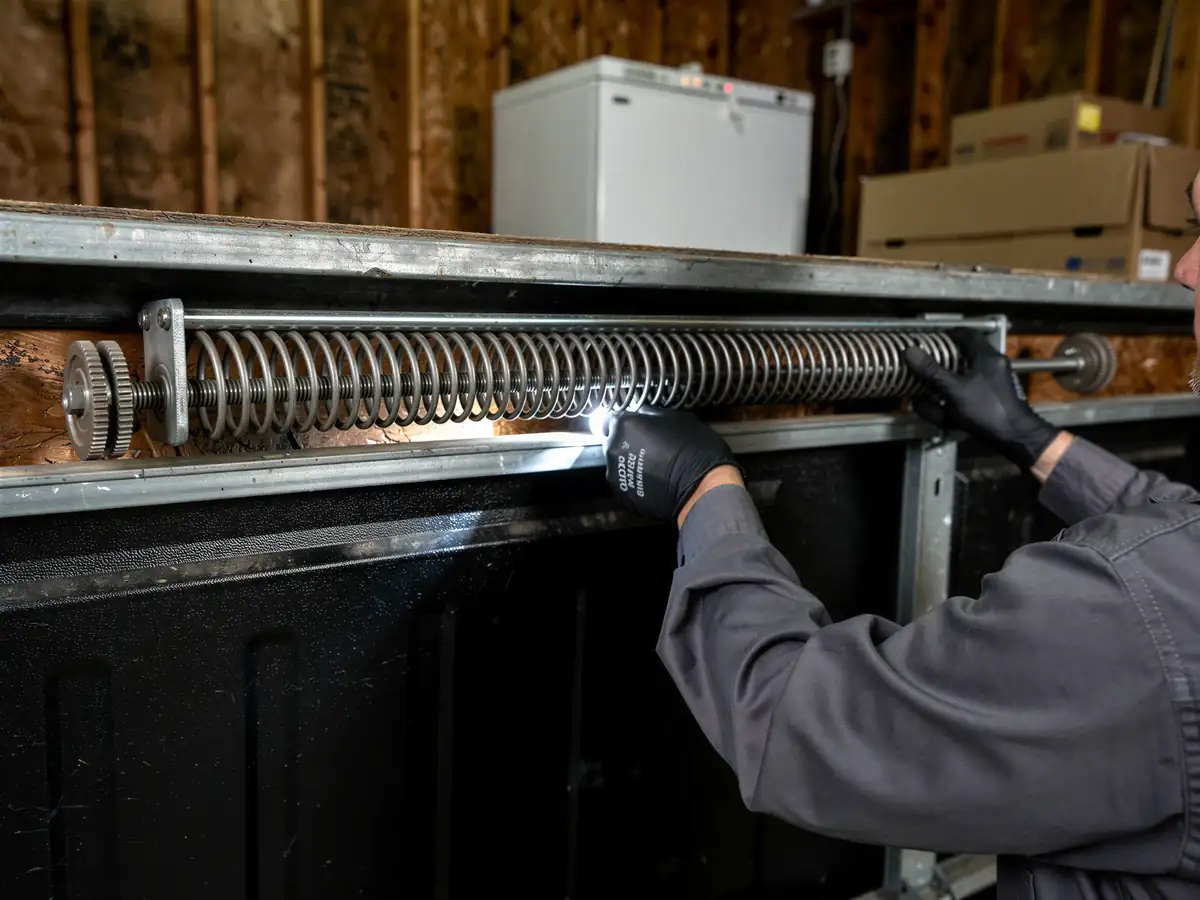
We start at the spring, not the opener, because that's where most calls end up anyway
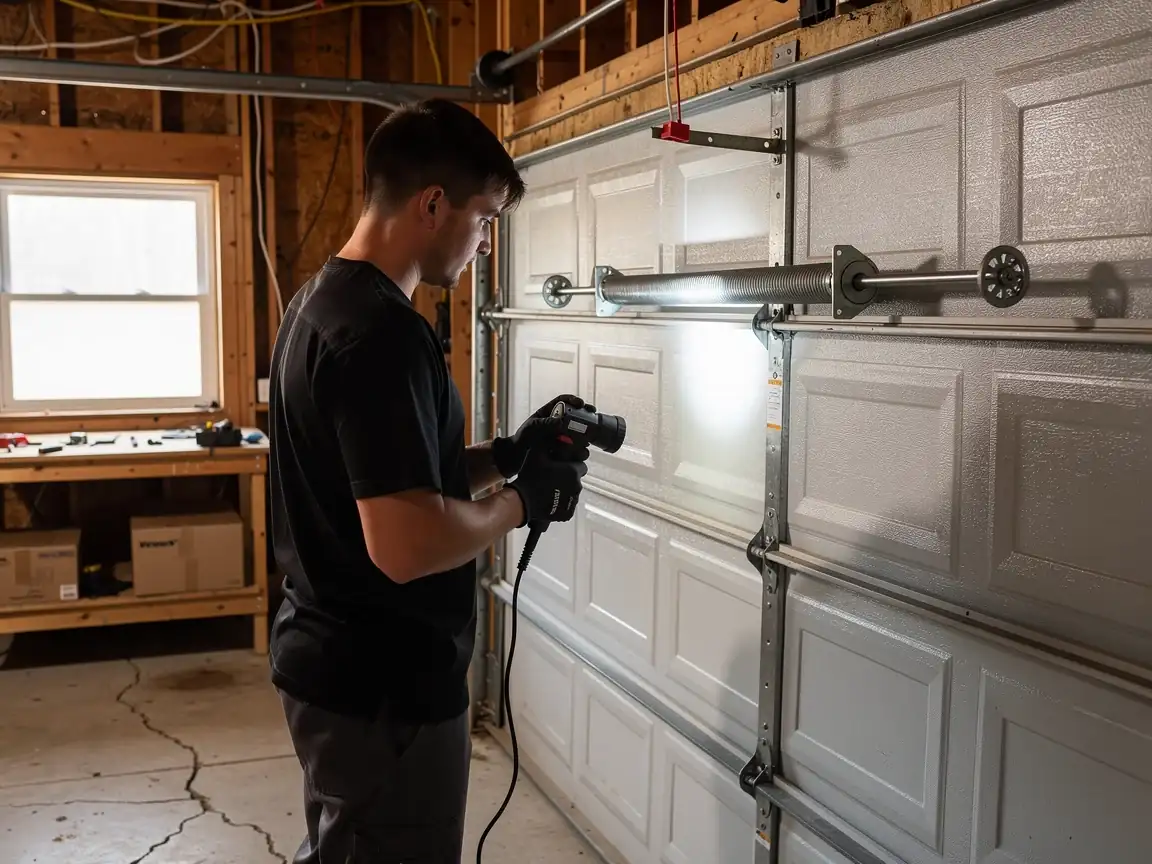
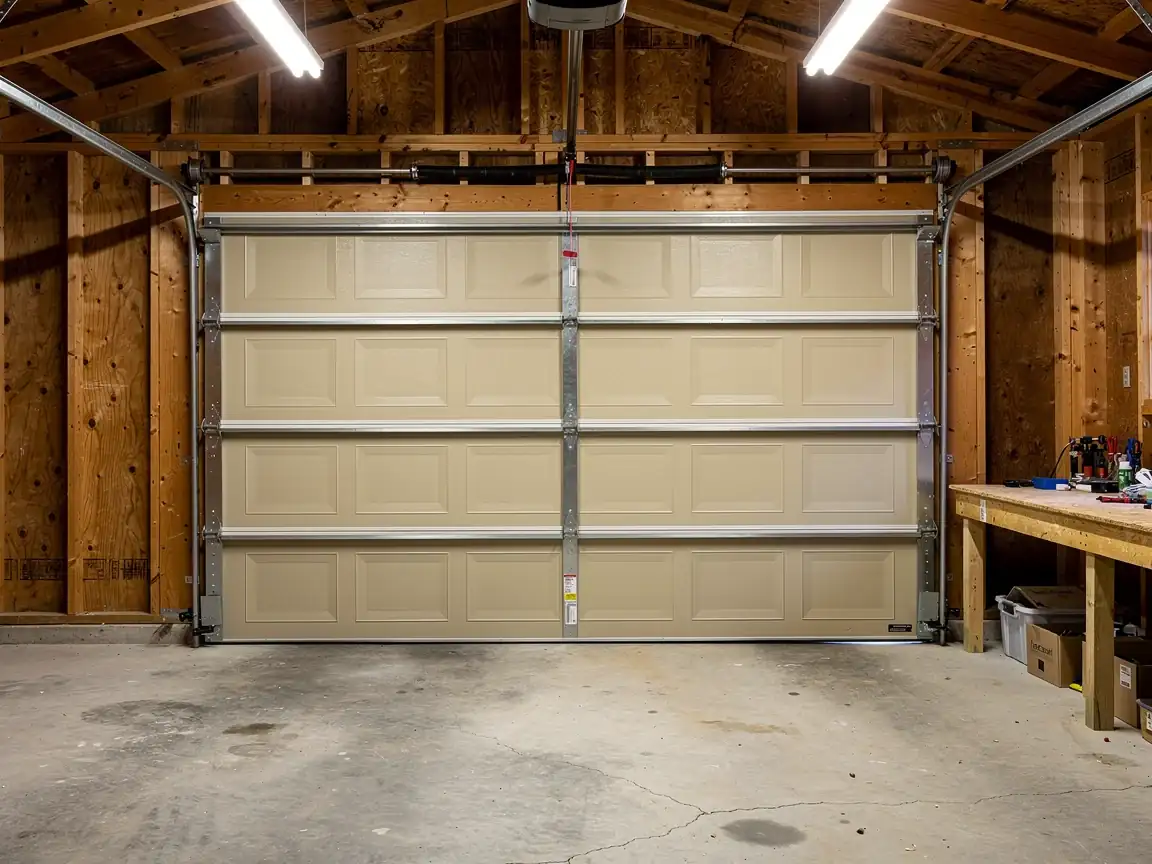
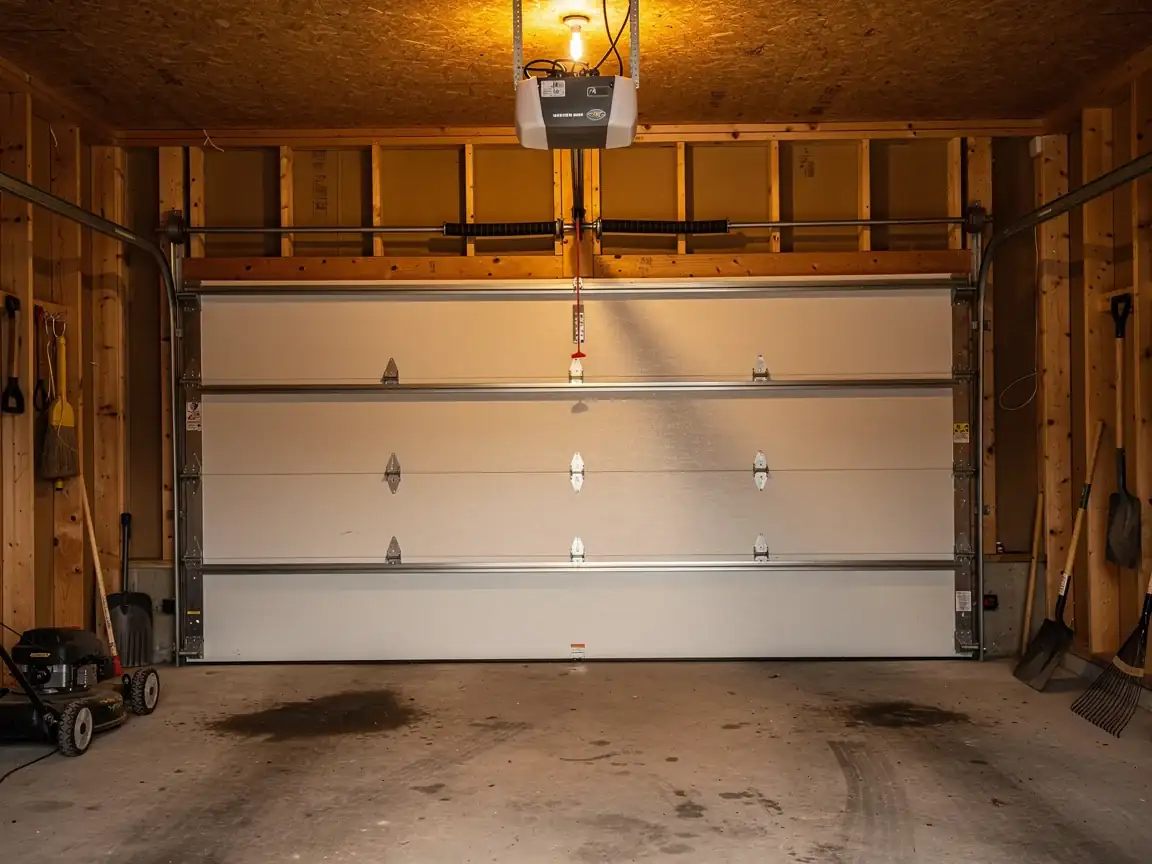
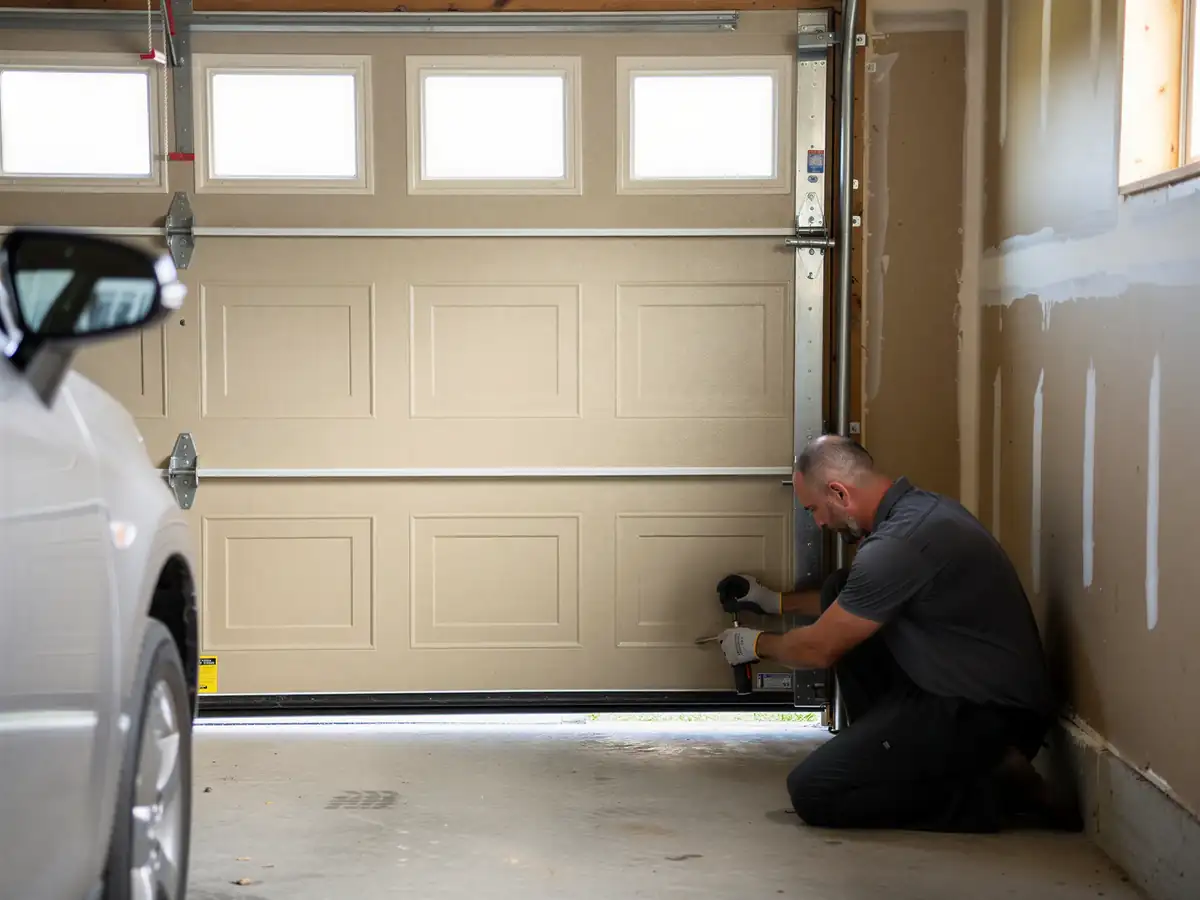
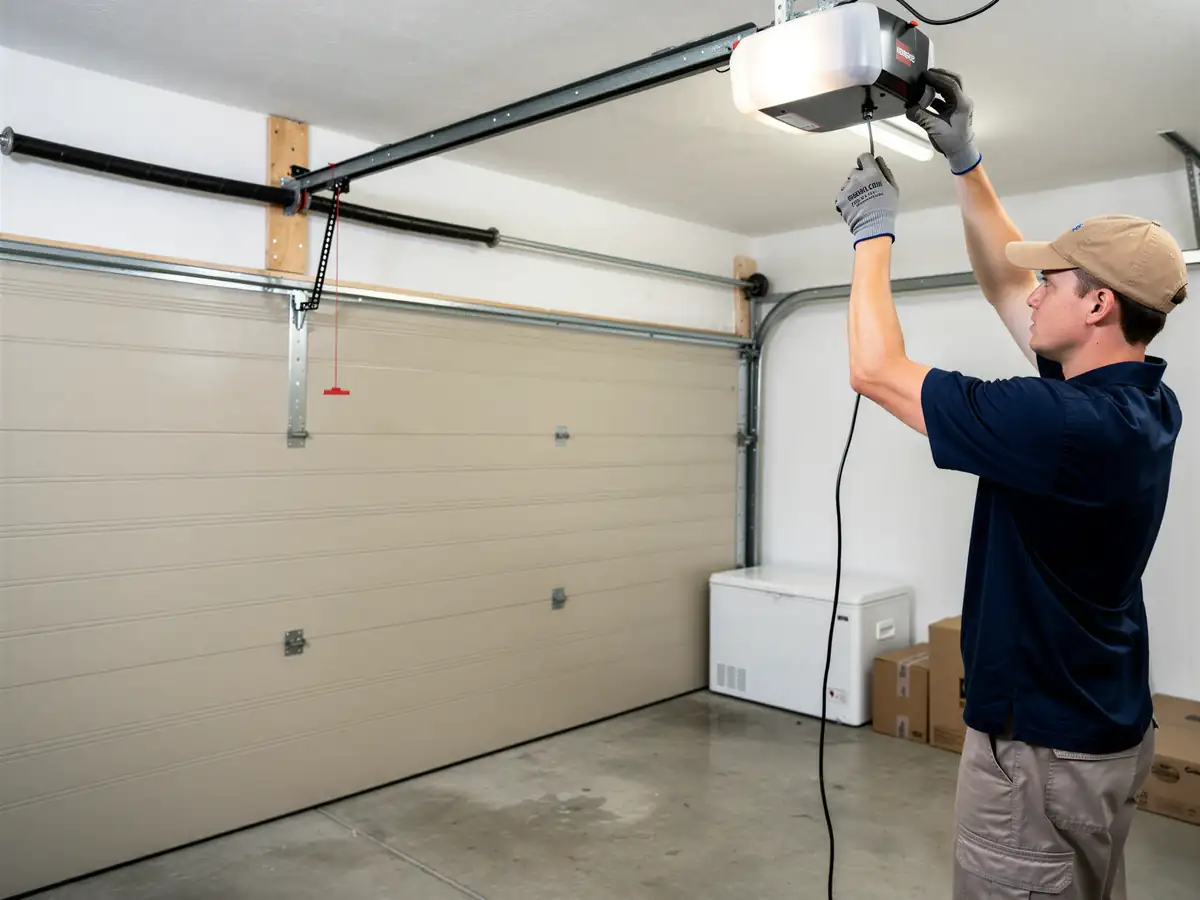
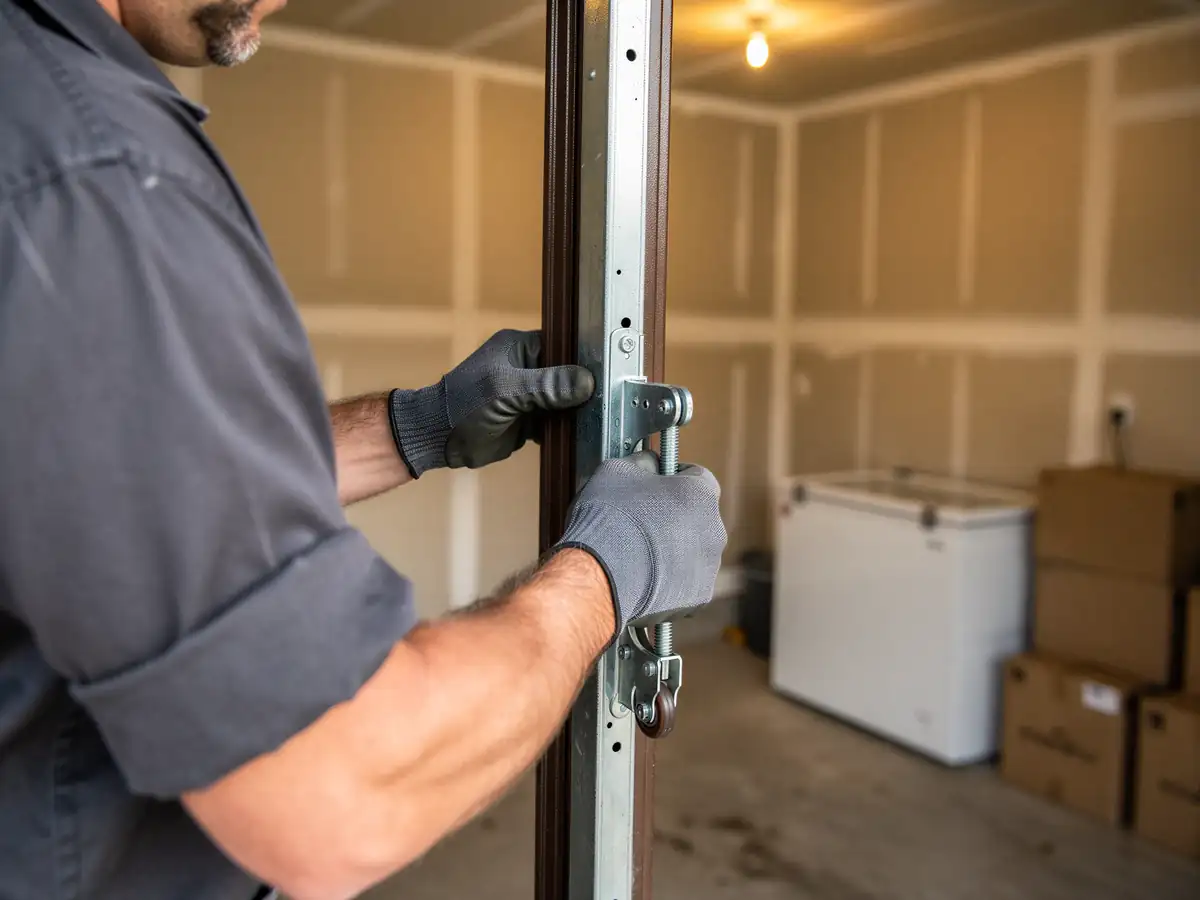
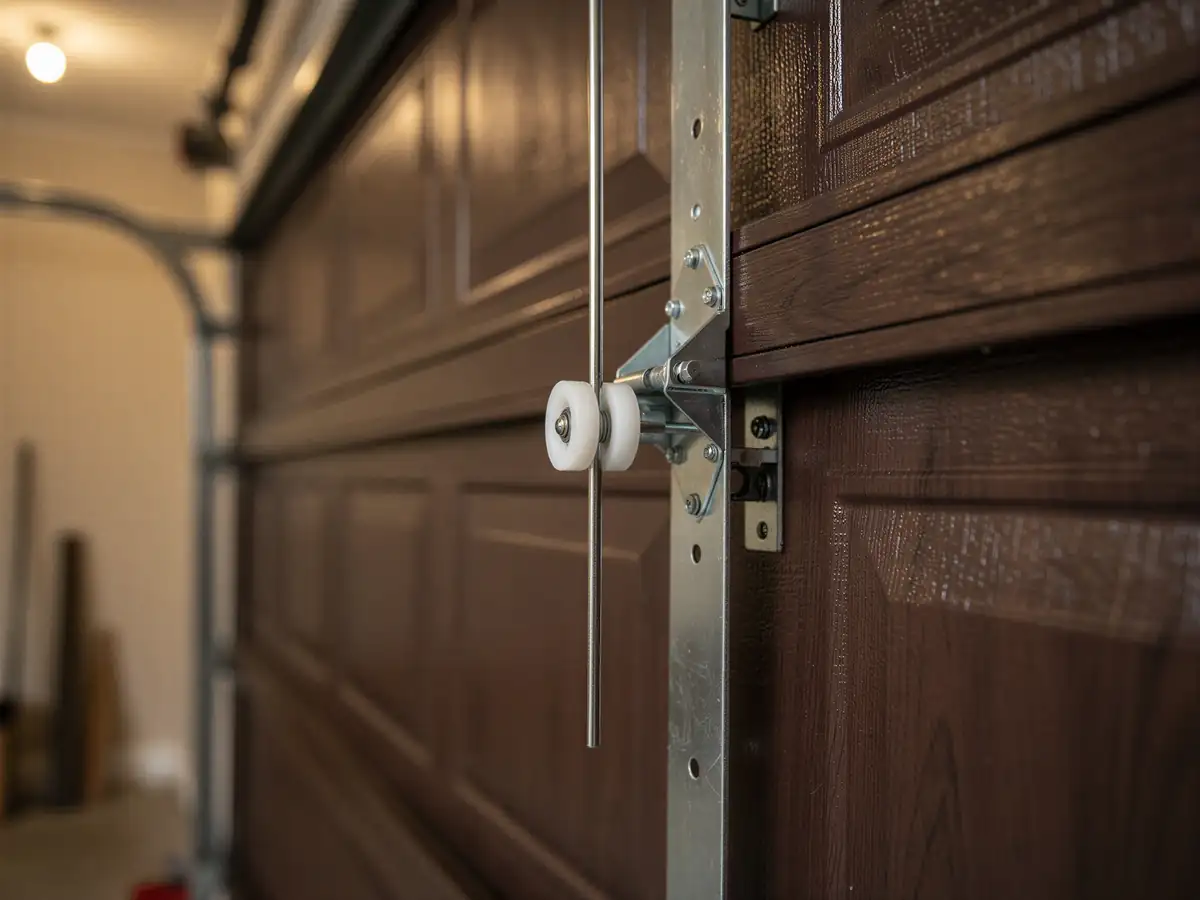
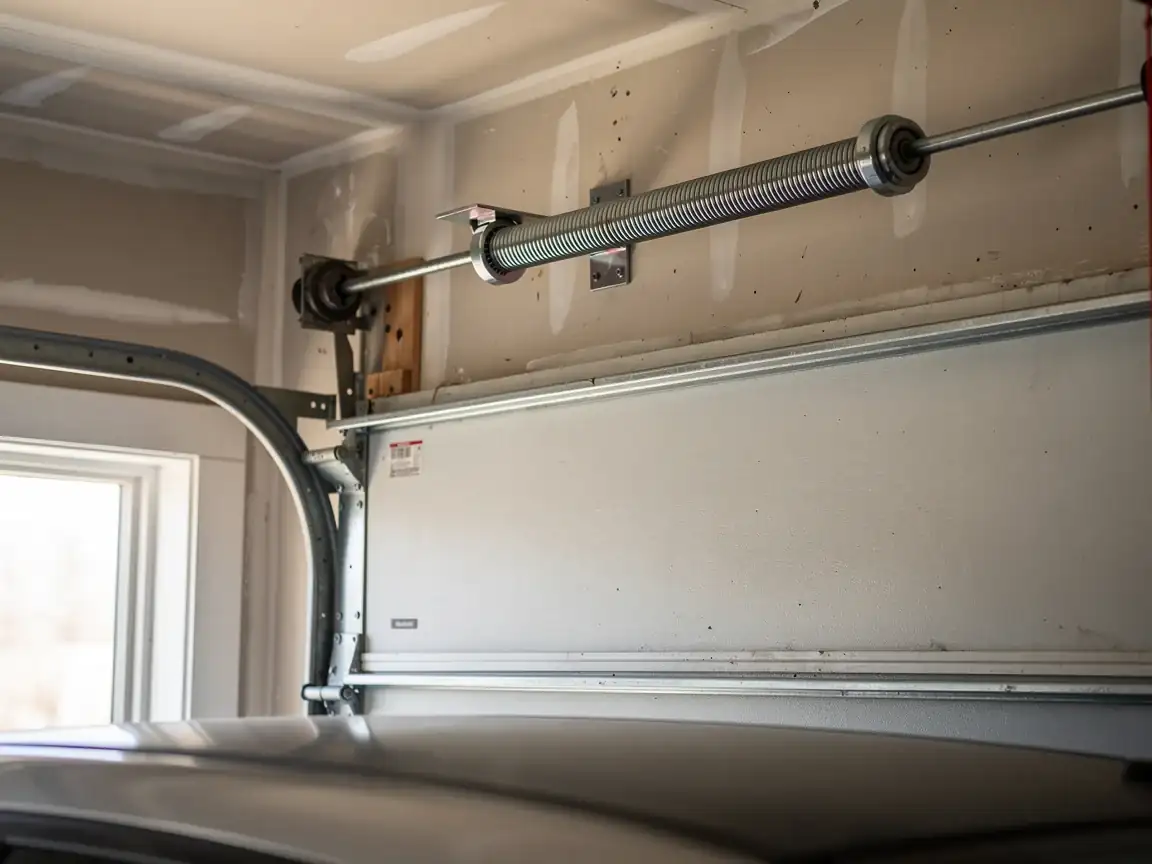
On a torsion system that's been cycling since the 1960s or 70s, we check wind tension against the door's actual weight, not a sticker that may have been swapped out twice already. Then we run the track - plumb, lag bolts, roller wear - before we ever touch the opener logic board.
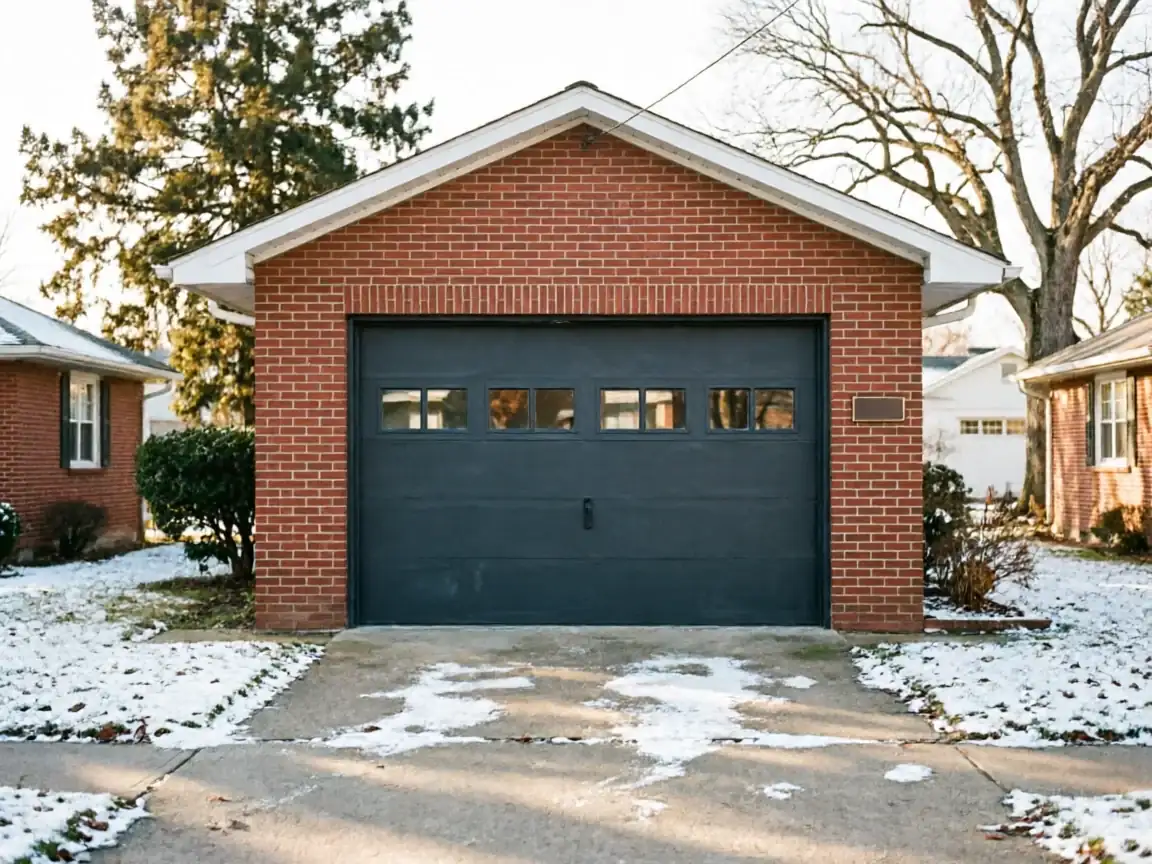
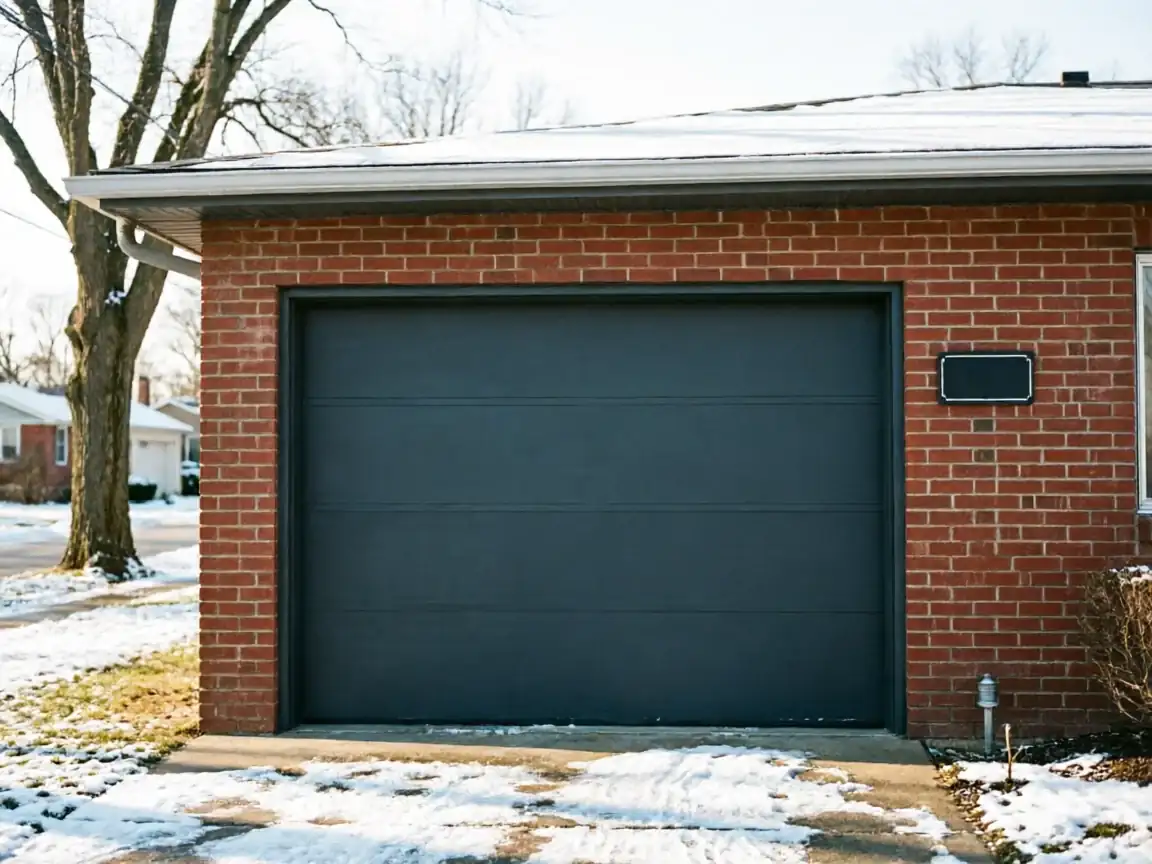
Most of the garages we get into in Beavercreek still have their original side-mounted torsion hardware or an early retrofit from the 80s
That means non-standard spring wind counts, track widths that don't match anything on a parts truck today, and brackets drilled for hardware nobody makes anymore. We carry stock sized for that era specifically, because showing up with a generic kit and hoping it fits wastes your morning and ours.
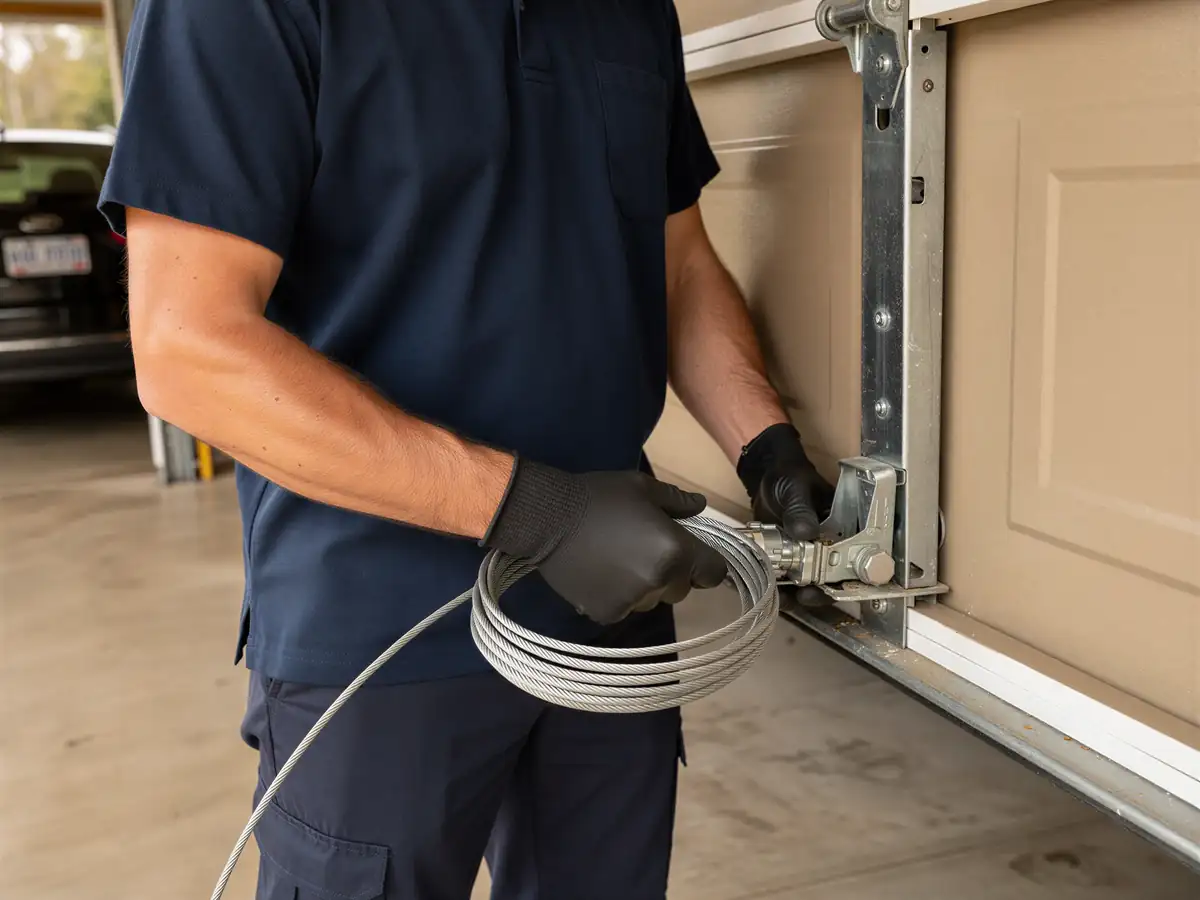
If the drum, cable, and track are all original and the door still travels straight
We service what's there instead of pushing a full replacement. If the bottom bracket has stretched the holes or the track is bowed past true, we say so and price the swap instead of patching around it.
Why This Fails Locally
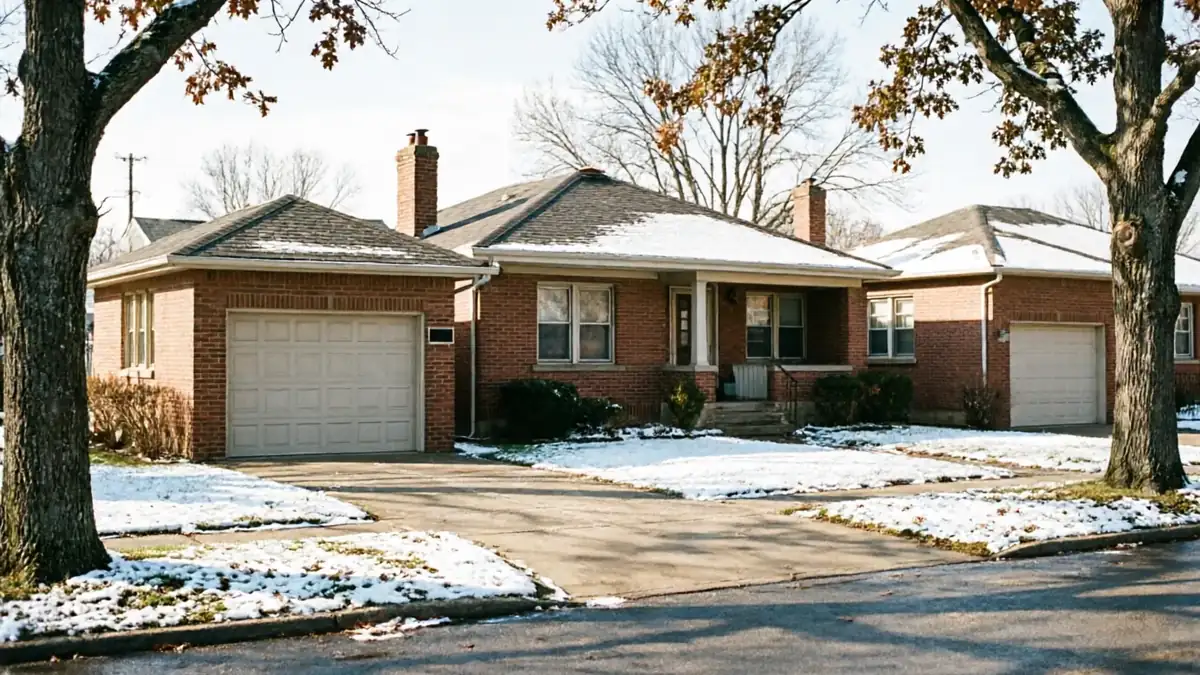
Beavercreek's housing stock runs from 1938 to 1998 with the median landing around 1971, and most of it clusters in the 1960s and 70s build wave. That generation of garage used lighter steel than what's spec'd today, wound to tolerances nobody re-checks until the spring lets go. Fifty-plus years of daily cycling on that gauge of steel is a lot of fatigue, and it shows up as a snapped torsion spring far more often here than in newer subdivisions.
Layer the climate band on top of that. Beavercreek sits in a severe cold zone, and cold does two things to an old spring system: it stiffens the lubricant on the coils so the door drags harder on a 20-degree morning, and it makes tempered steel more brittle right at the moment you're asking it for full lift. A spring that's been quietly losing temper for forty winters tends to go on the coldest one, not a mild one.
Add a concrete slab that's seen that many freeze-thaw cycles and you get a little heave at the threshold - enough to throw a track out of plumb a few degrees, which is often the actual reason a