How We Fix It
A snapped or frayed lift cable means the door is being held by one side instead of two
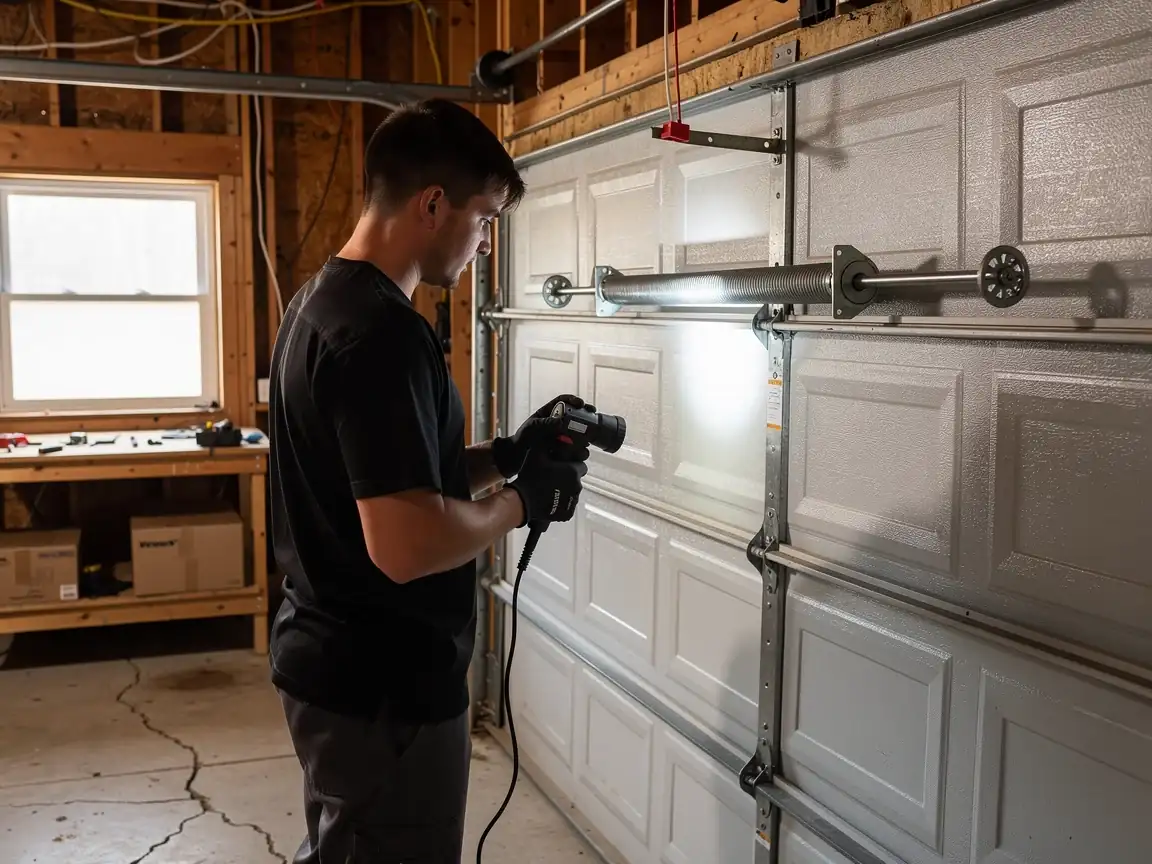
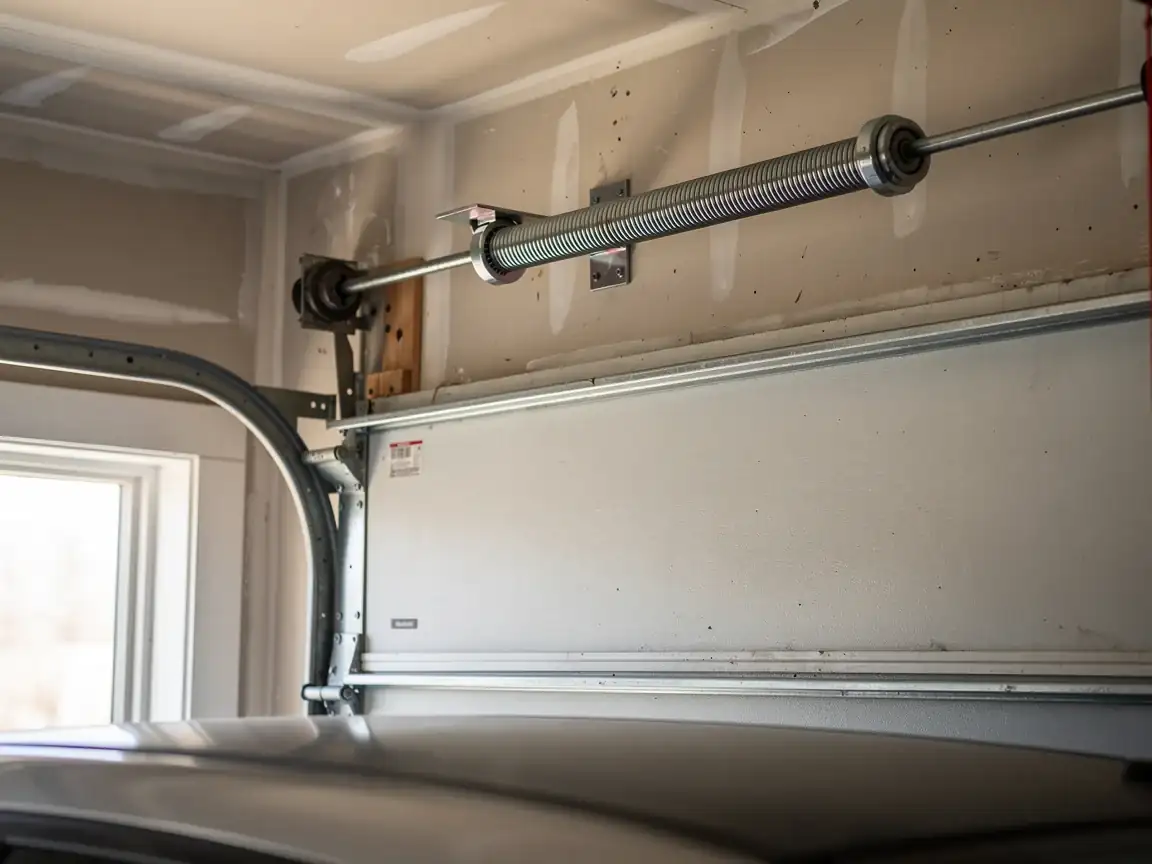
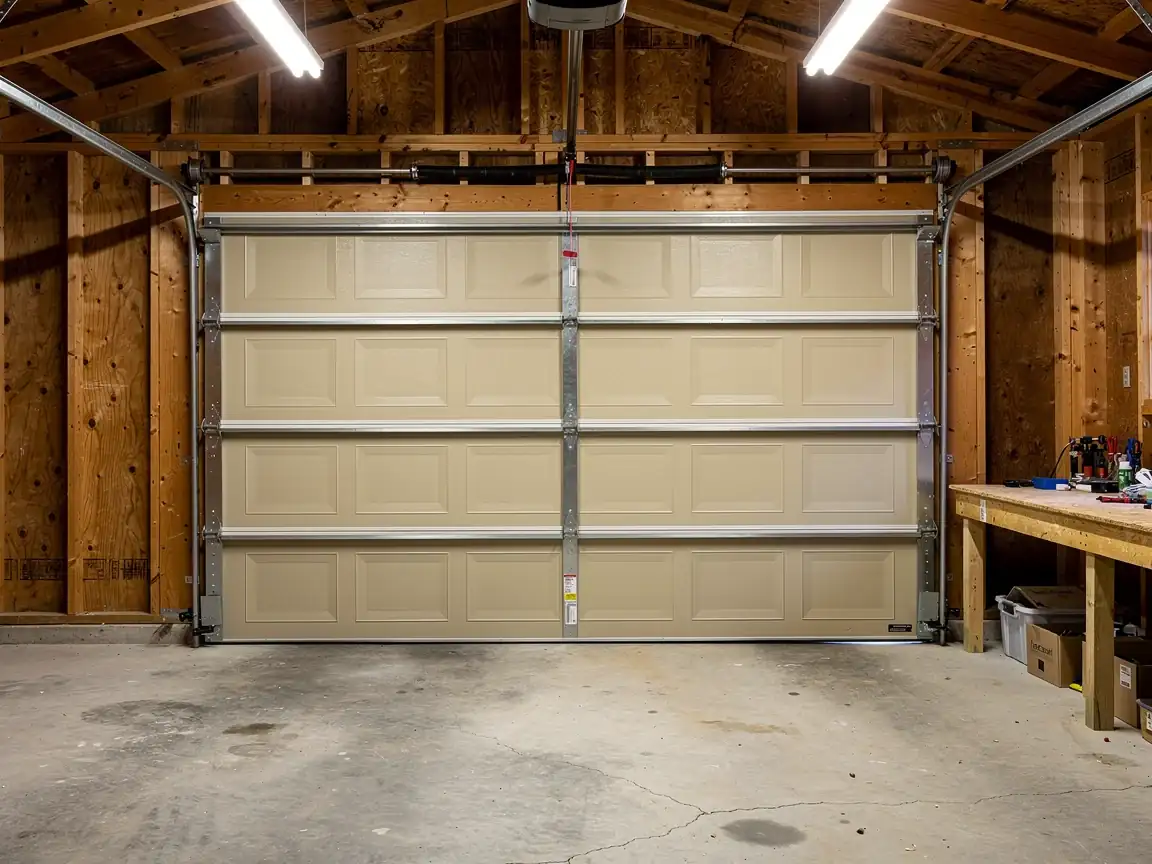
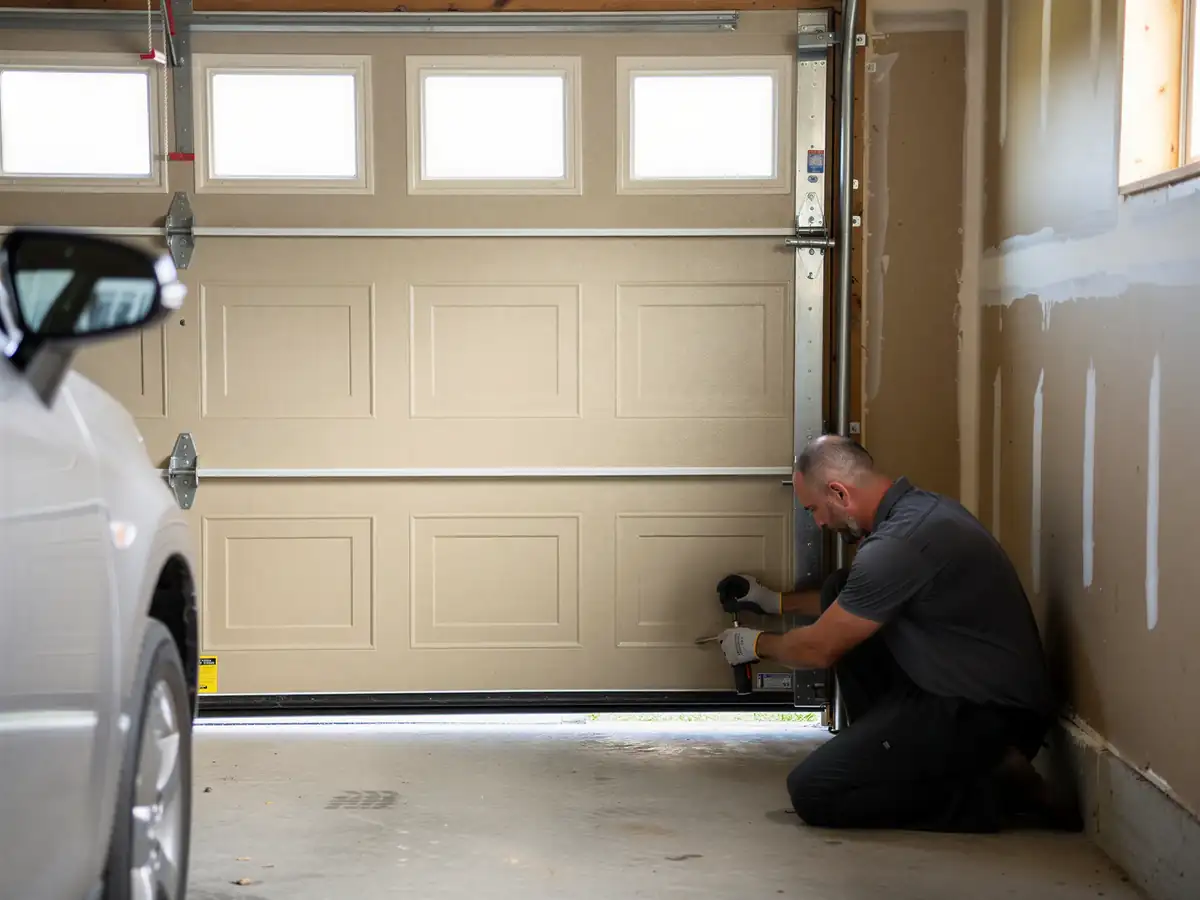
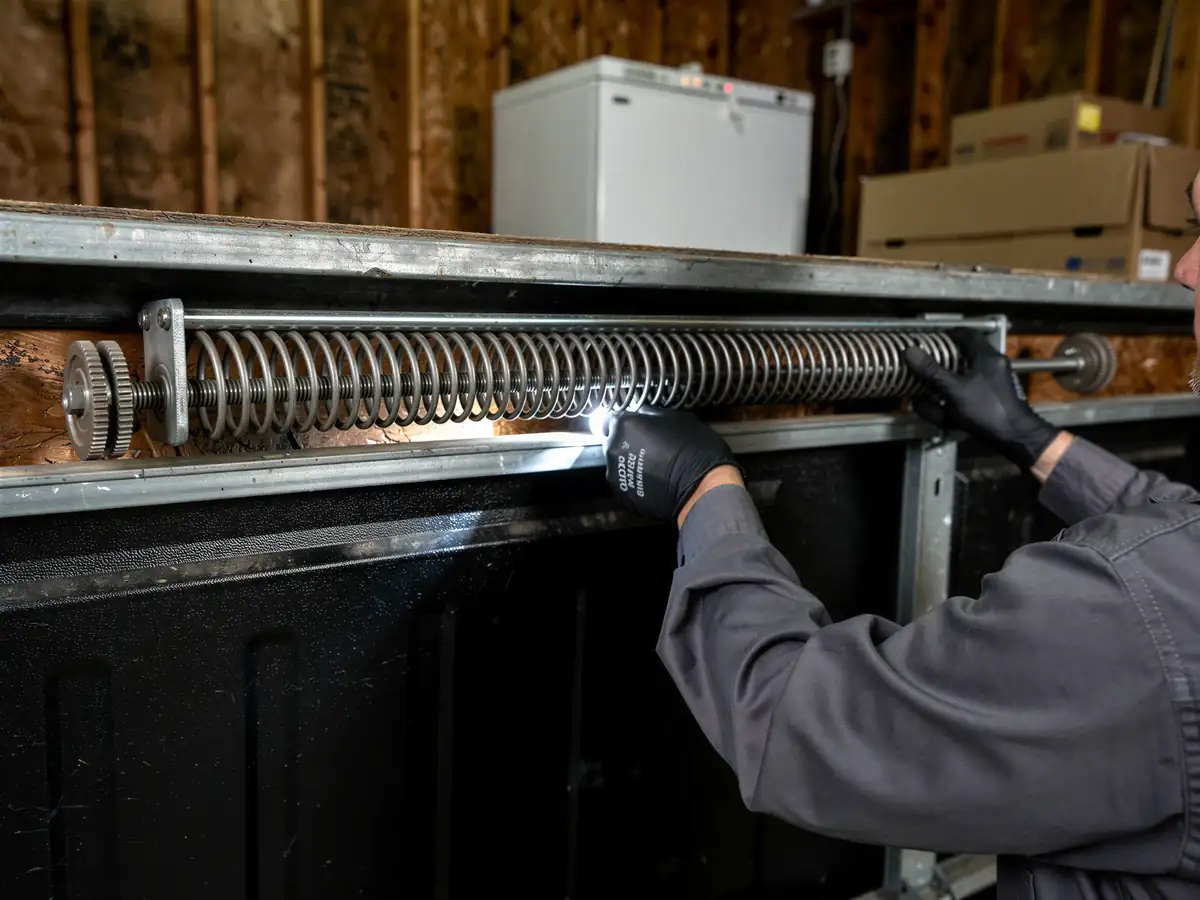
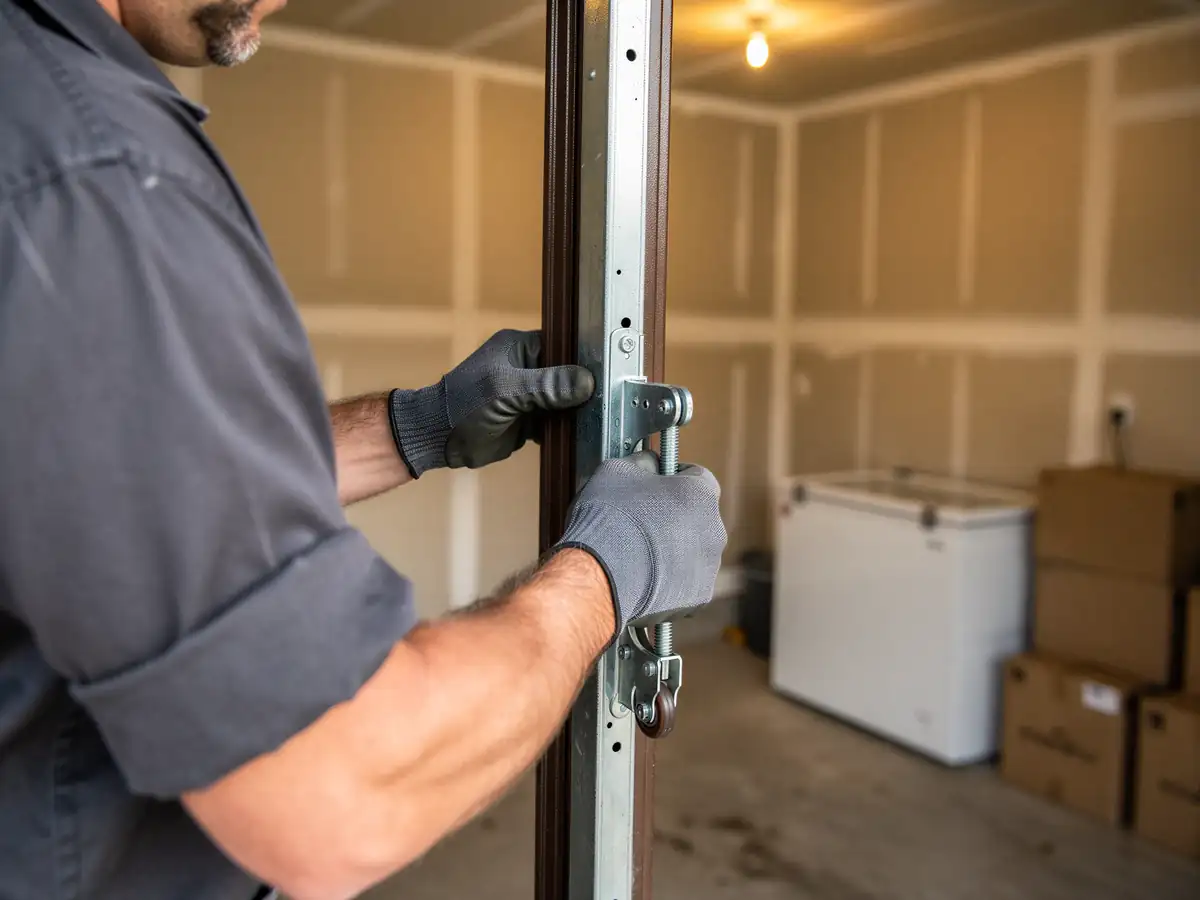
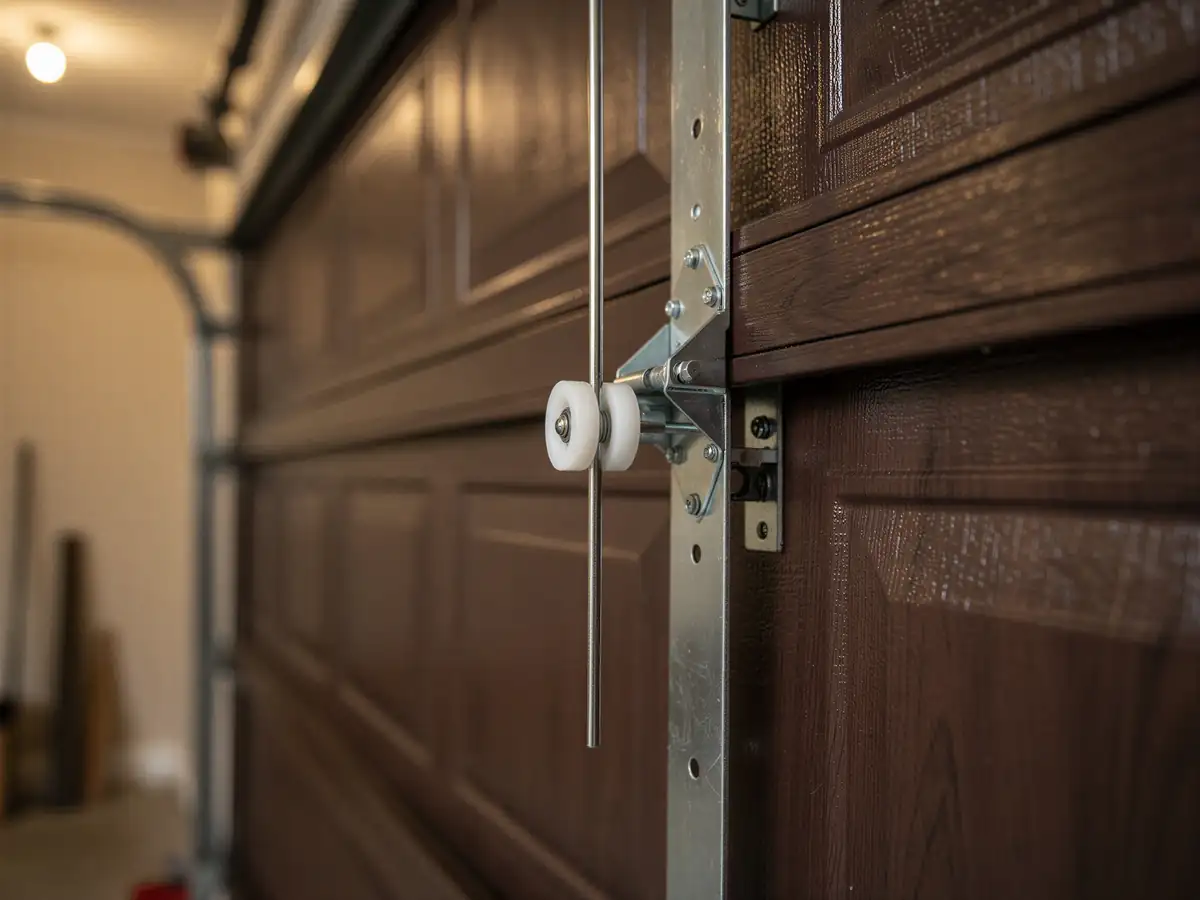
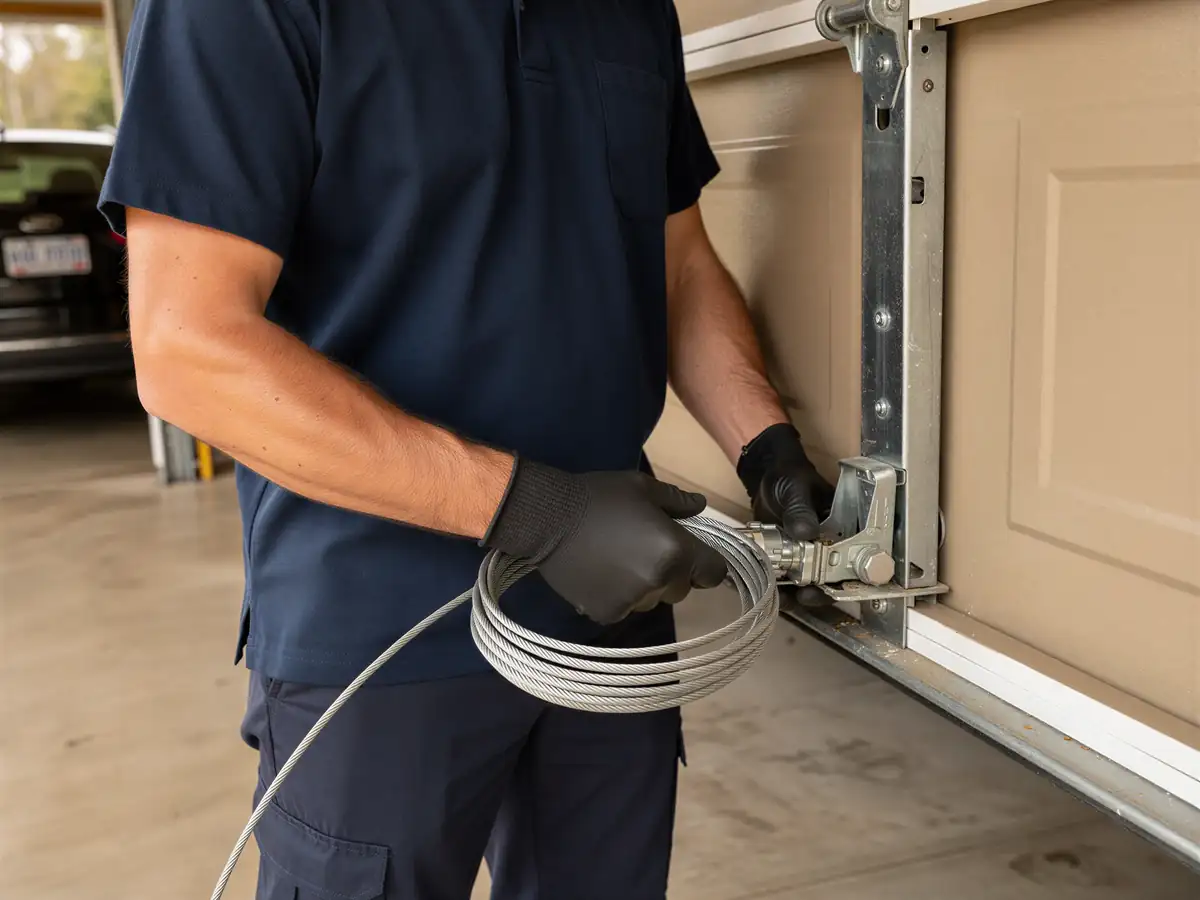
And it will not move safely until that's corrected. We release the spring tension first, because a cable job done with a loaded spring is how people lose fingers. Then we pull the old cable off the drum, check the drum itself for wear grooves where the cable has been riding wrong, and inspect the bottom bracket where most cables fail first.
On double doors we replace both cables as a pair even if only one broke
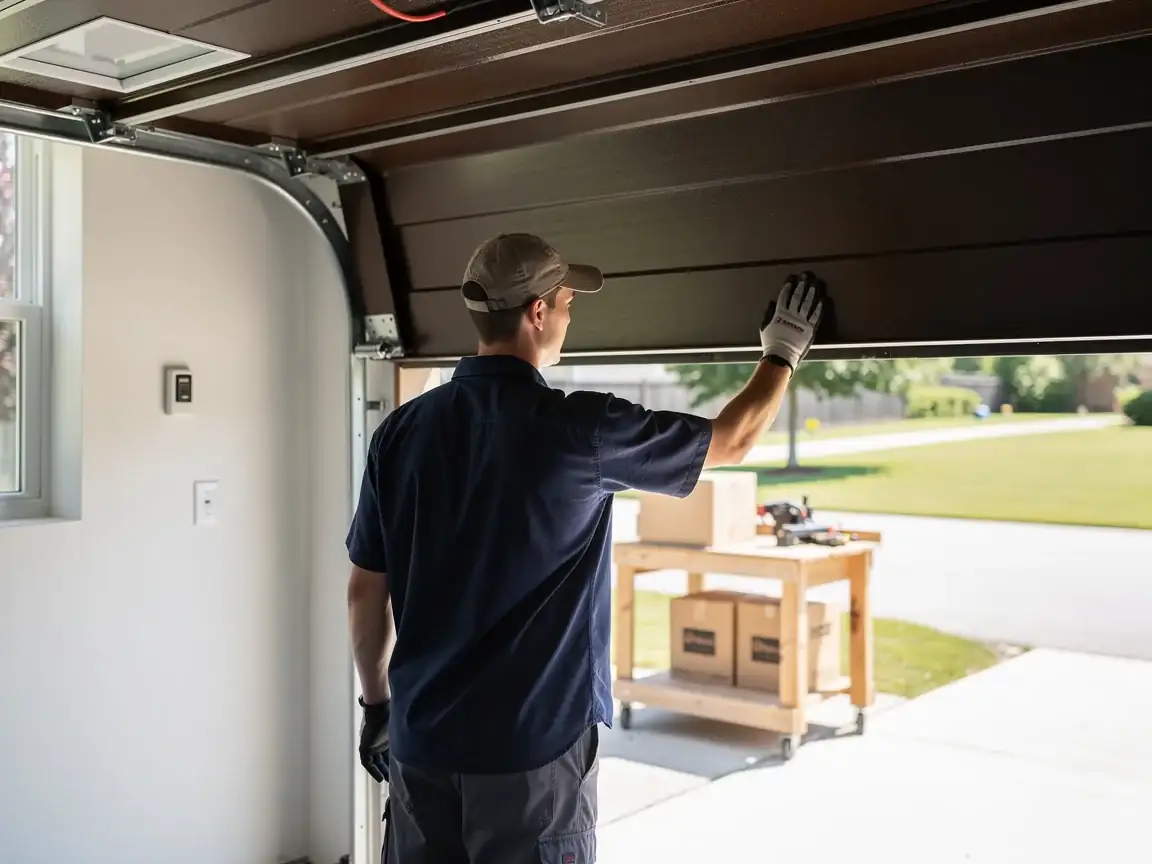
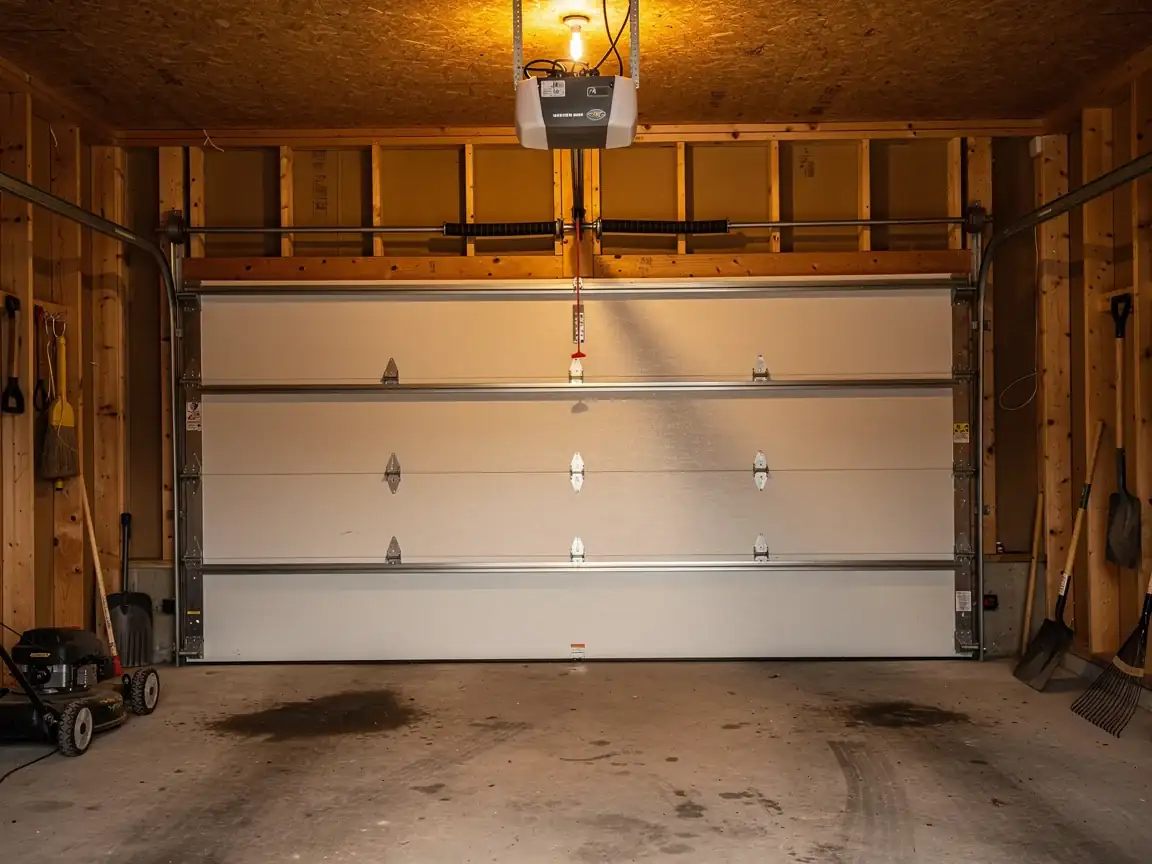
Because the surviving cable has usually stretched or frayed at the same rate and will go next. We re-set drum height so the door comes down level instead of racking to one side, then run the door through a dozen open-close cycles under load before we call it done. If the drums or bearing plates are worn from years of an unbalanced door, we'll say so and price that separately rather than bolt a new cable to bad hardware. That's the honest limit of a cable-only fix: if the rest of the lift system is shot, a new cable just buys you a few more weeks before something else lets go.
Why This Fails Locally
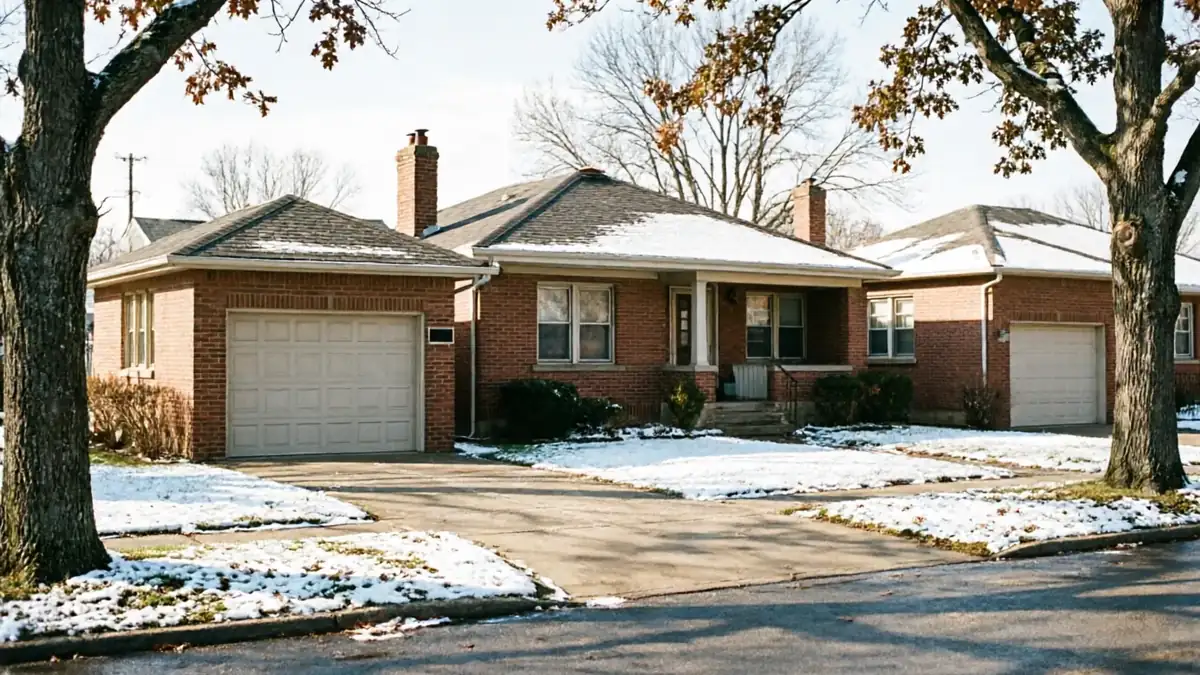
Beavercreek's housing stock runs 1938 to 1998 with a median build year around 1971, and most of the area's 31 named neighborhoods are still running original or first-replacement garage door hardware from that era. Cables on doors this old are often galvanized steel that's been through fifty-plus winters of condensation and road salt tracked in off tires, and that kind of slow rust doesn't show on the outside until a strand pops.
The climate here is the other half of it. This is a severe cold-climate zone, and cables do their worst stretching and fraying in the temperature swings between a cold garage and a sun-warmed door panel. Metal contracts, cable tension shifts, and a cable that was marginal in October lets go in January when you're already late for work. On homes built in the 1960s and 70s specifically, we also see a lot of drums that were never upgraded when the cable was last replaced, so a quick cable swap on a 50-year-old drum sometimes exposes a second problem under the first.
What You Pay
We don't publish a flat number for cable repair because the job isn't the same from door to door. A single-cable replacement on a lightweight residential door, with the spring still in good shape and the drums not worn, is a smaller job than a double-cable replacement on a heavier door where the drums need resurfacing or swapping too.
What we can tell you is what drives the price: whether one cable or both need replacing, whether the drums or bottom brackets are also worn, and whether the spring system needs attention at the same time. We'll inspect the door, show you what's actually wrong, and give you a number before we touch anything. If the fix turns out to be bigger than a cable swap, we'll tell you that too instead of patching around it.
How It Shows Up
Most cable problems don't announce themselves as a clean snap
More often you'll notice the door hanging crooked when it's partway open, one corner lower than the other because one cable has slipped off its drum or frayed enough to stretch. Sometimes it's a scraping or popping sound right as the door starts to move, which is often a frayed cable catching on the drum groove before it finally lets go.
If the door won't open at all and you can see a cable hanging loose at the bottom corner
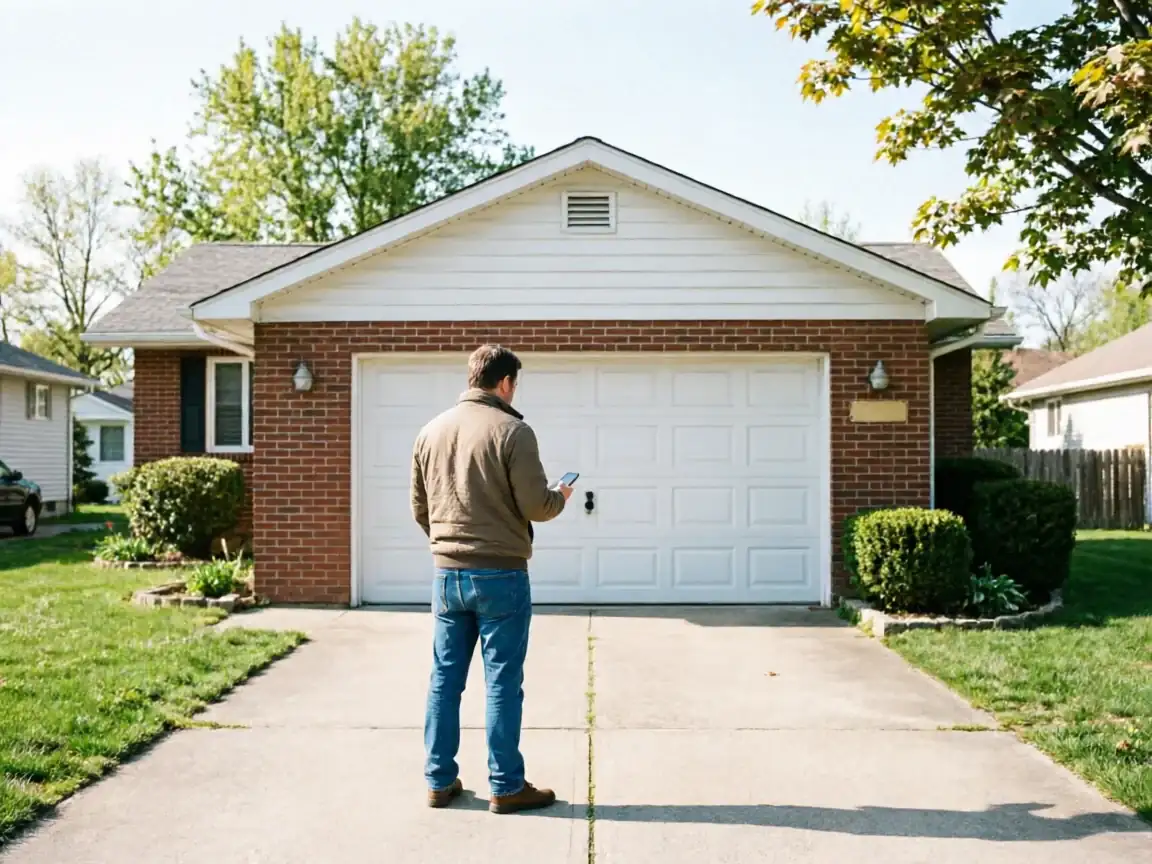
Stop using the opener. A cable off the drum under spring tension is not something to force through with the remote. Across the 144,820 households in this service area, cable failures tend to cluster on doors from that same 1960s-70s building wave, which is why we see the same bracket wear and drum grooving pattern on a lot of calls. If you catch the fraying before it fully breaks, during the squealing or crooked-hanging stage, the repair is simpler and cheaper than an emergency call after the cable lets go entirely.
- 144,820 households