Serving Beavercreek, OH & nearby
(937) 326-4953
Beavercreek, OH

What Happens When We Pull Into Your Driveway

A plain breakdown of what's included when Beavercreek Garage Door Pros comes out for a broken spring or stuck door on a home built between 1938 and 1998.

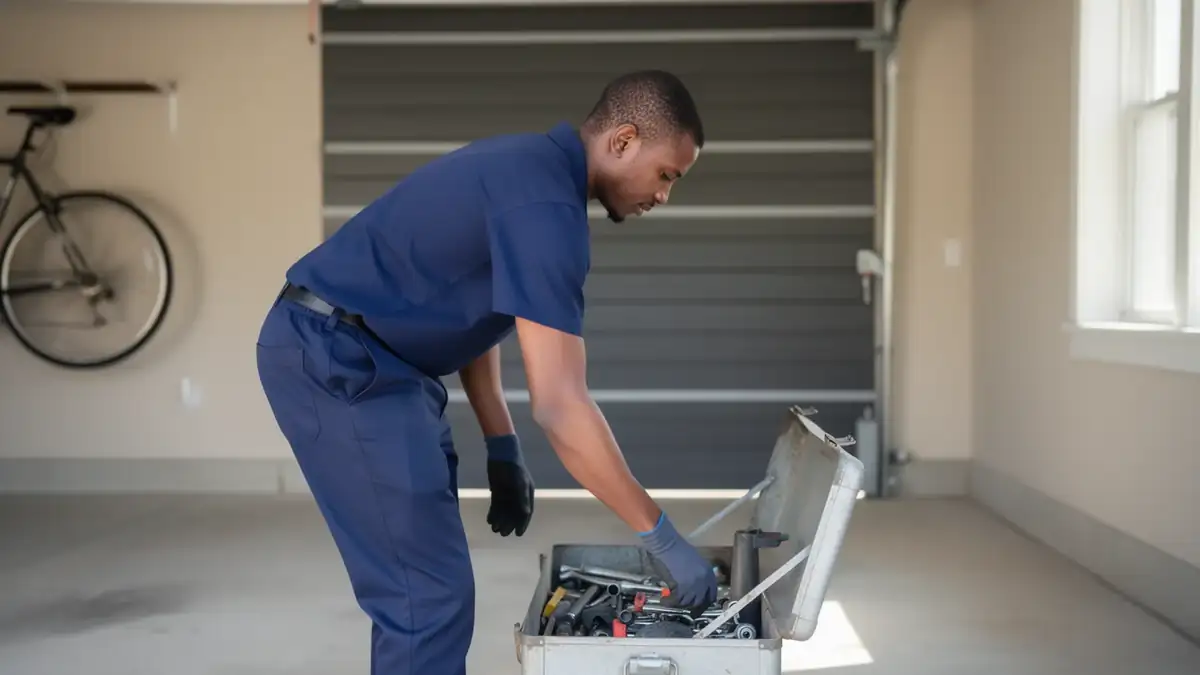
A technician in a blue uniform and gloves reaches into an open toolbox in a garage.

What the Weather Here Does to It

This area sits in a climate band the federal data classifies as cold and severe, and that matters more than most homeowners think. A torsion spring is rated for a number of open-close cycles, but cold metal fatigues faster than warm metal. On the coldest mornings, a spring that's been stretching and compressing for a decade can finally give out, usually on the first pull of the day. Steel panels react too - uninsulated doors common on homes from this area's 1938-1998 building window contract in the cold, which is why you hear more popping and binding in winter than summer. Rollers get stiff, nylon ones especially, and lubricant that was fine in August turns gummy in January. A service call in cold weather almost always starts with us checking spring tension and cable wear before anything else, because those are the parts winter punishes hardest. We don't pretend every call is weather-related - plenty are just age and use - but if your door started acting up right after a cold snap, that's not a coincidence, that's physics working on old hardware.

What Is Going On

Across the 31 communities we work, the housing stock skews heavily toward 1960s and 70s construction, with the overall range running 1938 to 1998 and a median build year around 1971. That means a lot of the doors we see are either original equipment nobody's touched since installation, or a first-generation replacement from the 80s or 90s that's now outliving its own parts. A service call starts with us tracing the actual fault back to its source - a worn cable isn't always the problem even when it looks frayed, sometimes it's a drum that's been cutting into it for years. We check spring wind, track alignment, roller condition, cable seating, and the opener's force settings, in that order, because fixing a symptom without finding the cause just means another call in six months. On a home from this era, we're also watching for hardware that's been quietly mismatched over decades of partial repairs - a newer opener bolted to a 1970s rail, for instance. That mismatch is common enough here that we check for it on every visit, not just when something's obviously wrong.

What You Pay

We don't have a single number that covers every call, because what you pay depends on what's actually broken and whether the part is something we carry on the truck or something we have to source. A diagnostic visit covers the time to find the problem and quote the fix before any work starts - you're not committing to a repair just by having us look. Labor and parts get itemized separately so you can see what's driving the cost. Across the service area, with roughly 72,875 owner-occupied houses and a median household income near $70,000, most of what we run into is routine wear and tear rather than anything exotic, which keeps most jobs in predictable territory rather than requiring specialty parts. Where things get pricier is when a door from the older end of the 1938-1998 range needs a part that isn't made anymore - at that point we're sourcing a compatible substitute or talking about replacement, and we'll tell you plainly which makes more sense before you spend money on the former.
Leaving It Alone

Here's the honest limitation: not every door is worth fixing, and we'll say so. A door from the early end of this area's building window, still running original hardware, sometimes hits a point where the track is bent, the drum is worn oval, and the opener is a different generation than the door itself. At that point, patching one failure just moves the next one closer. We won't sell a repair on a door that's going to need another service call in a few months when replacement would've solved it once. We also don't stock every obsolete part - some hardware from homes built in the 1950s and 60s simply isn't manufactured anymore, and sourcing it can take longer than most people want to wait with a door that won't close. If that's your situation, we'll tell you straight rather than stringing out small fixes. A service call is supposed to leave you with a working door and a clear idea of what it'll take to keep it that way, not a string of return visits.

How it works

From “it’s stuck” to “it’s fixed”

1
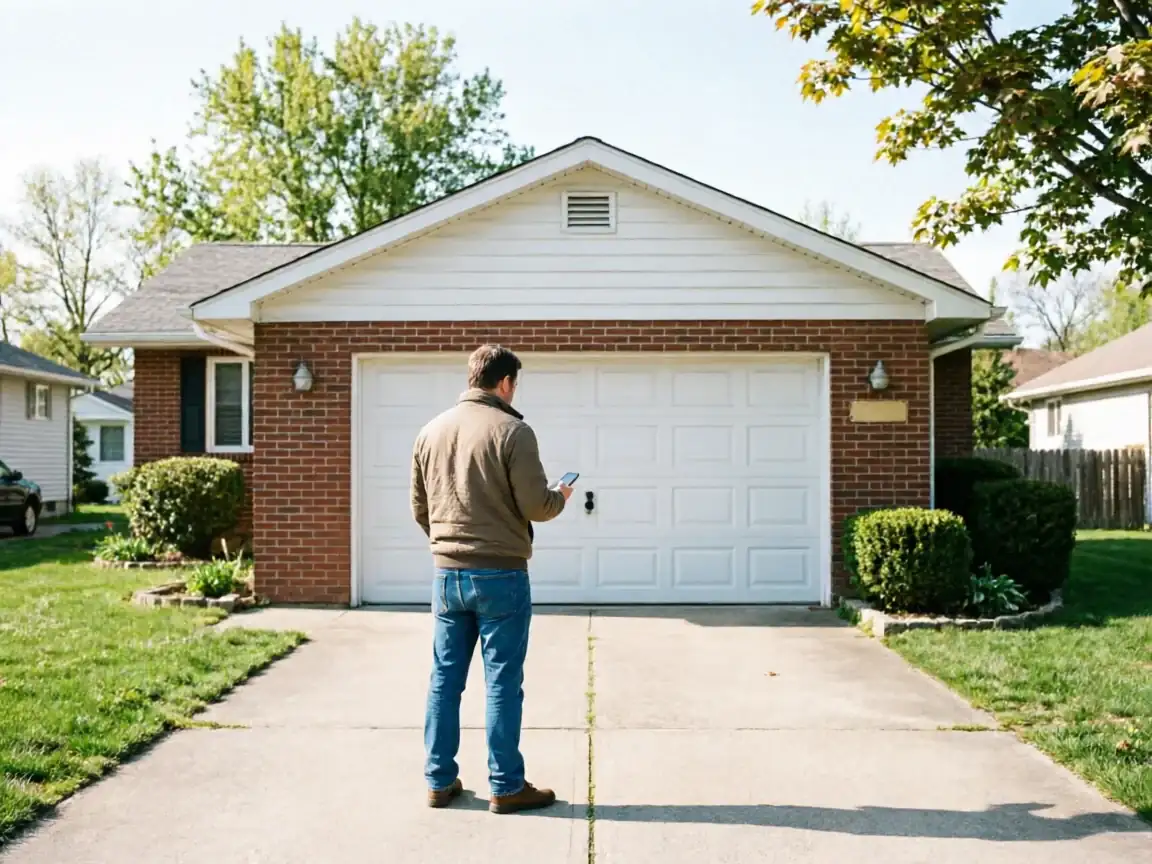
A man stands in a driveway looking at his phone in front of a white garage door.

Tell us what’s wrong

Describe the symptom - won’t open, loud bang, opener runs but the door won’t move.

2
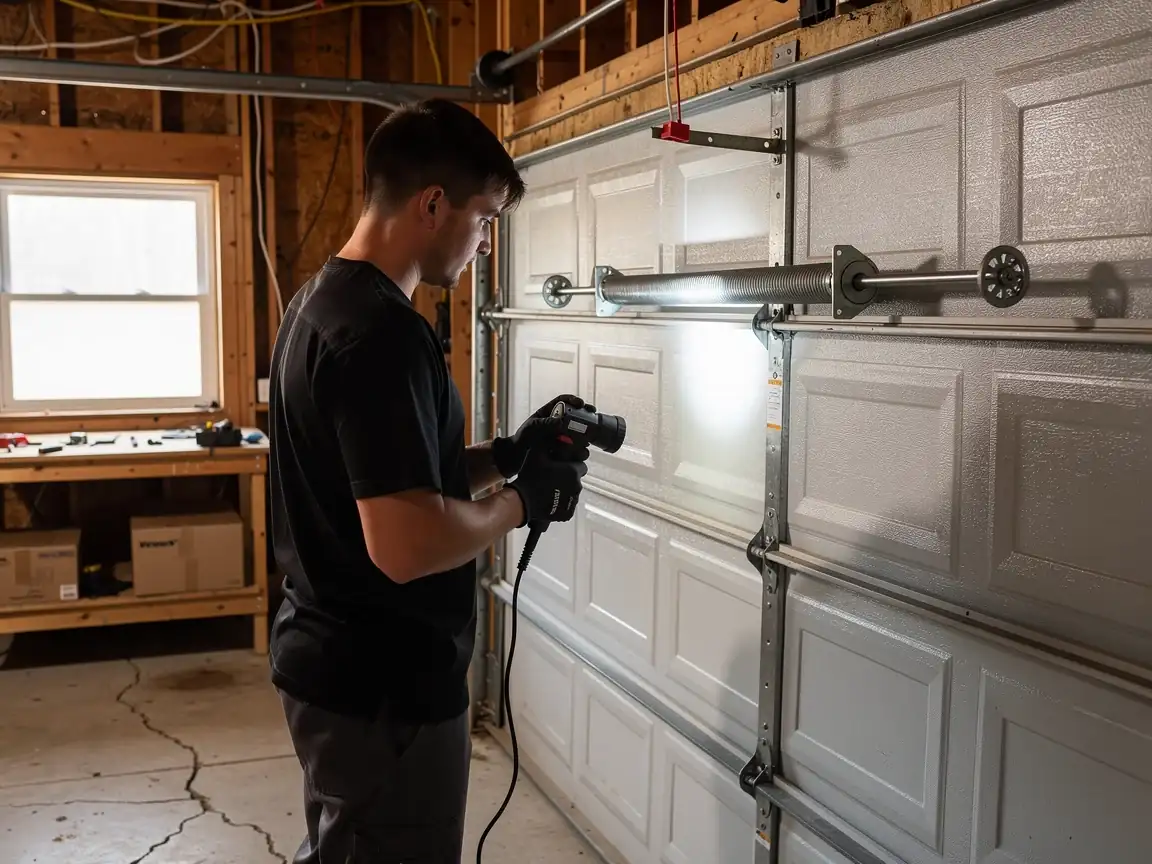
A technician shines a light on a garage door torsion spring.

On-site diagnosis

A technician tests the door under power and by hand and finds what actually failed.

3
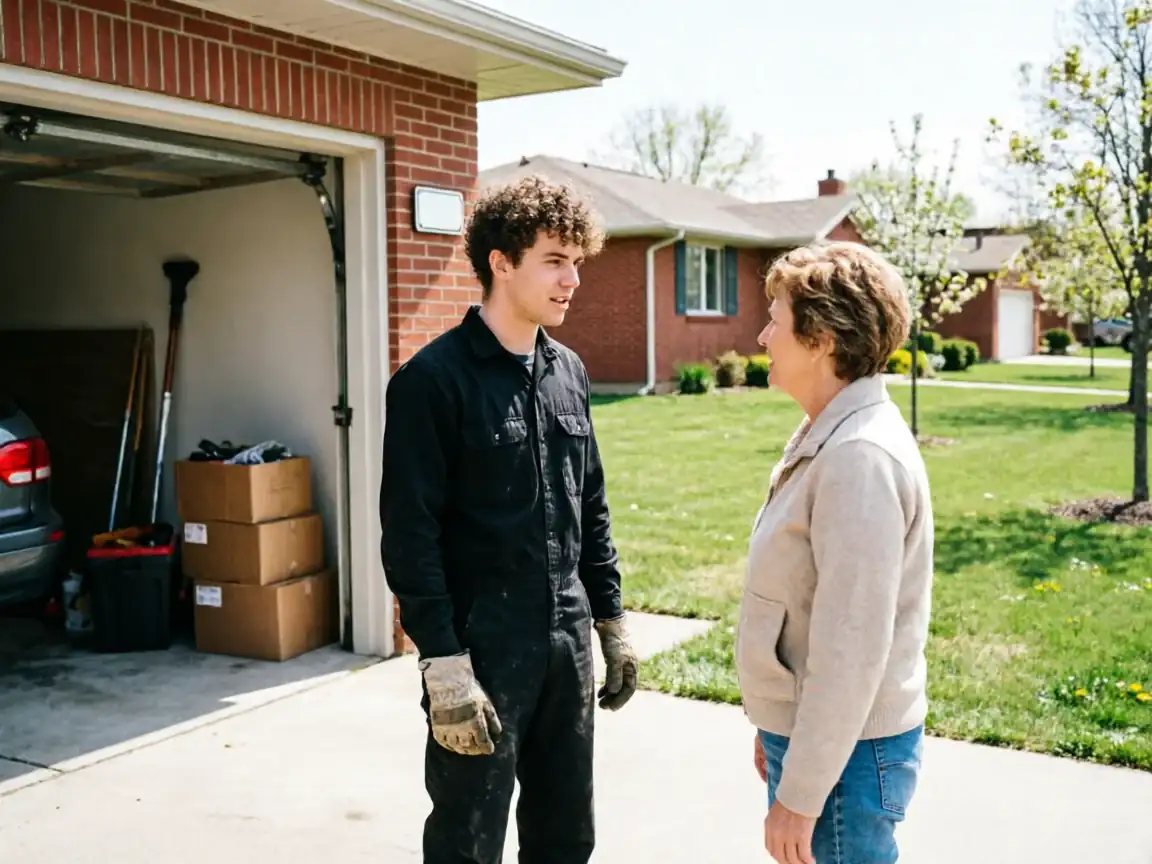
A technician in a black uniform talks to a woman in a beige jacket.

Clear, up-front plan

You get the fix that’s needed and what drives the cost - before any work starts.

4
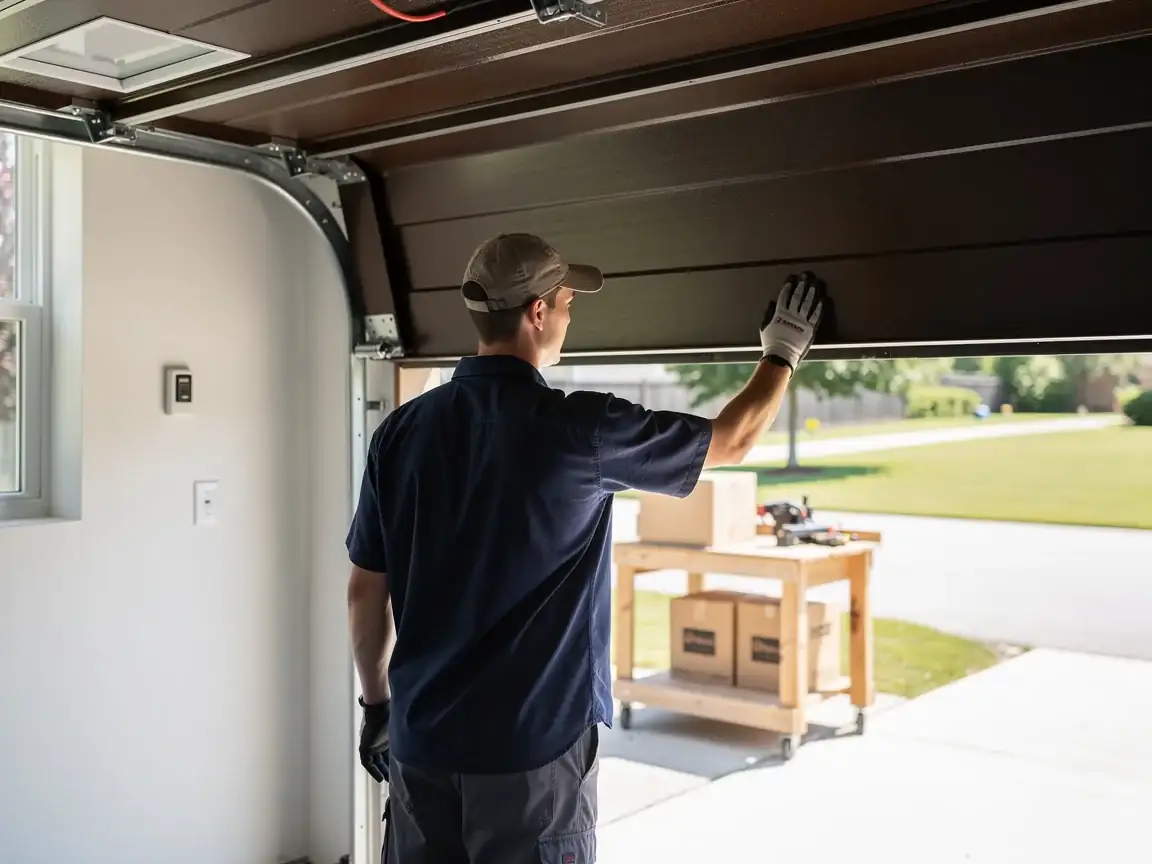
A technician in a cap and gloves adjusts a brown garage door.

Repaired & tested

The repair is done, the door is set true and tested, and the work area left clean.

Not sure which repair your door needs in Beavercreek, OH? Describe what it’s doing - every job starts with a diagnosis.

How we work

What to expect

Diagnosis firstEvery visit starts by finding what actually failed - not a pre-written parts list.
The right part for the doorSprings and openers matched to the door’s weight and age, so the fix holds up.
Straight answersWhen a repair makes more sense than a replacement - or the reverse - you hear it plainly.
Clean, careful workTension released safely, hardware set true, the door tested under power before we leave.
What we do

Garage Door Services

Repair and installation work for Beavercreek homes and businesses.

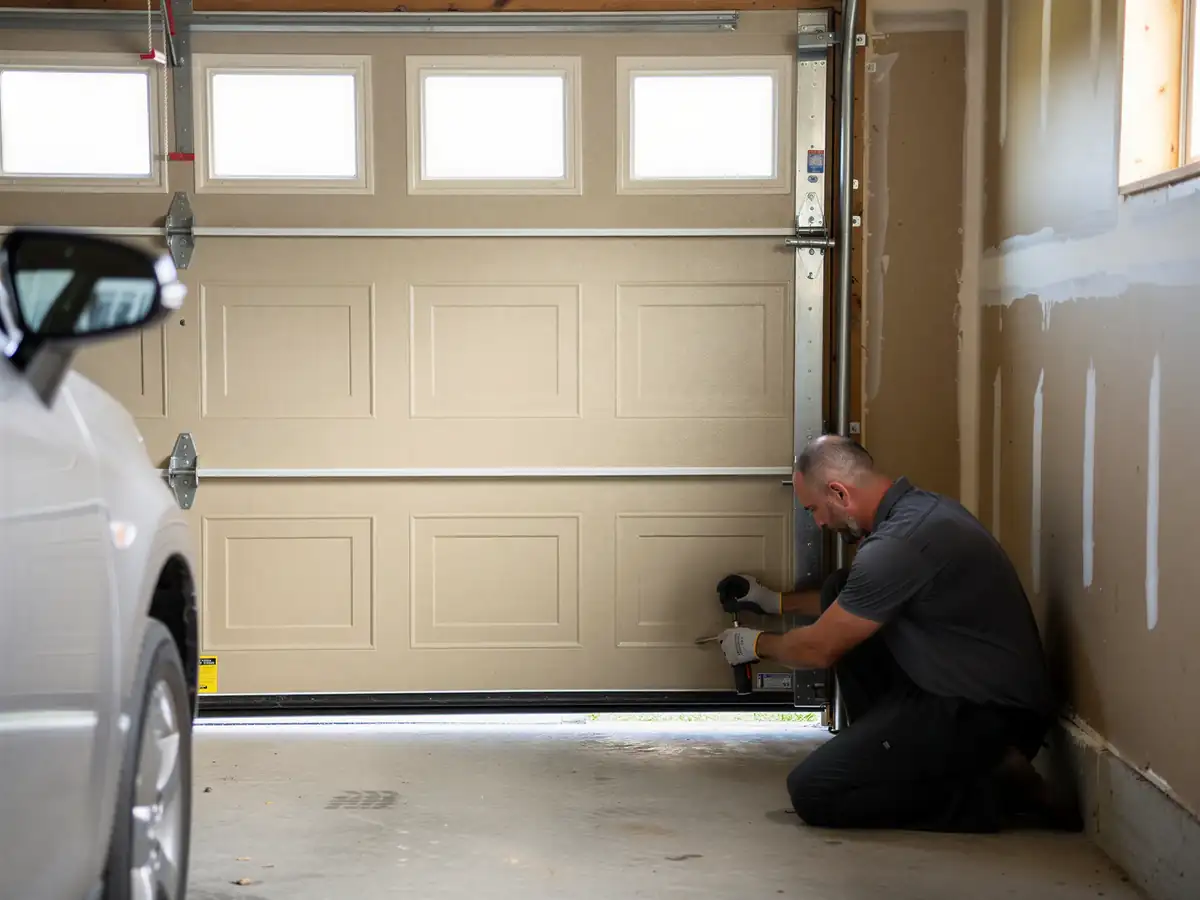
A technician kneels to work on the bottom panel of a beige garage door.

Garage Door Repair

Garage door repair for Beavercreek homes built 1938-1998, where original torsion hardware and cold-weather spring fatigue are the most common calls we get.

Learn more
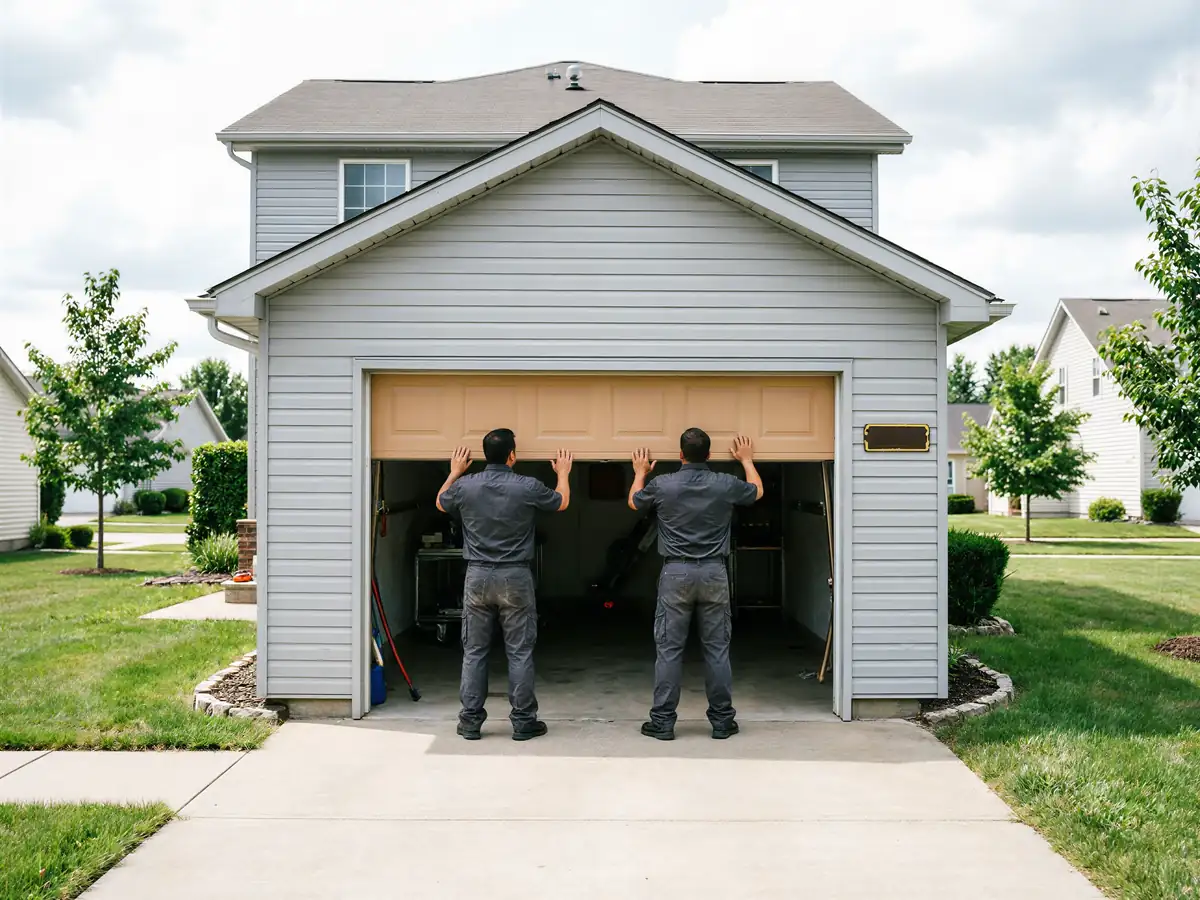
Two technicians are installing a beige garage door on a gray house.

Garage Door Installation

New garage door installation for Beavercreek homes built 1938-1998, sized for original openings and rated for severe cold winters. Local install, no invented numbers.

Learn more
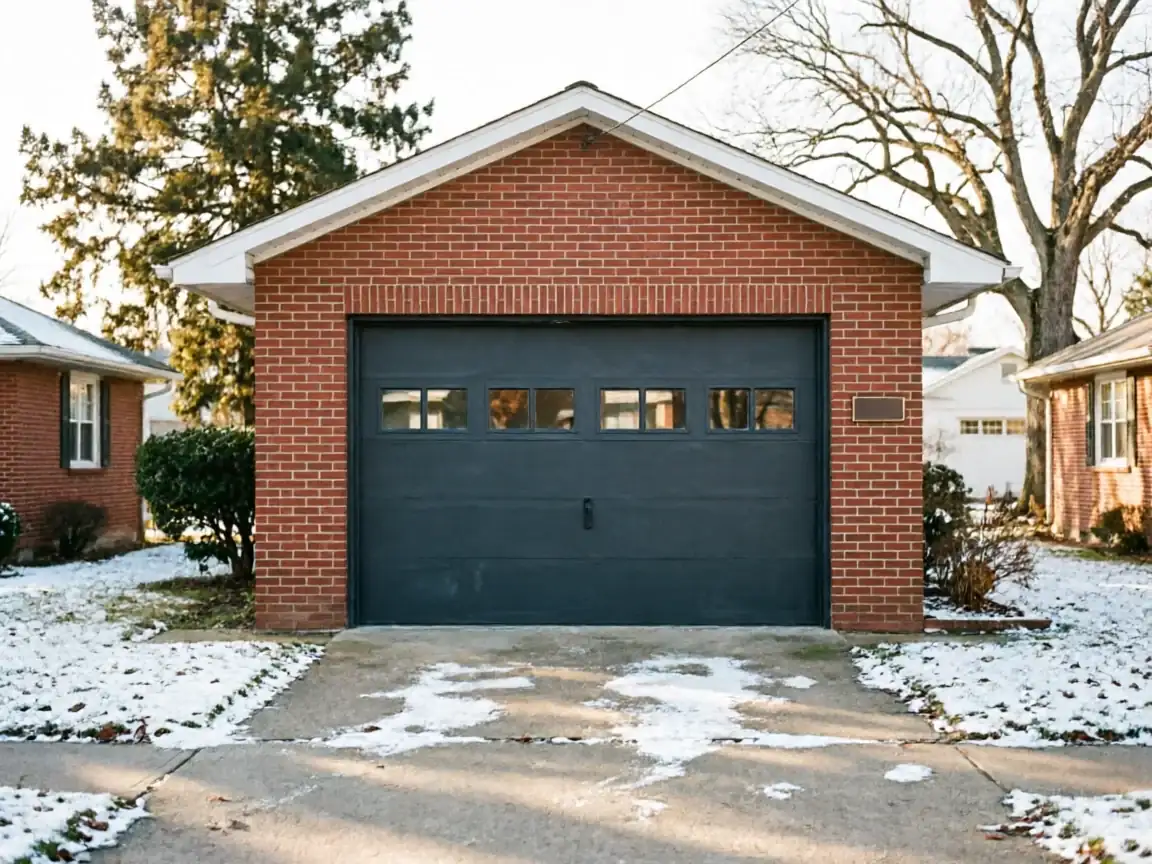
The brick garage has a dark gray door with windows, and snow covers the ground.

Garage Door Service

Garage door service for Beavercreek's 1960s-70s housing stock, built for a severe cold climate that wears out old torsion springs and track hardware fast.

Learn more
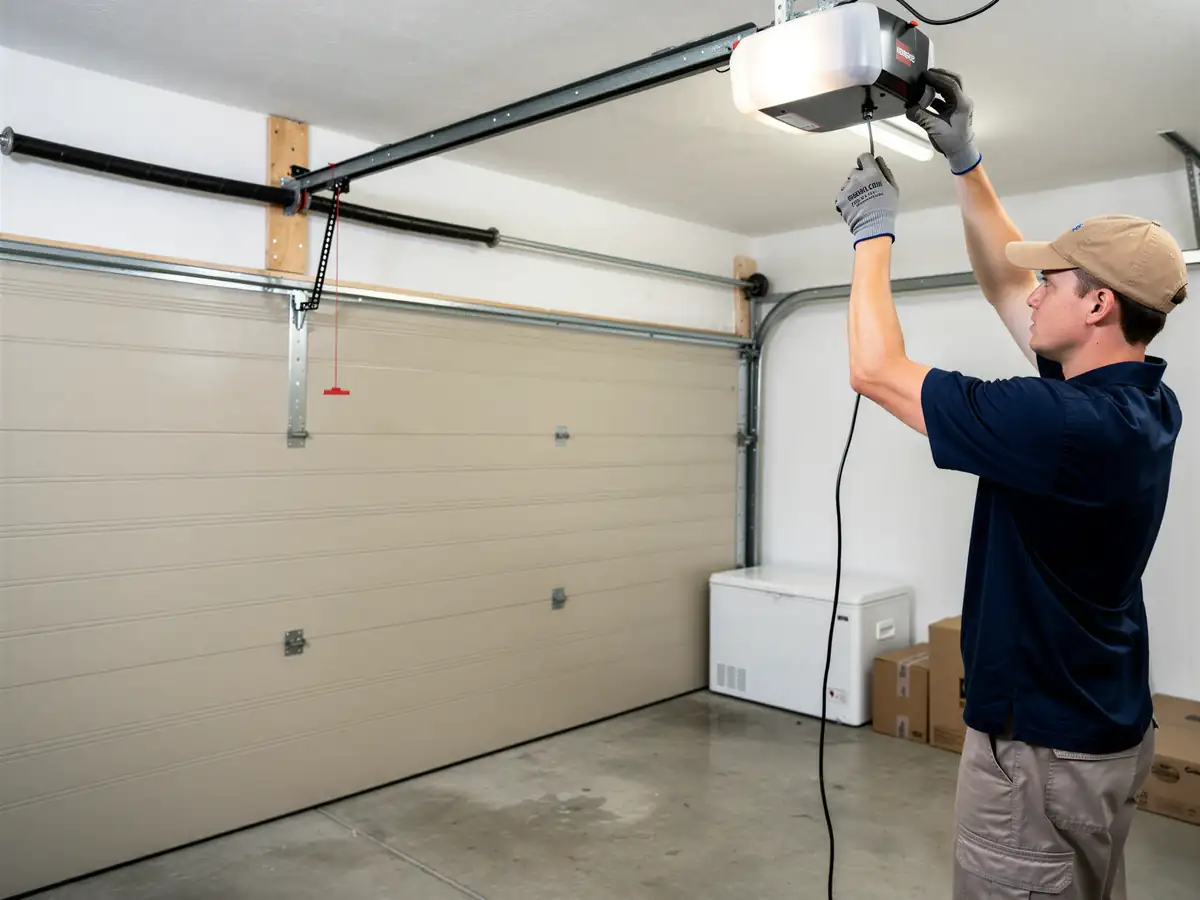
A technician in a cap and gloves adjusts a garage door opener.

Opener Installation

Opener installation and replacement for Beavercreek-area homes built mostly in the 1960s and 70s, sized for cold-climate doors and the drive hardware that era actually used.

Learn more
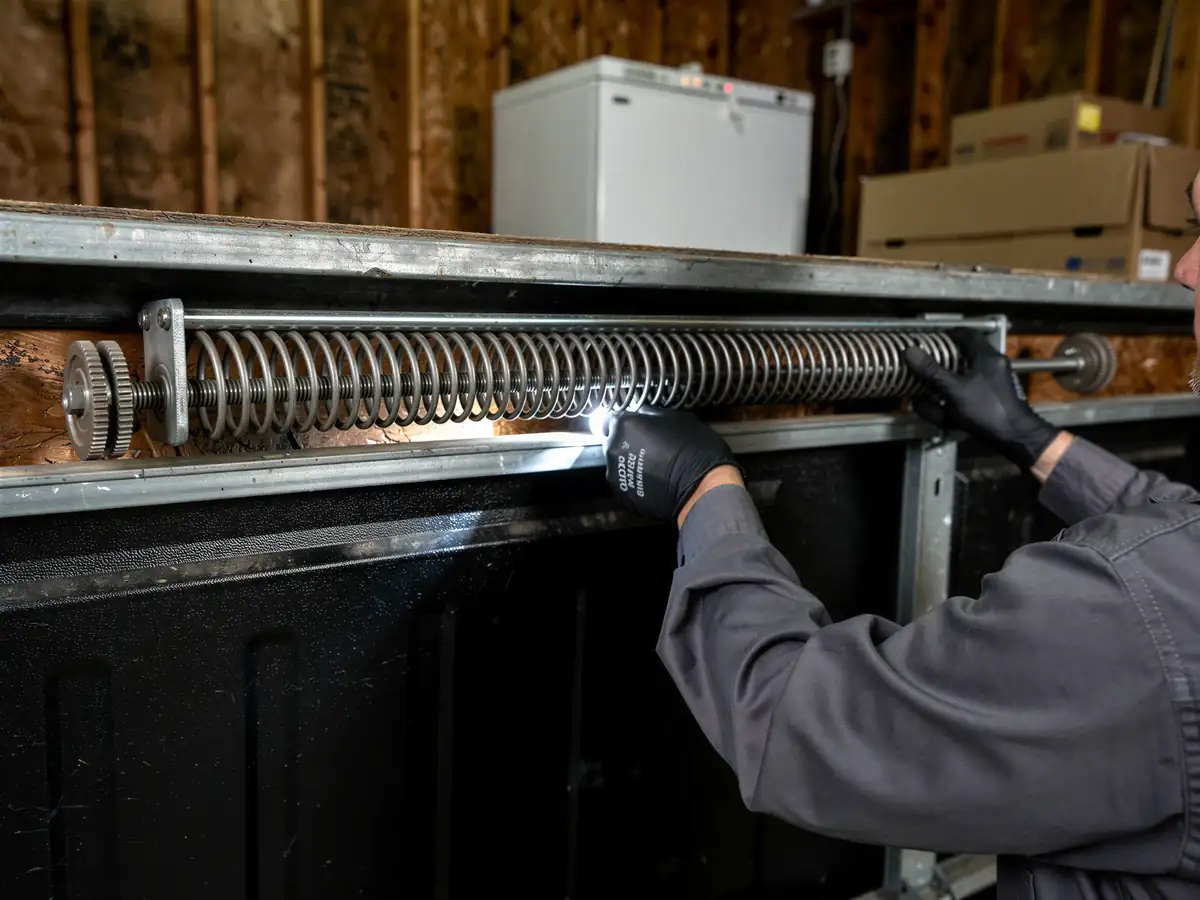
A technician in black gloves works on a garage door torsion spring.

Spring Repair

Torsion and extension spring repair for Beavercreek homes built mostly between 1938 and 1998, sized for the cold-climate loads this housing stock sees every winter.

Learn more
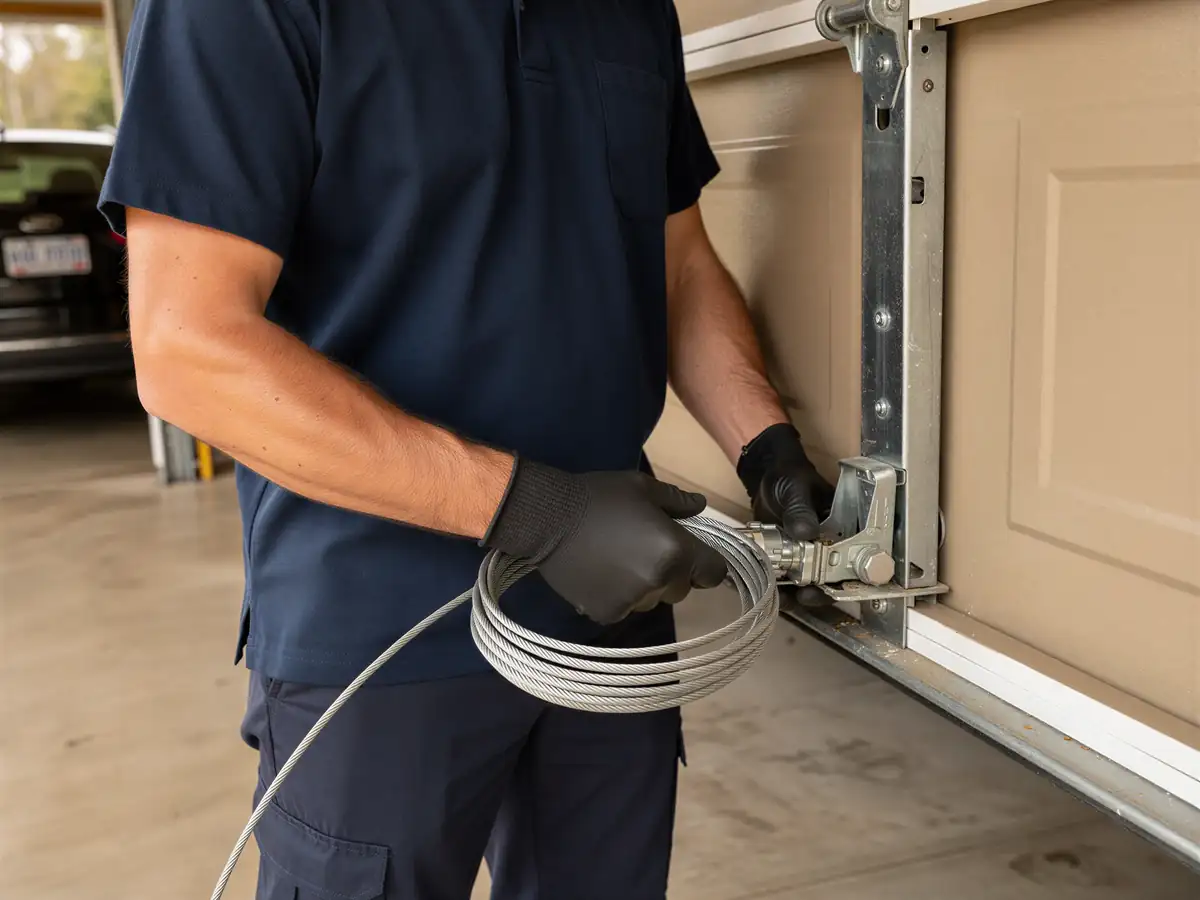
A technician in black gloves holds a coiled cable near a garage door.

Cable Repair

Broken or frayed garage door cables are common on Beavercreek's 1960s-70s housing stock. Here's how the repair works, what drives the cost, and what to watch for.

Learn more
A technician wearing gloves adjusts a garage door roller and track.

Off-Track Repair

Off-track garage doors are common in Beavercreek's 1960s-70s tract homes once cold weather stiffens rollers and tracks. See how we diagnose and fix it.

Learn more
The brown garage door is open, showing a roller and track.

Roller Replacement

Worn rollers on homes built 1938-1998 bind in cold winters. Beavercreek Garage Door Pros explains the fix, the cost factors, and how to spot it early.

Learn more
Questions

Frequently asked

Straight answers about garage door repair in Beavercreek. Still unsure? Ask us directly.

How long does a typical service call take?

We don't have a fixed number for this, since it depends entirely on what's wrong. A spring replacement is a different time commitment than chasing down an opener that's intermittently failing. We'll give you a time estimate once we've diagnosed the actual problem, not before.

Do you charge just to come look at the door?

The visit covers diagnosing the problem and giving you a quote before any repair starts. You're not obligated to have the work done just because we came out - you'll know the cost of the fix before you agree to it.

My house is from the 60s - does that change the repair?

Often, yes. A lot of houses in this area date to the 1960s and 70s, and original hardware from that era sometimes needs a part that's no longer manufactured. We'll tell you if that's the case and walk through whether a substitute part or a full replacement makes more sense.

Why did my spring break in winter specifically?

Cold metal fatigues faster than warm metal, and this area sits in a climate zone classified as cold and severe. A spring near the end of its cycle life is more likely to finally give out on a cold morning than a warm one - it's wear that's been building for years, not sudden damage.

Ready to get your garage door sorted?

Tell us what it’s doing and where you are in Beavercreek - we’ll take it from there.

Request a QuoteCall