Serving Beavercreek, OH & nearby
(937) 326-4953
Beavercreek, OH

Garage Door Roller Replacement for Beavercreek Homes

Worn rollers on homes built 1938-1998 bind in cold winters. Beavercreek Garage Door Pros explains the fix, the cost factors, and how to spot it early.

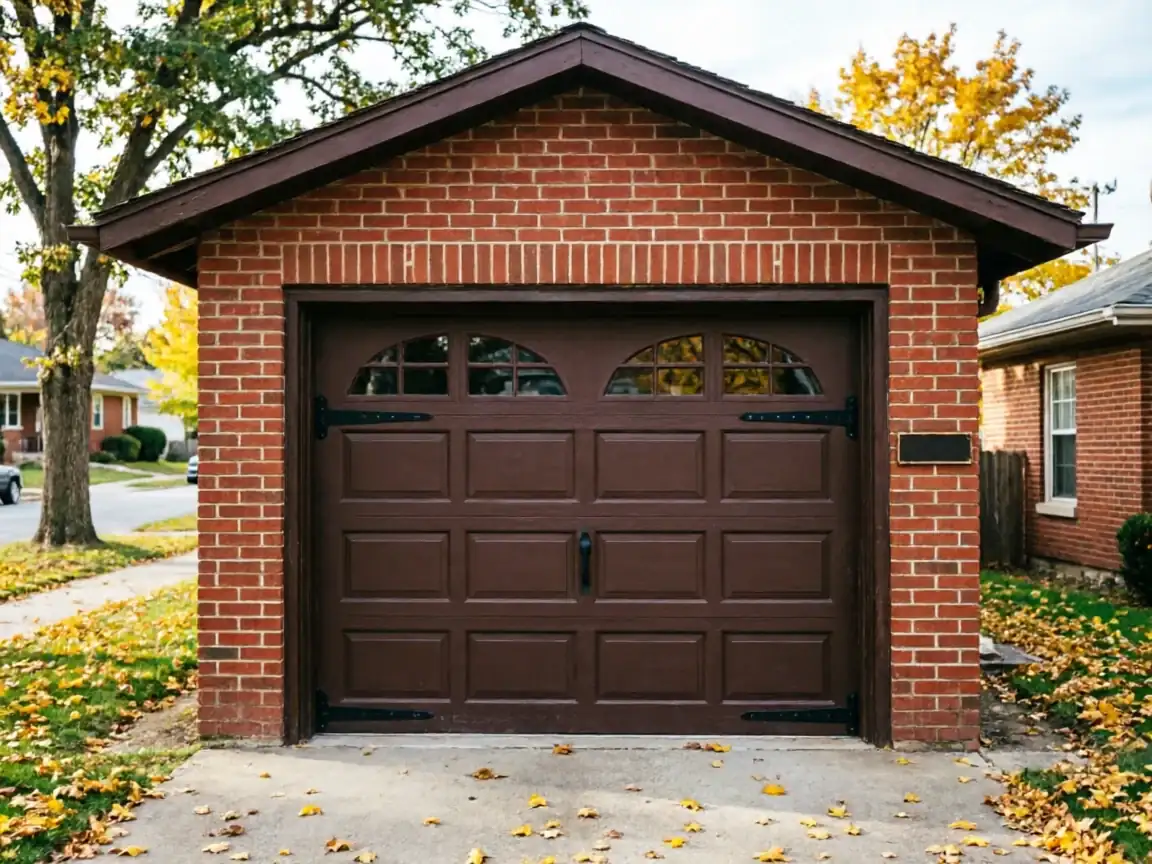
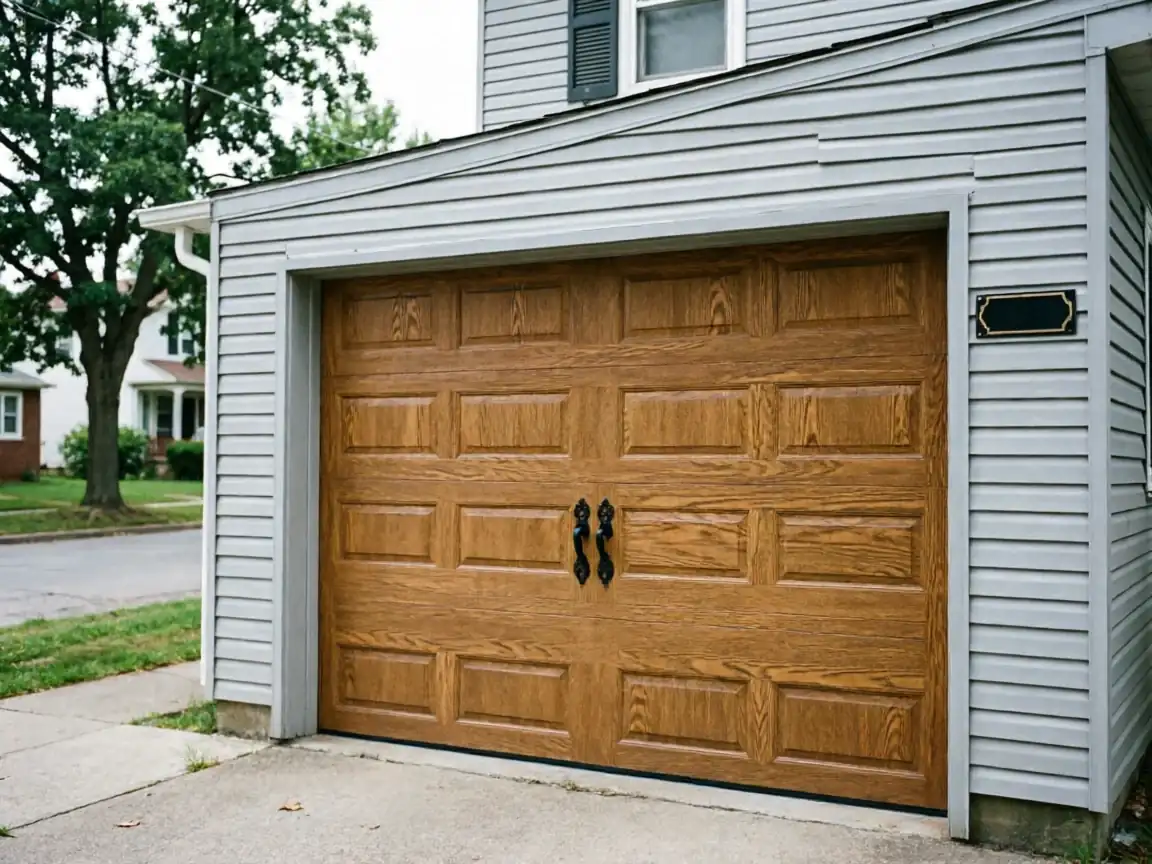
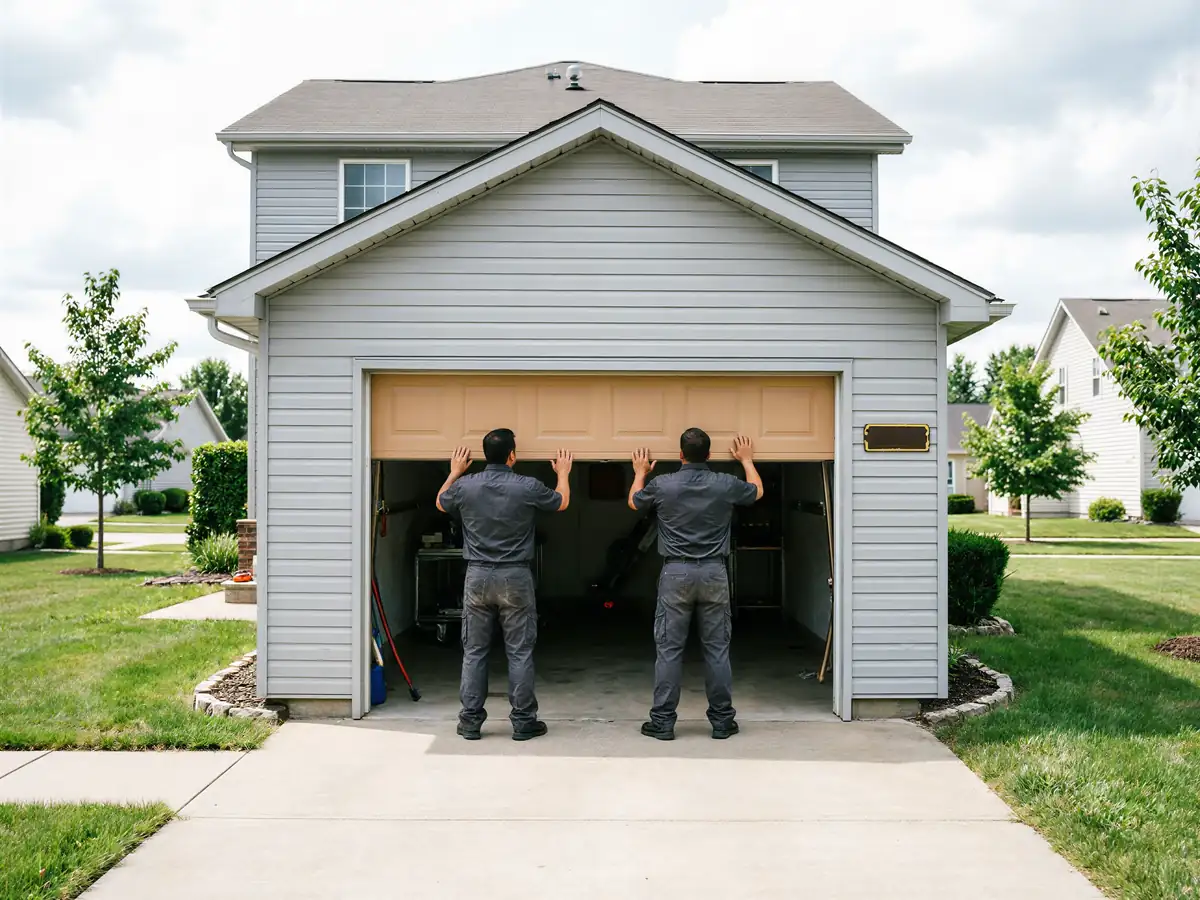
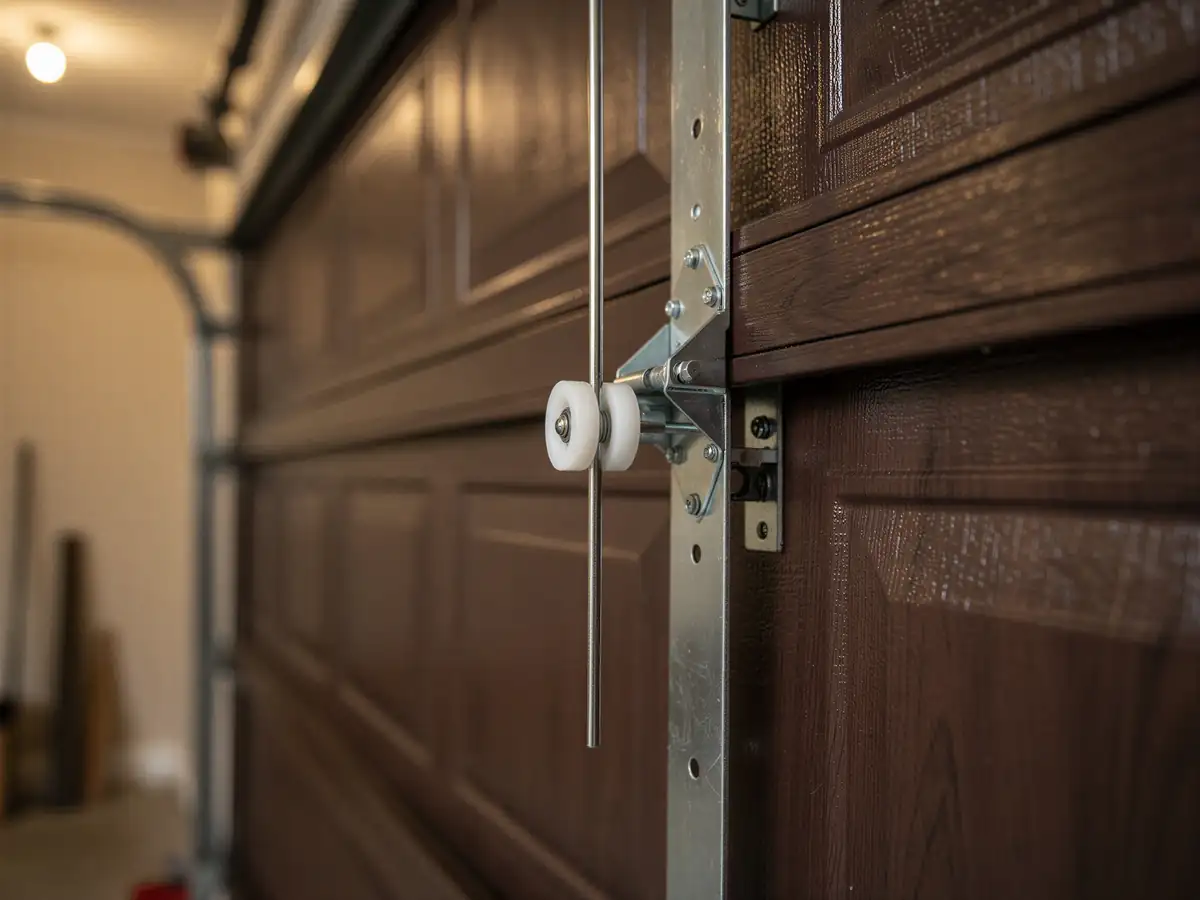
The brown garage door is open, showing a roller and track.
Beavercreek, OH
8 services
8 service areas
Diagnosis first, then the fix

How We Fix It

  1. A roller replacement is simple in principle

    We pull the old rollers out of the track one at a time, keeping the door supported so it doesn't drop while a section is open, and seat new rollers into the hinges and end brackets. On most doors we can do this without pulling the whole door off its track, section by section, so the door stays functional between steps.

  2. The part that matters is matching the roller to the track and the door weight

    Steel rollers on nylon stems handle a heavier door but run louder; full nylon rollers with sealed bearings run quieter and hold up better in cold swings, which matters here given how far winter temperatures drop in this climate band. We also check the track alignment while we're in there, because a roller wears fast if the track is bent or out of plumb, and swapping rollers into a bad track just buys you another service call in a year.

  3. One limitation worth saying plainly

    If the track itself is bent or the rollers have been grinding long enough to chew up the track rail, roller replacement alone won't quiet the door. At that point you're looking at track replacement too, and we'll tell you that before we start, not after the bill.

Why This Fails Locally

Housing in this service area runs mostly from the late 1930s through the late 1990s, with a median build year around 1971, and most of the 31 named communities we cover share that 1960s-70s stock. Doors and track hardware from that era were not built for the roller materials used today, and a lot of them have been re-rolled once or twice already with whatever matched at the time, which means mismatched rollers on the same track are common.

The climate band here is classified cold and severe, and that's the bigger driver of roller failure than age alone. Steel rollers contract in deep cold and expand again as the garage warms through the day, and that daily cycle works grease out of the bearing and lets grit in. Nylon rollers with sealed bearings handle that cycle better, but a lot of original-era doors still carry the steel ones because nobody's swapped them.

The combination of older track geometry and a freeze-thaw cycle every winter is why roller wear shows up here as a seasonal pattern rather than a random failure: most calls cluster in the first hard cold snap and again when things thaw in spring, as the metal moves and finds whatever slop is already in the track.

What You Pay

We don't have a flat number to post here, because the honest answer depends on roller count, roller material, and whether the track needs adjustment or replacement alongside the rollers. A full set of ten rollers costs more in parts and labor than a partial swap of the two or three rollers that are actually grinding.

What we can tell you is what drives the number up or down: steel versus sealed nylon rollers, whether the track brackets need re-tightening or replacing, and whether one person can do the job or it needs two sets of hands to keep a heavy door supported safely. We'll look at the door, tell you which of those apply, and give you a number before any work starts - not an estimate that changes once we're in the garage.

How It Shows Up

  1. The first sign is usually noise

    A grinding or popping sound as the door travels, worse at the same two or three spots in the track every time. That's a roller that's flat-spotted or missing a bearing, catching on the same section of rail on every cycle.

  2. The second sign is a door that hesitates or jerks instead of moving smoothly

    Especially right near the bottom or top of travel where the curve of the track puts more load on the rollers. If you only notice it on cold mornings and it loosens up once the garage warms, that's consistent with the freeze-thaw wear pattern common across this service area's housing stock.

  3. A third sign, easy to miss, is visible wear on the roller stem or a roller that's worked loose from its bracket

    If you can see daylight between the roller wheel and the track, or the wheel wobbles when the door's stopped, don't wait on it - a roller that jumps the track fully can bind the door shut or drop a section unevenly.
How it works

From “it’s stuck” to “it’s fixed”

1
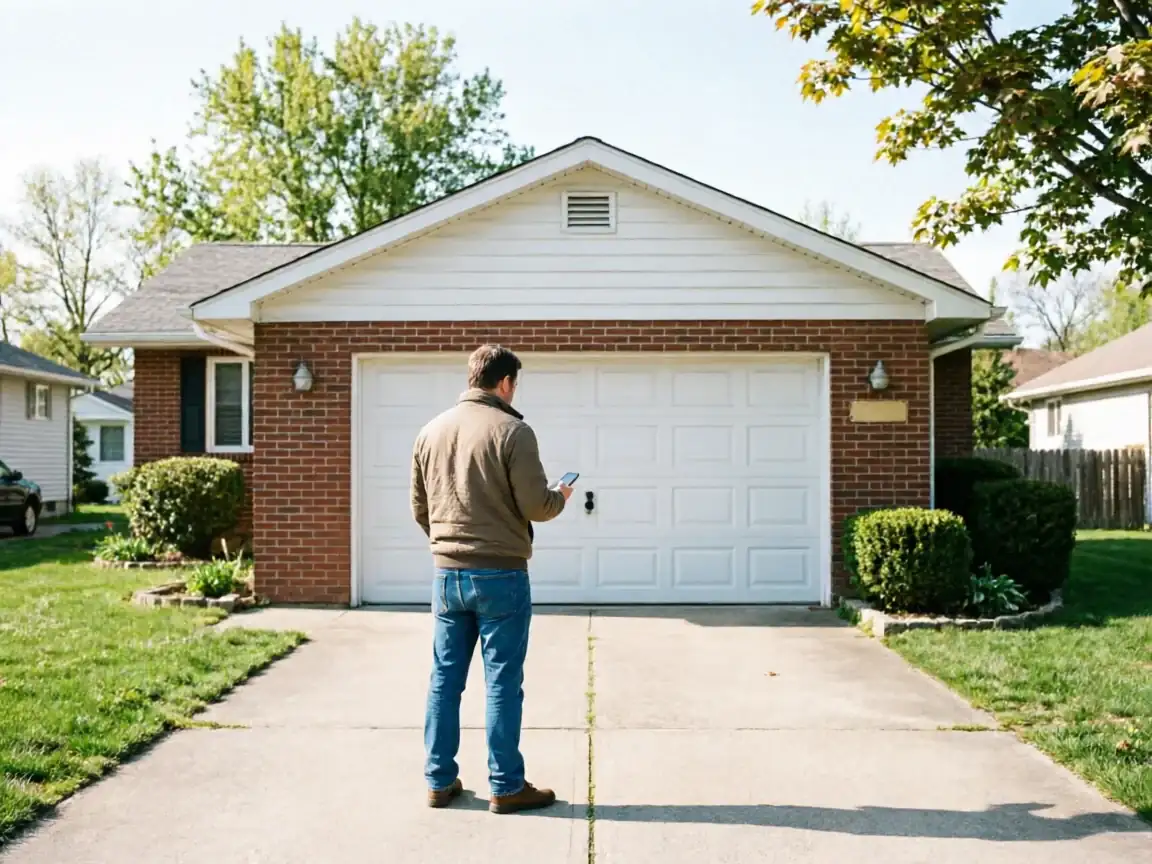
A man stands in a driveway looking at his phone in front of a white garage door.

Tell us what’s wrong

Describe the symptom - won’t open, loud bang, opener runs but the door won’t move.

2
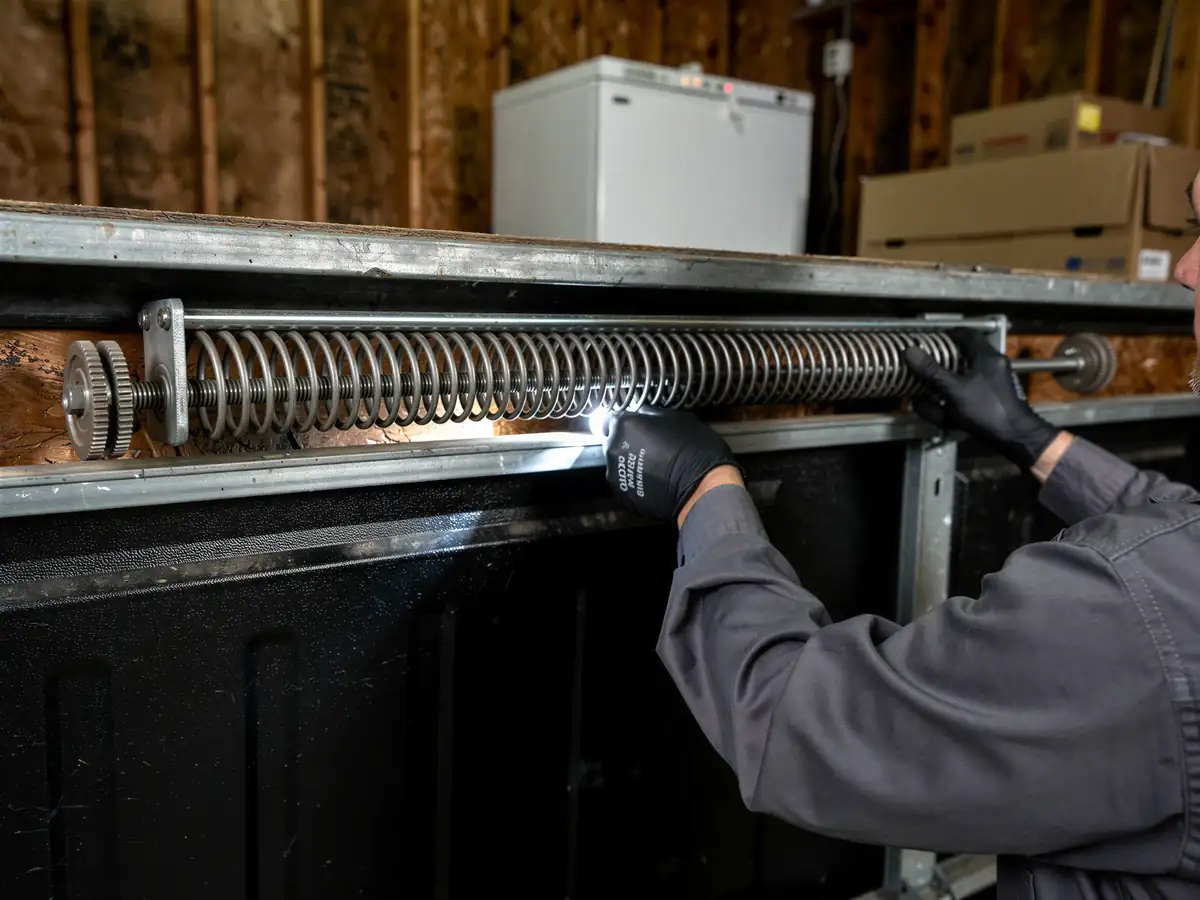
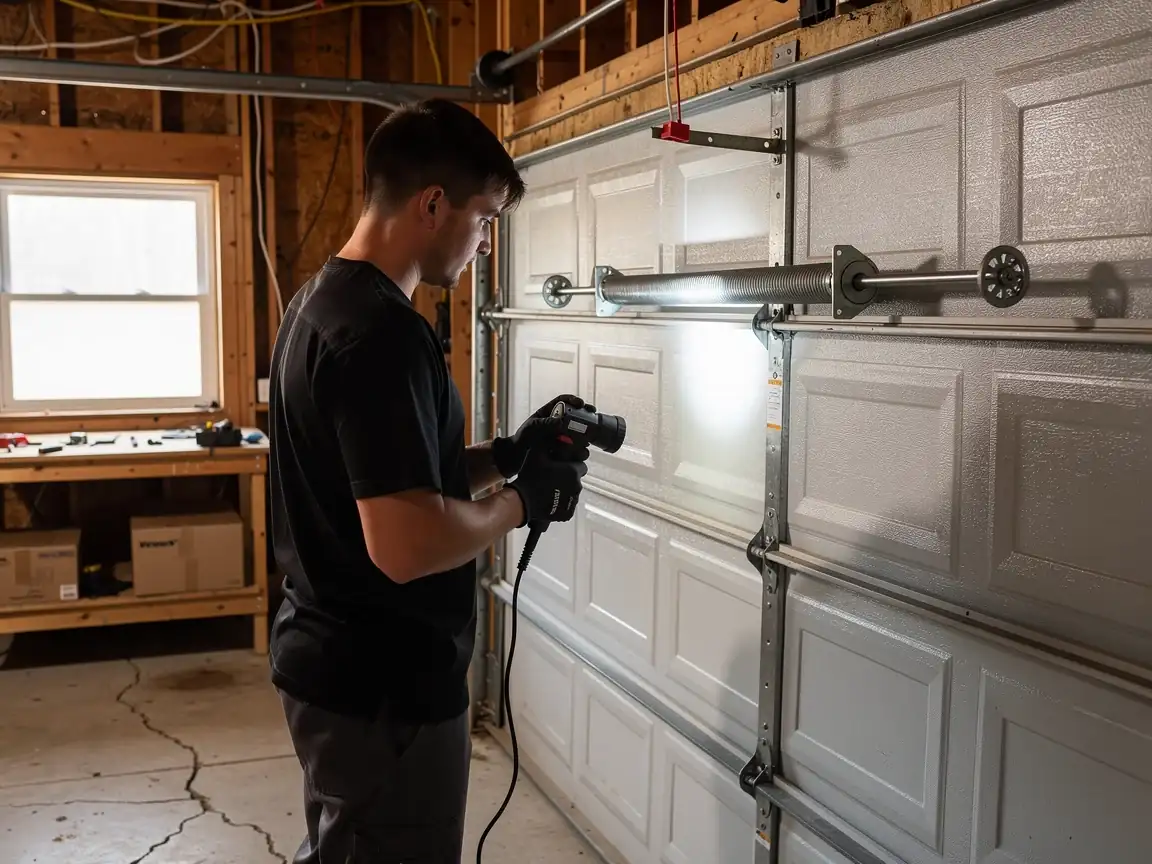
A technician shines a light on a garage door torsion spring.

On-site diagnosis

A technician tests the door under power and by hand and finds what actually failed.

3
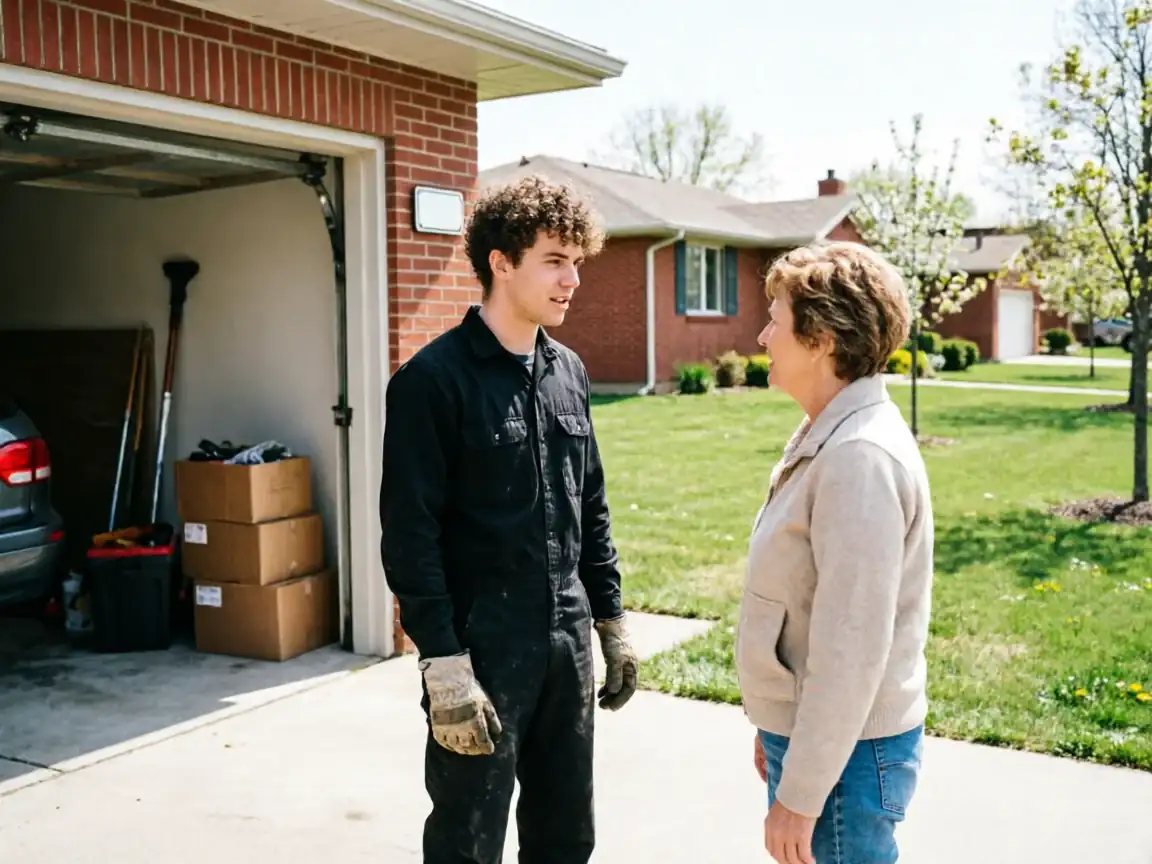
A technician in a black uniform talks to a woman in a beige jacket.

Clear, up-front plan

You get the fix that’s needed and what drives the cost - before any work starts.

4
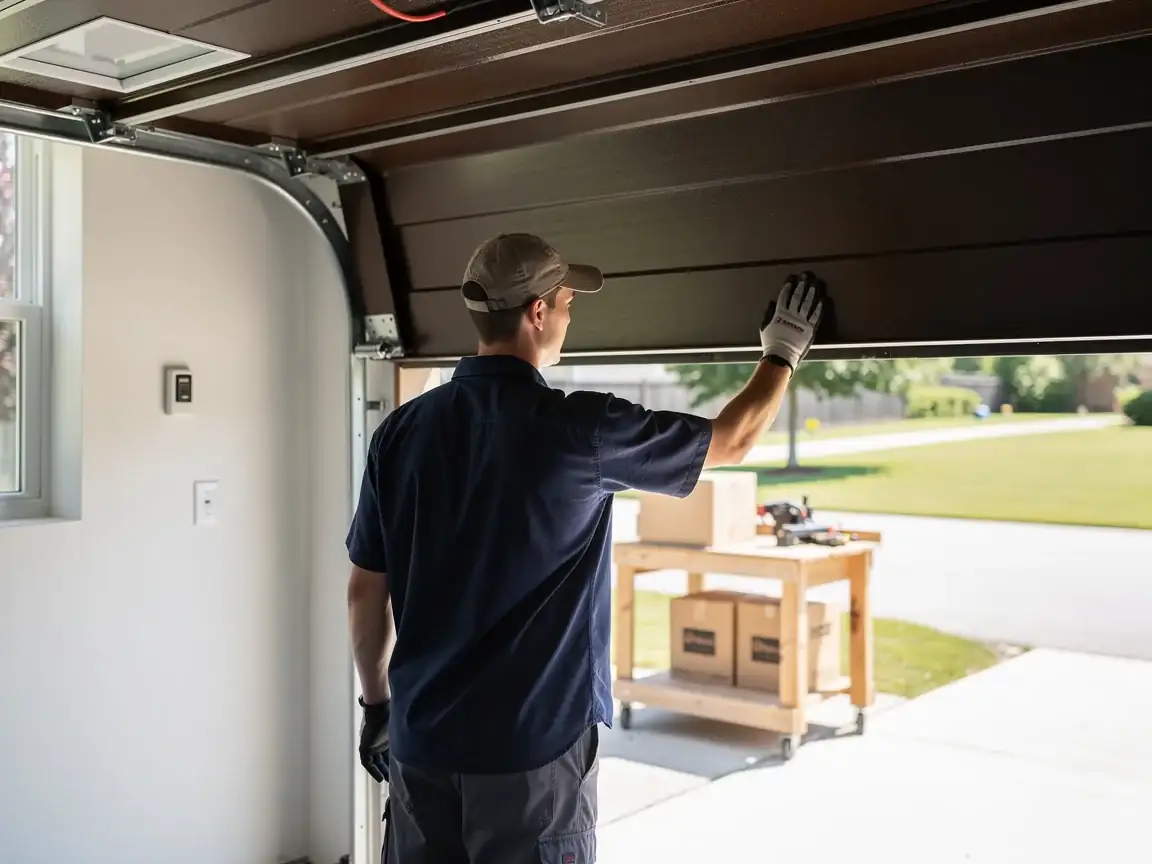
A technician in a cap and gloves adjusts a brown garage door.

Repaired & tested

The repair is done, the door is set true and tested, and the work area left clean.

Not sure which repair your door needs in Beavercreek, OH? Describe what it’s doing - every job starts with a diagnosis.

How we work

What to expect

Diagnosis firstEvery visit starts by finding what actually failed - not a pre-written parts list.
The right part for the doorSprings and openers matched to the door’s weight and age, so the fix holds up.
Straight answersWhen a repair makes more sense than a replacement - or the reverse - you hear it plainly.
Clean, careful workTension released safely, hardware set true, the door tested under power before we leave.
46,277Residents in Beavercreek
8Garage door services
8Neighborhoods & suburbs
OHServing Beavercreek, OH
What we do

Garage Door Services

Repair and installation work for Beavercreek homes and businesses.

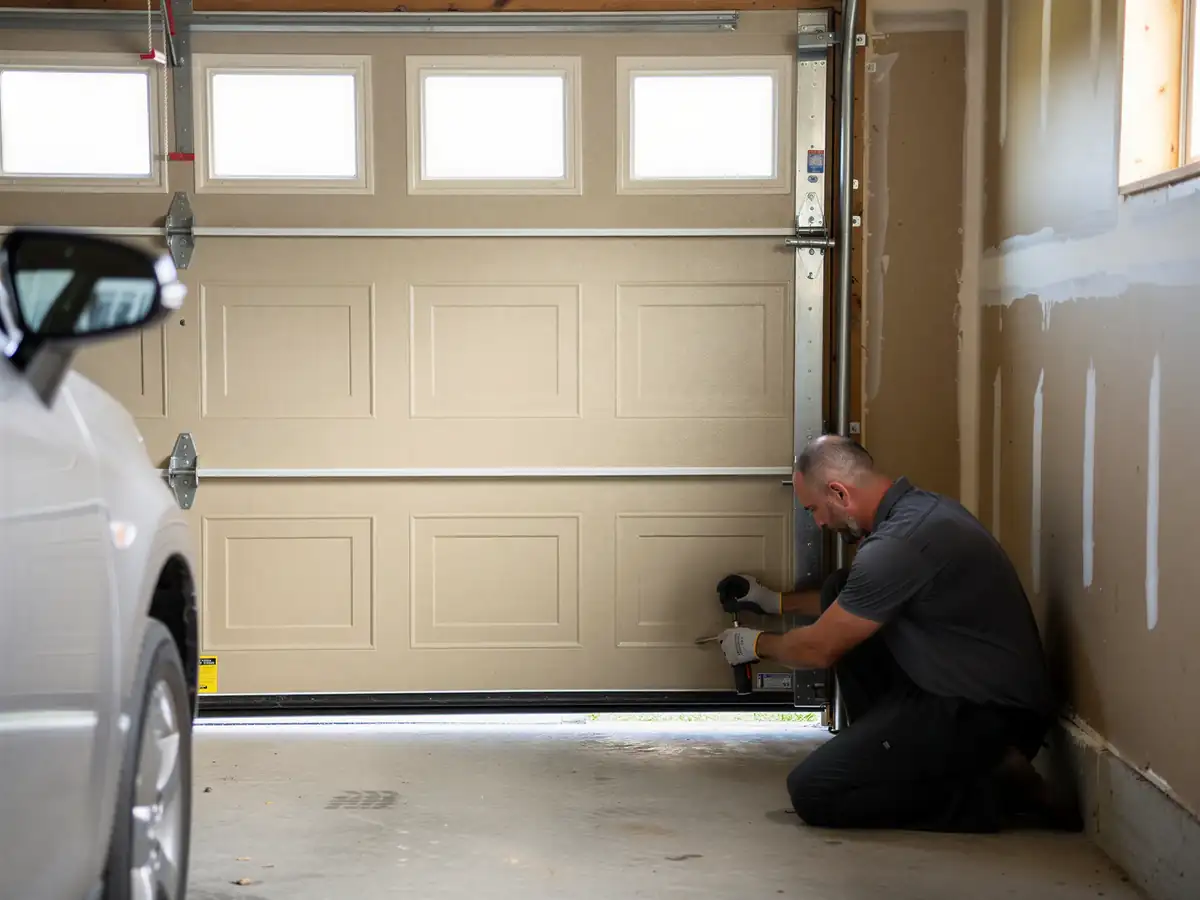
A technician kneels to work on the bottom panel of a beige garage door.

Garage Door Repair

Garage door repair for Beavercreek homes built 1938-1998, where original torsion hardware and cold-weather spring fatigue are the most common calls we get.

Learn more
Two technicians are installing a beige garage door on a gray house.

Garage Door Installation

New garage door installation for Beavercreek homes built 1938-1998, sized for original openings and rated for severe cold winters. Local install, no invented numbers.

Learn more
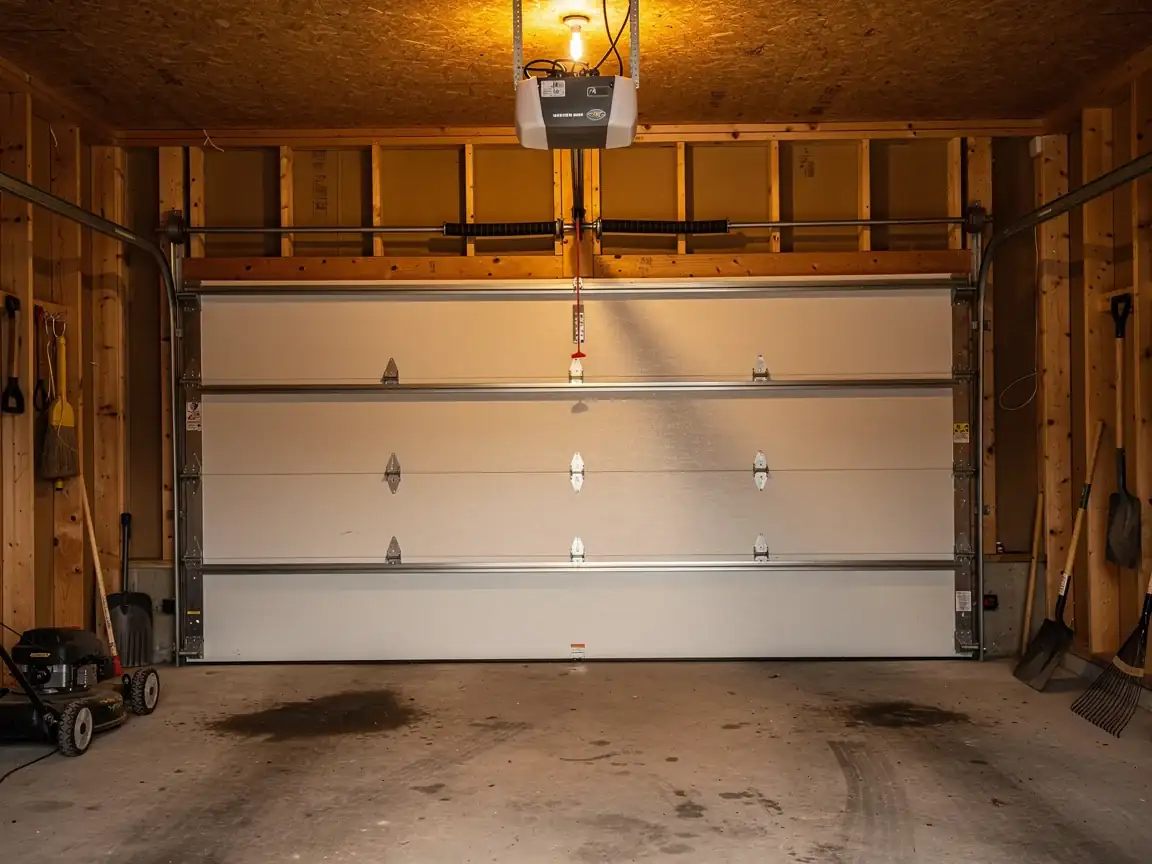
A white garage door is closed inside a garage with wooden walls.

Garage Door Service

Garage door service for Beavercreek's 1960s-70s housing stock, built for a severe cold climate that wears out old torsion springs and track hardware fast.

Learn more
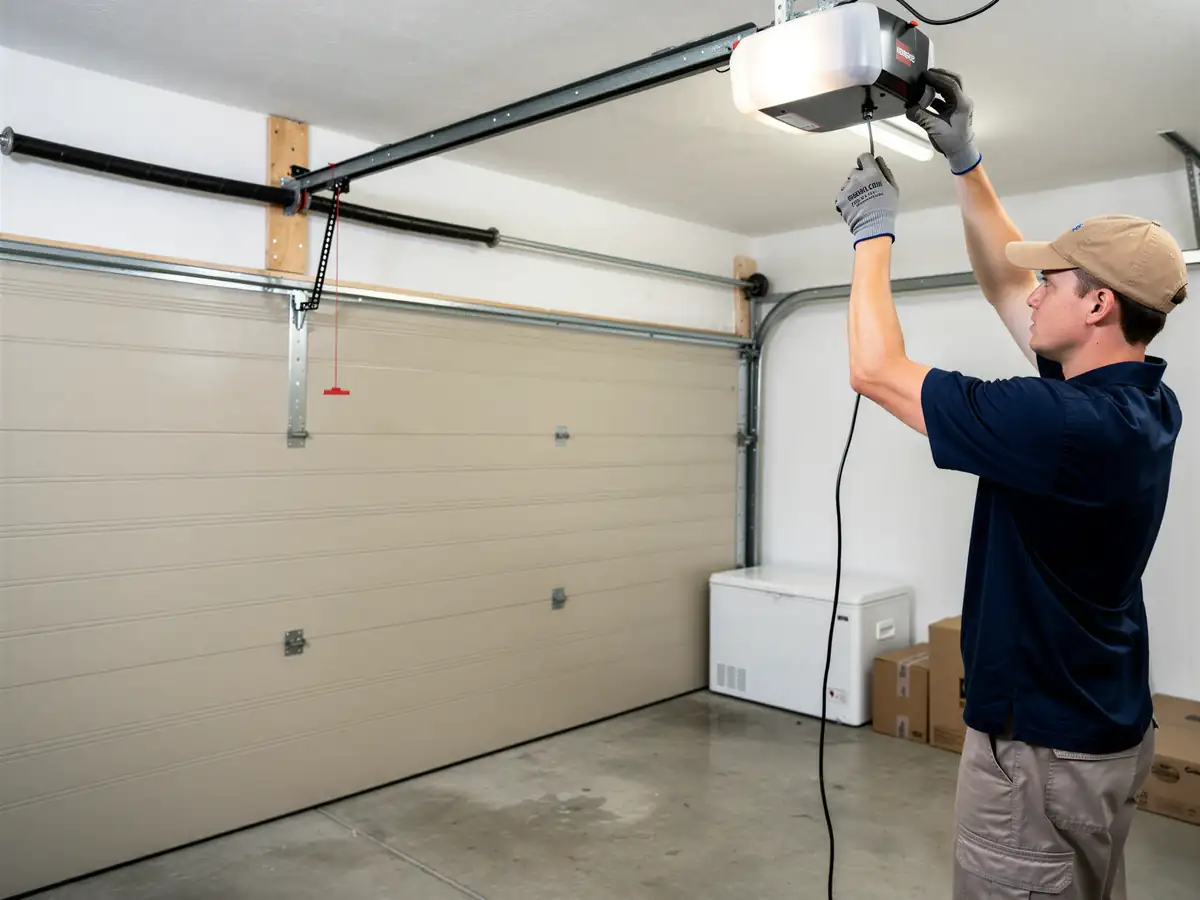
A technician in a cap and gloves adjusts a garage door opener.

Opener Installation

Opener installation and replacement for Beavercreek-area homes built mostly in the 1960s and 70s, sized for cold-climate doors and the drive hardware that era actually used.

Learn more
A technician in black gloves works on a garage door torsion spring.

Spring Repair

Torsion and extension spring repair for Beavercreek homes built mostly between 1938 and 1998, sized for the cold-climate loads this housing stock sees every winter.

Learn more
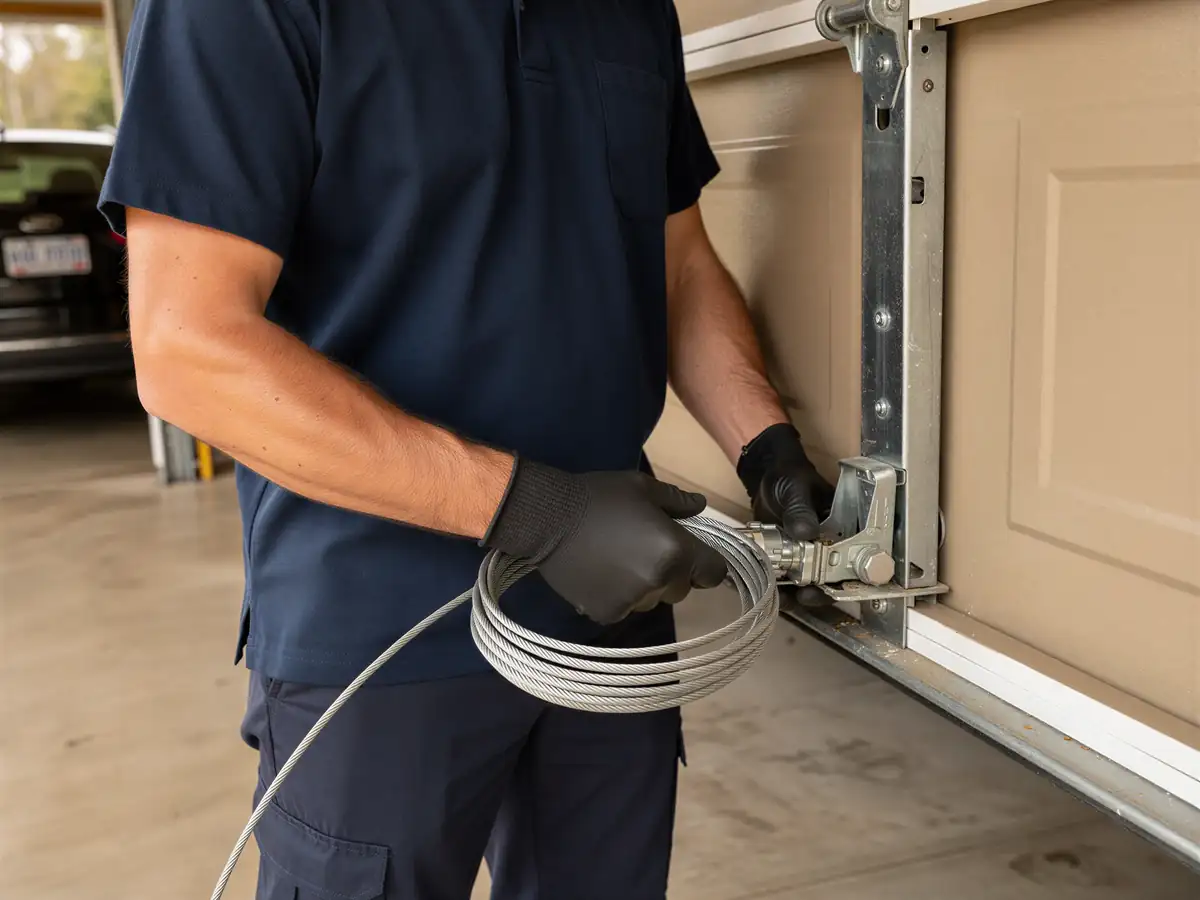
A technician in black gloves holds a coiled cable near a garage door.

Cable Repair

Broken or frayed garage door cables are common on Beavercreek's 1960s-70s housing stock. Here's how the repair works, what drives the cost, and what to watch for.

Learn more
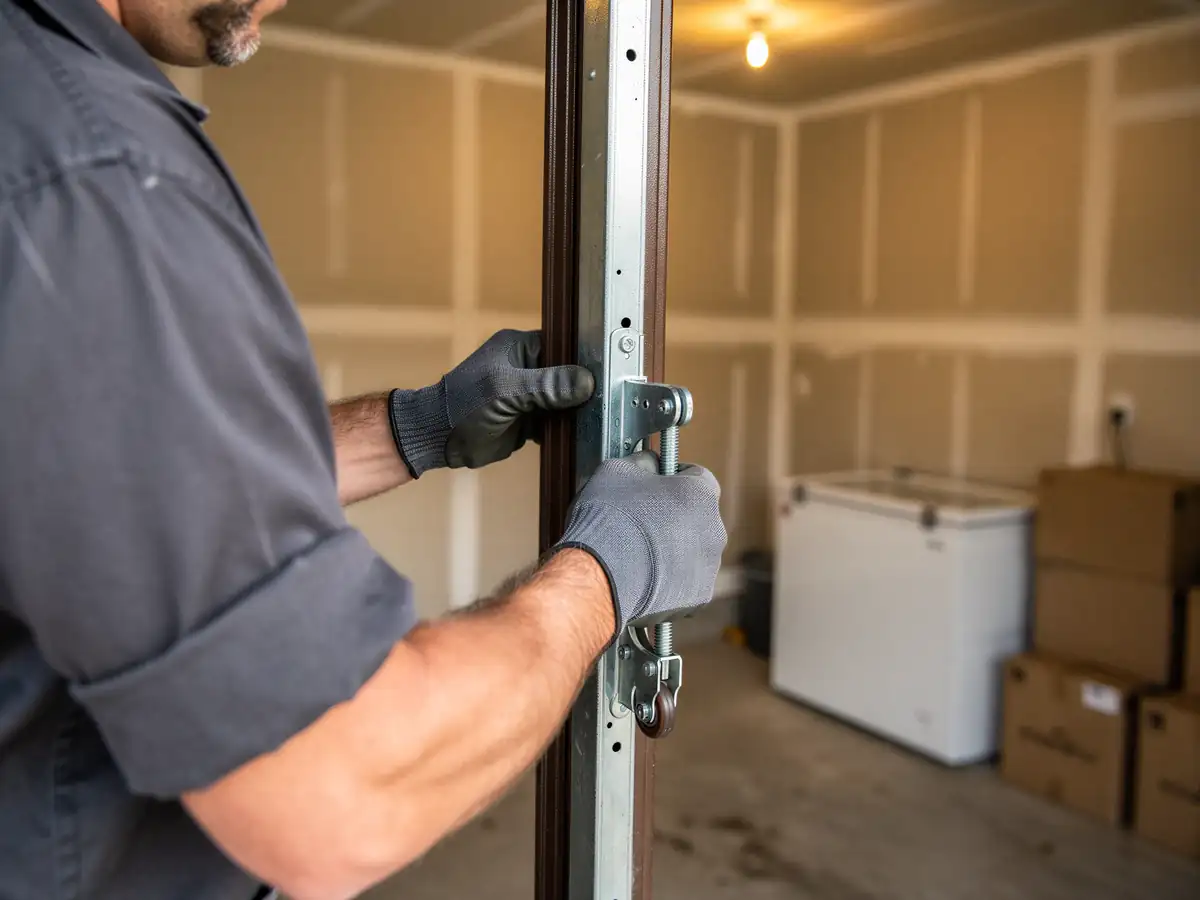
A technician wearing gloves adjusts a garage door roller and track.

Off-Track Repair

Off-track garage doors are common in Beavercreek's 1960s-70s tract homes once cold weather stiffens rollers and tracks. See how we diagnose and fix it.

Learn more
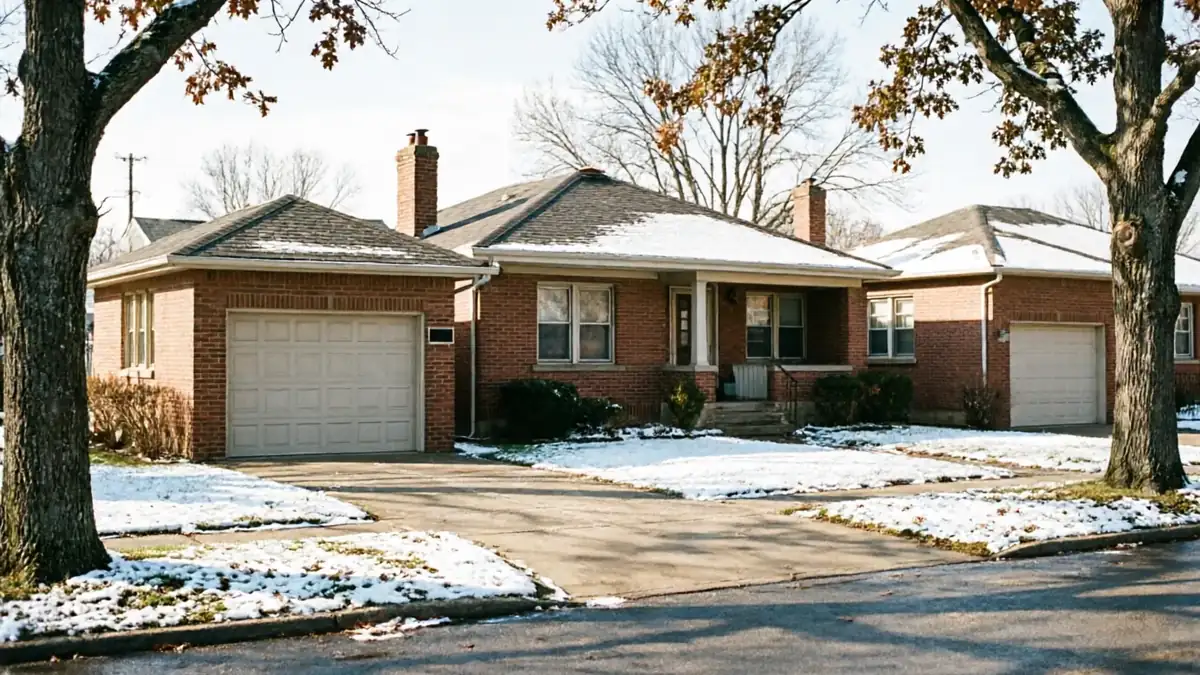
Three brick houses with white garage doors and snow on the roofs line a street.

Roller Replacement

Worn rollers on homes built 1938-1998 bind in cold winters. Beavercreek Garage Door Pros explains the fix, the cost factors, and how to spot it early.

Learn more
Where we work

Serving Beavercreek & nearby

Local garage door service across 8 Beavercreek-area neighborhoods and communities - is your street on the list?

8

Beavercreek-area neighborhoods & nearby communities we cover

Questions

Frequently asked

Straight answers about garage door repair in Beavercreek. Still unsure? Ask us directly.

How many rollers does a typical garage door have?

Most residential doors have ten rollers, two per section on a standard four-section door, though door height and section count change that. We count yours on site rather than guessing from a national average, since door configurations from the 1960s-70s builds common in this area vary more than newer tract housing.

Can I replace just the noisy rollers instead of the whole set?

Yes, and for a lot of jobs that's the right call - if only two or three rollers are grinding, there's no reason to pay to replace ones that are still fine. The tradeoff is a second visit down the road when the rest wear out, since they're usually close in age.

Why do my garage door rollers get worse in winter?

This area sits in a cold, severe climate band, and the daily freeze-thaw cycle works grease out of roller bearings and lets grit and condensation in. Steel rollers are more sensitive to this than sealed nylon ones, which is why older doors with original steel rollers tend to get loud first in winter.

Is a bent track the same problem as worn rollers?

No, but they often show up together. A bent track wears rollers unevenly, and worn rollers can make a track look bent when it's actually fine. We check both before quoting roller replacement alone, because swapping rollers onto a bent track just means another call later.

Ready to get your garage door sorted?

Tell us what it’s doing and where you are in Beavercreek - we’ll take it from there.

Request a QuoteCall