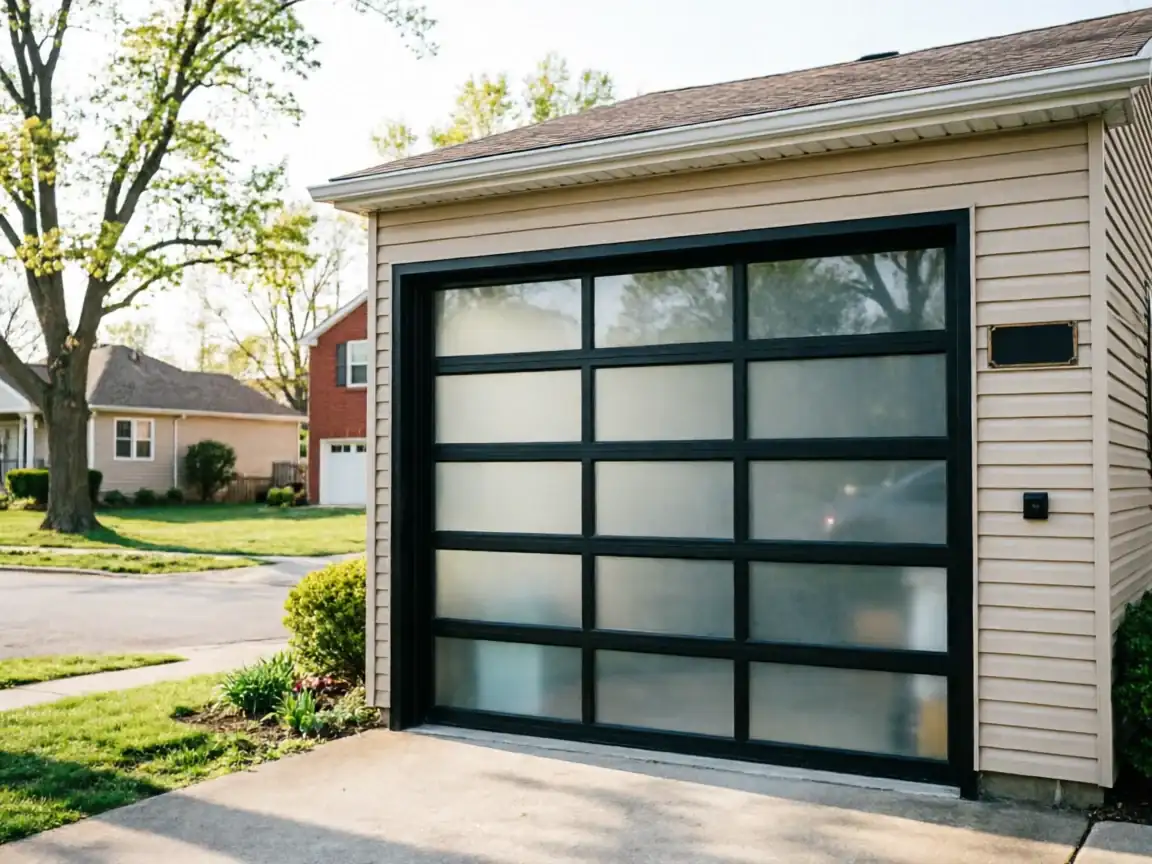
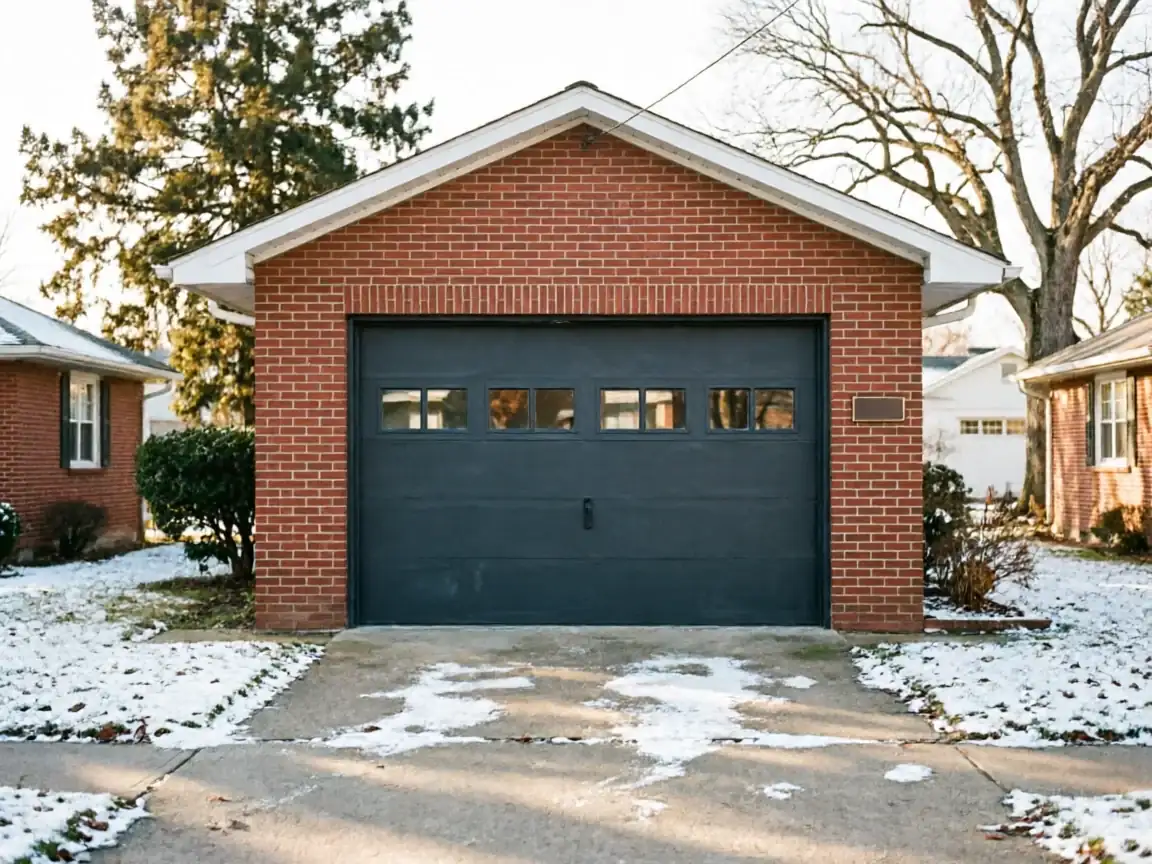
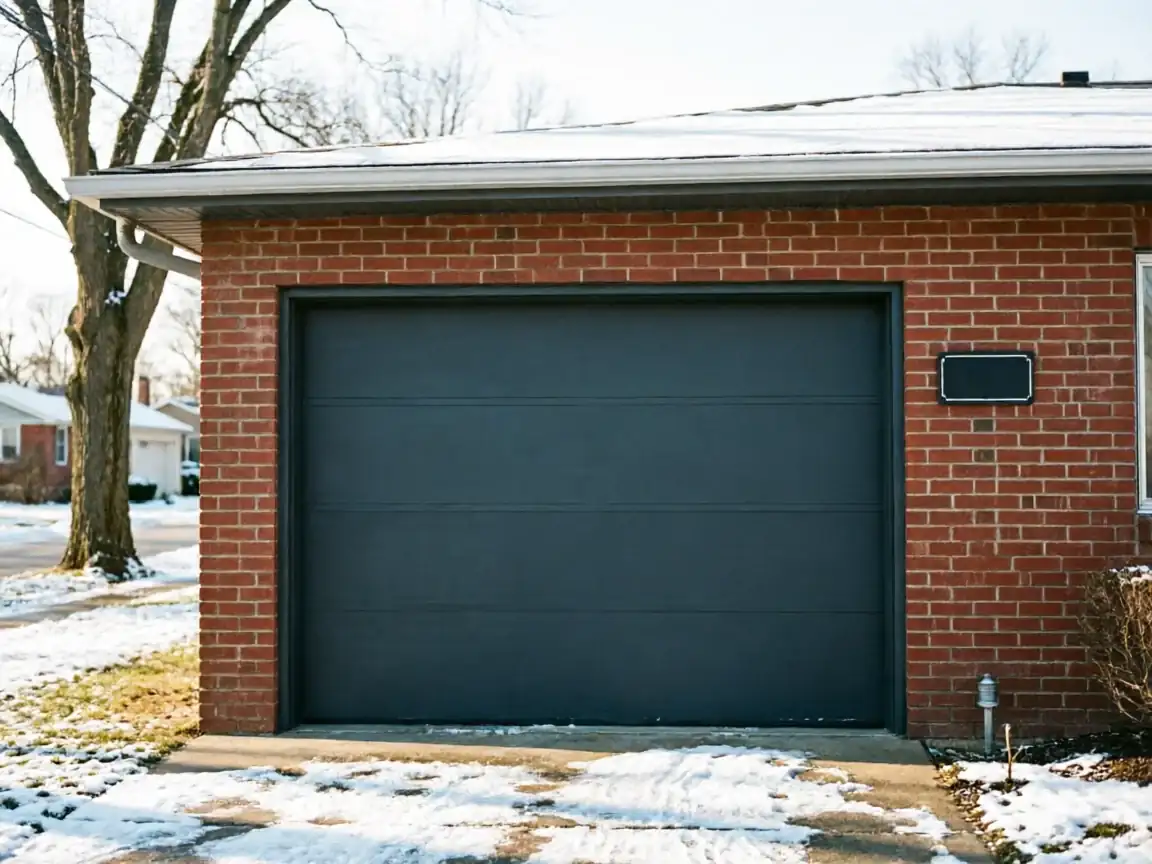
Serving Clayton's 1970s housing stock 17 miles from Beavercreek, OH - torsion springs, opener swaps, and panel repair for original-era doors and hardware.
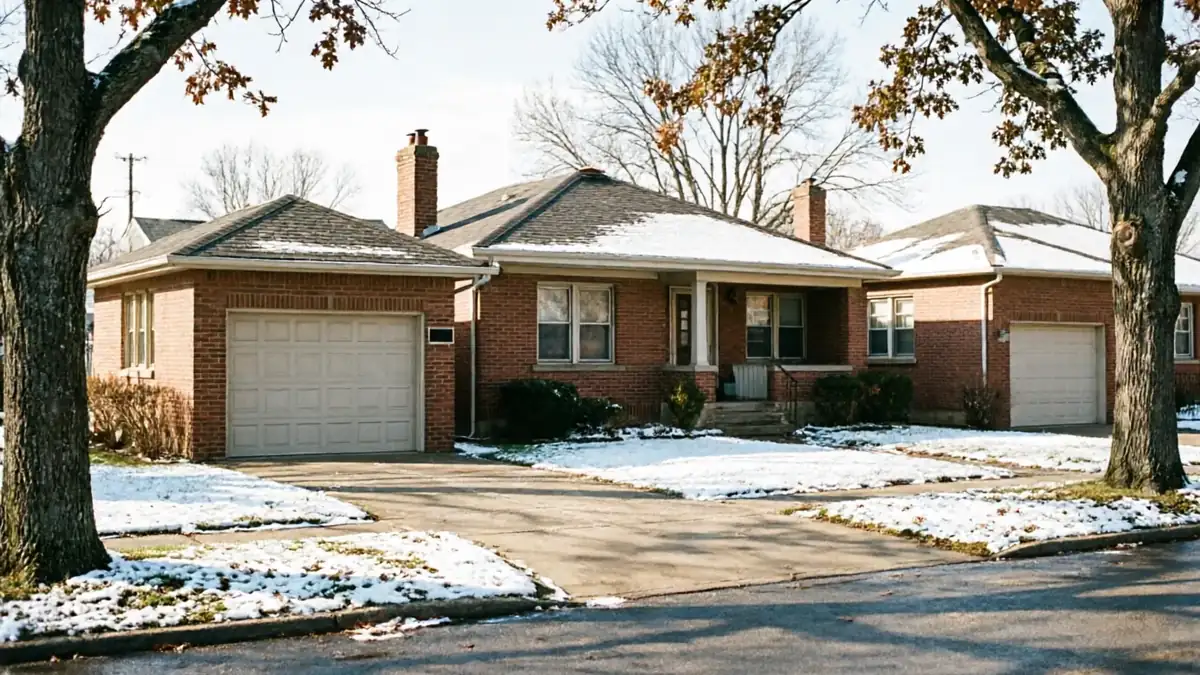
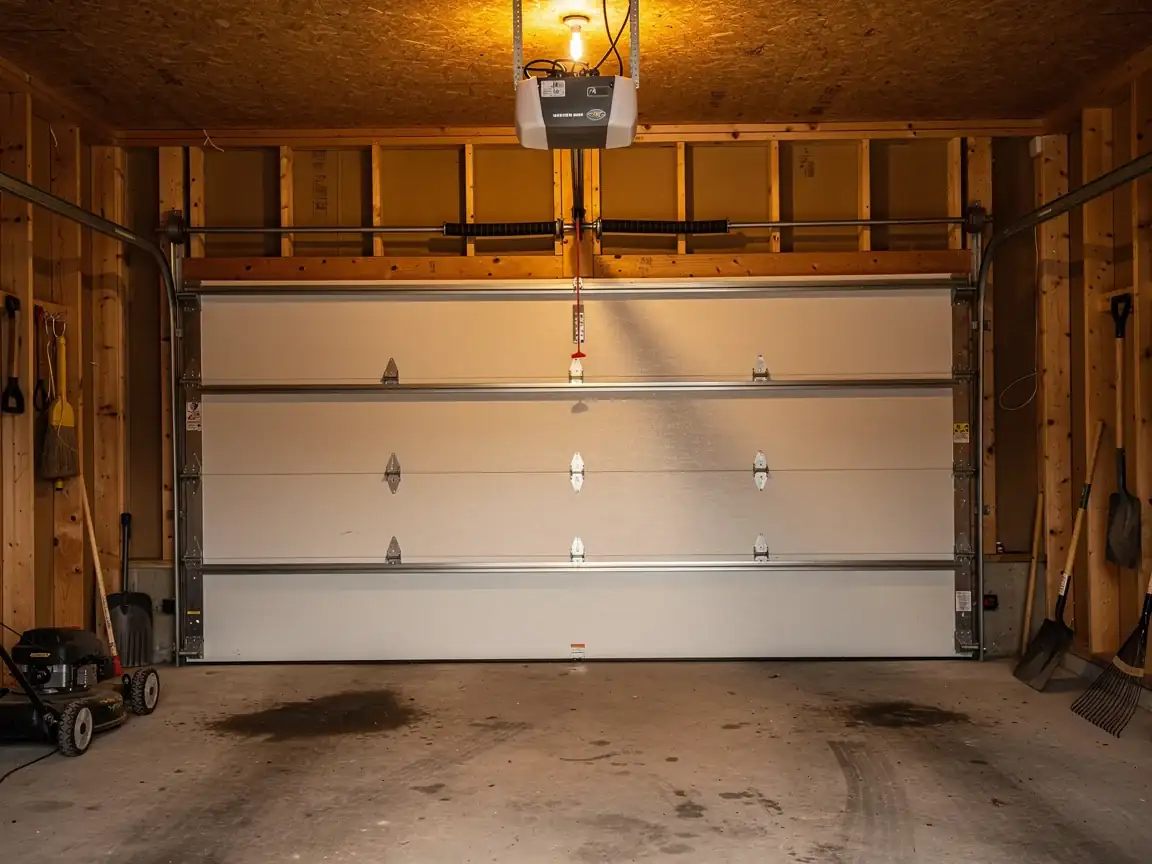
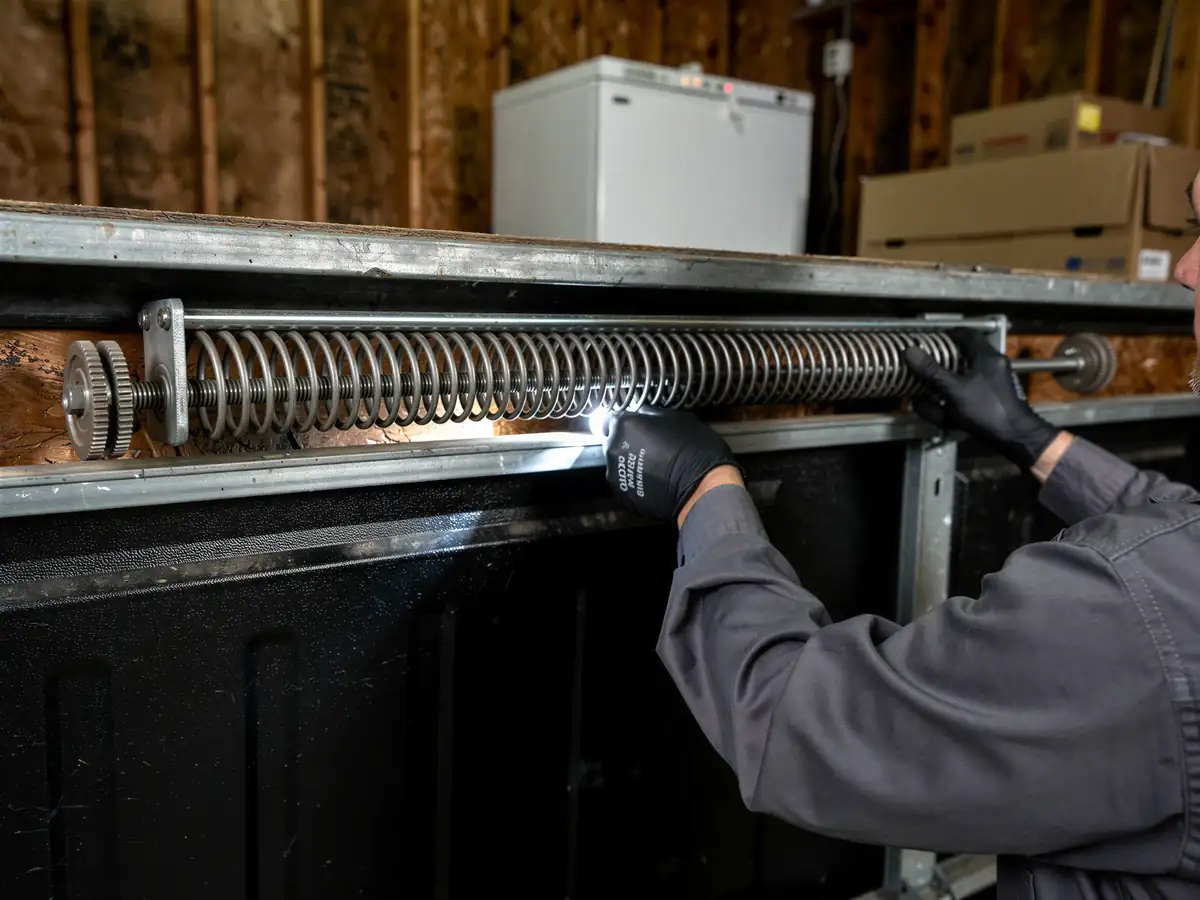
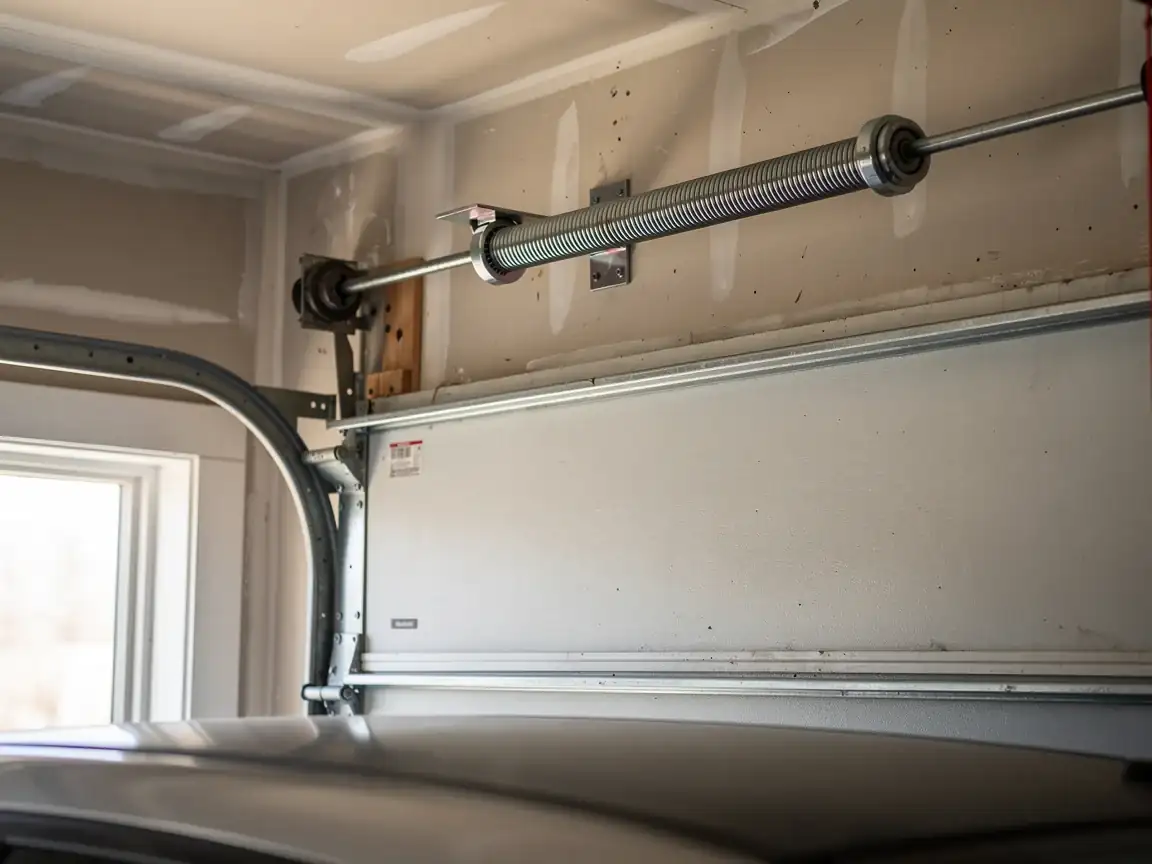
Clayton's housing stock centers on 1972, just a hair newer than the 1971 median across the whole service area we cover out of Beavercreek. That one-year difference doesn't sound like much until you're standing in front of a door. A house built in 1972 almost always came with an extension-spring setup or an early torsion system bolted straight to the header, not the center-mounted torsion bar you'd find on anything built after the mid-80s retrofits swept through other parts of the area. With 5,340 households in Clayton, that's a lot of garages still running original or first-replacement hardware from that build era. Median household income here runs $90,886, well above the $70,000 median across the broader 144,820-household service area, which tends to mean more owners who replace a door outright rather than patch it twice. We see that pattern play out in the calls - fewer limping-along repairs, more full swaps once a spring or opener finally quits for good.
Where We Stop
We run out of Beavercreek, and Clayton sits about 17 miles out - the farthest edge of ground we cover on a given run. We don't keep a depot in Clayton and we're not going to pretend otherwise; every job here means a truck making the drive from Beavercreek. That's fine for a scheduled repair or install. It's worth knowing if you're picturing someone showing up in fifteen minutes for a door that won't close at 6 a.m. We'll get there, but plan the call accordingly, especially if the weather's bad and the roads between here and Beavercreek are slow.
What That Means for Doors
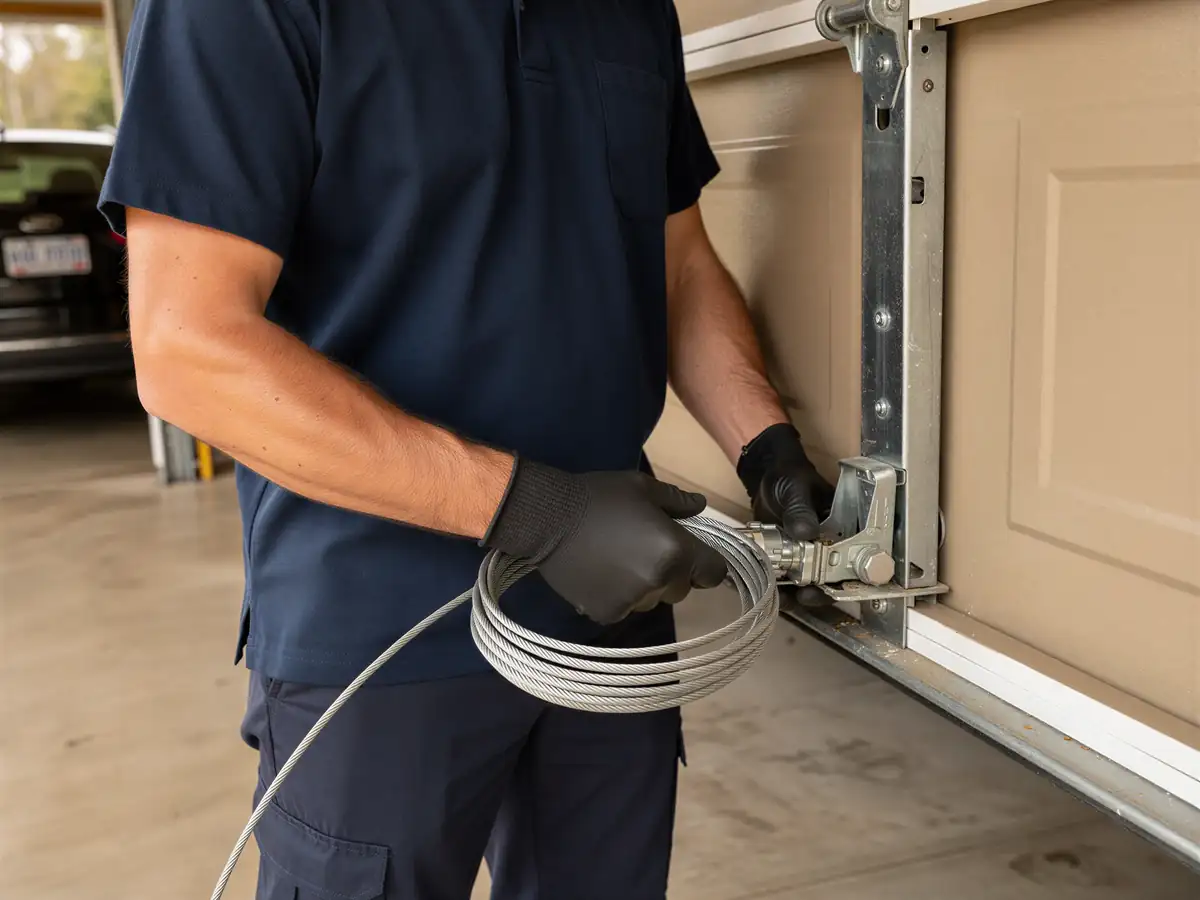
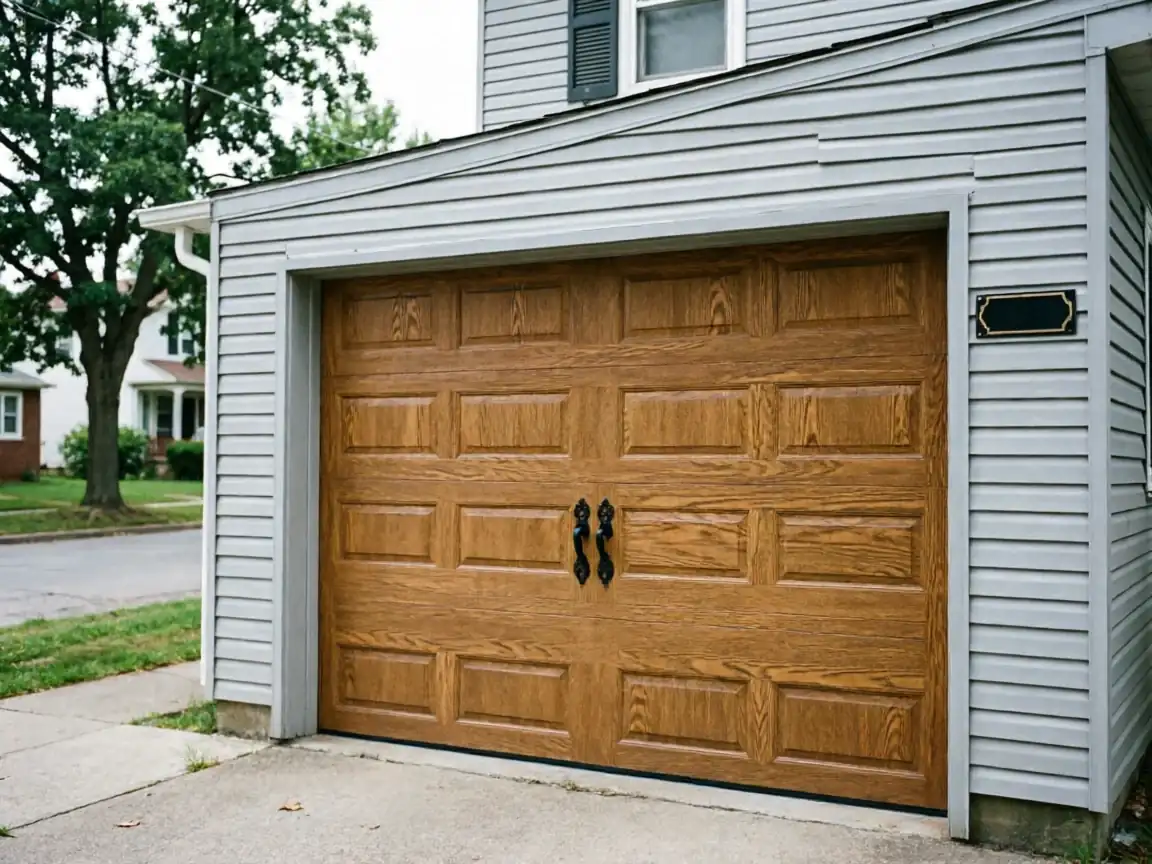
The region sits in a cold-climate band with severe winter exposure, and a 1972-era door wasn't built with today's insulation standards or weatherstripping in mind. On a lot of Clayton garages, that shows up as a slab door with no thermal break, a bottom seal that's hardened and cracked, and steel panels that have taken fifty winters of expansion and contraction. Add in hardware from that same build year - galvanized cable that's lost its coating, torsion springs rated for a lighter door than whatever's been hung on the track since - and cold mornings are when things let go. We don't push insulated replacements on everyone, but on a house this age, in this climate, it's usually the right call once the original door starts showing its age rather than a one-off fix.
The Usual Work Here
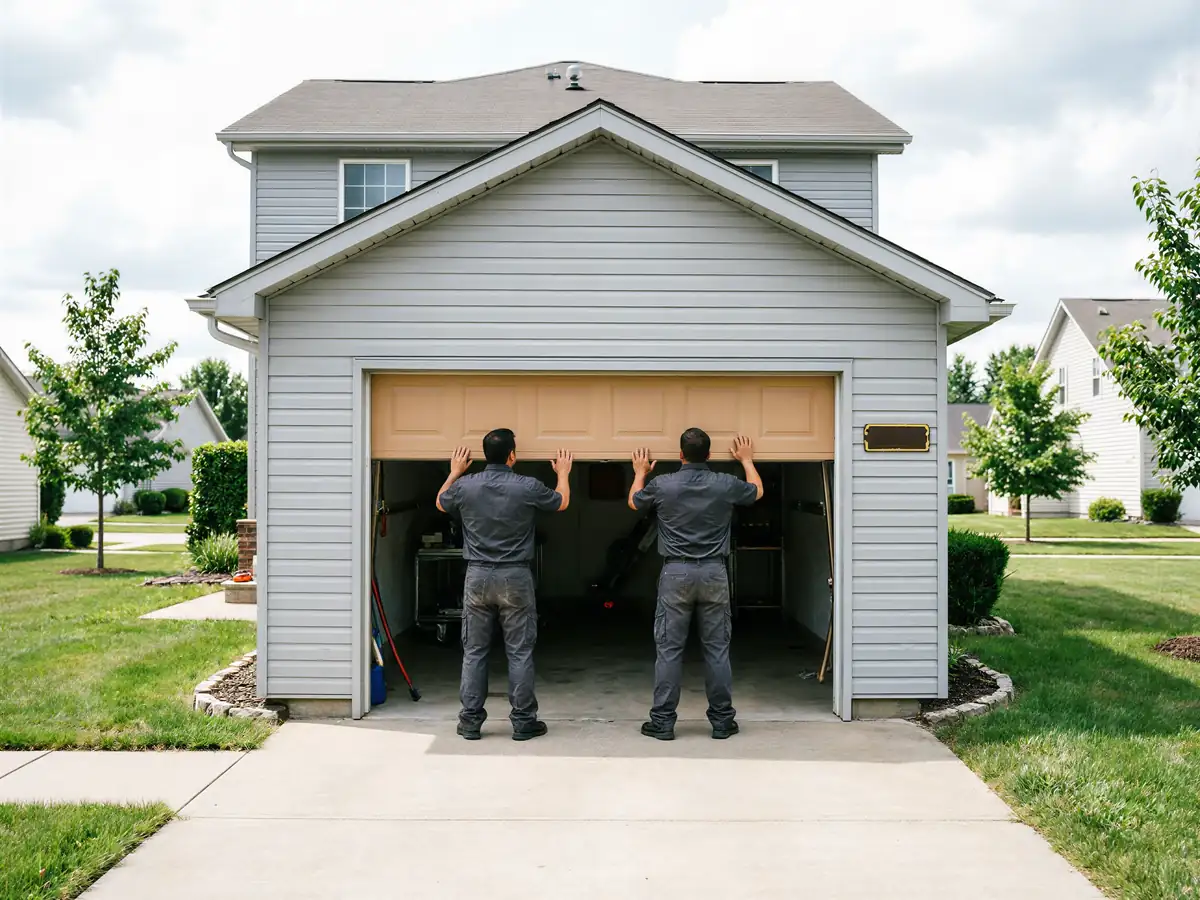
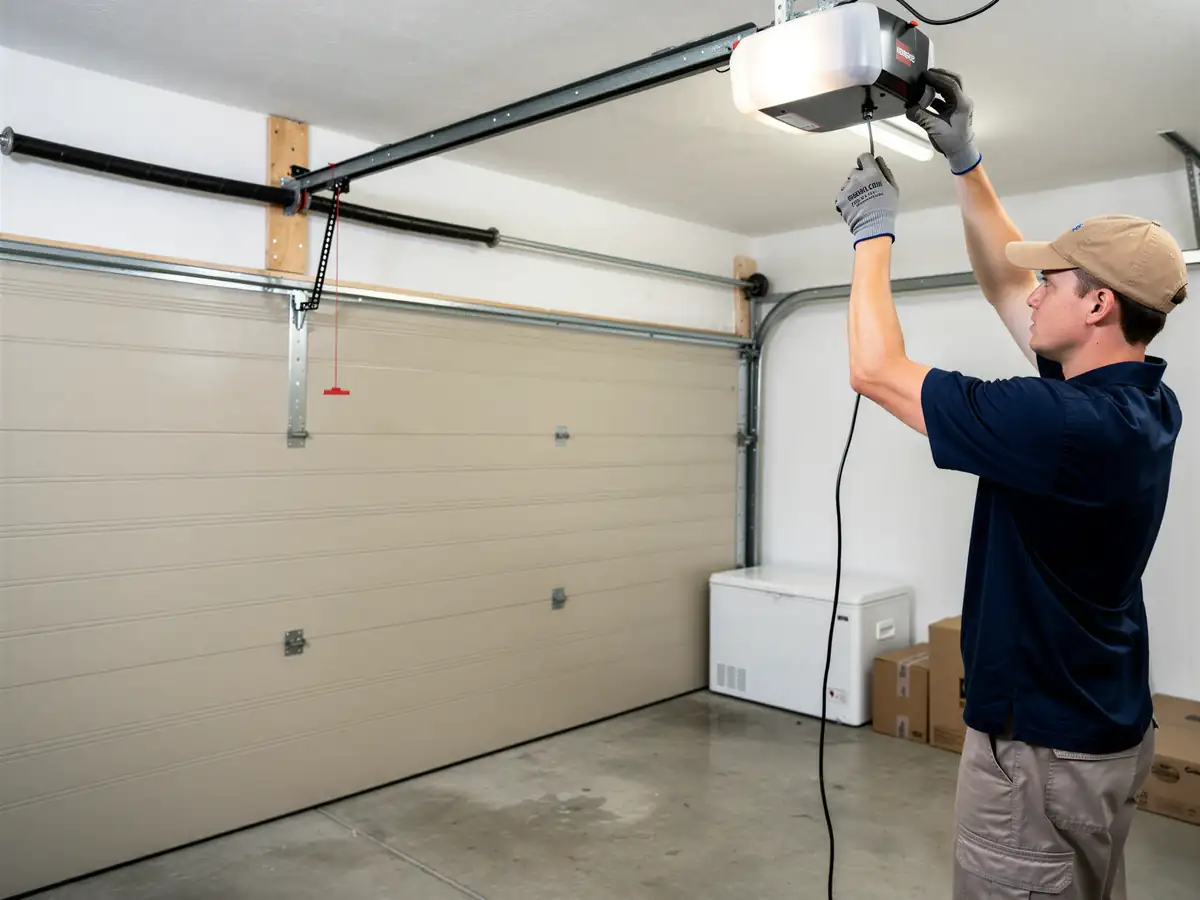
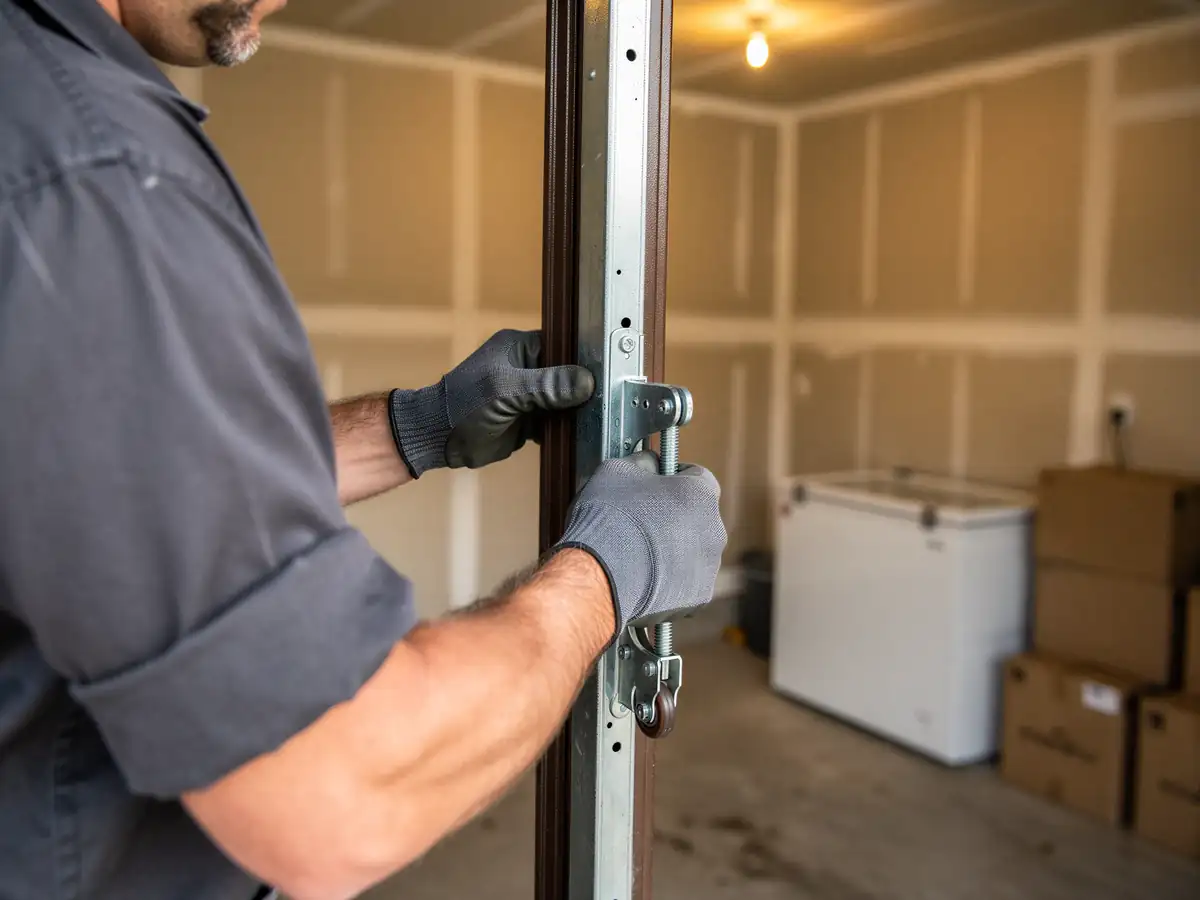
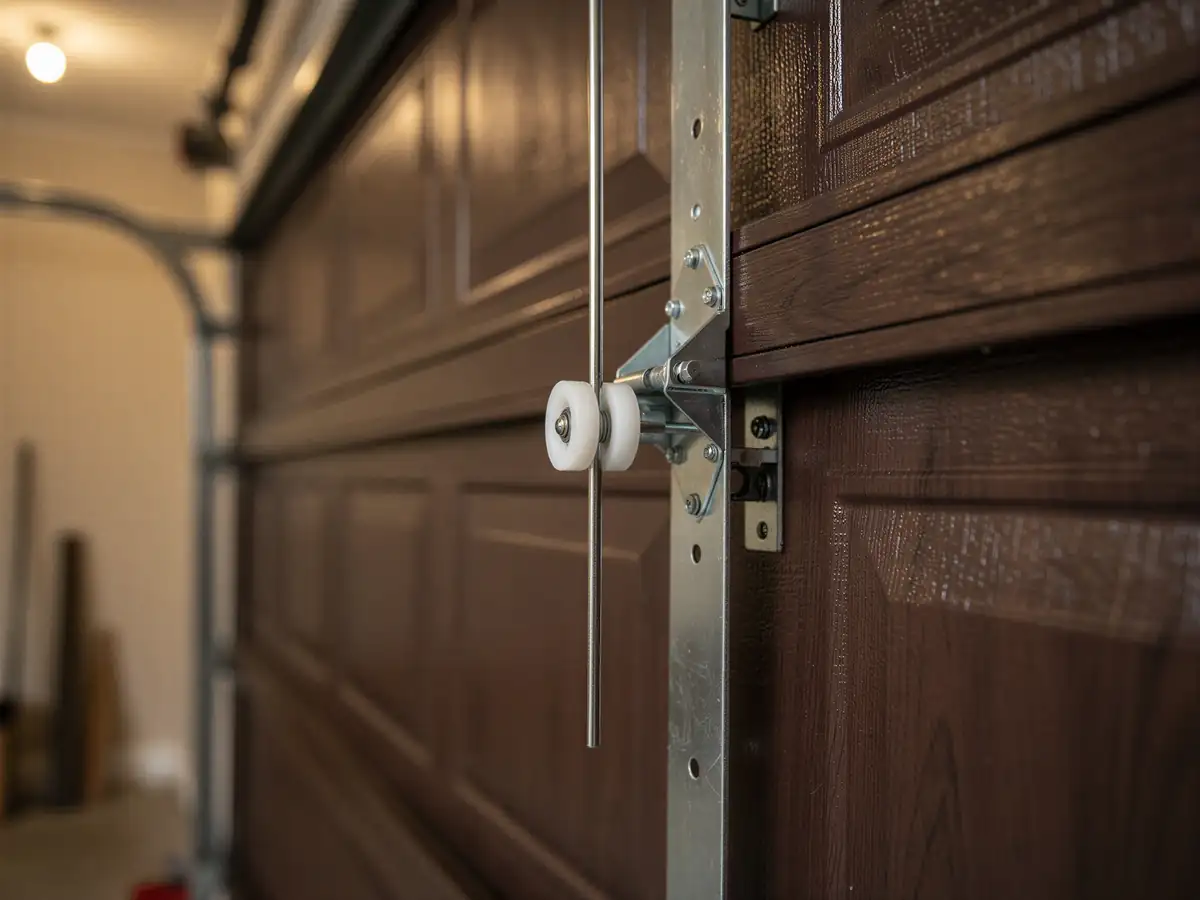
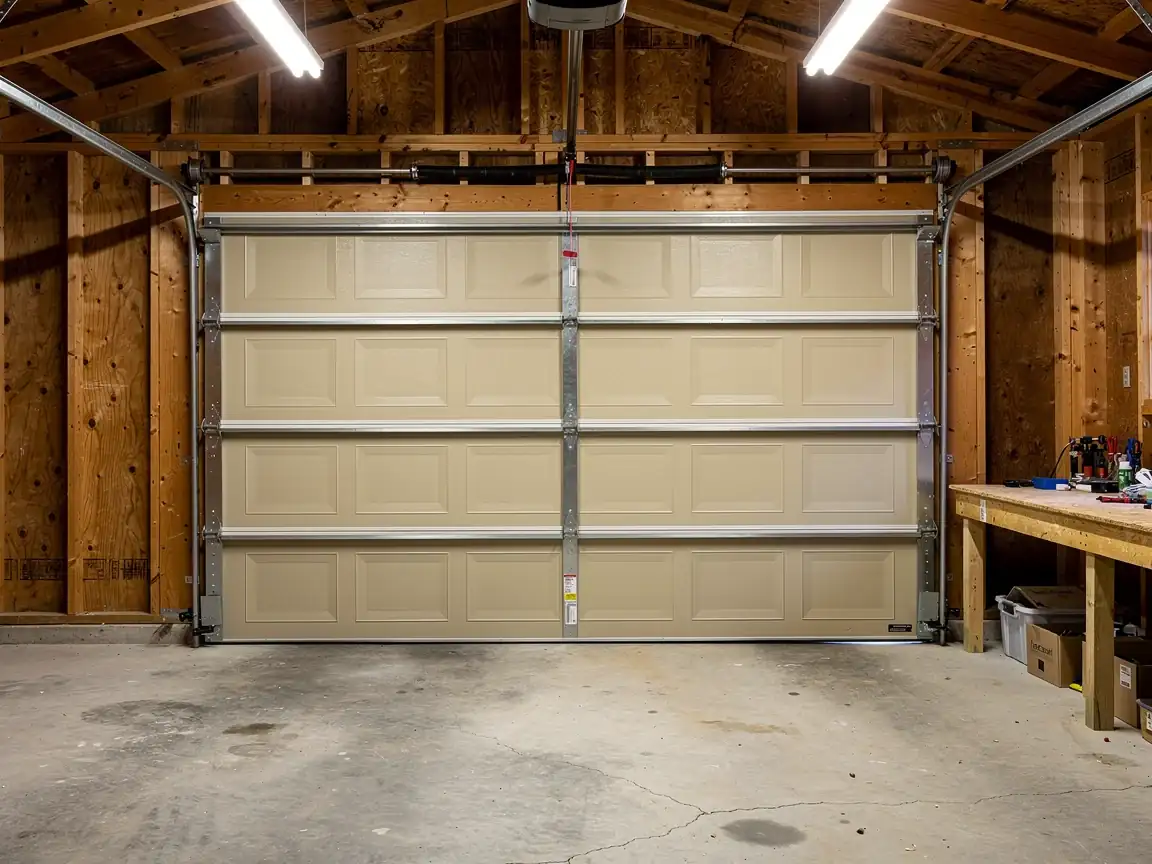
Most calls in Clayton land in a few categories: broken torsion or extension springs on doors that have never been replaced, openers from the 80s or 90s finally failing after their last gear strips, and rollers that have worn their tracks oval from four decades of use. We also see a fair number of full door swaps rather than panel repairs - given the income level here, owners tend to replace once a door's past its working life instead of nursing it along. One honest limit: if a part is specific to a door that old and the manufacturer's stopped making it, we'll tell you straight that replacement beats a custom-fab repair, because chasing discontinued hardware on a 50-year-old door usually costs more than a new one installed.
How it works
From “it’s stuck” to “it’s fixed”
1
Tell us what’s wrong
Describe the symptom - won’t open, loud bang, opener runs but the door won’t move.
2
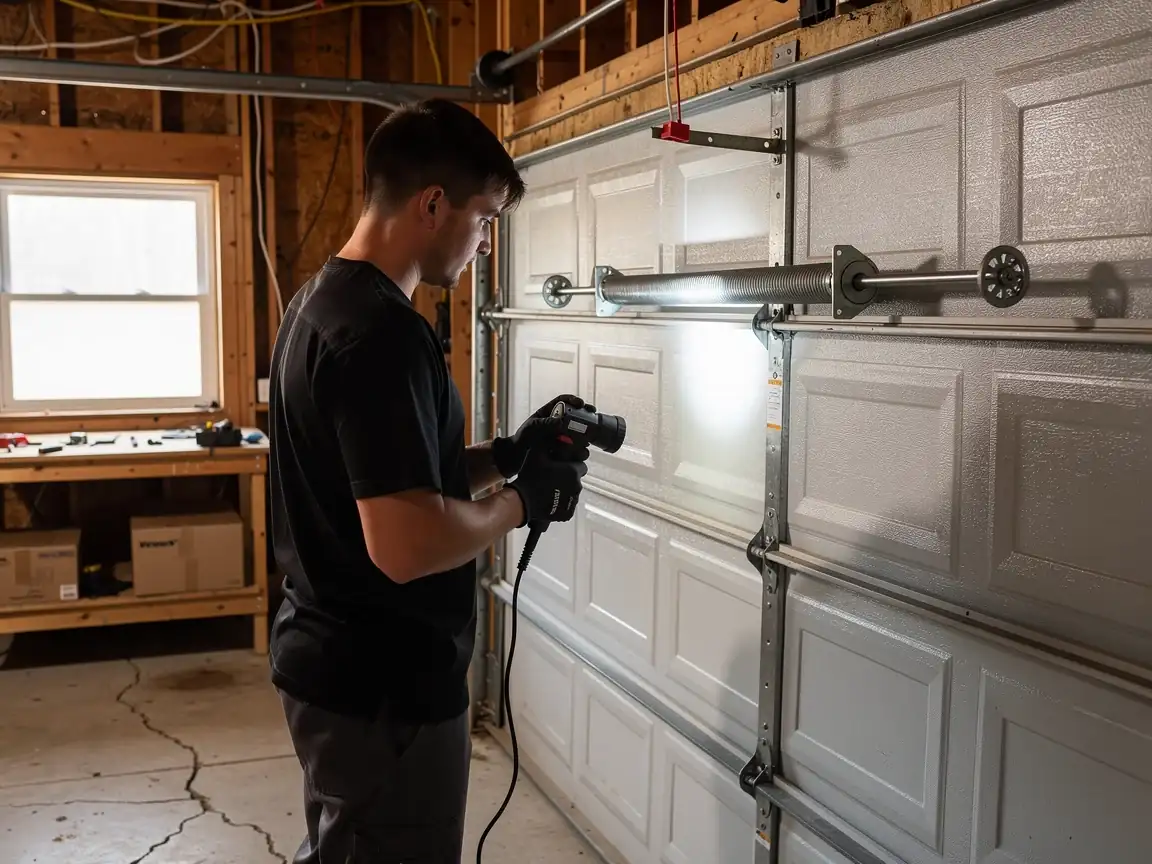
On-site diagnosis
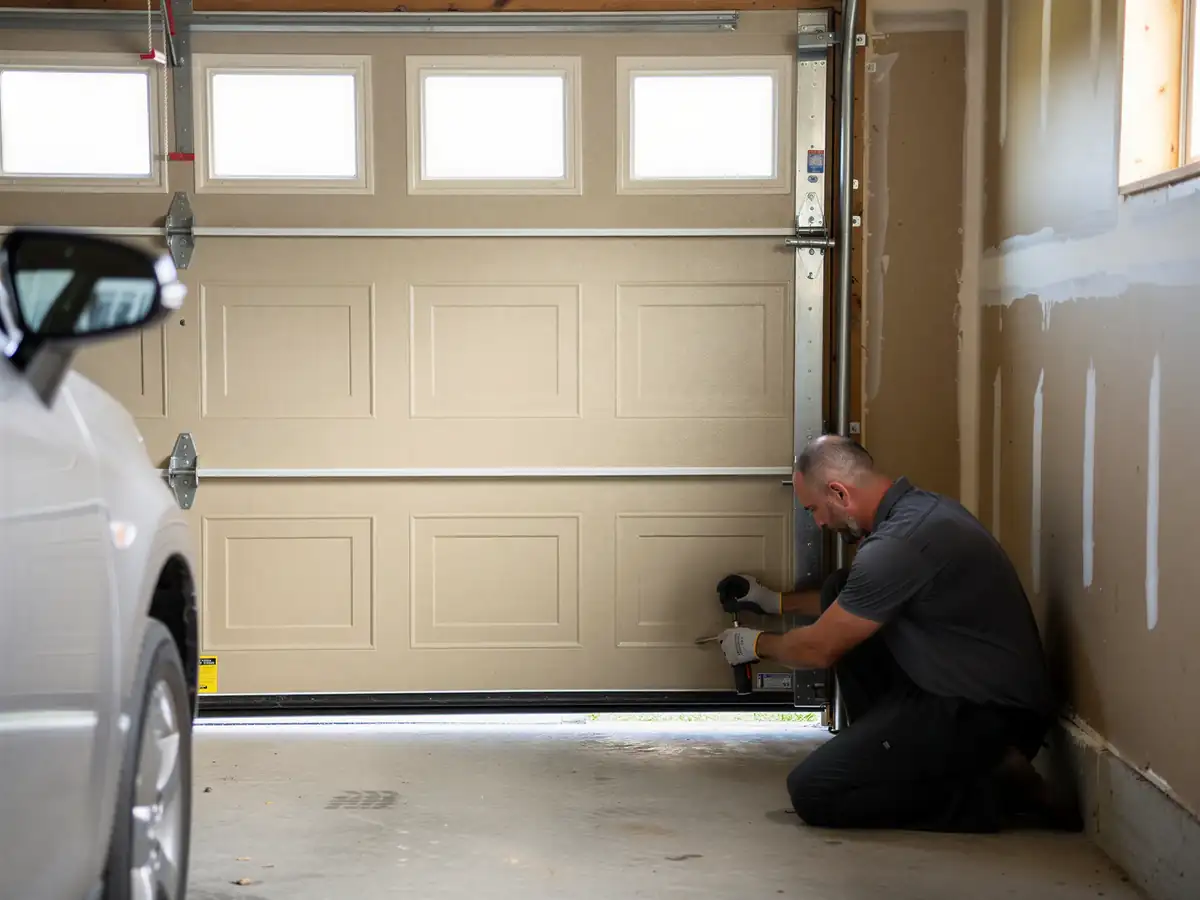
A technician tests the door under power and by hand and finds what actually failed.
3
Clear, up-front plan
You get the fix that’s needed and what drives the cost - before any work starts.
4
Repaired & tested
The repair is done, the door is set true and tested, and the work area left clean.
Not sure which repair your door needs in Beavercreek, OH? Describe what it’s doing - every job starts with a diagnosis.
No. We run out of Beavercreek, about 17 miles away, and every Clayton job is a truck making that drive. We still cover the area regularly, but we won't claim a local depot or a guaranteed fast response time we can't back up.
Why does my 1970s garage door keep breaking in winter?
Doors built around 1972, which is the median build year here, typically used spring and cable hardware rated for lighter loads and thinner steel without a thermal break. Cold-weather expansion and contraction over fifty winters wears that hardware down, so springs and cables tend to fail right when temperatures drop.
Is it worth repairing an original door from the 1970s?
Sometimes, but not always. If the springs or cables are the only failure, a repair makes sense. If the panel is bowed, the seal is cracked through, and the opener is also near the end of its life, replacement usually costs less over time than repeated patch jobs on a 50-year-old door.
Ready to get your garage door sorted?
Tell us what it’s doing and where you are in Beavercreek - we’ll take it from there.