What You Pay
We don't have a flat number to quote you here, and anyone who gives you one over the phone without seeing the door is guessing. What drives the bill is the spring size, whether the opener is original to a 1970s build or a later replacement, and whether the track or rollers need work beyond the spring itself. Clayton's median household income sits close to $90,886, which is higher than much of the surrounding service area, and we've found that households at that income level more often opt to replace an aging opener outright rather than patch it a third time. That's a choice we lay out plainly on the call, not something we push. If a repair makes more financial sense than a replacement, we say so.
How We Fix It
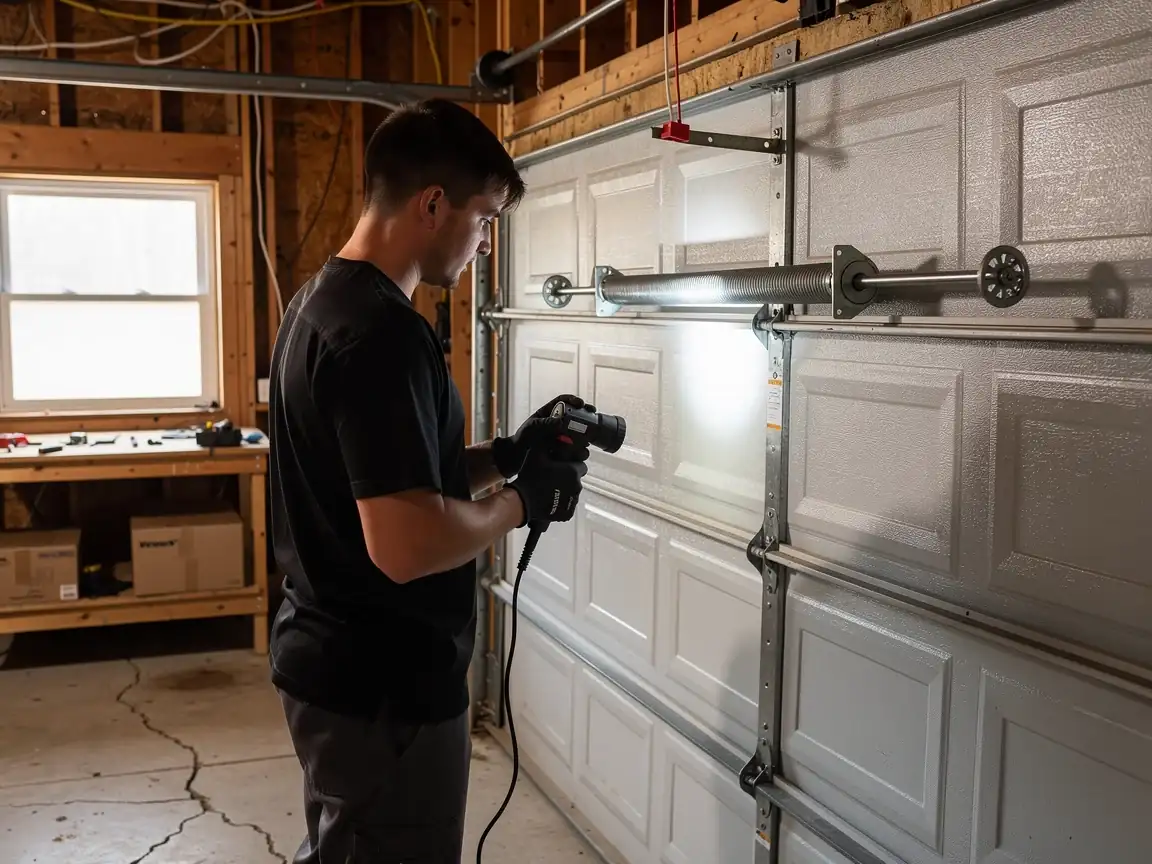
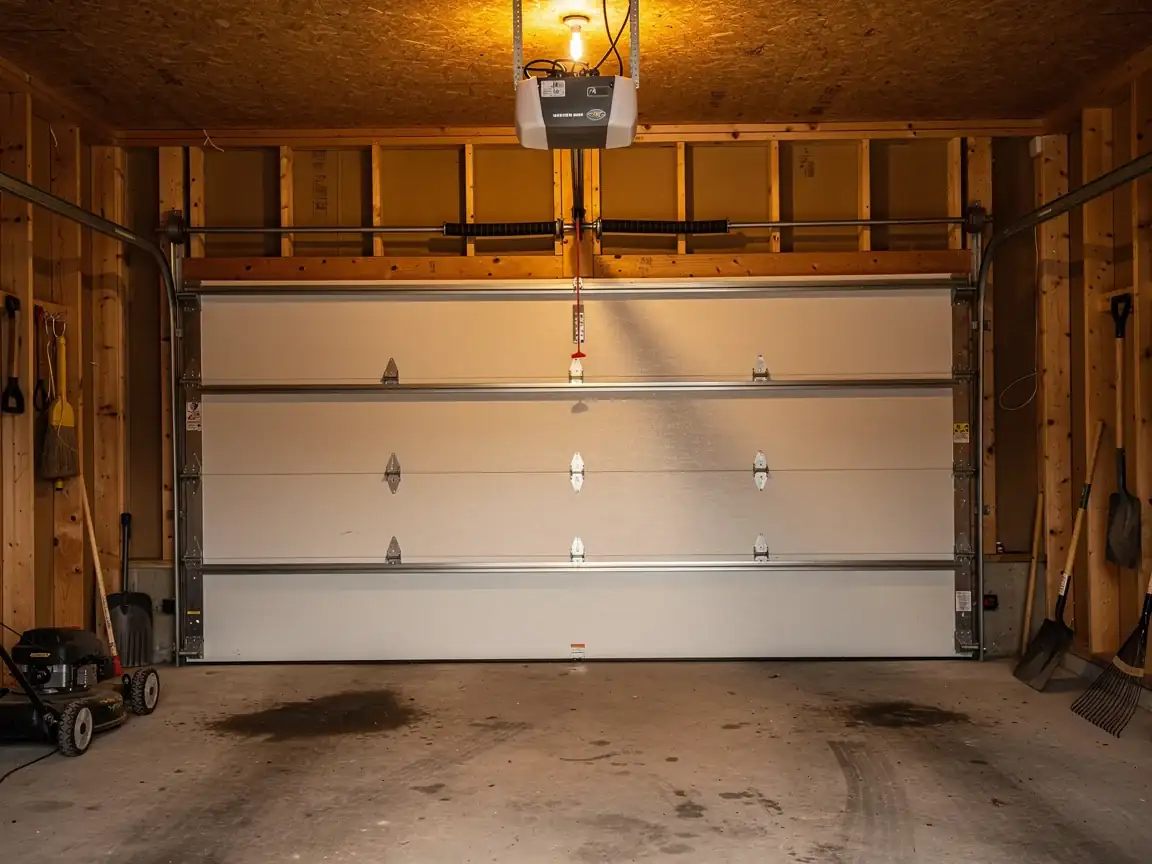
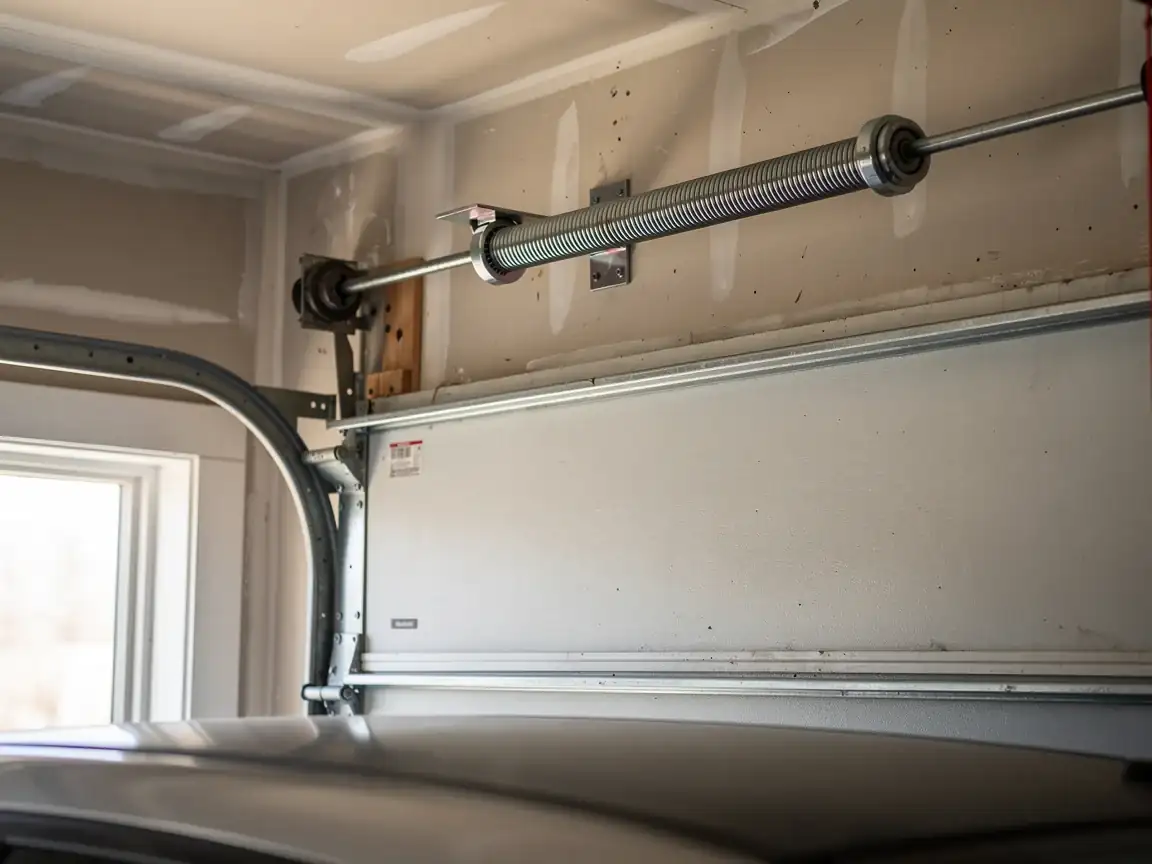
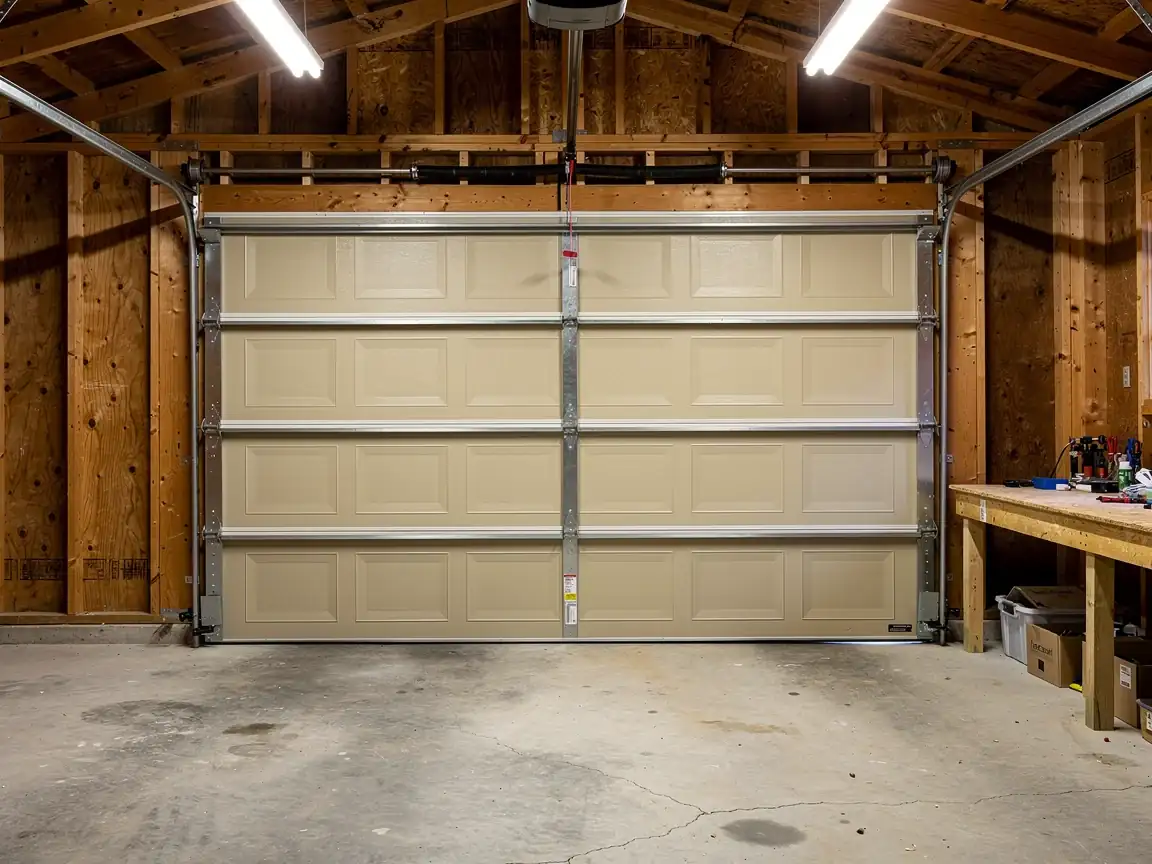
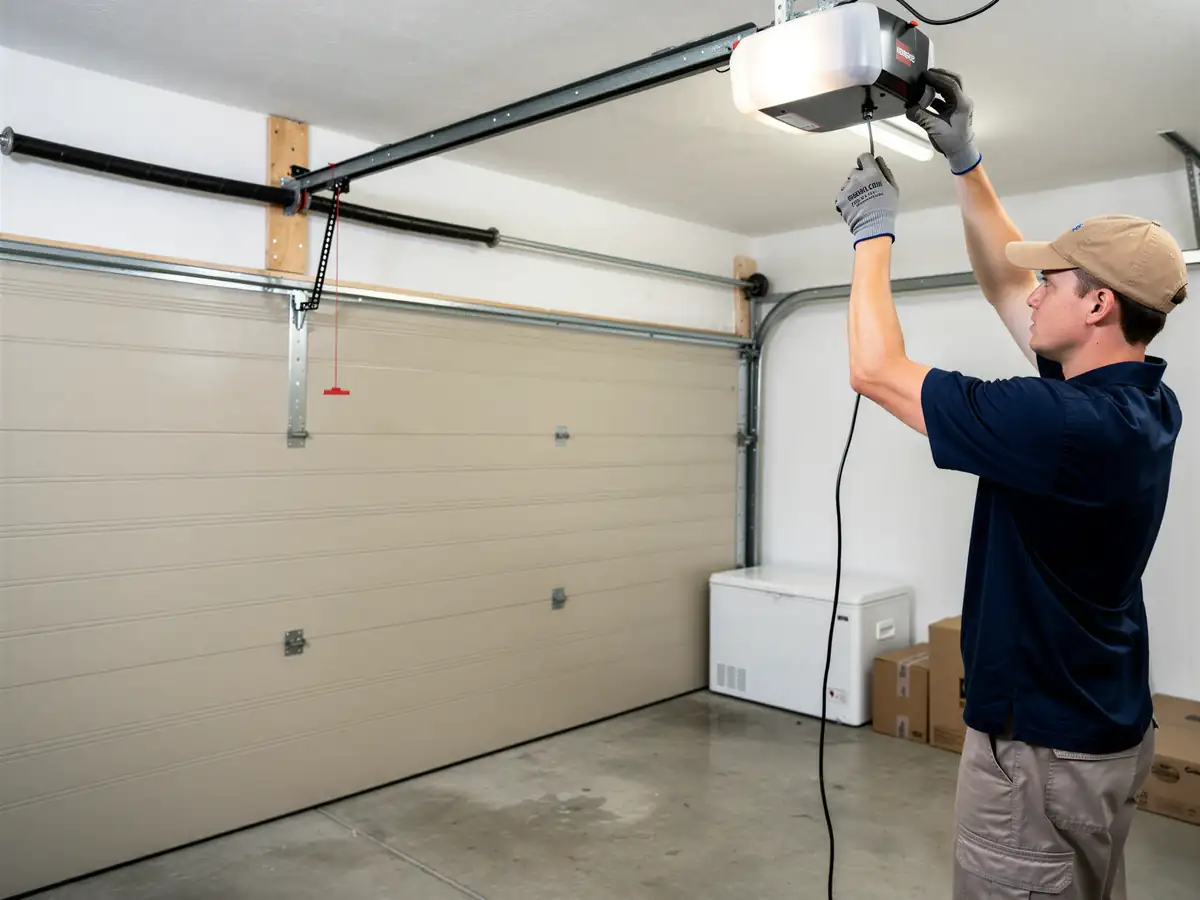
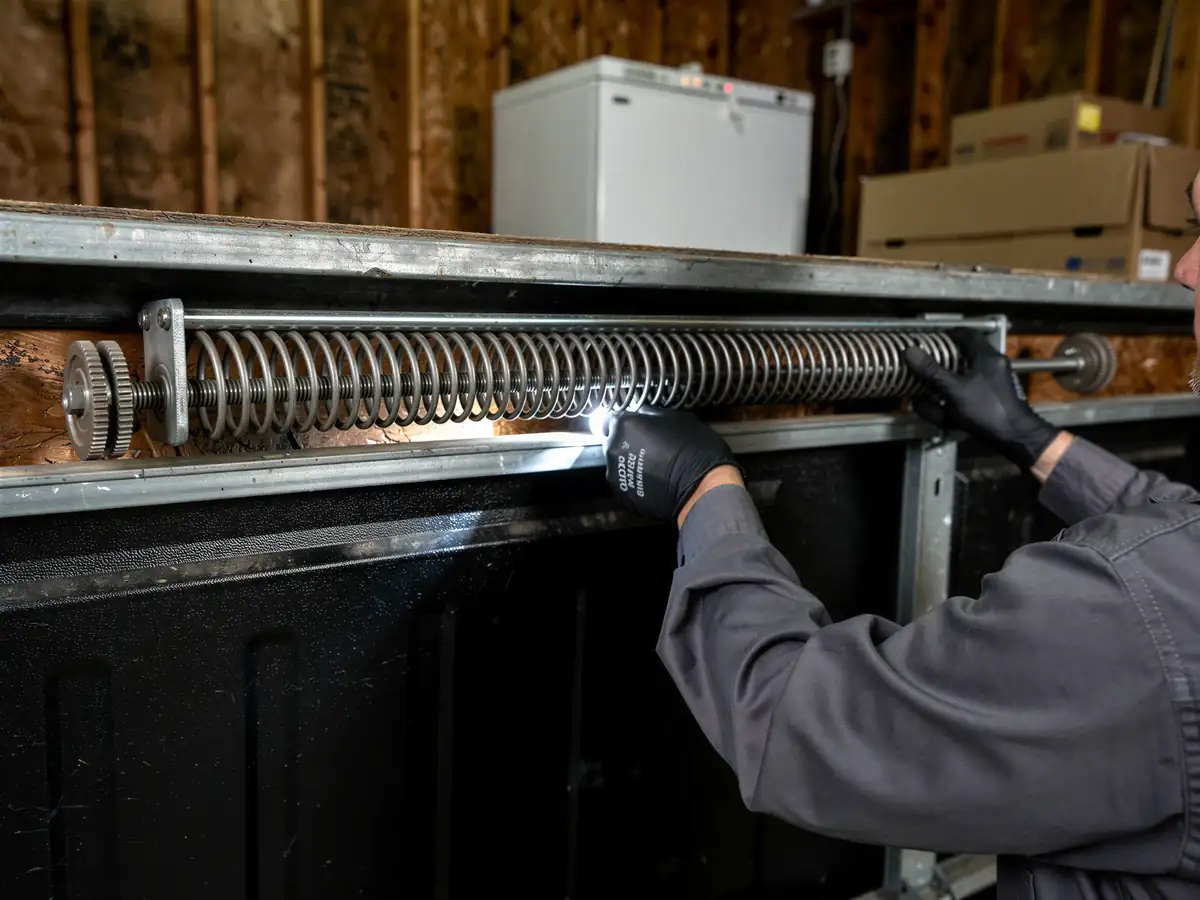
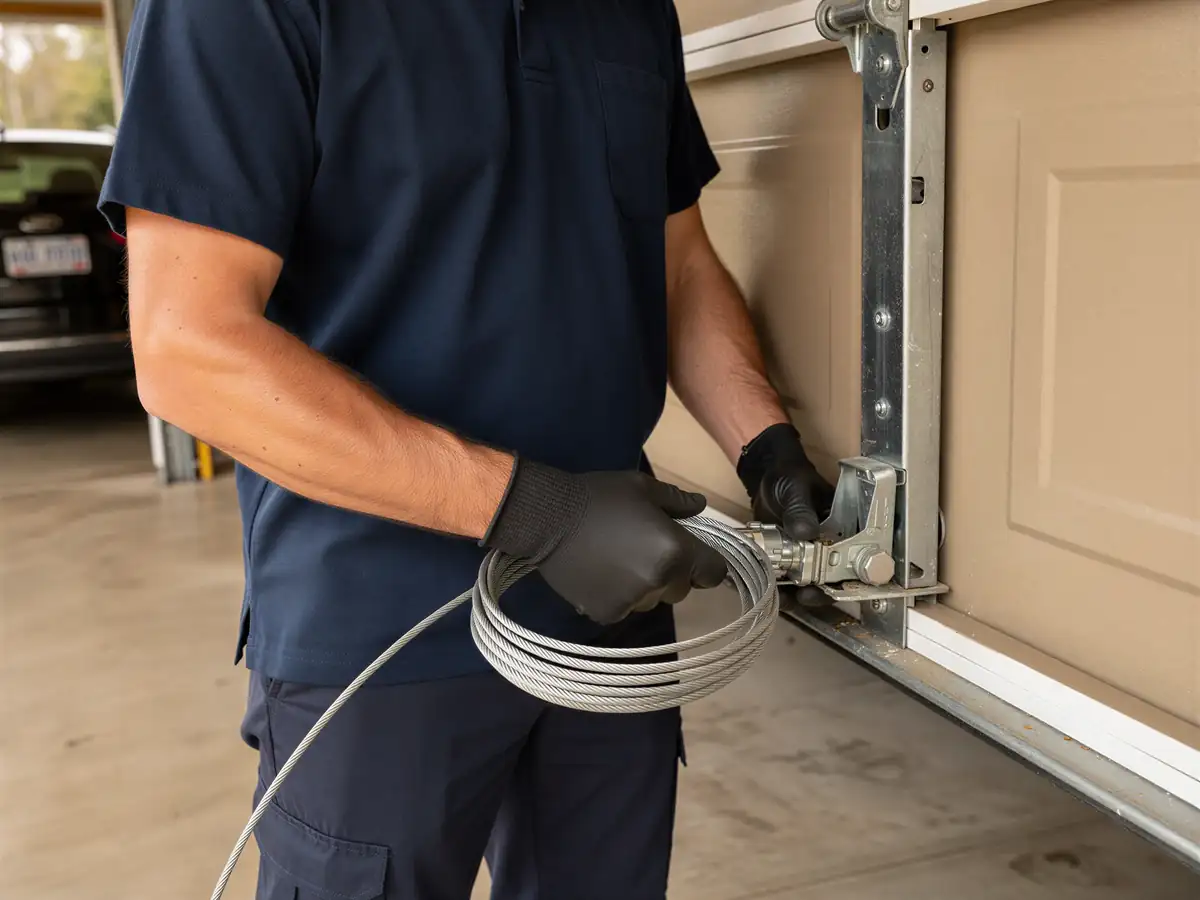
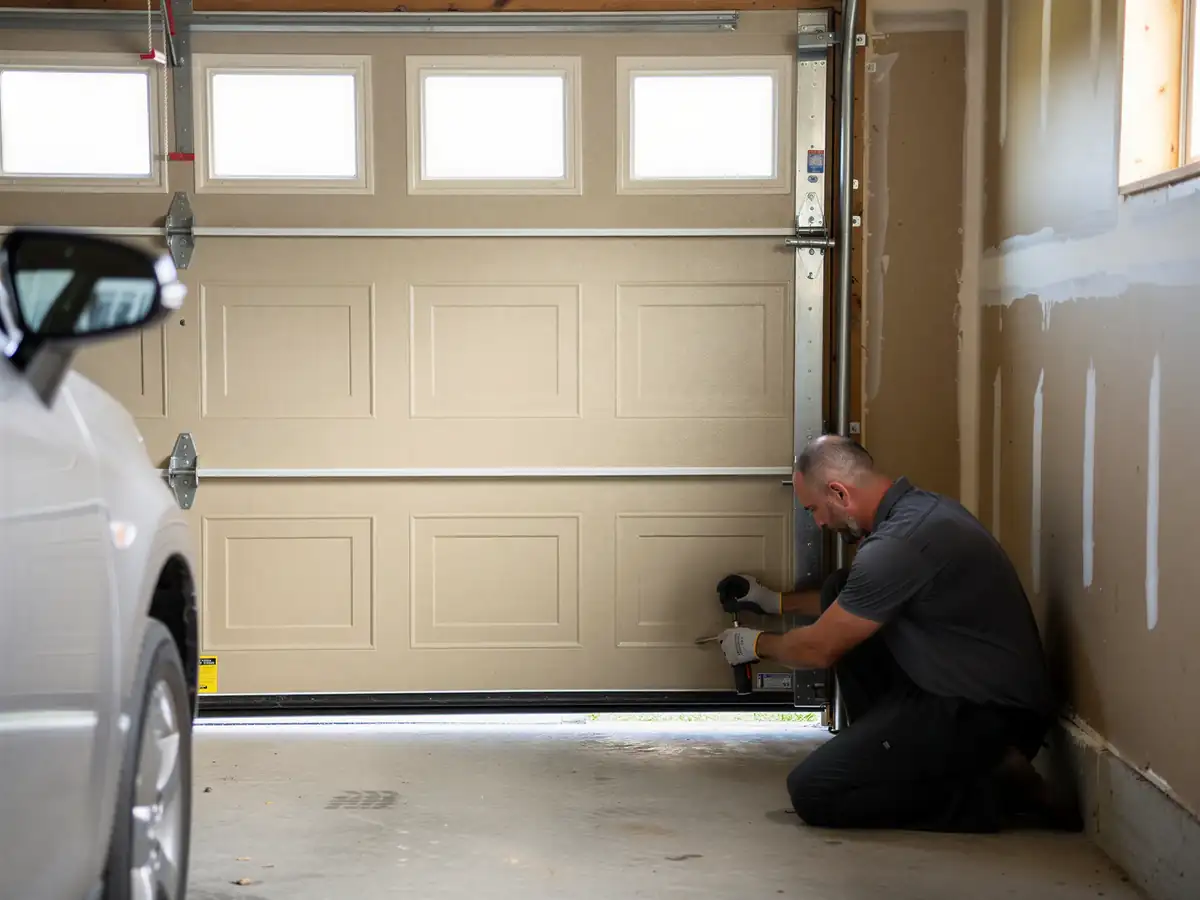
On a torsion spring job, we start by checking the door's weight and the drum size before we touch anything, because a mismatched spring under tension is how people get hurt. For doors built around the early 1970s, the torsion bar and end bearing plates are often original, so we inspect those for wear before swapping the spring itself. If the opener is original to the house, the chain drive and sprocket are usually the first things to go, and we test the safety reversal before we leave regardless of what brought us out. Winters here fall into the same severe cold band as the rest of the region, and steel springs manufactured decades ago don't flex the same way in January as a spring made with modern cold-rated coatings. That's often the real cause behind a door that worked fine in October and snapped a cable in February.
Can You Do This Yourself
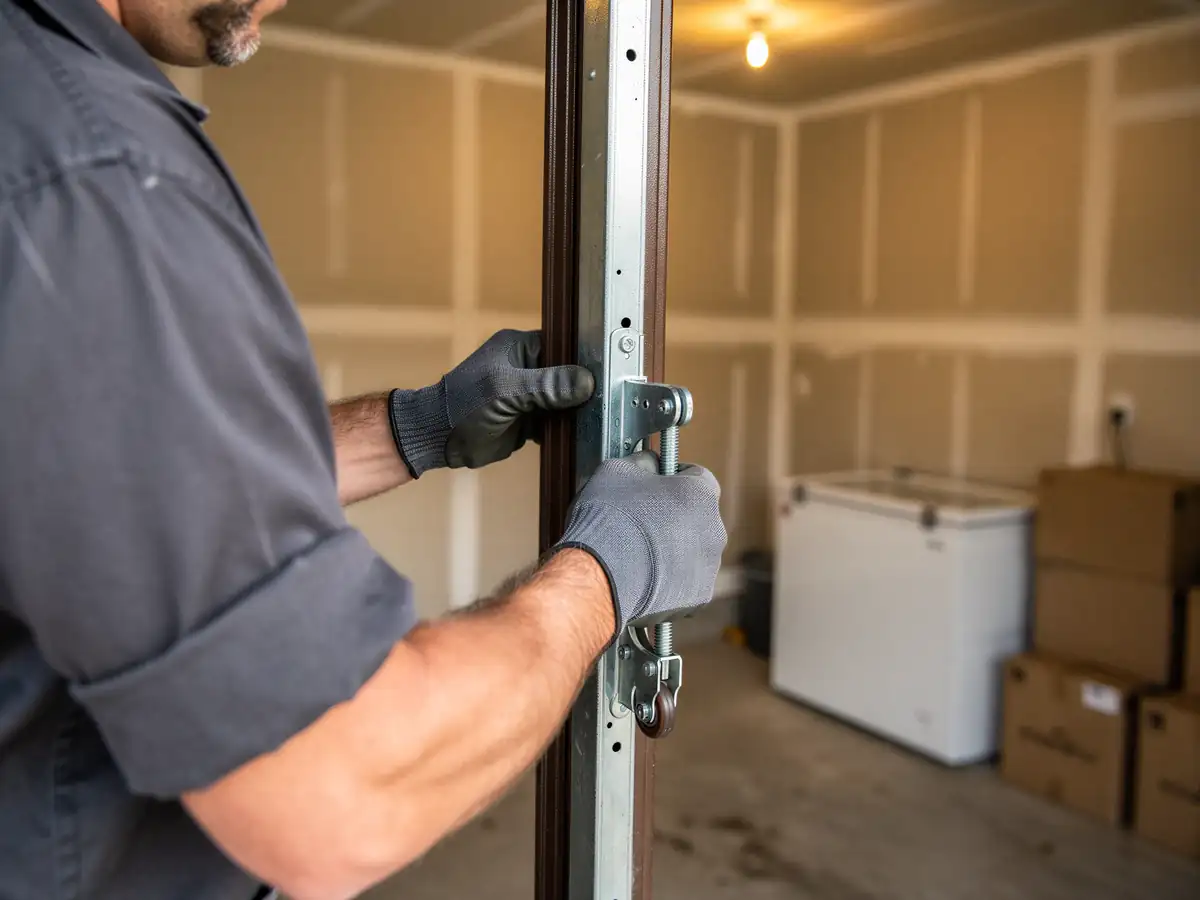
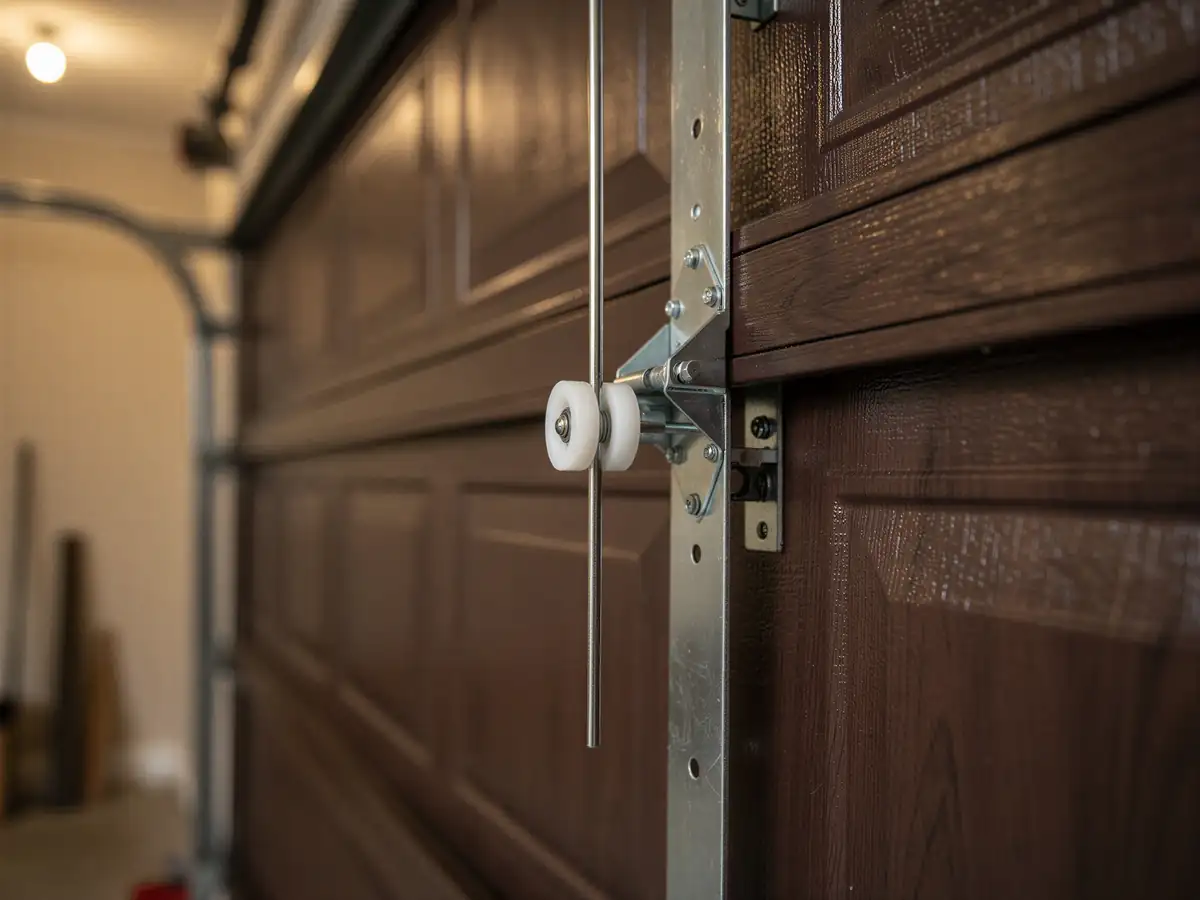
Changing a roller or tightening loose hardware is reasonable for most homeowners to handle. A torsion spring is not. The spring on a standard door holds enough stored force to break a hand or worse if the winding bar slips, and that risk doesn't change because the house is older or newer. If your opener is tripping its safety reversal or the door is off its track, that's also a call-us job, not a YouTube afternoon. Where DIY makes sense is lubrication, checking for loose bolts on the track brackets, and testing the auto-reverse with a block of wood under the door edge. Beyond that, the cost of a mistake outweighs what you'd save.