Why This Fails Locally
Clayton is a small town
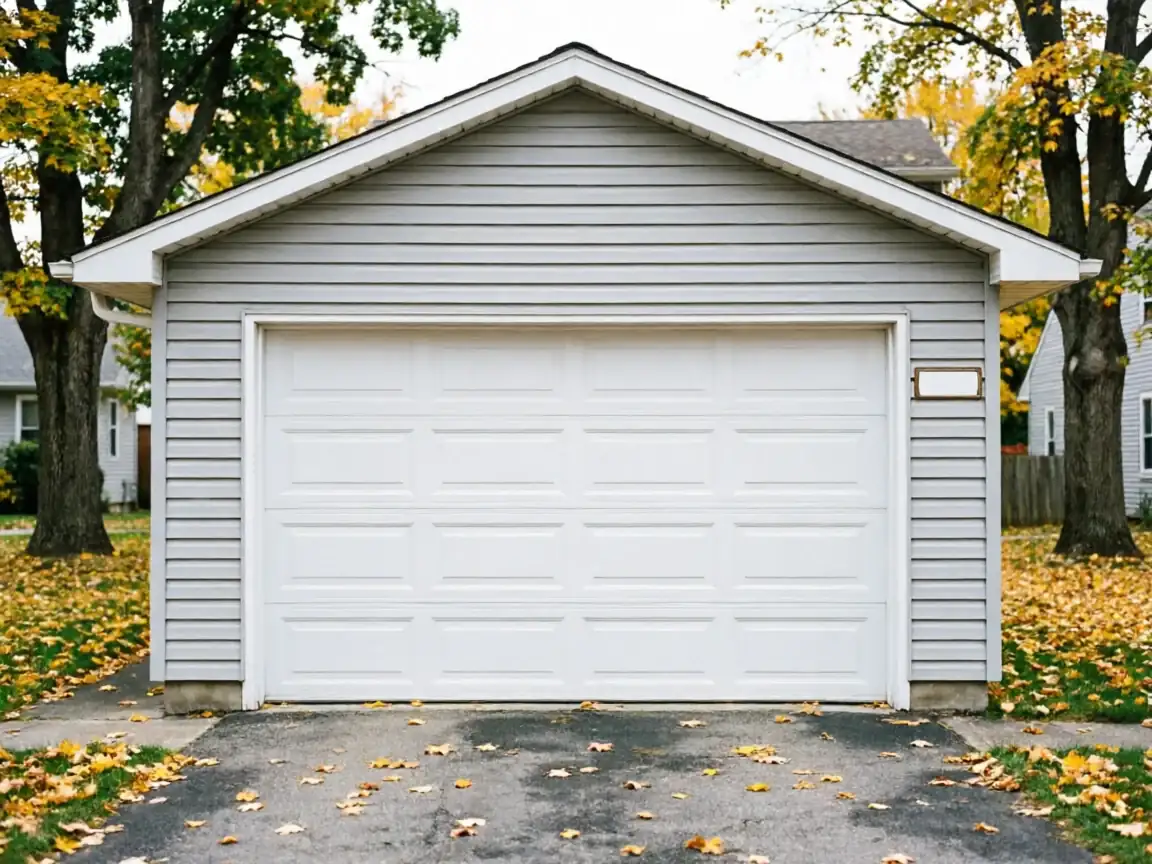
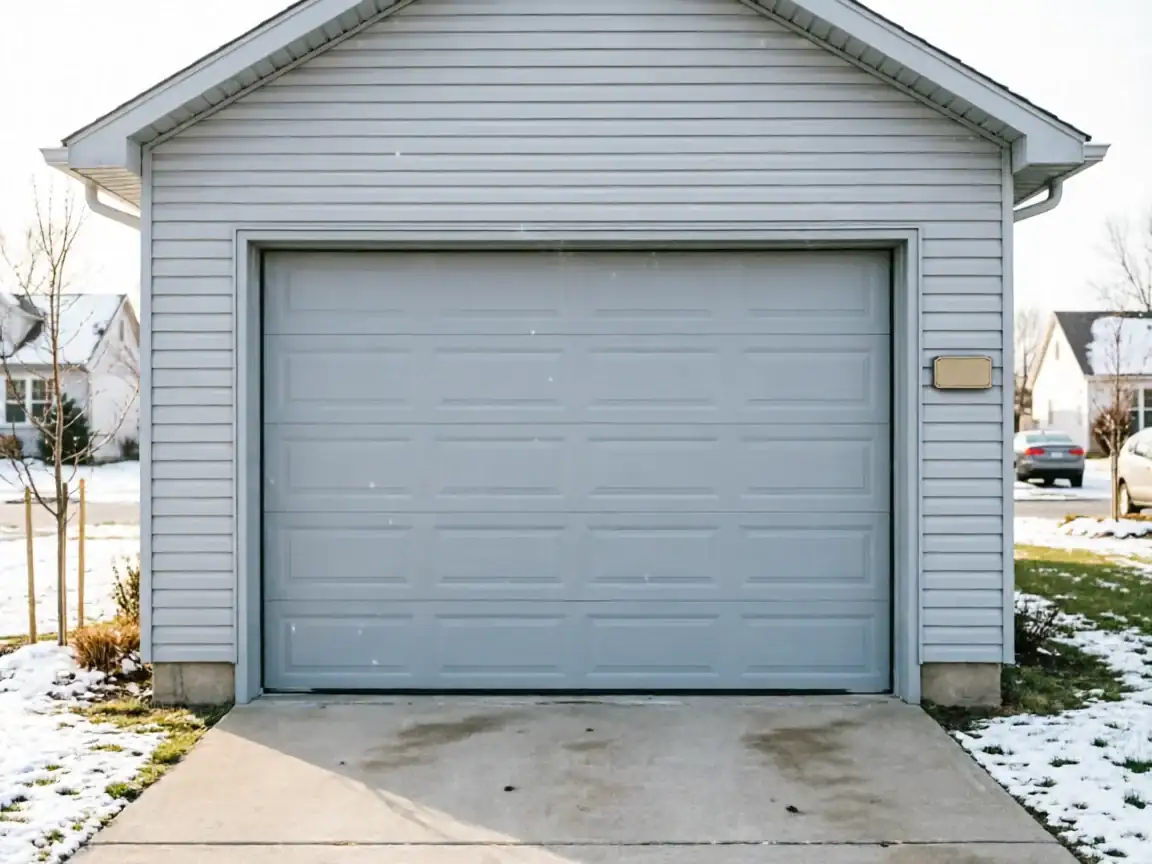
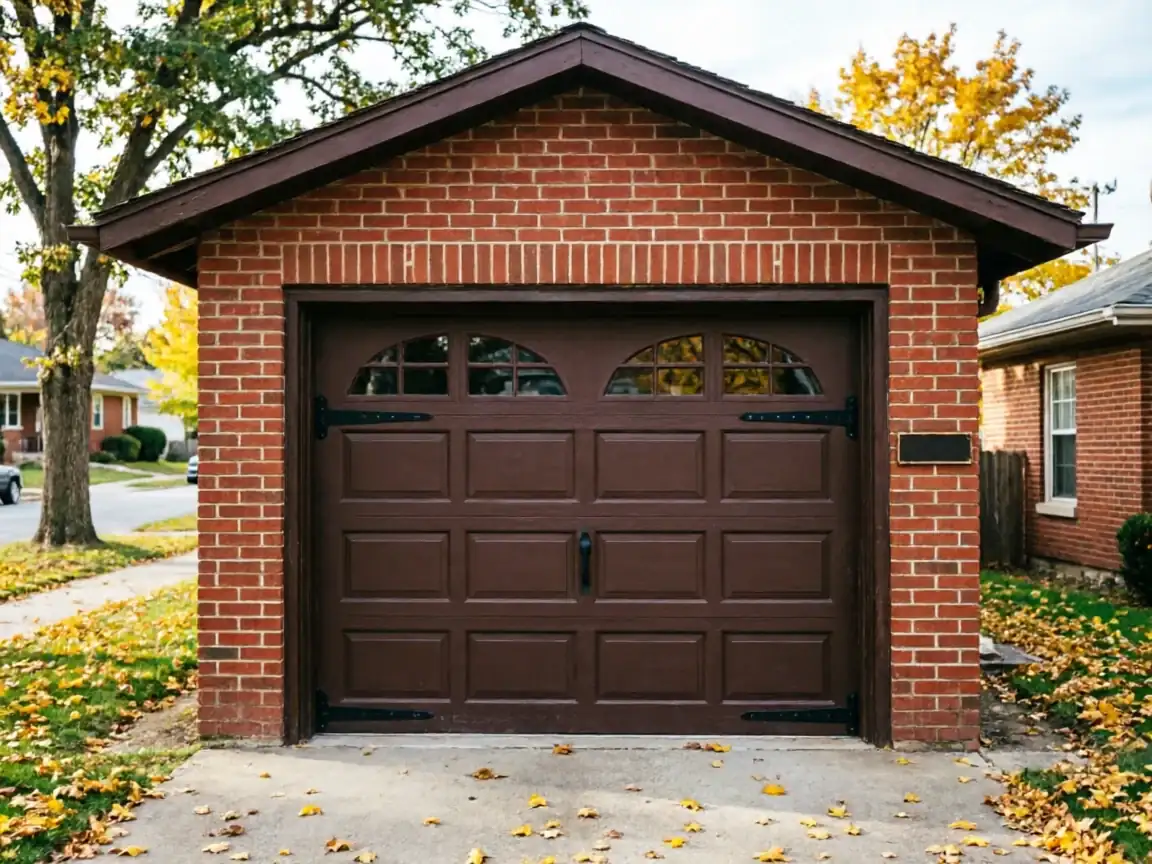
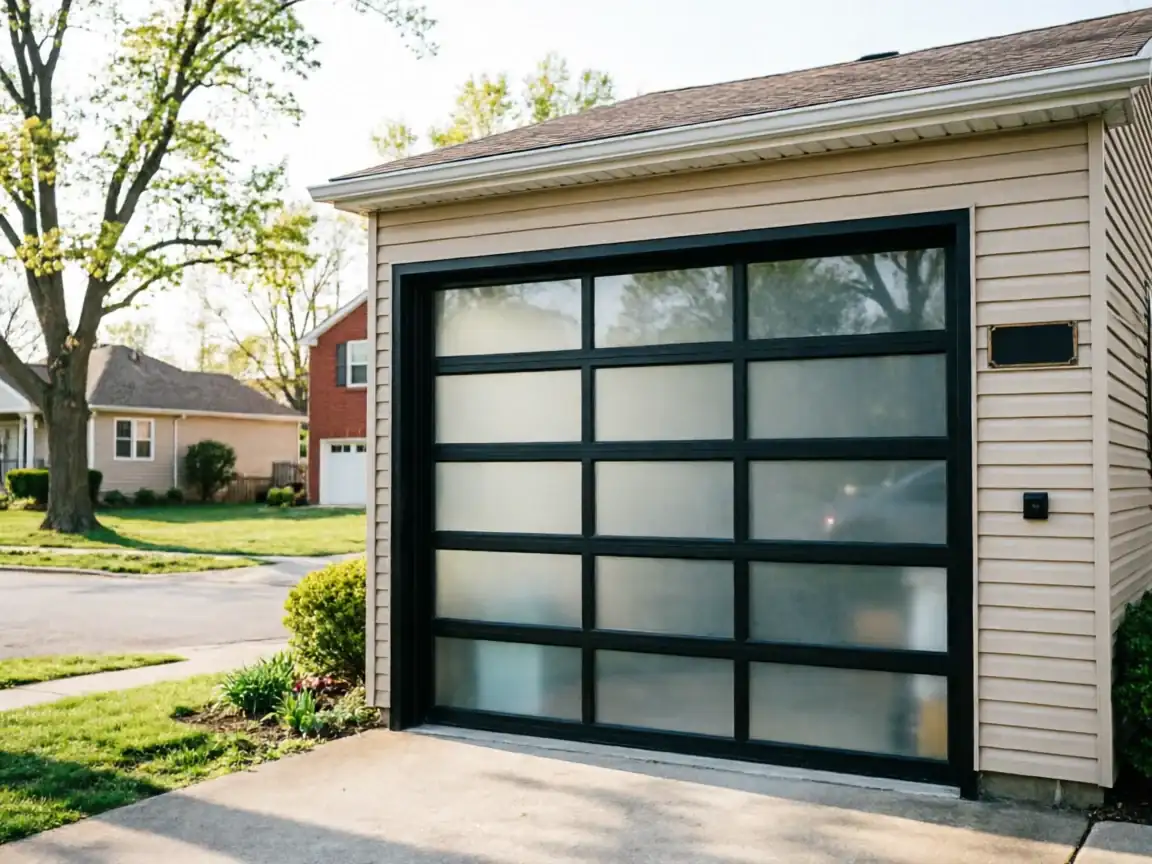
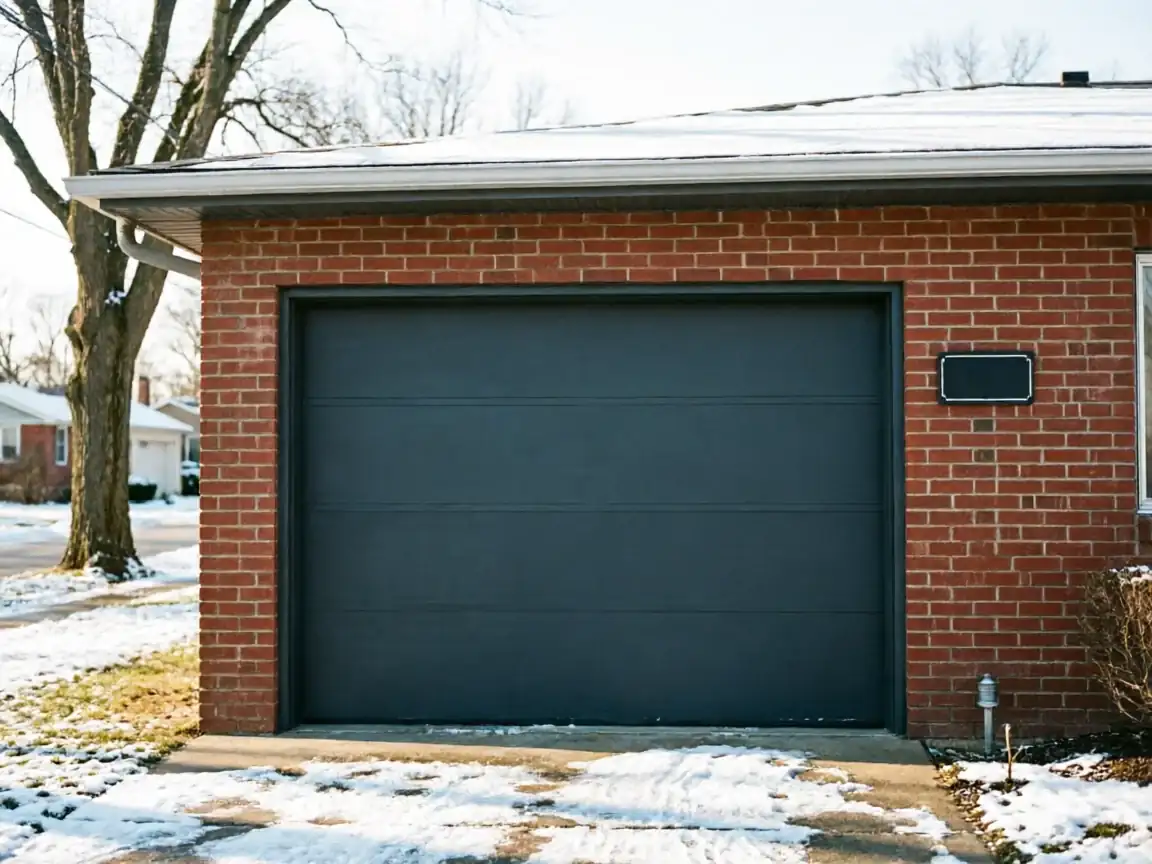
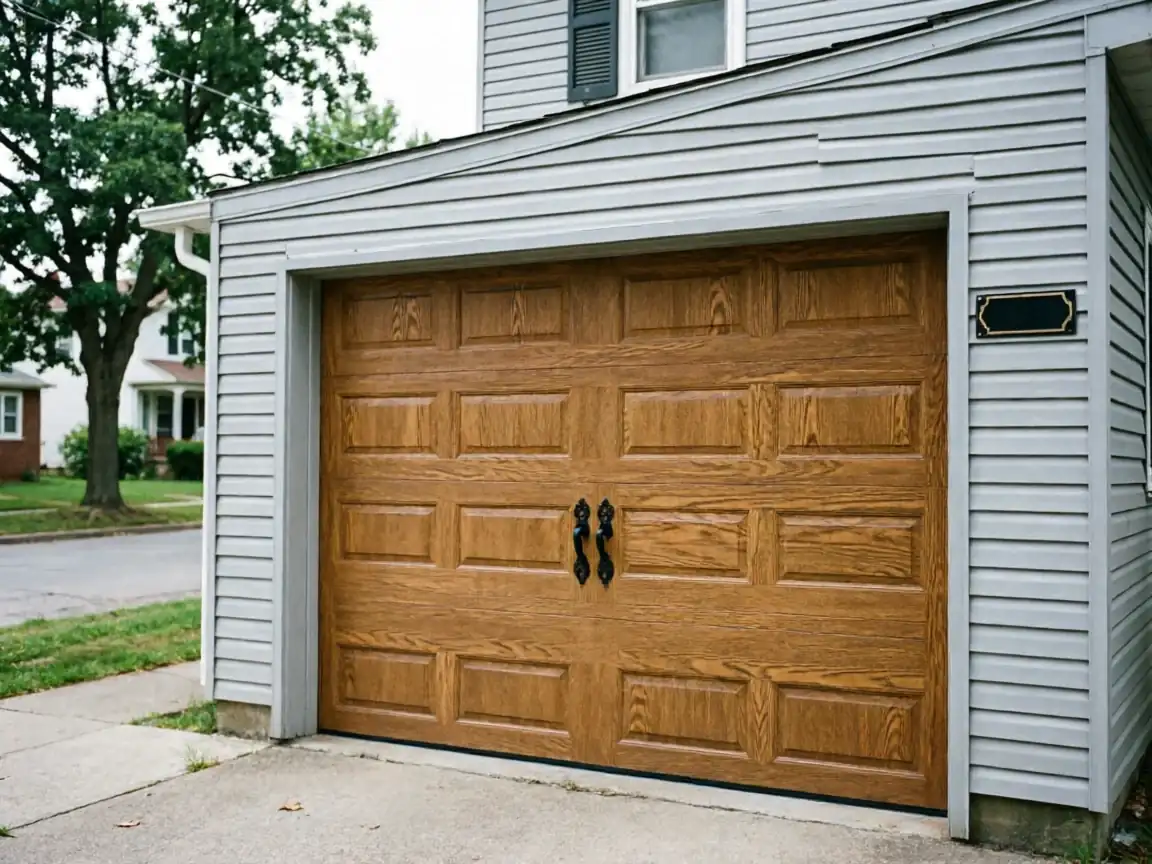
About 5,340 households, not a sprawling grid - and most of those houses went up around 1972, which lines up with the wider 1960s-70s build-out that covers this part of the region. That one fact drives almost every roller call we get here. Doors from that era shipped with steel rollers riding in steel track, no nylon, no sealed bearing. Thirty, forty, fifty winters of cold-band weather later, those rollers have flat spots worn into them and the track has a thin coat of surface rust that chews at the roller edge every time the door runs.
- 5,340 households
You hear it before you see it
A grinding or popping sound as the door travels, worse in the first cold snap of the year when the steel contracts and the clearance tightens. On a town this size we're not chasing dozens of different housing eras - Clayton's stock is concentrated enough that the symptom and the fix are close to the same, call after call. That's useful for us and it should be useful for you: if your neighbor's door makes that sound, yours probably will too, on roughly the same schedule.
What You Pay
We don't have a fixed roller-replacement price to quote you in writing here, and we'd rather tell you that than make one up. What we can tell you is what moves the number: whether you've got a single door or a double, how many rollers are actually worn versus just dirty, and whether the track needs straightening along with the roller swap - track damage is common on houses built when Clayton's housing stock went in, since the original track wasn't built to the tolerances used today.
Clayton's median household income runs noticeably higher than the wider service area's, which doesn't change what the job costs but does mean most owners here are replacing a full roller set rather than patching one or two and hoping. That's a judgment call we'll make with you on site, not over the phone.
How We Fix It
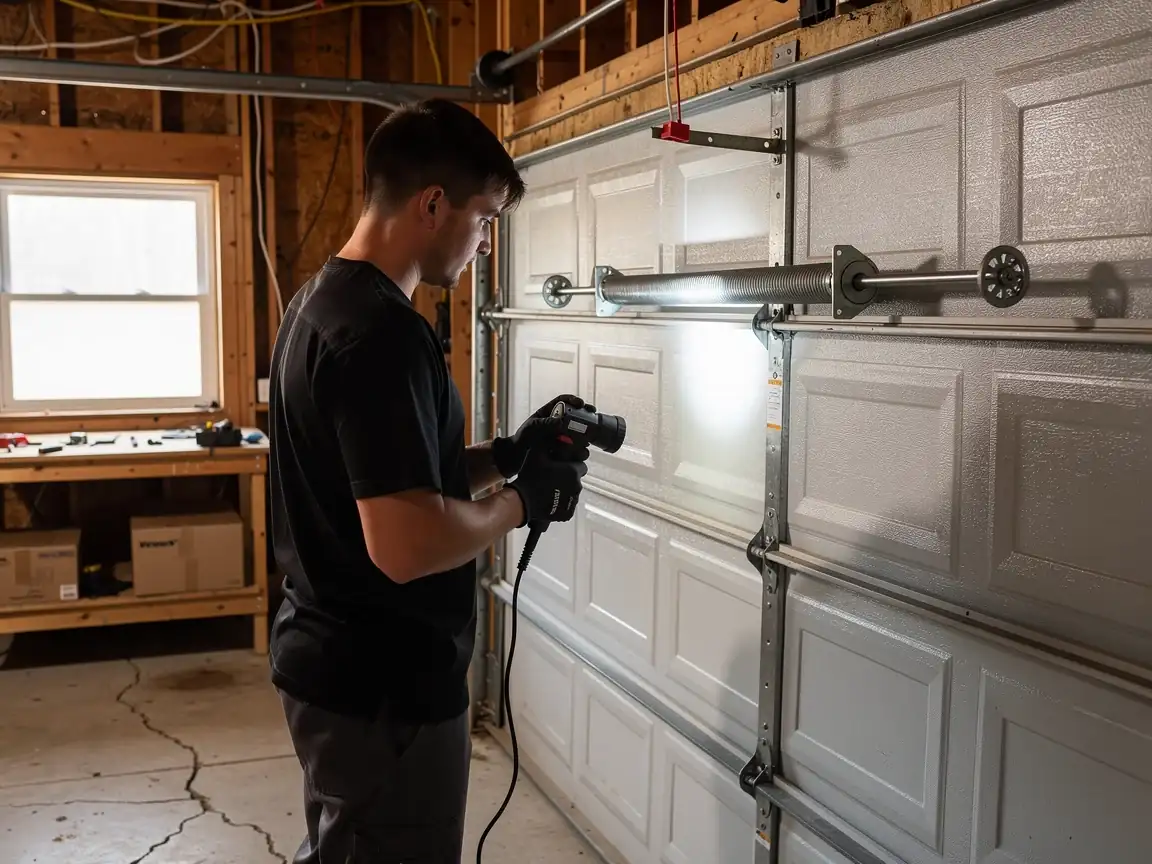
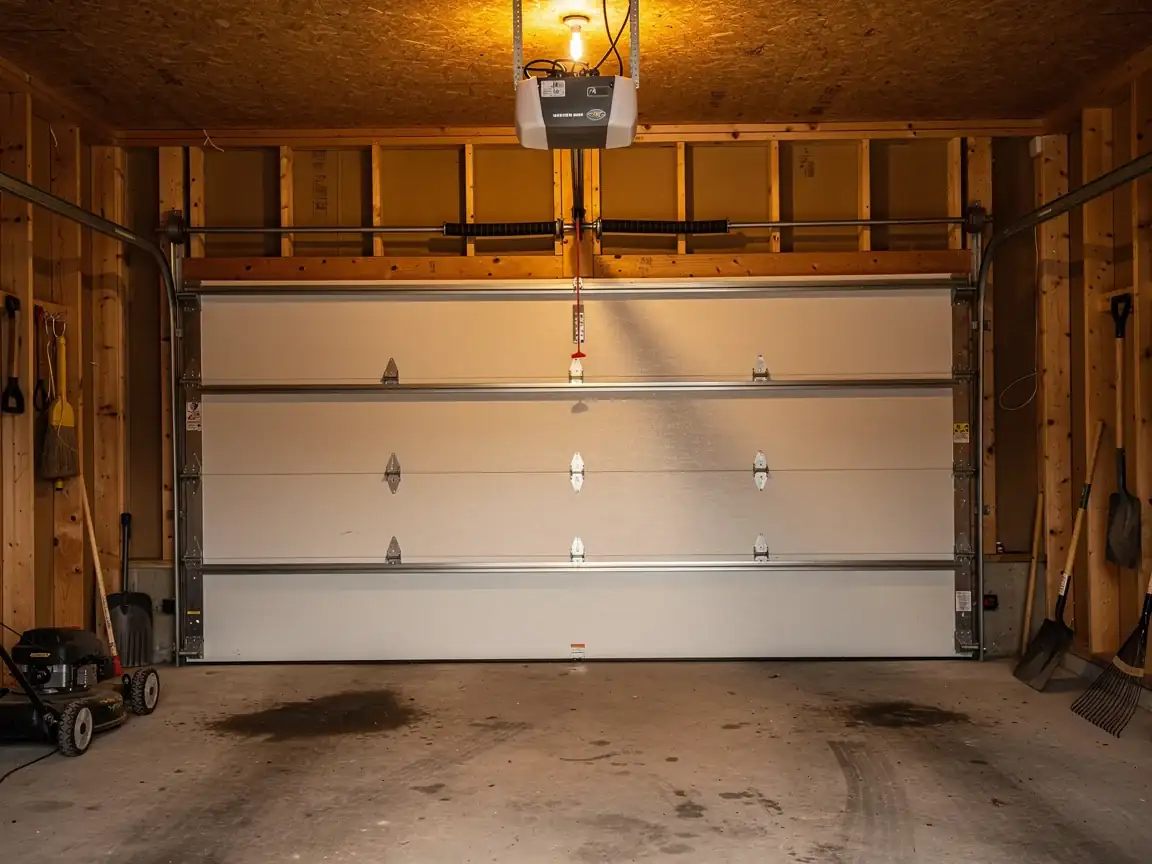
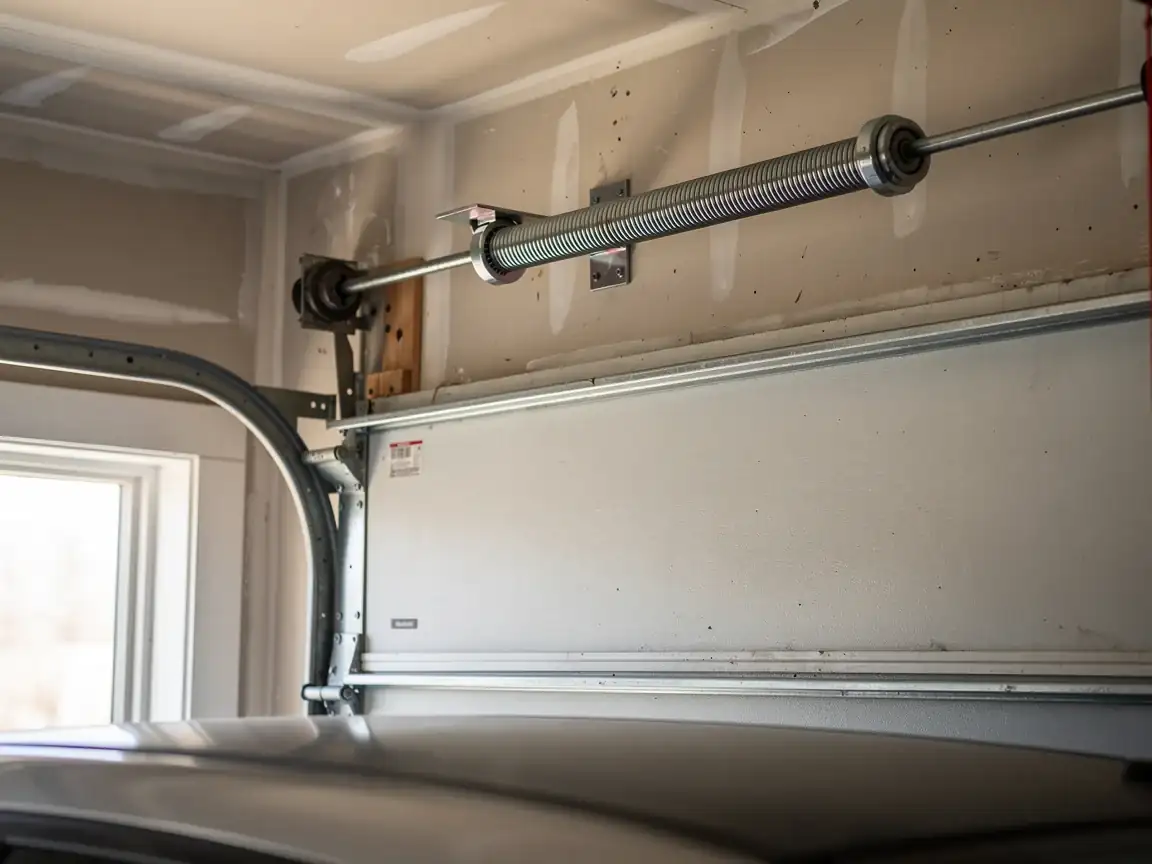
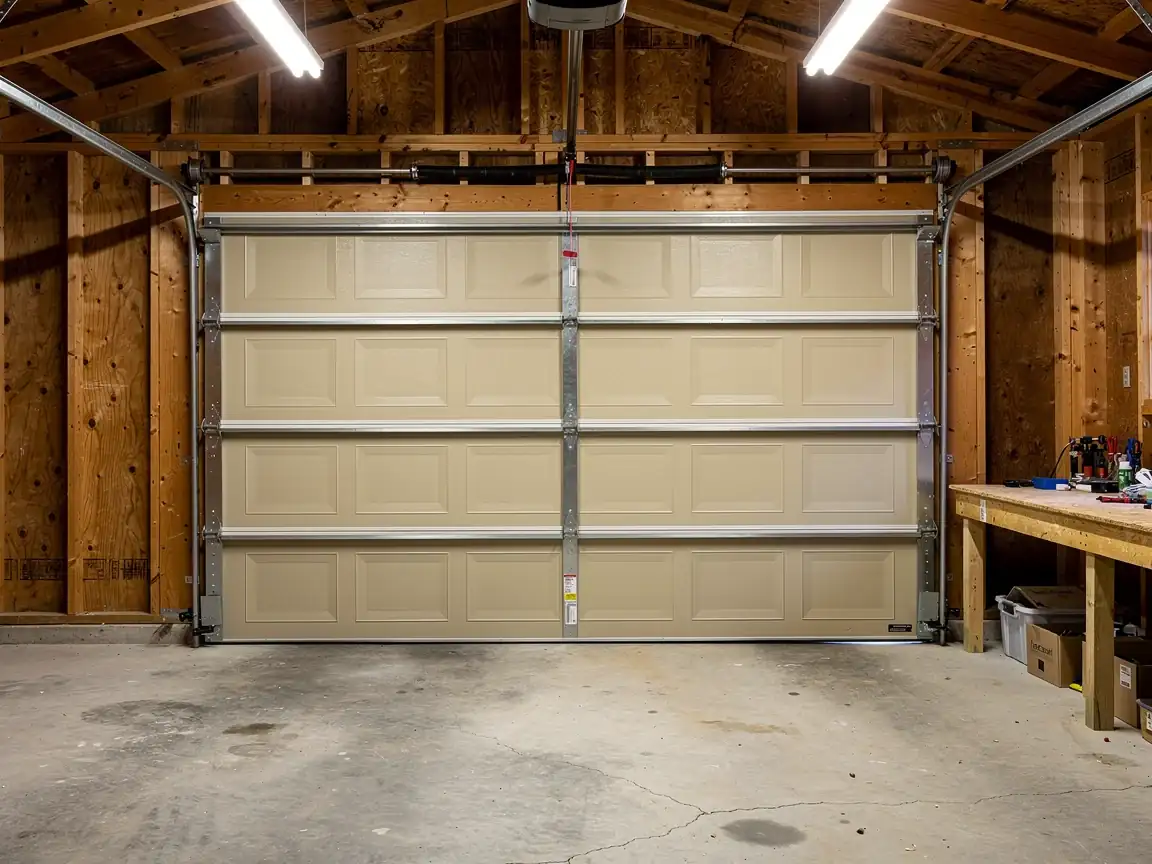
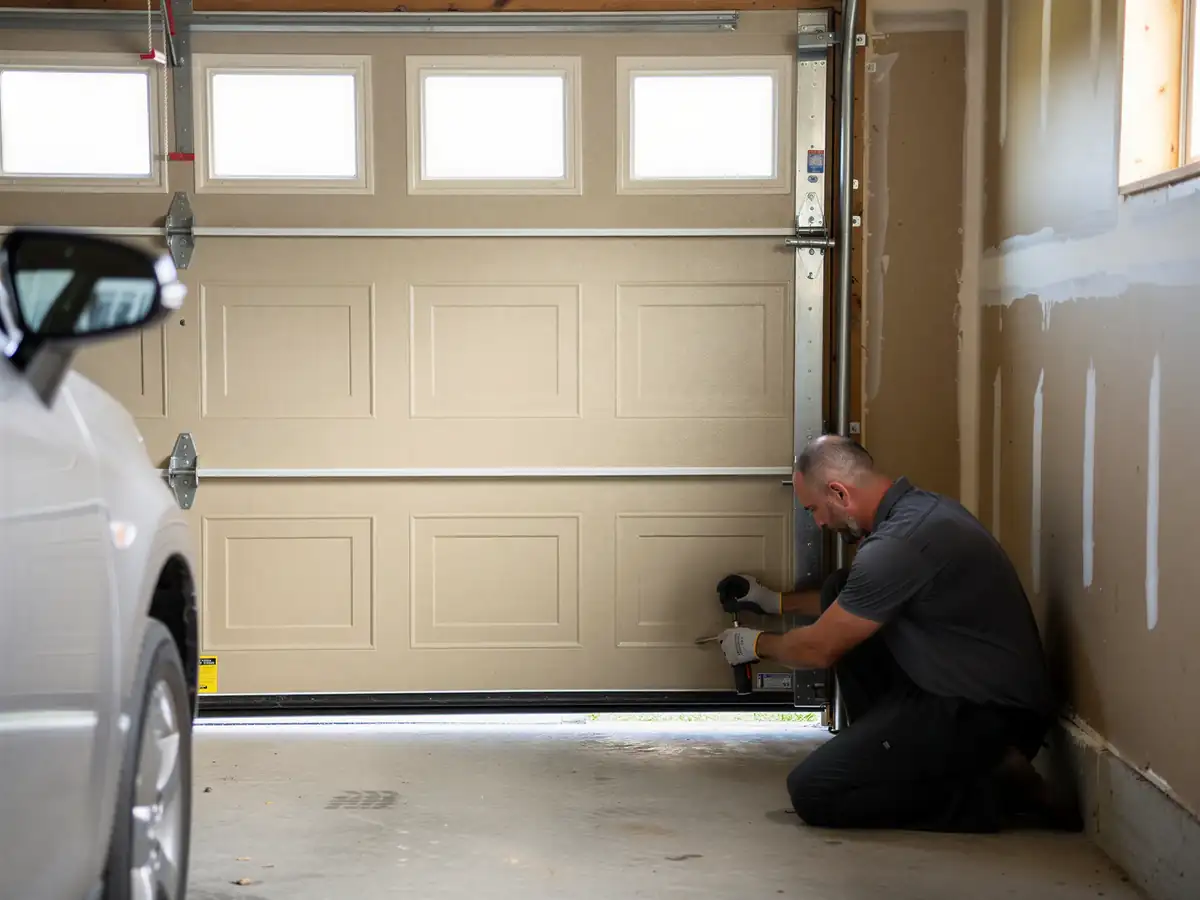
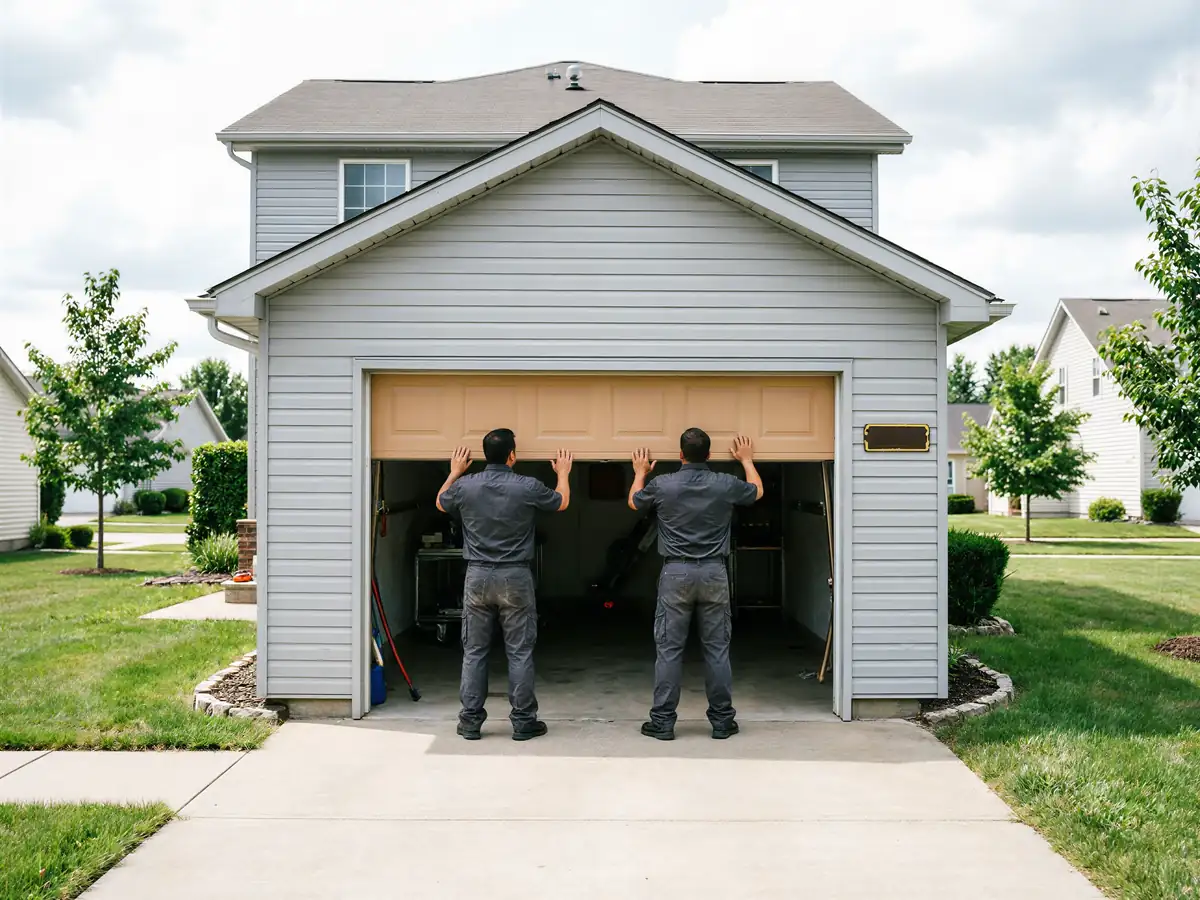
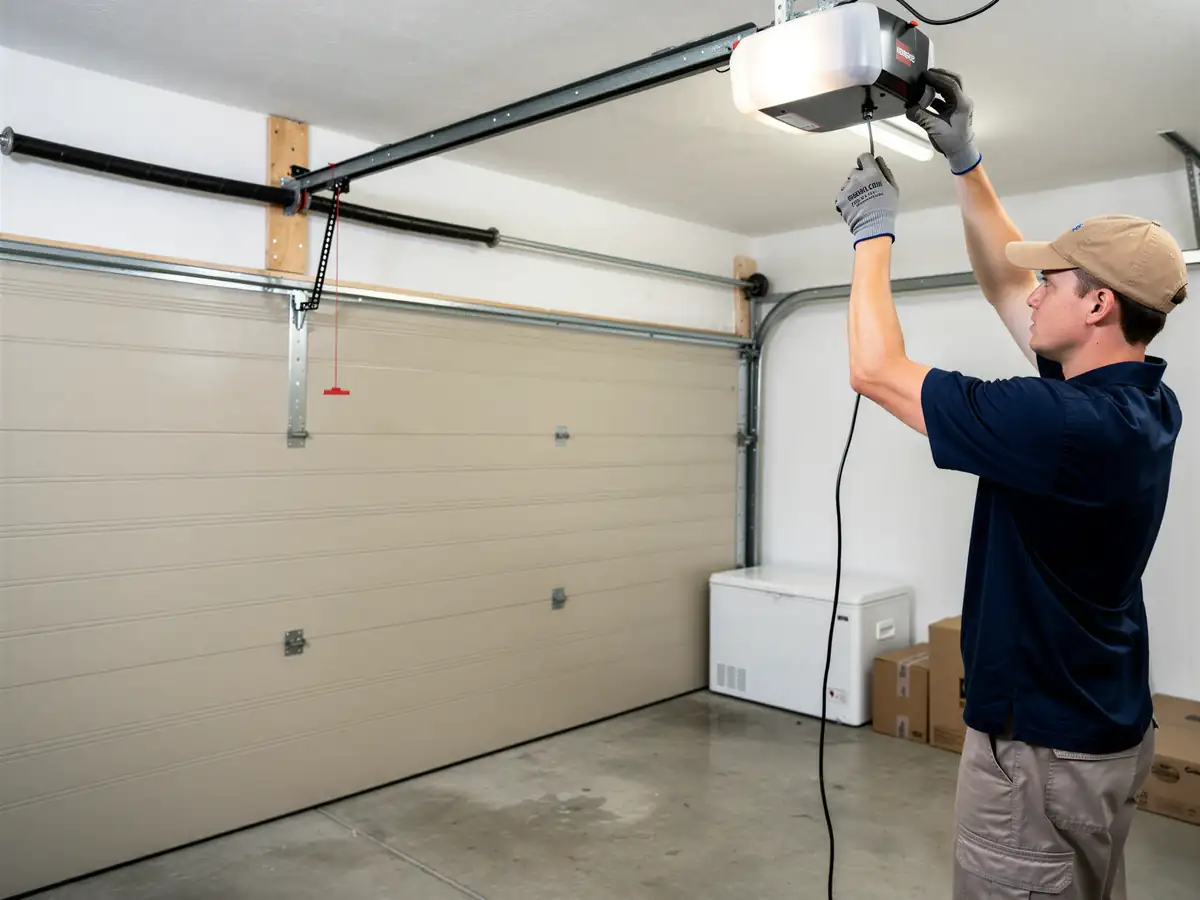
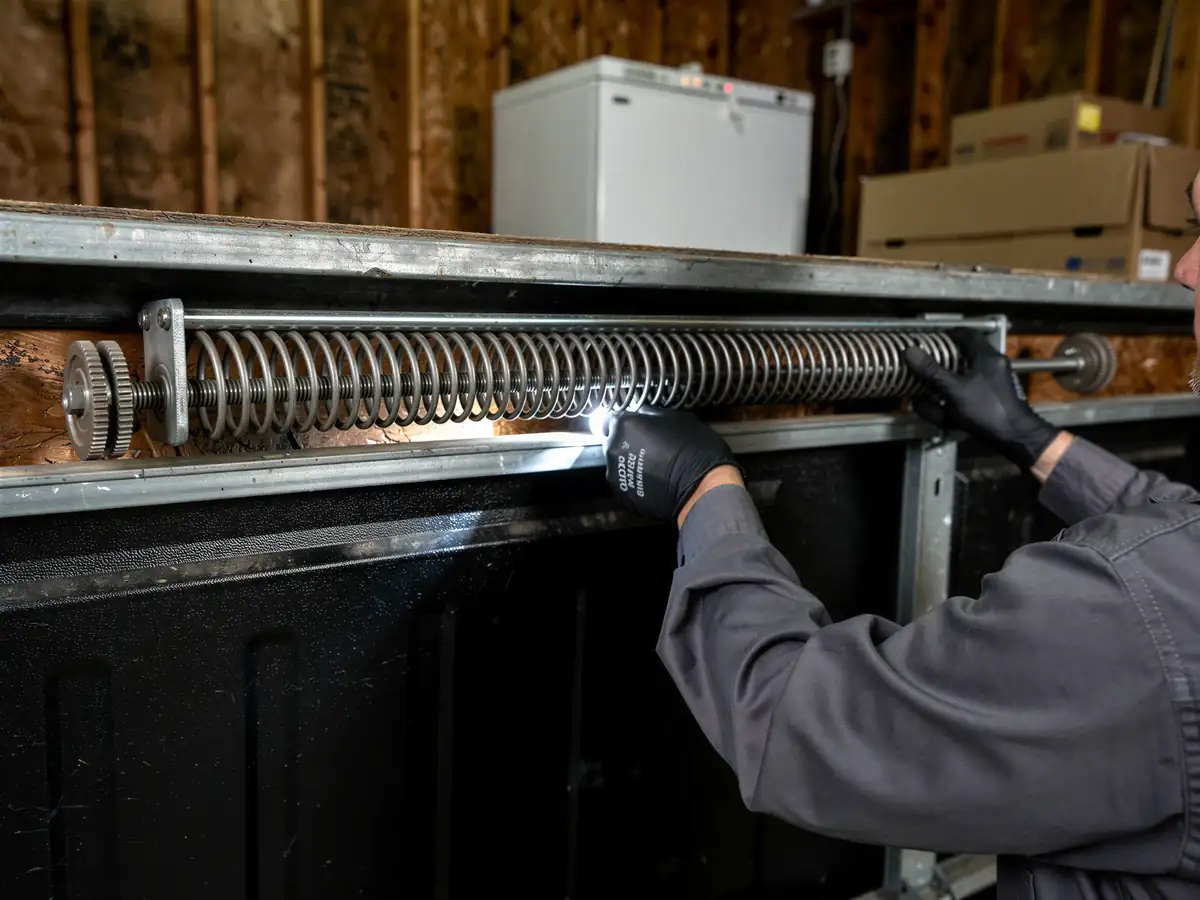
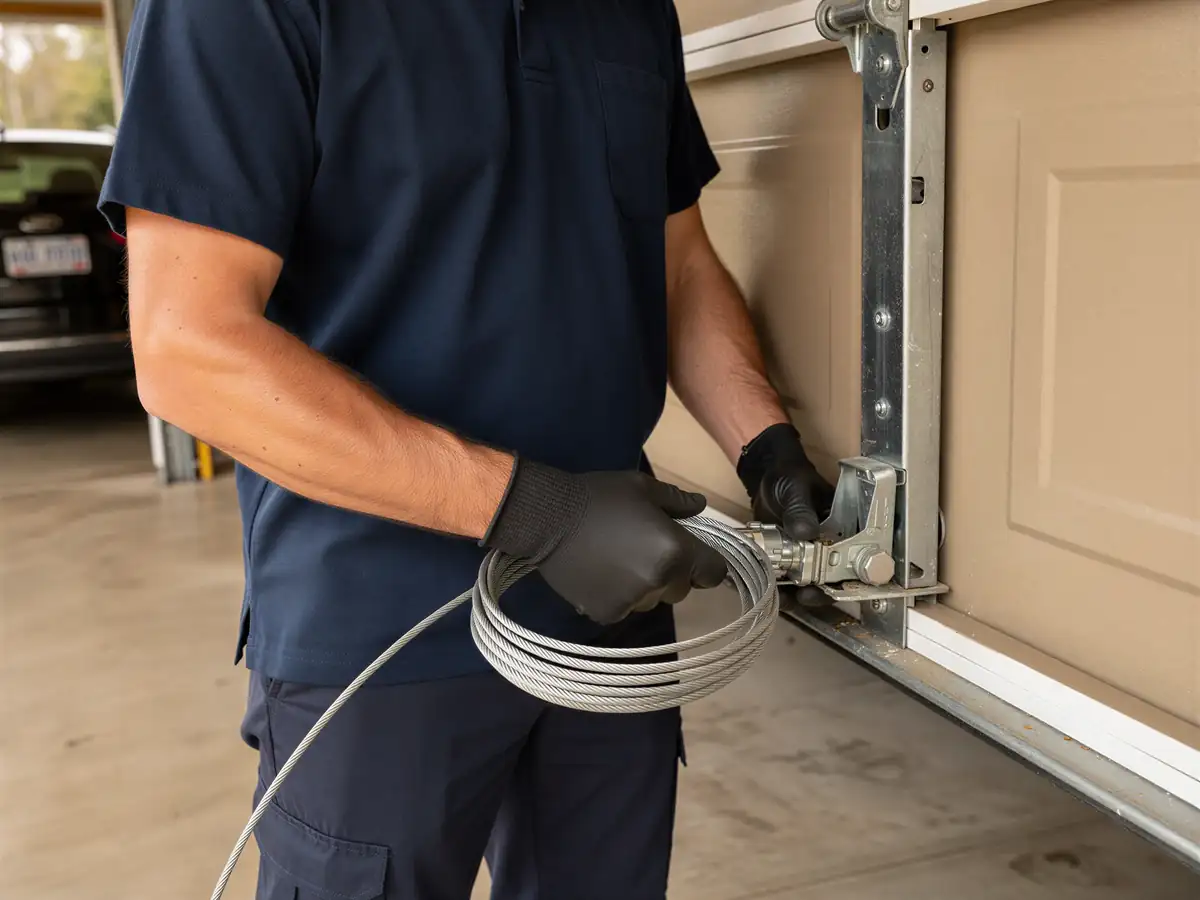
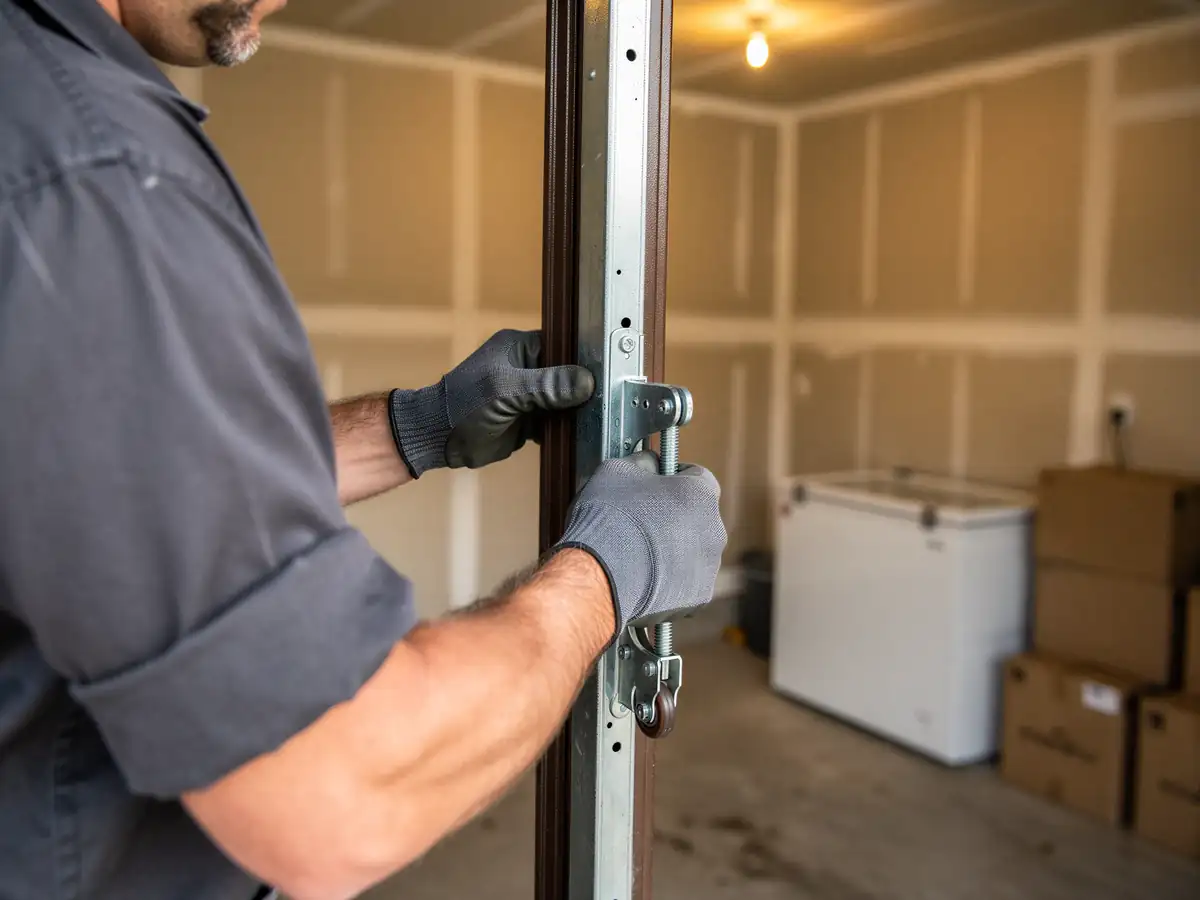
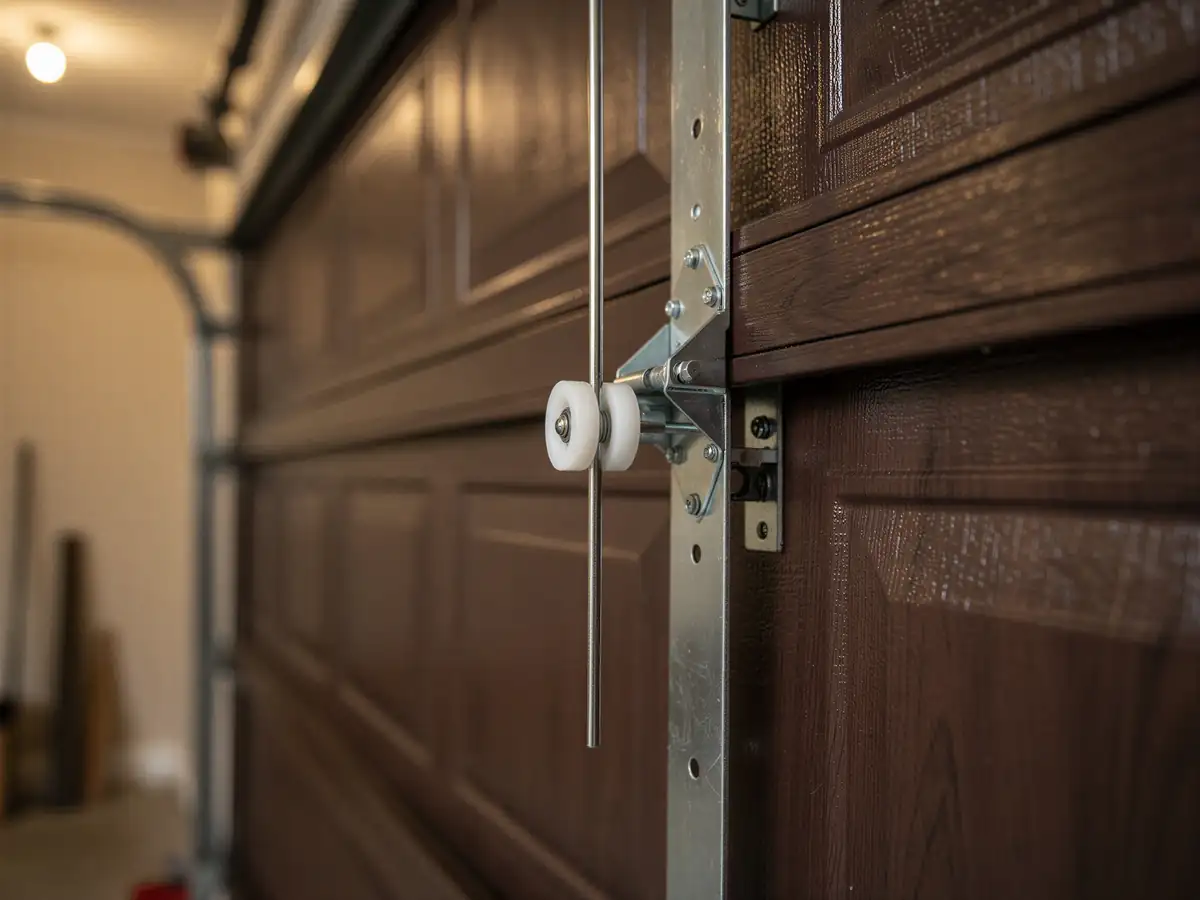
We pull the door off its cable tension carefully, roller by roller, so the door stays supported the whole time - you don't want a door walking off track while someone's underneath it. Each old steel roller comes out, we check the stem and the hinge it rides in for wear, and we check the track alignment since bent or rusted track is common on the original installs still running in Clayton. If the track's out of plumb, we true it before the new rollers go in, because a new roller in a bad track wears just as fast as the one you took out.
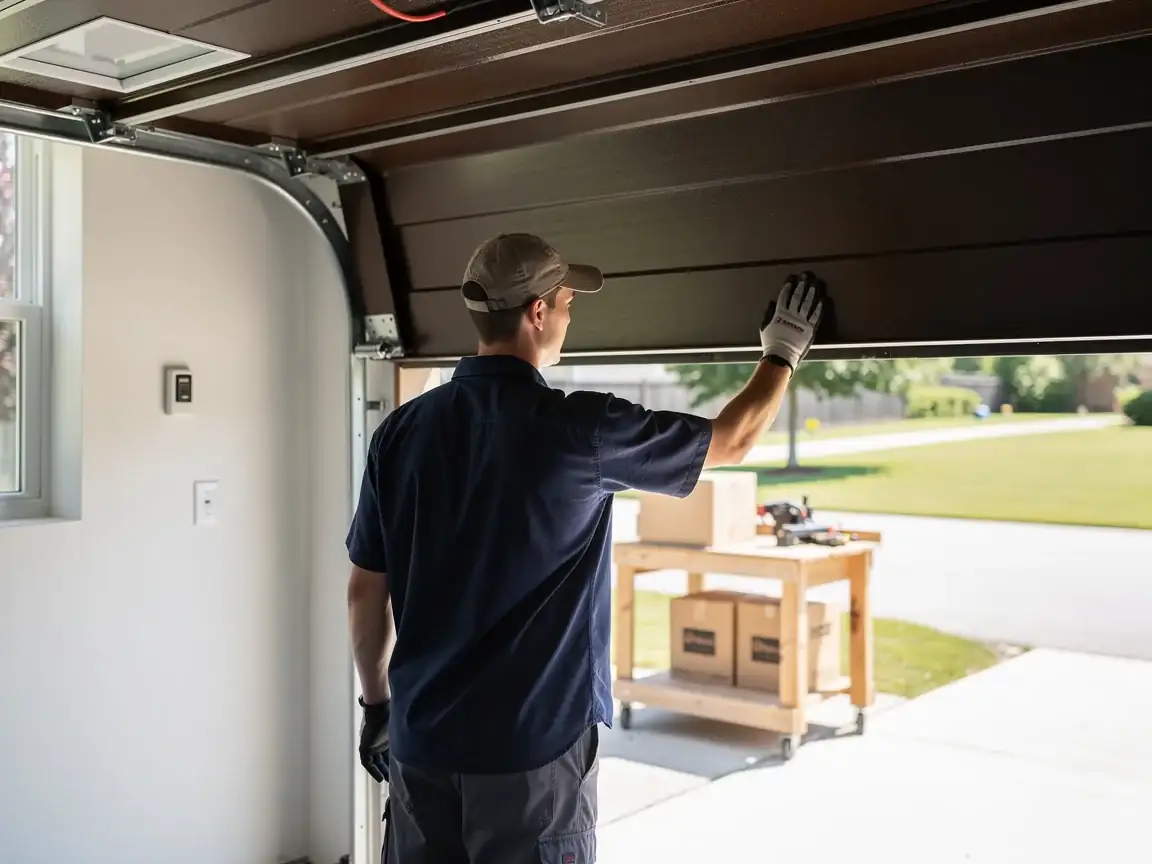
We set the new rollers, run the door a full cycle by hand before we power it, and listen. If something still catches, we find out why before we call the job done - a quiet roller swap on a door that still binds at the top of the track isn't a finished repair, it's a half of one.
What Is on the Truck
Nylon rollers with sealed bearings, in the stem lengths that match the hinge styles common on 1970s-era doors
Short stem and long stem both, since Clayton's housing didn't all use the same hardware even within the same build decade. We carry both 7-ball and 10-ball bearing rollers, standard steel hinges and a few hardened replacements for hinges that have worn oval instead of round.
Because this area sits in a cold-severe climate band
We stock rollers rated for that temperature swing rather than the cheaper rollers built for milder climates - the difference shows up in year three, not year one. We also carry track sections and fasteners, since a roller job here often turns into a short track repair once we're looking at the hardware up close.
Can You Do This Yourself
Swapping a single roller on a door that's down and unplugged is within reach for a careful homeowner - support the door, work one roller at a time, don't remove more than one section of track fastener at once. Where we'd stop you: if more than two or three rollers are gone, or if the track shows rust pitting rather than surface rust, that's not a one-roller fix anymore, and working on it alone risks the door coming off the track while you're under it.
We won't talk you into a service call for something you can do safely with a wrench and twenty minutes. We will tell you when the job has quietly turned into a track repair, because that's the point where the risk goes up and the savings from doing it yourself mostly disappear.