Why This Fails Locally
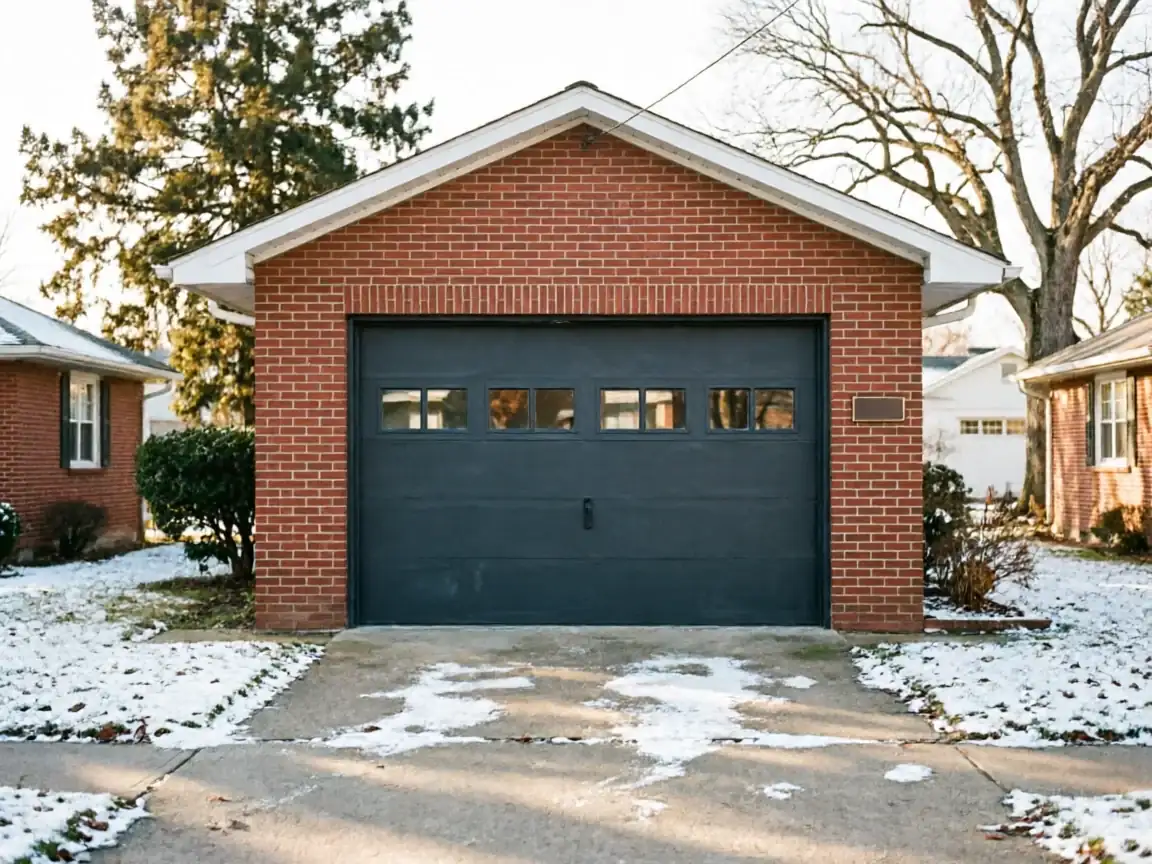
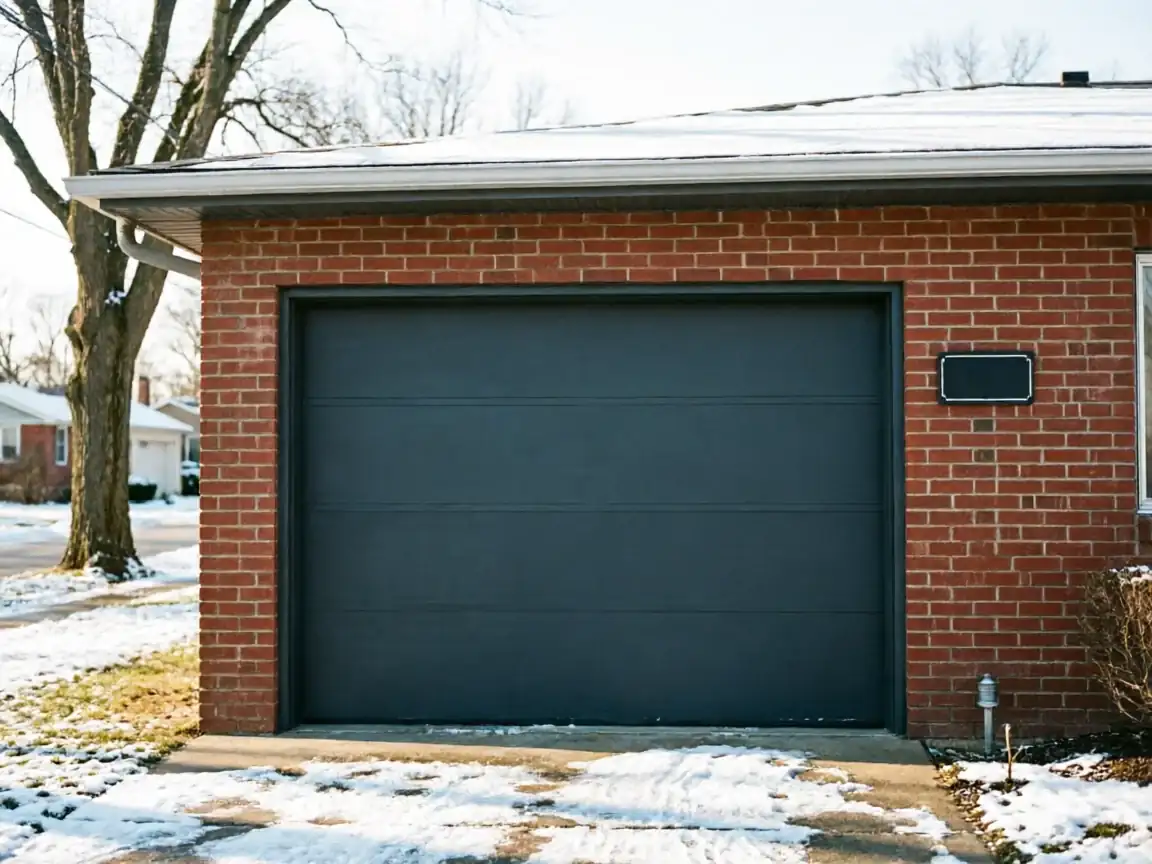
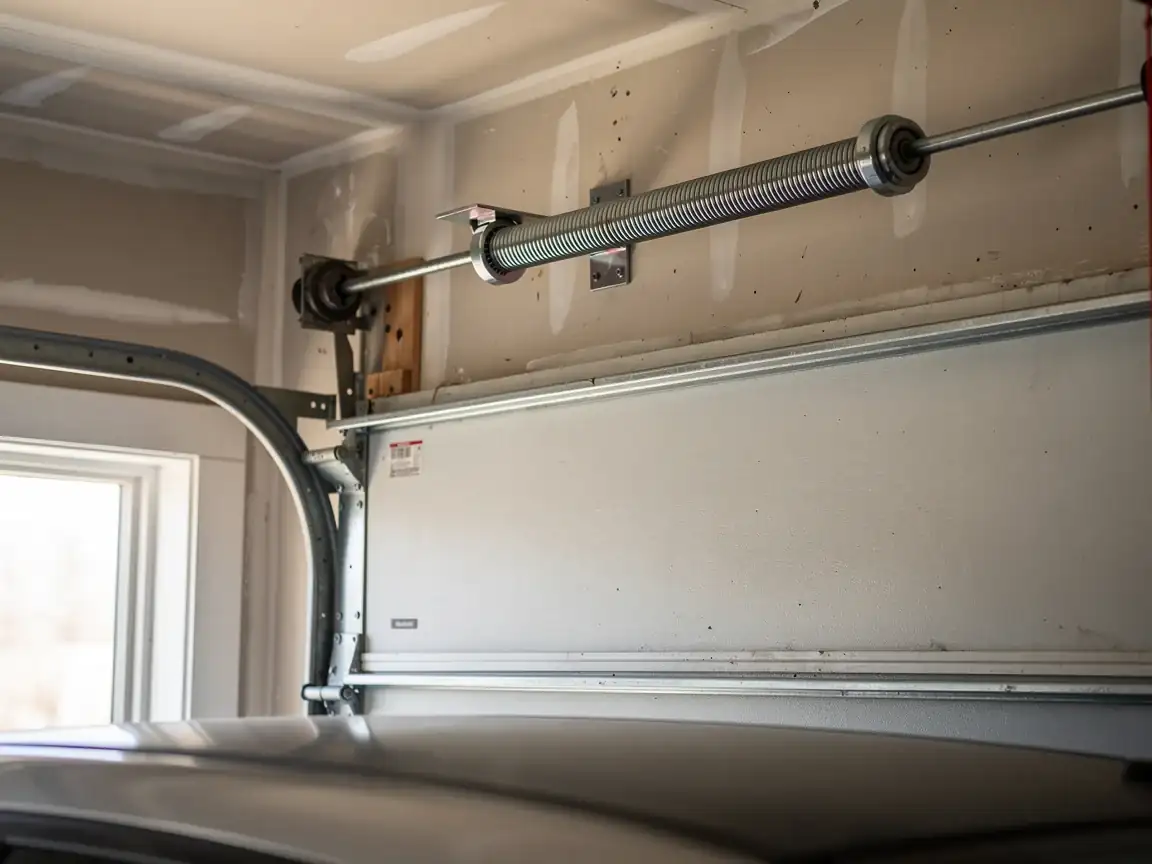
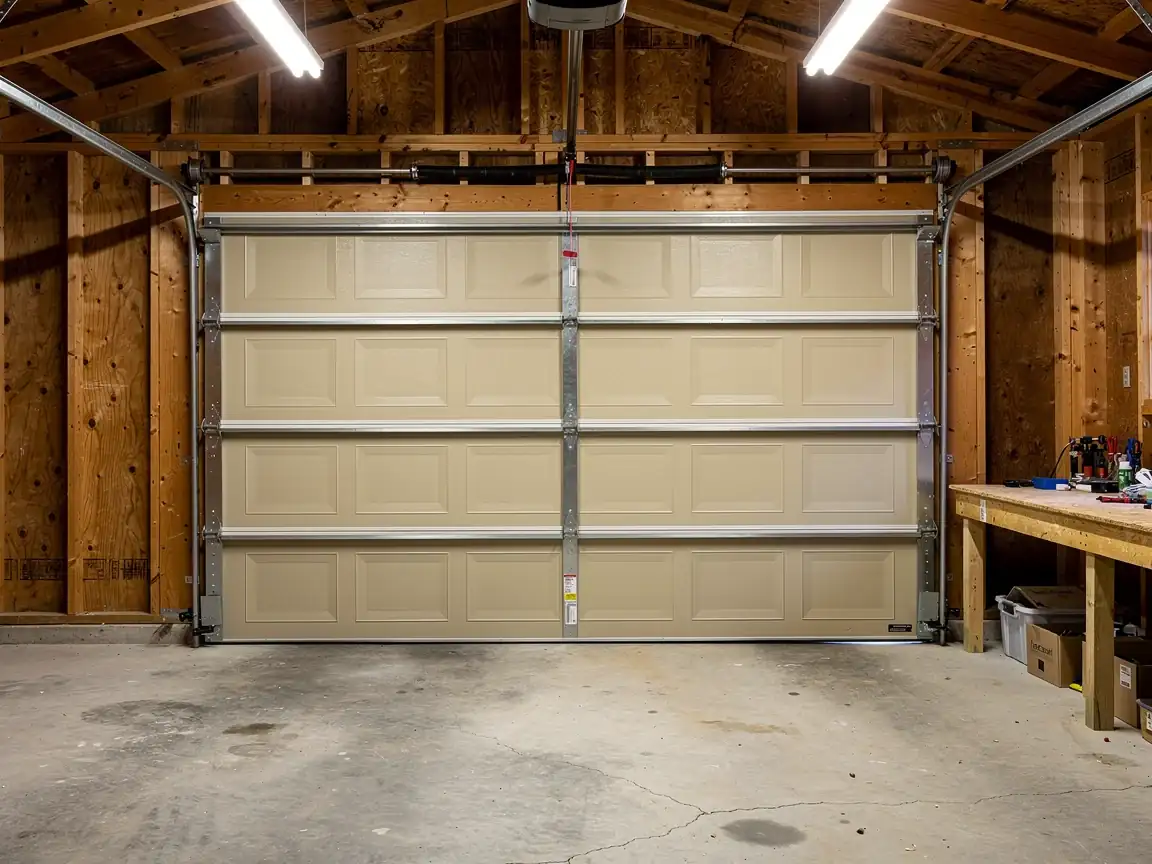
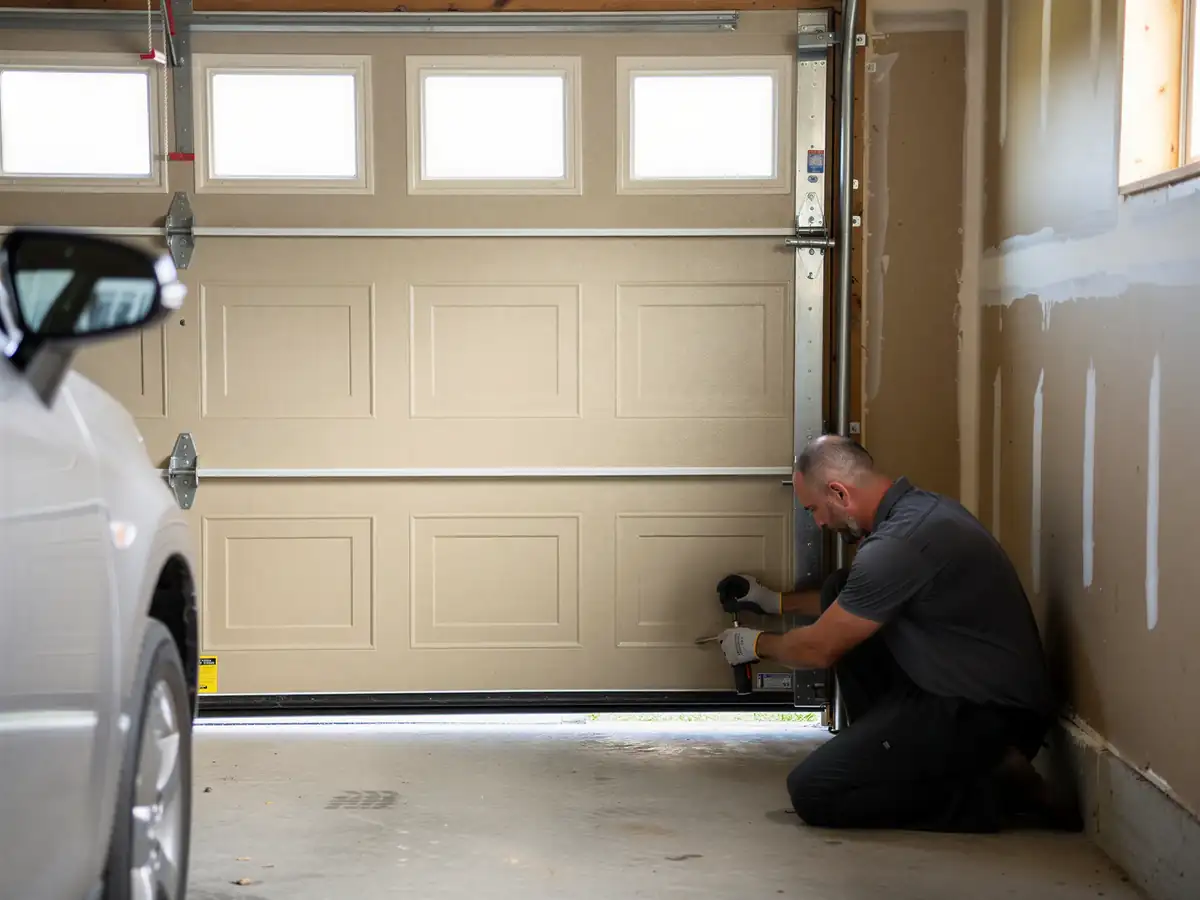
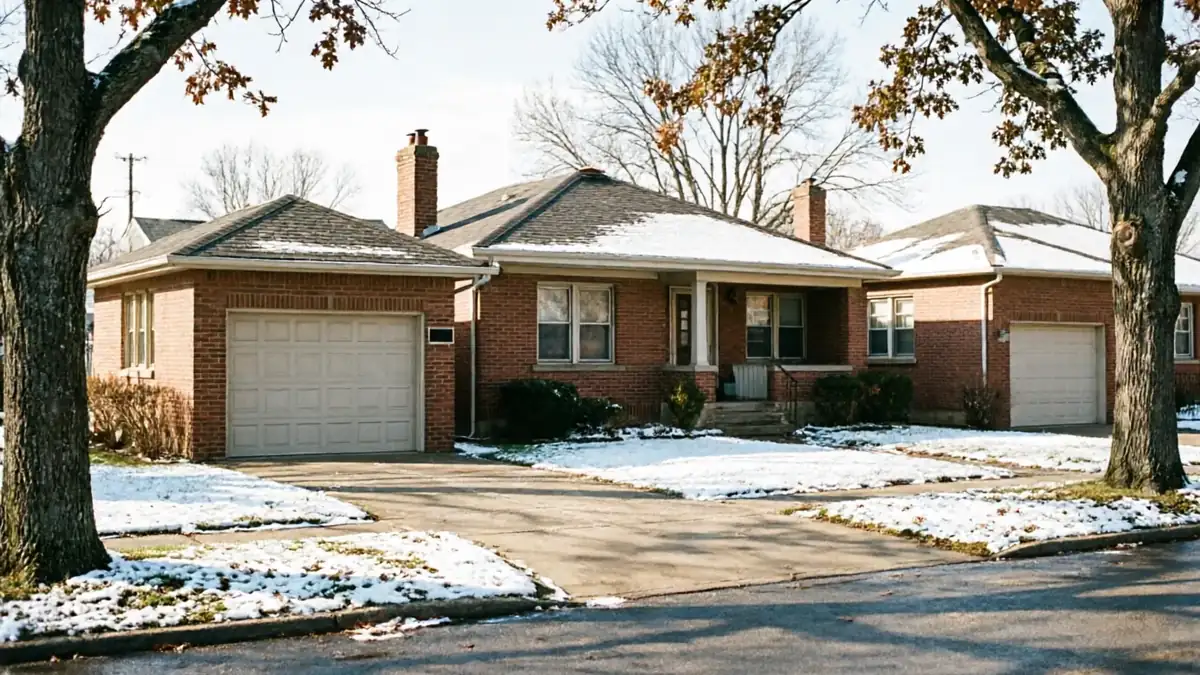
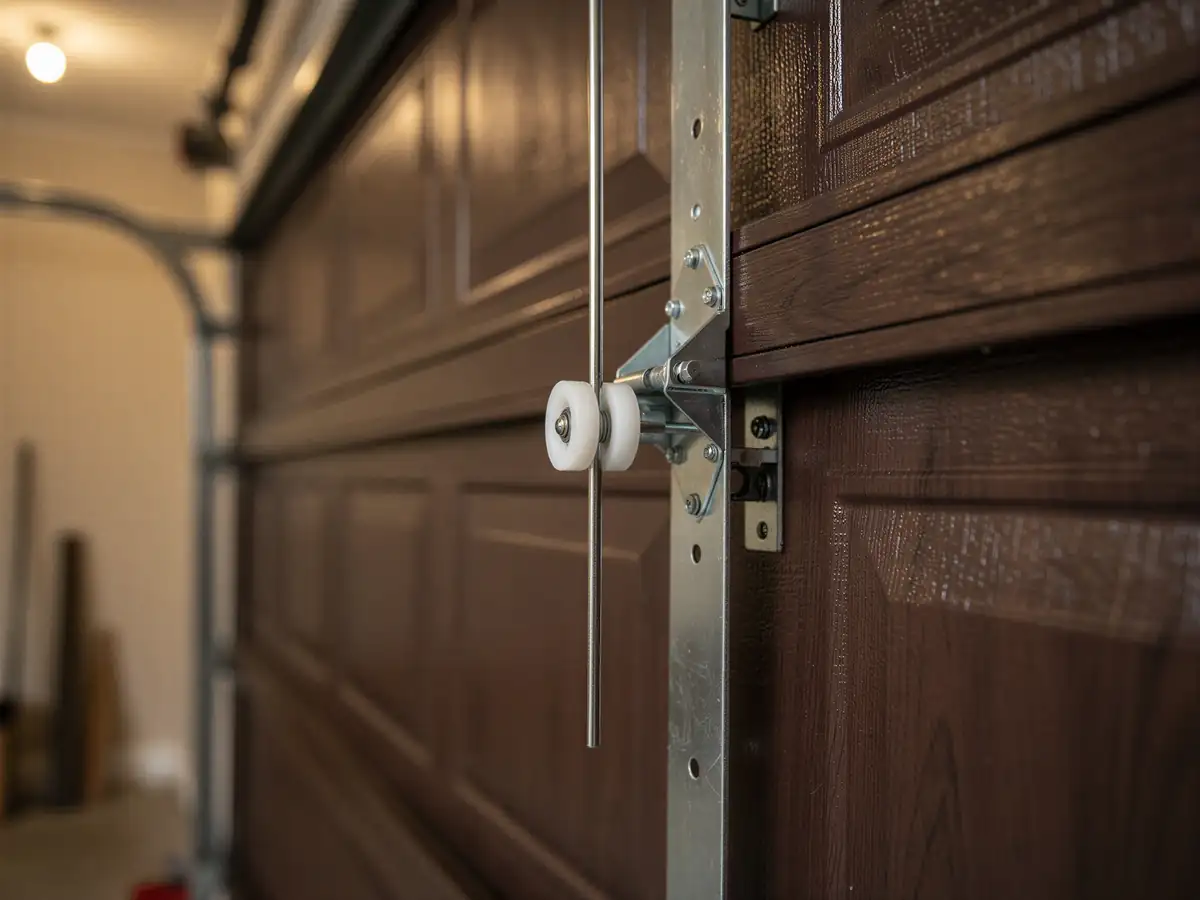
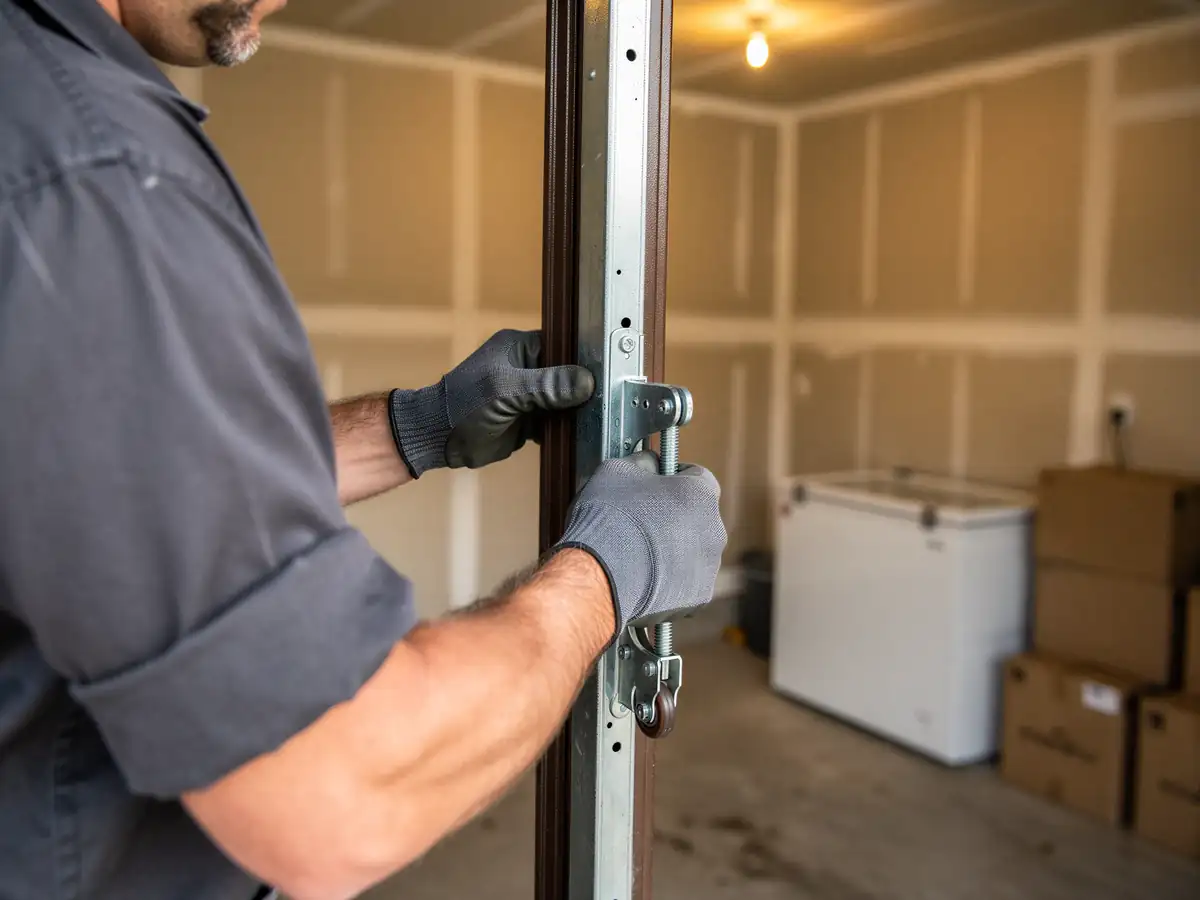
Most of the housing across this service area went up between 1938 and 1998, with the heaviest stretch of building in the 1960s and 70s - original tract construction that's still standing in Beavercreek and in the 31 named communities nearby. A lot of those doors are still running the steel track and roller hardware that came with the house, and that hardware wasn't built to last seventy years of use. This area also sits in a cold climate with severe winter swings, and cold is hard on a garage door in a specific way: steel track contracts, old grease in the roller bearings stiffens up, and a door that was already a little out of square starts binding on one side. Binding is what throws a roller off the rail. It's not a dramatic failure - usually it's a slow one, a door that's been sticking for weeks before it finally jumps. Newer doors with sealed bearings and nylon rollers handle that cold-stiffen cycle better, which is one reason this fault shows up more often on the older end of the housing stock than the newer end.
What You Pay
We don't post a flat number for this one because what you're paying for depends on what actually failed - a simple re-alignment is a fraction of the cost of replacing a bent rail section, and if a cable or spring let go at the same time, that's additional parts and labor. Median household income across this service area runs around $70,000, and most of the off-track jobs we see land well inside what a household at that income can absorb without it being a major decision - this isn't typically a job that competes with a full door replacement on cost. The honest caveat: if the track damage is extensive, or the door itself is old enough that the panels are warped along with the hardware, repairing the track alone can be false economy. We'll tell you straight if you're better off putting that money toward a new door instead of patching old track.