How We Fix It
Installation here starts with the opening, not the door
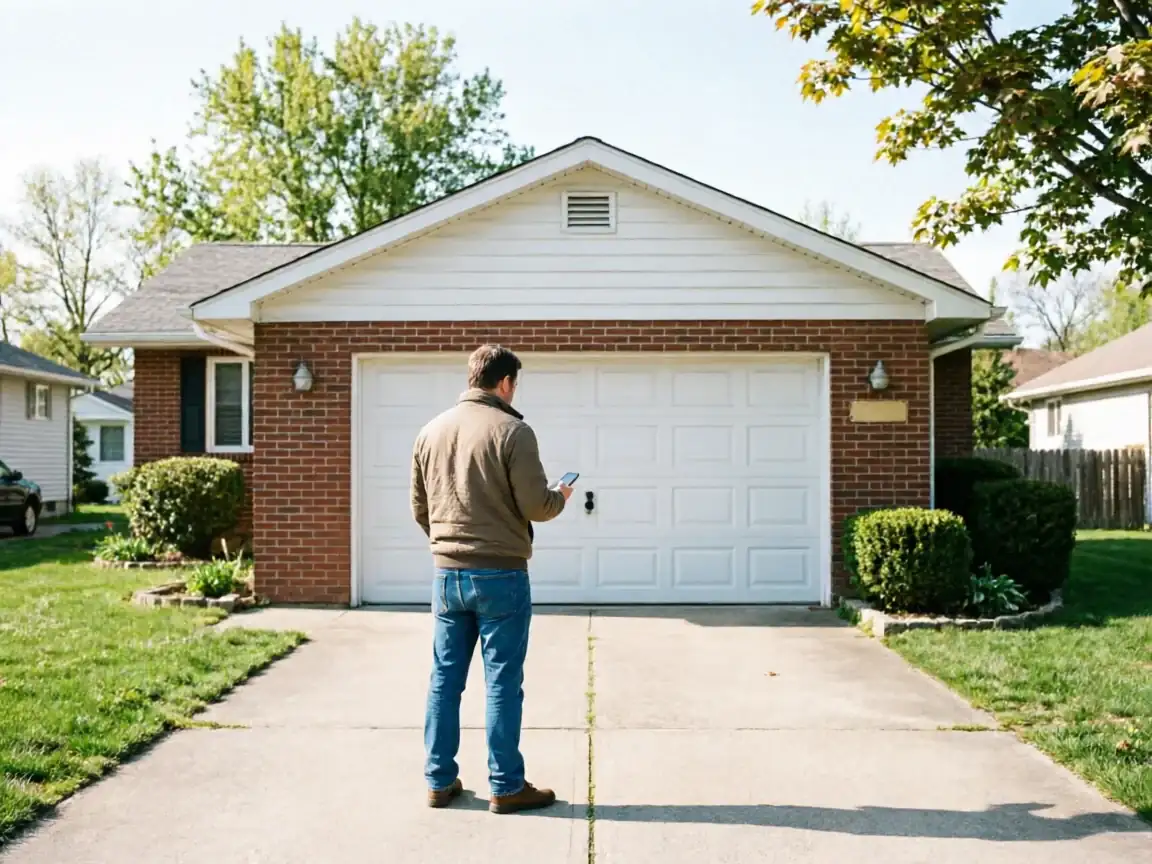
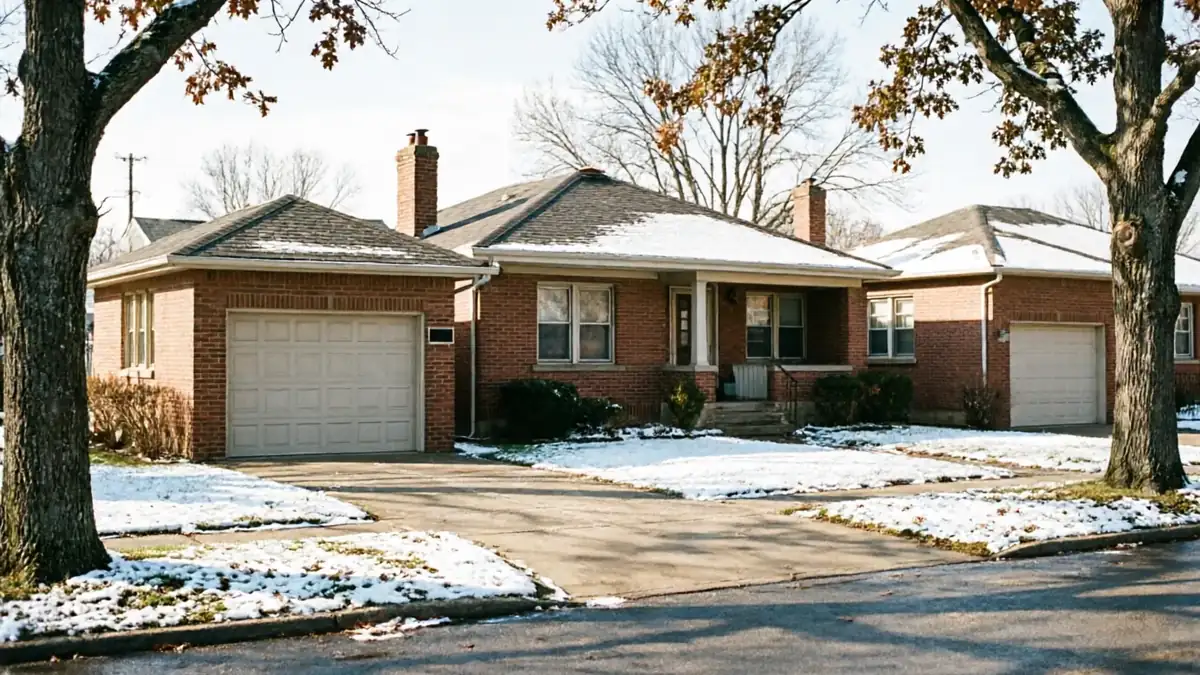
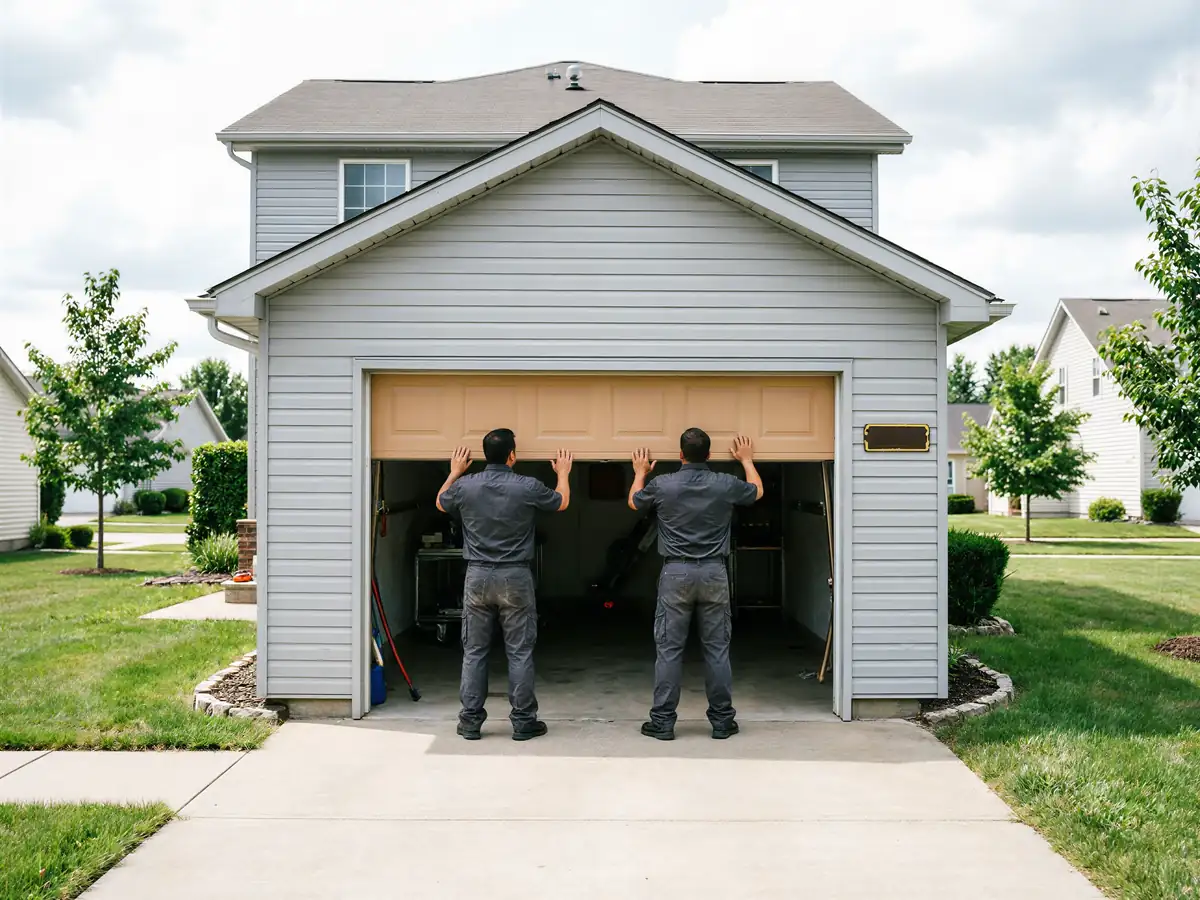
Most houses in this area were built between 1938 and 1998, with the bulk going up through the 1960s and 70s, so the rough openings, jamb depth, and header framing vary a lot more than they would in a newer subdivision. We measure the actual opening before we order anything, because a door that fits a 1971-era frame rarely fits a 1990s one without shimming or trim work.
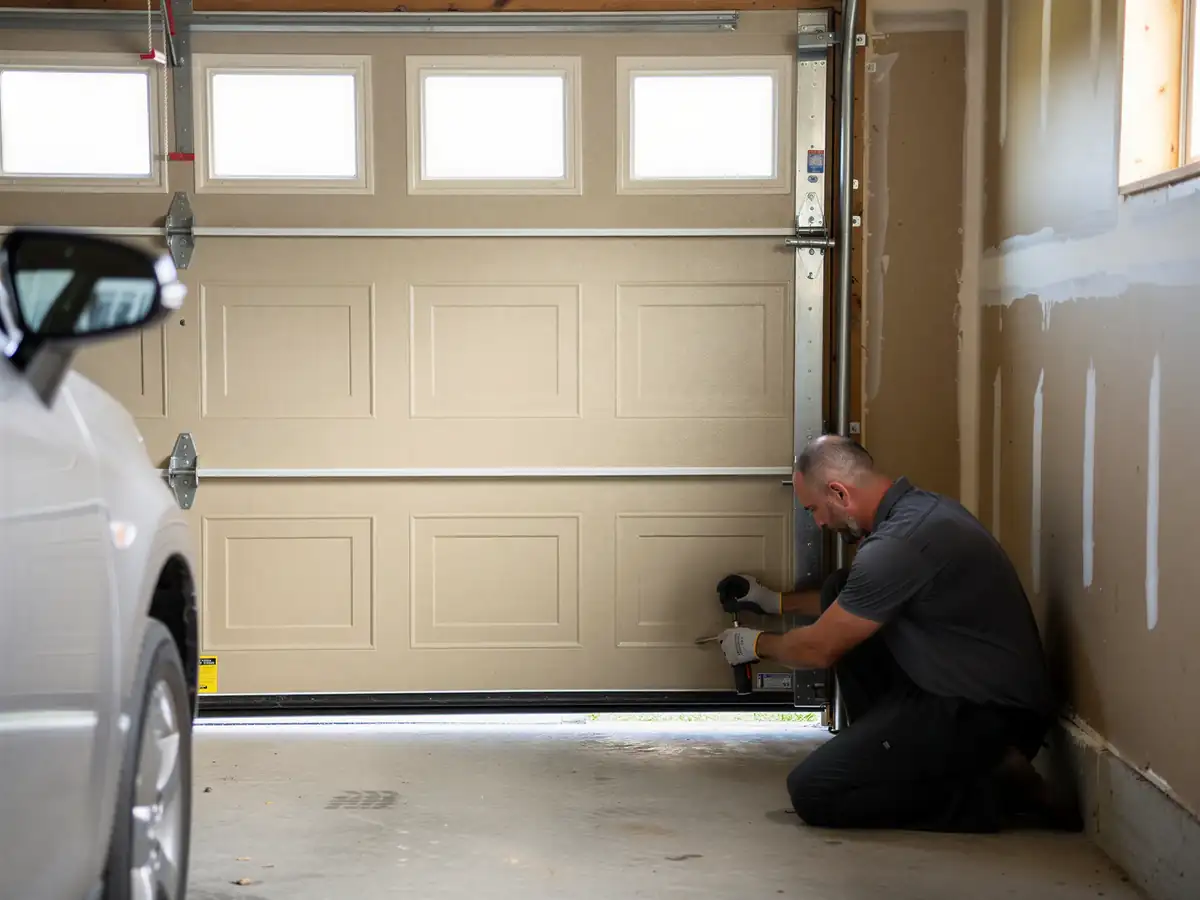
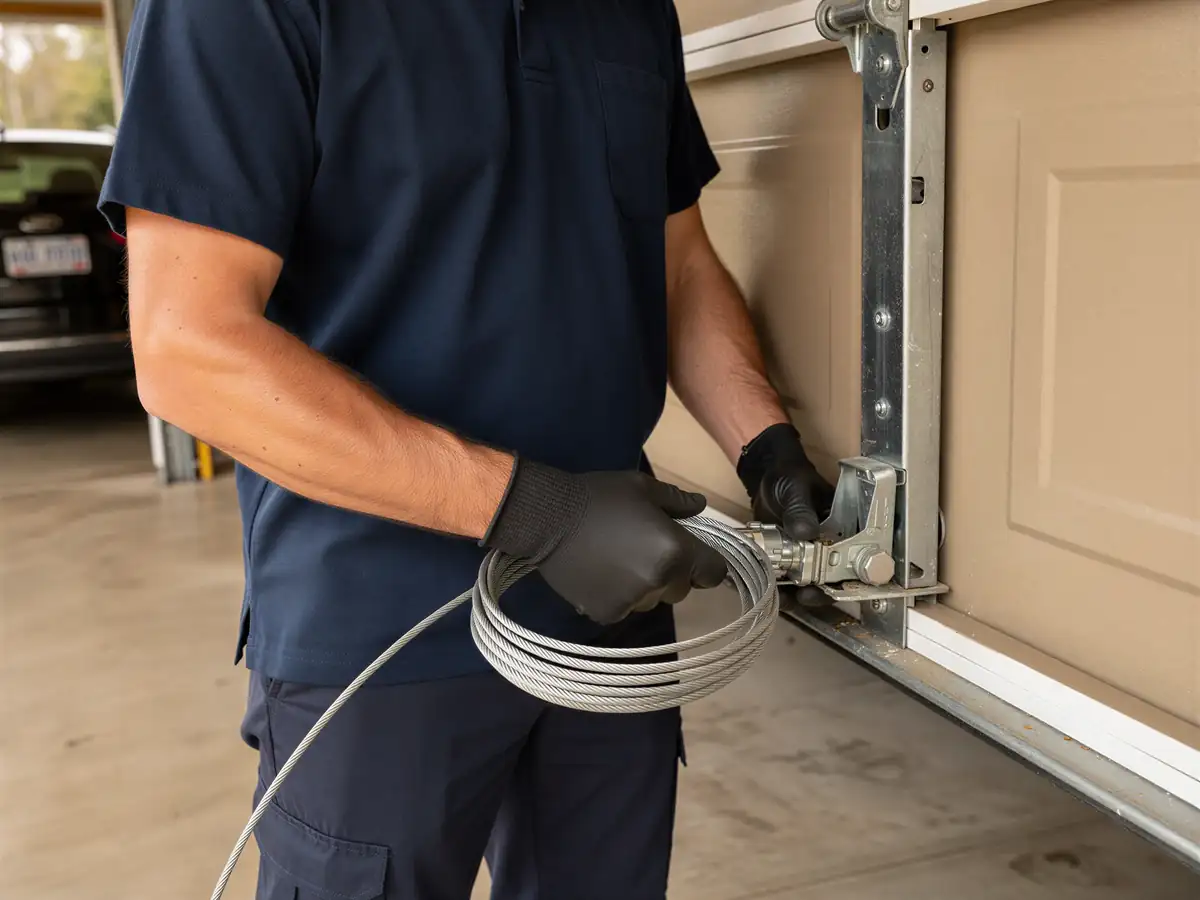
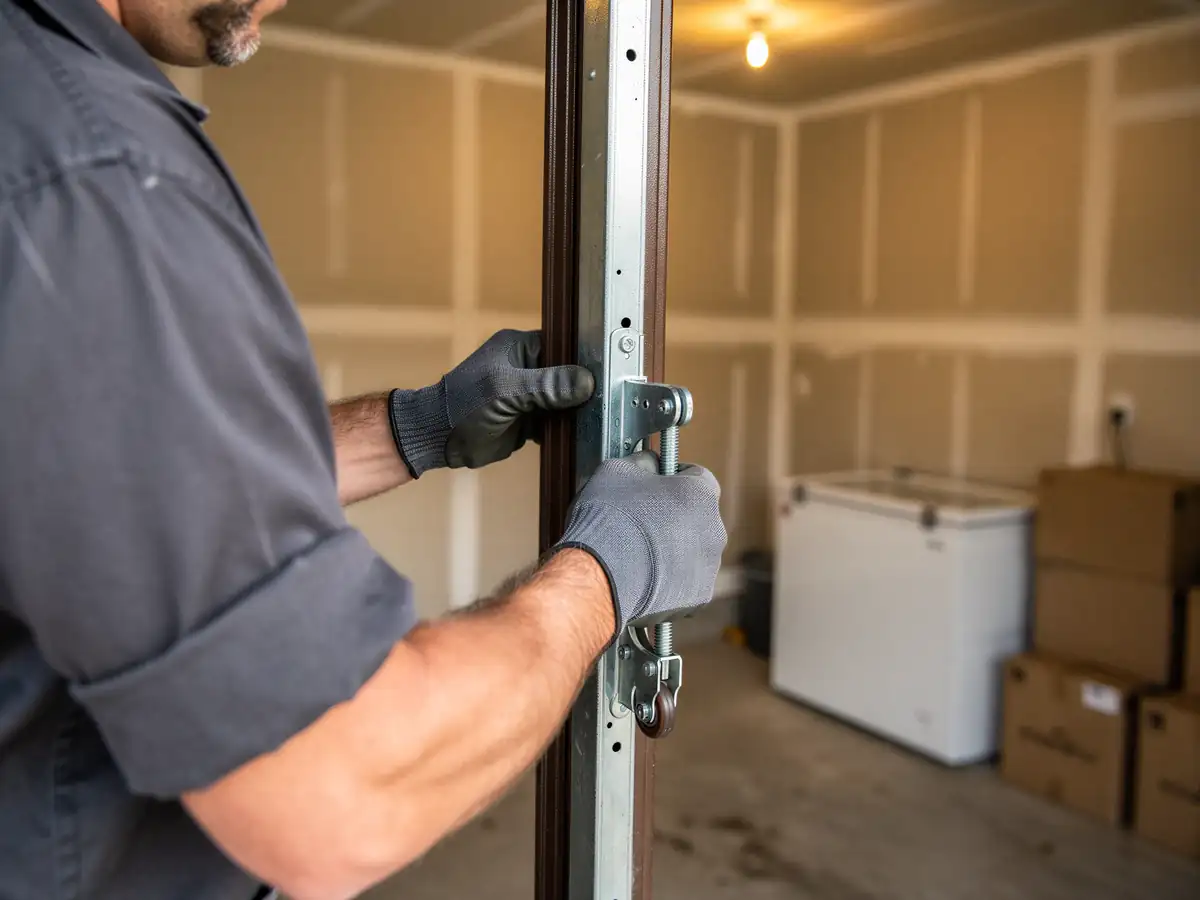
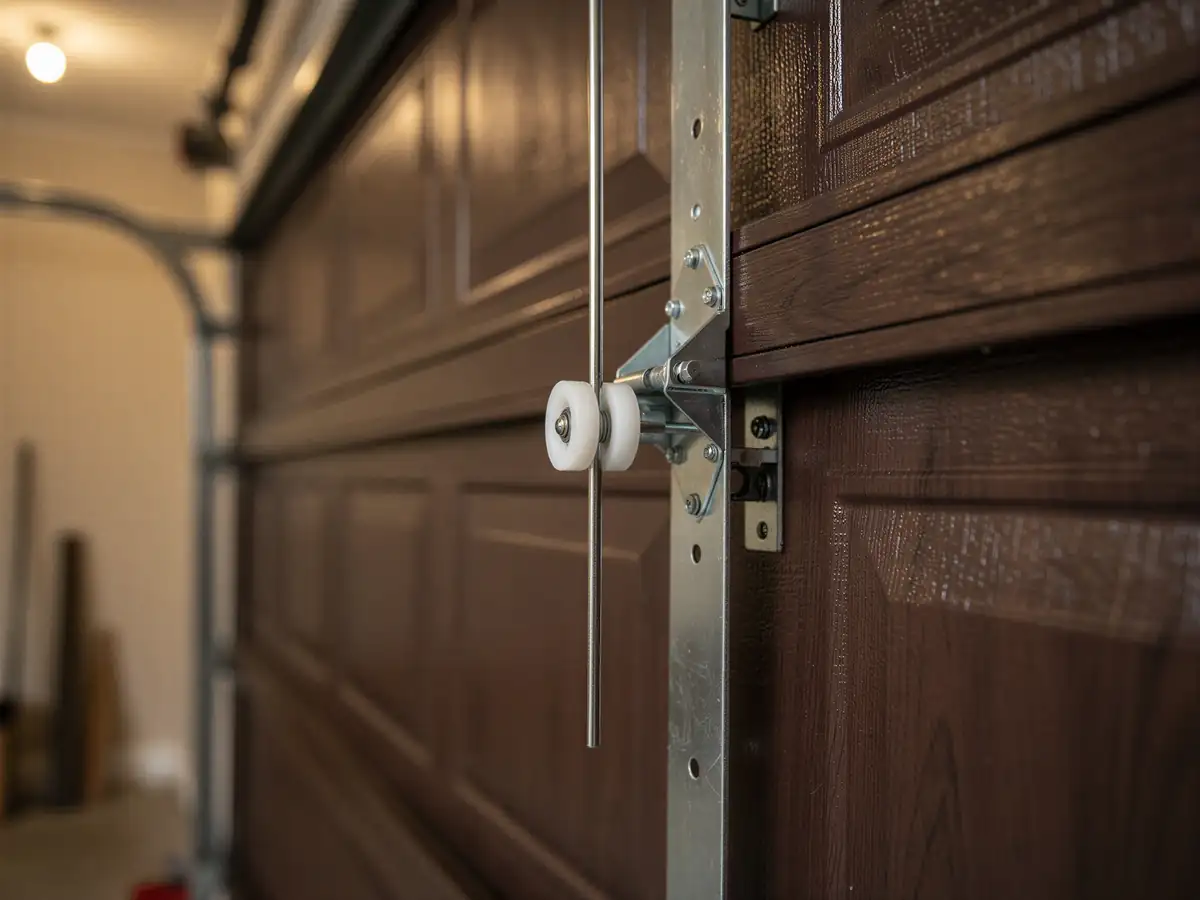
We pull the old door and track off first, check the jambs for square
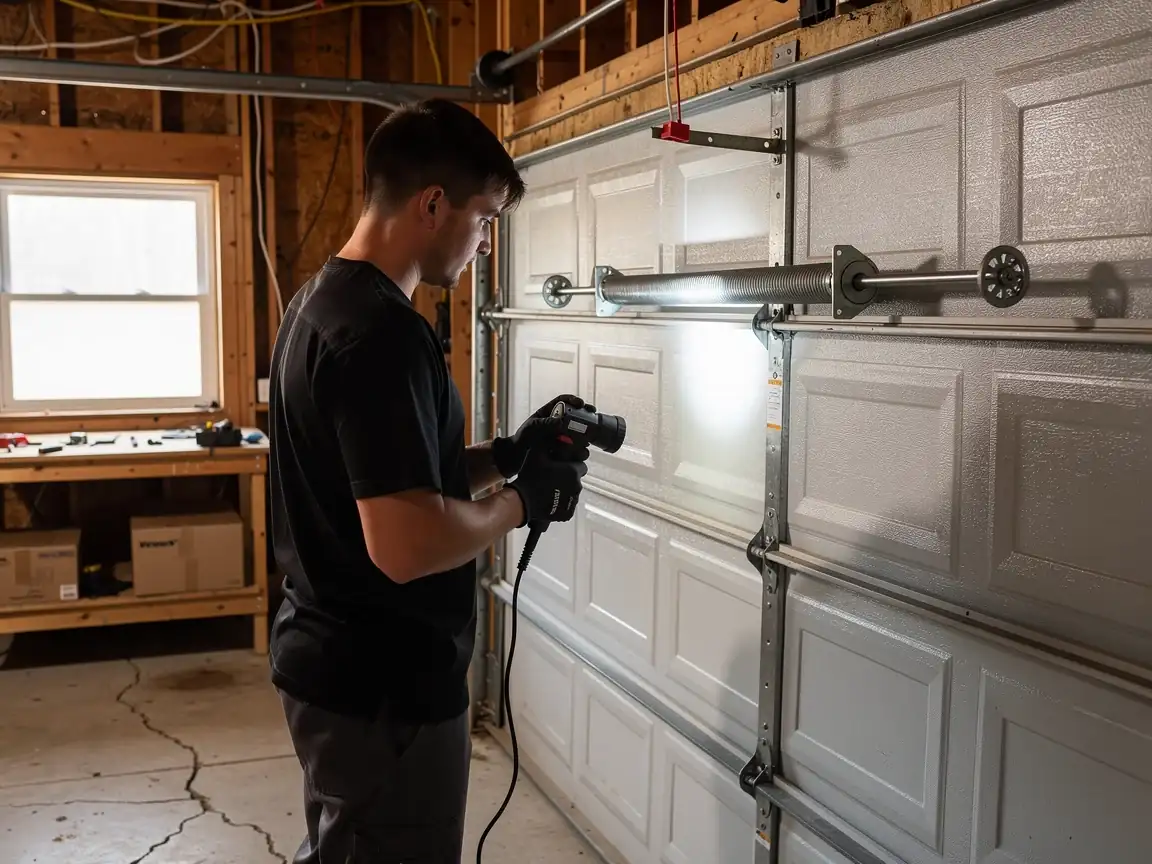
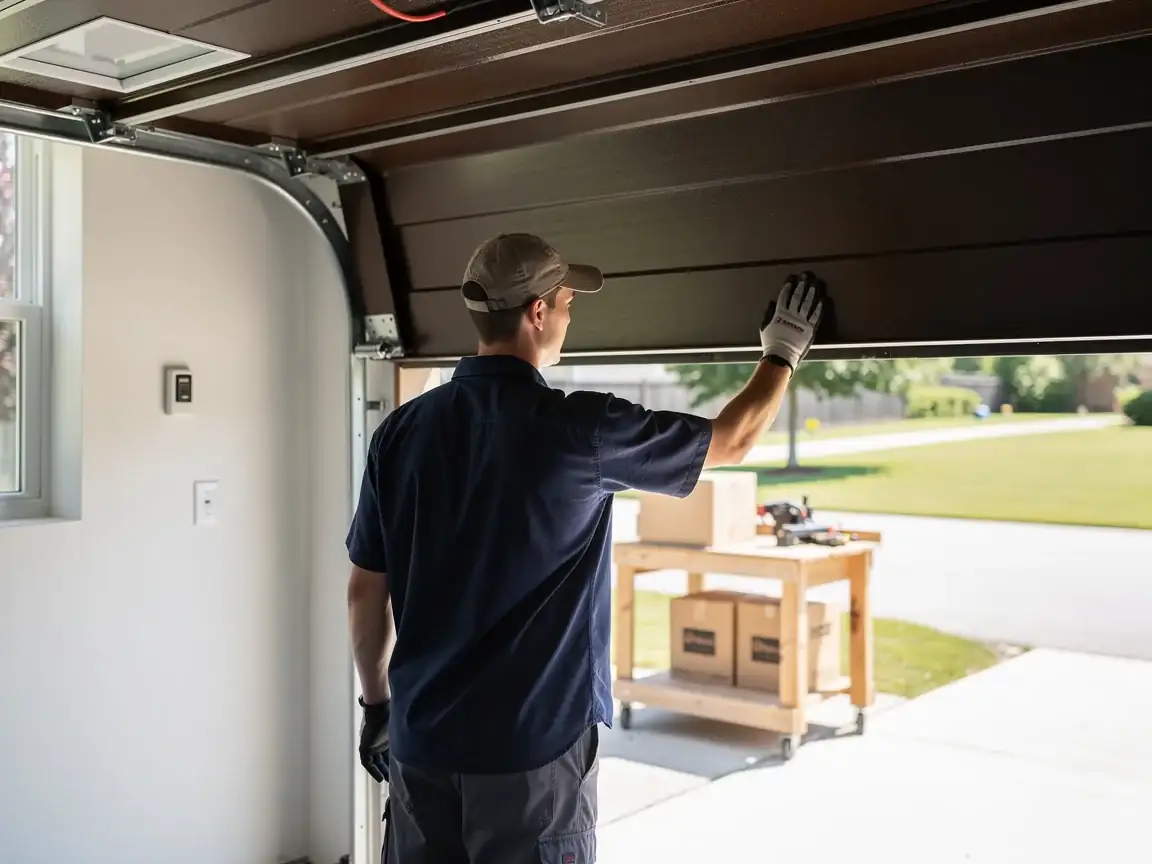
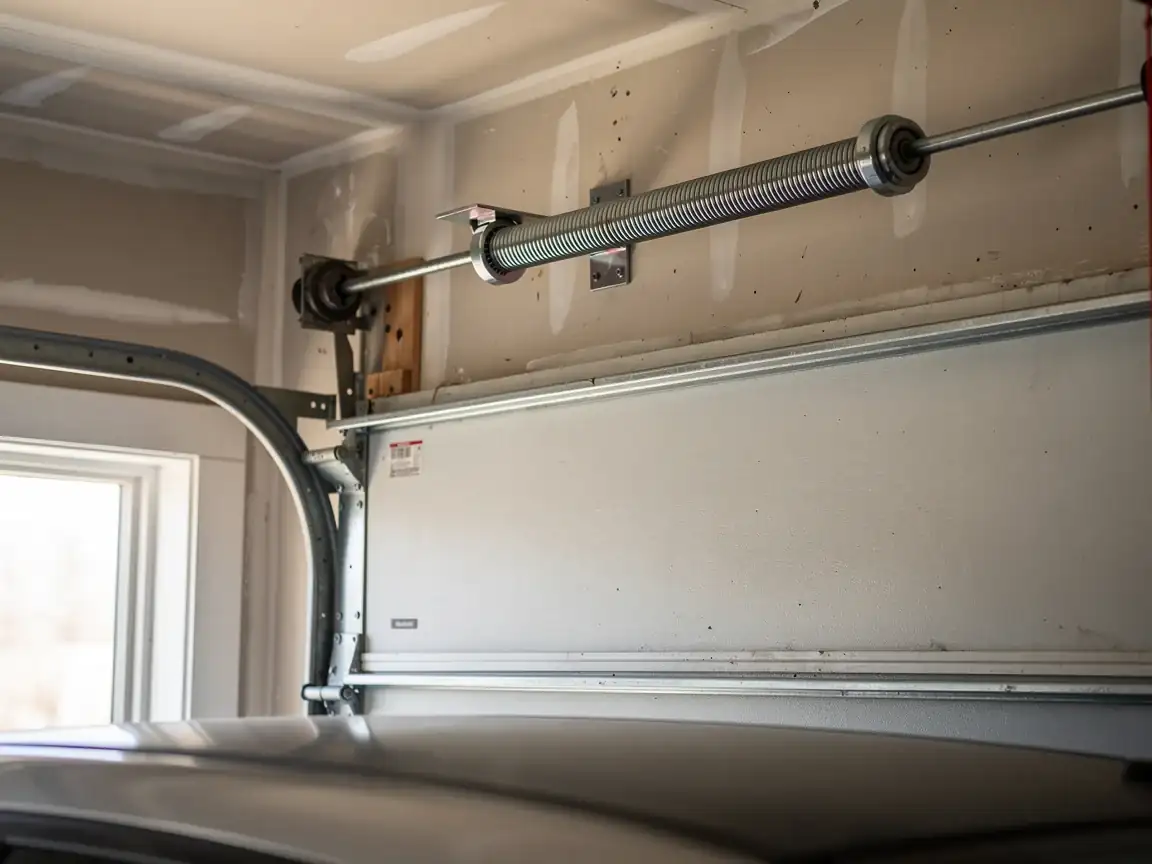
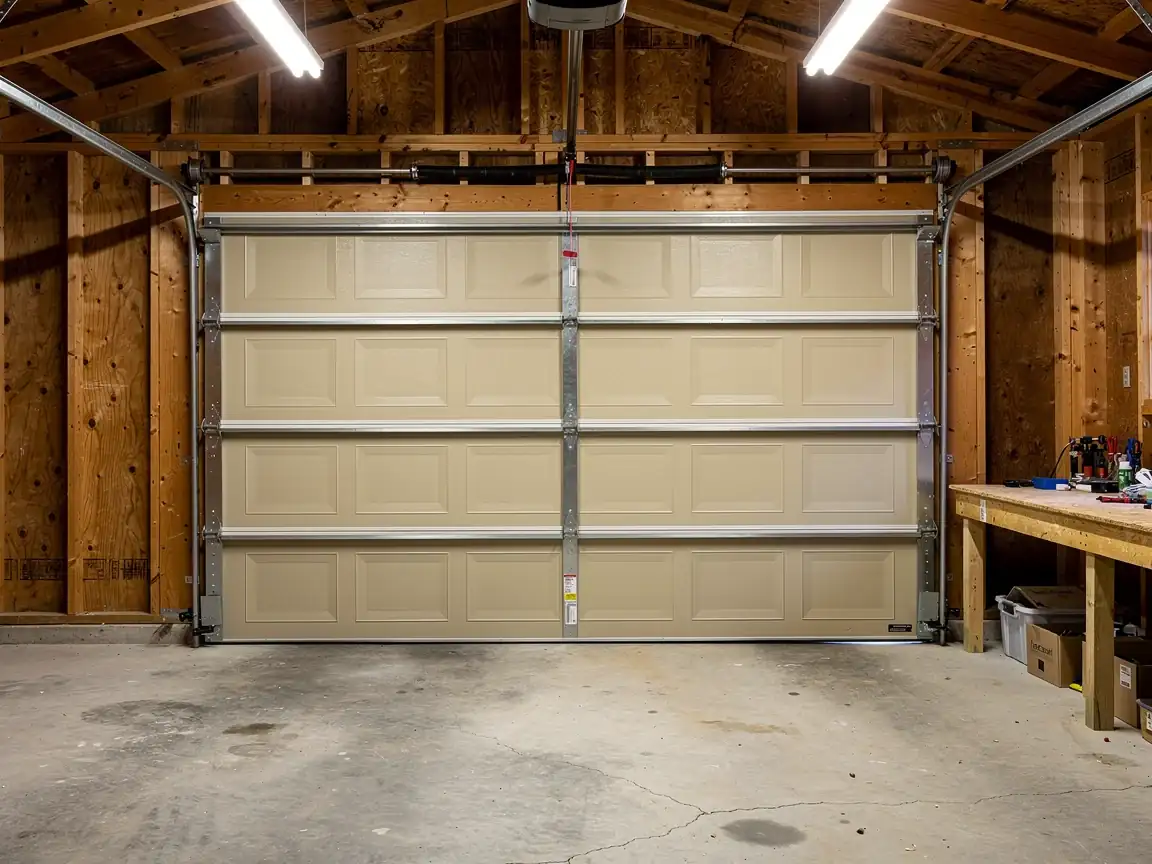
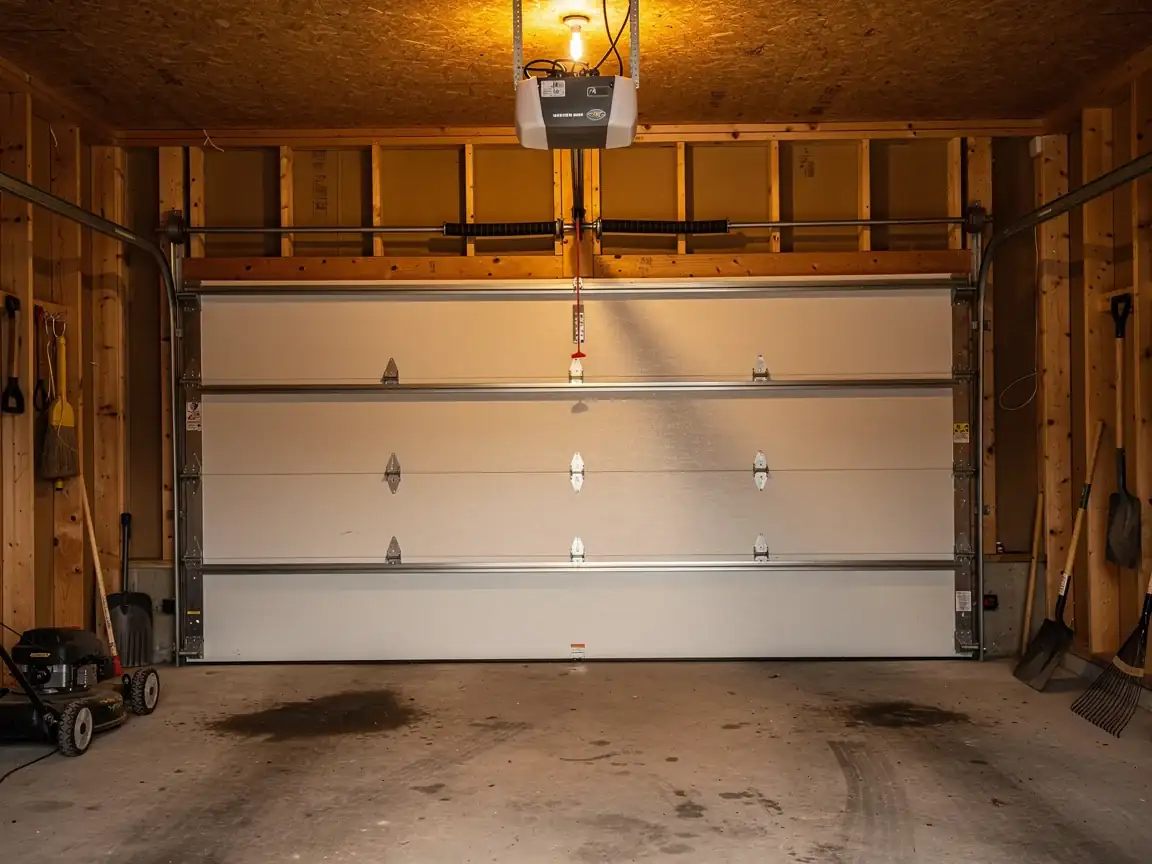
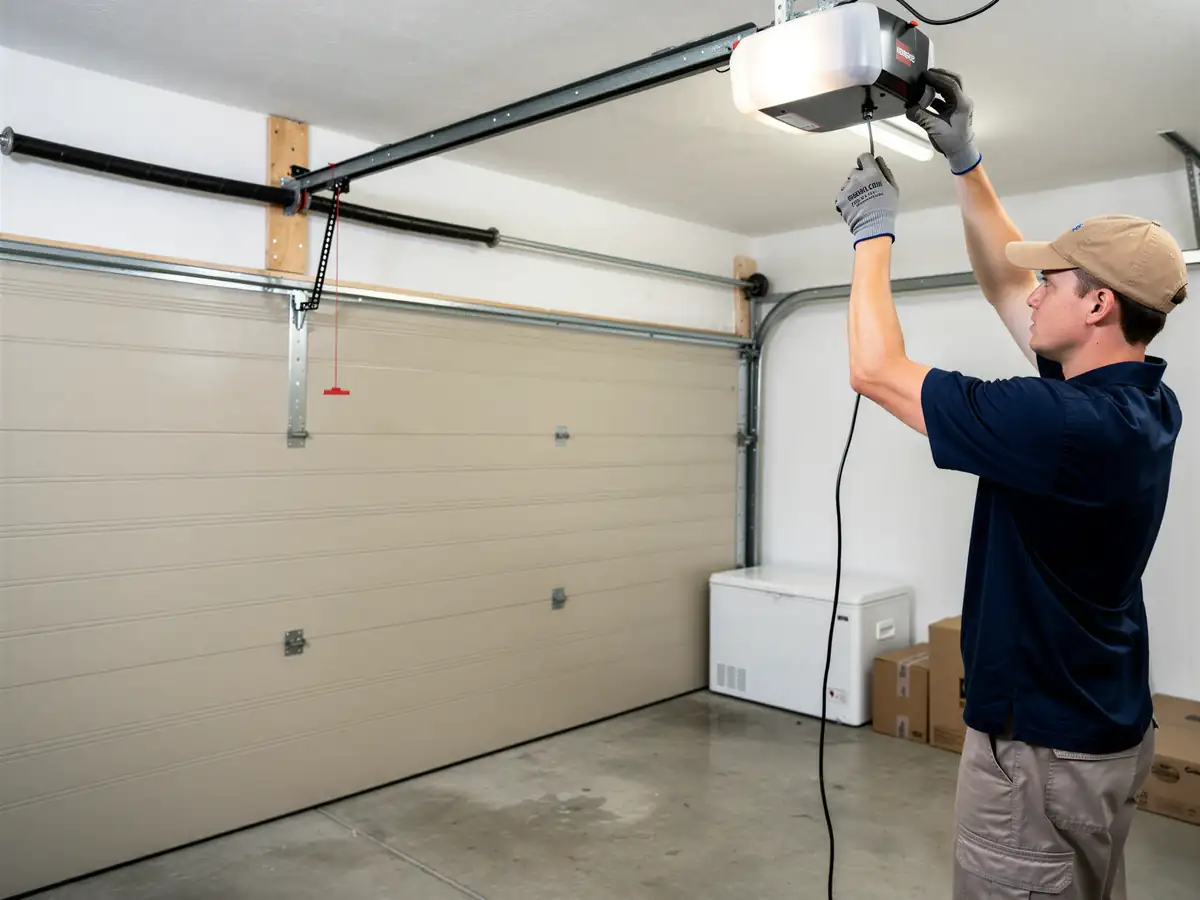
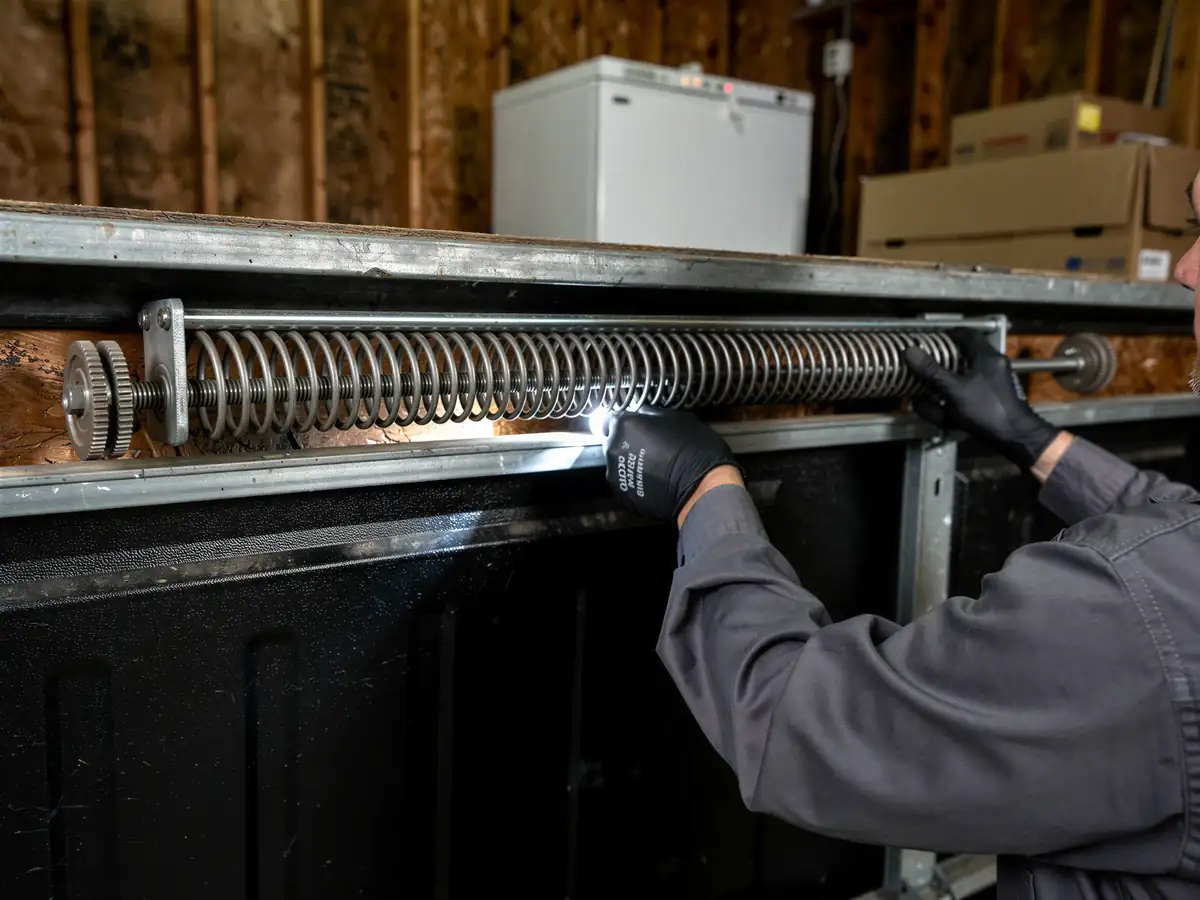
And confirm the header can carry the spring system you're putting in - torsion or extension, depending on ceiling clearance. Then we set new track, hang the door in sections, and balance the spring to the door's actual weight, not a generic setting. Last step is cycling it a dozen times under load and checking the opener's force settings if one's going in. A door that looks right on day one but was never balanced to weight is the most common comeback call in older housing stock like this, so we don't skip that part.
One limitation worth saying up front
If the opening itself is out of square by more than a small amount, that's carpentry work, not garage door work, and we'll tell you before we quote the install rather than after.
Why This Fails Locally
The climate band here is classified cold and severe, which matters more for a new install than people expect. A door and track system that's fine in a mild climate can bind or warp here because the steel contracts in winter and the weatherstripping has to seal against real temperature swings, not just rain. Houses built in the 1960s and 70s median era often have garages that were never insulated to begin with, so an uninsulated single-layer door on a cold night transfers that temperature straight through the wall it shares with the house.
The other local factor is age mismatch. A home from the 1938-1998 range may have had its door replaced once or twice already, sometimes with a door sized for a different era's opening, shimmed to fit. That patch job usually shows up as a door that looks installed but runs rough, binds on one side, or won't balance evenly - because the track was never actually set true to the frame. Installing new into an opening like that means correcting what's underneath, not just swapping the panel. We see this across the older housing stock in this service area more than in newer builds nearby, which is exactly why we check the frame before we quote the door.
What You Pay
We don't have a flat number to put here, and giving you a made-up range would be worse than giving you none. What we can tell you is what actually moves the cost: whether the opening needs correction, whether you're insulating a previously uninsulated garage (common in the older stock around here), and whether the spring system is torsion or extension.
Median household income across this service area runs around $70,000, and most of our installs land in a range that fits a one-income-earner home budget without stretching into remodel territory - but that's a general statement, not a quote. We'll walk the opening with you, tell you what we find, and price the actual job, not a guess. If a repair would get you another few years out of the existing door for meaningfully less than a full install, we'll say so. A new install is sometimes the wrong answer, even when it's the easier sale for us.
How It Shows Up
On an older frame, a bad install or a door that was never sized right shows up as a scrape on one side of the track
A door that reverses on the opener before it fully closes, or a gap at the bottom that lets cold air in during winter. On a newer frame in this same area, the more common complaint is an opener that was set for the wrong door weight and strains on every cycle.
With 72,875 owner-occupied houses across this service area, we run into both patterns regularly
Old doors patched into frames they don't match, and newer doors never balanced to the opener. If your door slams the last six inches or the opener motor runs hot, that's usually a sign the install wasn't matched to the door's actual weight, and it's worth having someone check the spring tension before you replace a motor that was never the problem.
- 72,875 owner-occupied