Garage Door Service for Huber Heights, 9 Miles from Our Beavercreek Shop
Beavercreek Garage Door Pros covers Huber Heights, 9 miles out. Local housing from 1975 means different hardware than older stock closer to Beavercreek.
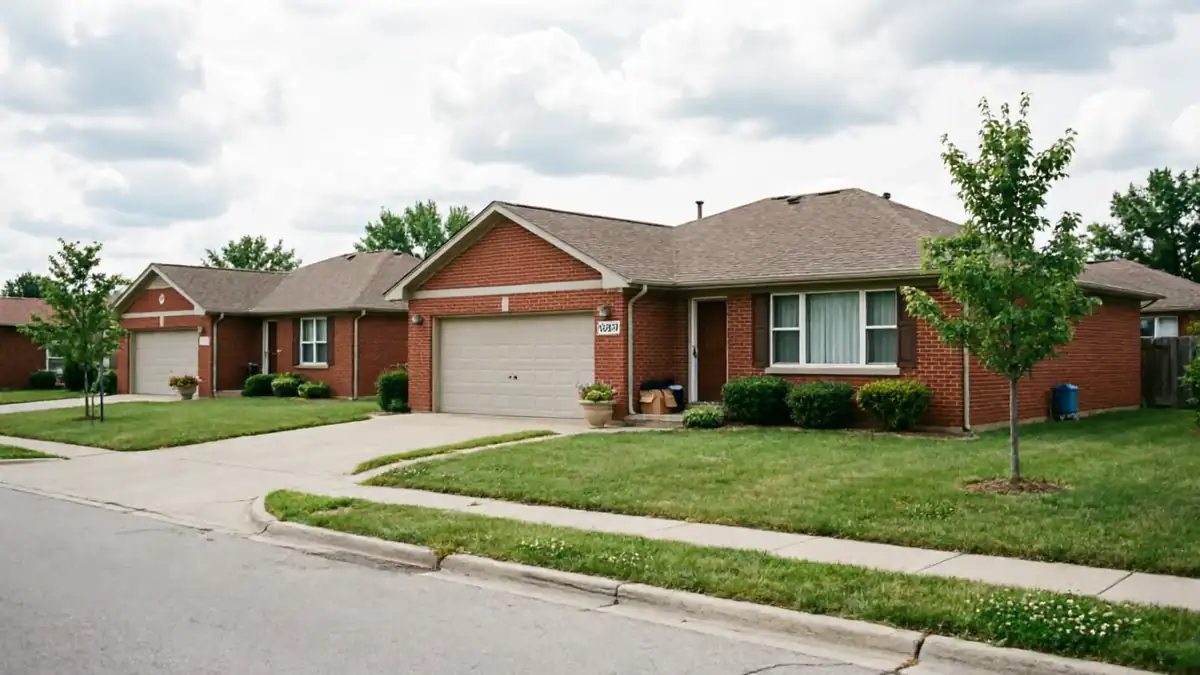
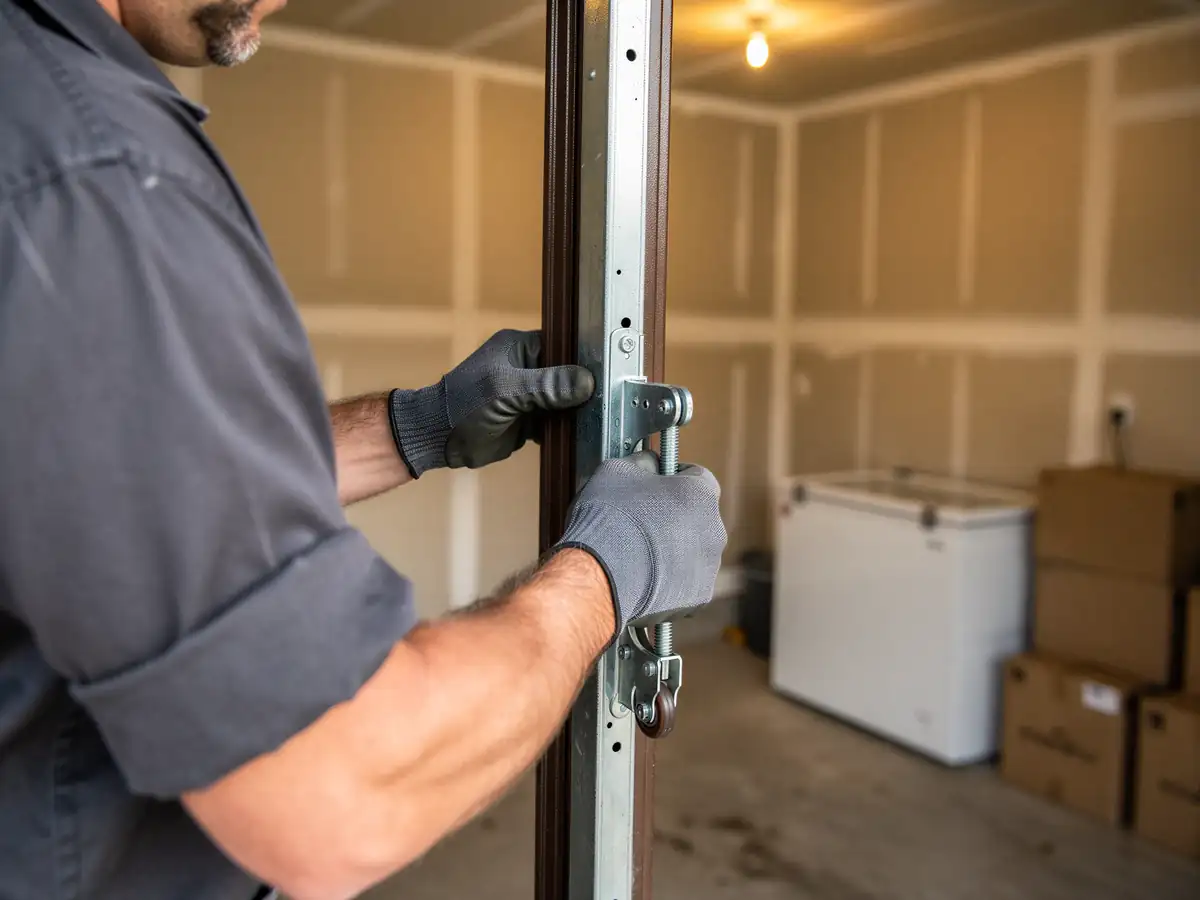
Huber Heights sits apart from a lot of the area in one clear way: the median home here was built in 1975, later than the broader service area's 1971 median and well past the 1938 start of the region's build-out. That four-year gap matters more than it sounds. A house framed in 1975 almost always shipped with a different garage door track and spring setup than one built in the late 1940s or 1950s closer to the older parts of the service area. By the mid-70s, builders had largely moved off the heaviest one-piece doors and into sectional doors on extension or early torsion springs, with lighter steel panels than the earlier stock. We see fewer of the oddball side-mounted torsion setups out here than we do in the pre-1960 pockets, and more of the standard double-track hardware that most parts suppliers still carry. It's not a dramatically different housing stock from the rest of the area - 1975 isn't a different era from 1971 - but it's late enough that the garage door hardware trends skew a little newer and a little more standardized than you'll find on the oldest streets we cover.
Where We Stop
We run out of Beavercreek, and Huber Heights is about 9 miles from that shop - one of the closer stops on our route, on par with Fairborn and a bit nearer than Vandalia or Englewood. We don't keep a crew or a depot in Huber Heights itself; every job here means a truck making that 9-mile drive from Beavercreek. That's worth saying plainly because it affects scheduling more than it affects the work itself - we're not sitting around the corner, we're coming from across town, so same-day isn't a given on every call. Compared to farther stops like Tipp City or Carlisle, both around 17-18 miles out, Huber Heights is an easy trip for us, and it's one of the areas we cover regularly rather than occasionally.
What That Means for Doors
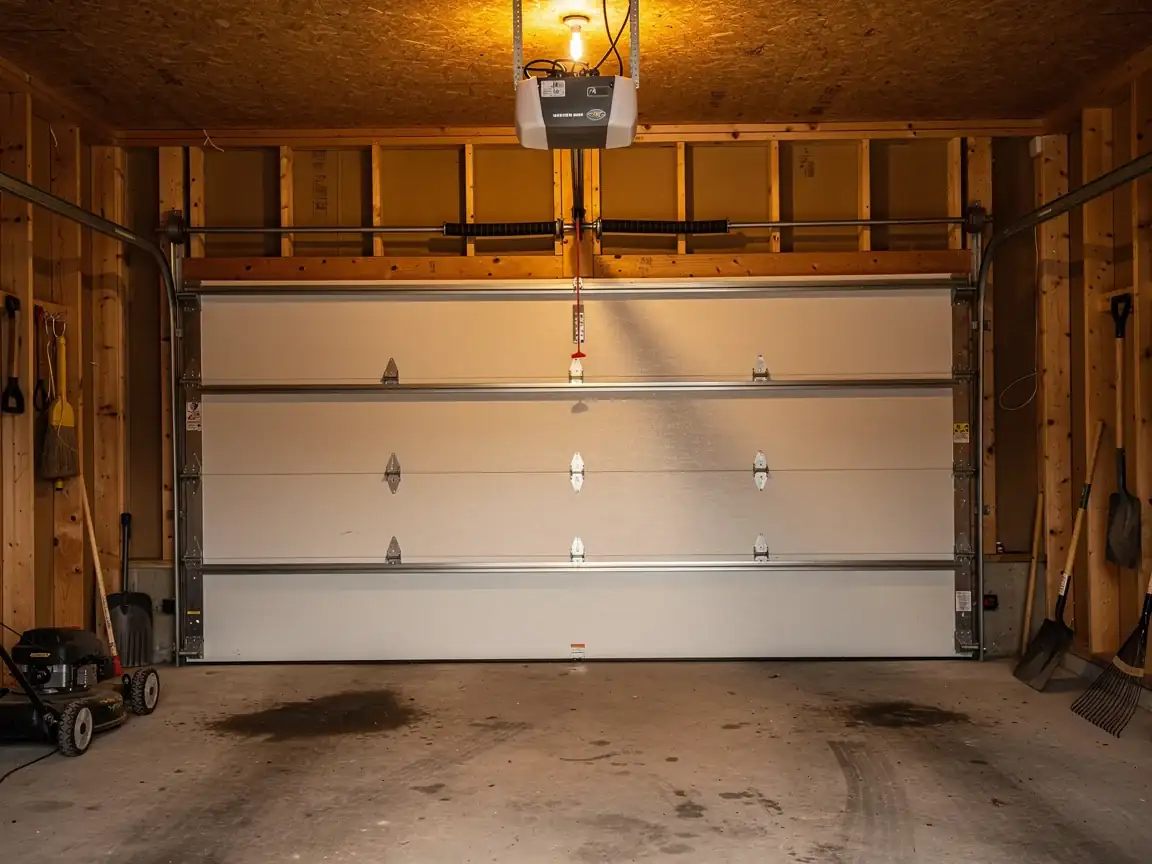
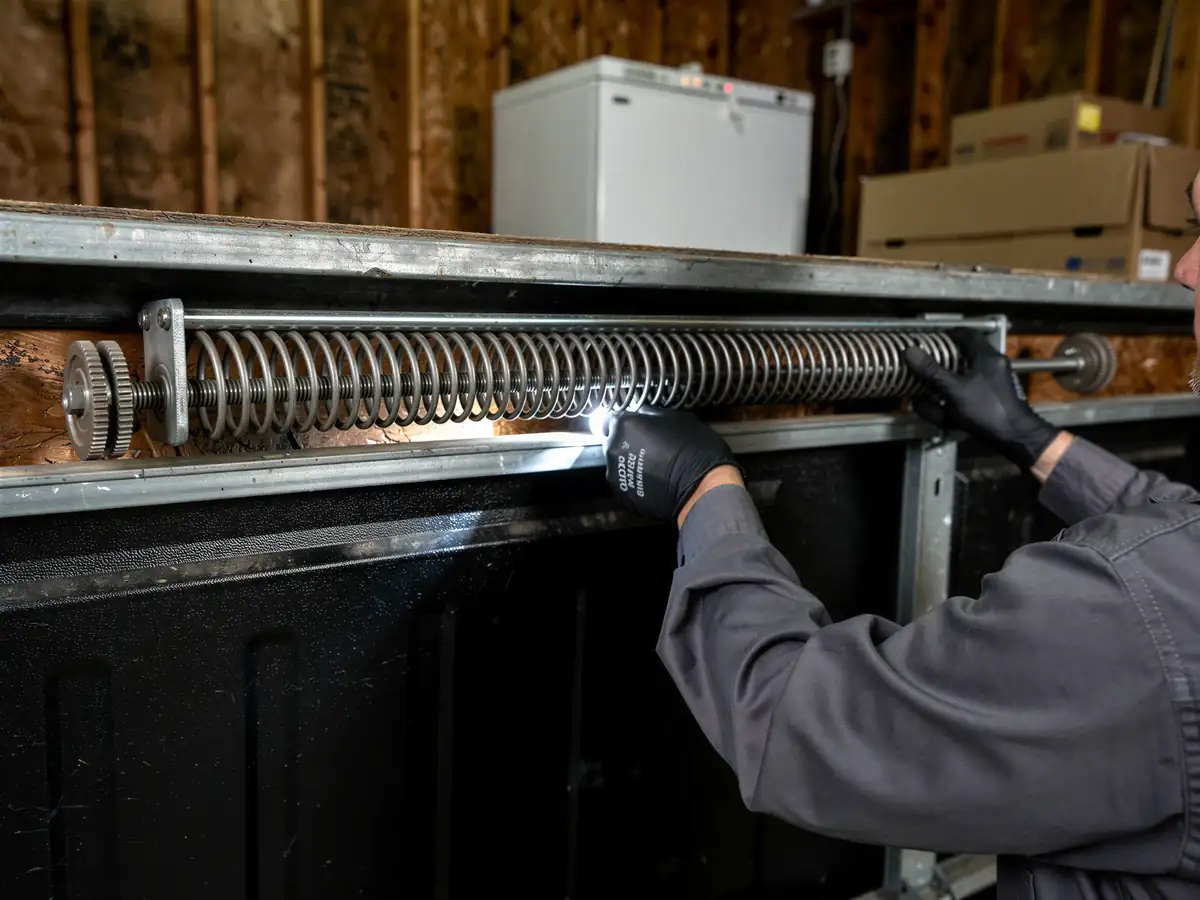
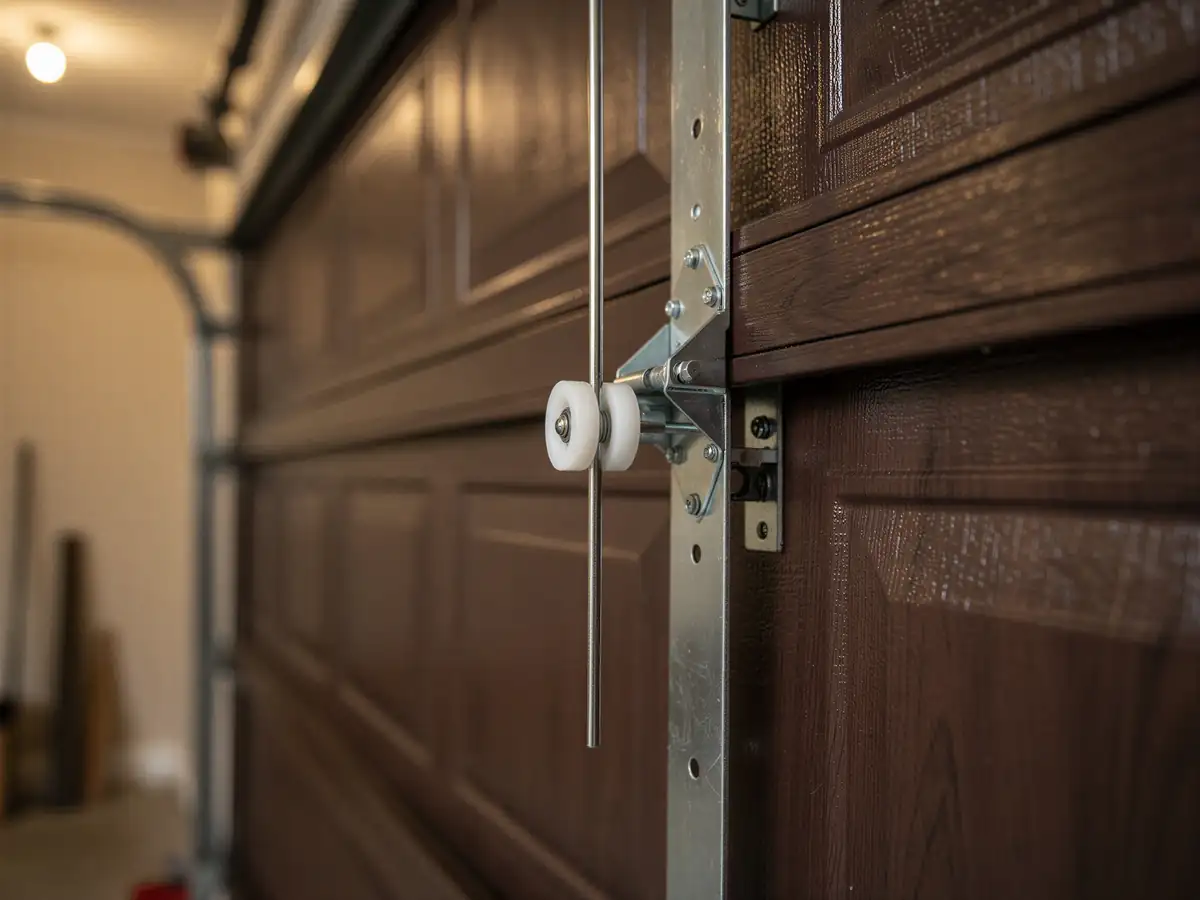
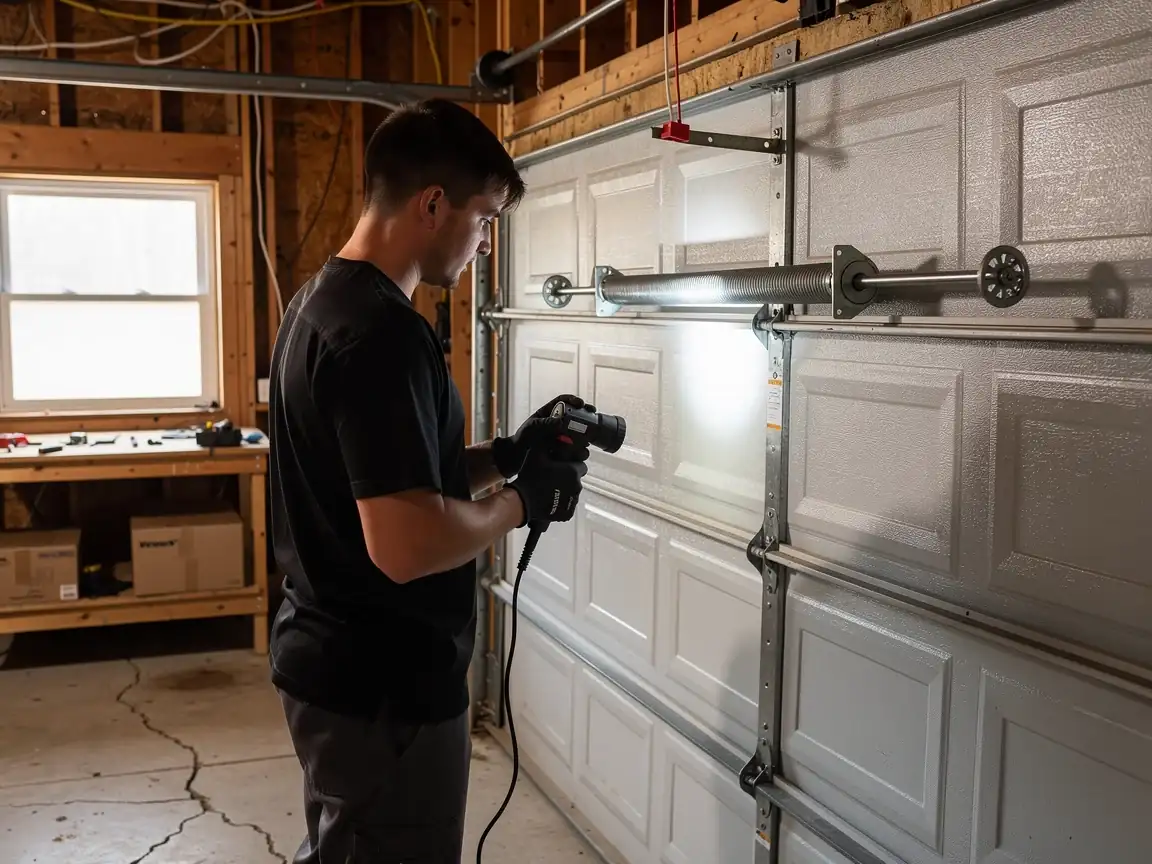
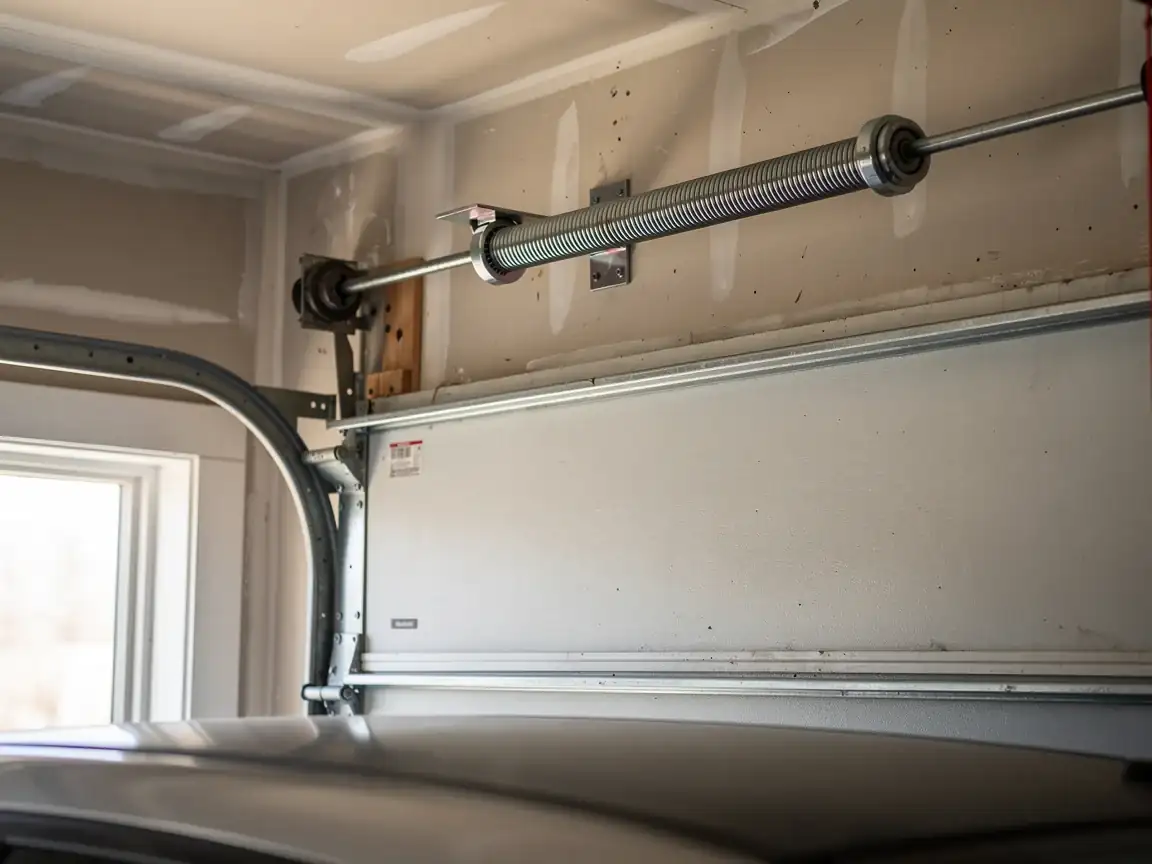
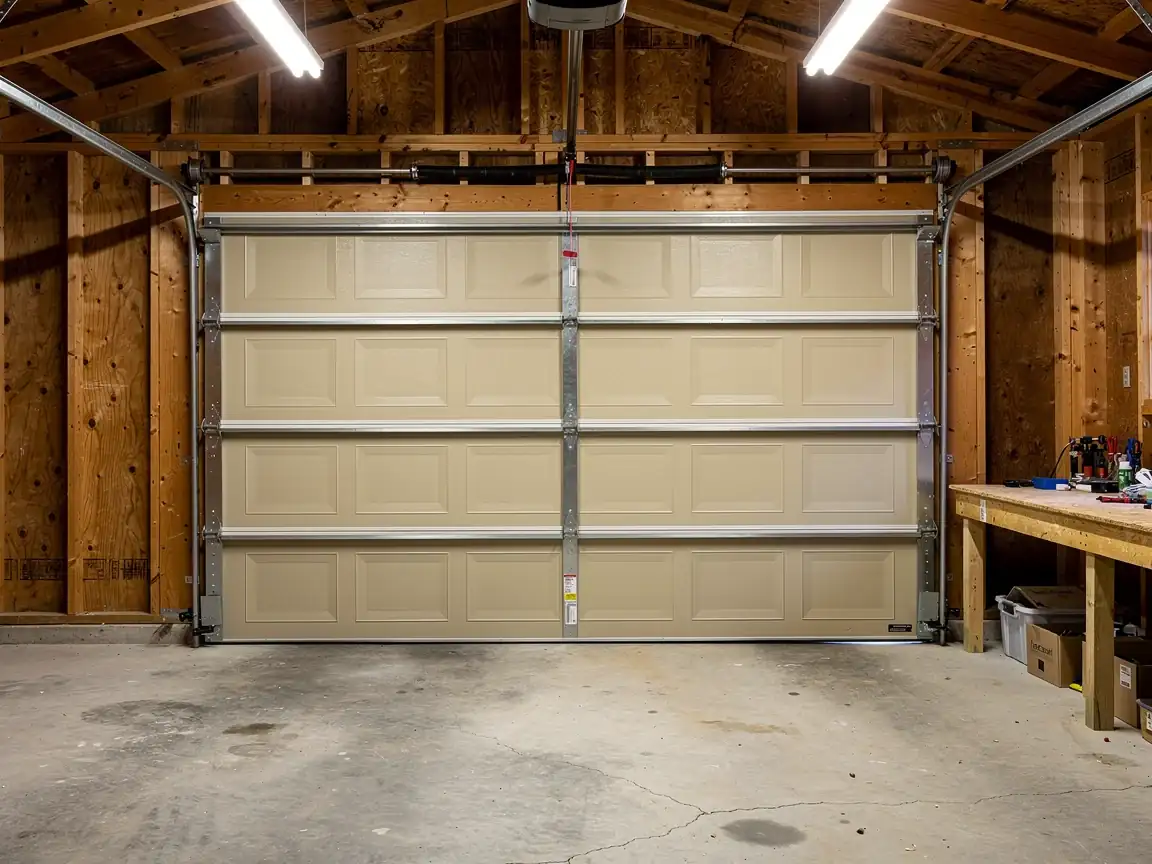
With 1975 as the median build year here, the common repair calls skew toward torsion spring fatigue on mid-weight steel sectional doors rather than the heavier hardware problems we find on older one-piece doors elsewhere in the area. Fifty years on a torsion spring is past its design life no matter how well it was maintained, so broken springs and worn torsion bearings are the calls we expect most from this stretch of houses. The service area sits in a cold climate zone, and that cold is a real factor on hardware this age: steel springs and cables that have already cycled for decades lose flexibility faster once temperatures drop, and a spring that's been marginal all year is more likely to let go on a cold morning. Openers from this era of construction, if original, are long past replacement, though most homes here have already swapped in a newer unit at some point. We don't guess at what's inside a specific door without seeing it - what we can say is that the age bracket points toward spring and bearing wear well ahead of panel or track failure.
The Usual Work Here
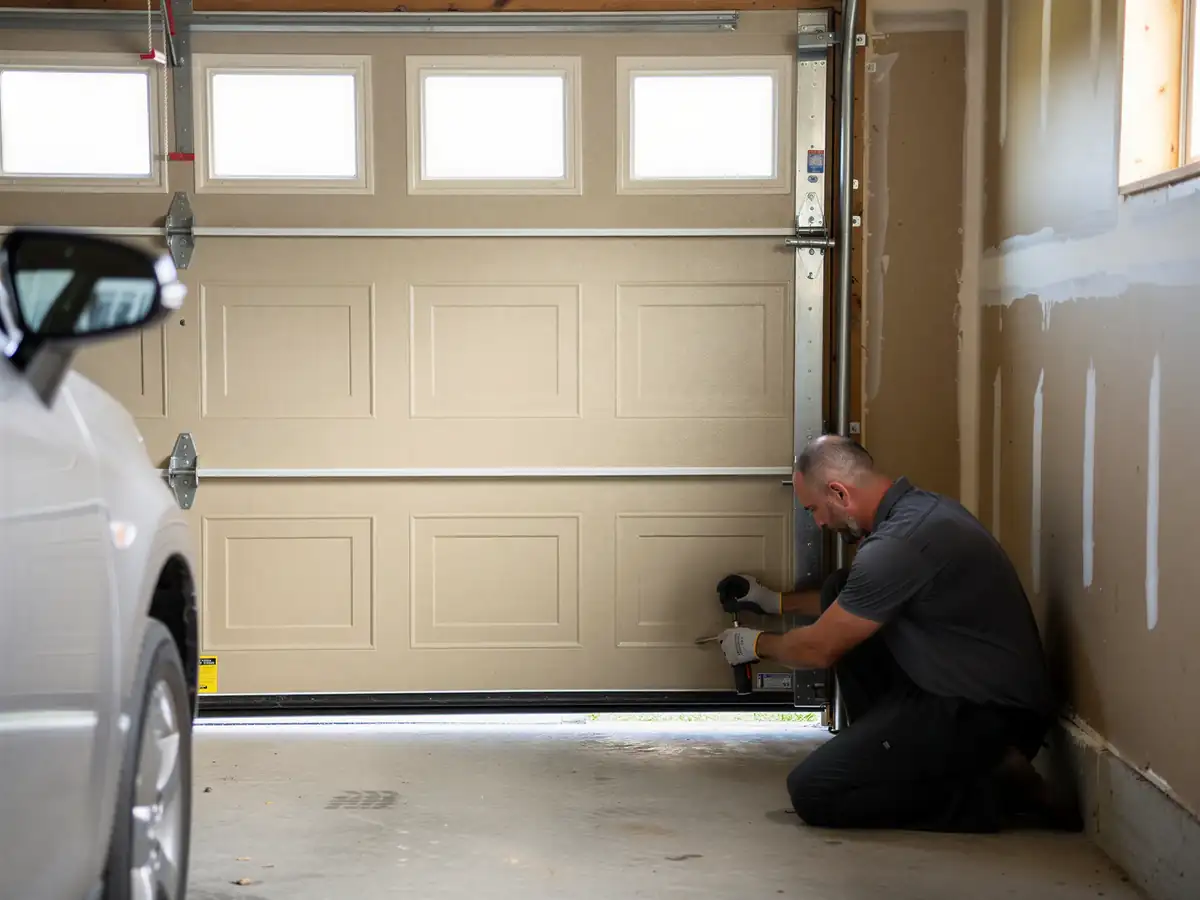
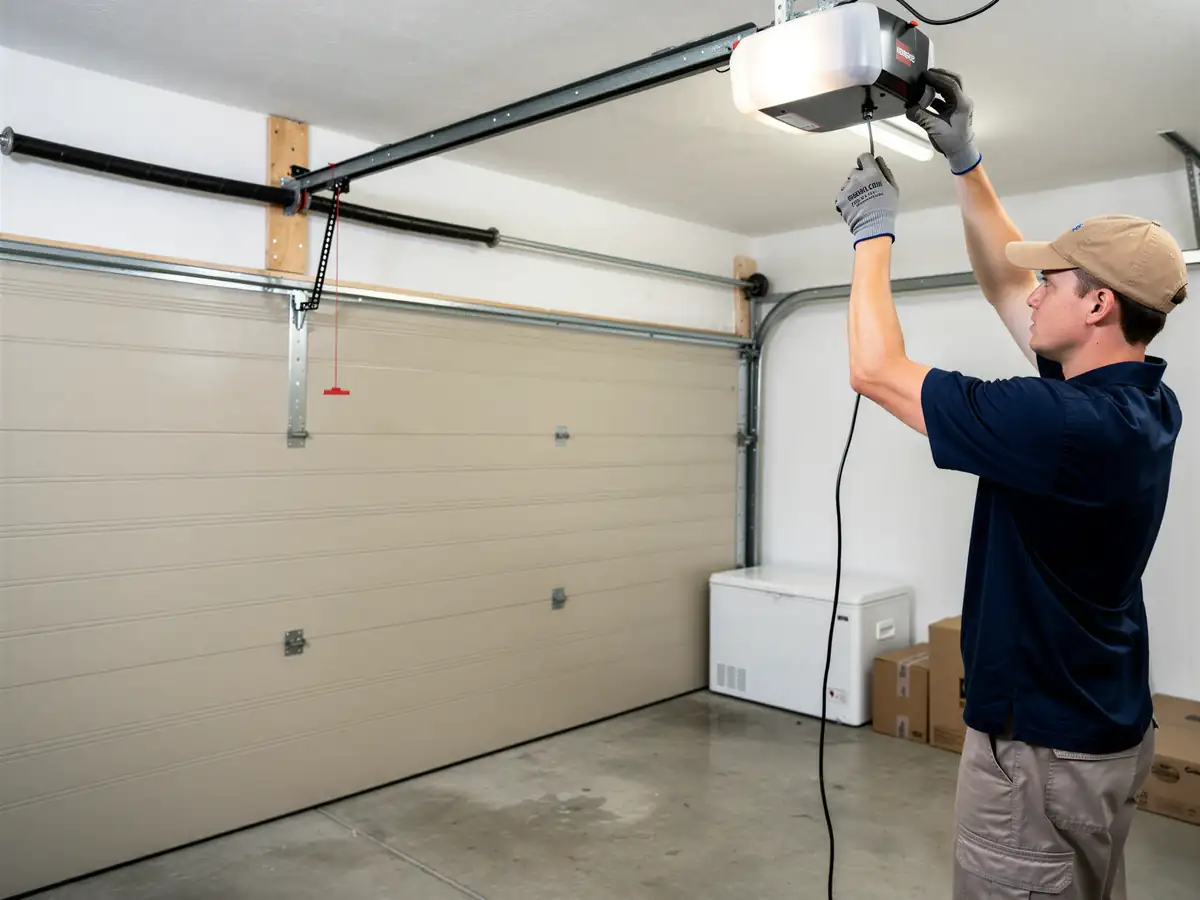
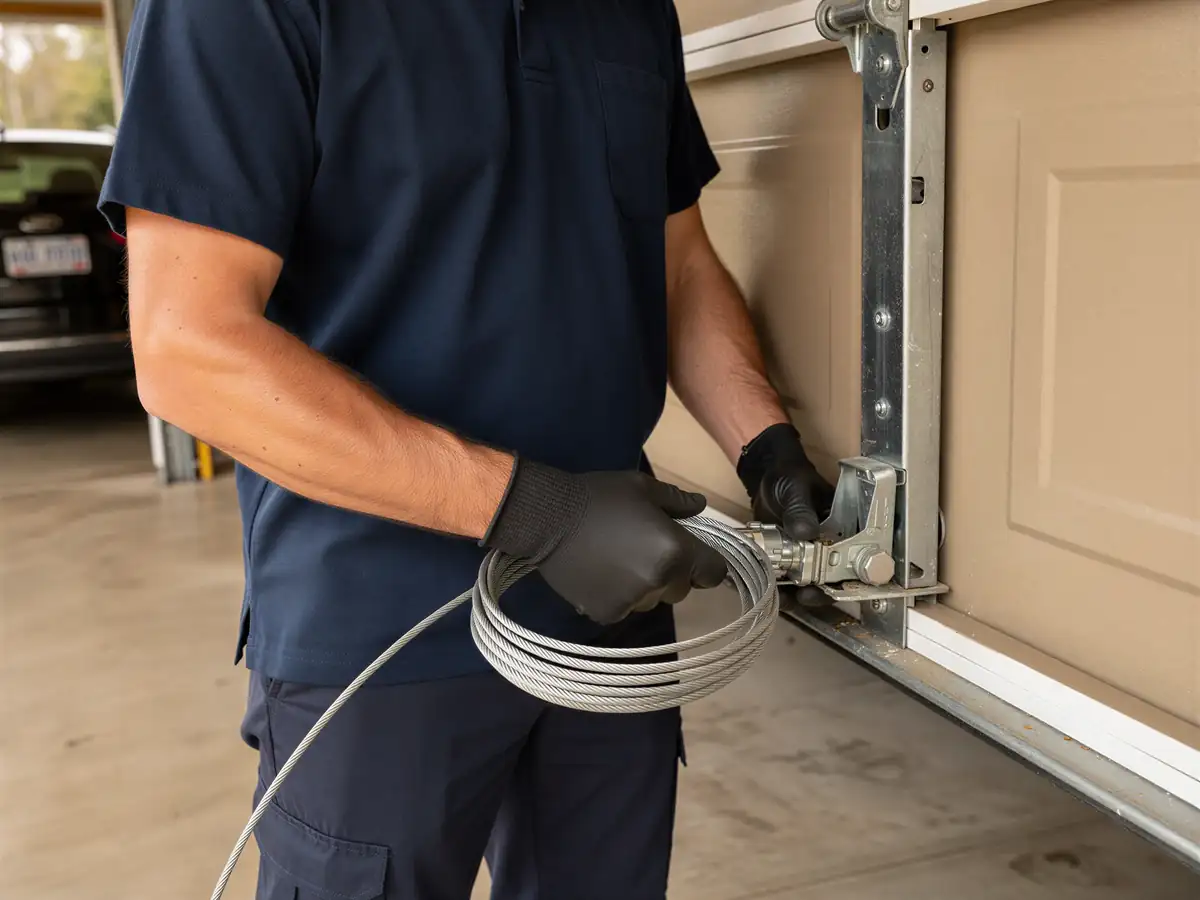
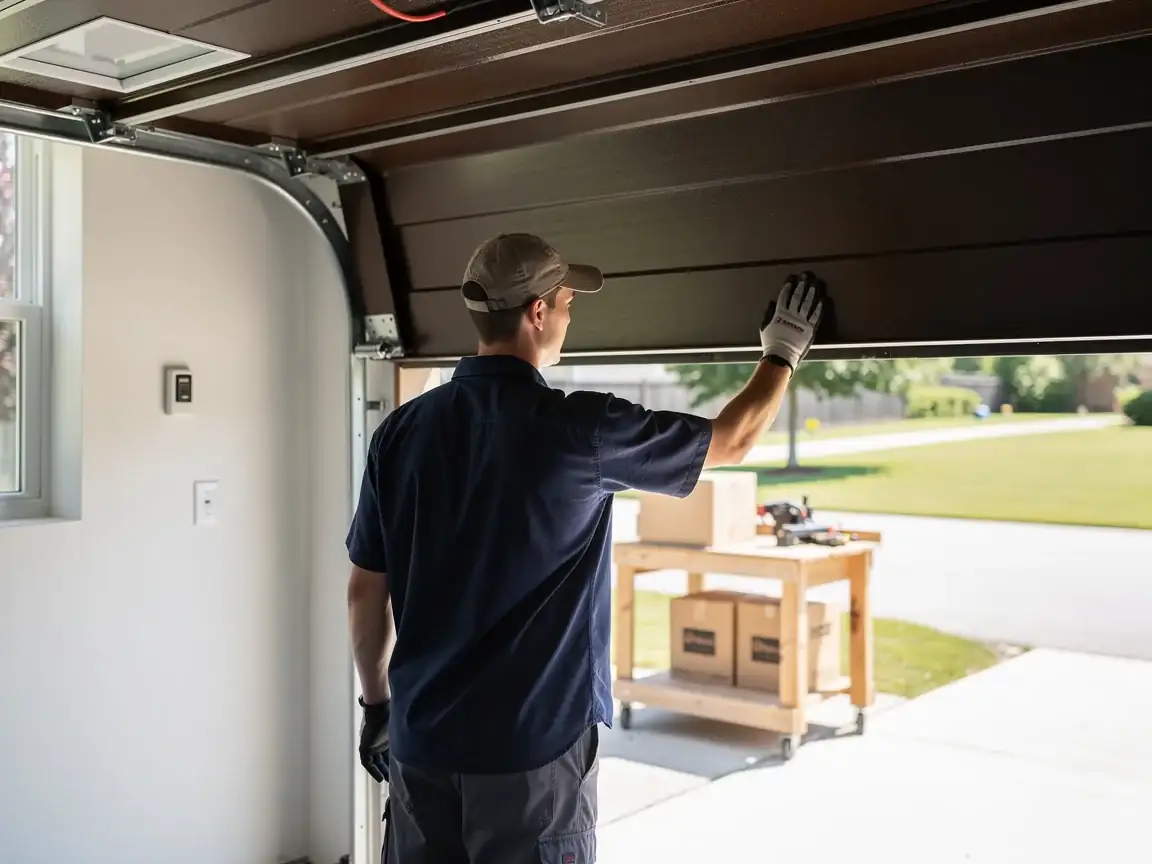
The calls that bring us out to Huber Heights most often are broken torsion springs, noisy or seized rollers, and openers that have started slipping out of their travel limits - all consistent with a door and hardware package that's now roughly fifty years old. We also get cable replacements, since steel cable on a mid-70s sectional door reaches the end of its working life well before most owners expect it to. One honest limit on our end: because we're traveling from Beavercreek, emergency same-day calls to Huber Heights depend on what's already on the truck and how the route is running that day - we'd rather tell you that upfront than promise a window we can't hit. For straightforward spring and cable jobs we usually carry what's needed; for an opener replacement on a less common model, there can be a short wait on the part.
How it works
From “it’s stuck” to “it’s fixed”
1
Tell us what’s wrong
Describe the symptom - won’t open, loud bang, opener runs but the door won’t move.
2
On-site diagnosis
A technician tests the door under power and by hand and finds what actually failed.
3
Clear, up-front plan
You get the fix that’s needed and what drives the cost - before any work starts.
4
Repaired & tested
The repair is done, the door is set true and tested, and the work area left clean.
Not sure which repair your door needs in Beavercreek, OH? Describe what it’s doing - every job starts with a diagnosis.
About 9 miles from our Beavercreek location. It's one of the closer areas we cover, similar in distance to Fairborn, so it's a regular stop for us rather than a special trip.
Do you have a crew based in Huber Heights?
No. We work out of Beavercreek and drive to Huber Heights for every job. There's no local depot here, which is worth knowing if you're hoping for a very fast emergency window.
Why do springs seem to fail so often on these houses?
Most homes here were built around 1975, which puts the original torsion spring well past its working life by now. Combined with a cold climate that stiffens steel further in winter, spring failure is the most common call we get in this area.
Is my door's hardware different from older houses nearby?
Likely a bit, yes. At a 1975 median build year, Huber Heights homes tend to have standard double-track sectional doors rather than the older one-piece or side-mount torsion setups found on houses from the late 1940s and 1950s elsewhere in the service area.
Ready to get your garage door sorted?
Tell us what it’s doing and where you are in Beavercreek - we’ll take it from there.