Time on the Job
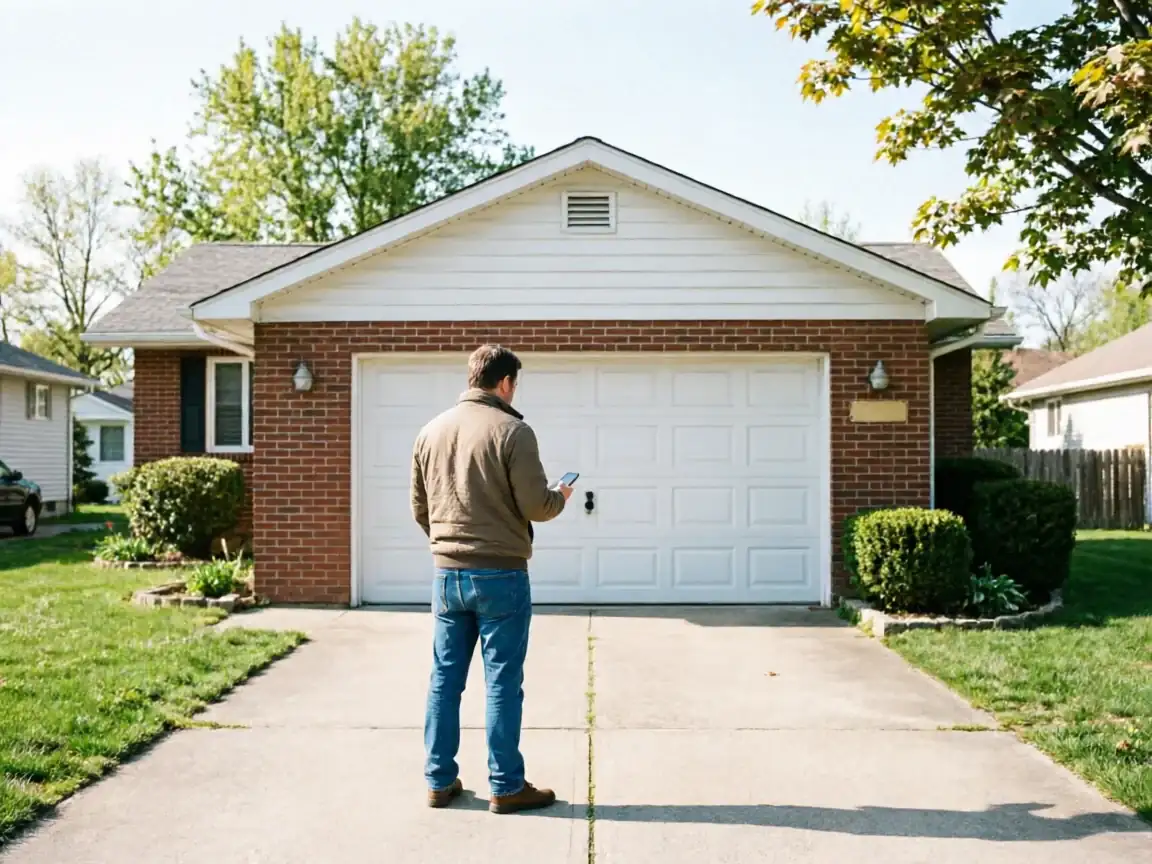
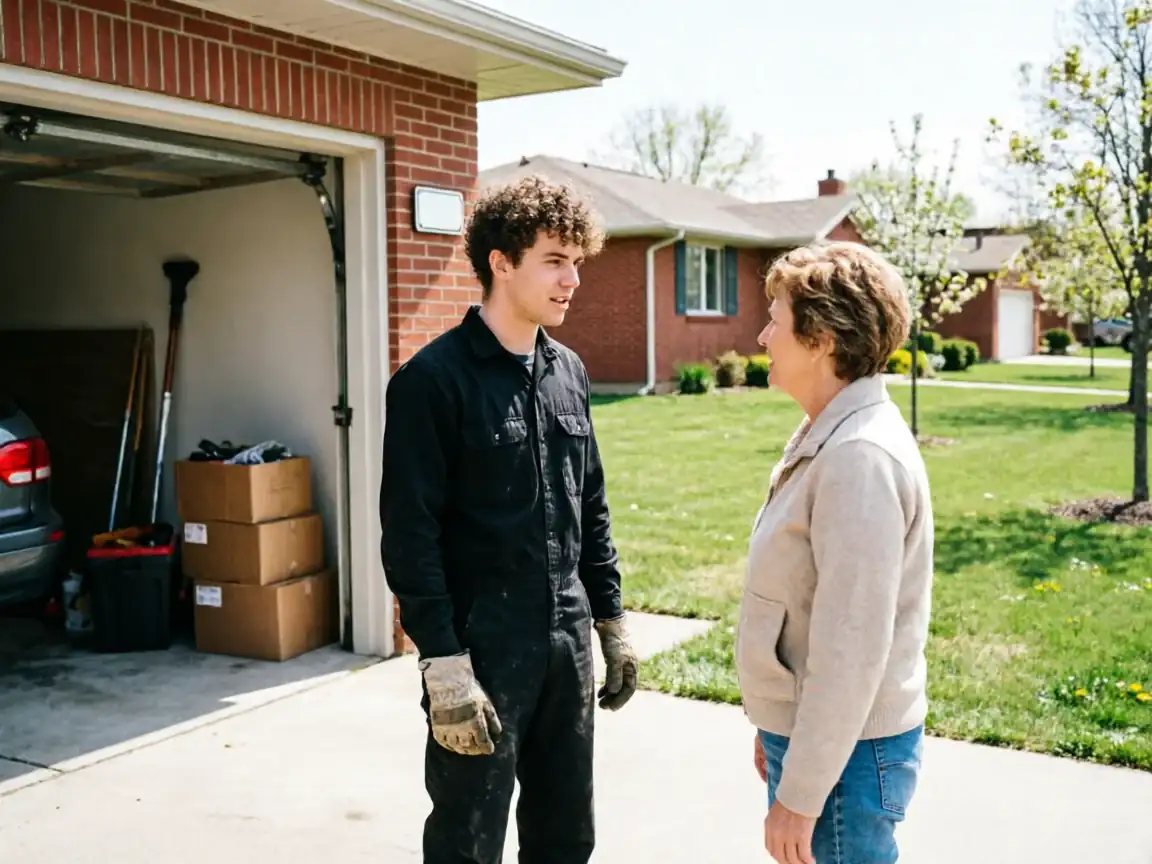
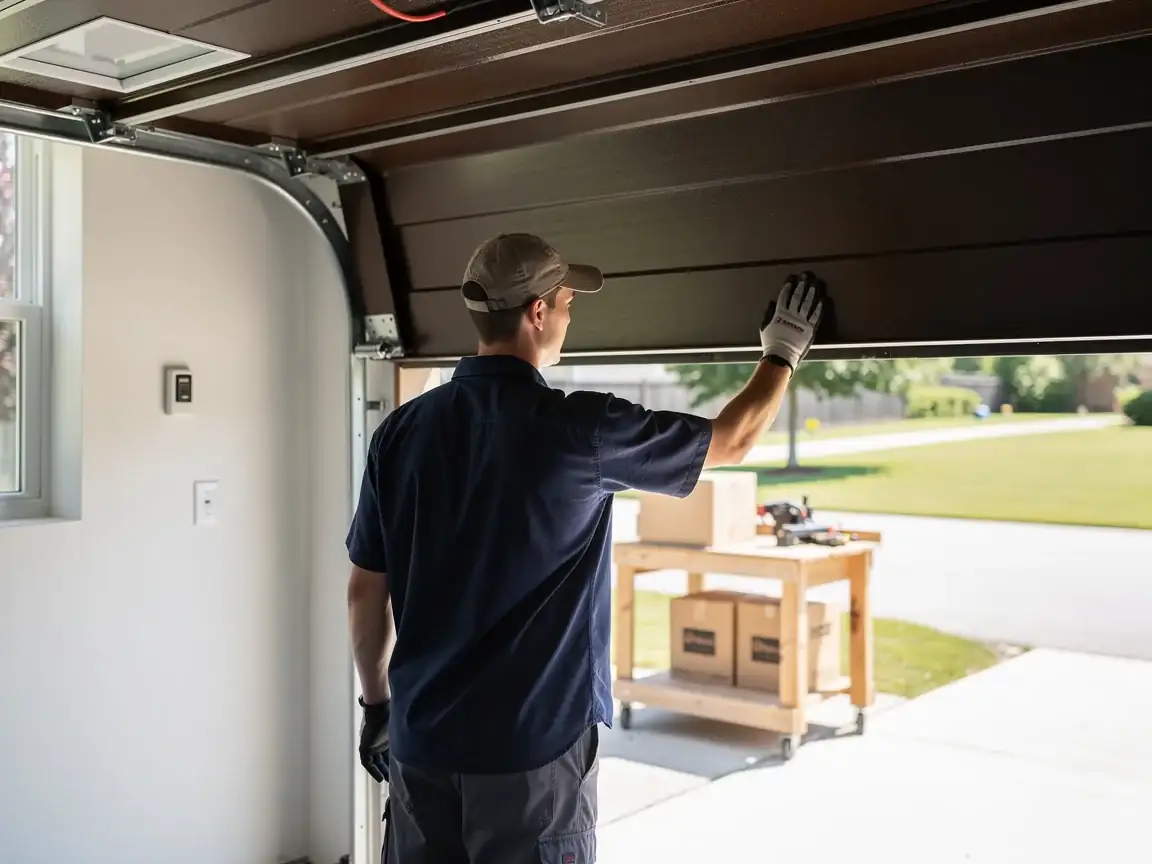
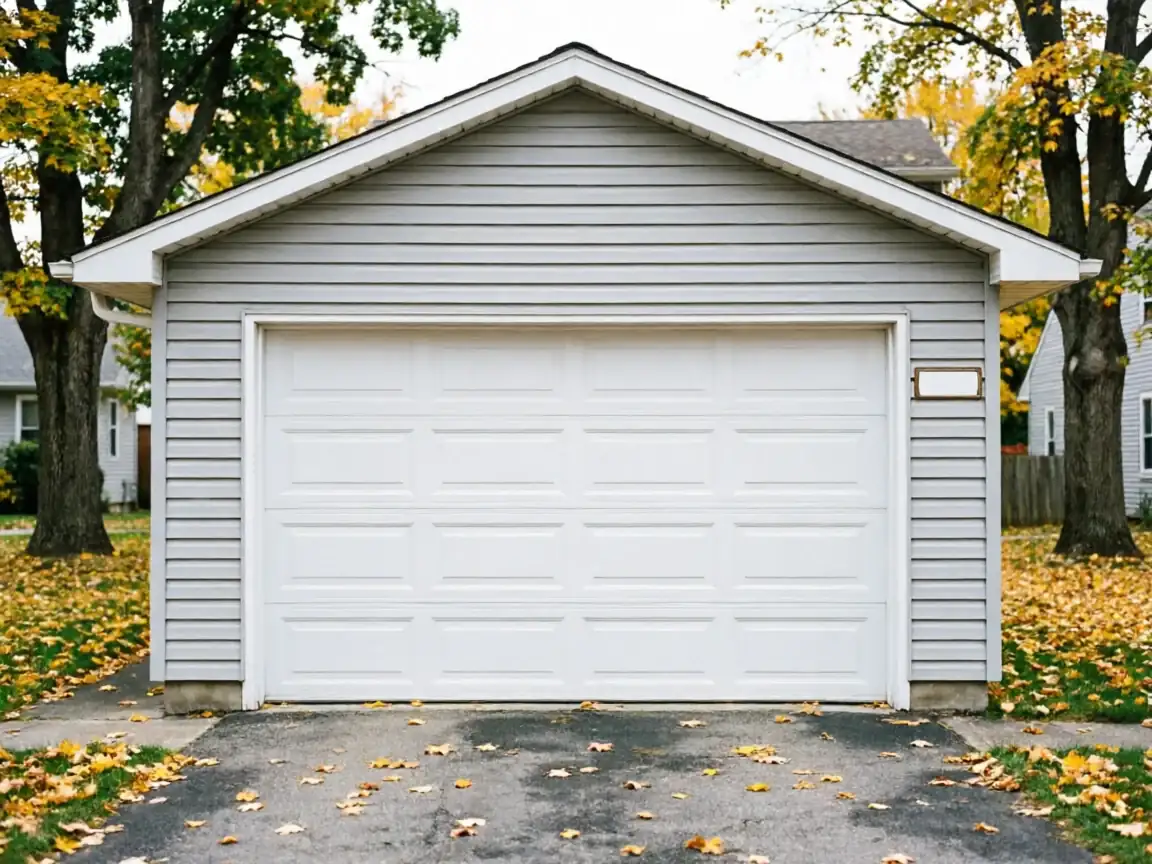
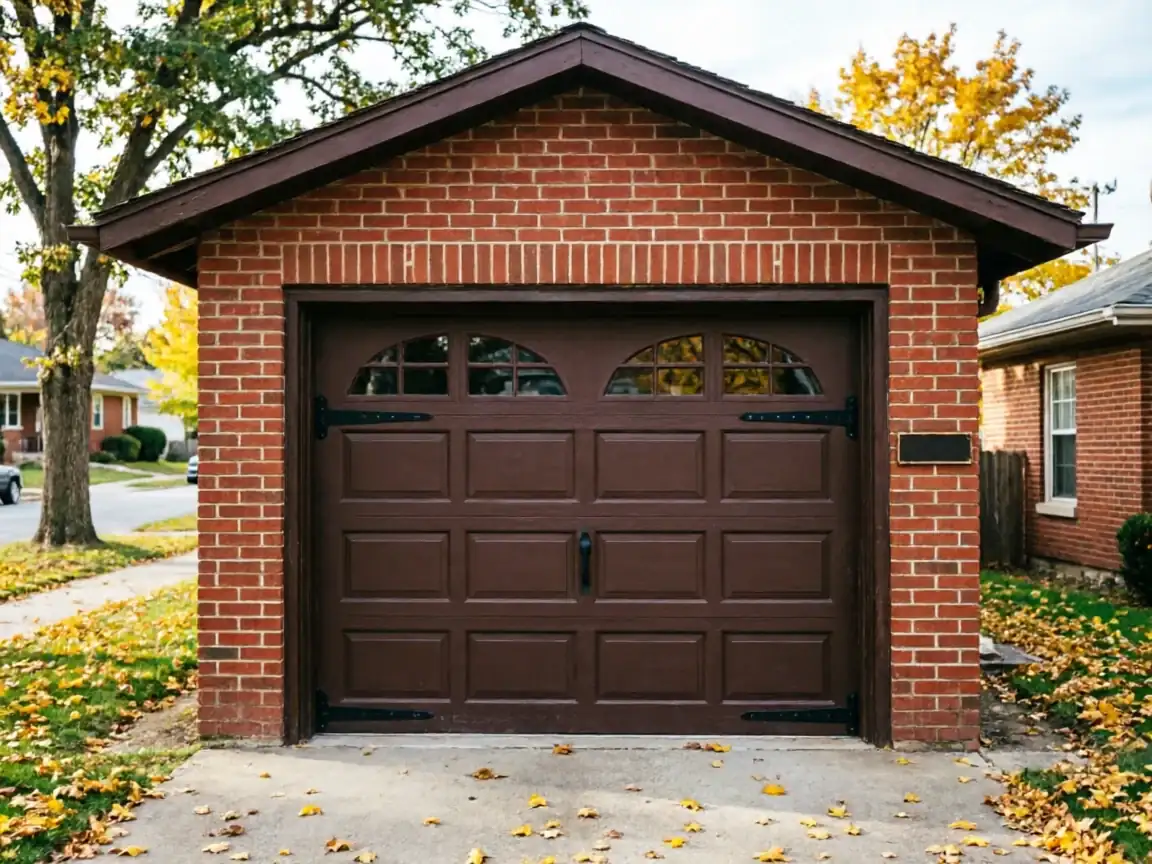
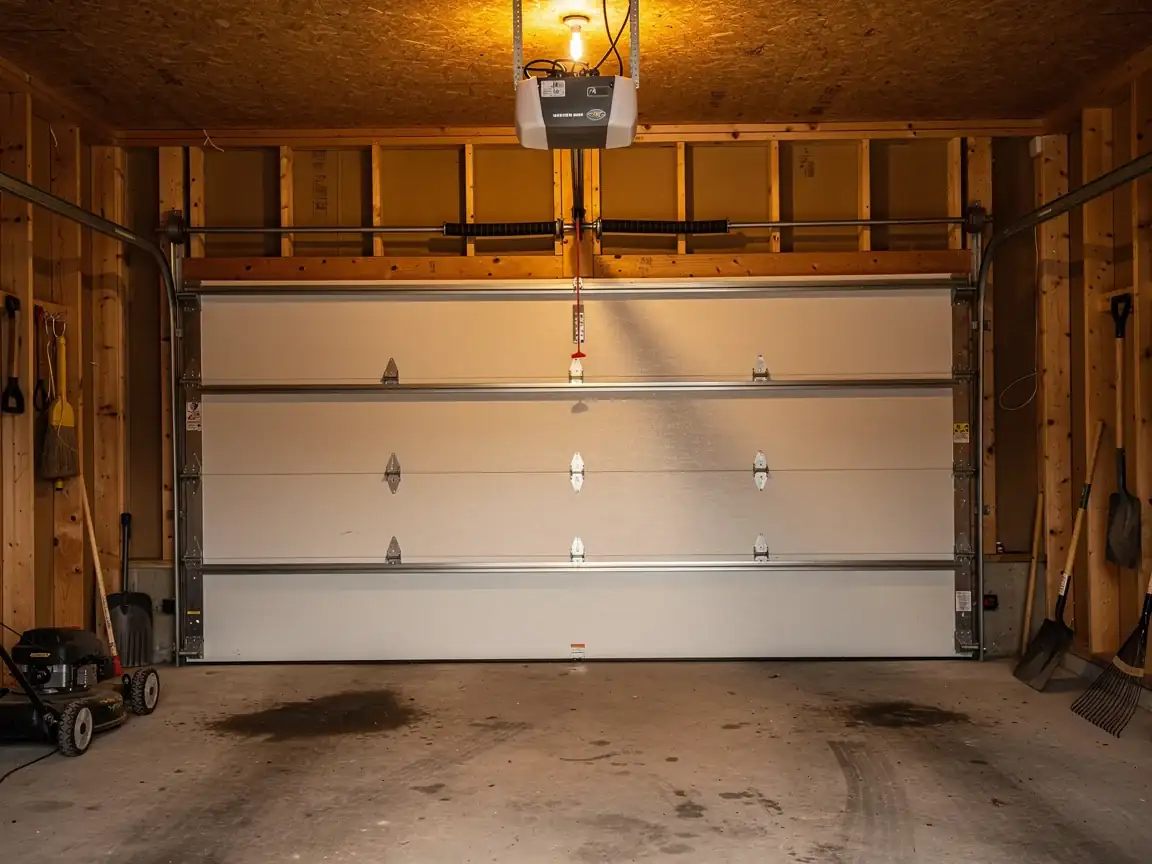
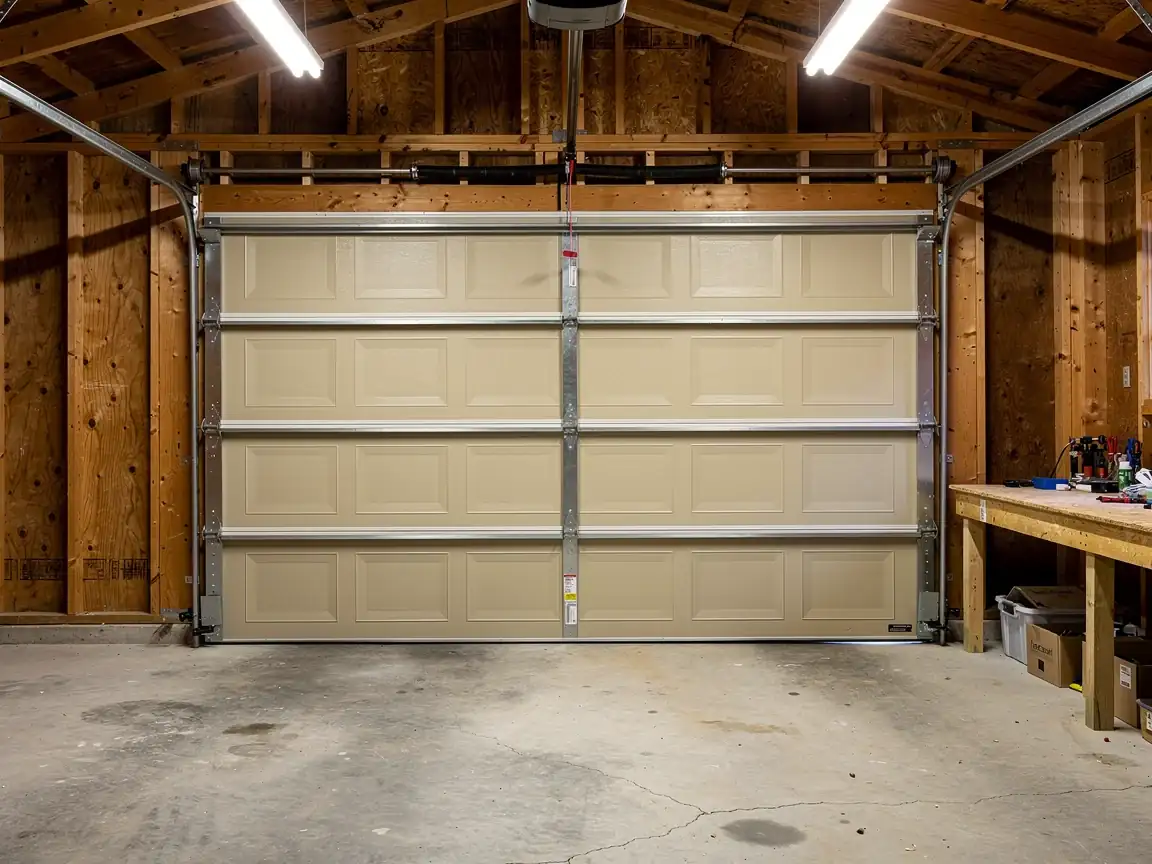
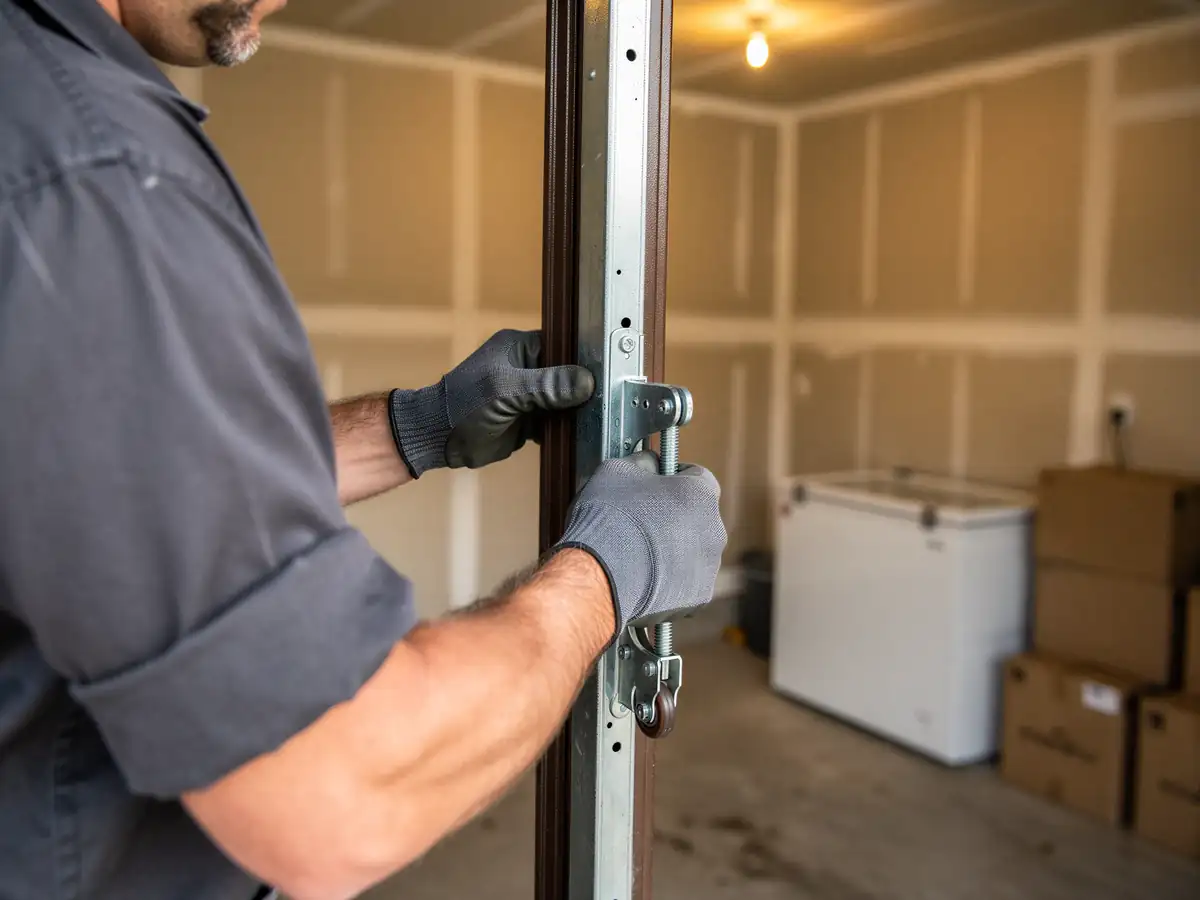
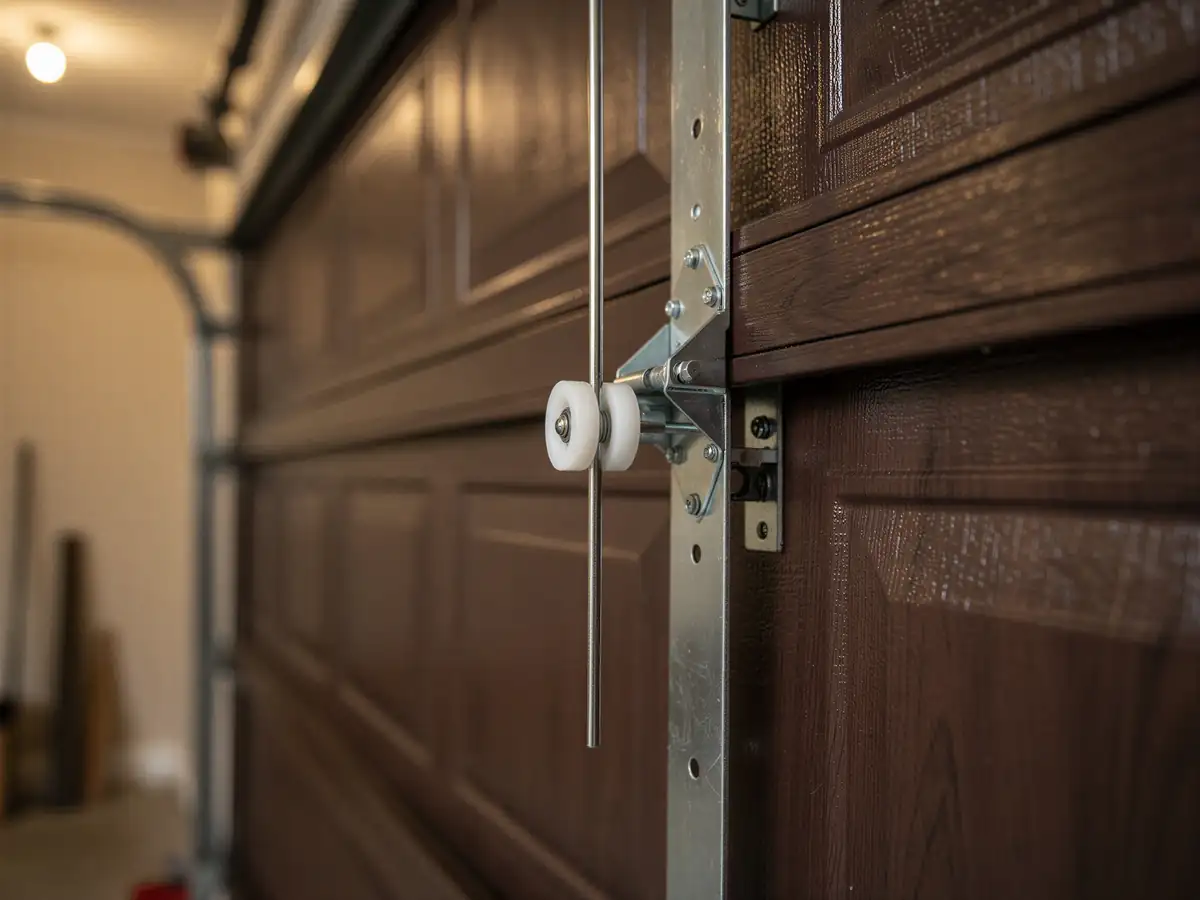
Most of Huber Heights was built out around 1975, a touch newer than the 1971 median you'll find across the rest of the service area but still squarely inside the same 1960s-70s building wave. That matters for timing: doors from this era are usually steel sectional panels on extension or early torsion spring setups, not the newer high-cycle torsion systems you'd see in anything built in the last fifteen years. A spring swap on that hardware is usually a shorter job than untangling a mystery system, because we've seen the configuration before. Where it runs long is when a previous owner swapped in mismatched hardware, or when the track brackets have rusted into the jamb after decades outdoors. We'll tell you up front if we think the job is simple or if it's going to take longer, rather than guessing out loud once we're already there.
Can You Do This Yourself
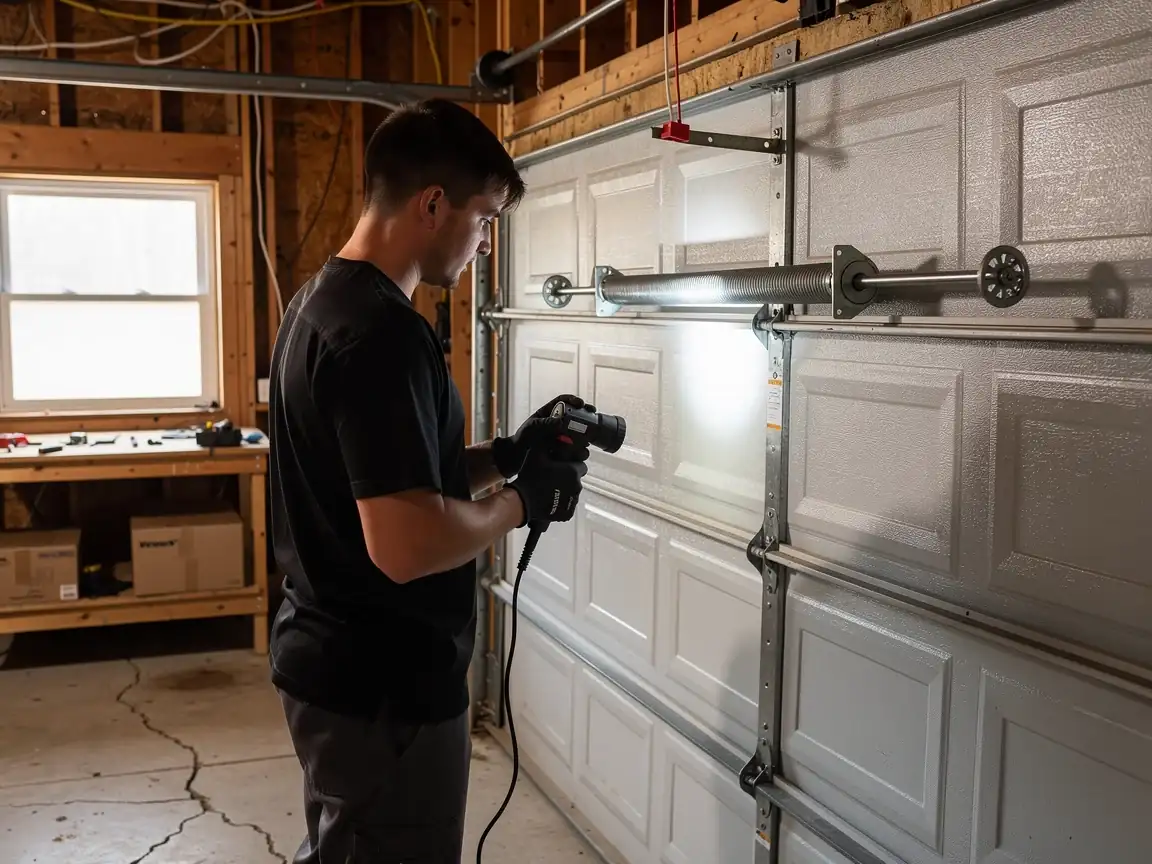
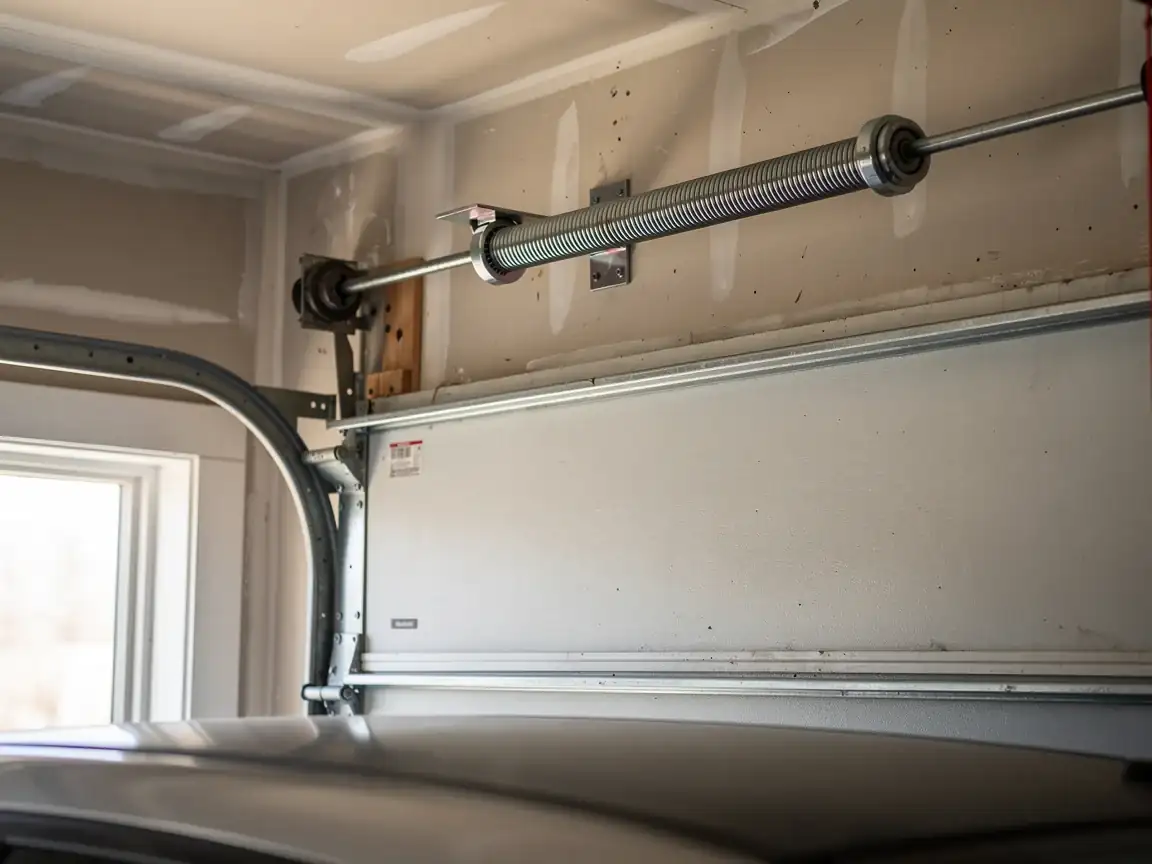
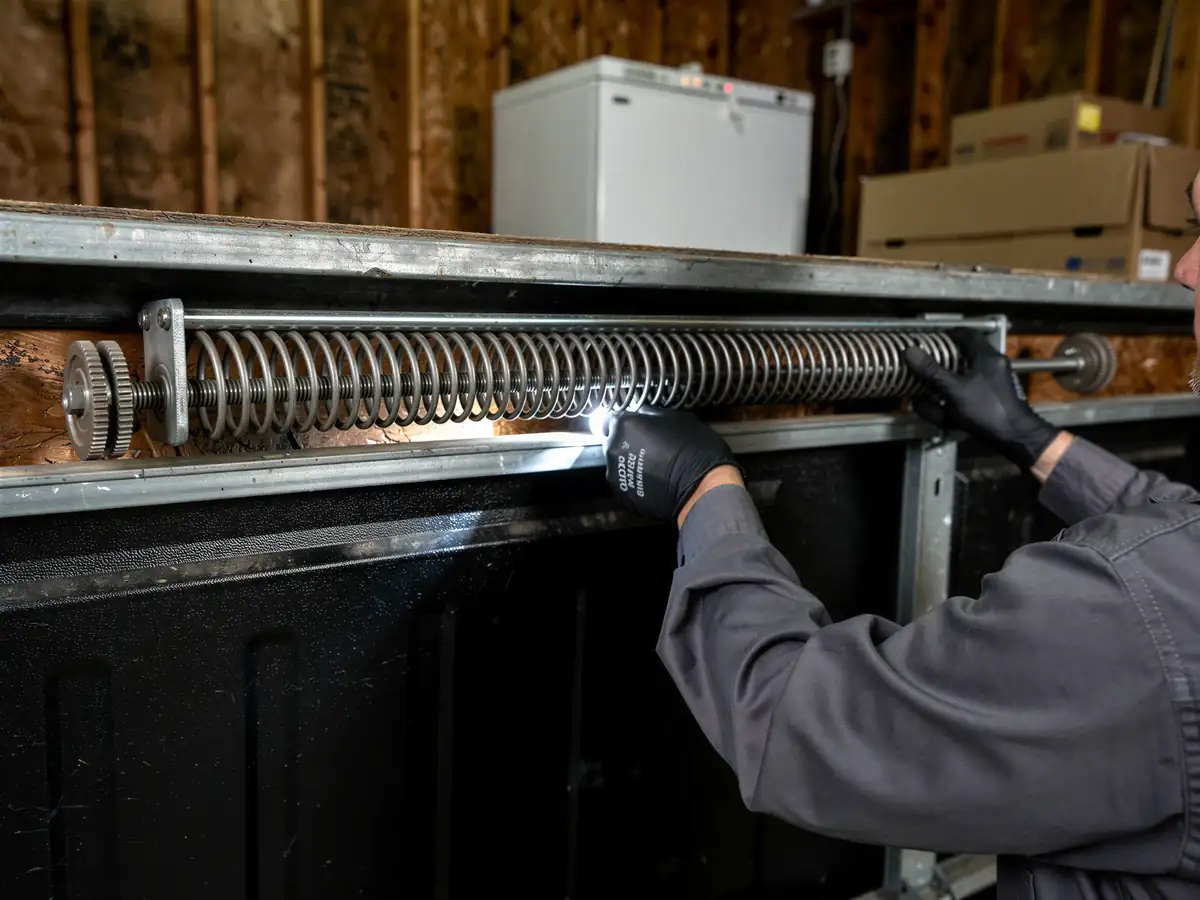
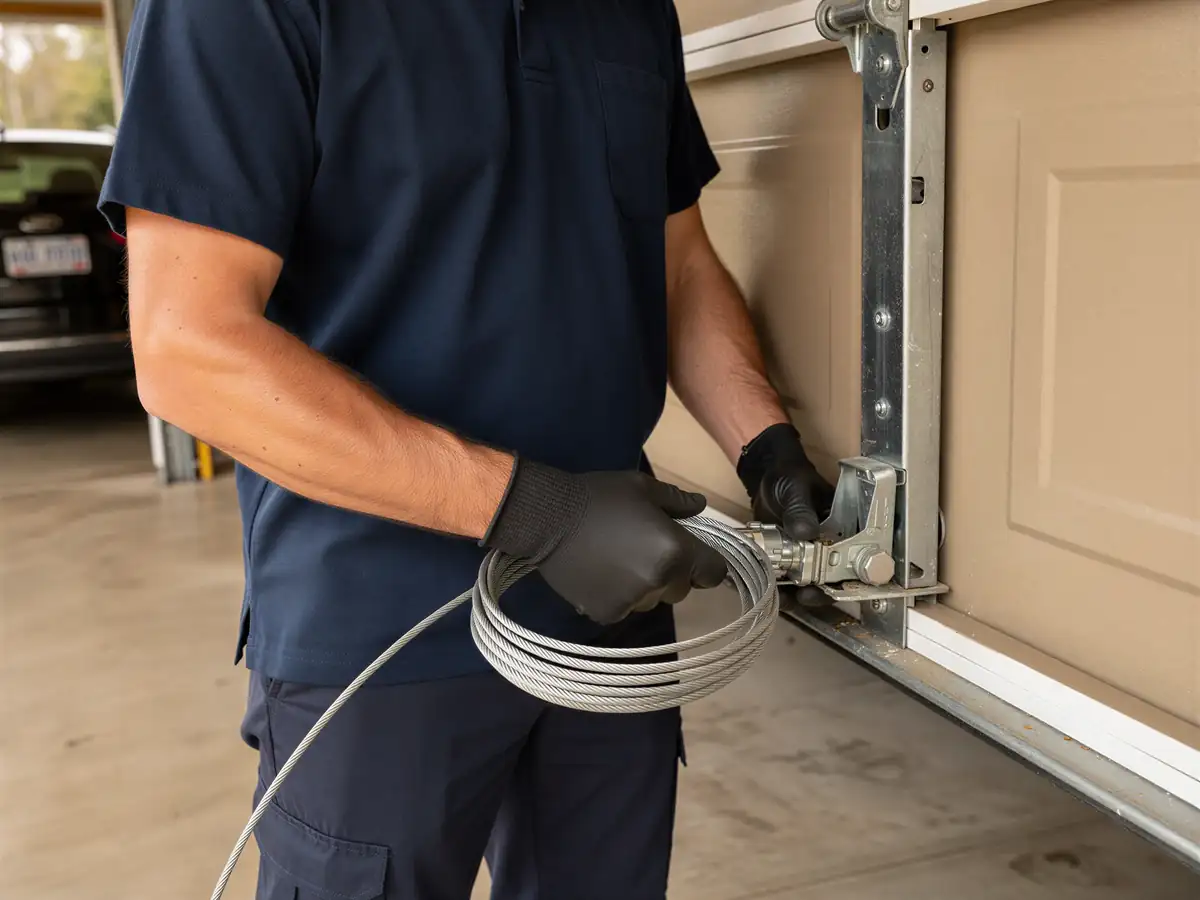
Some of it, yes. Swapping worn weatherstripping, tightening loose hinge bolts, lubricating rollers and hinges - all reasonable weekend work on a door from the 1970s building stock common here. A torsion spring is not on that list. The spring is wound under enough tension to break a bone or worse if the winding bar slips, and on homes this age the spring is often original equipment that's been quietly losing tension for decades, which makes it more unpredictable, not less. Cable work carries the same risk. If your opener is just making noise but still opens and closes the door, that's safe to live with until a scheduled visit. If the door is off its track or a cable has come loose, leave the door down, unplug the opener, and call - don't try to force it back into place yourself.
The Complications
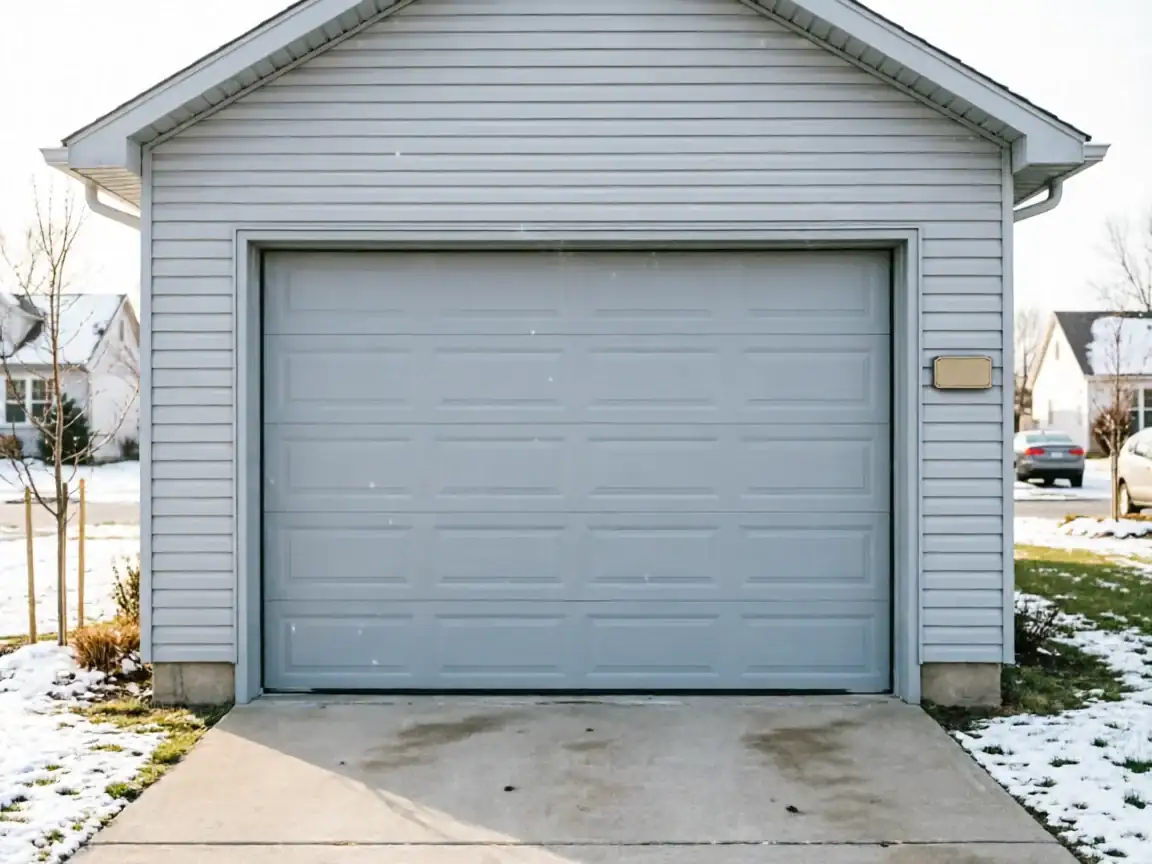
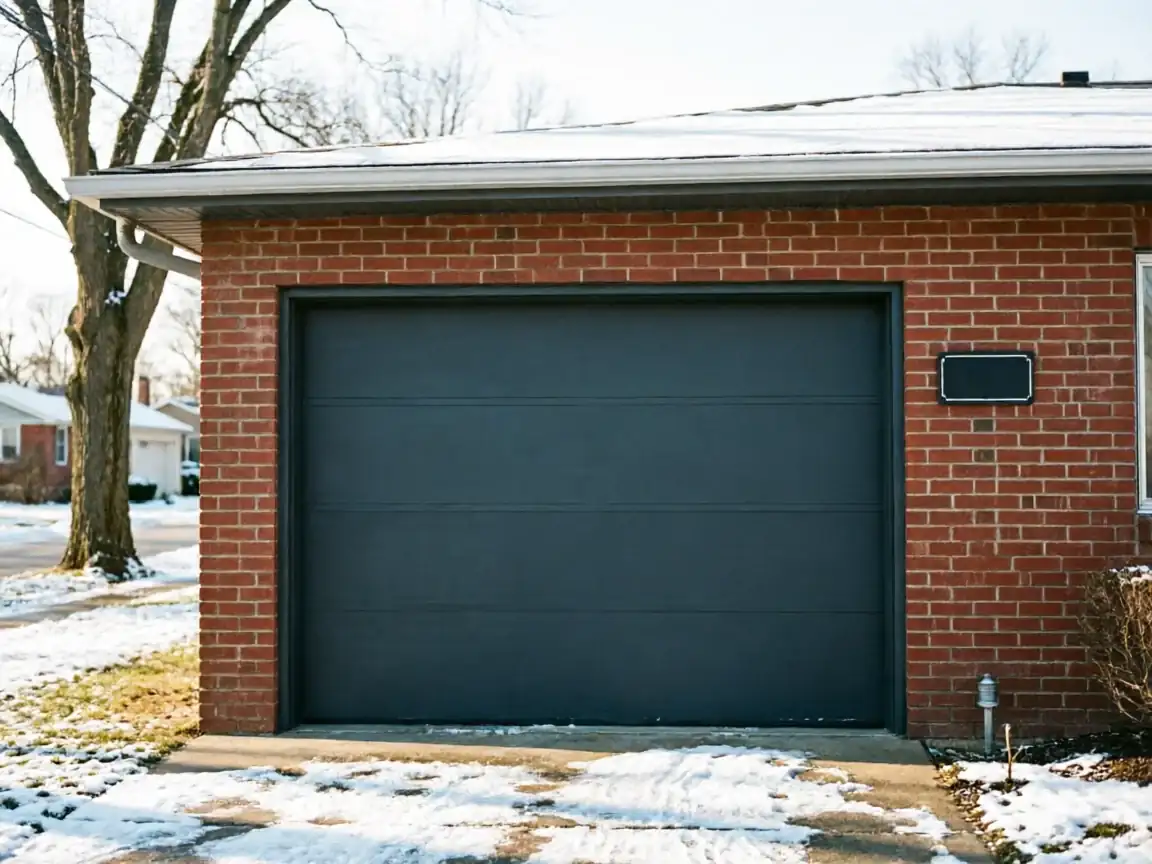
This region sits in a severe cold climate band, and that doesn't spare Huber Heights. Steel contracts in deep cold, and a torsion spring that's already fatigued from forty-plus years of cycling is exactly the kind of part that lets go on the coldest morning of the year, usually right when you're trying to leave for work. Galvanized cable and hardware from the 1970s building wave holds up reasonably well, but original wood jambs around the door opening have often softened at the base after decades of snowmelt runoff, and that's a repair that goes beyond the door itself. We're straightforward about that one: if the jamb's gone soft, a new garage door won't fix it, and we'll say so instead of hanging a door on wood that won't hold the hardware.