Time on the Job
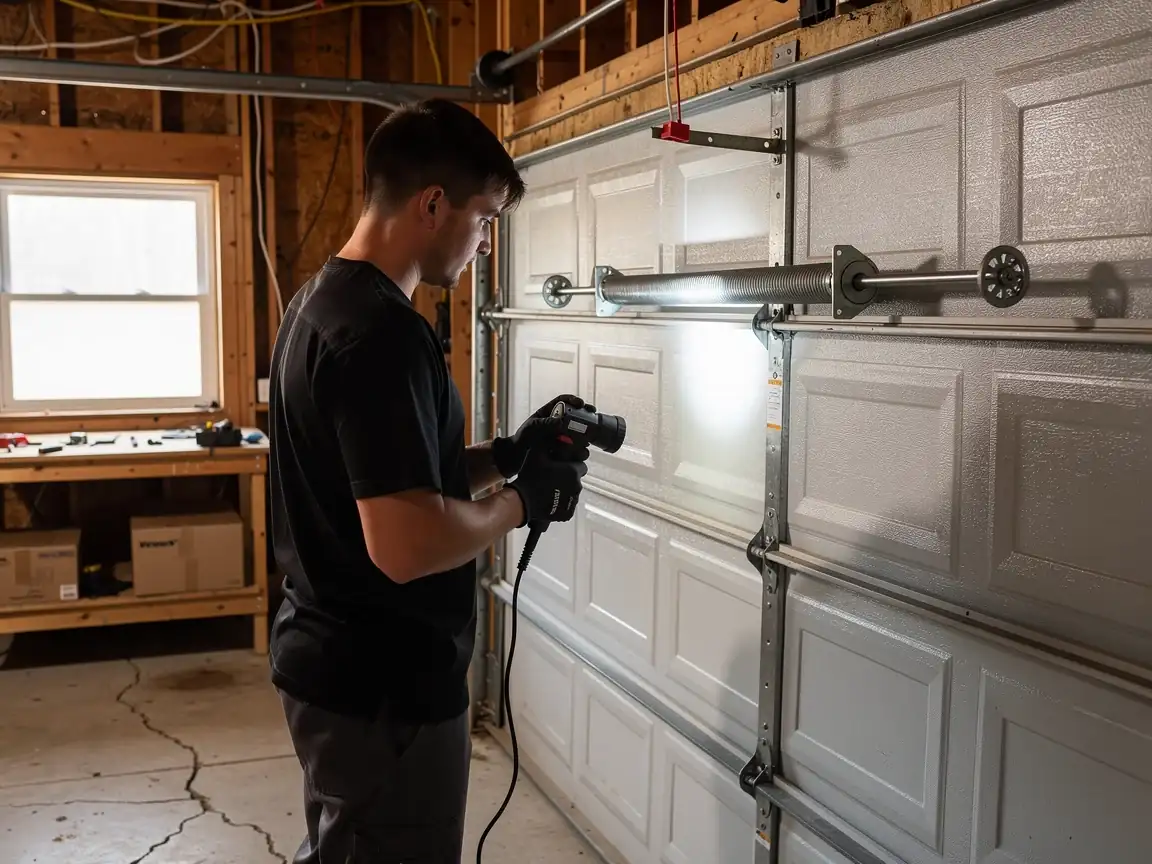
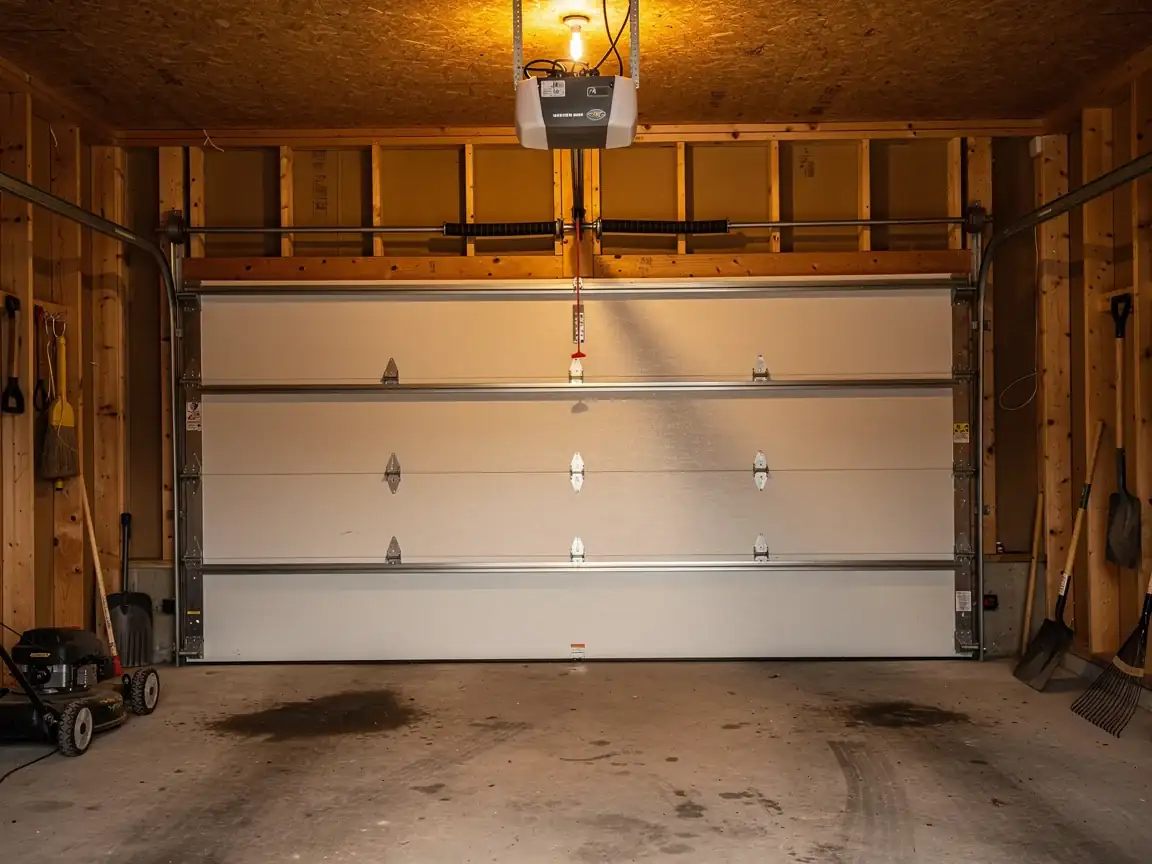
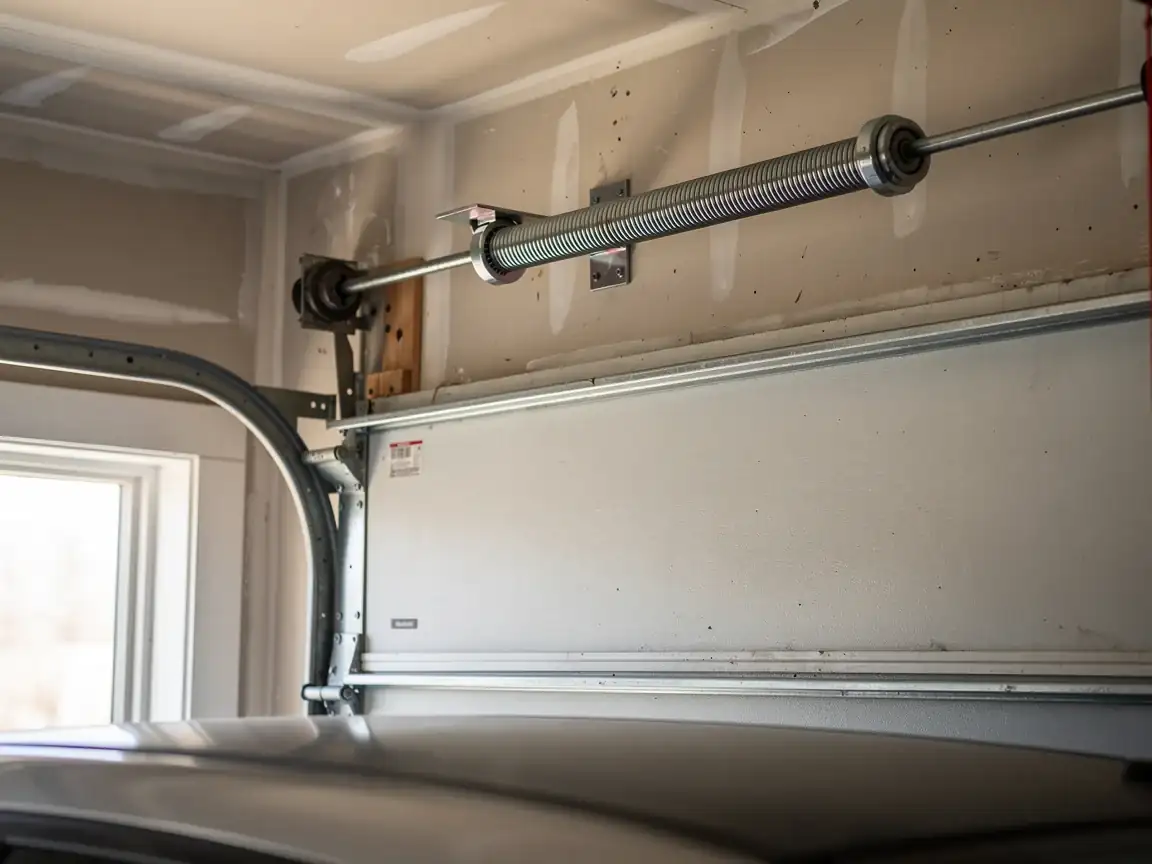
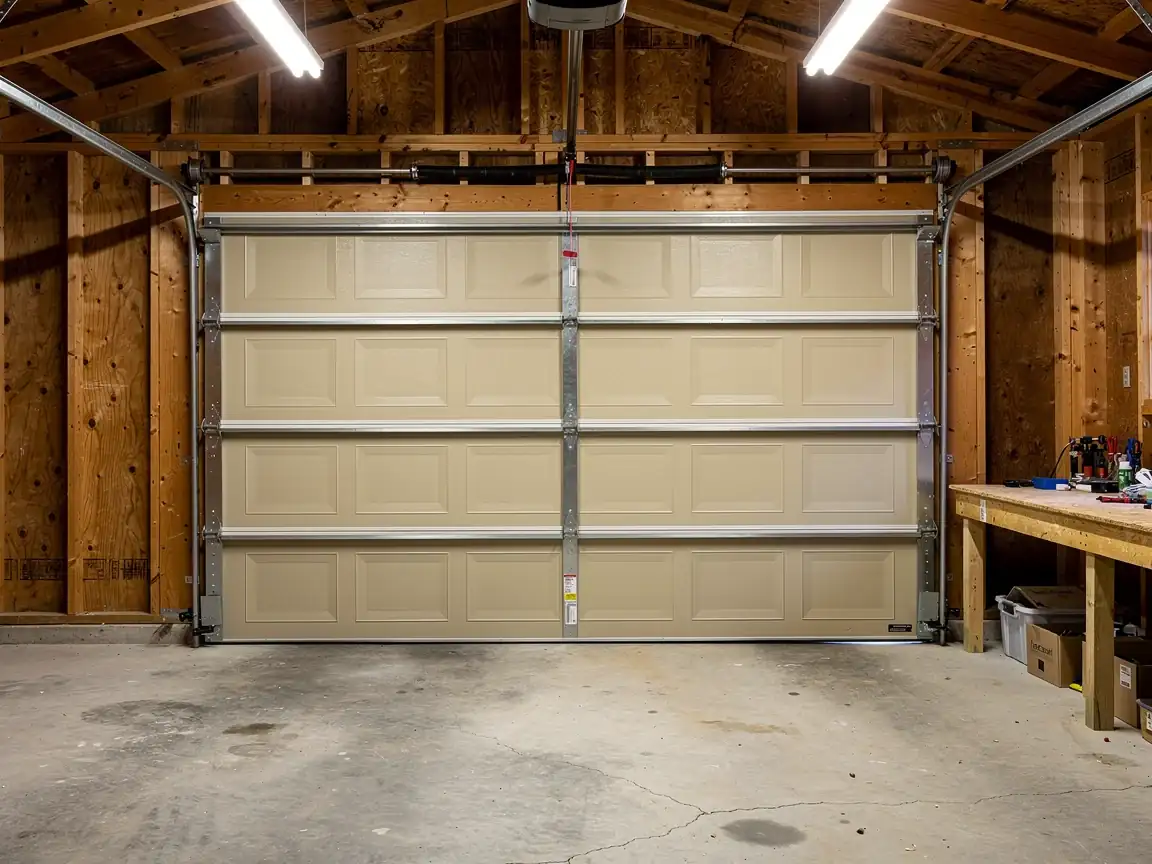
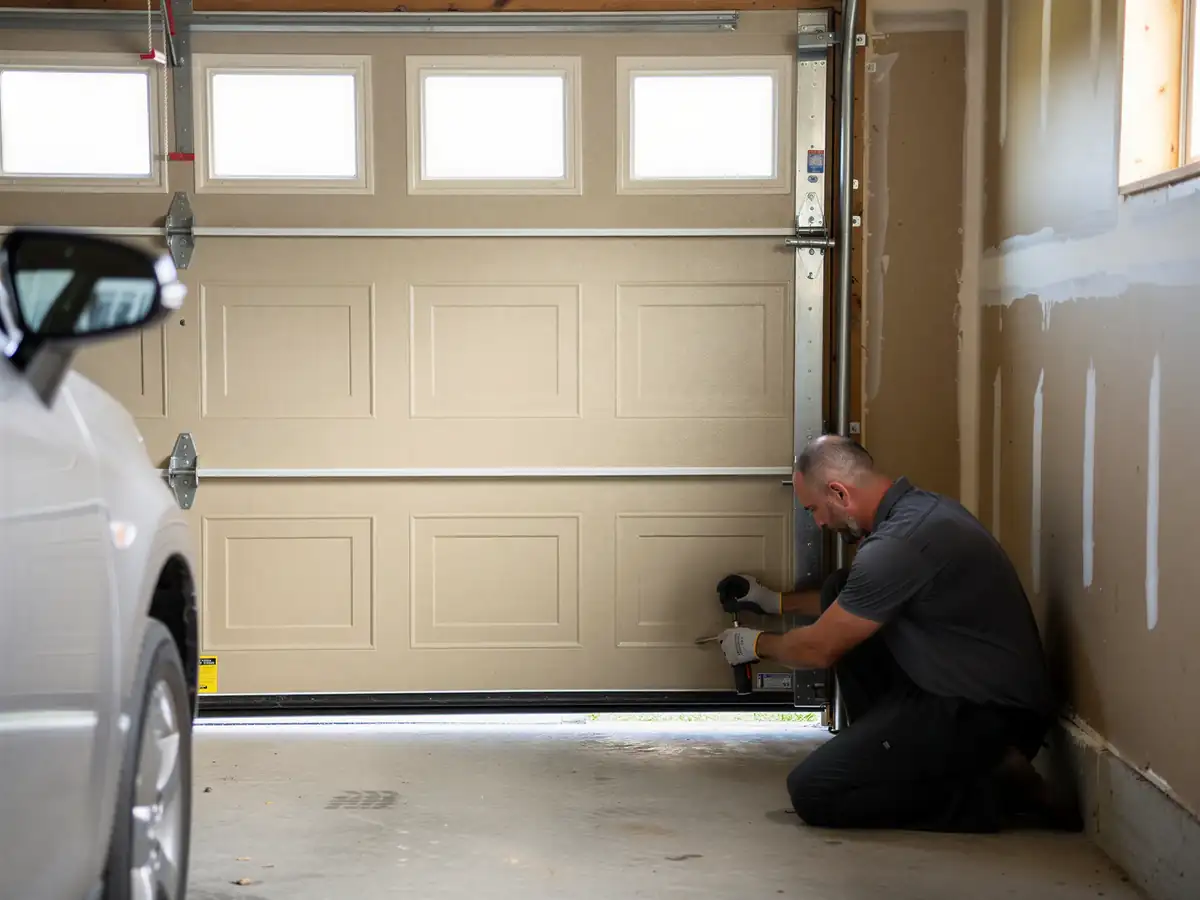
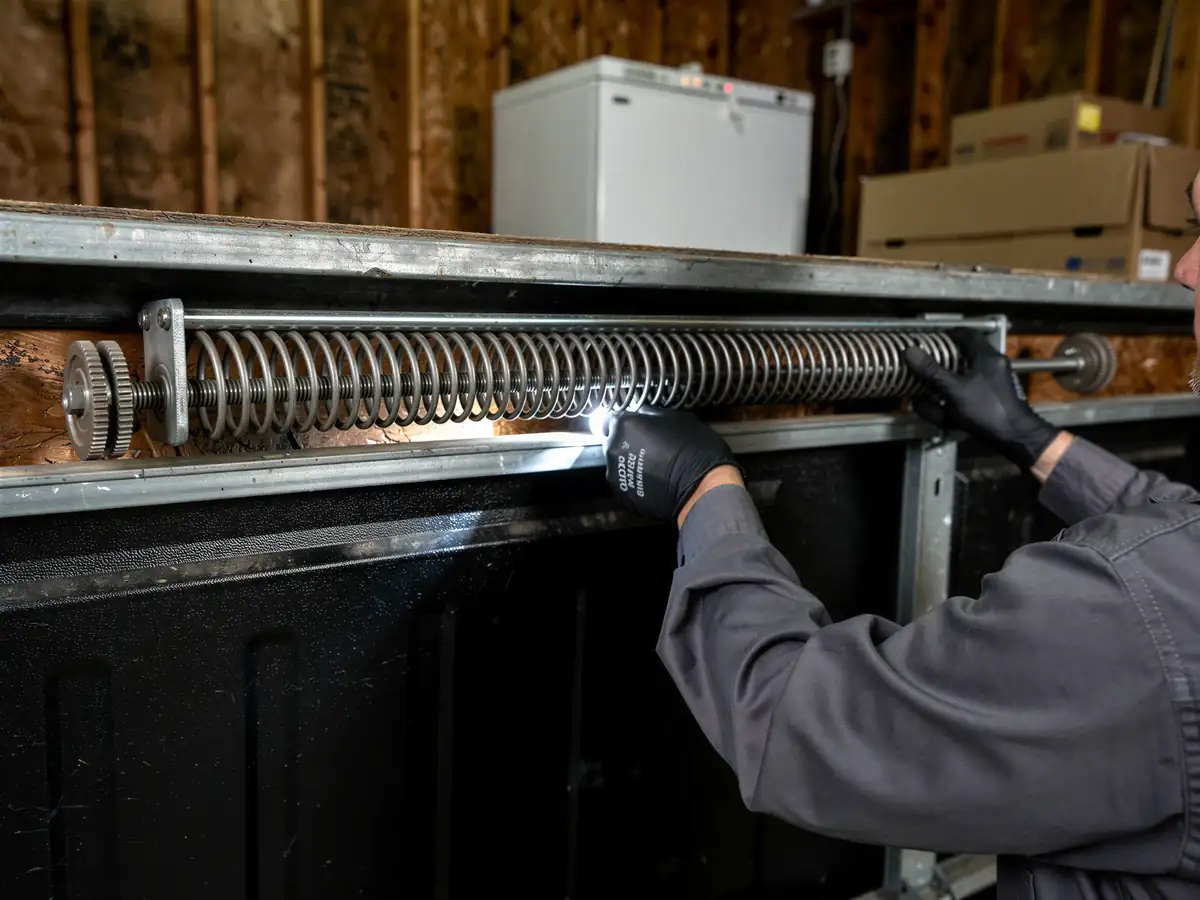
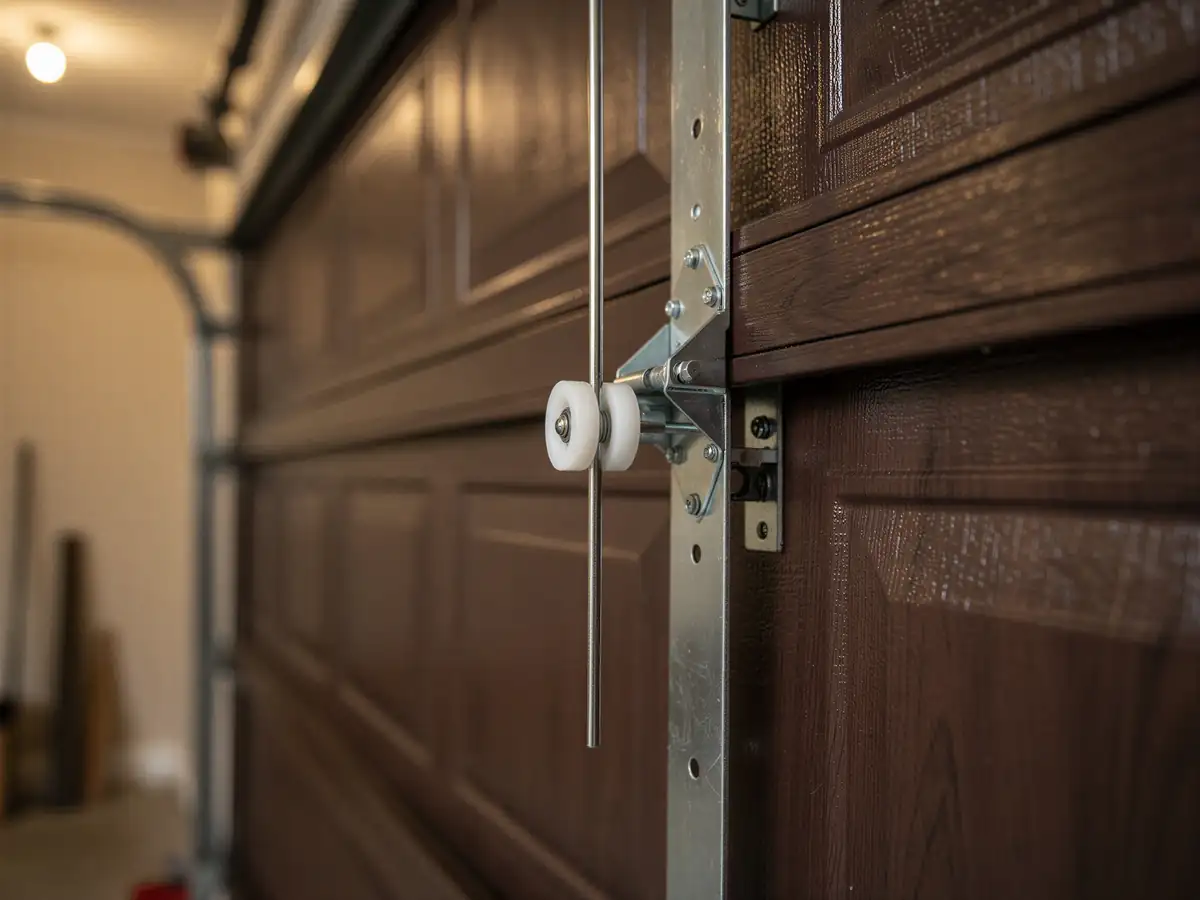
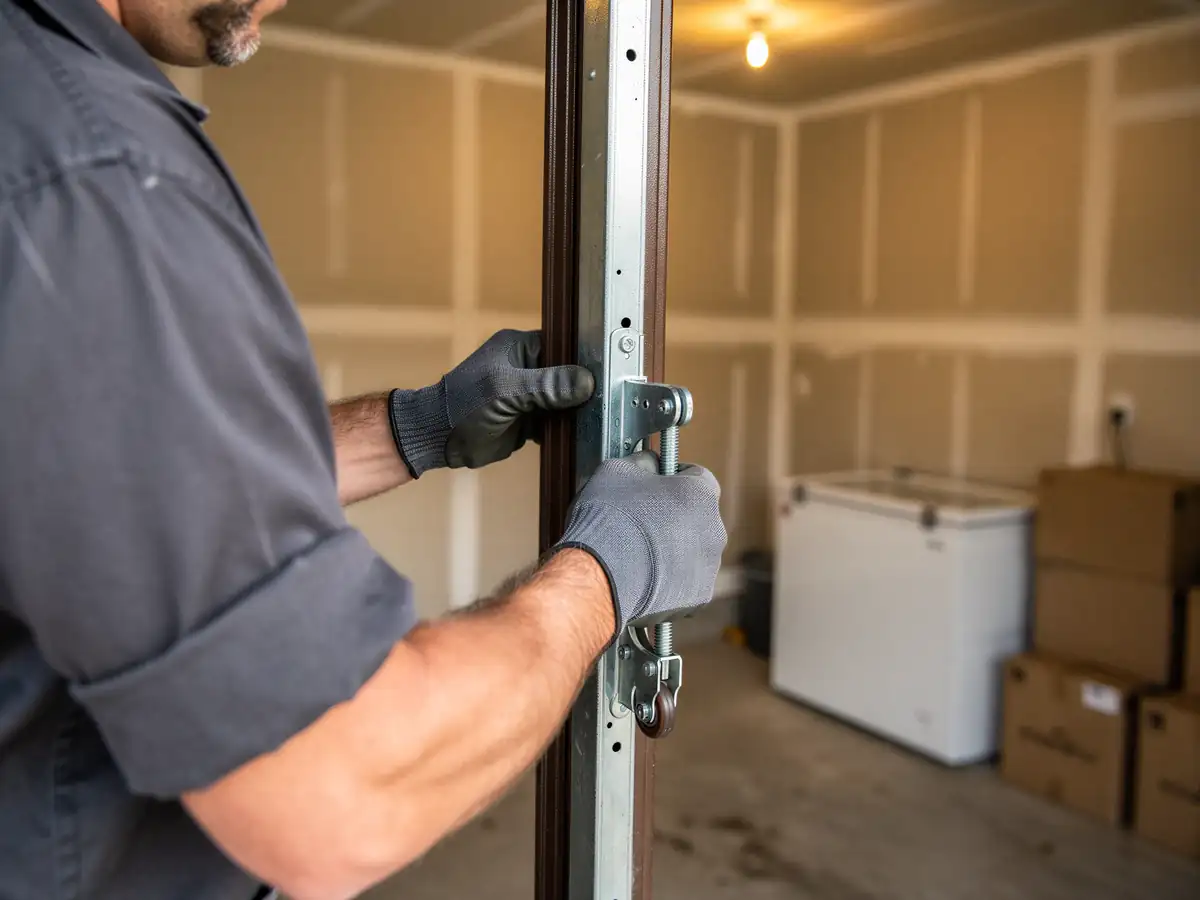
Off-track jobs vary more than people expect, mostly because of what's hiding behind the symptom. Sometimes a single roller has worn down and popped free, and setting it back on the rail is quick work once the door is secured. Other times the track itself has pulled away from the frame - bent bracket, loose lag screws, a section knocked out of alignment - and that means pulling the track, checking it for straightness, and reattaching it properly before the door goes back on. We won't quote a time over the phone before we've looked at the hardware, because guessing wrong either wastes your afternoon or rushes a job that needs doing right. What we can tell you is that a door built with 1970s-era steel panels and extension springs, which describes a lot of what's on the ground in Huber Heights, tends to need the full track check rather than a quick roller swap.
Can You Do This Yourself
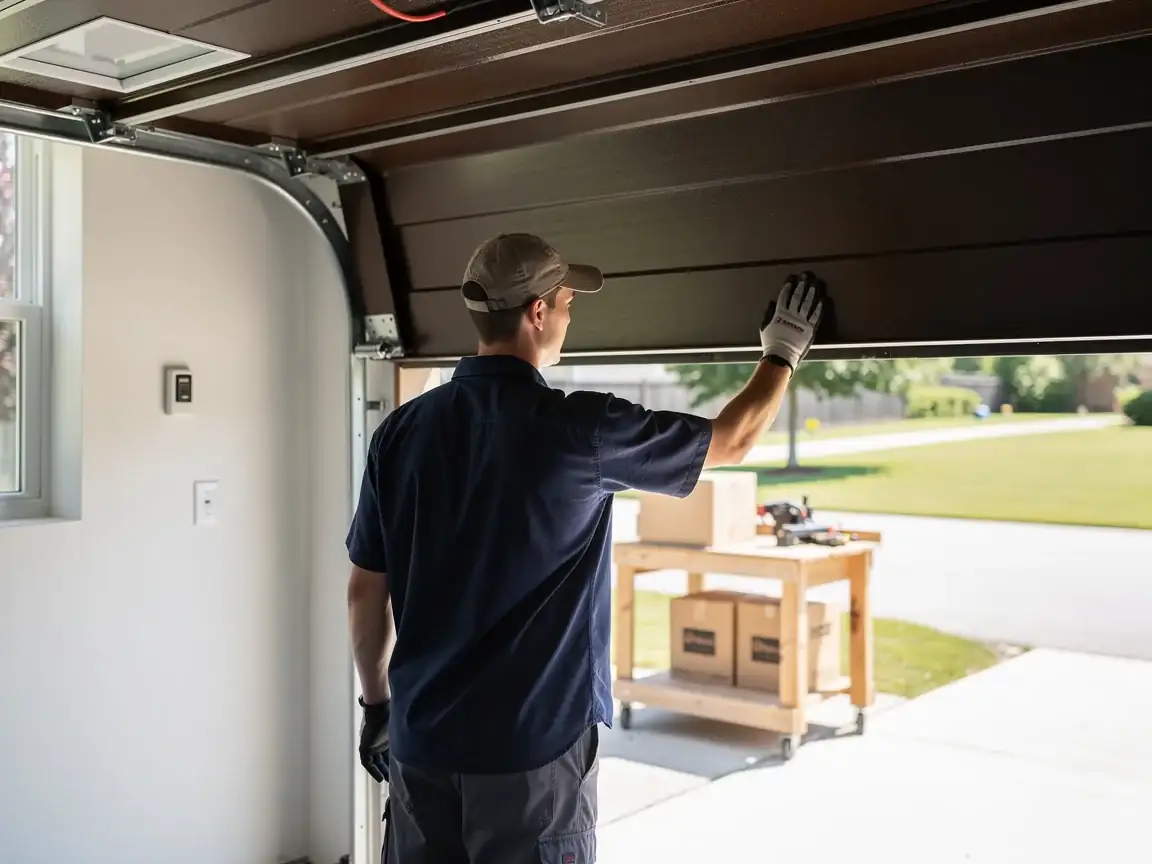
A door off its track is not a pry-it-back-on job, and we'll say that plainly. The spring is still under tension even when the door won't move, and forcing a panel back onto a bent track can snap a cable or drop the door on someone's hand. If the door is only hanging slightly crooked and the opener is disconnected, you can sometimes close the garage manually and leave it alone until a tech gets there - that's the safest DIY step, not a repair. Past that, trying to re-seat rollers or straighten a track yourself usually turns one call into two: the original problem, plus whatever got bent or cracked trying to fix it. We'd rather you leave the tension and the rail work to someone who does it daily.
The Complications
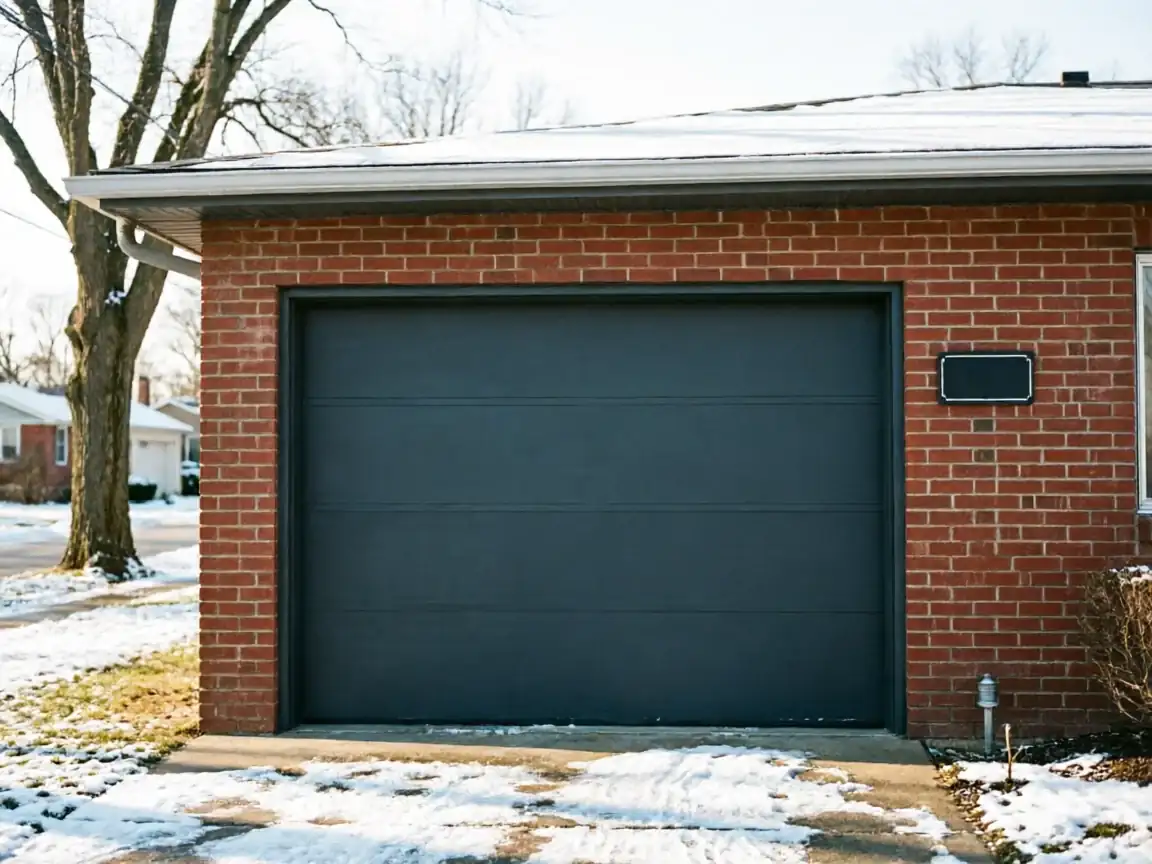
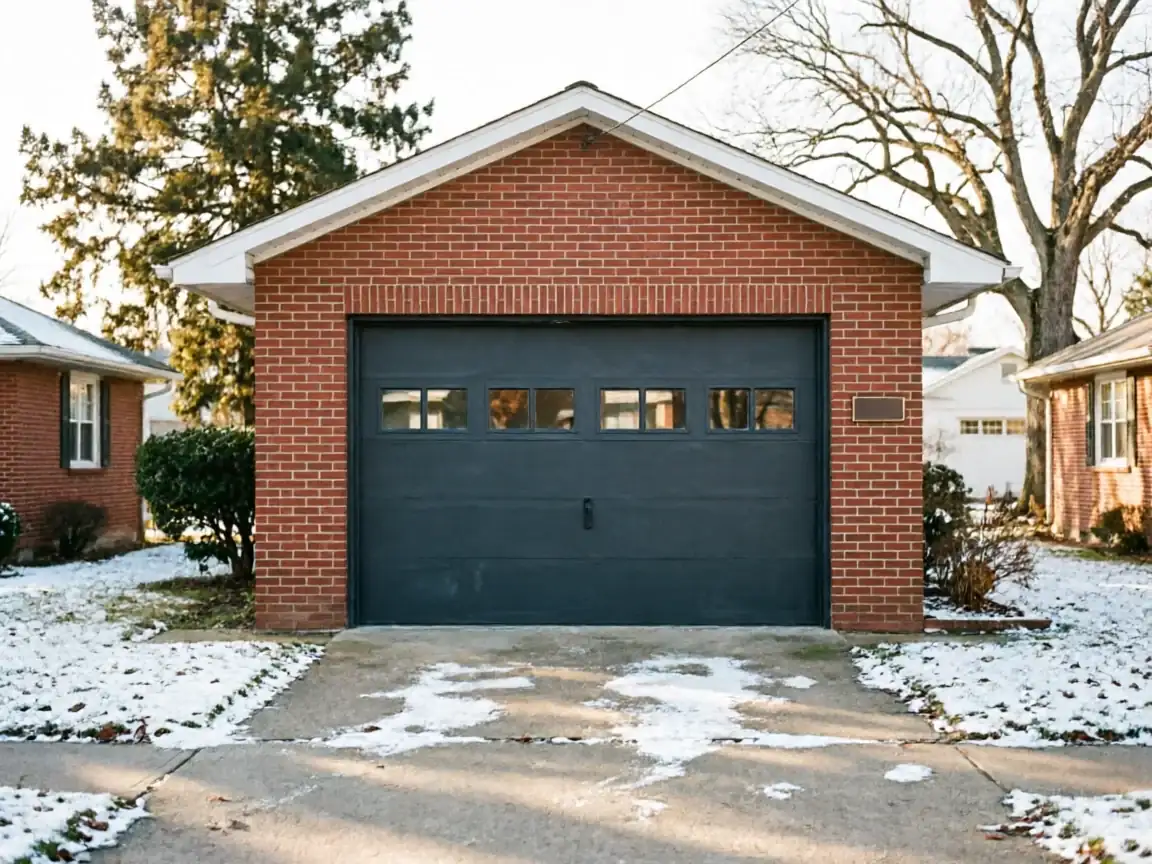
This area sits in a cold climate zone with real winter severity, and that matters for off-track calls specifically. Ice and packed snow inside the track groove is a common reason a door jumps its rail in January that has nothing to do with worn rollers - the door tries to close, hits resistance it shouldn't, and pulls itself sideways. On a house from the mid-1970s, which is the typical build year around Huber Heights, that ice problem often meets an older track bracket that's already a little loose from decades of use, and the combination is worse than either one alone. We check both when we're out: clear the track, confirm the hardware is still anchored tight, and make sure the fix holds past the next cold snap instead of just the next close.