Time on the Job
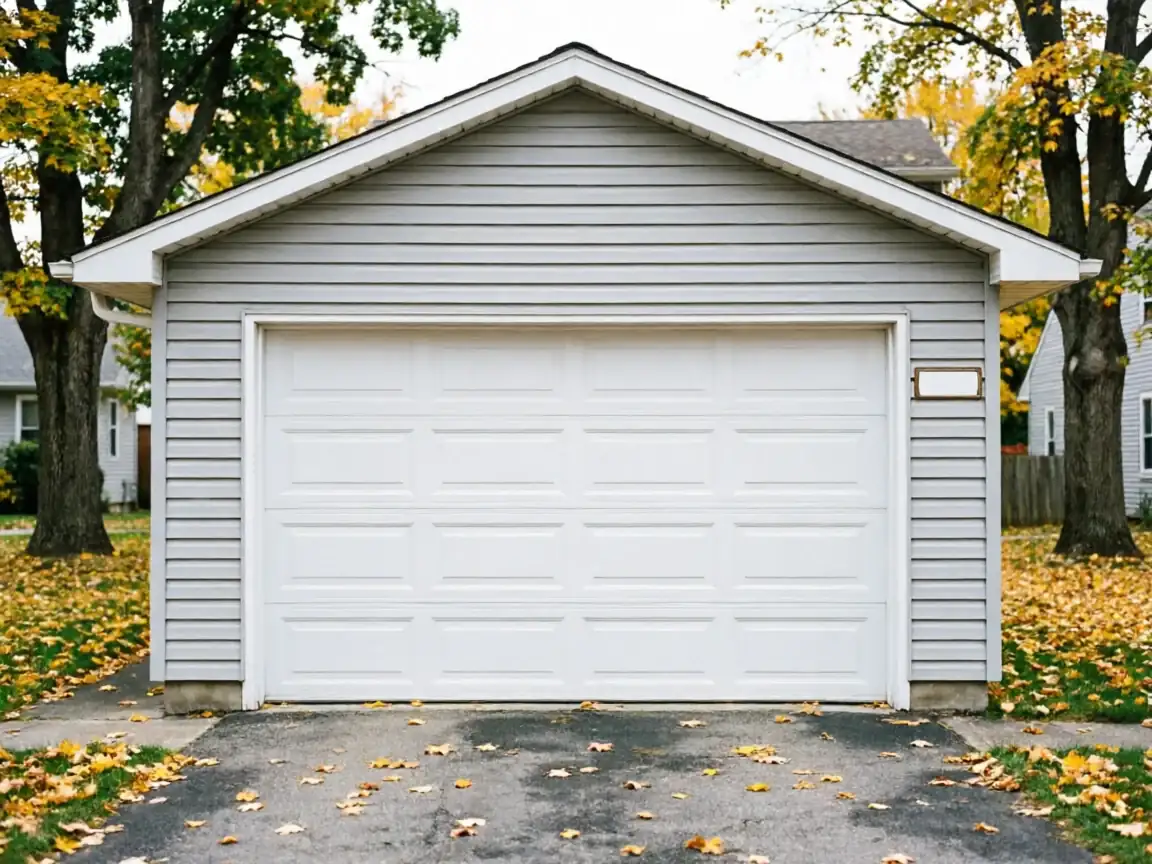
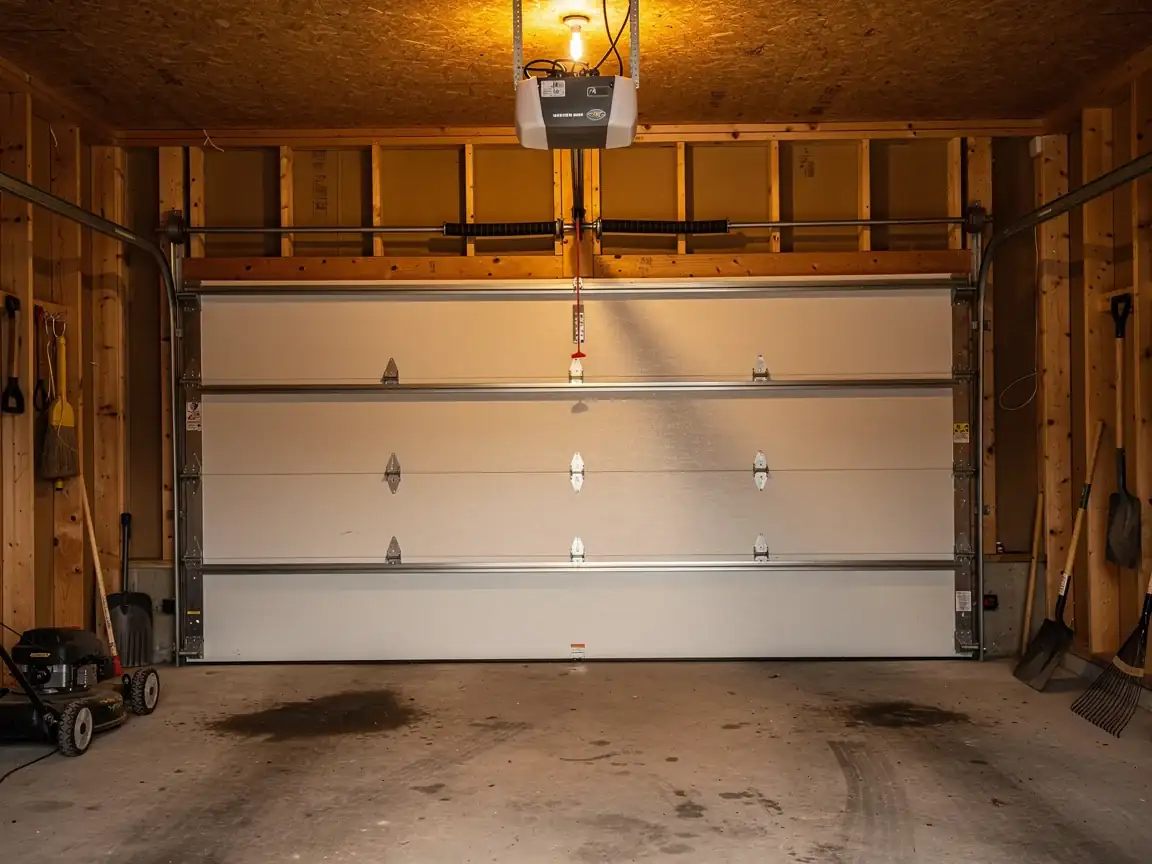
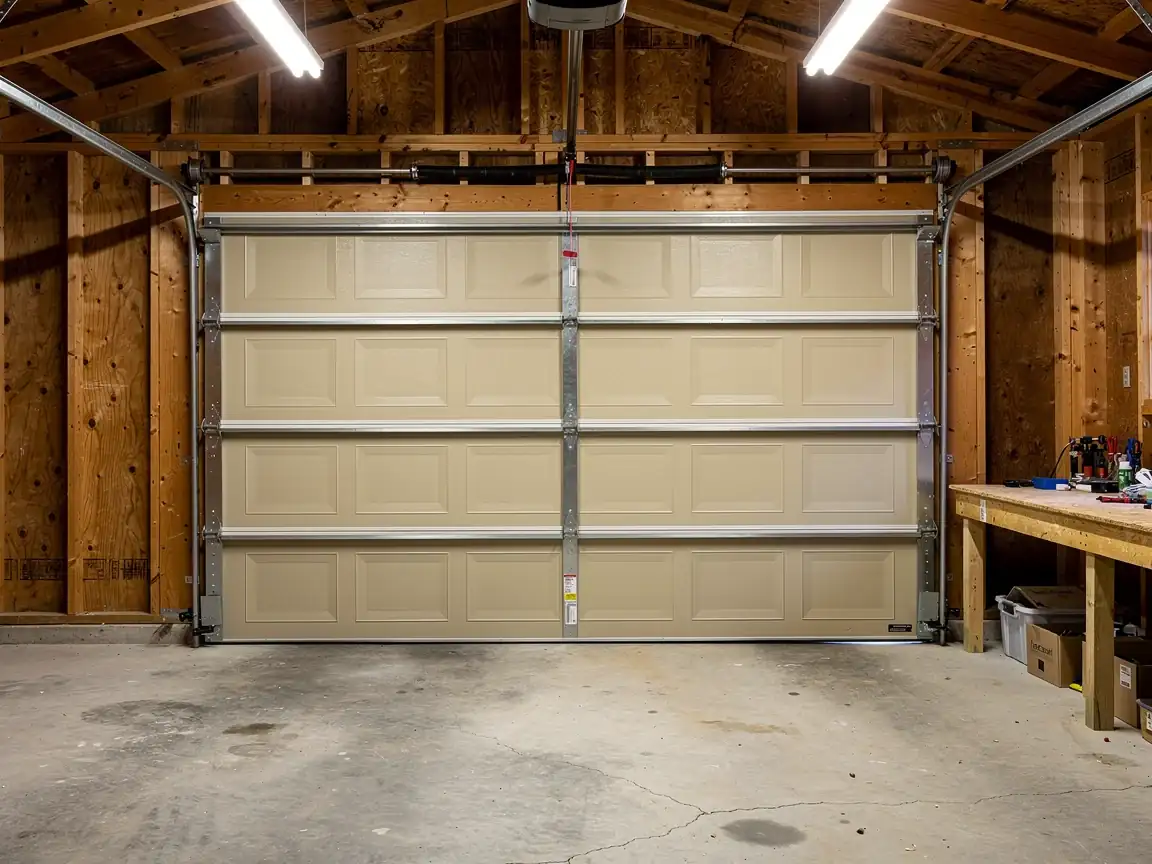
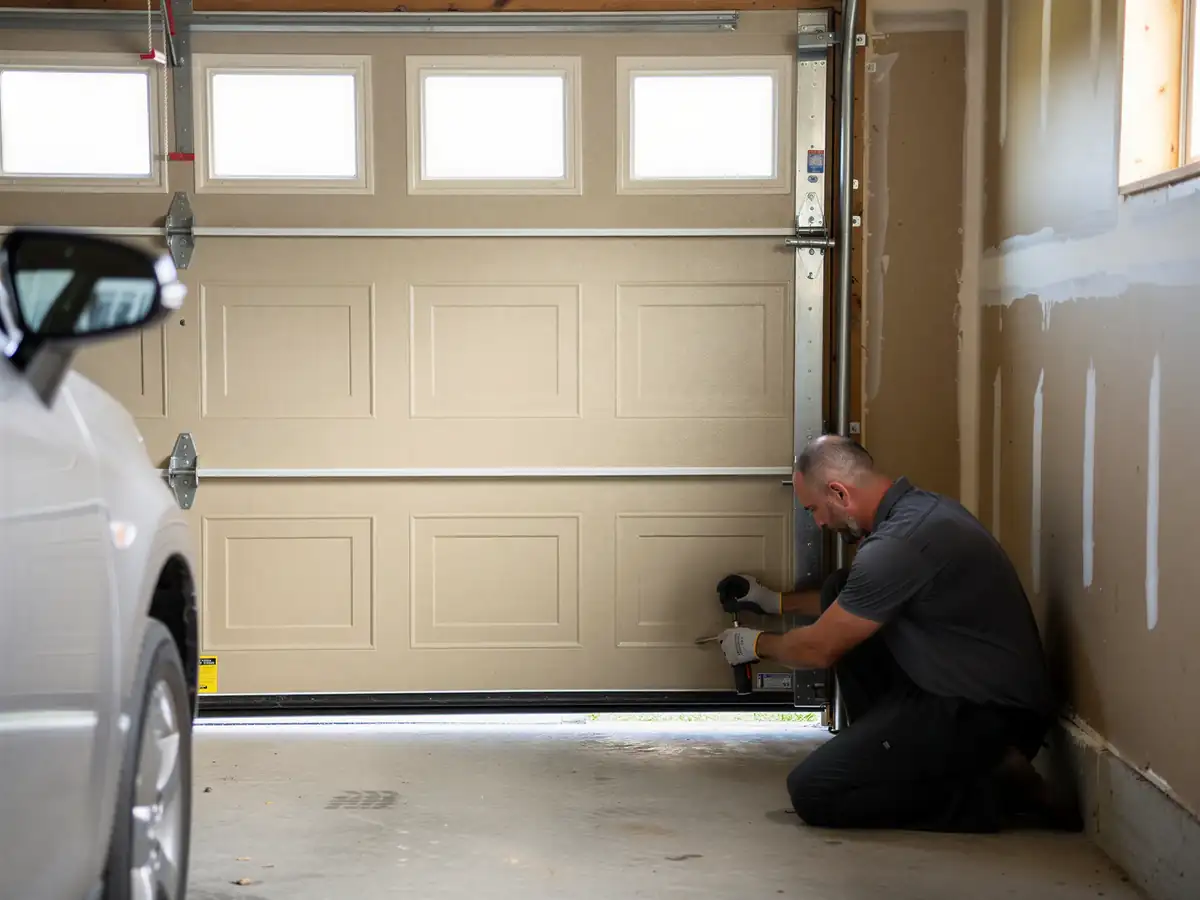
Houses here cluster around a 1975 build year, a few years newer than the 1971 median across the rest of the service area, which means more of the original spring and track hardware is the mid-70s short-stem style rather than the older side-mount kind. A straightforward spring swap on that hardware usually runs under two hours once we're on site. Where it slows down is when the opener's been swapped at some point but the track and rollers weren't - mismatched generations of parts on the same door, which is common in houses this age that have had one or two owners since. If a part isn't something we carry on the truck for that specific setup, we'll say so rather than stall the job pretending otherwise. That's the one honest limit worth naming: a same-day fix depends on what's actually broken, not just on how fast we can get there.
Can You Do This Yourself
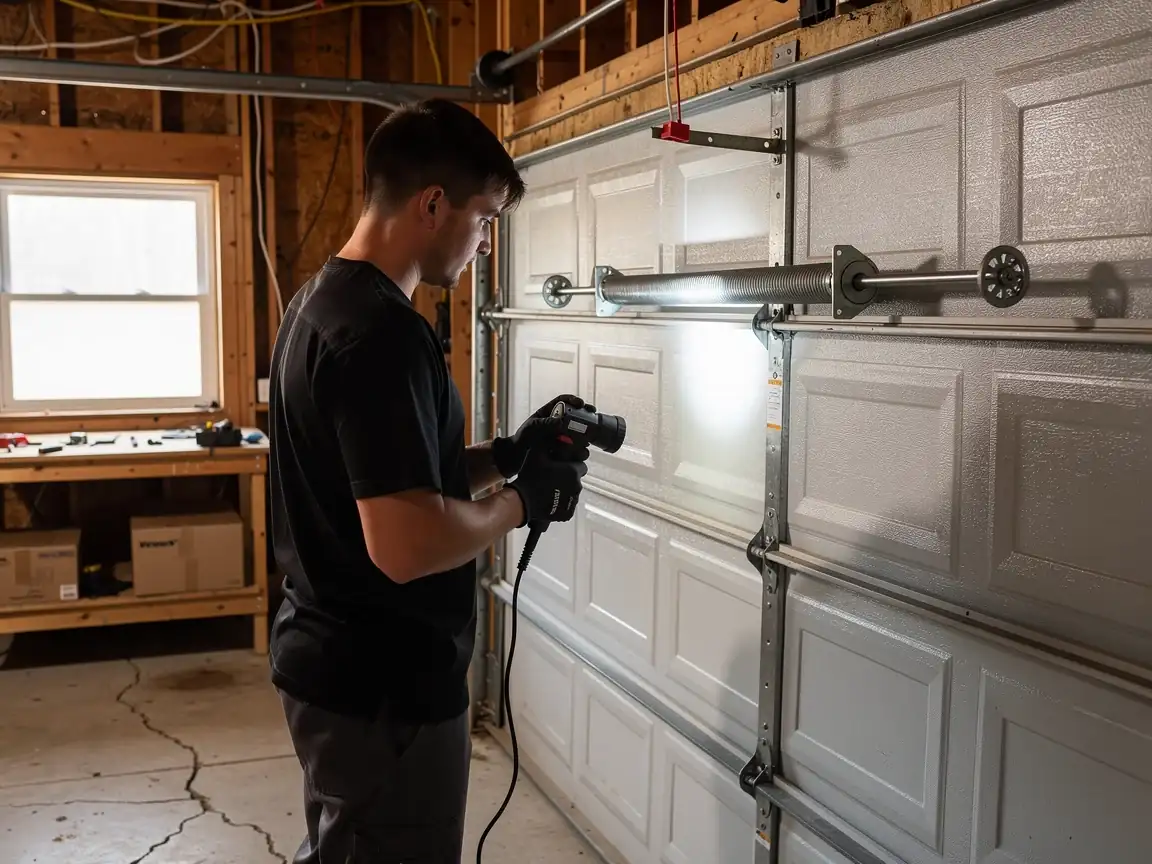
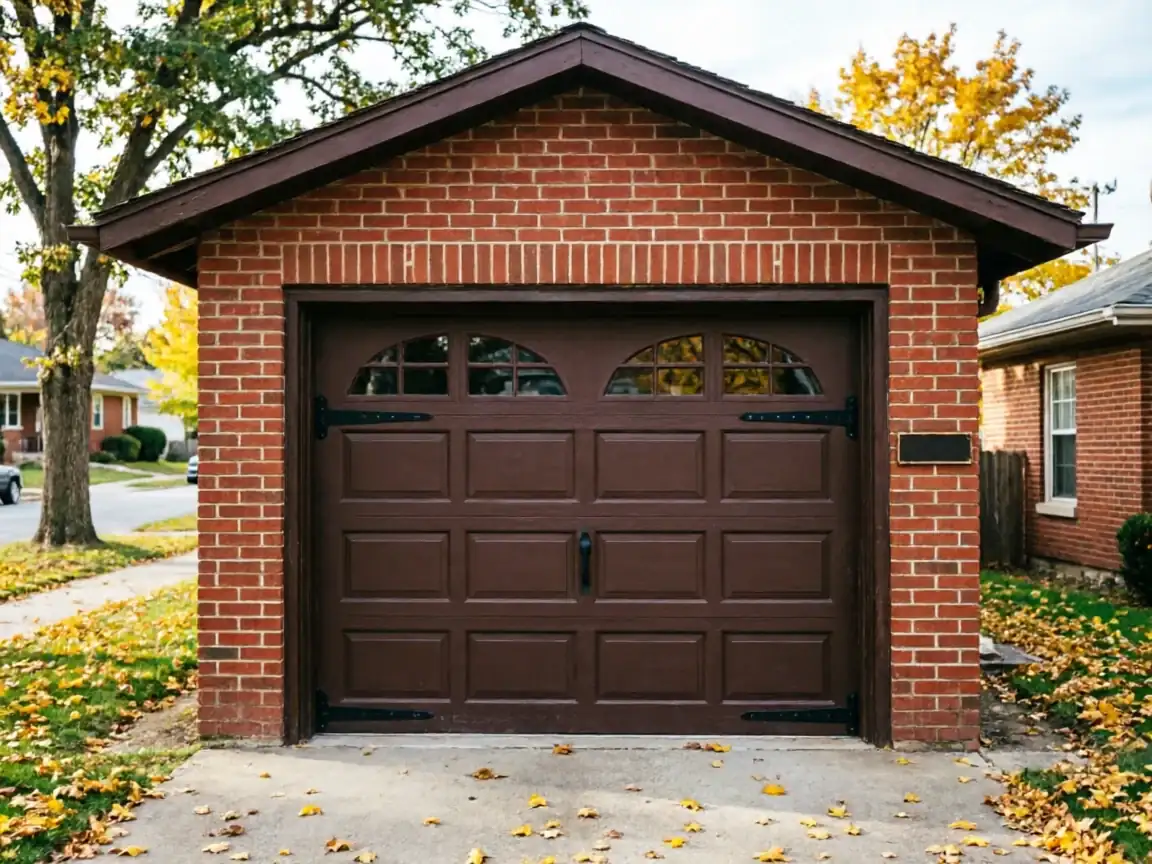
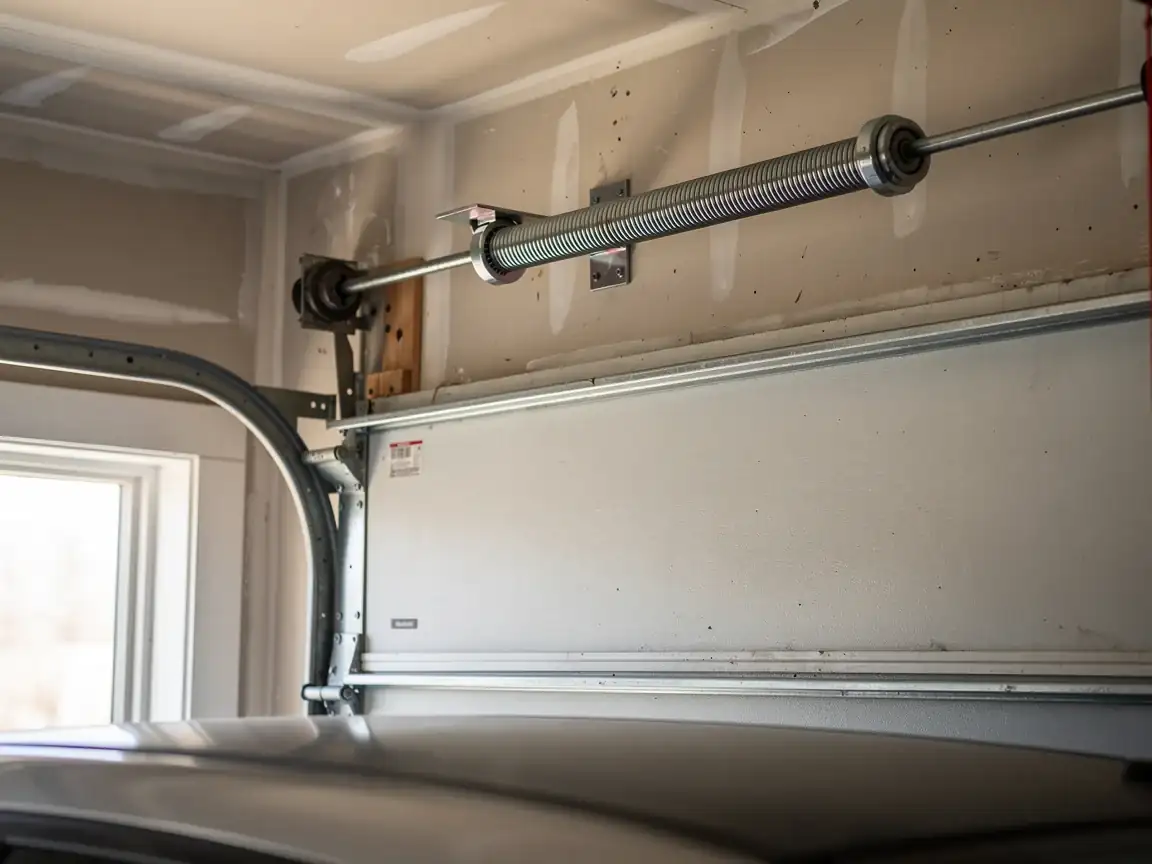
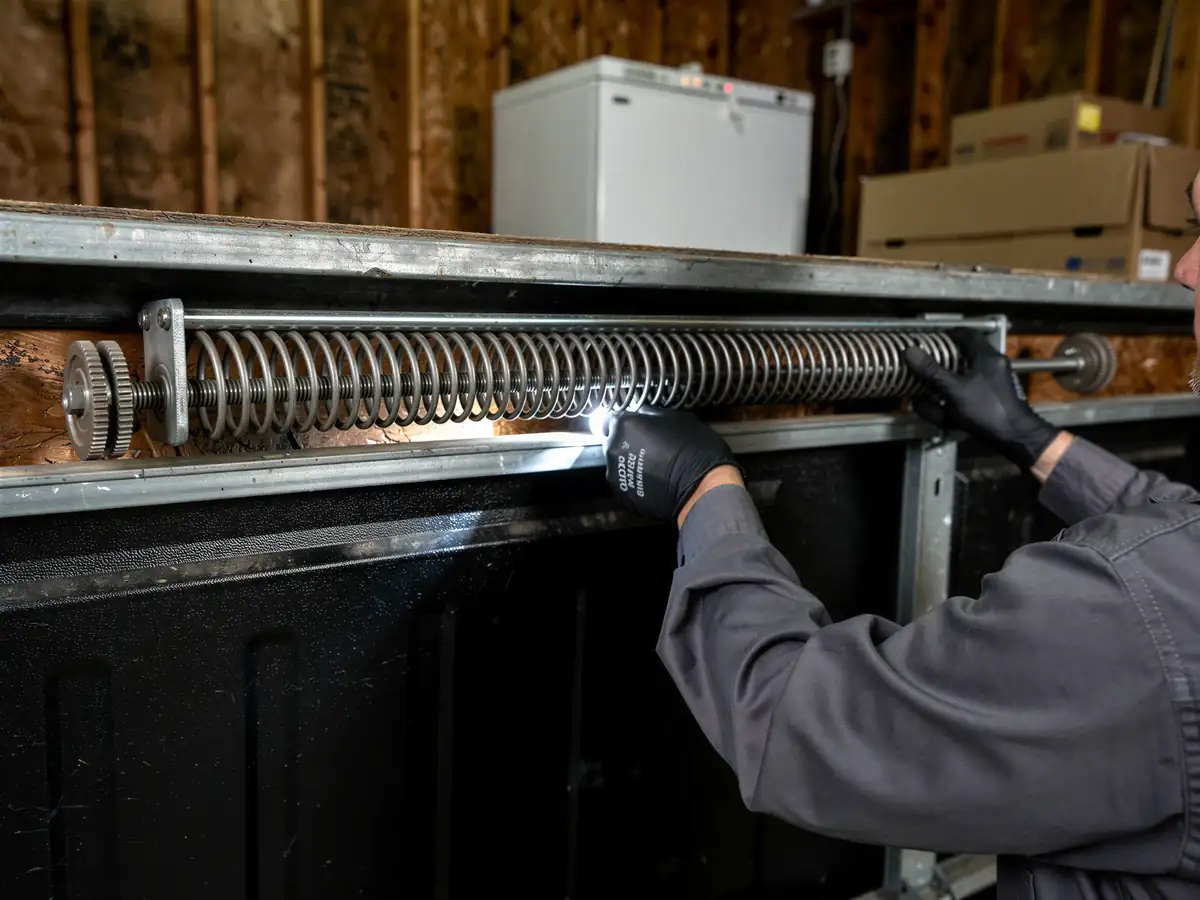
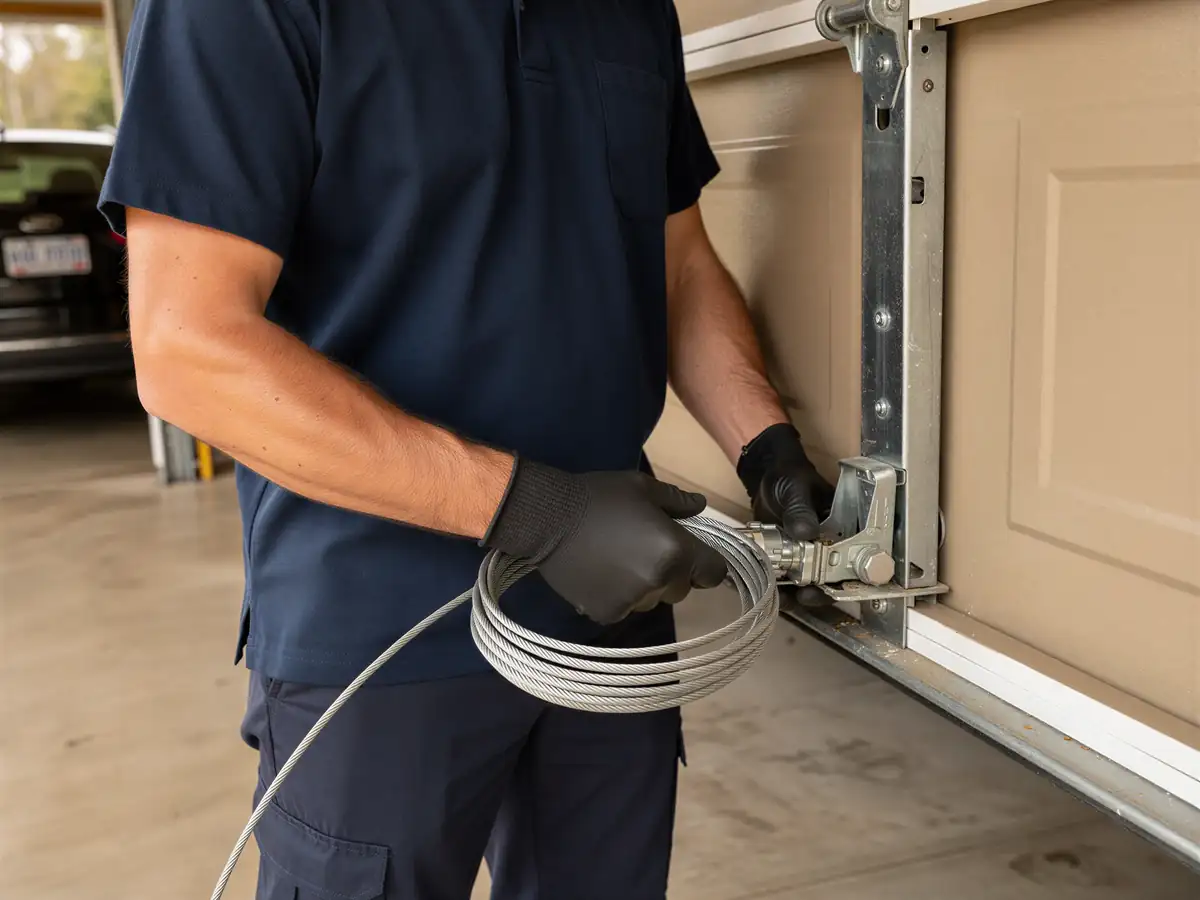
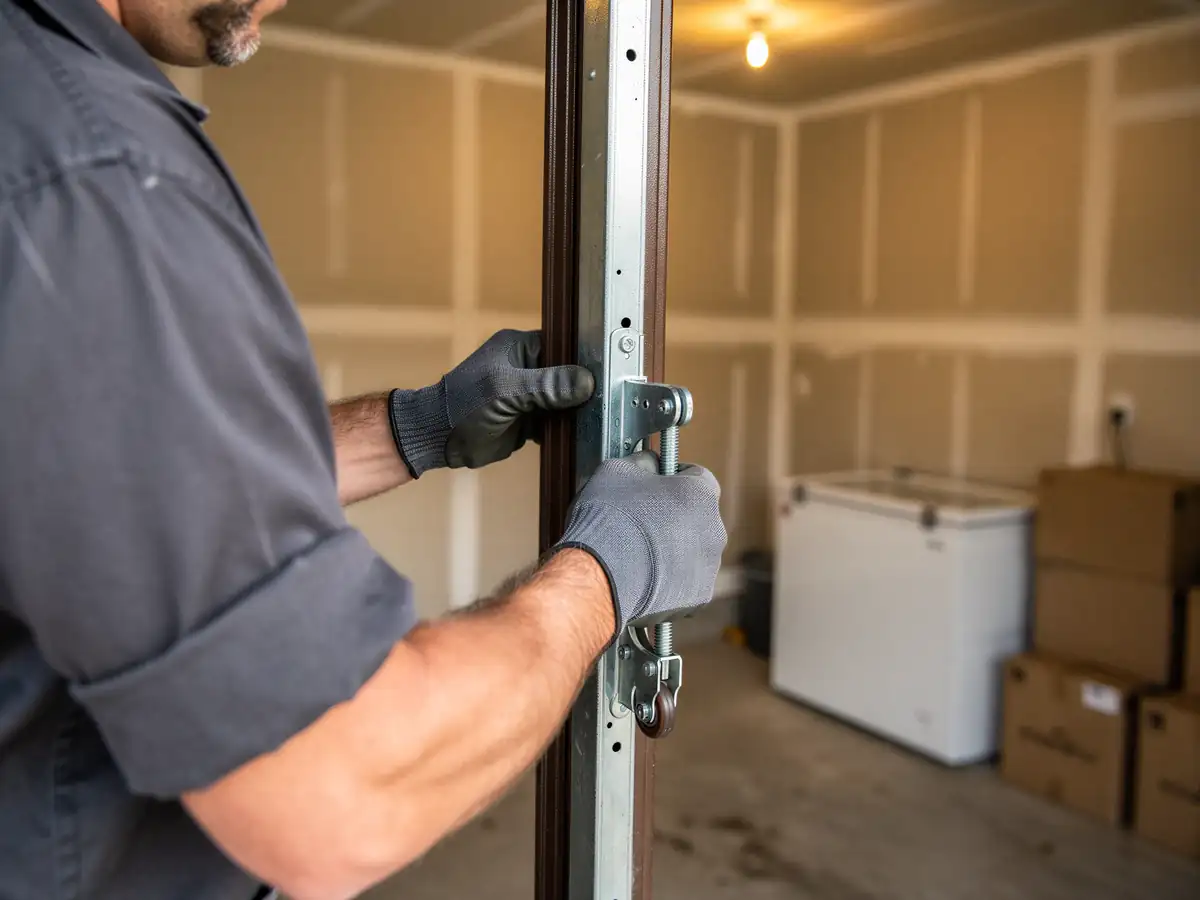
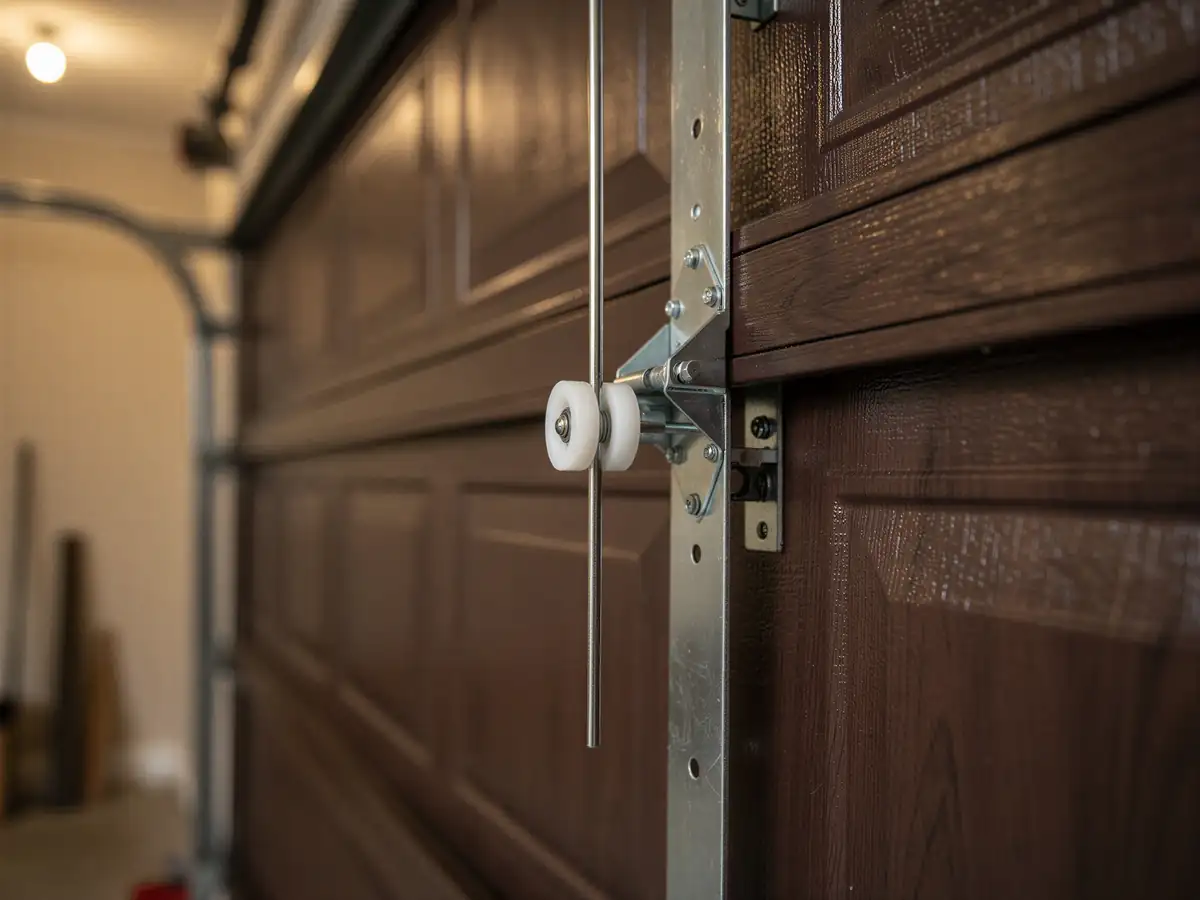
A torsion spring under tension can break a hand or worse, and that doesn't change by zip code - but what does change here is which hardware you're dealing with. Doors from the 1975 build wave in this town often run the shorter-stem torsion springs that were standard for that era, and the winding bars and cone sizes for those don't always match what's sold off the shelf today. Swapping a roller or tightening loose hinges is reasonable DIY work on any door of this age. Springs, cables, and anything involving the torsion bar over the opening are not - the geometry on a 1970s door isn't forgiving if you get the wind count wrong. If the door is sagging on one side or the cable's frayed, that's a call, not a weekend project.
The Complications
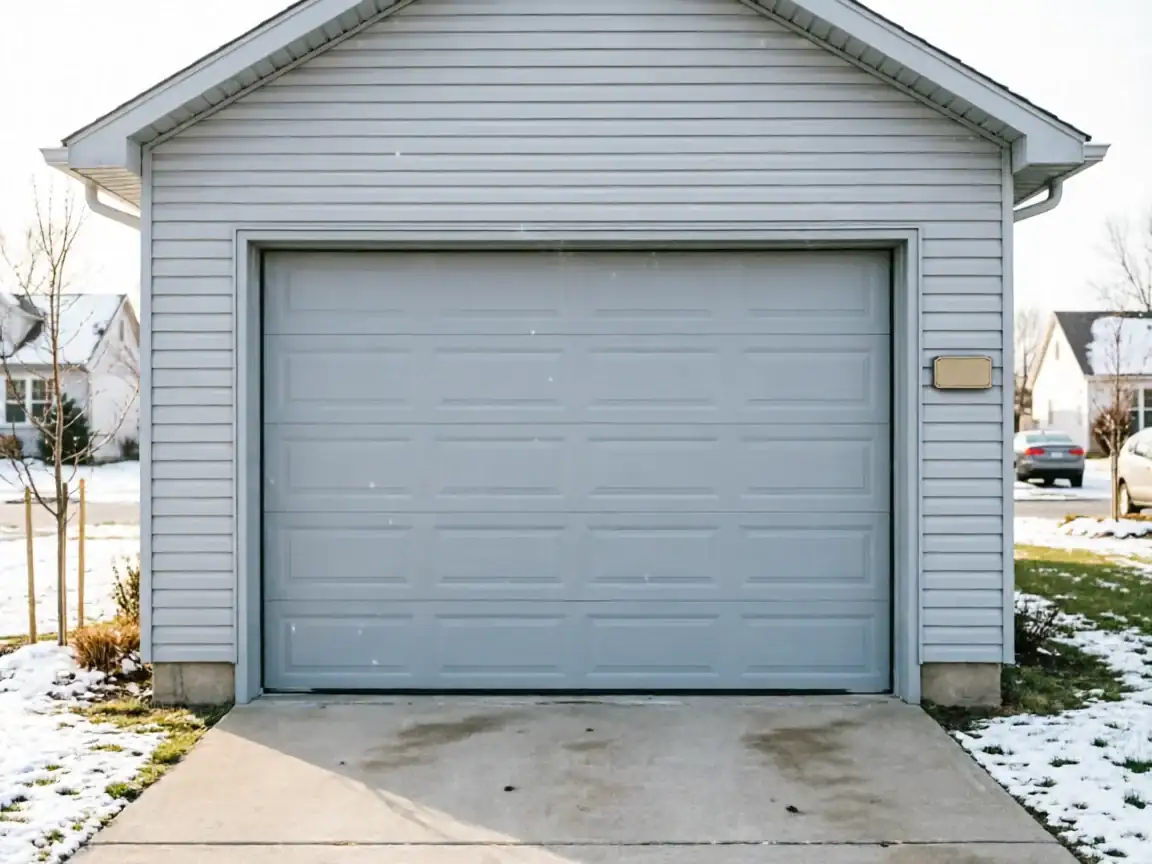
With 17,567 households in Huber Heights, this is one of the denser pockets along the Beavercreek service radius, and it shows in how many calls come in clustered after a cold snap hits the same subdivisions built in the same few years. Those 1970s doors were built for a region rated cold-but-not-brutal by federal climate data, which is why original torsion springs here are usually undersized for the ice loads we see when a door freezes shut. A door that won't lift after a hard freeze isn't always a broken spring - sometimes it's just ice in the track, and forcing the opener against it is what turns a five-minute thaw into a burned-out motor. The other complication is parts: original hardware from this era isn't always something a supplier still stocks, which can mean a short wait on a specific cone size or end bearing rather than a fix in the same visit.