How We Fix It
A broken torsion spring on a double door is the most common call we get
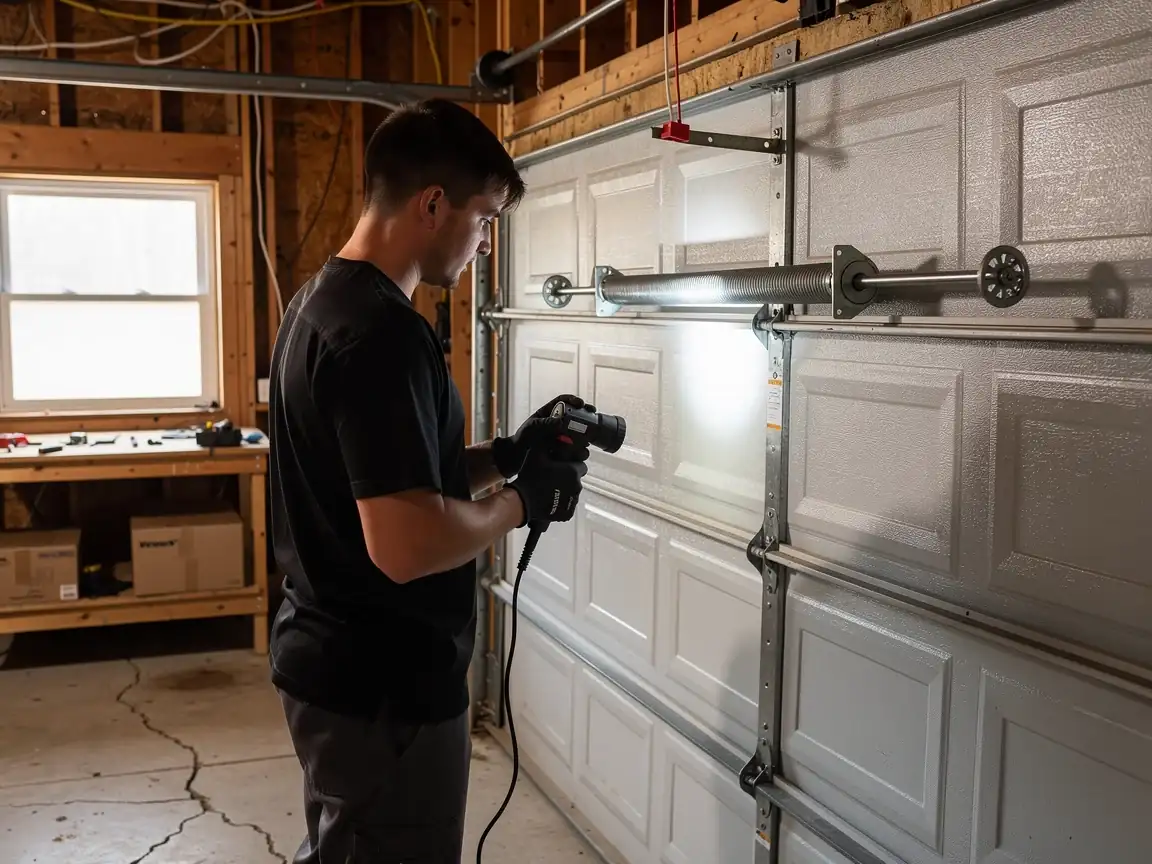
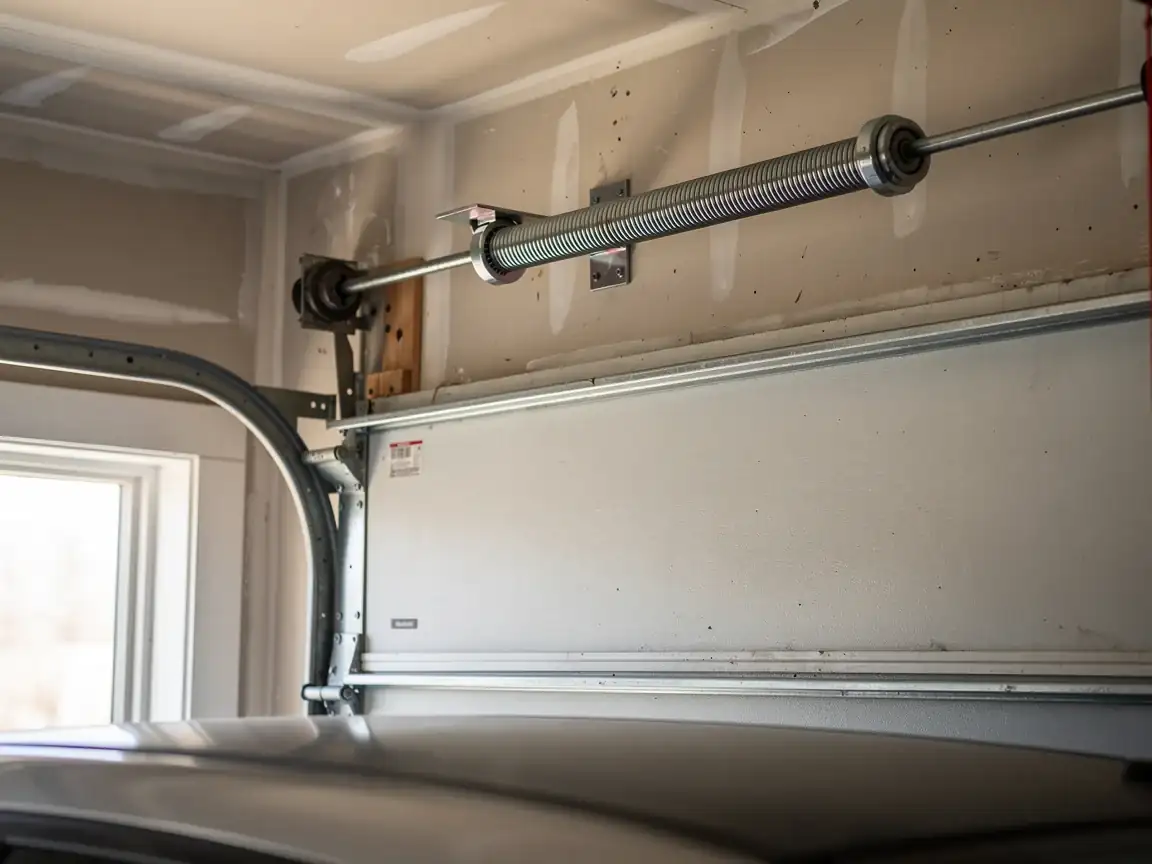
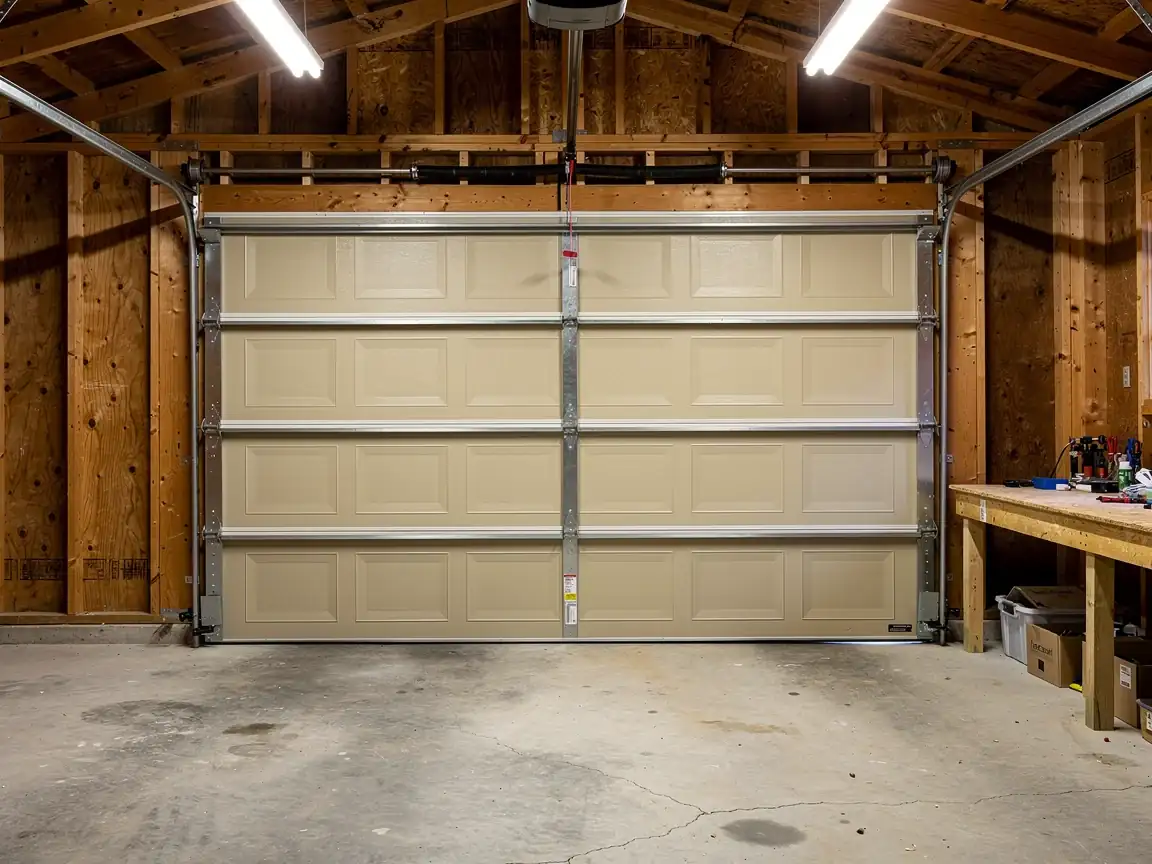
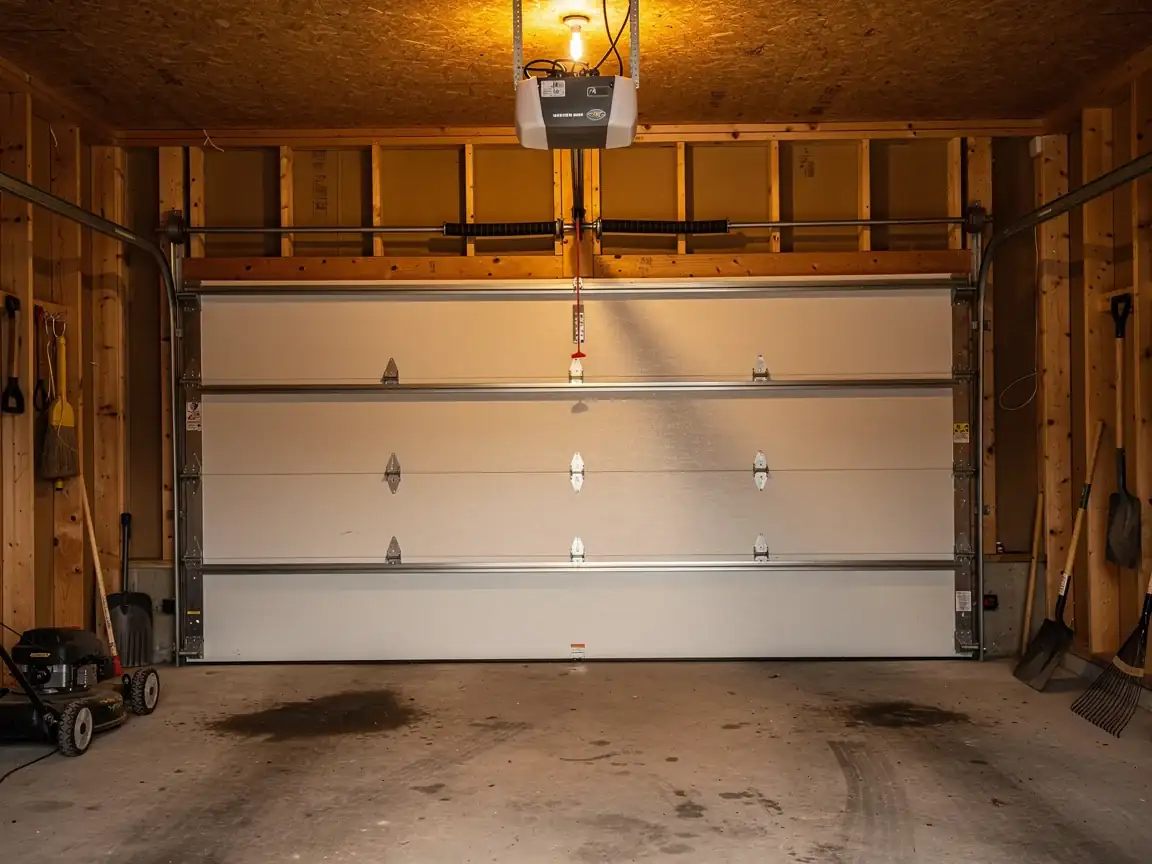
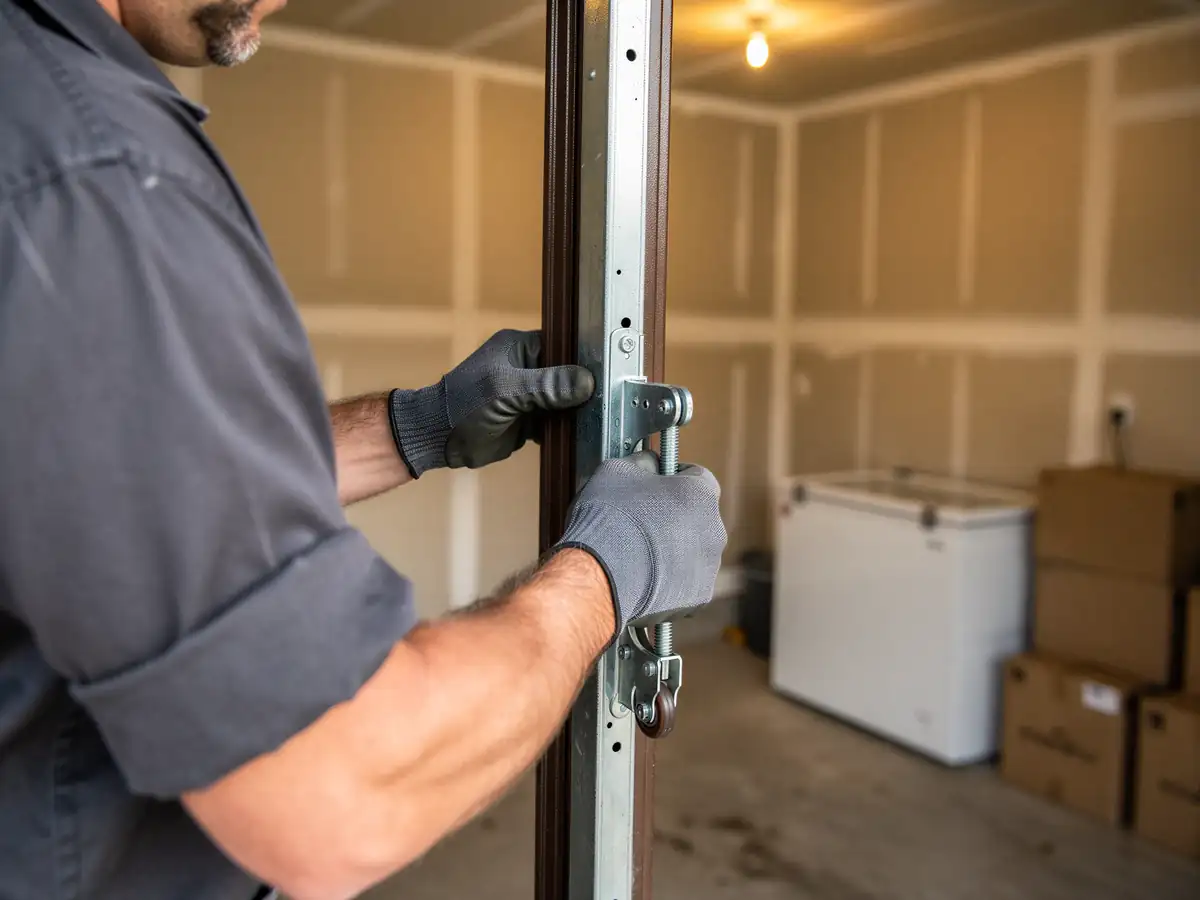
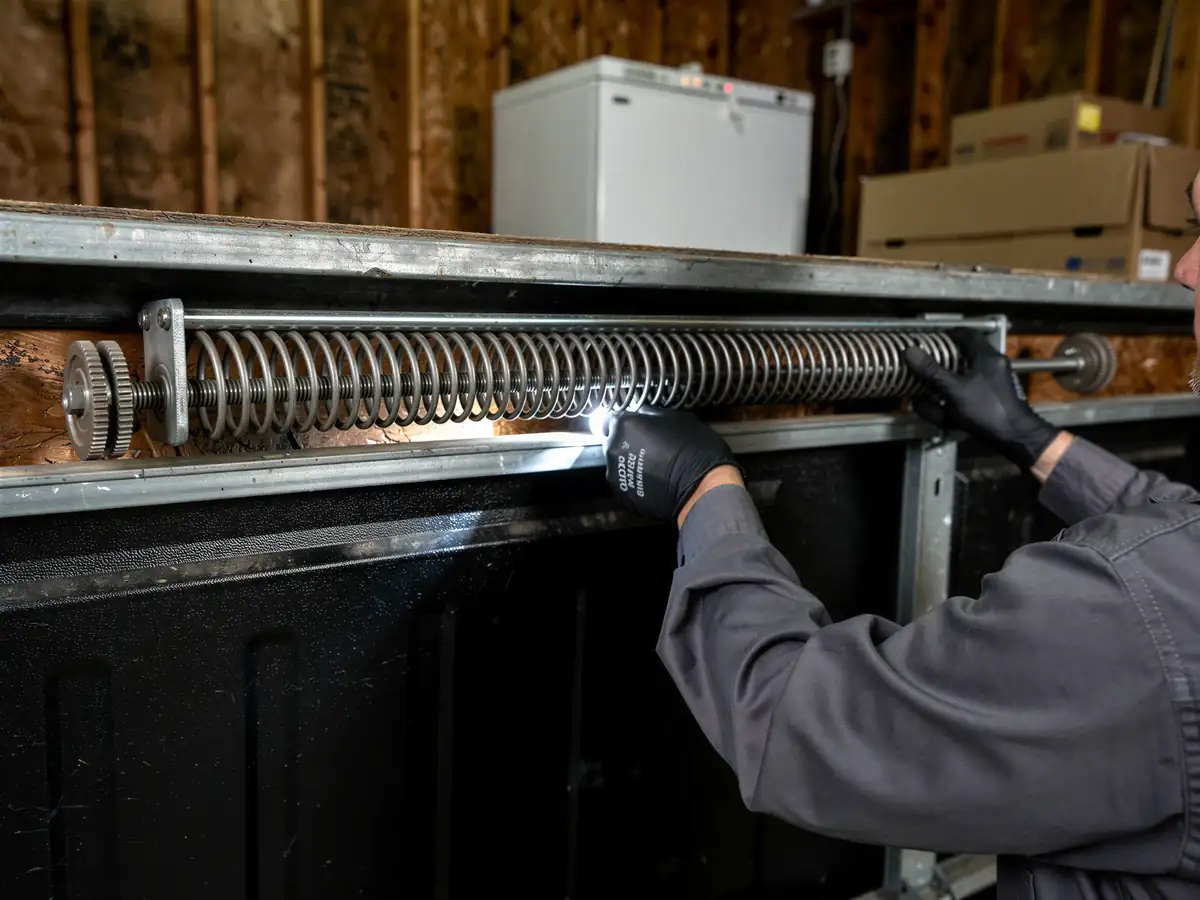
And the fix is the same every time whether it's a single spring on a one-car door or a matched pair on a two-car door: we unload the old spring with winding bars, pull the stub shafts, measure wire size, coil diameter, and length against the door weight, and wind in a replacement rated for that door. We don't eyeball it off the old spring's rust pattern - a spring that's been cycling for twenty years has stretched past its stamped spec.
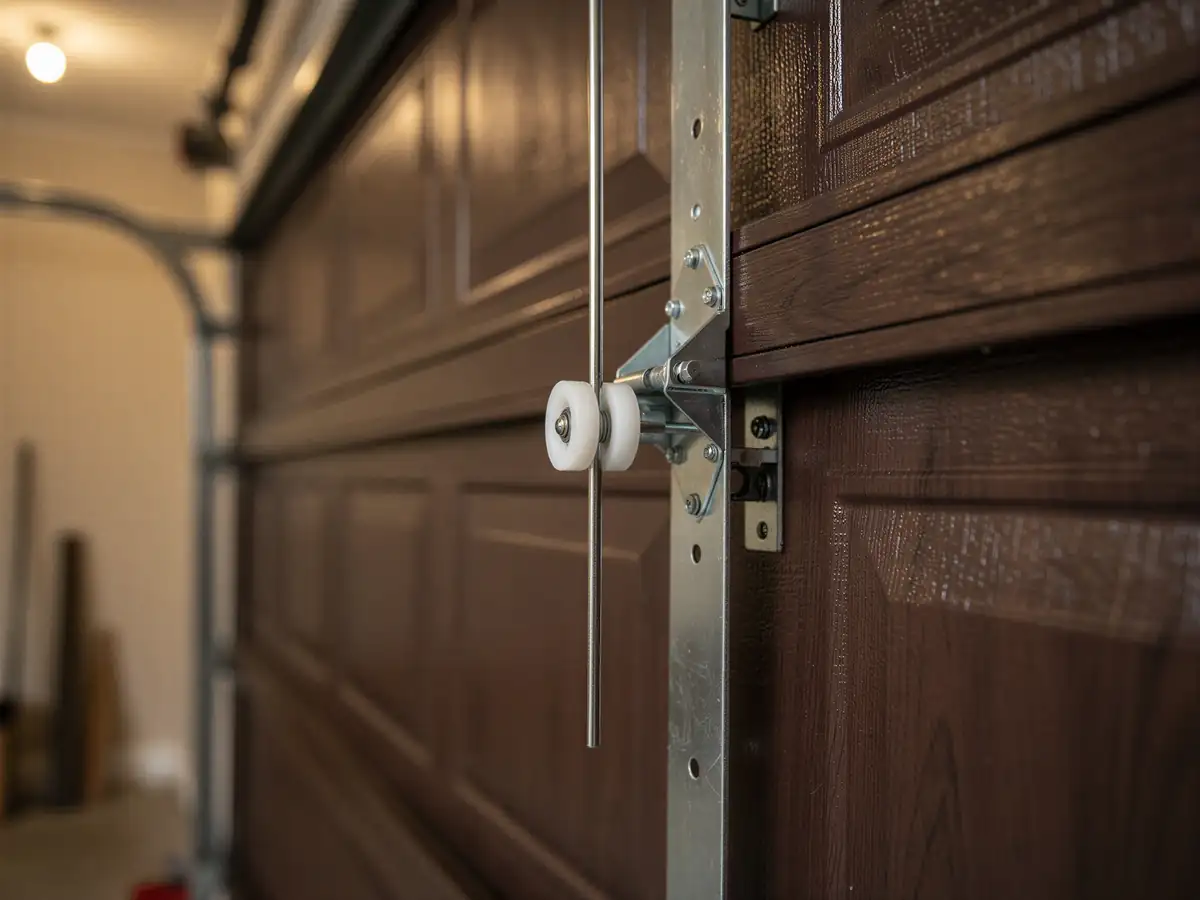
For extension springs, mounted above the horizontal track instead of over the door, the job is different
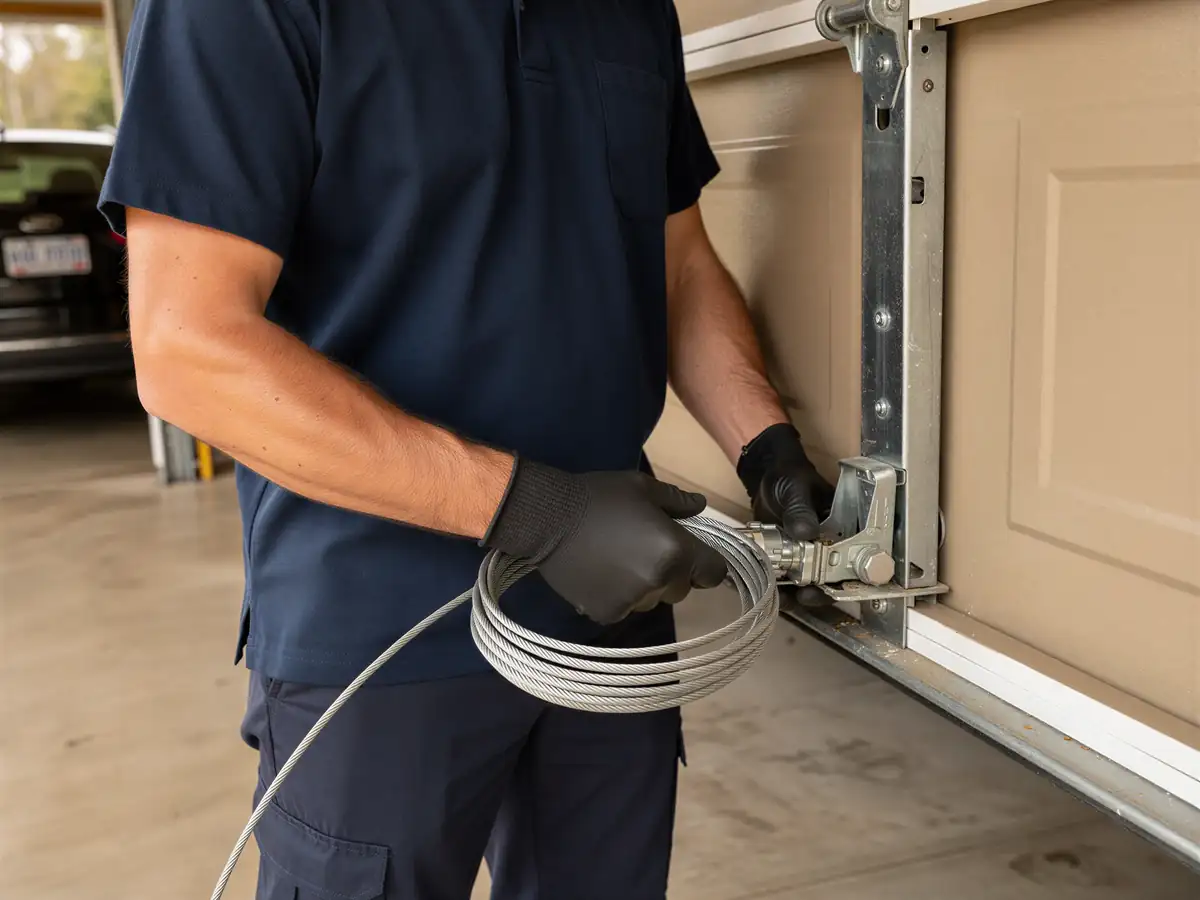
New cables, new safety containment, and a check on the pulley and track alignment, since extension setups on older doors tend to have mismatched cable wear on one side versus the other.
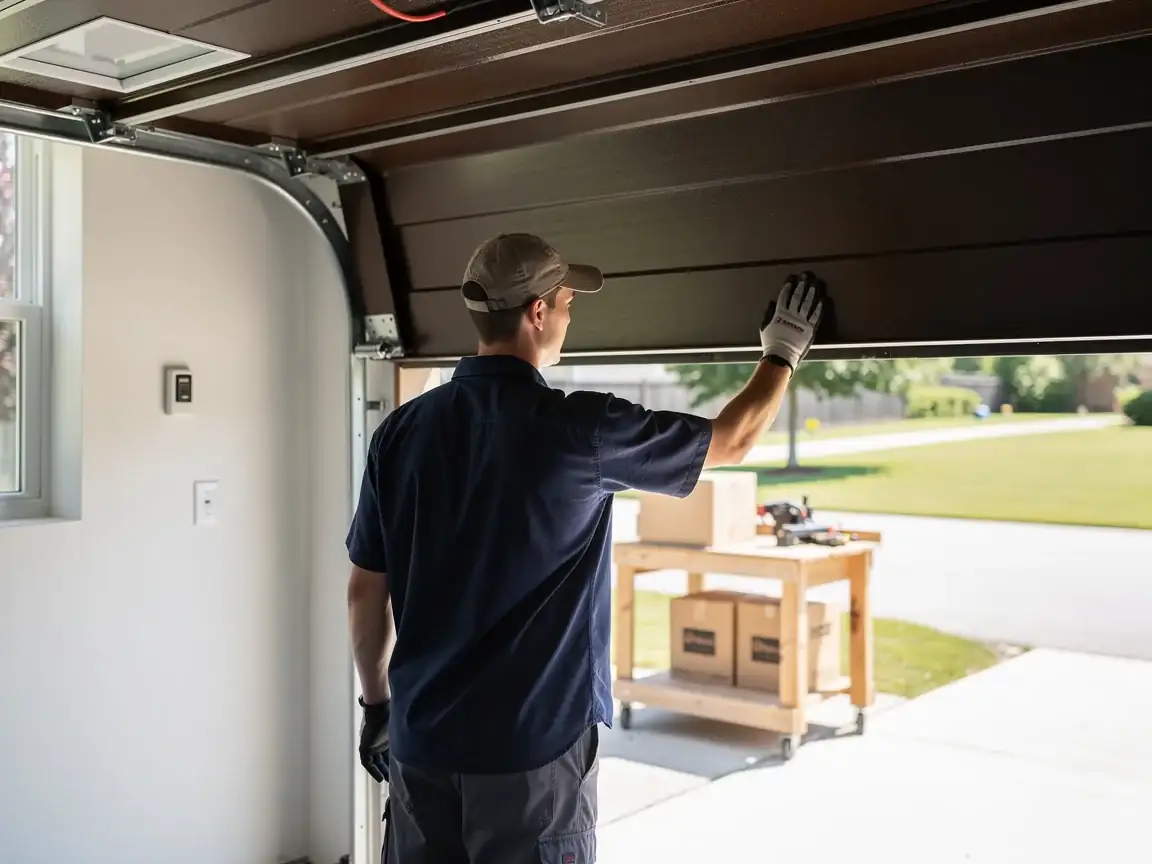
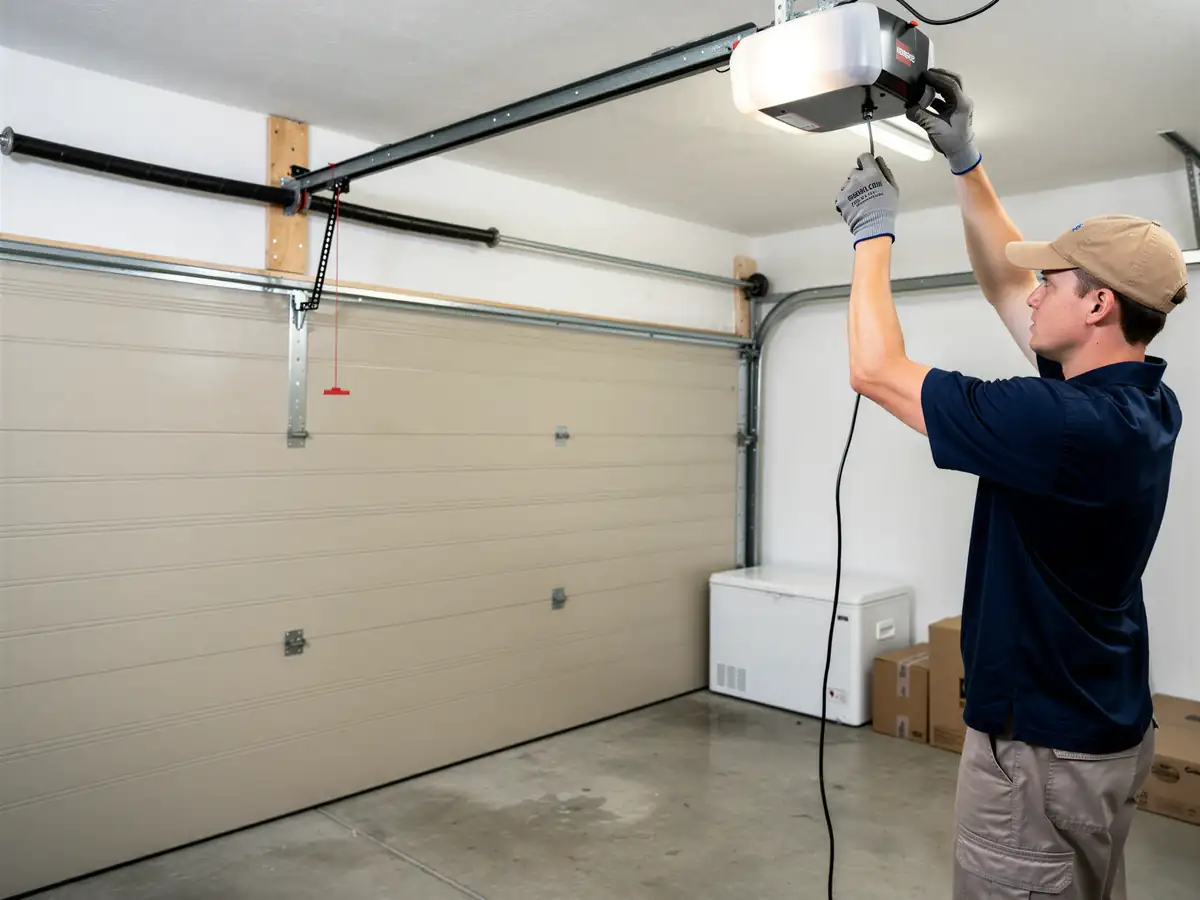
On any job we also check the opener's force setting before we hand the door back
Because a fresh spring with an opener still tuned to compensate for a dead one will slam the door on the floor or strip the gears inside of a few weeks. That's a five-minute check we don't skip, even on a straightforward spring swap.
Why This Fails Locally
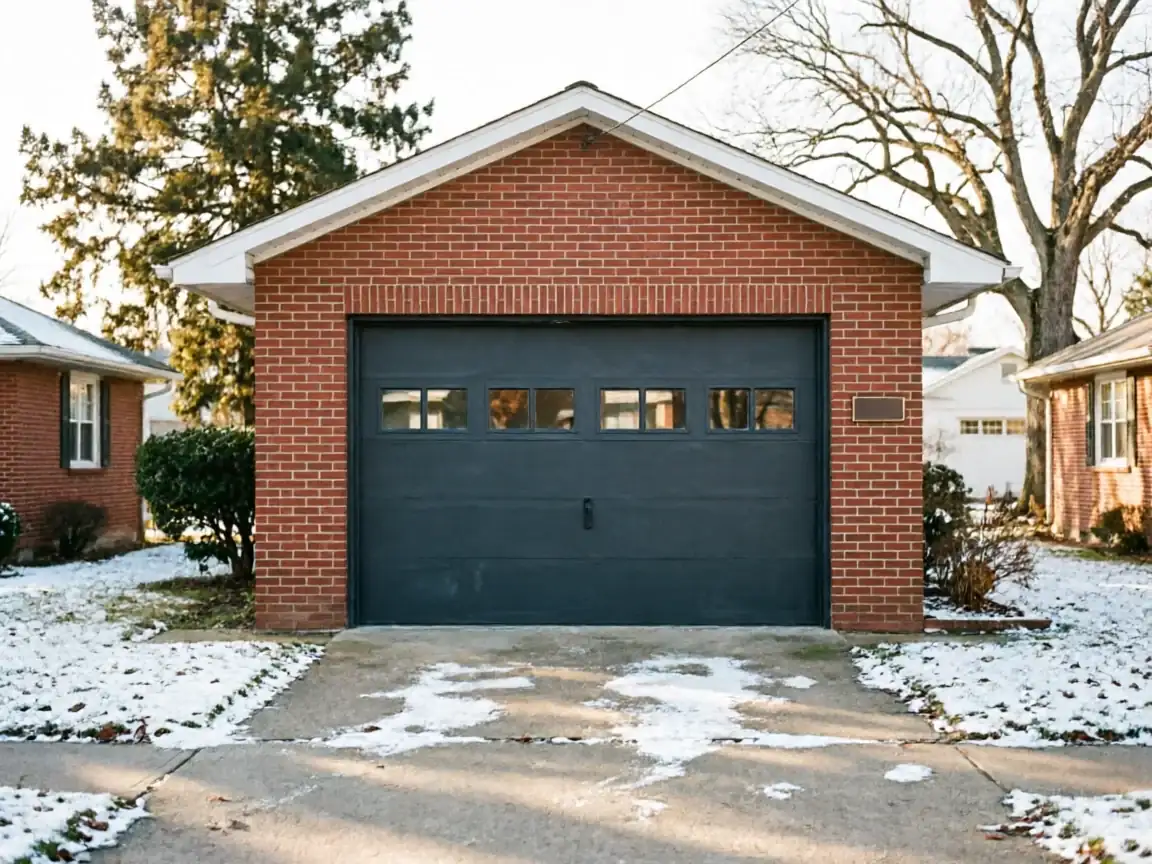
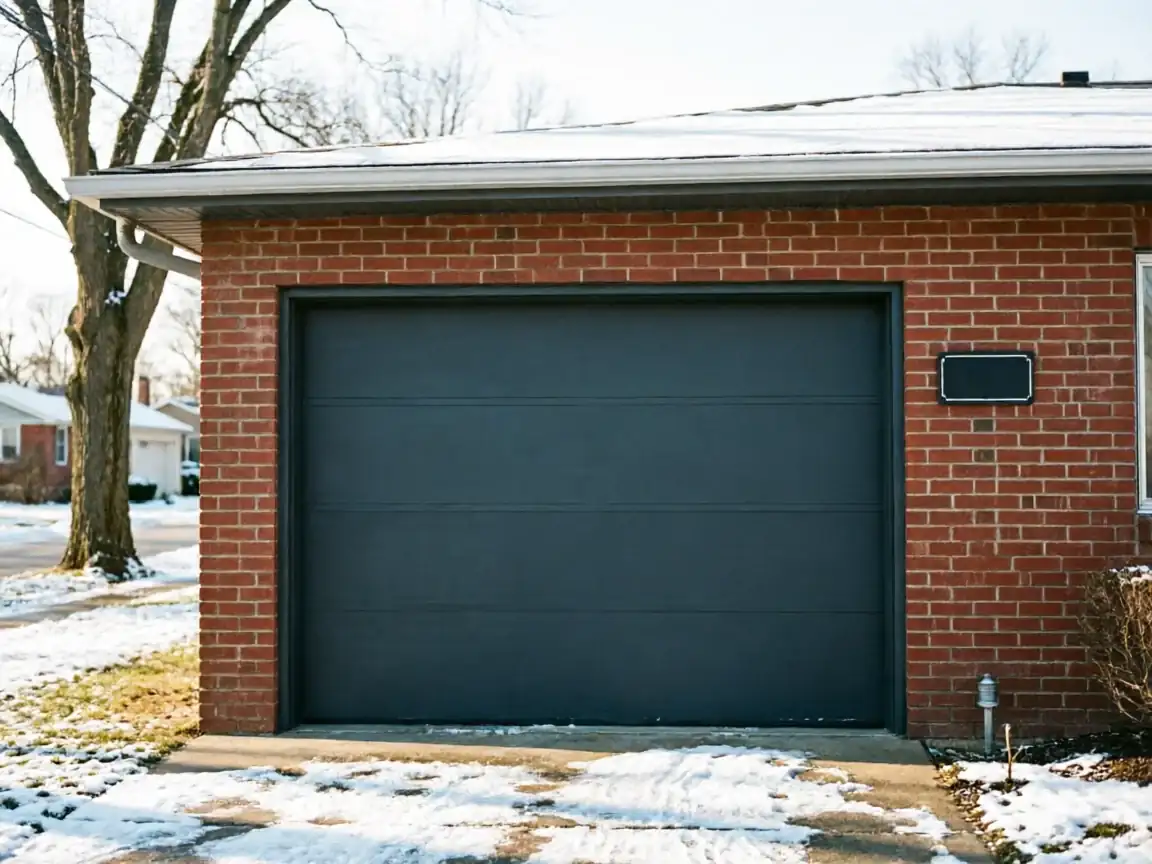
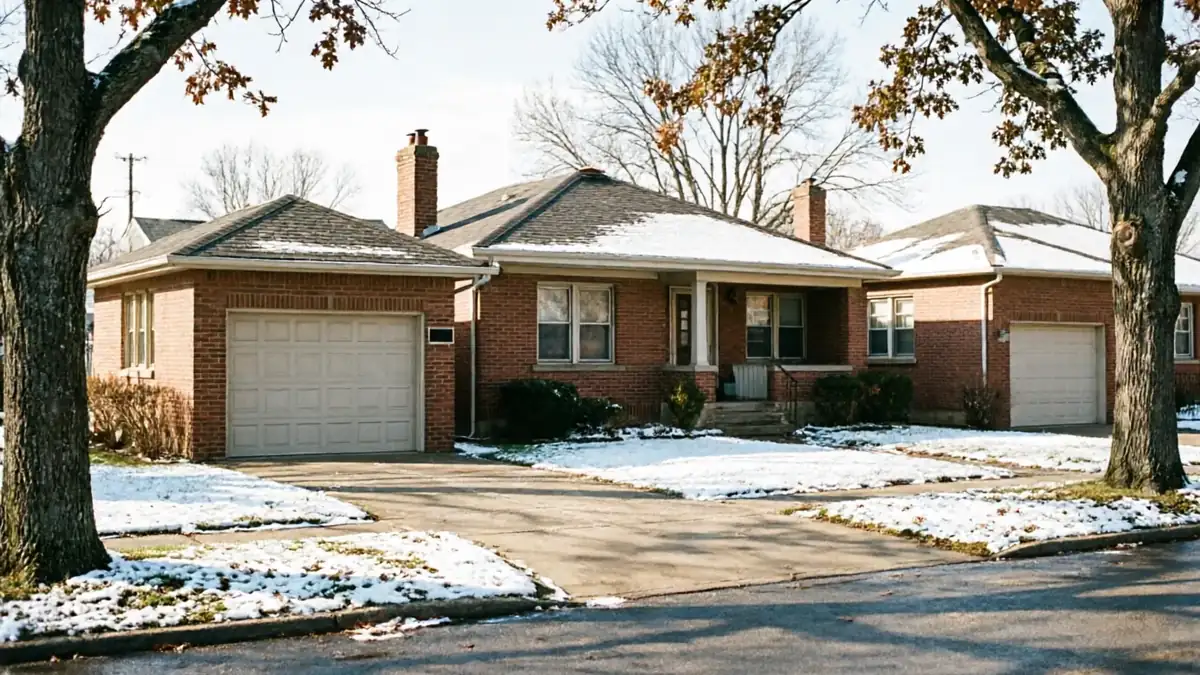
Housing across this service area runs mostly 1938 to 1998, with the bulk of the stock dating to the 1960s and 70s across the 31 named communities we cover. Doors and torsion hardware installed in that window are old enough that the original springs - if they haven't already been replaced once - are well past the 10,000-cycle mark most torsion springs are rated for.
The climate here is the other half of it. This area sits in a cold, severe winter band, and steel spring wire loses tensile flexibility as temperatures drop. A spring that's been quietly fatiguing for fifteen years is far more likely to snap on the coldest morning of the year than on a mild one in October, because cold steel is brittle steel. That's why spring failures cluster hard in the deep-winter months here, more than the calendar alone would explain.
Put those two things together - 1960s-70s torsion hardware that's rarely been touched, paired with a climate that stresses old steel harder than a moderate one would - and you get a service area where spring failure isn't a rare event. It's a predictable one tied to the housing era and the weather, not bad luck.
What You Pay
We don't have a flat number to quote here, because torsion spring cost depends on door weight, whether it's one spring or two, and whether the drums, cables, or bearing plates also need replacing - which happens more often on a door that hasn't seen the spring touched since it was installed. What we can tell you is the structure: we price the spring and any hardware that's worn beyond use, not a blanket "service fee" regardless of what's actually broken.
One honest limitation: if the torsion tube is bent or the drums are cracked from running on a dead spring too long, that's no longer a spring repair - it's a bigger hardware job, and we'll tell you that before we start rather than after. We'd rather lose ten minutes quoting it straight than have you find out mid-job.
How It Shows Up
The door won't budge
Or it only moves a few inches before the opener strains and reverses - that's usually a torsion spring that's already gone. If you see a visible gap in the spring coil itself, above the door, that's confirmation, not a guess.
A less obvious sign
The door feels heavier than it used to when you lift it by hand with the opener disconnected. Springs don't usually snap without warning; they lose tension gradually first, which is why a door that used to lift with one hand starts needing two. In households with older stock - common across this service area given the 1960s-70s build era - that gradual loss often gets ignored for months because the opener is doing the extra work and masking it, right up until the spring gives out entirely, usually on a cold morning.