What the Weather Here Does to It
Beavercreek sits in a cold-climate band with real winter severity
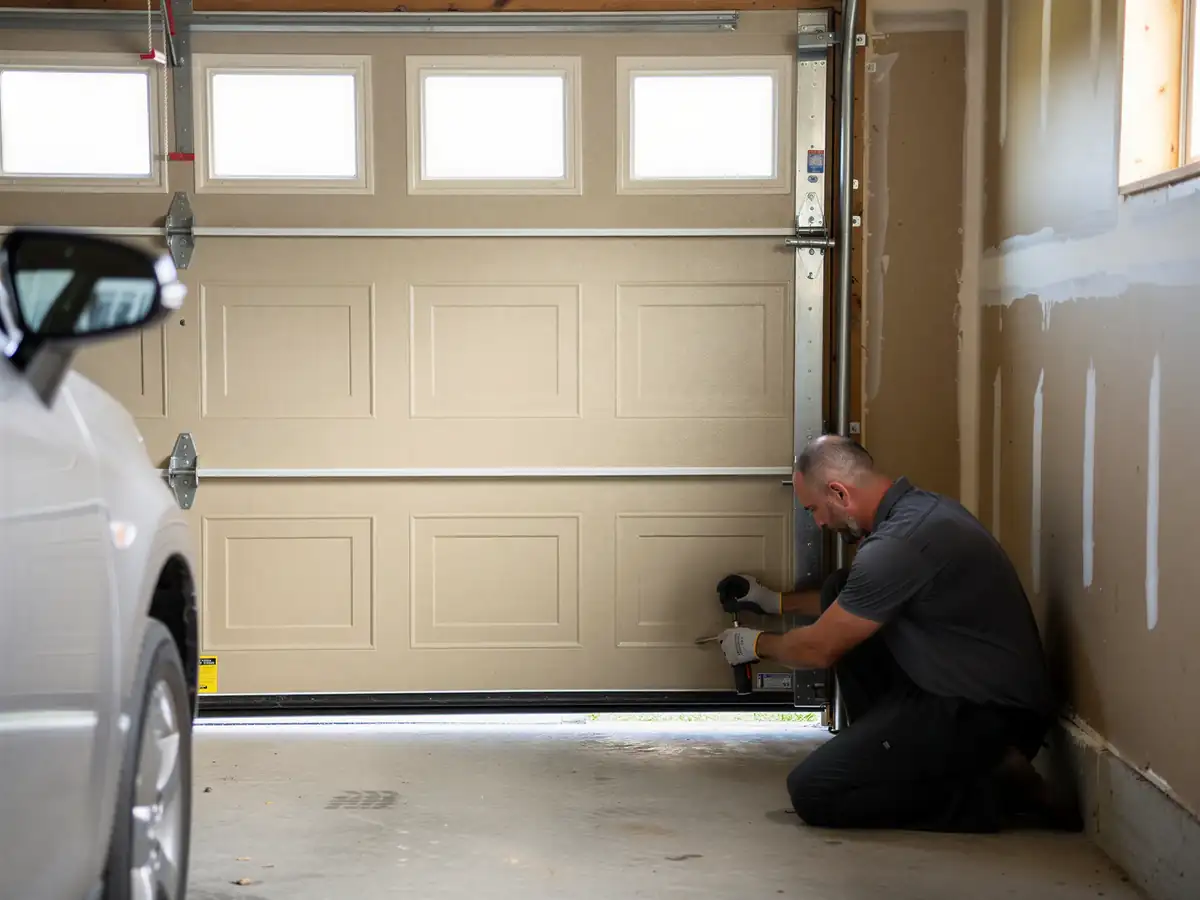
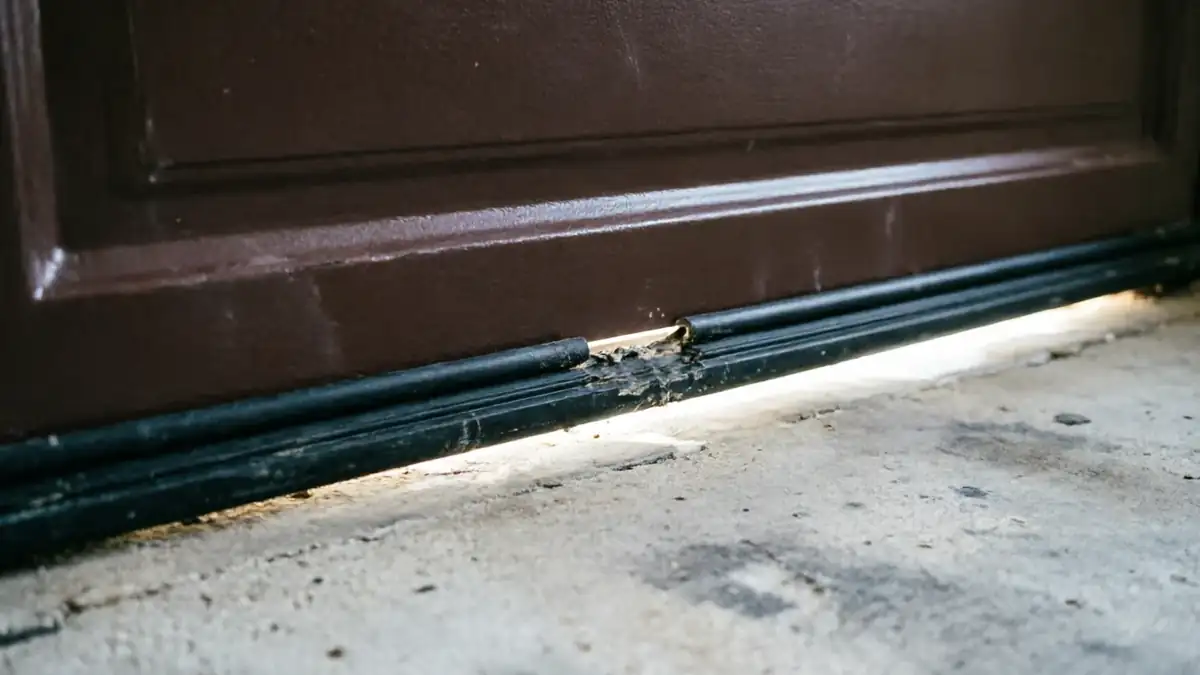
And a garage door is the biggest moving hole in most of these houses. The bottom seal, the side seals, and the top seal are all rubber or vinyl, and rubber hardens and cracks under repeated freeze-thaw cycles. Once that seal stiffens, it stops compressing against the slab and the frame, and you get a visible gap you can see daylight through on a sunny day.
This matters more here because so much of the housing stock went up between 1938 and 1998
With the bulk of it dating to the 1960s and 70s across the area's older neighborhoods. Those doors and frames were built to the standards of their decade, not to today's weatherproofing expectations, and many still carry original wood jambs that have shifted slightly over fifty-plus years. A seal that fit snug in 1975 is not sealing a frame that has settled since.
Draughts off a bad garage door seal don't just chill the garage
If the garage shares a wall with living space, which is common in homes from this era, that cold air pulls heat out of the house through the shared wall and any door between them. You feel it as a cold spot in the adjacent room, not as an obvious garage problem.
What Is Going On
Most of what we find on service calls in this area comes down to age matching the housing stock: doors and tracks original or near-original to houses built in the 1960s and 70s. Weatherstripping on a door that age has usually been replaced once, if at all, and vinyl bottom astragal from an earlier replacement job often doesn't match the track width of the panel above it.
The other common issue is the top seal, the flexible strip that runs along the header above the door. It gets less attention than the bottom seal because it's harder to see, but in a cold climate it does real work keeping wind-driven air out. On older jambs that have shifted, this seal can pull away from the frame on one side and still look fine from the driveway.
We also see panel seams on steel doors from this era starting to gap slightly as the door ages, which lets air through the face of the door itself rather than just around the edges. That's a different fix than reseating weatherstripping, and it's worth knowing which one you actually have before paying for either.
What You Pay
We don't have a flat number to quote here without seeing the door, since the fix depends on whether it's a weatherstrip swap, a top-seal replacement, or something deeper in a door old enough to have shifted panels. What we can tell you is that with median household income in this area around $70,000, most owners we talk to want to know the floor and ceiling before we show up, not after.
Weatherstripping and seal work is generally the least expensive garage door repair there is, well below the cost of spring or opener work, which is part of why it's worth doing before winter rather than after you've paid a higher heating bill. If the door itself is sound and it's just the seals, that's a straightforward job. If the frame has racked or the panels have gapped, the conversation changes, and we'll tell you that honestly before doing any work rather than after.
Leaving It Alone
A cracked bottom seal or a loose top seal is not an emergency, and we won't tell you it is
Plenty of these doors run for another season with a draughty seal and nothing worse happens than a colder garage and a higher gas bill. We'd rather you know that than feel pressured into a same-day call for something that can wait until it's convenient.
Where it does matter is if you're using the garage as workspace, storing anything that doesn't like freezing
Or sharing a wall with a room you heat. In those cases the draught is costing you something real every month it sits there, and in a cold-climate area like this with housing stock pushing fifty to eighty years old, that cost doesn't go away on its own. Seals don't repair themselves, and a gap that's a quarter inch today tends to be wider by next winter as the material keeps hardening. It's a small job now or a bigger one later; it rarely stays the same size.