Why This Fails Locally
The call we get most from Clayton starts the same way
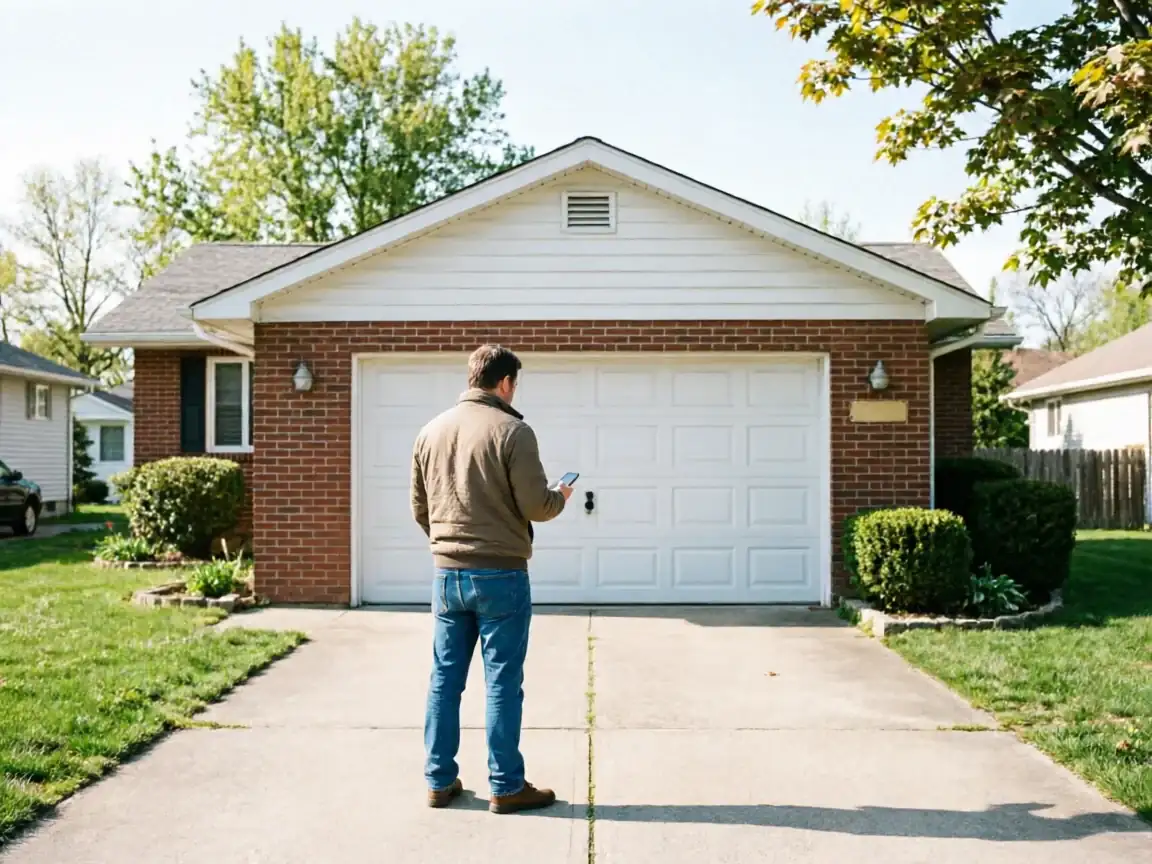
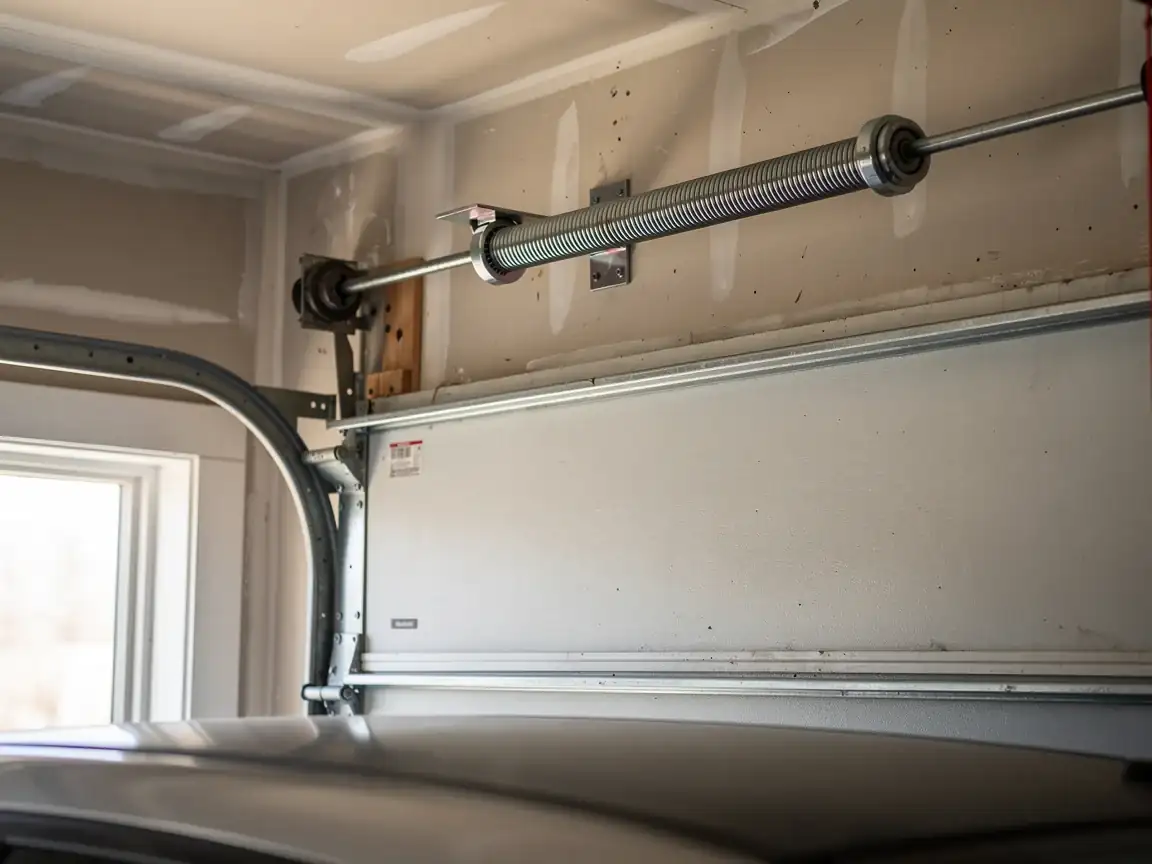
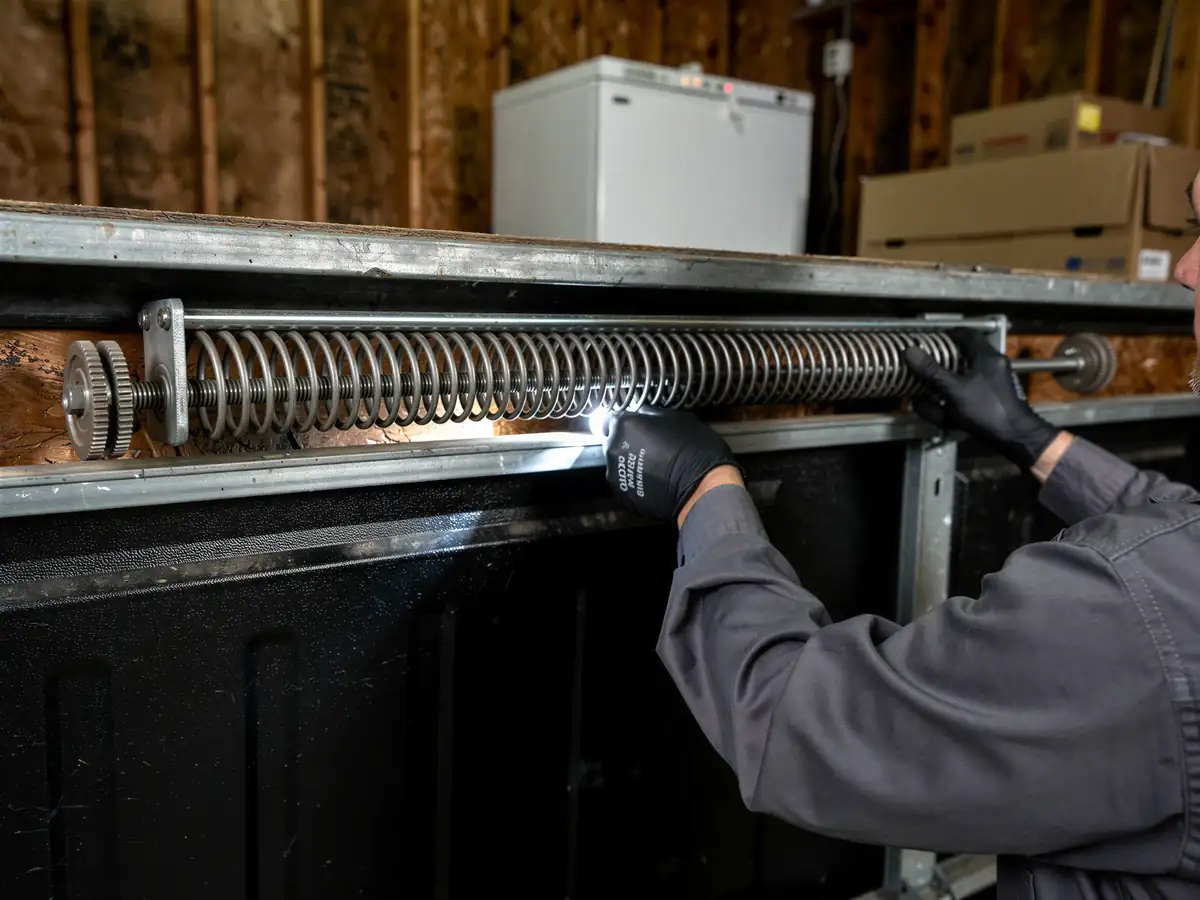
The door worked fine yesterday, and this morning it won't budge, or it slams the last six inches on the way down. That's a torsion spring giving out, and in this neighborhood it's rarely a surprise once you know the house. Most of Clayton went up around 1972, which puts the original garage door and its spring system at roughly fifty years old if nobody's touched it since the house was framed.
Springs from that era were wound for a lighter door and a different duty cycle than what's sold today
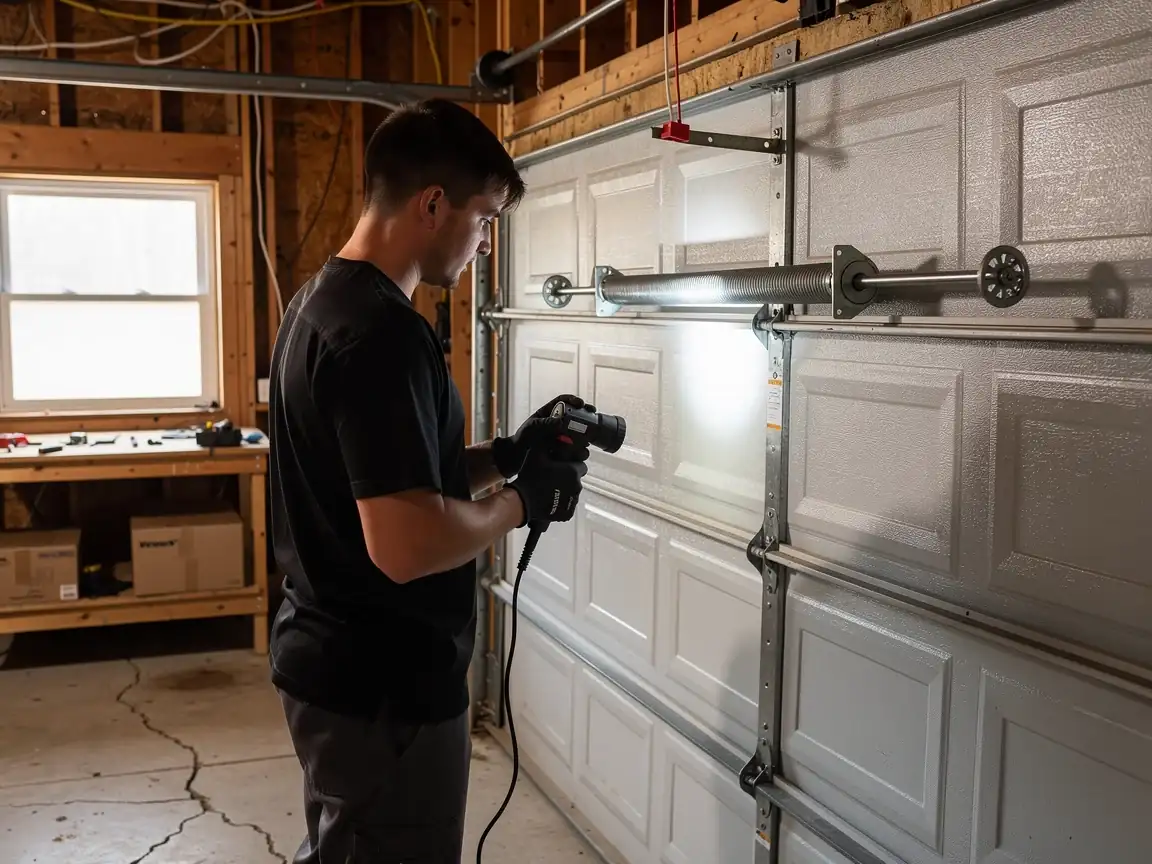
Add Ohio's cold-and-severe winter swings, which stiffen steel and dry out lubricant on cables and rollers, and the math catches up fast. We see the same failure pattern across the 1960s-70s housing stock that makes up most of this part of the region: a spring that's cycled past its rated life, finally letting go on a cold morning when the steel is least forgiving. It's not bad luck. It's a part that was never meant to last this long doing exactly what it was built to do, one too many times.
What You Pay
We don't have a Clayton-specific price sheet to quote here, and we're not going to invent one. What we can tell you is that Clayton sits in a service area where the median household income runs close to $90,886, noticeably higher than the broader region's $70,000 median, which tends to mean homeowners here are replacing hardware with better-grade springs and openers rather than patching the original parts a third time. That's a decision we talk through on site, not over the phone, because a 50-year-old door with one bad spring is a different job than one with a cracked panel and a worn-out opener.
We'll give you a number before anything gets touched, in writing, once we've looked at the actual door. If a repair doesn't make sense against the cost of replacement, we'll say so plainly - that's the honest limitation of any over-the-phone estimate, and we'd rather tell you that up front than guess.
How We Fix It
We travel the 17 miles out from Beavercreek for Clayton calls, so we come loaded for what houses built around 1972 actually need, not a generic kit. That means torsion springs sized for the original door weight as a starting point, then adjusted once we're measuring the actual drum and shaft on site - a lot of these doors were upgraded once already with a mismatched spring, which is its own repair.
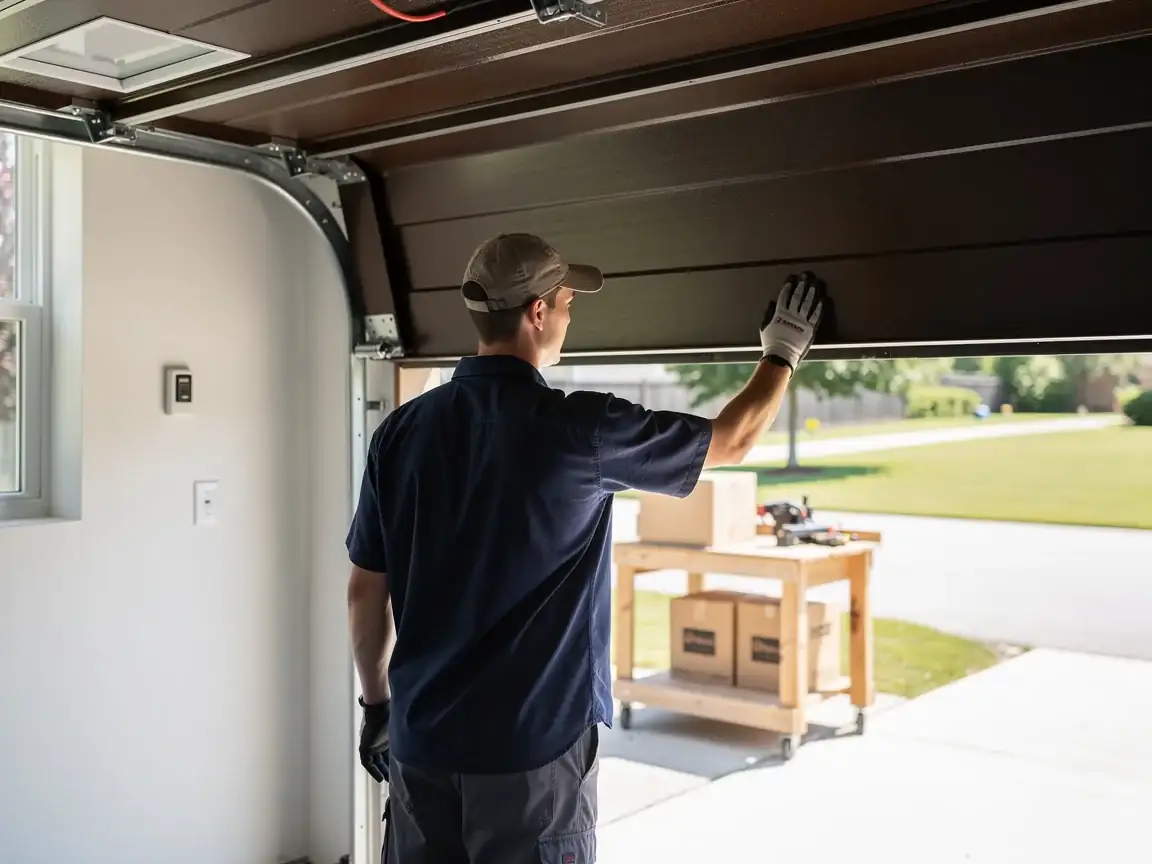
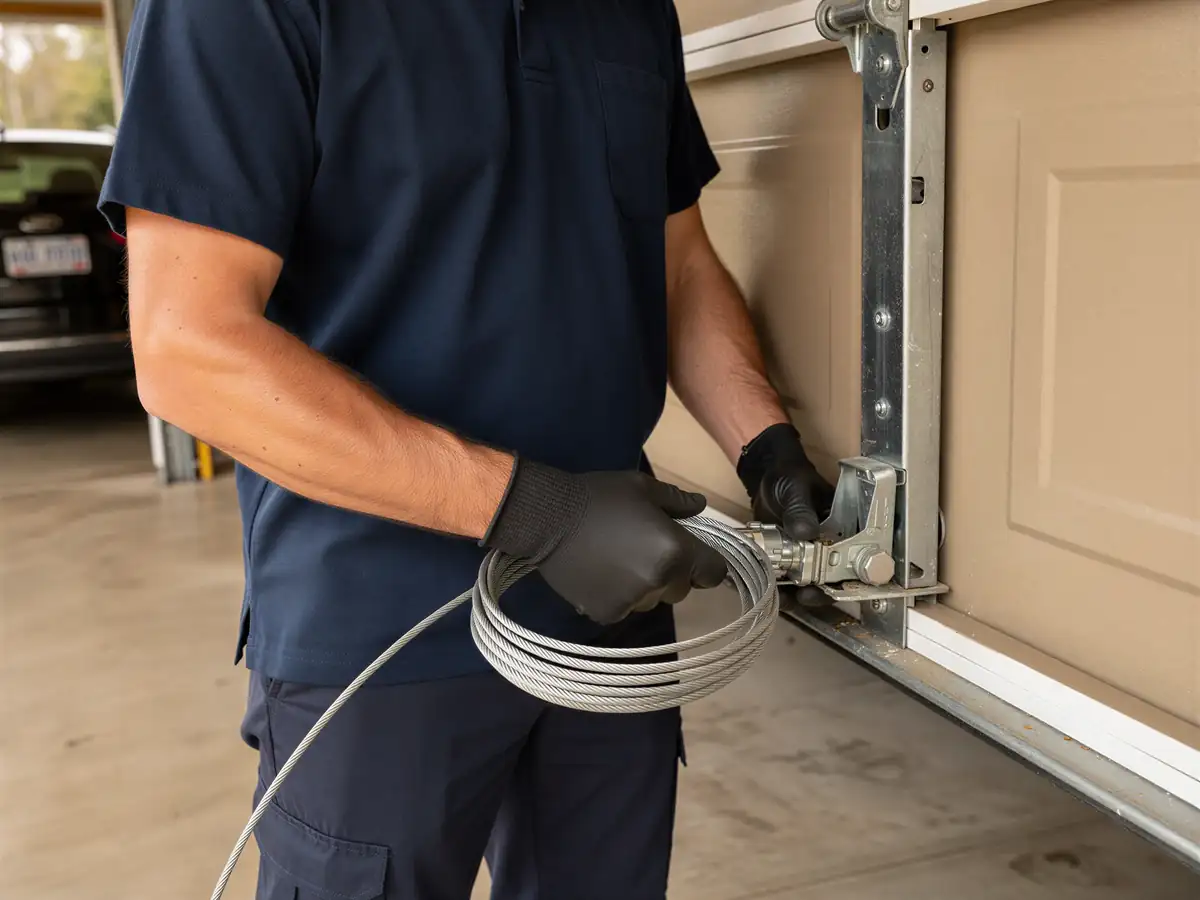
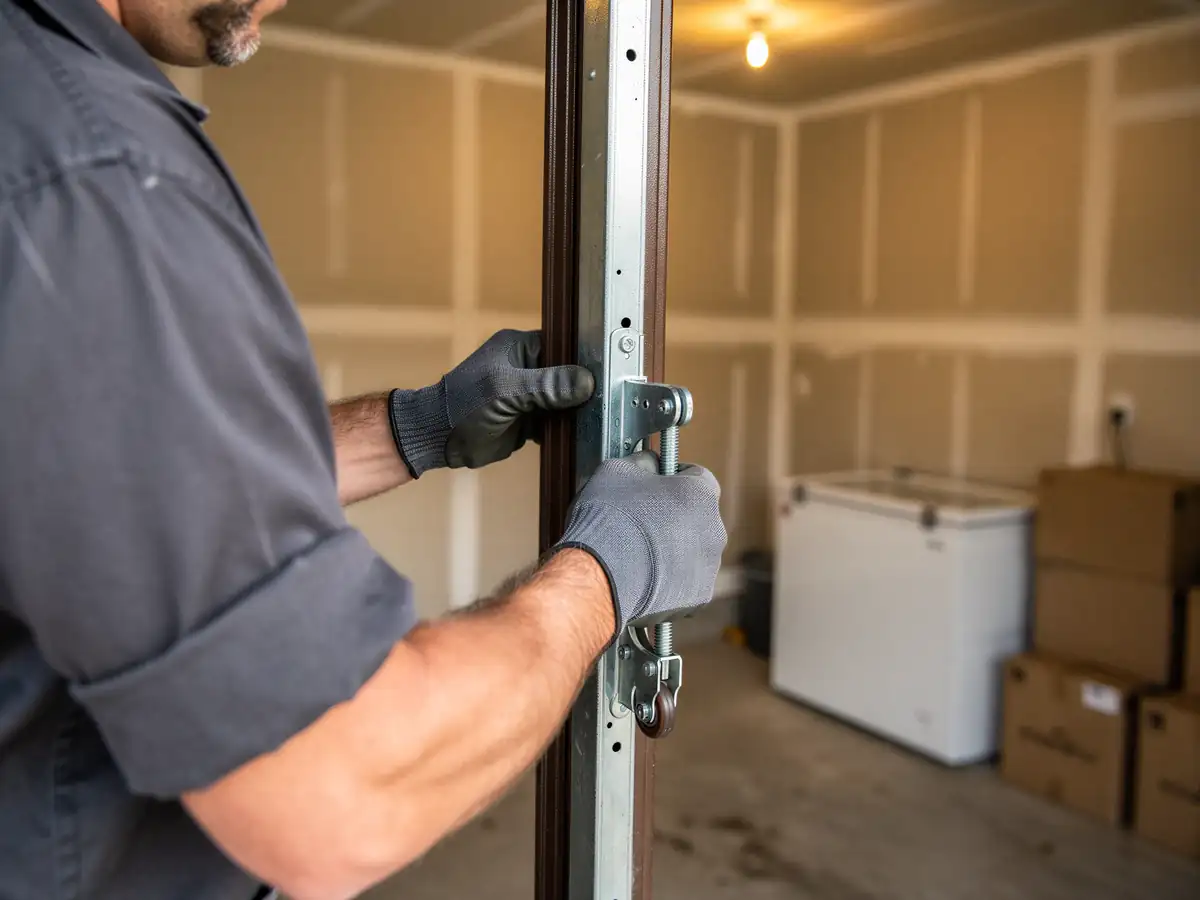
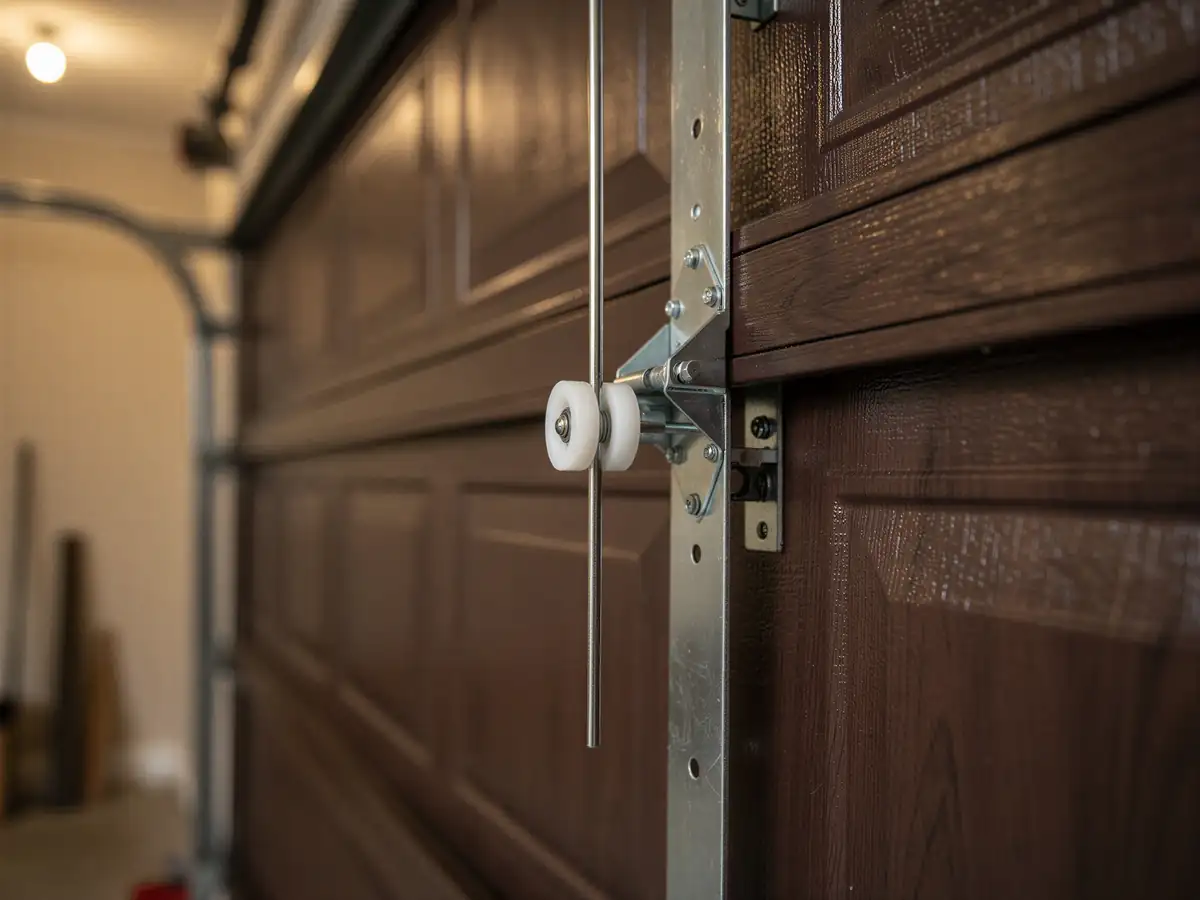
We pull the door off auto-operation first, release tension safely, and check the track alignment before anything gets re-tensioned, because a door that's been slamming for weeks usually has bent track or a bowed section to go with the spring. Cables and rollers from this build era are almost always due for replacement at the same visit, even if they're not the reason you called - they're cheap next to a second trip out.
What Is on the Truck
For Clayton's 1970s housing stock we carry torsion springs across the common vintage sizes
Standard-lift and low-headroom drums, galvanized cables in the lengths these older tracks actually use, and steel rollers in both nylon and sealed-bearing versions. We also carry a stock of standard torsion shafts, since a fair number of these original setups never had the shaft upgraded when the spring was replaced the first time.
What we don't carry on the truck is a full line of replacement panels matched to discontinued door models from that era
If a section is cracked or rusted through on a door this old, that part often has to be ordered, and we'll tell you the lead time once we know the make. We'd rather be straight about that wait than promise a same-visit fix we can't deliver.
Can You Do This Yourself
Releasing a wound torsion spring is not a DIY repair, full stop - the amount of stored tension in a spring sized for a door this age can break bones or worse if the winding bars slip, and we're not going to walk you through it here. Lubricating hinges, tightening loose bolts on the track brackets, and clearing the track of debris are reasonable homeowner jobs and worth doing twice a year, especially with the temperature swings this area gets.
If your door is slamming, sagging on one side, or the opener is straining and reversing on its own, that's spring or cable failure, not an adjustment. Call it in rather than troubleshoot it - a door under that kind of load can let go without warning.