What You Pay
We don't have a posted price list for roller jobs here
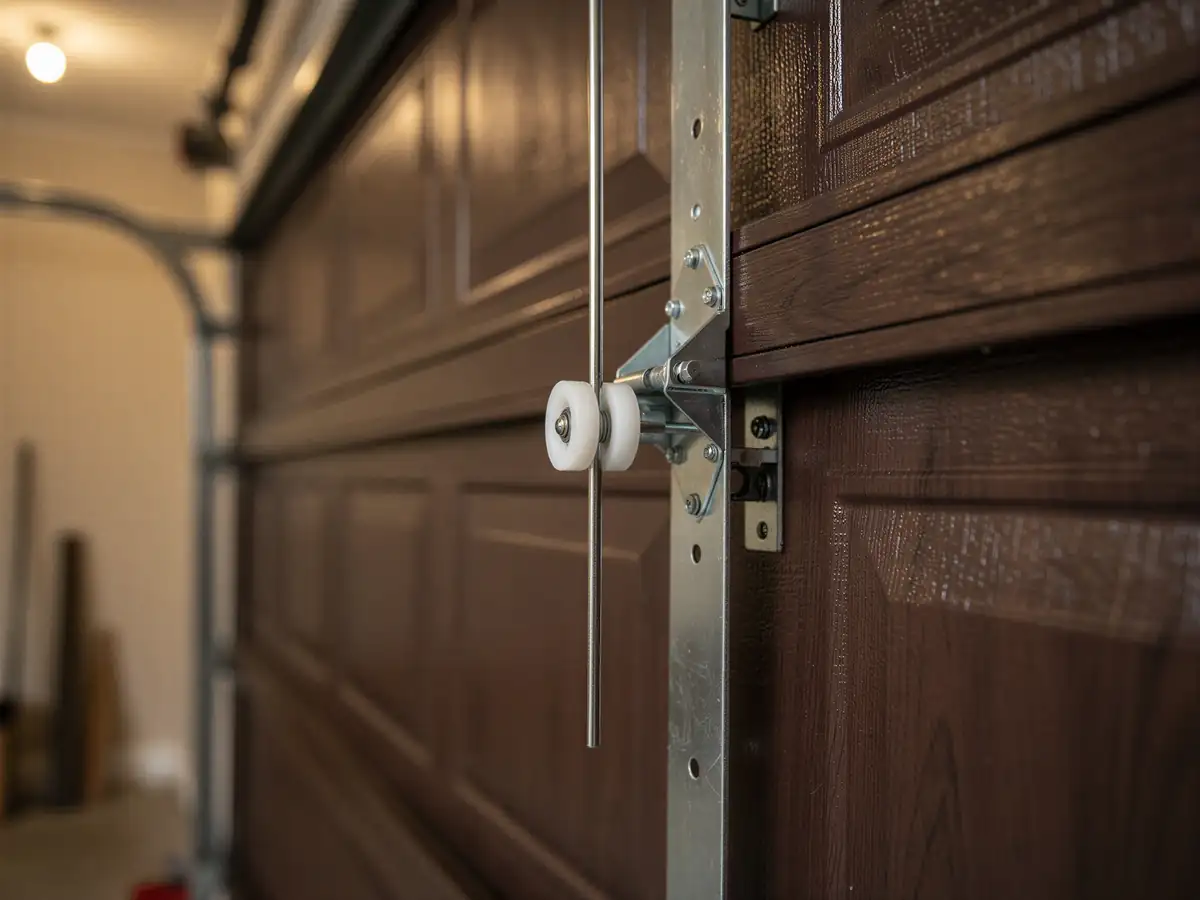
And it would be dishonest to make one up. What we can tell you is what drives the number: how many rollers need swapping, whether the track is bent or just worn, and whether the door is steel or something lighter. A full set of ten rollers on a single door costs more in labor than parts, since the door has to come off track partway to get the old ones out of 1938-era tight-radius curves.
Oakwood's median income sits well above the broader service area's $70,000 figure
This area runs closer to $158,968. That doesn't change what a roller job costs, but it does mean more owners here ask for the better roller up front rather than the cheapest one that fits, since they're not replacing it again in three years.
If your door is original to a 1938 build
The hinges and track may be undersized for modern nylon rollers without a stem adjustment. That's extra labor, not a markup - we'll tell you before we start, not after.
What Is on the Truck
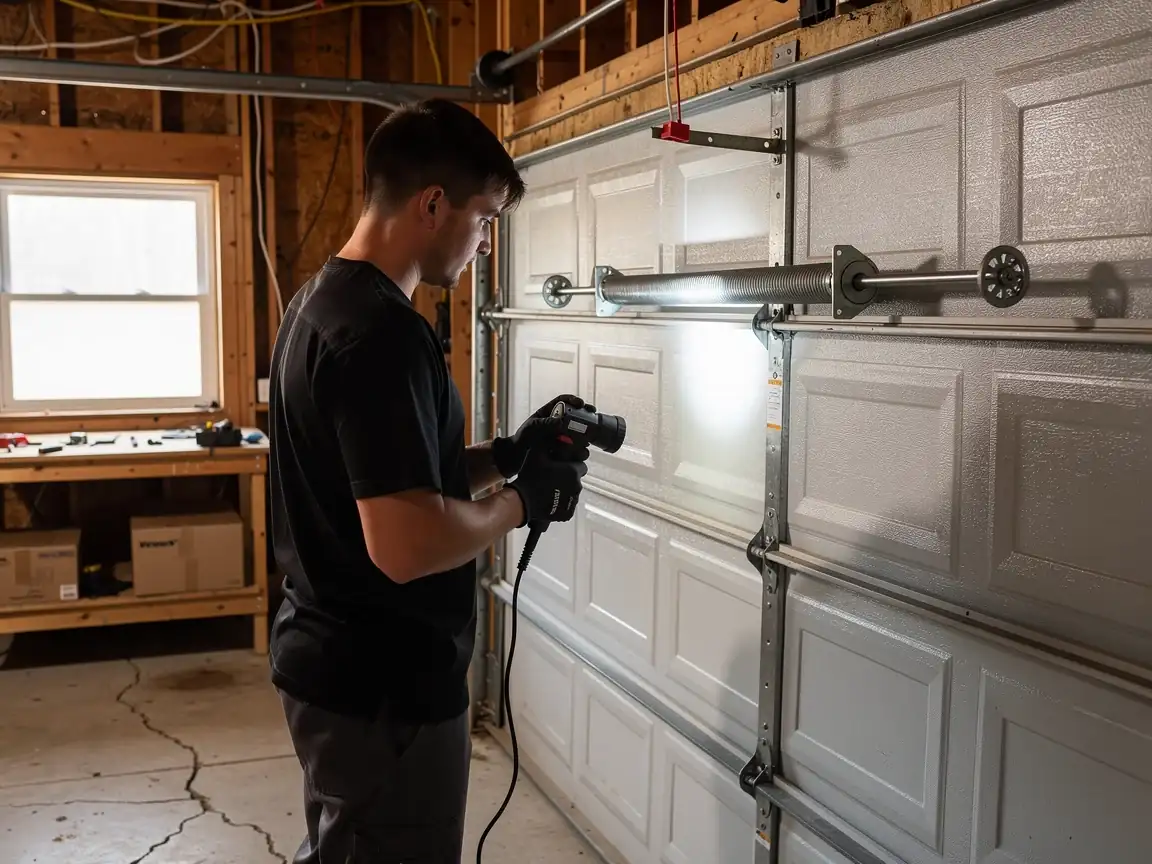
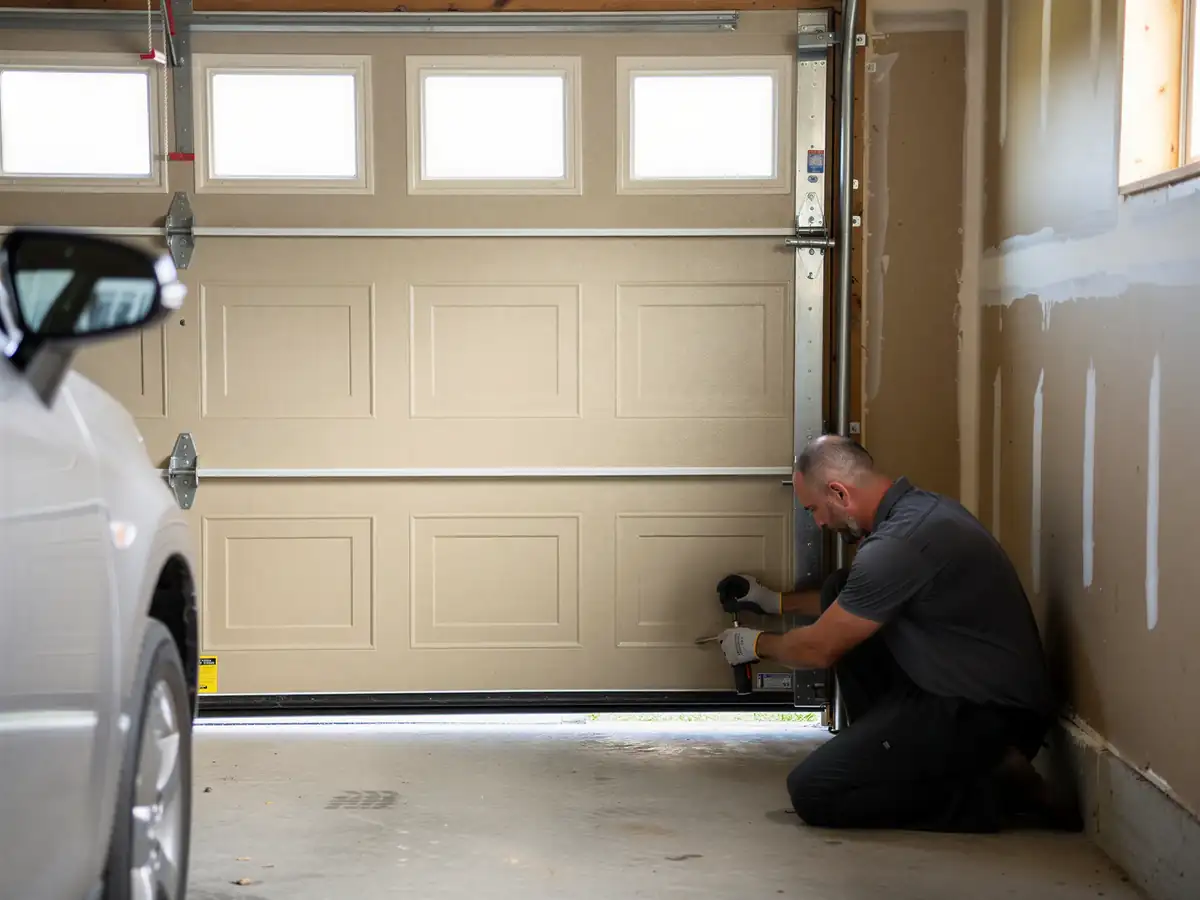
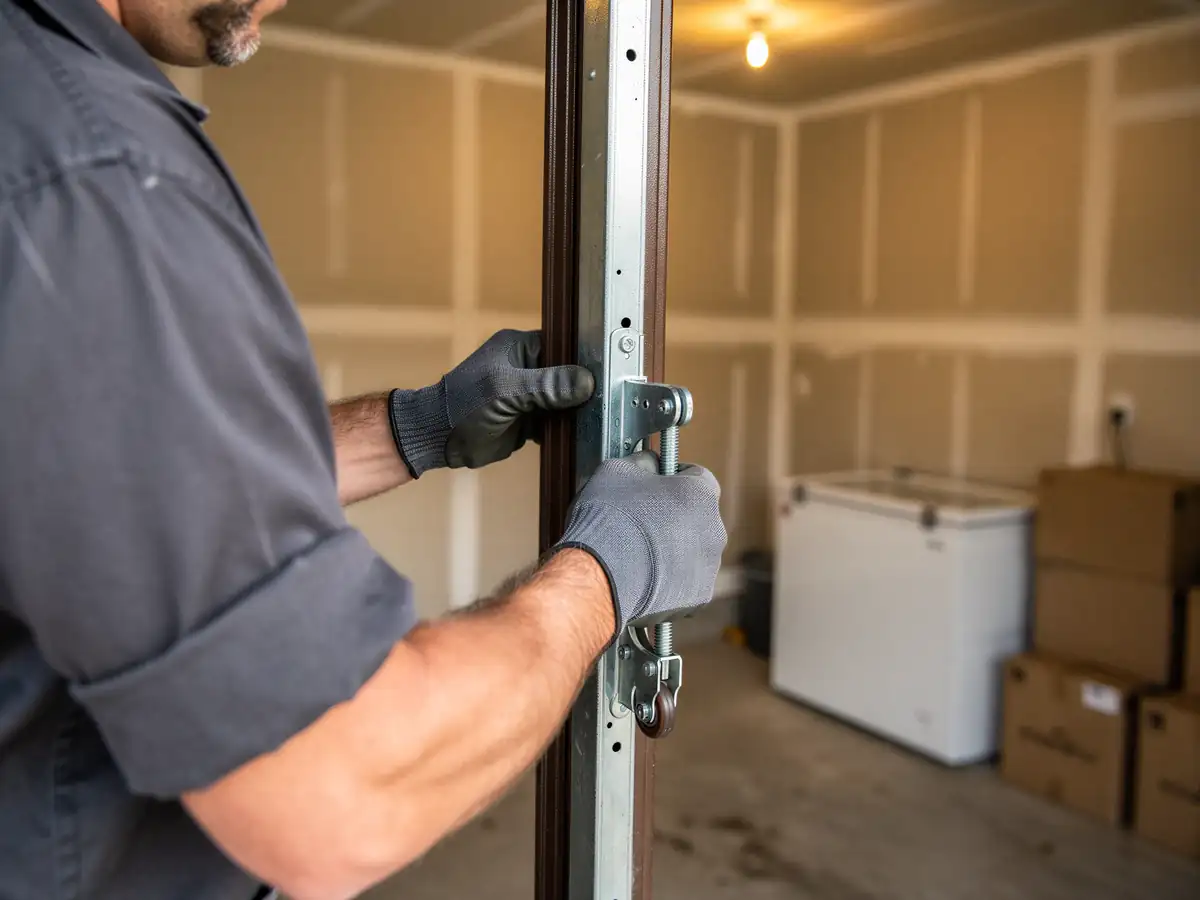
For a roller job we carry sealed-bearing nylon rollers in the common stem lengths, plus the longer stems older track sometimes needs. We also carry track sections, since a roller rarely wears out alone - by the time it's grinding, the track it rides in has usually taken damage too, especially on doors from the 1938-1998 build window this area falls into.
What's not always on the truck: an exact replacement for an odd or obsolete track profile. Doors built before steel track was standardized sometimes used a radius that newer rollers won't seat in cleanly. When that happens we'll tell you on site rather than force a fit that'll fail in a year. That's the one limitation worth saying plainly - we fix what rolls correctly once it's in, not what almost fits.
Booking a Visit
We run this job out of Beavercreek, about 6 miles from Oakwood. There's no branch or counter here - a truck comes out, does the job, and leaves. Booking works the same way it would for any stop on that route: tell us what the door's doing, whether it's grinding, catching, or jumping track, and we bring the rollers sized to match.
Because the trip is short, scheduling a roller swap doesn't usually mean waiting on a special slot. It gets folded into the regular run through this side of the service area.
Why This Fails Locally
Rollers fail everywhere eventually, but the timeline here is shorter than it looks on paper
Oakwood's housing runs to a median build year of 1938, older than the 1971 median for the wider 31-area service footprint. Steel rollers from that era - or even the first replacement set installed decades later - ride in track that's narrower and more curved than what's cut today. Add a winter freeze-thaw cycle, which this climate band gets in a severe form, and the bearing packs in a steel roller seize before the roller itself visibly wears.
That combination - old track geometry plus hard winters
Is why a roller that looks fine from the driveway can be the reason the door won't open smoothly. It's not a sign of neglect. It's a sign the hardware is older than the warranty tag on your opener.
How It Shows Up
The first sign is usually sound, not sight: a grinding or clicking as the door passes a specific point on the track, often near the curve where the door starts to tilt overhead. On doors matching this area's older stock, that point tends to be lower on the track than on a newer build, because the track curve itself was cut to an older standard.
The second sign is drag - the opener strains or reverses on the way up, which looks like a spring problem but is often just a roller binding in a groove it's worn into the track over years of cold-weather contraction. If you're hearing one and feeling the other, it's worth a look before the track itself needs replacing instead of just the roller.