The Complications
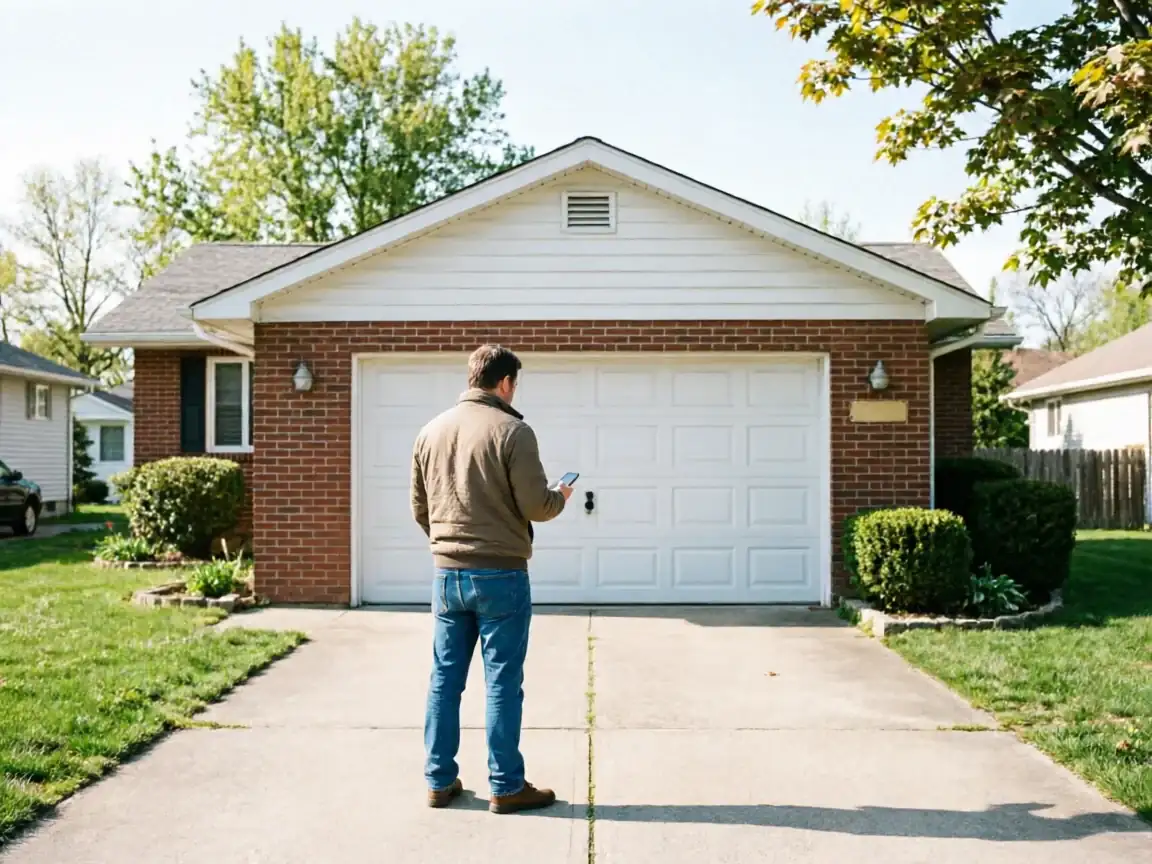
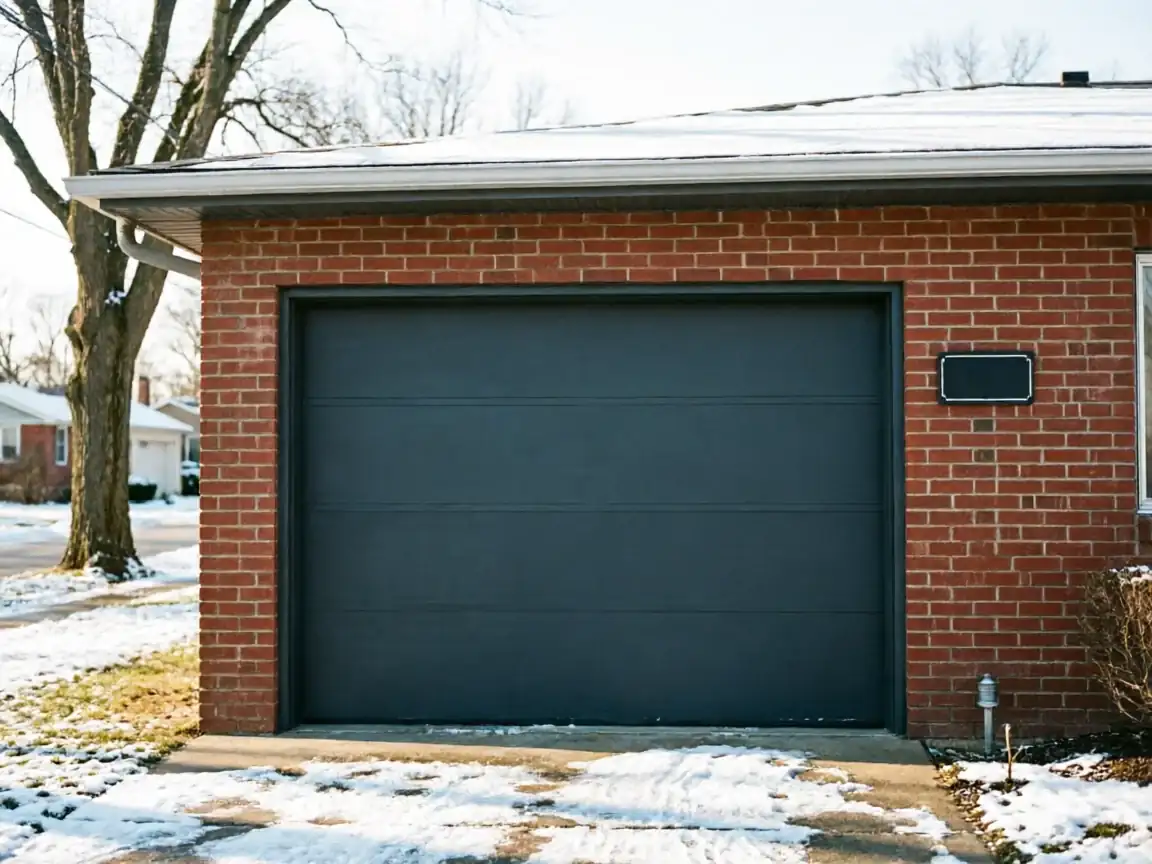
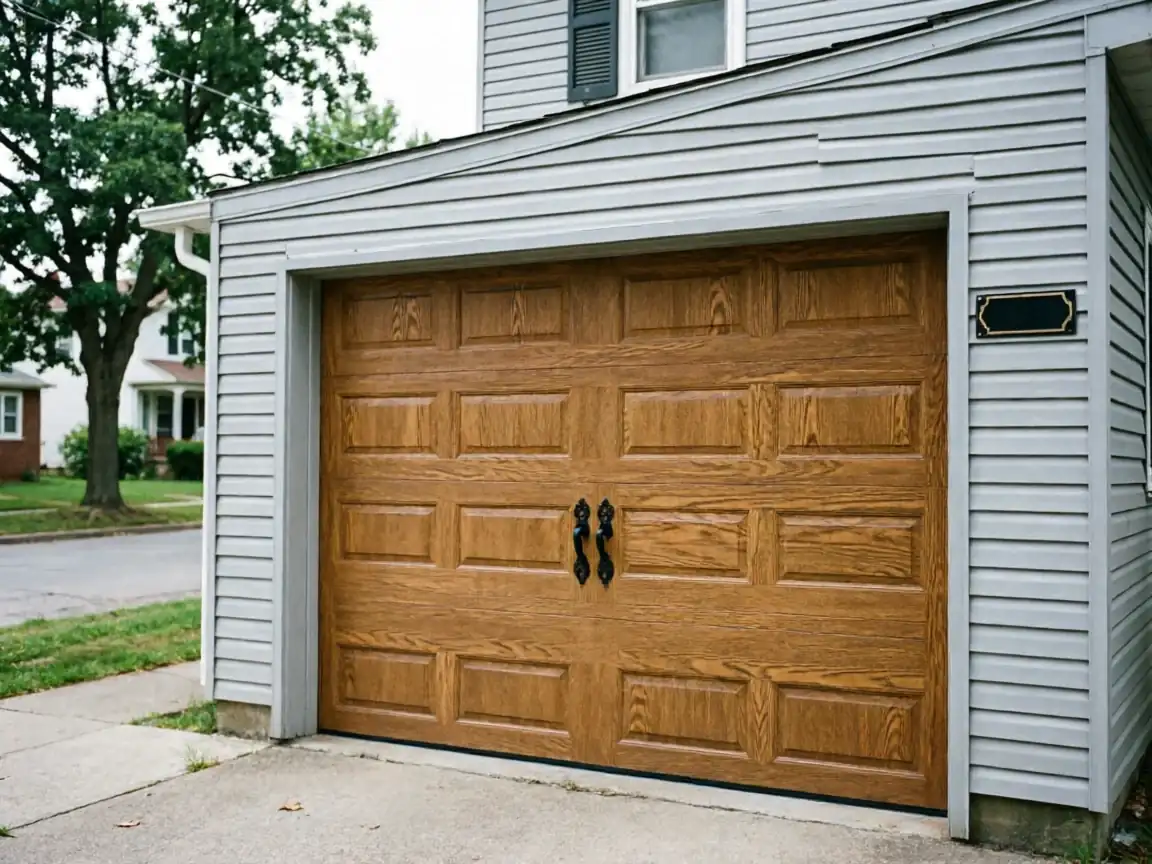
A door built when the house was new in 1971 was engineered for a different climate expectation than what COLD-severe winters actually put on steel and springs over 50-plus years. Cold makes springs lose tension faster and makes steel panels more brittle at the hinge points, which shows up here as cracked bottom panels and springs that finally let go on the first hard freeze of the season. The complication in Fairborn specifically is that so much of the housing stock shares this same age, so when a cold snap hits, a lot of doors fail in the same week for the same reason - worn torsion springs rated for a lighter door than what replacement insulated panels actually weigh now. If a homeowner here added insulated panels at some point without upgrading the spring to match, the door is working harder than its hardware was ever sized for, and that mismatch is one of the more common things we find on site.
What You Pay
We don't have a flat number to quote you here - a spring replacement on a 1971-era door with original hardware costs differently than swapping an opener with a bad circuit board, and we're not going to make up a figure that doesn't hold up once we're looking at your actual setup. What we can tell you is that Fairborn's median household income runs lower than the wider service area's (around $55,966 versus roughly $70,000 across all 31 communities we cover), and that's part of why we don't push full door replacement as the first answer when a repair will hold. If a spring or cable fix gets a few more years out of a door that's otherwise sound, that's usually the better call for the budget, even if it's not the bigger job for us.
How We Fix It
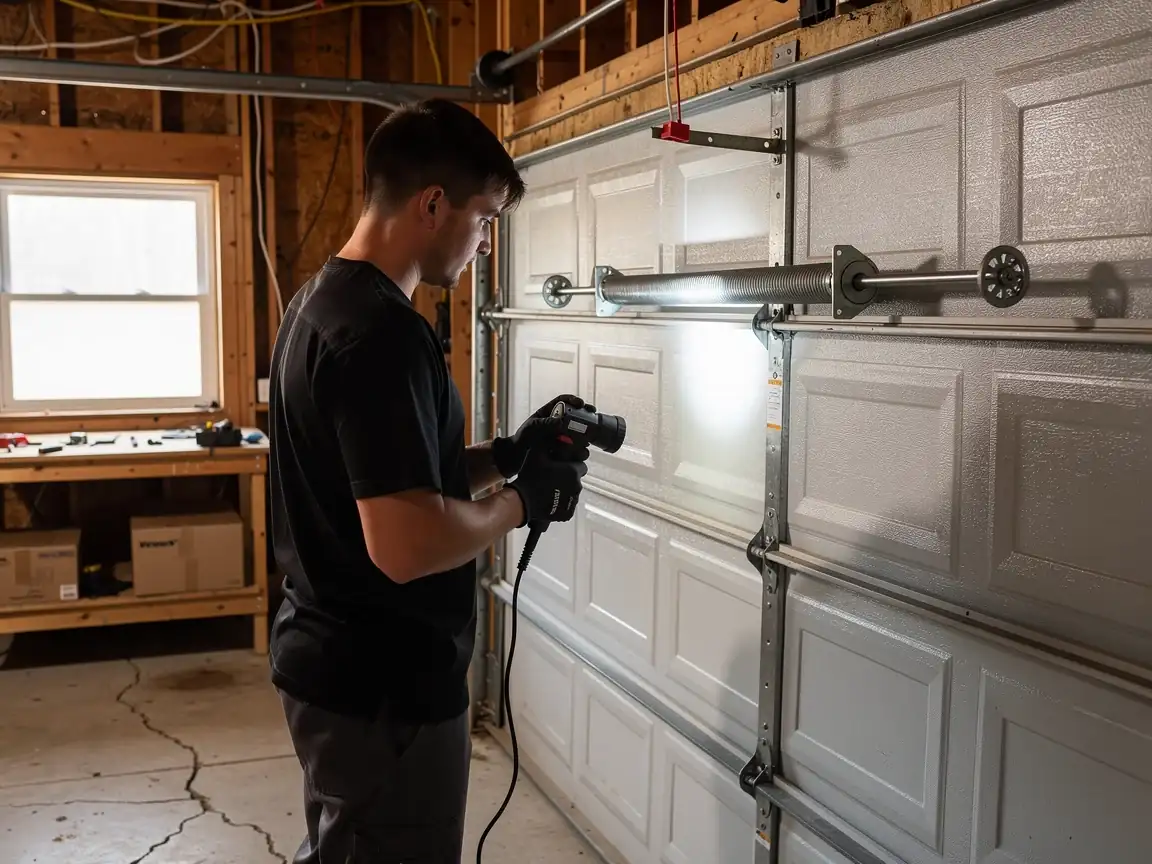
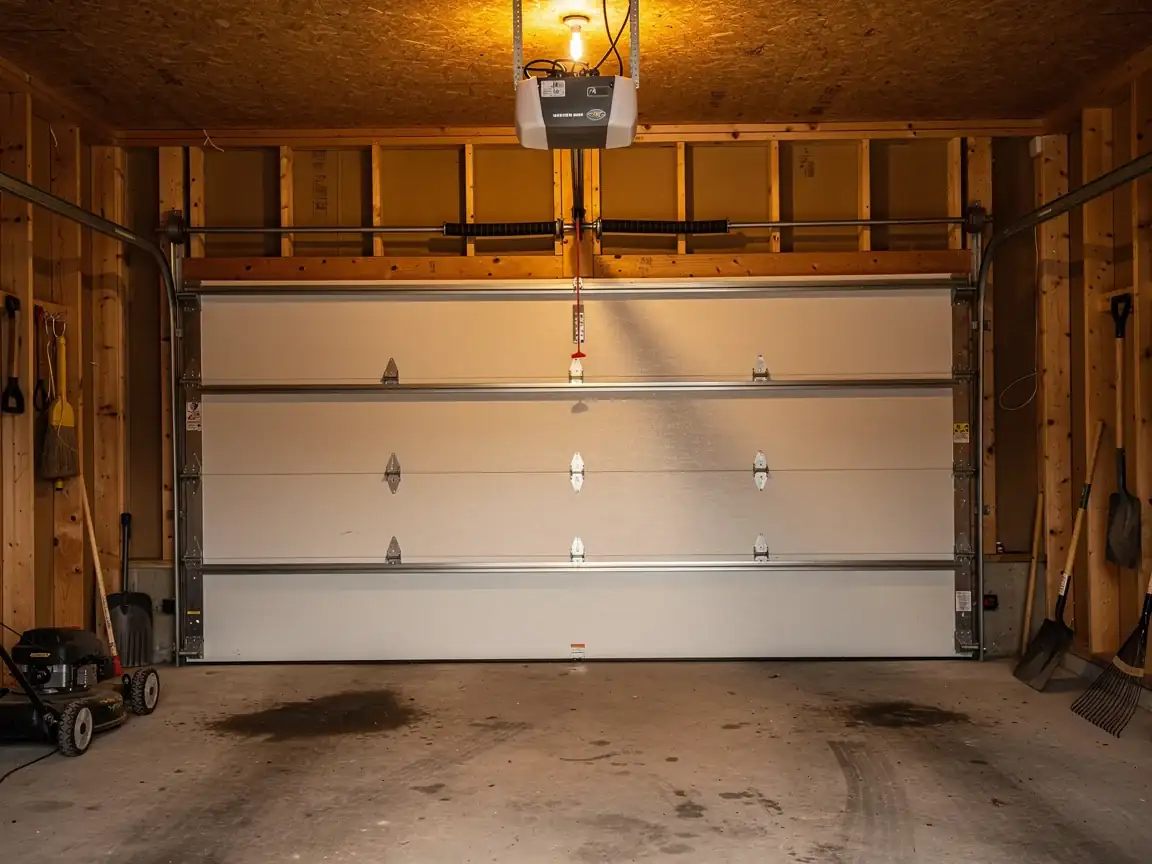
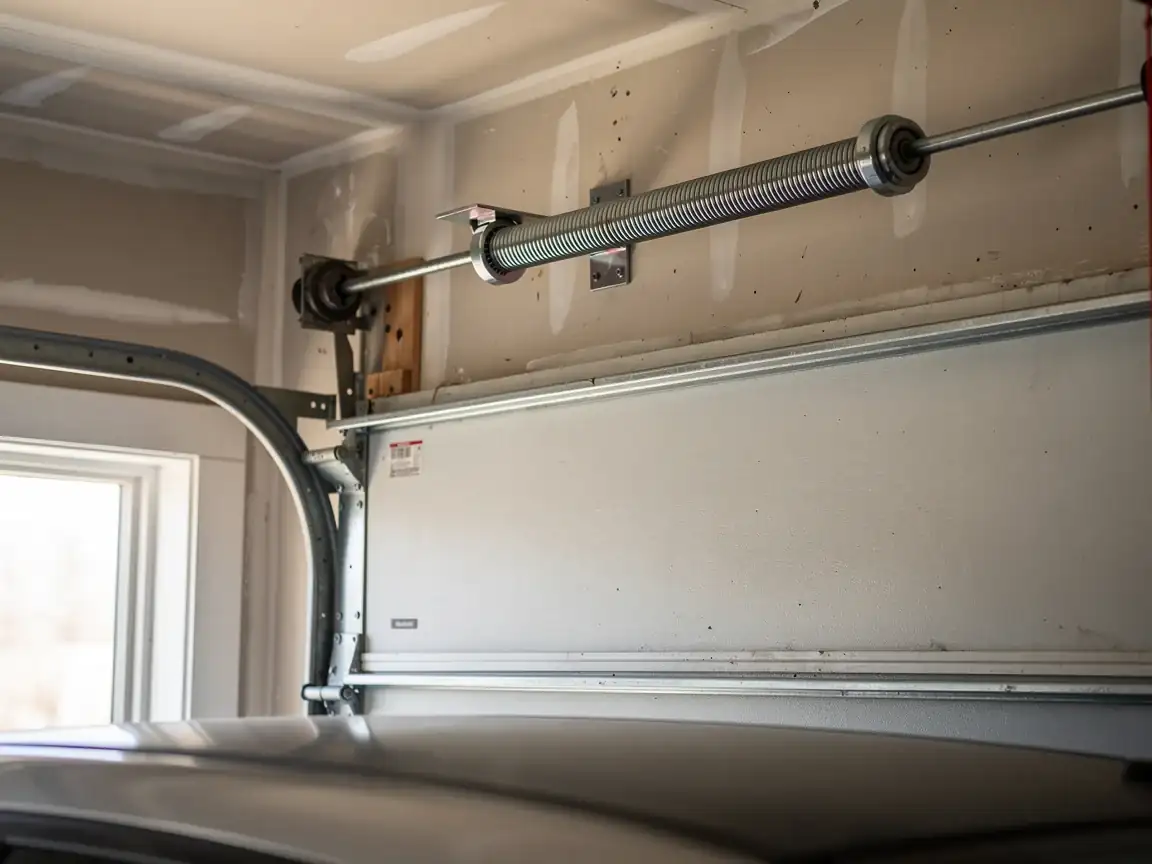
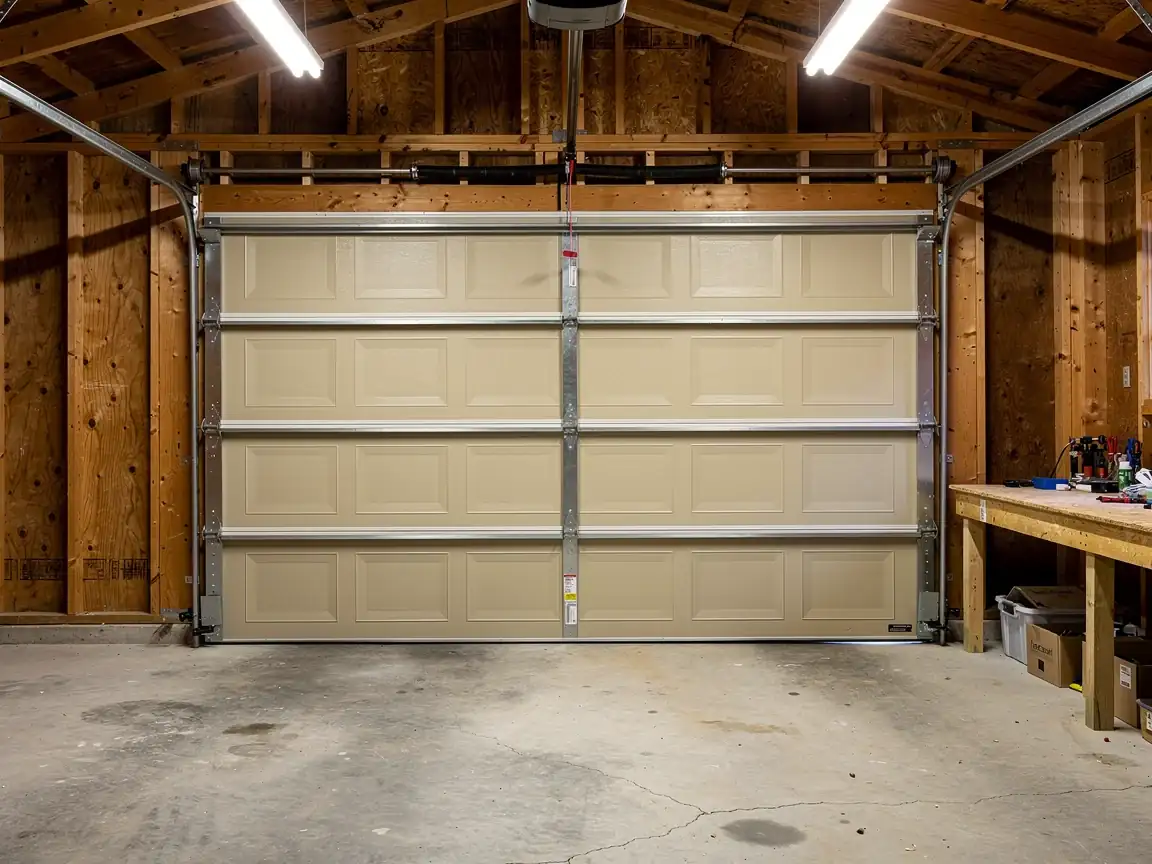
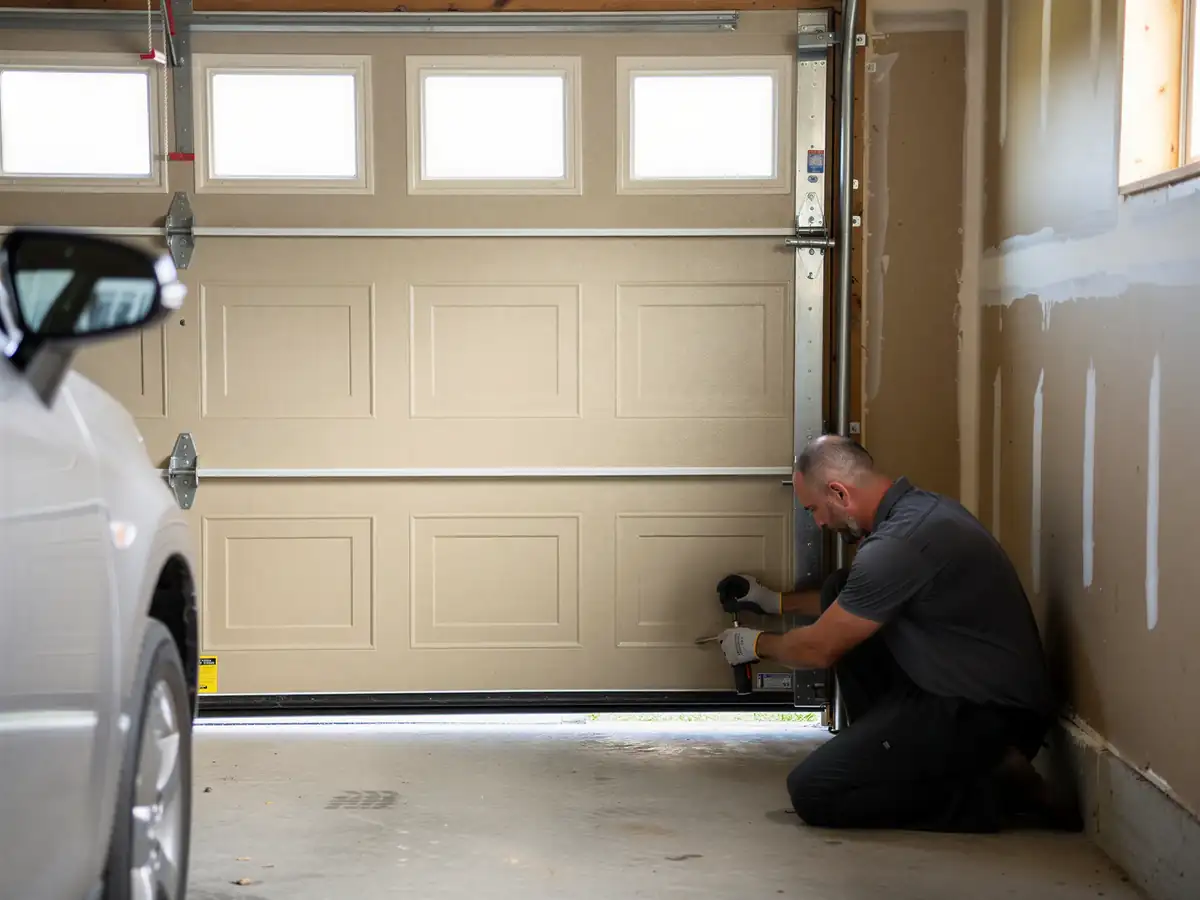
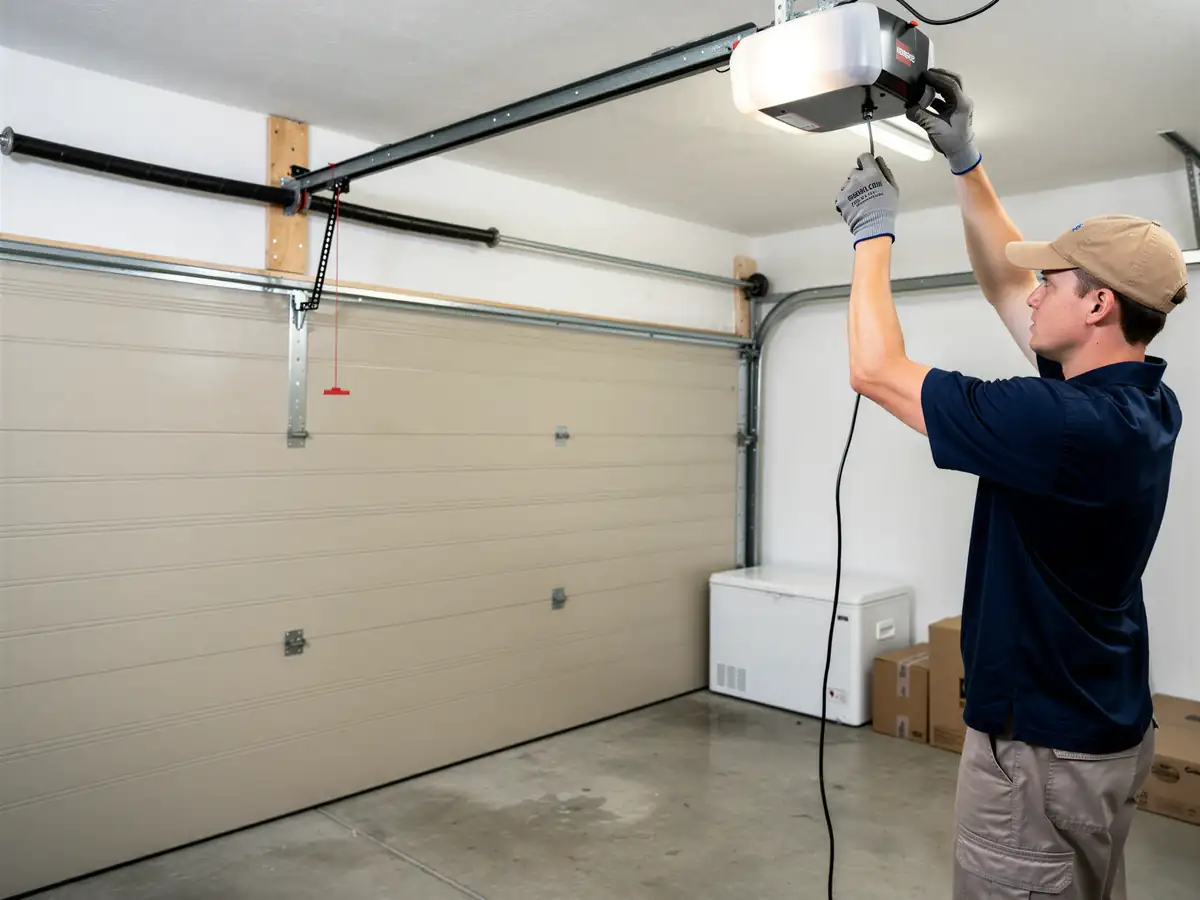
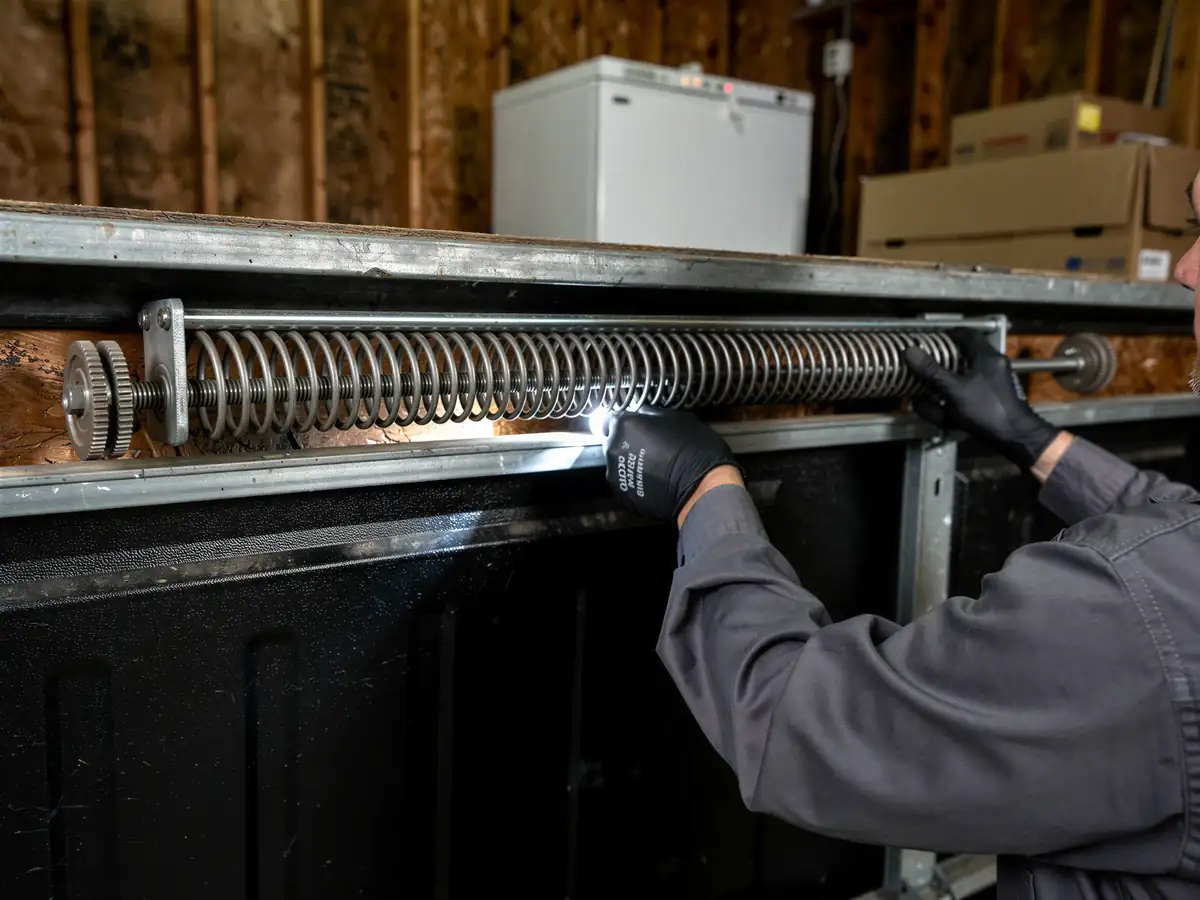
On a door this age, the first thing we check is whether the spring is a torsion unit over the opening or a pair of extension springs along the horizontal track, since that tells us what's actually failing and what it's rated for. We measure the door's current weight, including any insulated panel upgrades, against what the spring was originally wound for - undersized springs are the most common fix we make on 1971-built houses. If the opener is original equipment, we're honest about whether it's worth repairing versus replacing, because gearing and logic boards from that era aren't something we can source new parts for. Track alignment, roller wear, and cable fraying get checked at the same time, since a door that's been running on the same hardware for five decades usually has more than one thing going on.
What Is on the Truck
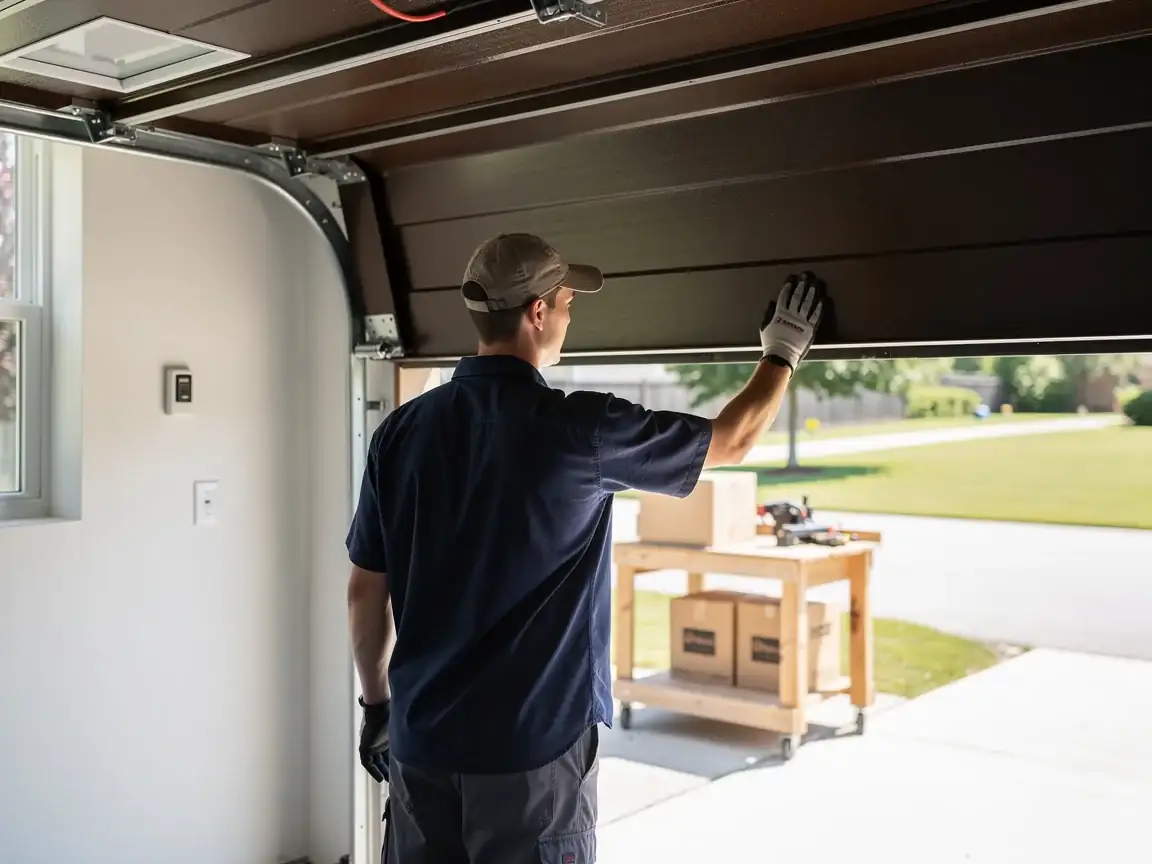
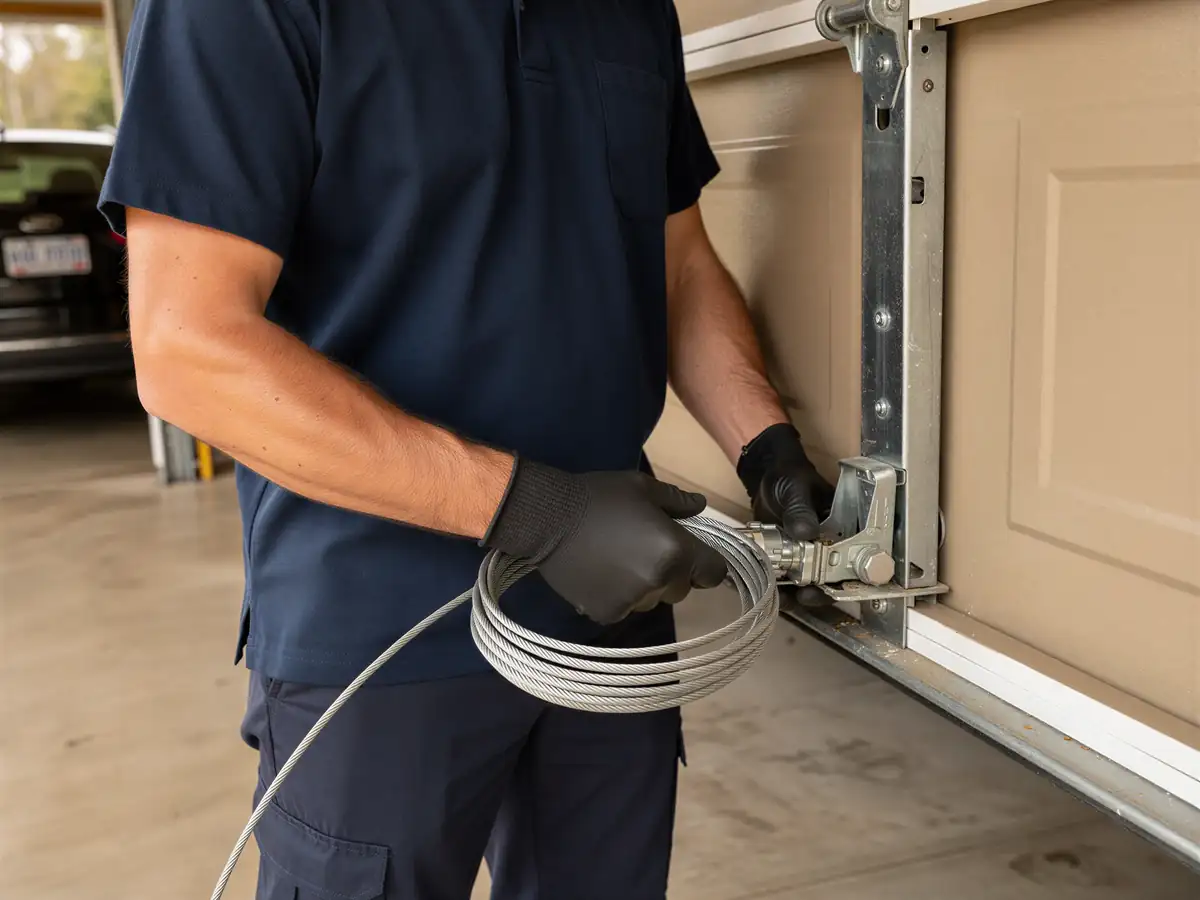
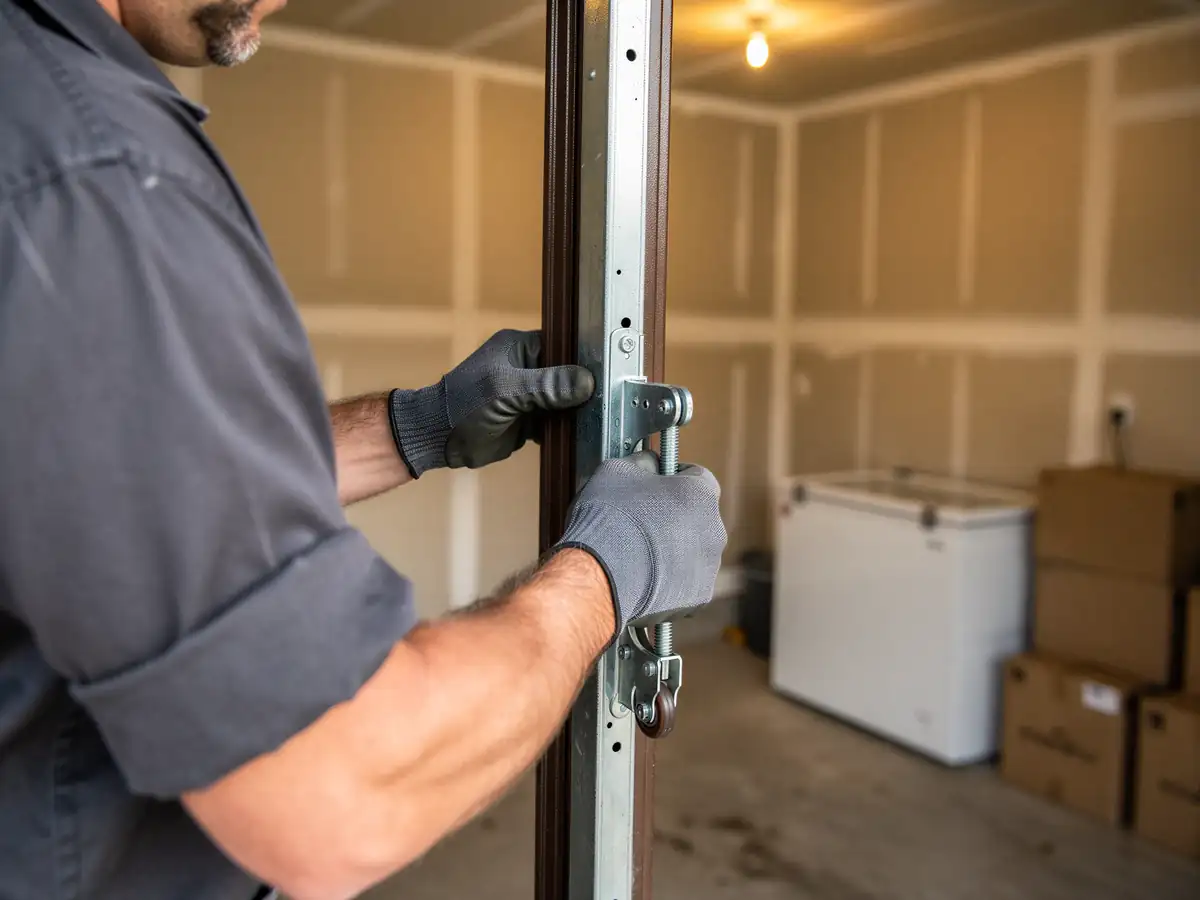
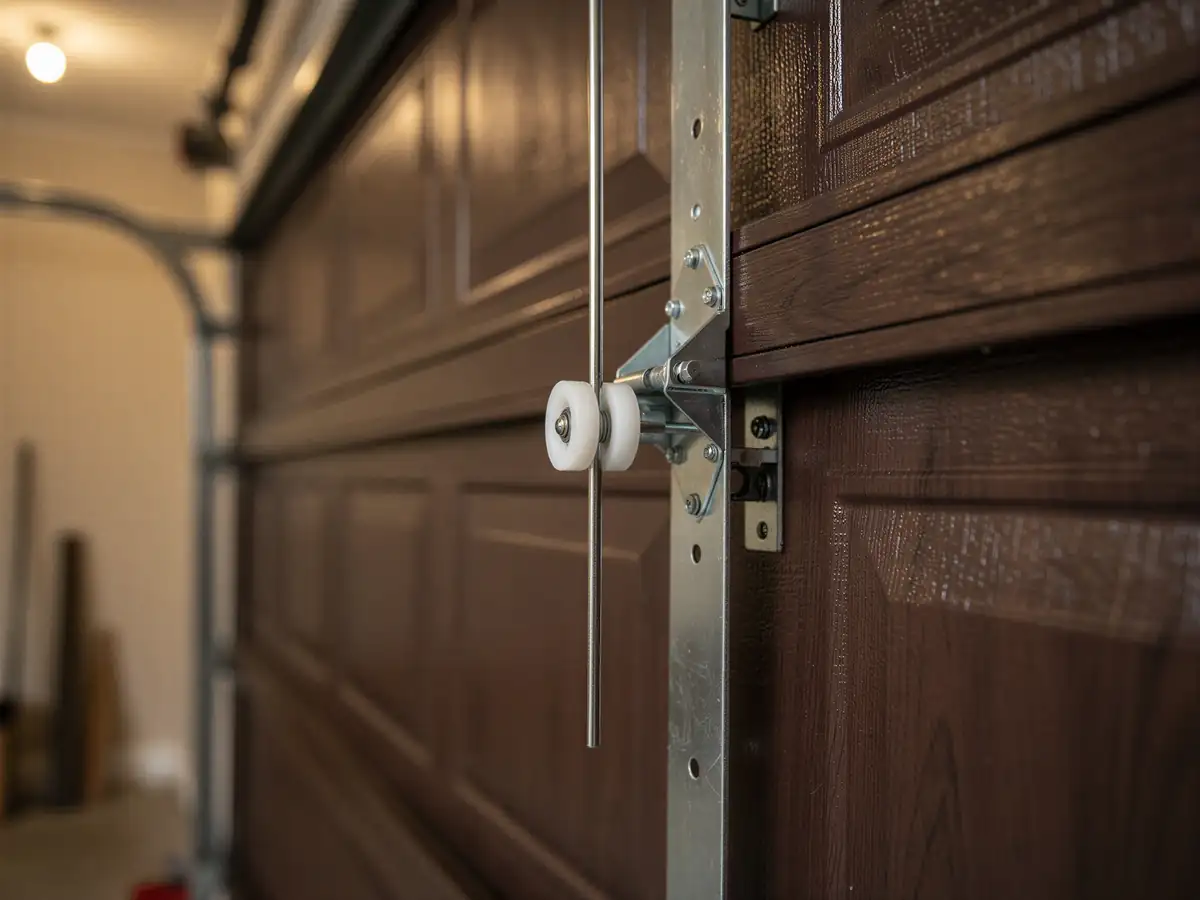
Given how much of Fairborn's housing shares that 1971 build era, we carry torsion springs sized for the lighter original loads as well as heavier springs for doors that picked up insulated panels along the way, plus standard extension spring sets for the houses that never converted to torsion. We stock safety cables separately since a lot of these older extension-spring setups never had them installed to begin with, and we'll add one on any job where we're replacing springs regardless of what else was asked for. Rollers, hinges, and bottom brackets round out the common wear parts. One limit worth naming: if a job needs a specific opener logic board for a model that's been out of production for years, we don't carry that on the truck, and we'll tell you upfront if replacement is the faster, more honest path instead of waiting on a part.