Can You Do This Yourself
Fairborn sits about 5 miles from our shop in Beavercreek
And the homes we see out there run on tighter household budgets than some of the surrounding service area - median income here is around $55,966, against roughly $70,000 across the wider 31-area footprint we cover. That gap shows up directly in the opener aisle: more owners choose a mid-range belt-drive unit over a premium Wi-Fi model, and more try to install it themselves to save the labor line.
- 5 miles
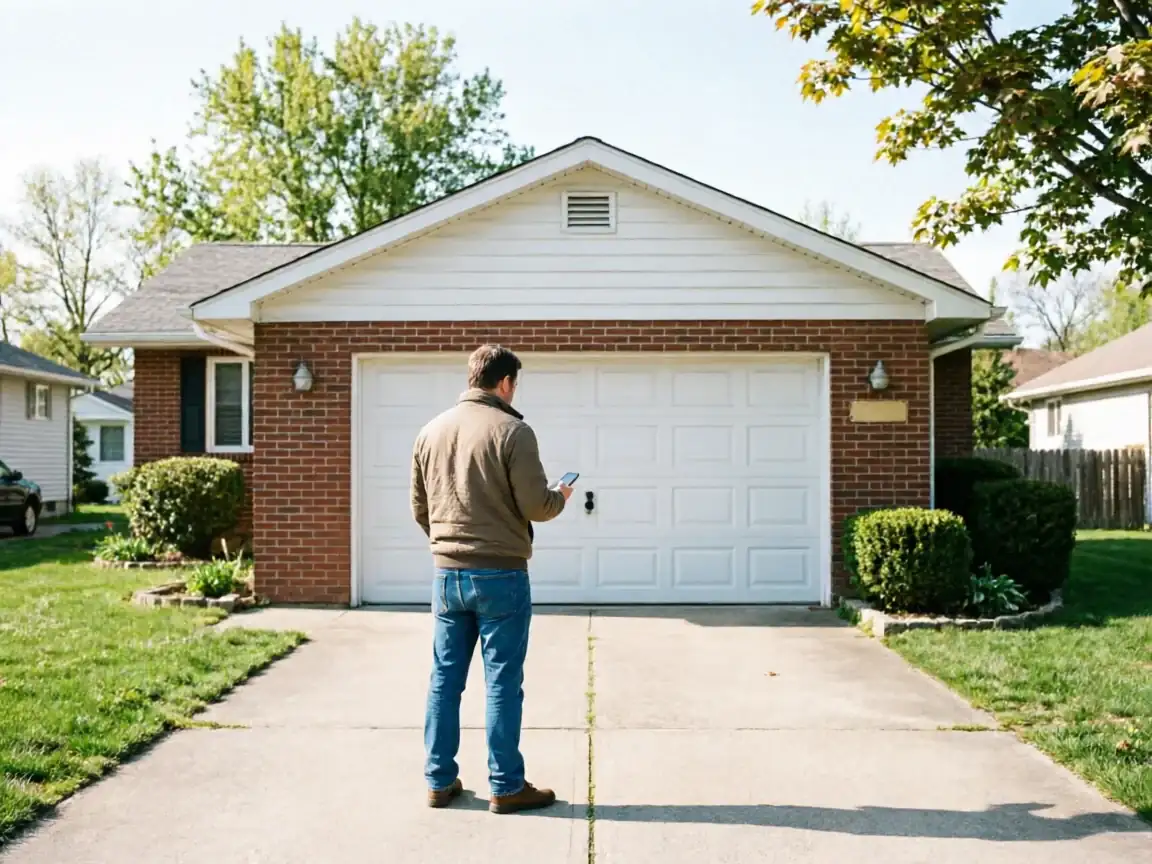
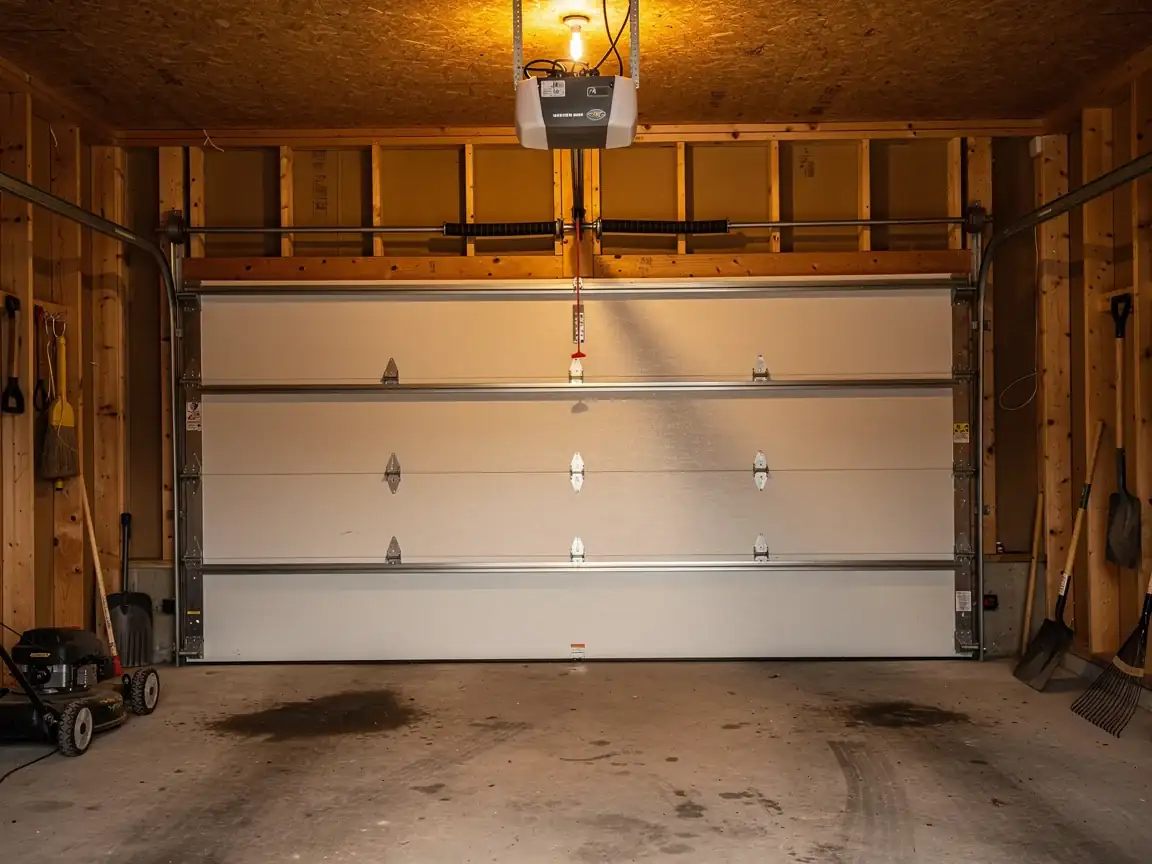
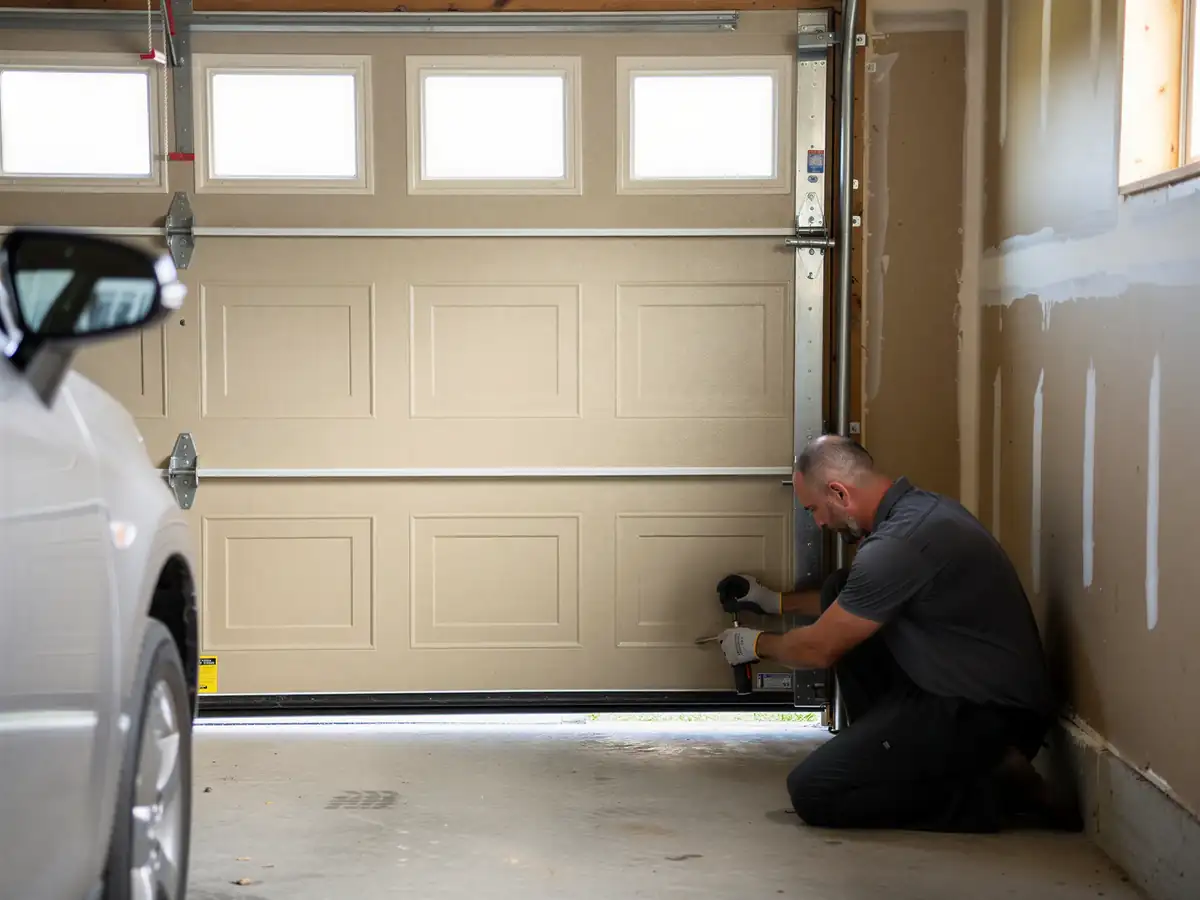
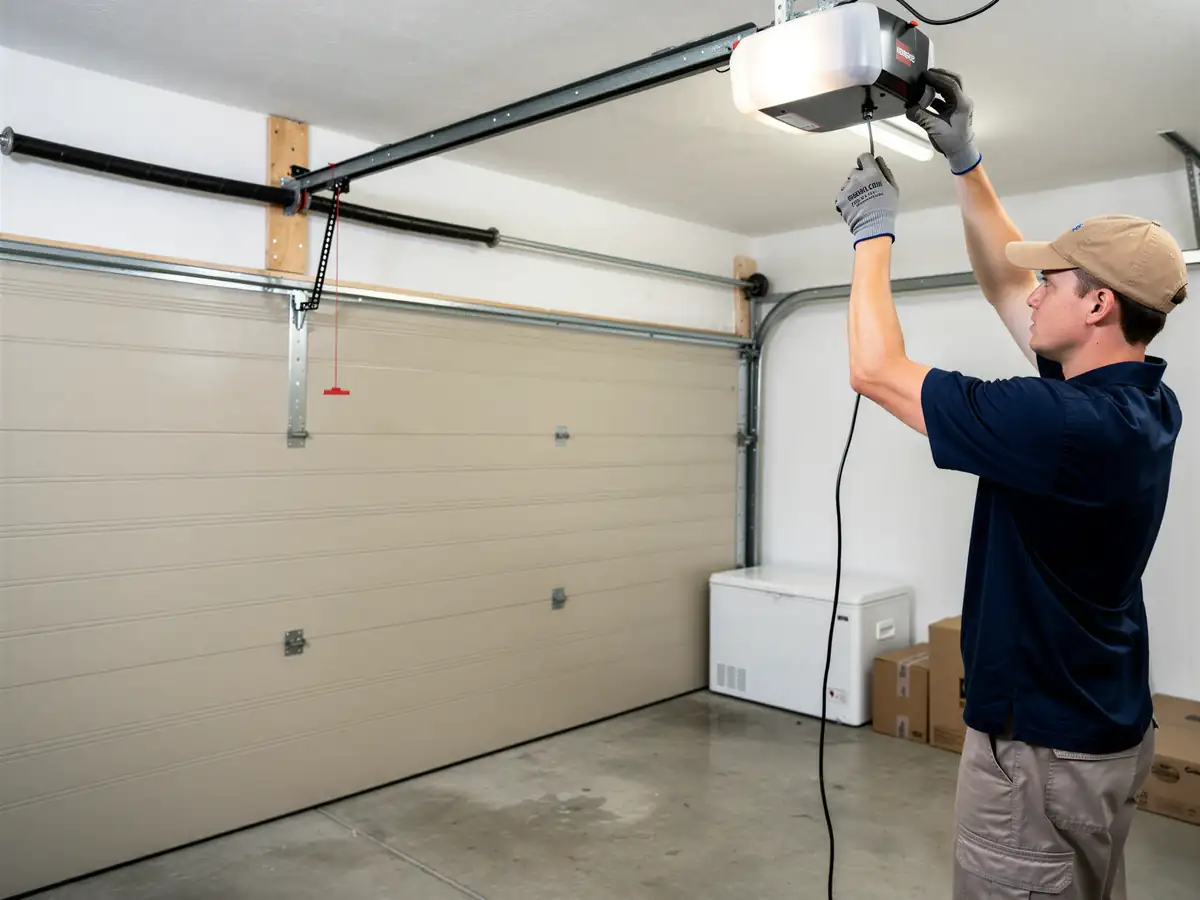
A chain or belt-drive swap on a door that's already balanced correctly is a reasonable DIY job if you're comfortable with a ladder, a drill, and reading a wiring diagram twice before you touch a wire
Mounting the rail, setting the travel limits, and wiring a wall console isn't the hard part.
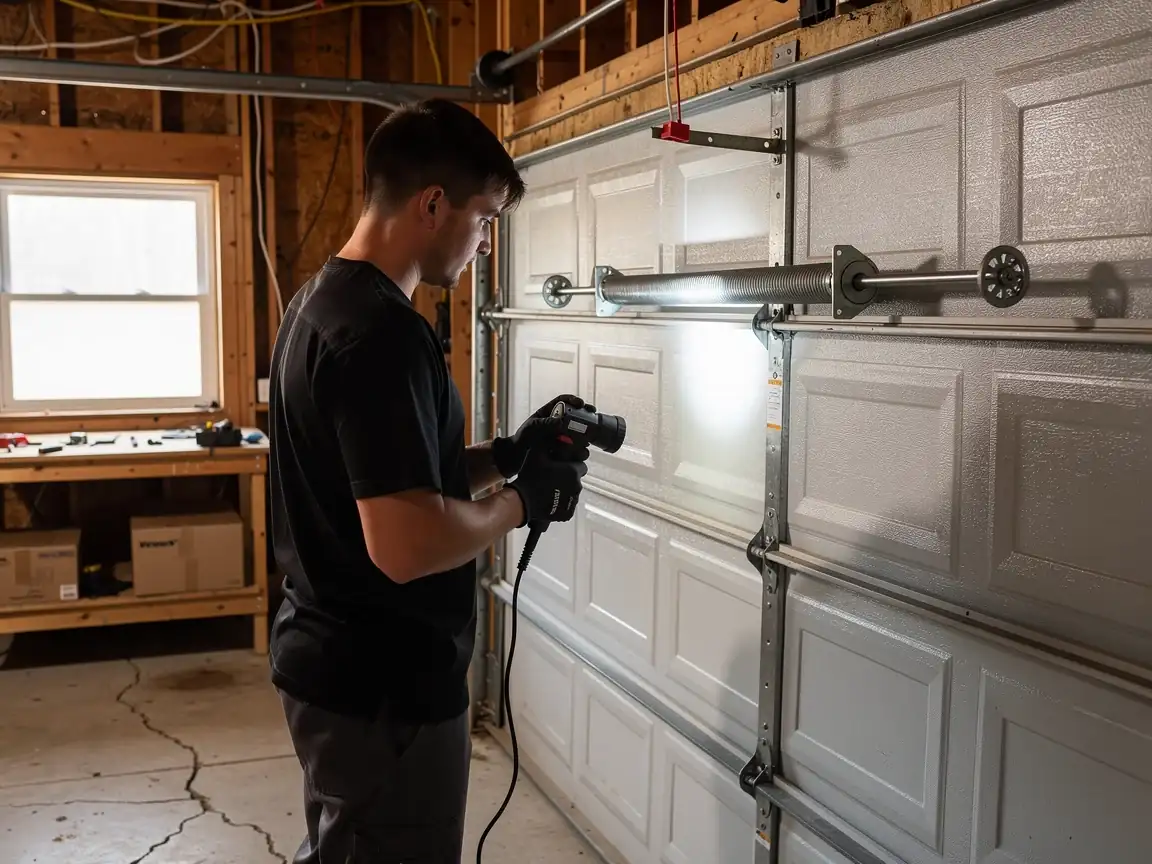
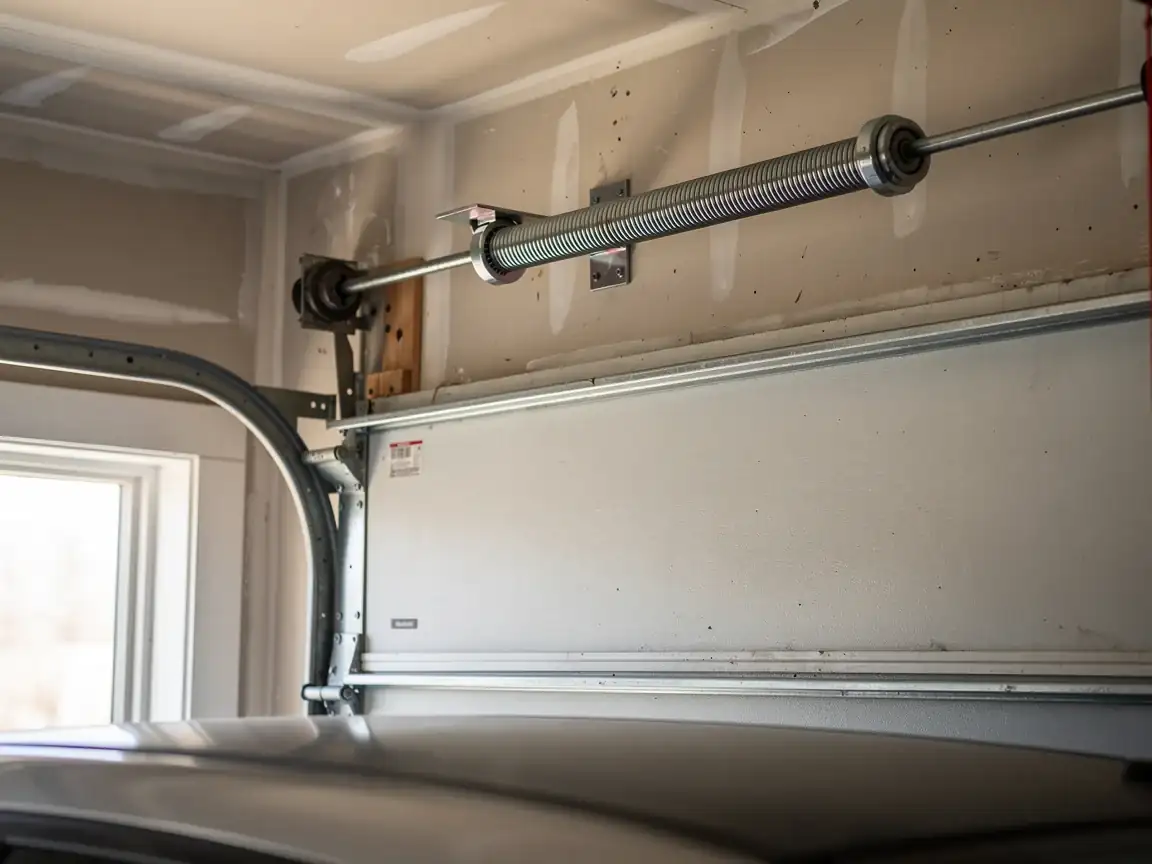
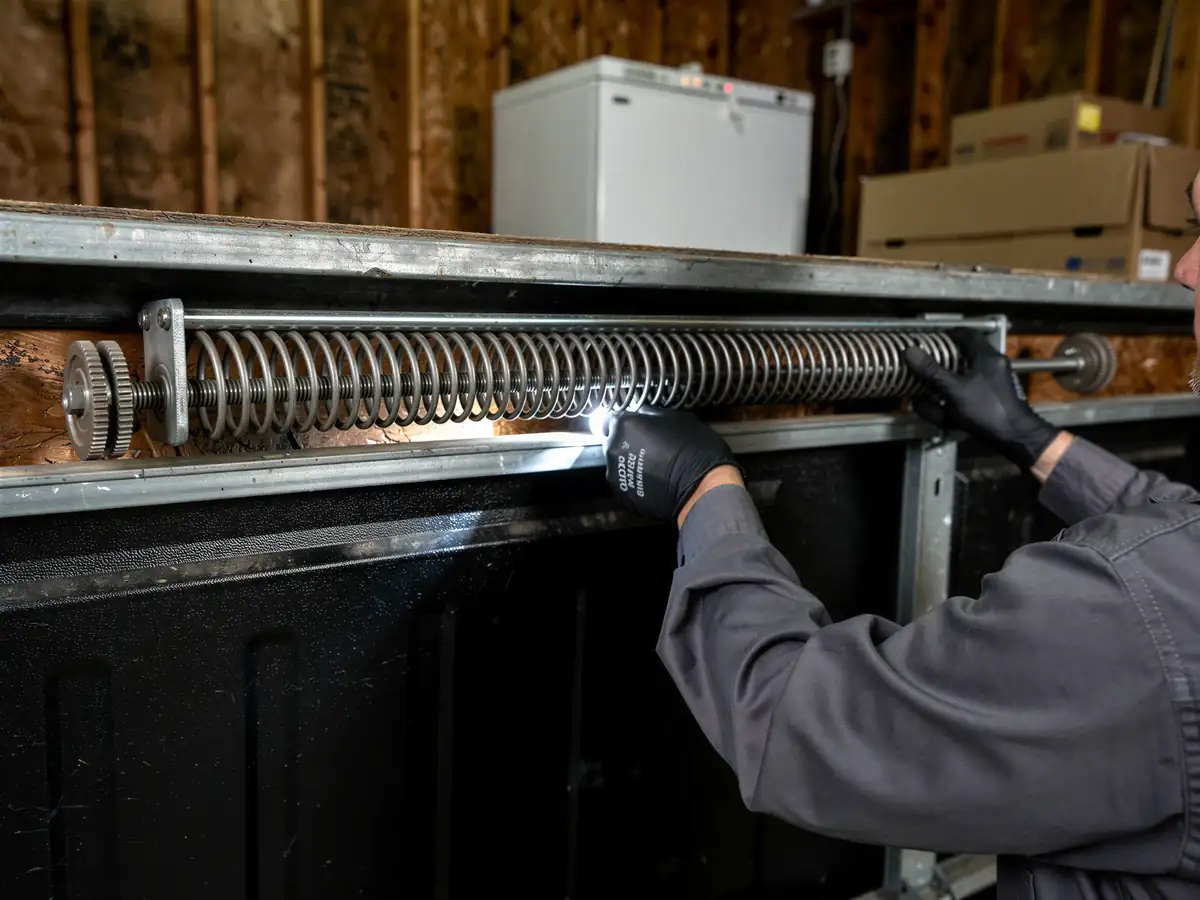
Where it goes wrong is spring tension and door balance, which most instructions skip entirely
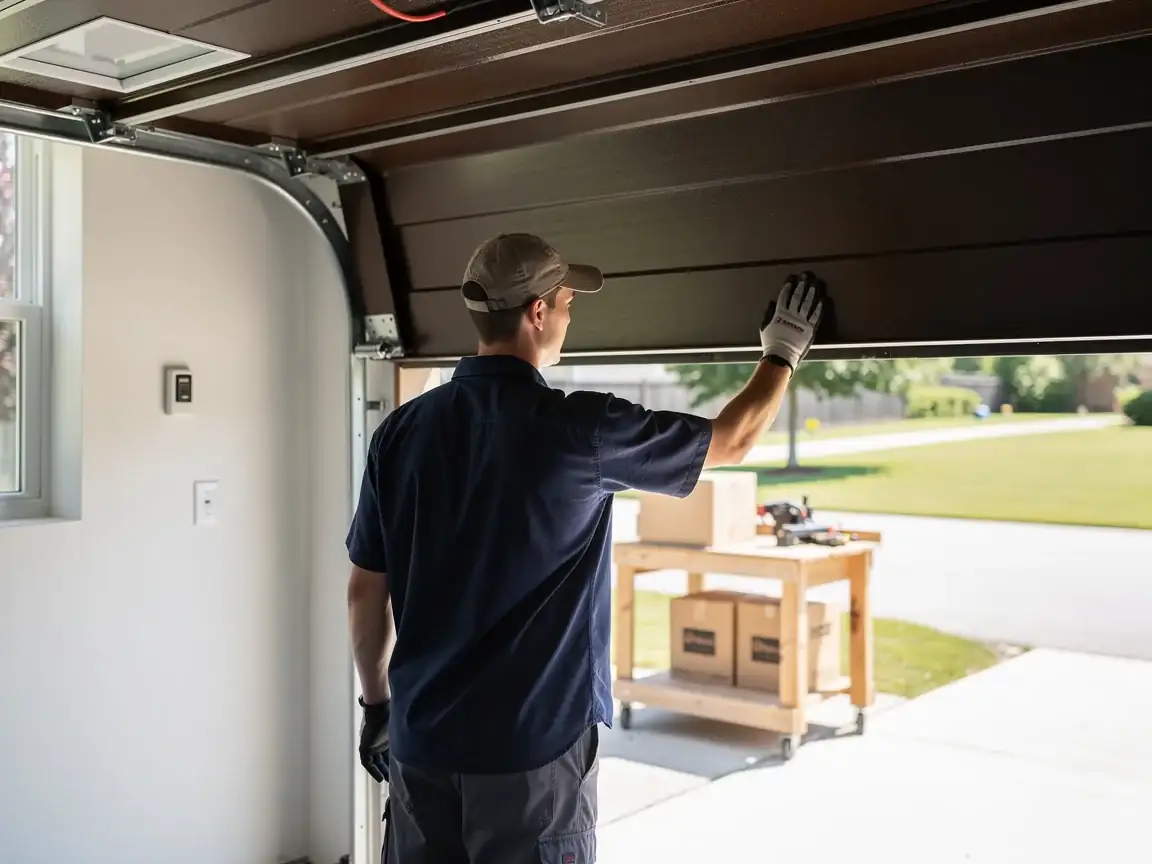
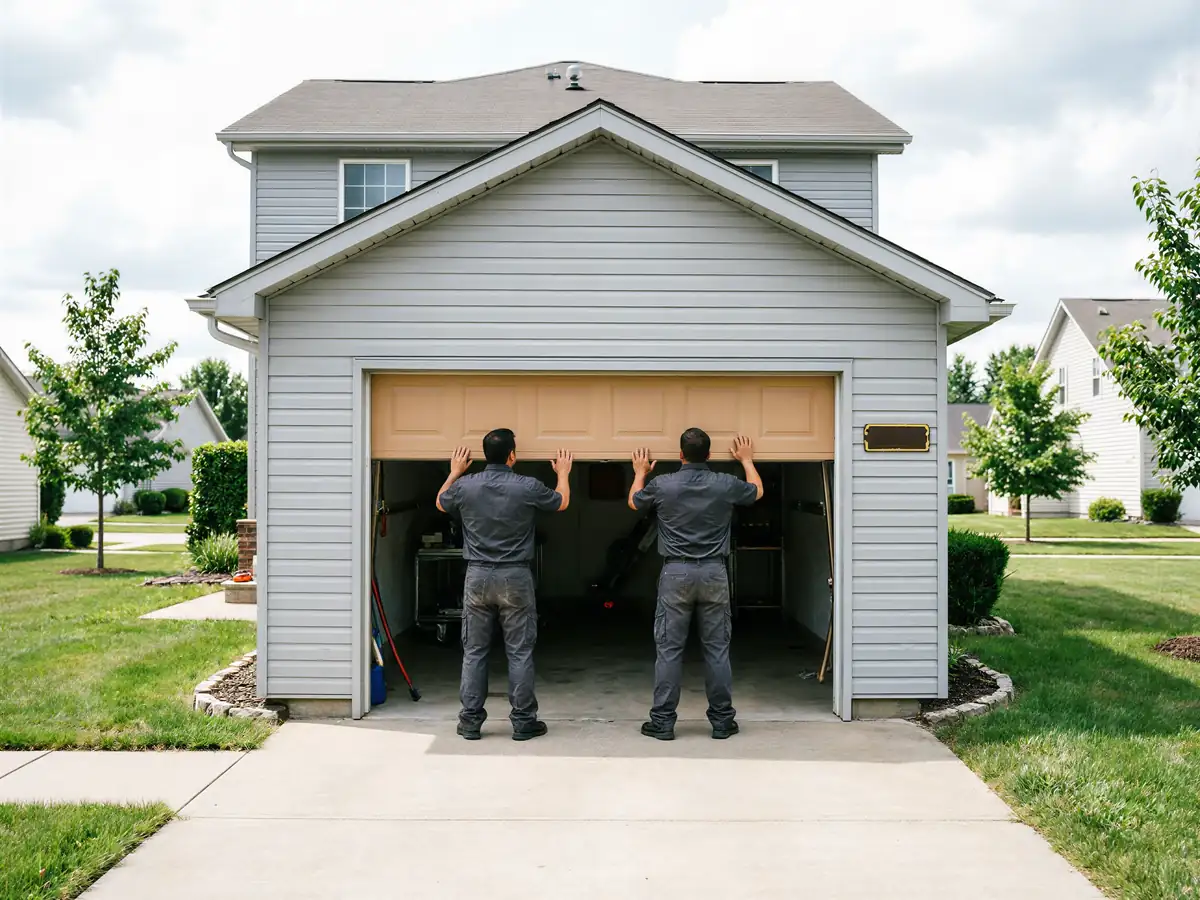
If the door doesn't float roughly chest-height when you disconnect it from the opener, the opener you install - new or old - will burn out early fighting a door that's out of balance. That part isn't a video tutorial job.
The Complications
Housing in this part of the service area was mostly built between 1938 and 1998, with a median build year of 1971, and Fairborn tracks right at that median. A door and opener combination from the early 1970s almost never has the clearance, header depth, or bracket spacing that a current opener kit assumes - the kit's mounting plate wants a flat header, and a lot of these garages have an angled one from the original framing.
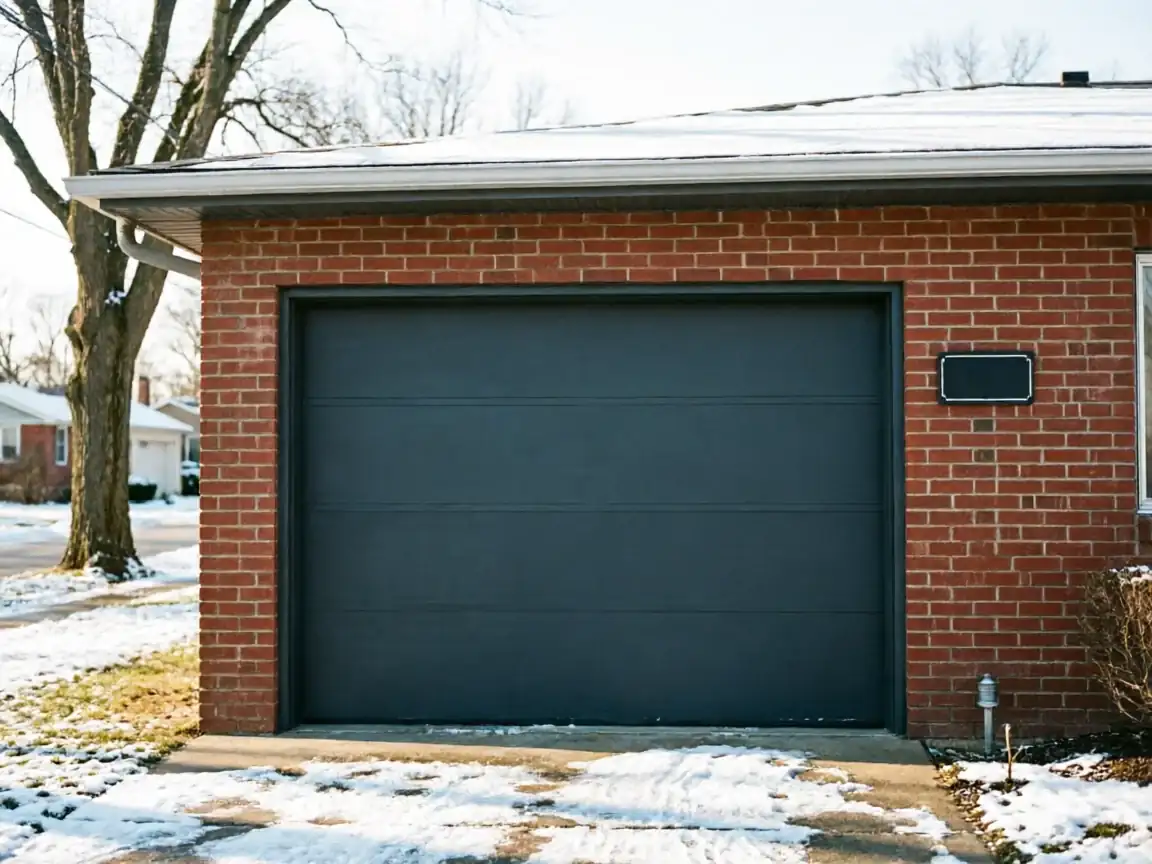
The other complication is winter. This area sits in a cold, severe climate band, and an opener's gear set and capacitor both work harder in a cold garage than the box specs assume. An opener rated for a heated attached garage in a mild climate doesn't hold up the same way bolted to an unheated detached one here.
We also see a fair number of torsion springs on these older doors that were never upsized when a heavier insulated panel replaced the original single-layer door. The opener will run, but it'll strain, and that strain shortens its life - sometimes inside the first winter.
What You Pay
We don't have a published price list to quote you here, and we're not going to make one up. What we can tell you is what drives the number up or down on a Fairborn job: whether the existing header and track are square enough to take a standard mounting kit, whether the door's spring needs resizing before the opener goes in, and which drive type you pick - chain, belt, or screw.
A straightforward swap onto a door that's already in good shape, with a header that takes stock brackets, is the cheap end of the range. A job where we're also correcting an undersized spring or shimming a warped header to get the rail level costs more, because that's additional labor, not just an opener.
We'll give you the real number after we look at the door in person, not over the phone from a description. Anyone who quotes a flat number sight-unseen on a house built in this era is guessing.
Booking a Visit
We run this job out of Beavercreek and come to you
There's no Fairborn branch, no second crew, just the same truck that covers the rest of the area. At roughly 5 miles out, Fairborn is one of the closer stops on our list, which matters less for drive time and more for scheduling: we can usually slot a Fairborn visit in alongside other calls on that side of the territory without asking you to work around a half-day window.
- 5 miles
When you call, tell us the door's rough age if you know it
Pre-1998 build is common out here - and whether you're replacing a dead opener or adding one to a door that's never had one. That changes which parts we load before we leave the shop, which means fewer surprises and fewer return trips once we're at your house.
How We Fix It
First thing on site: we disconnect the opener and check the door's balance by hand. If it doesn't hold position on its own, the spring gets addressed before any opener goes on the header - installing a new unit on an unbalanced door just transfers the problem to brand-new equipment.
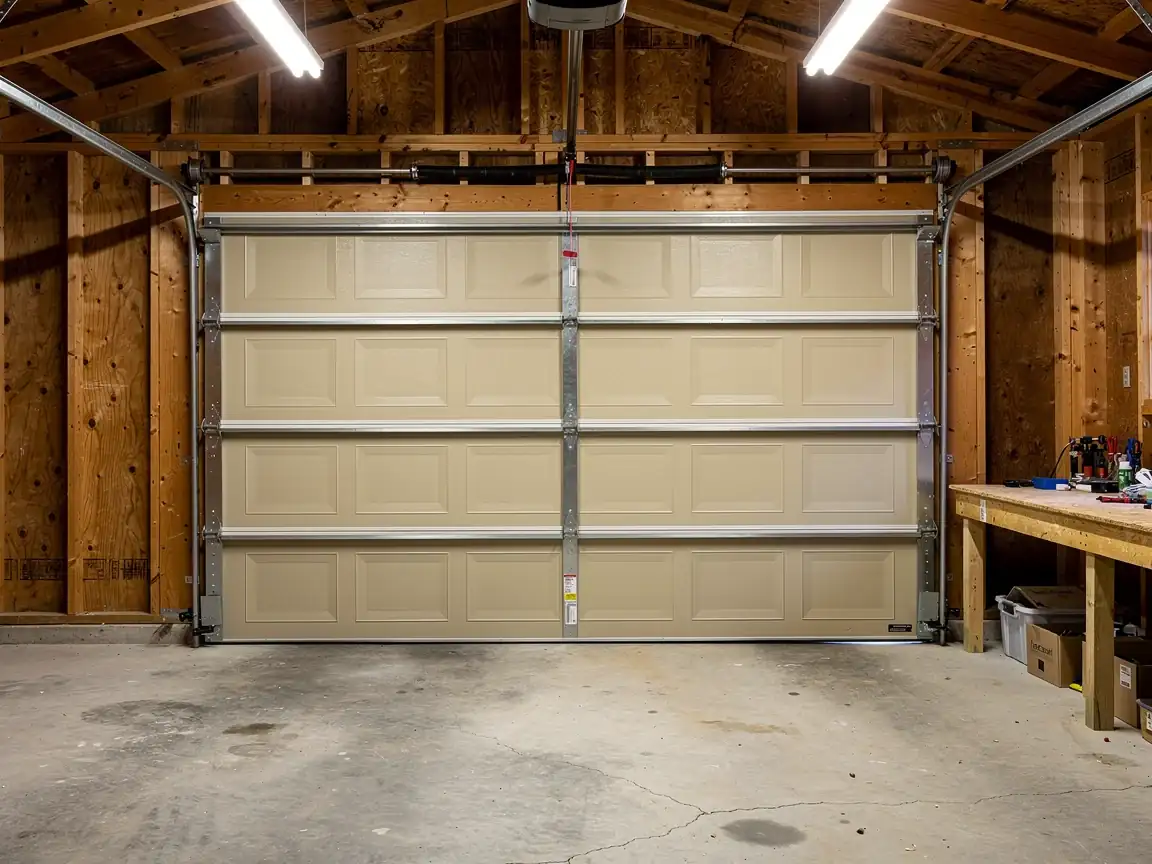
Next we check the header itself. On a lot of the 1960s-70s stock in this area, the header isn't flat enough for a stock mounting bracket, so we shim or re-brace it rather than force a kit that won't sit square. A crooked mount is the single biggest reason openers wear out early on older houses here.
Once the door is balanced and the header is solid, we mount the rail, set travel limits and force settings by hand rather than trusting the factory default, and test the safety reversal with a 2x4 on the floor, every time, no exceptions. Then we program your remotes and wall console and walk you through the manual release before we leave.
What Is on the Truck
We carry belt-drive and chain-drive openers in the ranges that fit standard single and double residential doors, plus the header brackets, rail extensions, and shims we need for the angled or low-clearance headers common on houses built before 1998. We stock torsion springs in the sizes that match the door weights we see most often out here, because an opener install on an undersized spring is a callback waiting to happen.
What we don't carry is custom millwork or anything that requires a special order - if a door has a non-standard track width or a header that needs structural carpentry before an opener can go up, we'll tell you that on site and get you a straight answer on timeline rather than pretend we can finish it that day. That's rare, but it happens on some of the older stock in this area, and we'd rather say so than leave you with a half-finished job.