Can You Do This Yourself
A lot of Fairborn owners try this one themselves, and the roller itself isn't the hard part
What trips people up is the track alignment underneath it. Houses here went up mostly in the 1960s and 70s, median build year 1971, and that era used steel track brackets that have usually loosened or bowed a little after fifty years of use. Pull the old roller and the track often needs re-squaring before the new one will roll true, not just clipped in and left.
If your door still has the stock galvanized steel rollers
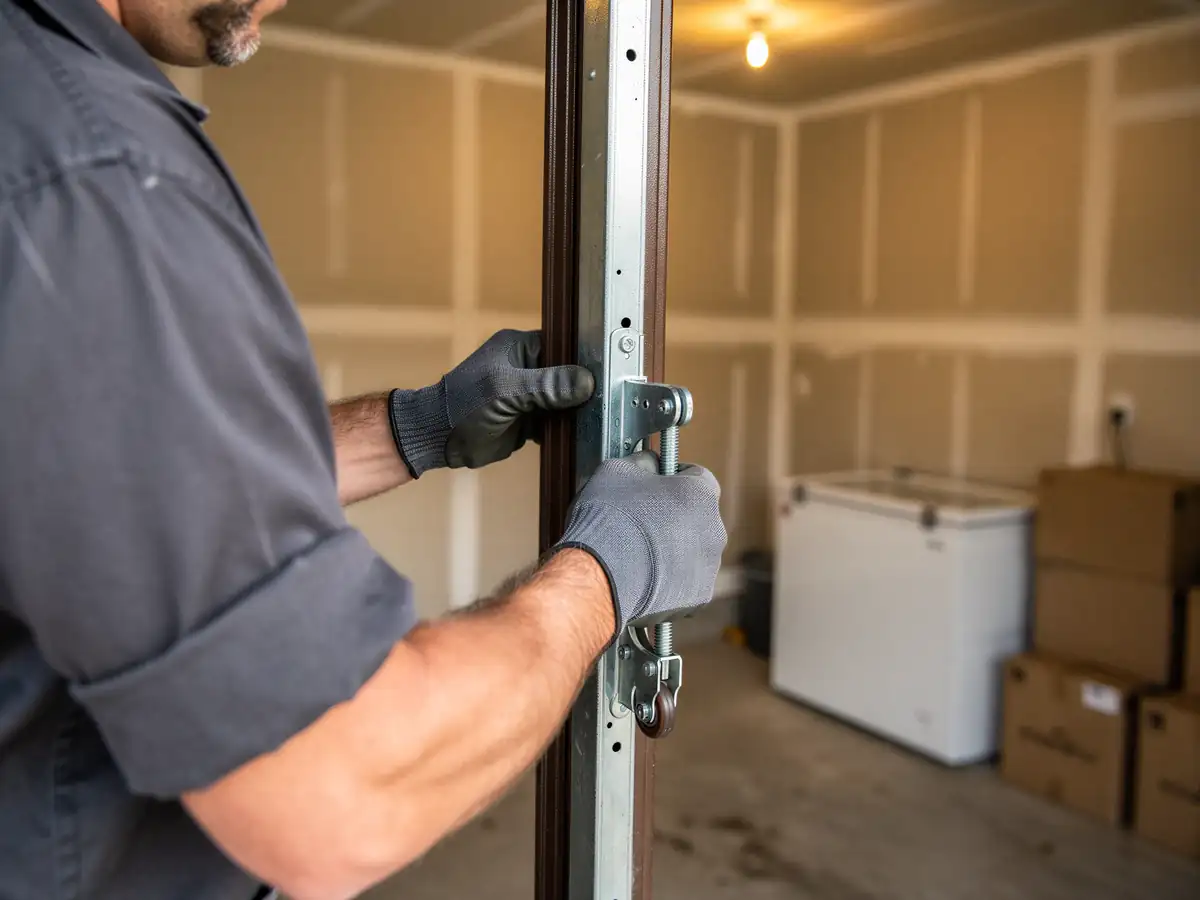
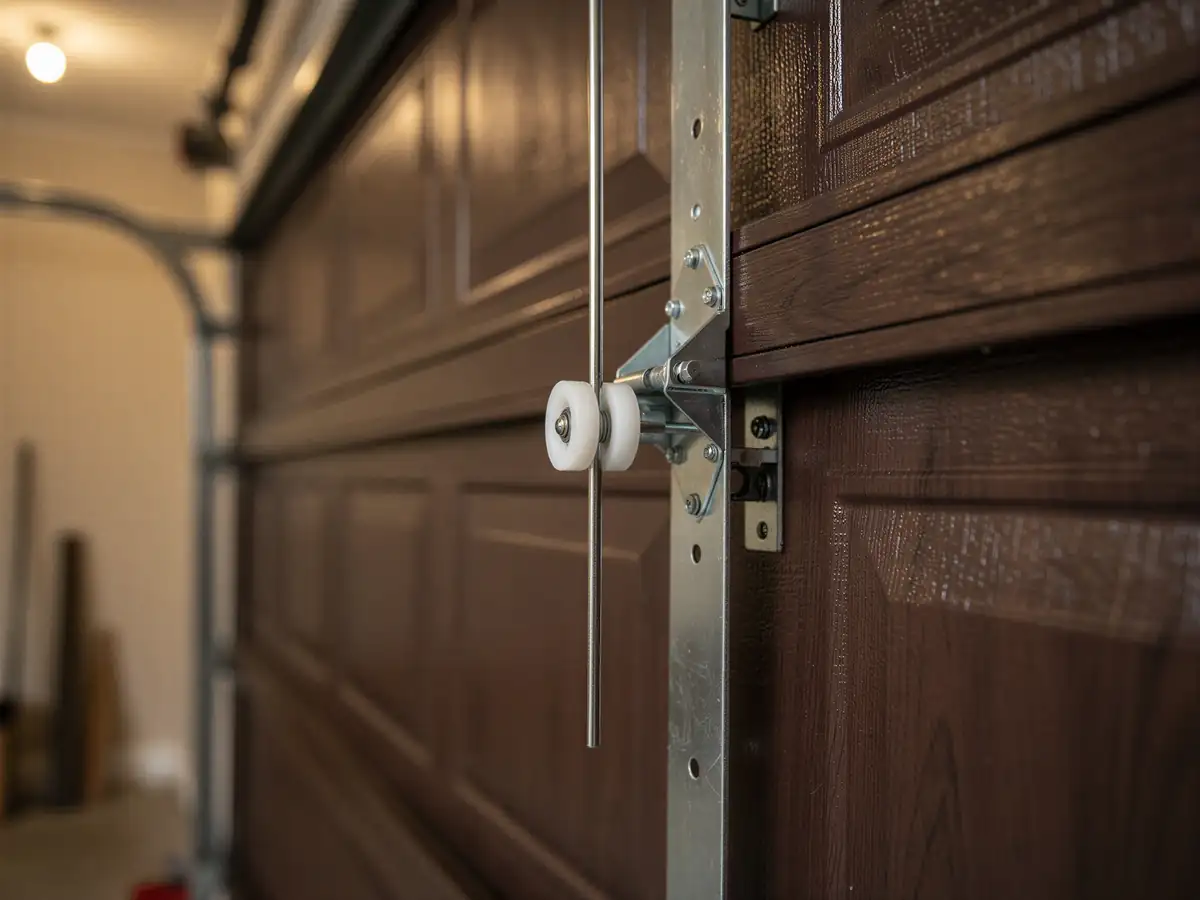
No nylon, no sealed bearing, just a steel wheel in a steel bracket - that's original 1971-era hardware, and it's worth knowing before you order parts. Those rollers were never rated for the freeze-thaw cycling this area gets every winter, and they wear oval instead of round, which is why the door sounds like a shopping cart before it ever breaks.
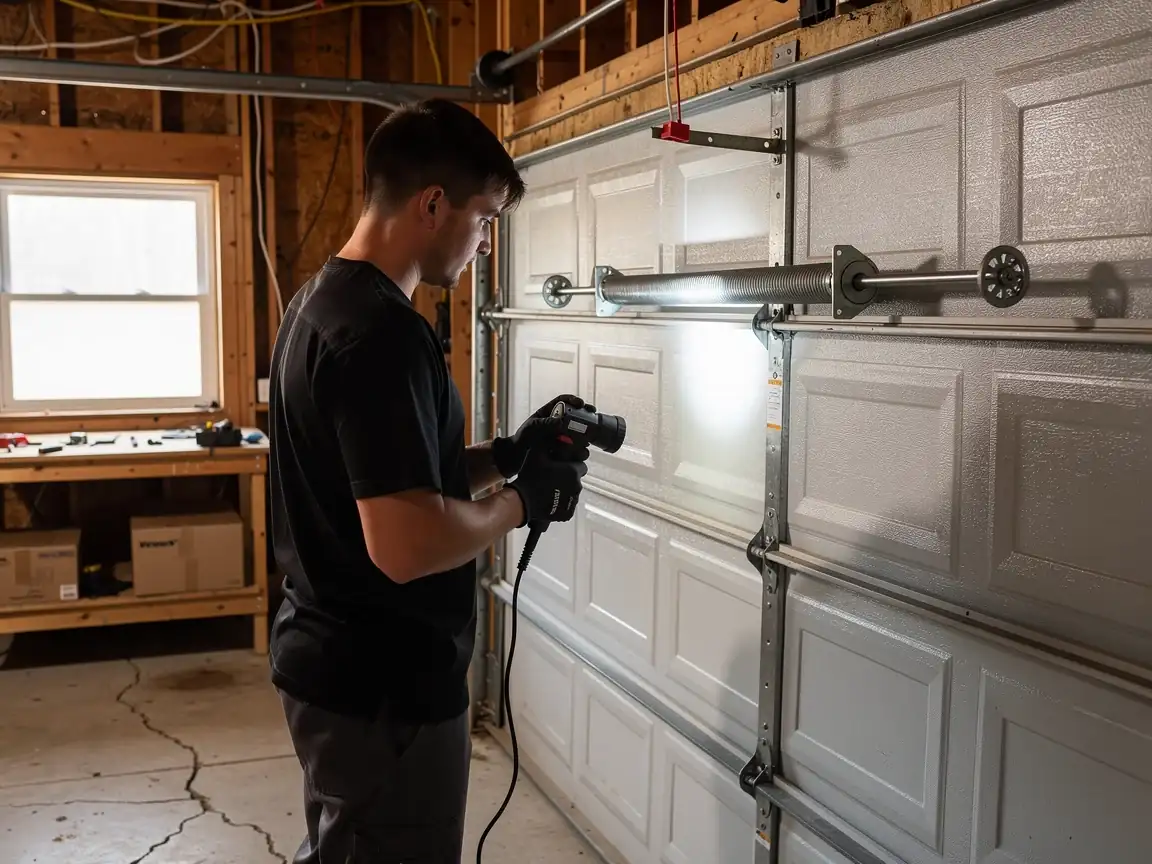
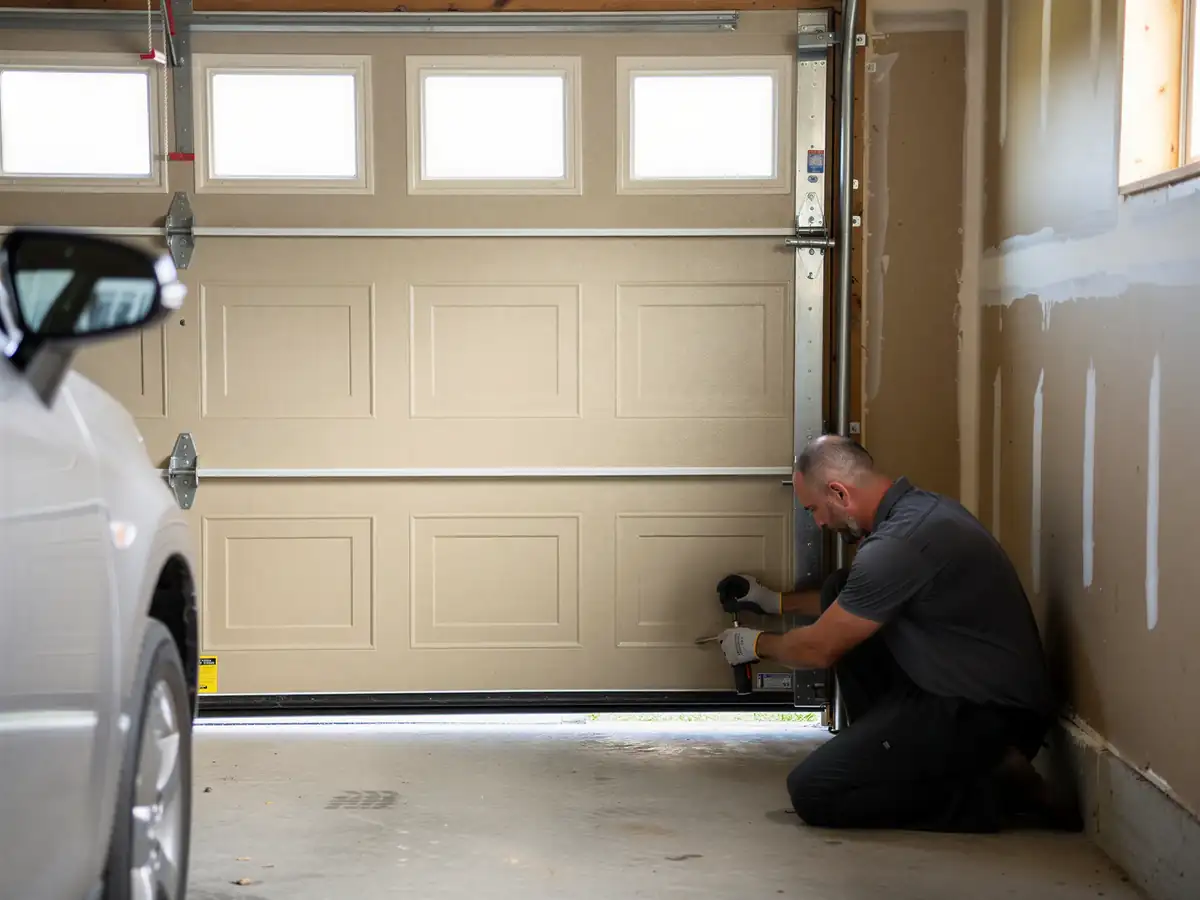
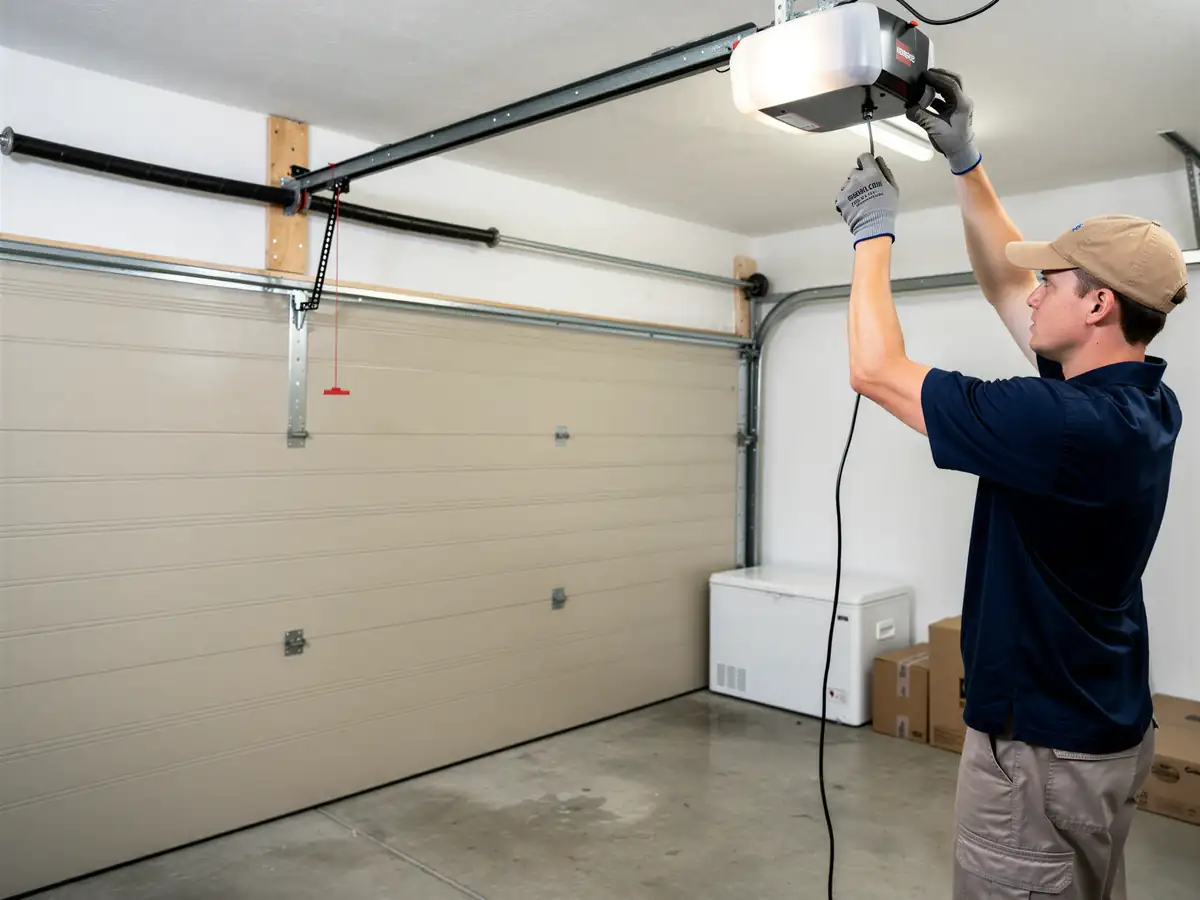
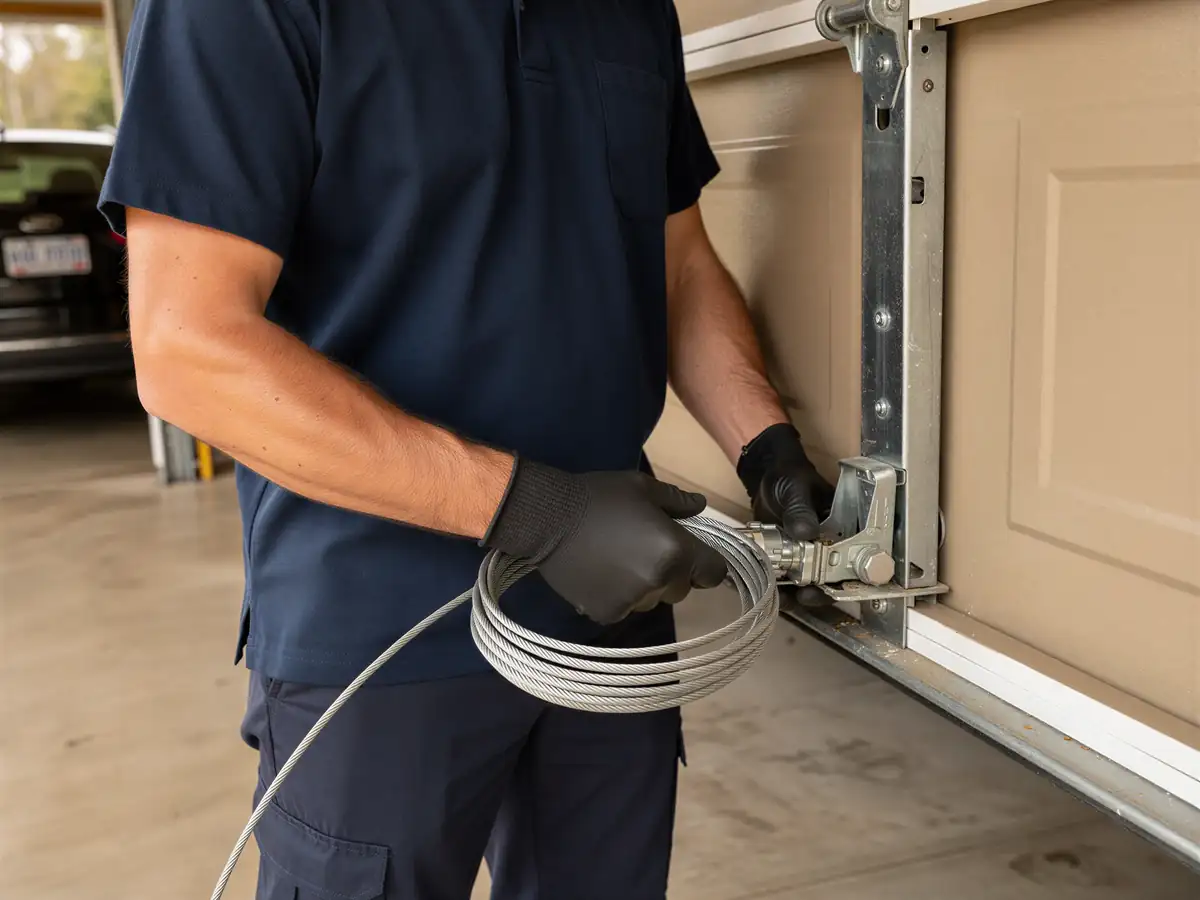
Swapping a single roller is a reasonable DIY job with the door unplugged and the right safety clamps on the track
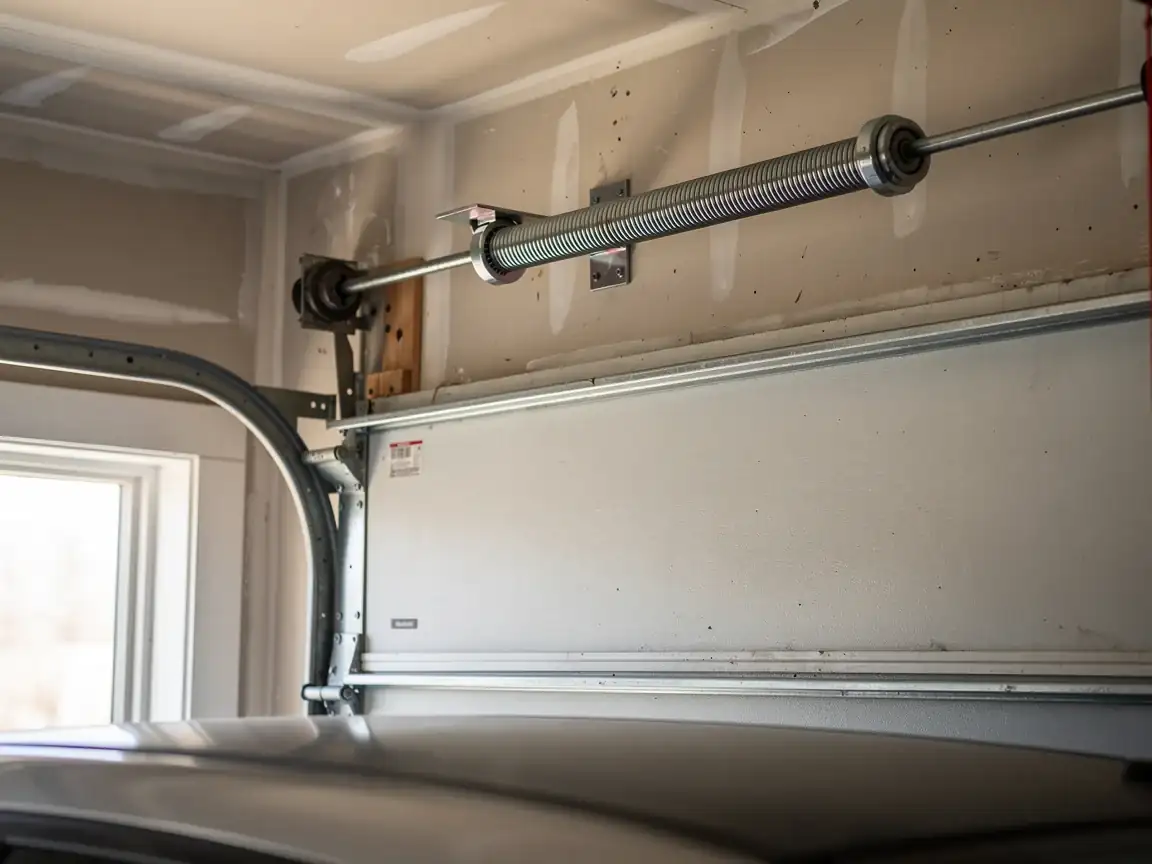
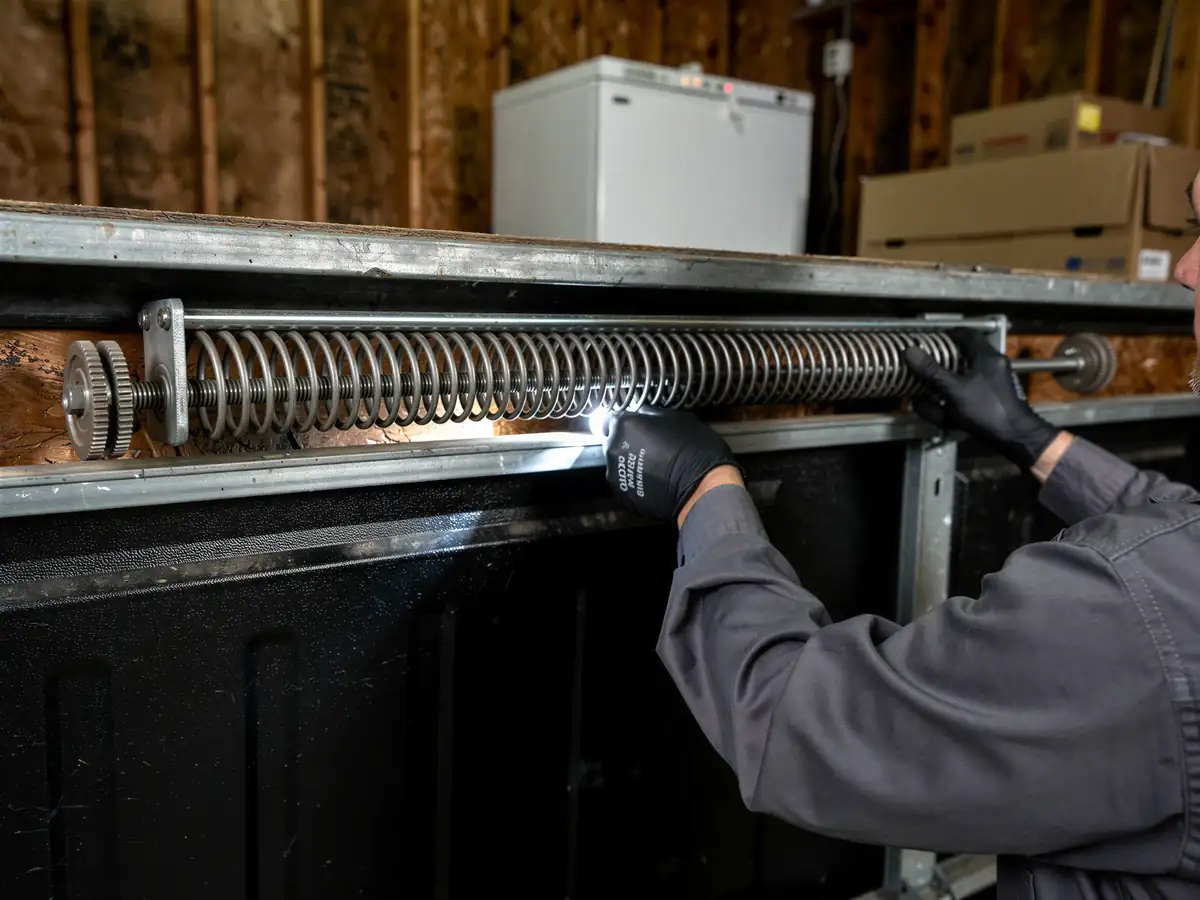
Swapping all ten with the spring still under full tension is not. If you're not sure which side you're on, that's the point where it's worth a call instead of a trip to the hardware store.
The Complications
The complication in Fairborn is almost always the cold, not the roller itself. This area sits in a severe cold climate band, and steel rollers contract in freezing temps just enough to bind in their brackets. A door that rolls fine in July can bind and stall by January on the same hardware - owners call it a dead opener when it's really a frozen roller dragging on bent track.
The other complication is age-matching. A house built in the early 1970s often has track spacing and roller stem length that doesn't match what's sold off the shelf today. Put a modern 10-ball nylon roller into an old 1971 bracket without checking stem diameter and it'll bind within a season, not because the roller is bad but because the fit is wrong.
We don't push full door replacement on a roller call just because the door is fifty years old. If the track and hardware are sound, a roller swap on an original door can run another decade. We'll tell you straight when it's not worth it - usually when the track itself is rusted through, not just the rollers.
What You Pay
We don't quote a Fairborn-specific price here, since the job price depends on roller count, stem size, and whether the track needs resetting, and that varies door to door. What we can tell you is that this area's median household income runs lower than Beavercreek's, and we see that reflected in what owners choose: a lot of Fairborn jobs are nylon rollers on the existing steel track rather than a full track-and-hardware rebuild, because the original brackets from the 1971-era builds are usually still straight enough to reuse.
That's not a downgrade. Sealed nylon rollers on good original track outlast steel rollers by years and run quieter, which matters if the garage sits under a bedroom in one of these older single-story layouts. We'll give you the real number once we've had the door open in front of us, not before.
How We Fix It
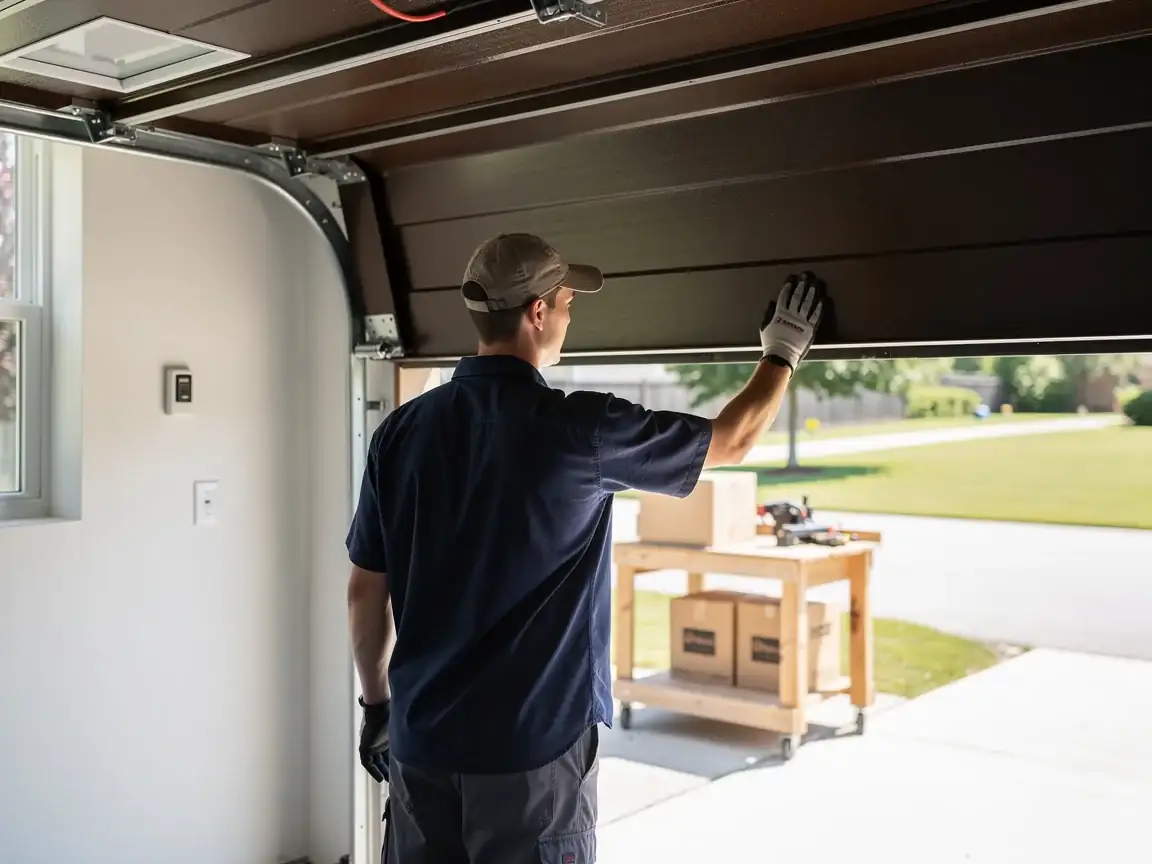
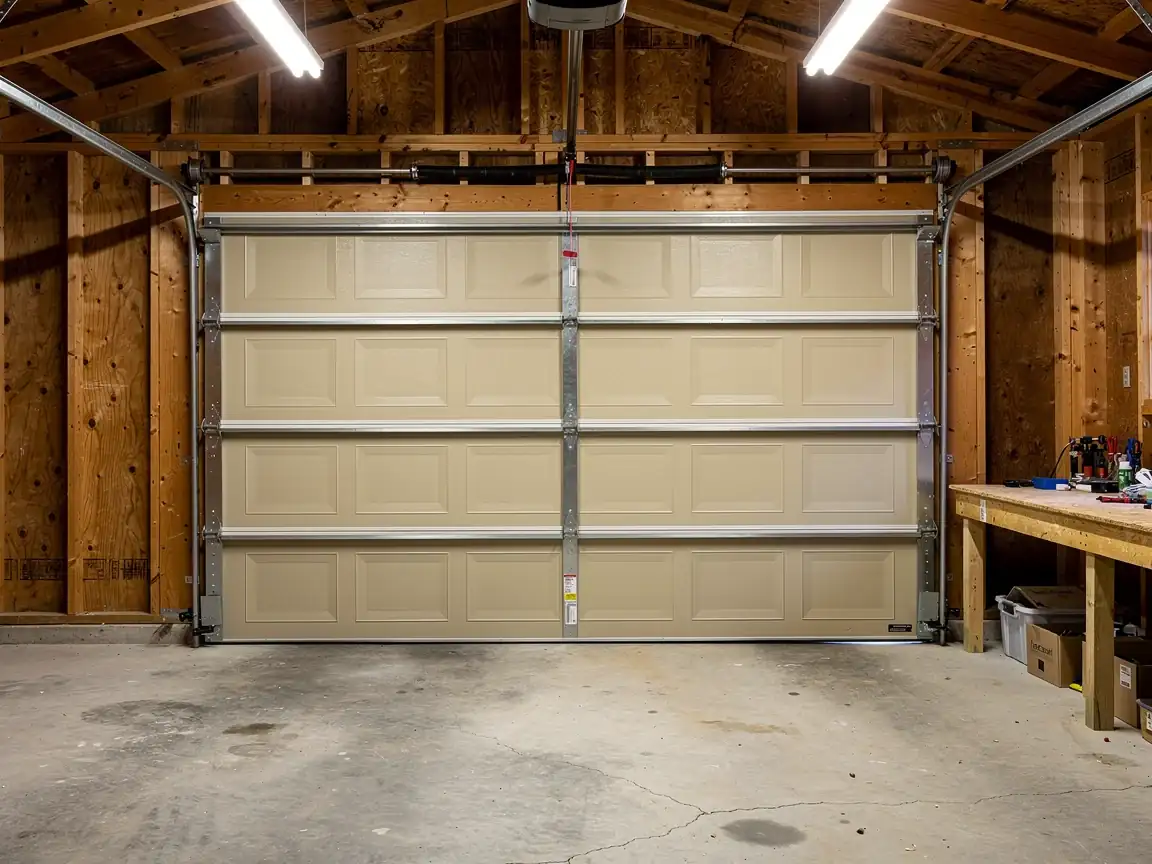
We start by running the door manually with the opener disconnected, watching the rollers travel the full length of track. On the original 1971-era doors common here, that's usually where you see the oval wear pattern and the bracket play at the same time. We re-square any bent track sections before anything new goes in, because a straight new roller in a crooked track just wears the same way again in a year or two.
From there we pull the old steel rollers one at a time, never all at once, and set sealed nylon rollers sized to match the stem length your door actually has. We test the door through a full open-close cycle under load before we call it done, listening for the rattle that means a bracket's still loose. If the track itself is too far gone to true up, we'll say so on the spot rather than bolt new rollers to bad rail.
What Is on the Truck
For roller jobs in this part of the service area we carry sealed nylon rollers in a couple of stem lengths, since 1971-era doors don't all use the same bracket depth, plus replacement track brackets and fasteners for when the originals have rusted or bent. We carry both 7-ball and 10-ball nylon rollers, since older single doors here often used the lighter 7-ball setup that newer stock doors don't. What we don't carry is steel rollers - we won't put back the part that's failing in this climate in the first place.