Booking a Visit
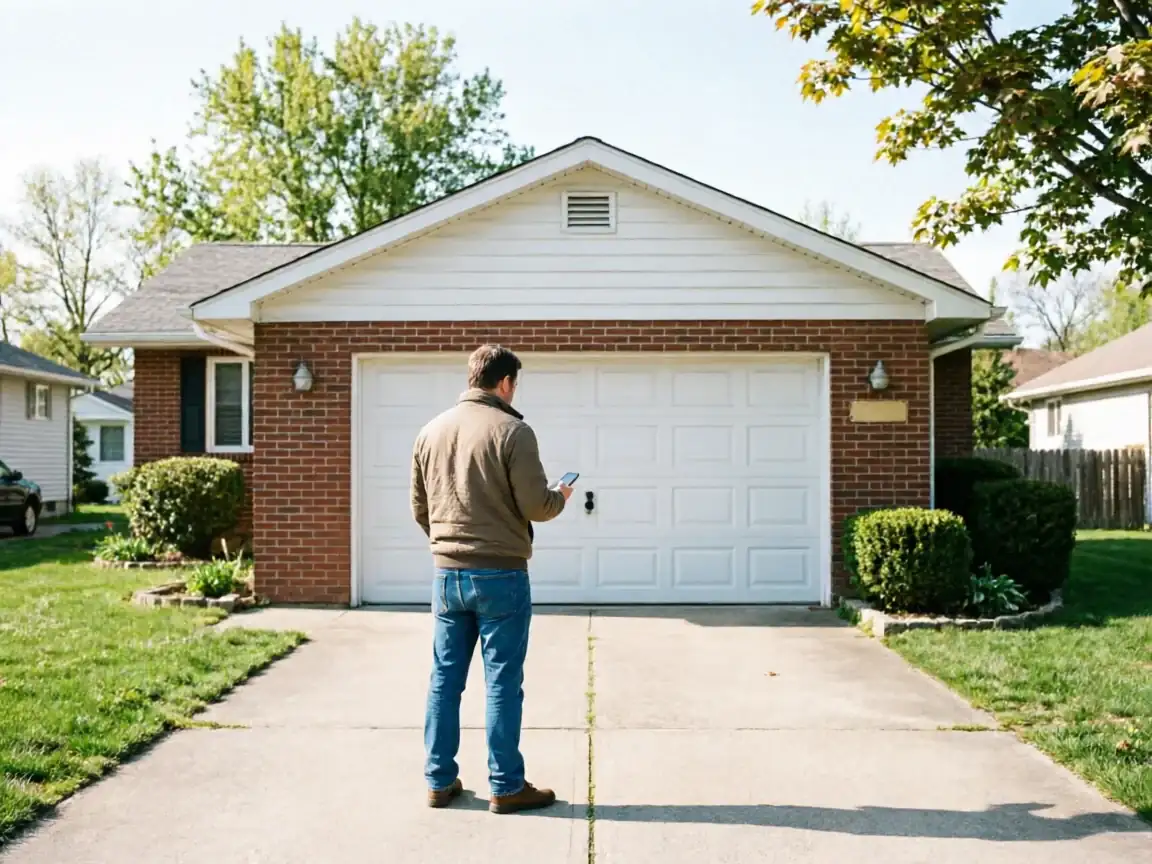
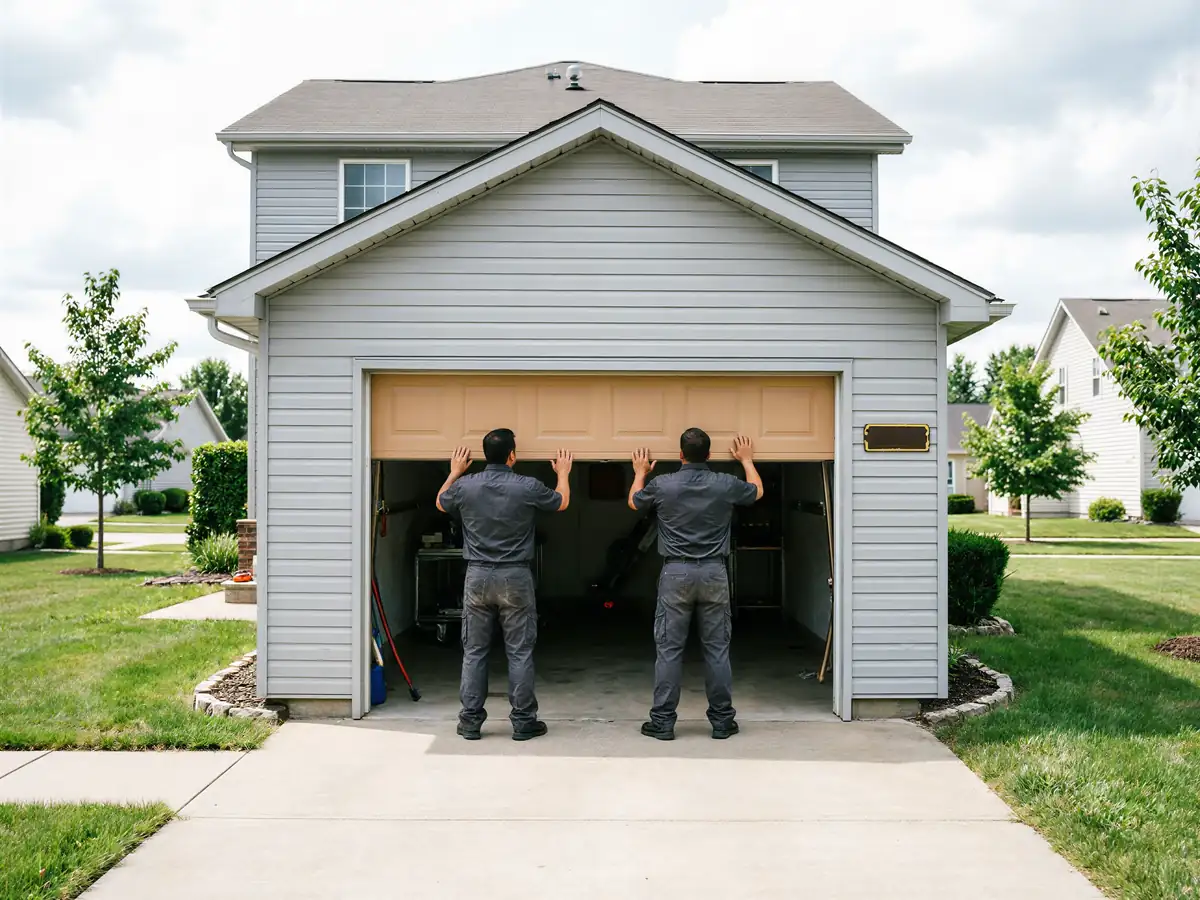
We're based in Beavercreek, about 7 miles from Xenia, and that drive is part of how we plan the day - we group Xenia calls so a tech isn't making the trip back and forth more than necessary. When you call, tell us the age of the house if you know it and what the door is doing (won't open, makes noise, hangs crooked) so we can bring the right spring size and hardware the first time. We don't operate a branch or drop-off counter in Xenia itself; every job here is dispatched from Beavercreek, which is worth knowing if you're expecting a same-hour walk-in.
How It Shows Up
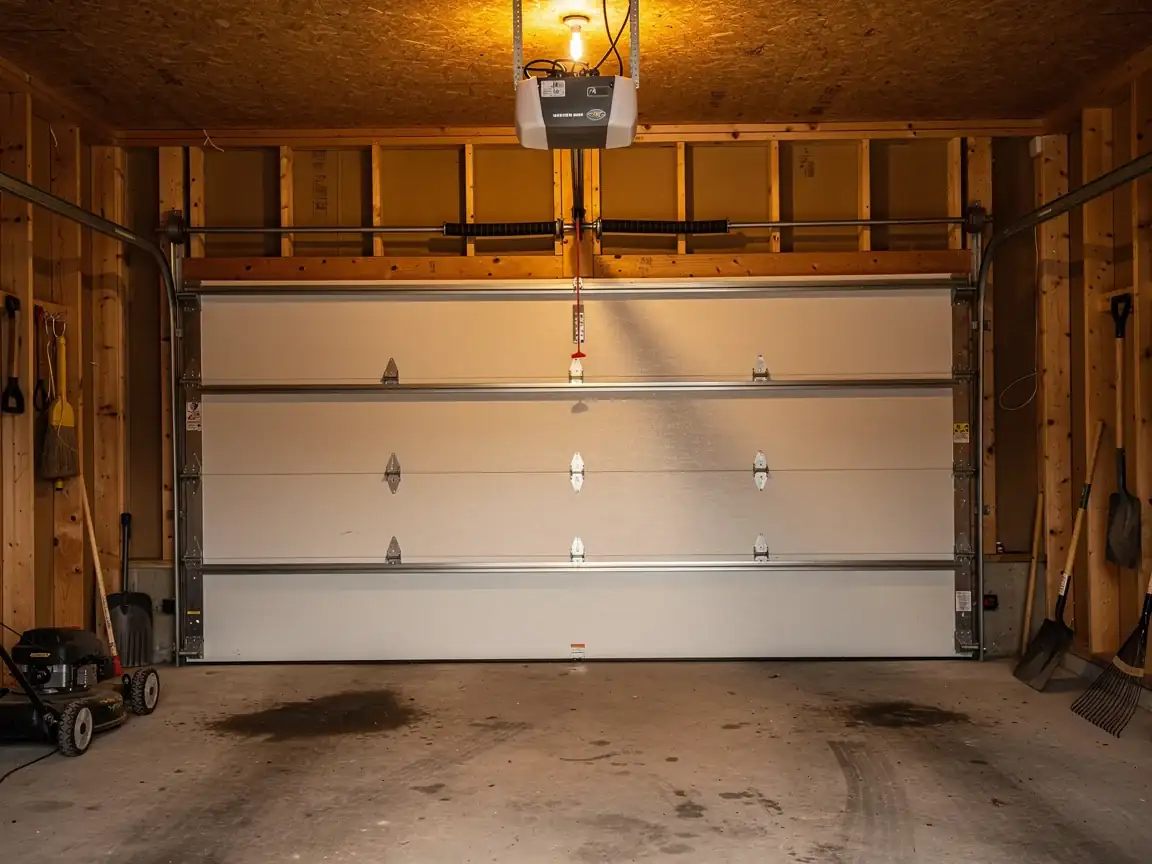
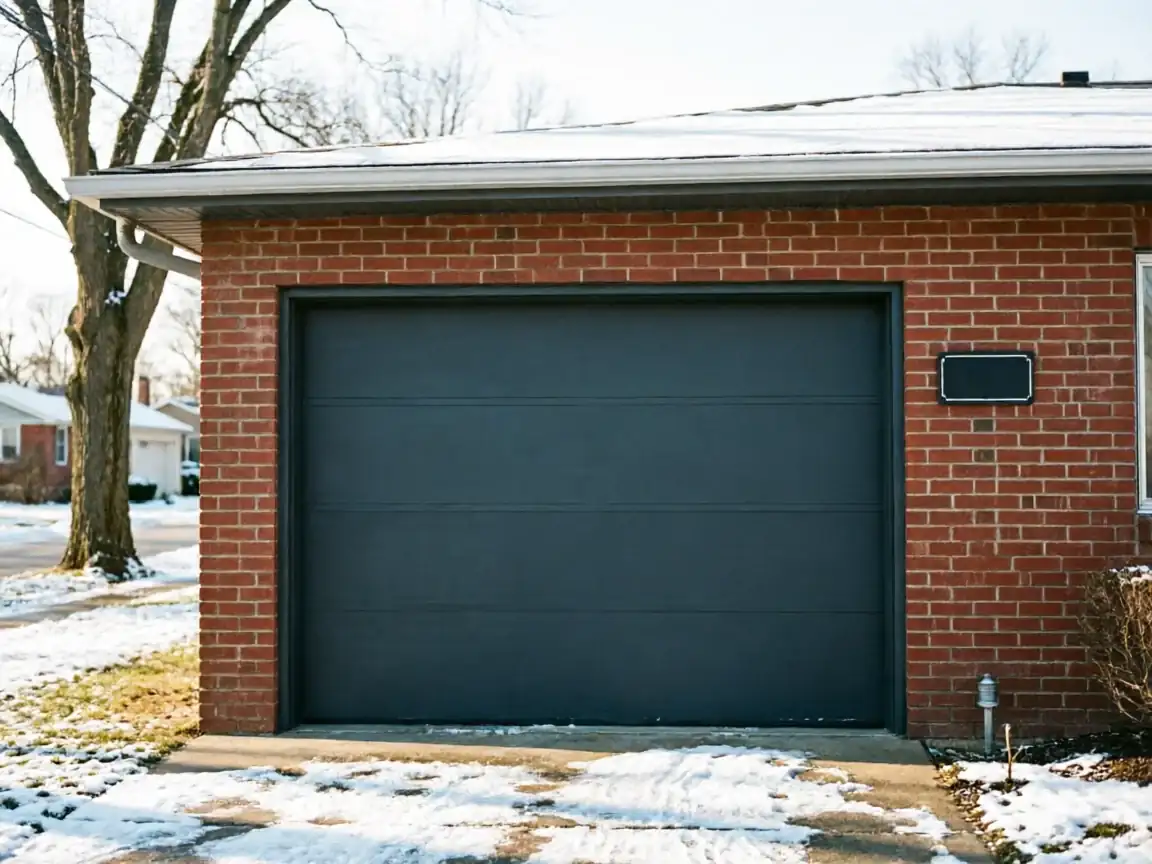
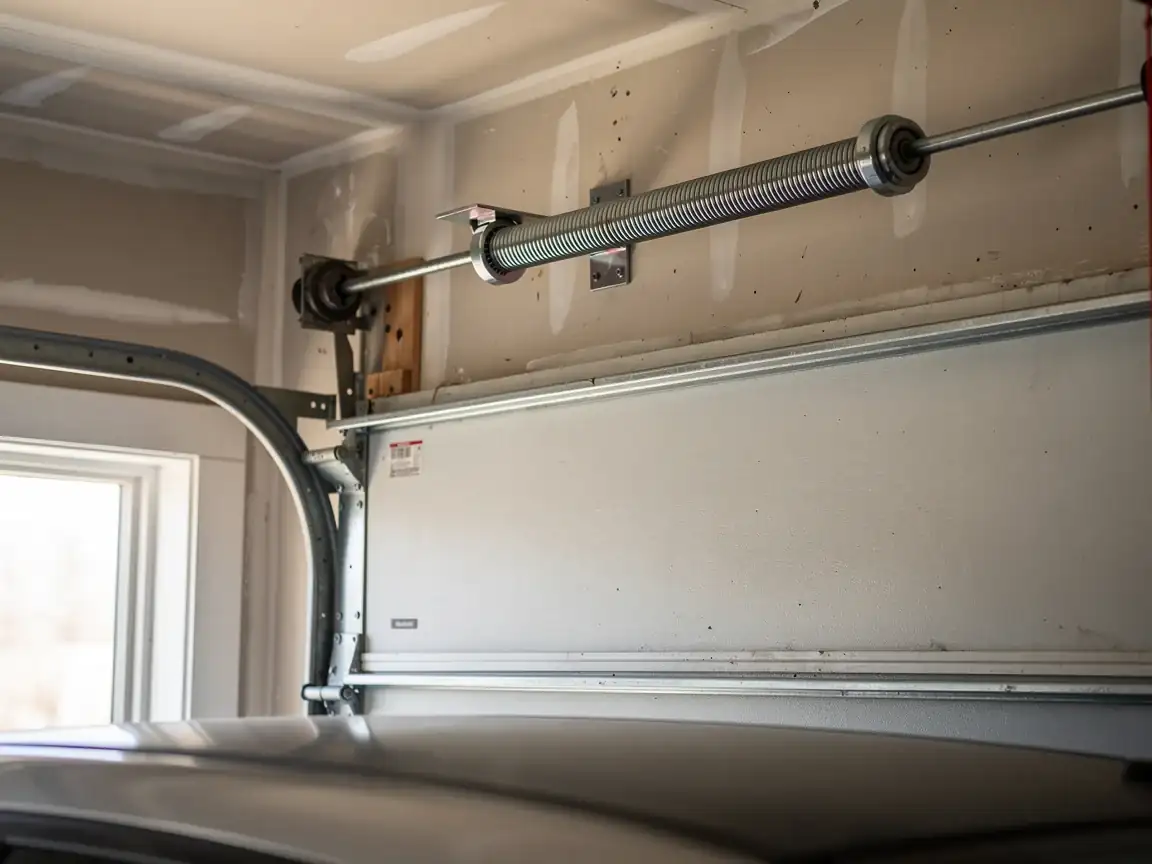
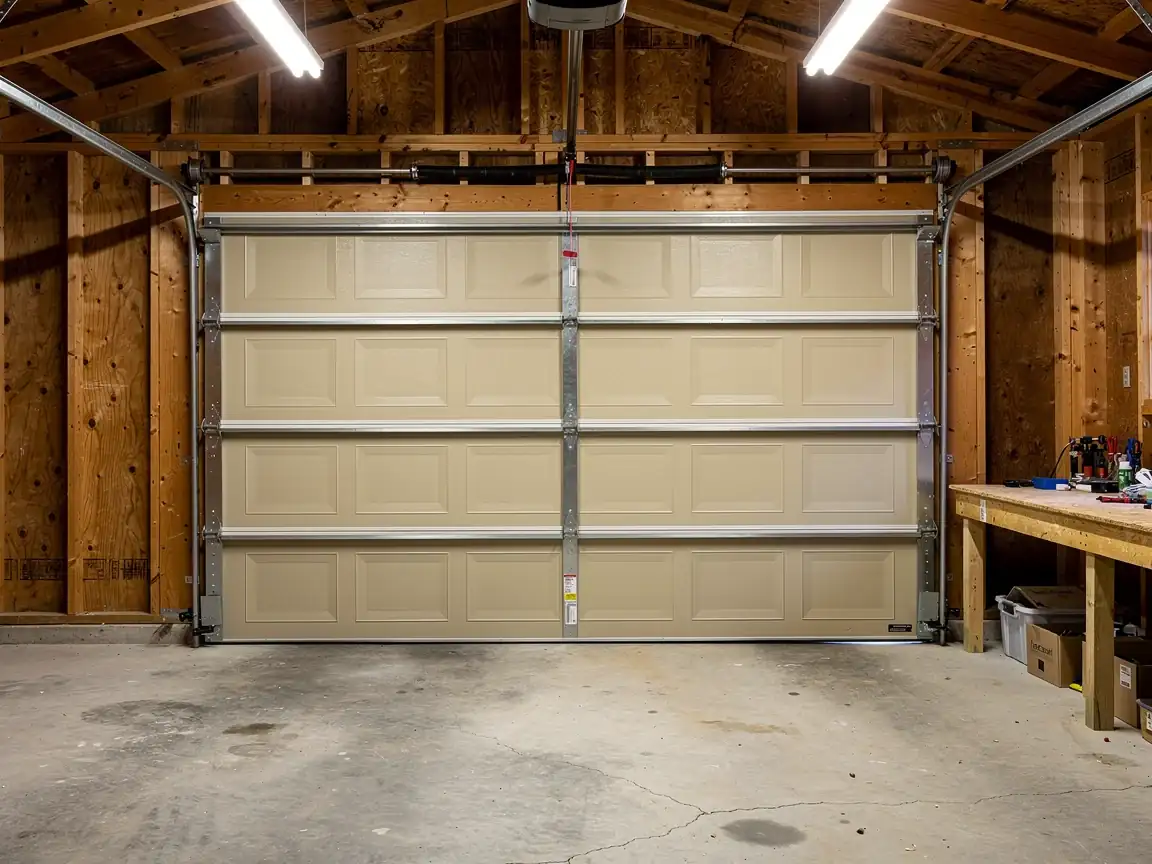
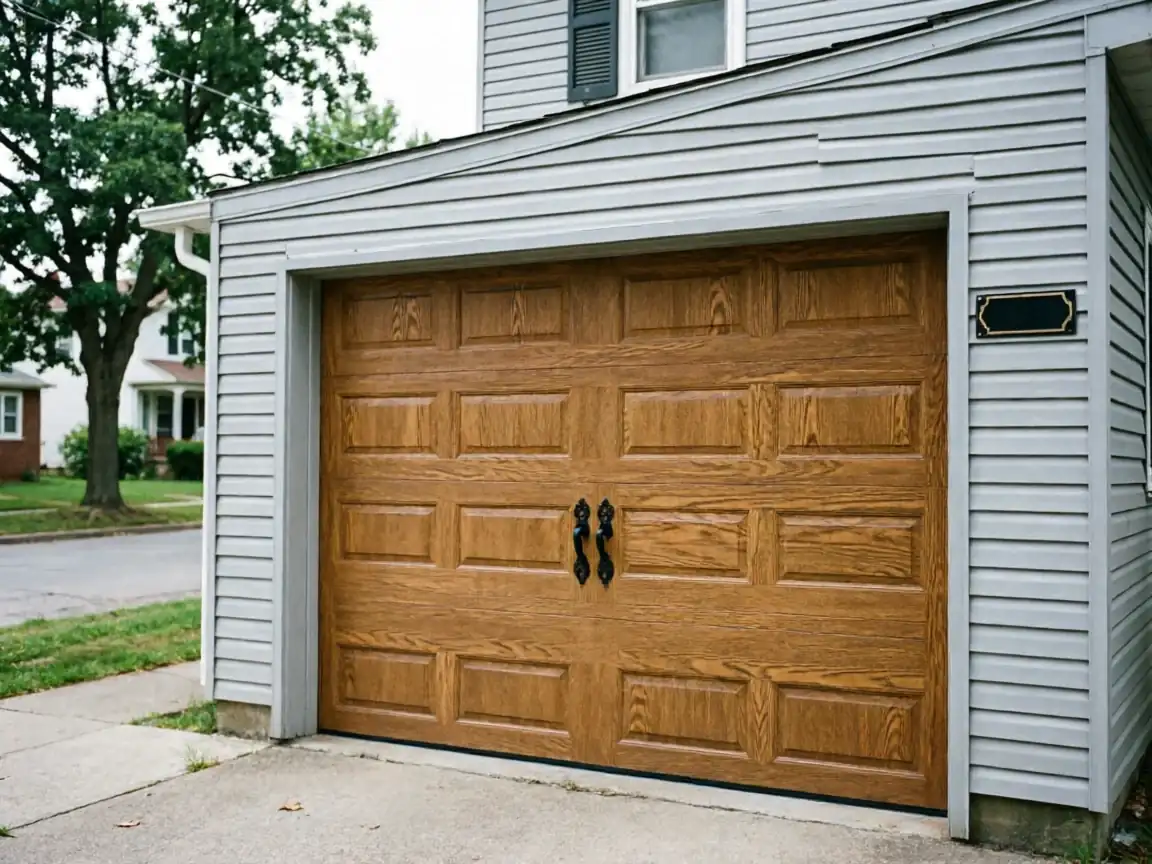
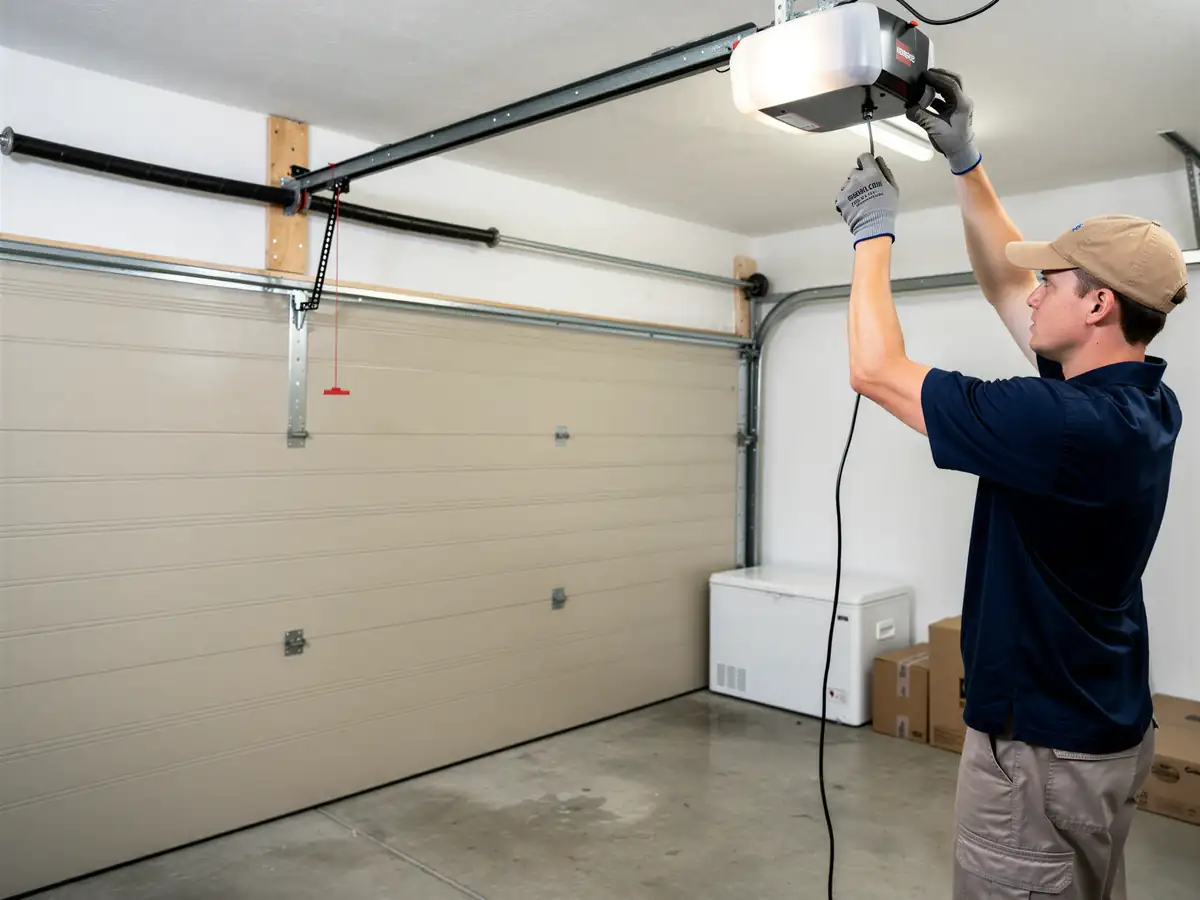
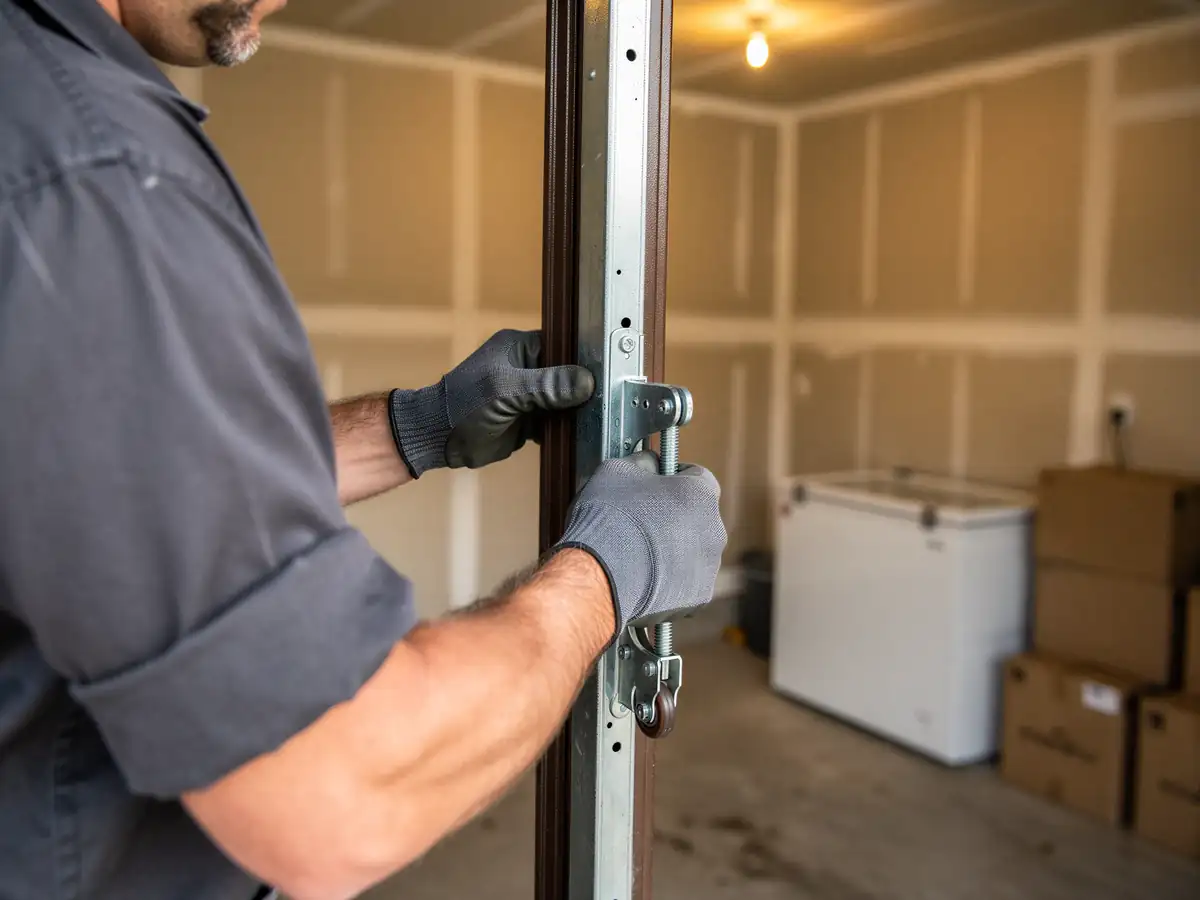
With a median build year of 1970, a lot of Xenia's garage doors and openers are old enough that original parts simply aren't made anymore. That shows up as a torsion spring that's stretched and weak rather than cleanly snapped, or a chain-drive opener from an earlier generation that strips its gear instead of failing all at once. Cold winters here do the rest - a severe cold climate band means steel contracts, grease stiffens, and a door that worked fine in October starts binding on the track by January. On houses this age, we also see the original single-point latch hardware still in place, which isn't dangerous on its own but makes an opener installation more involved than on a newer door.
What You Pay
We don't have a published price list here, and we're not going to quote a number that isn't tied to what's actually wrong with your door. What we can say is that Xenia's income numbers factor into how we talk about options on site - we lead with the repair that solves the problem, not the upsell. If a part has to be special-ordered because the door is old enough that the original hardware is out of production, that adds time to the job, and we'll flag it before we start rather than after.
How We Fix It
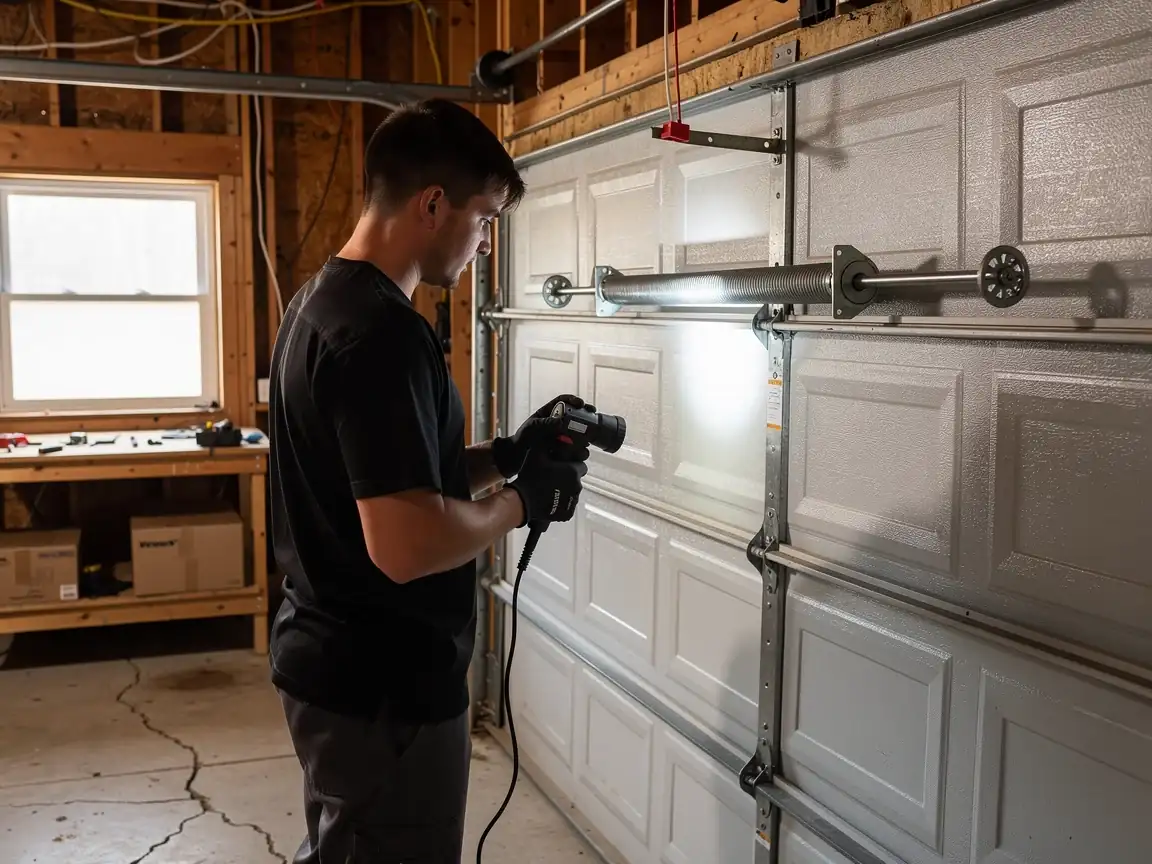
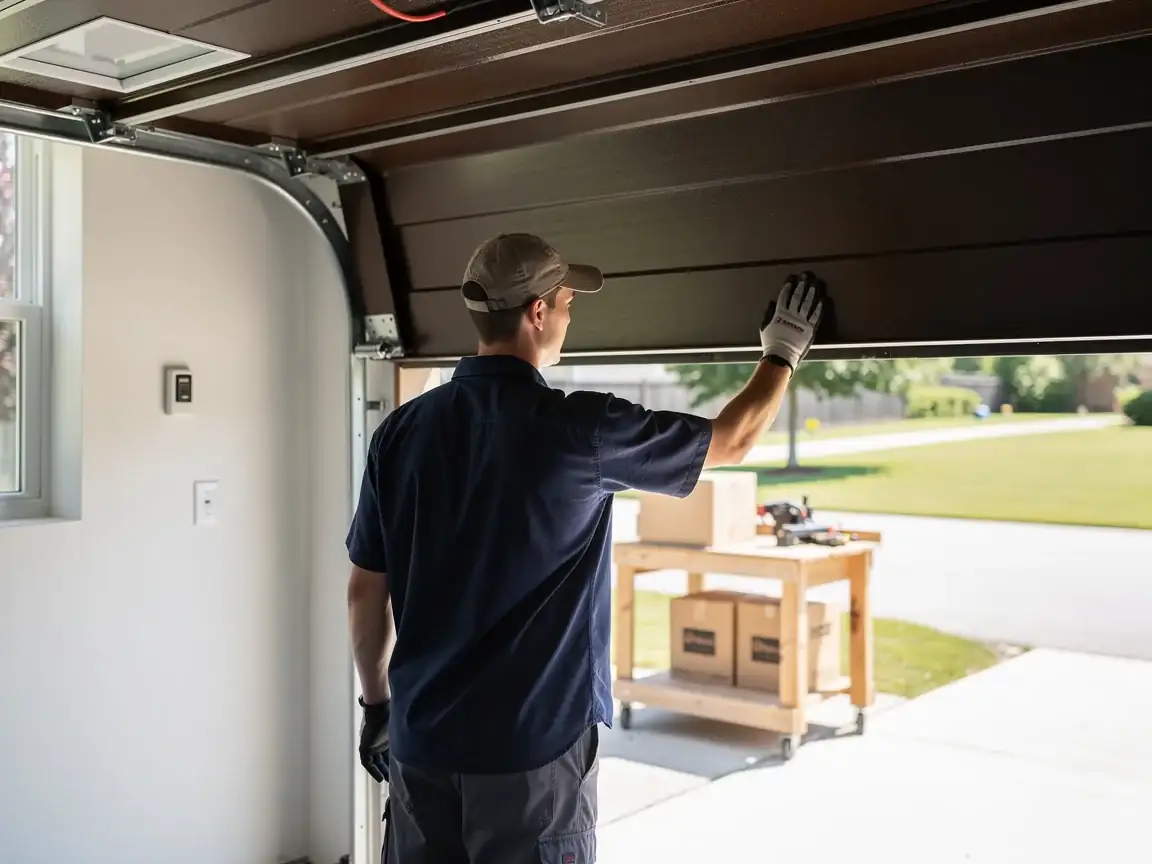
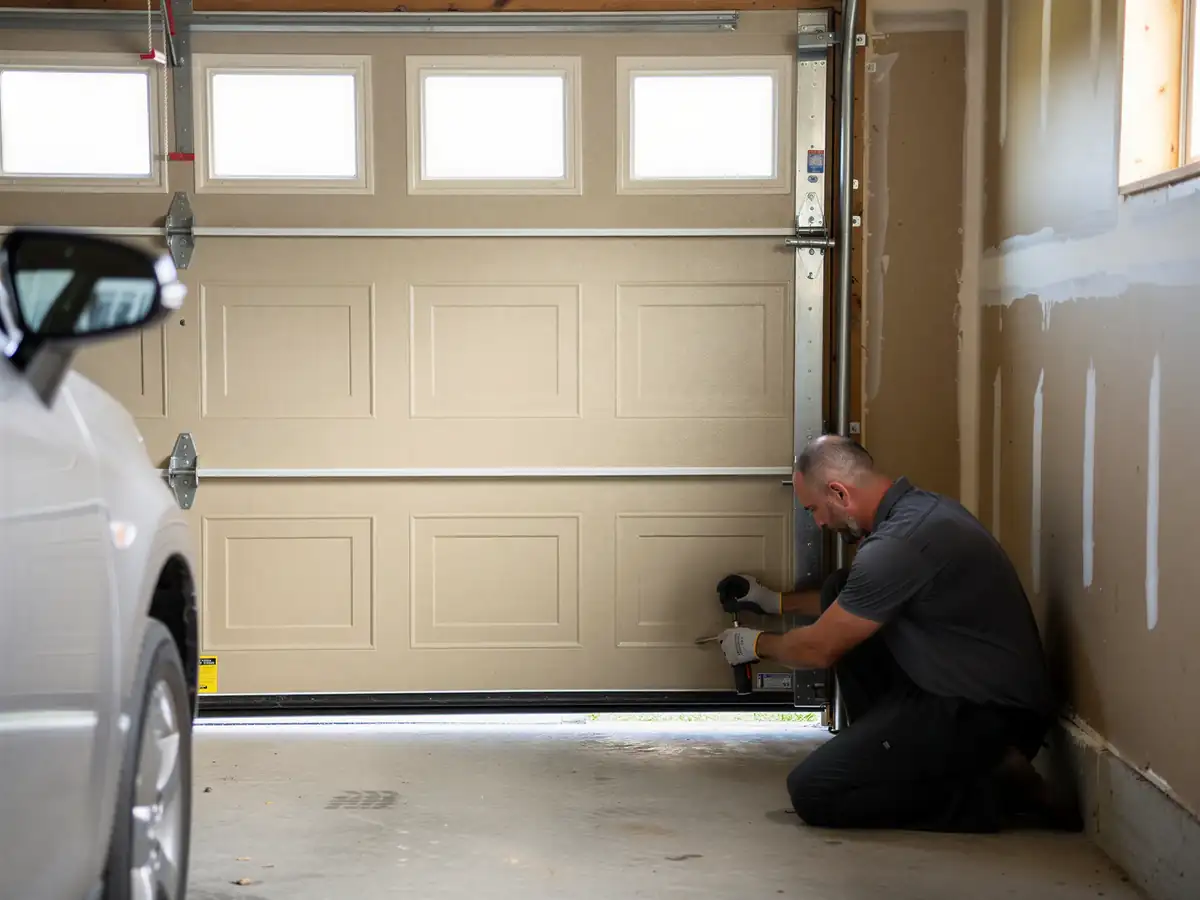
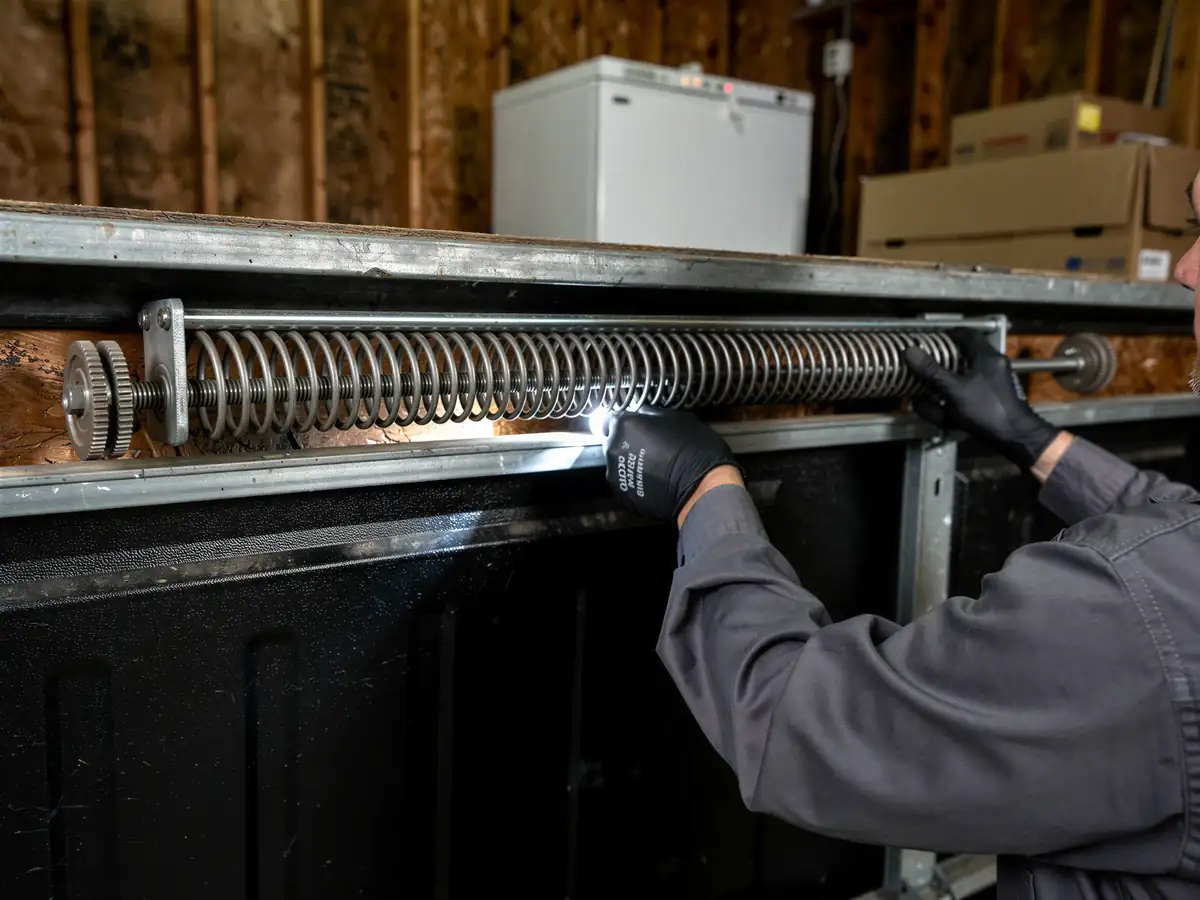
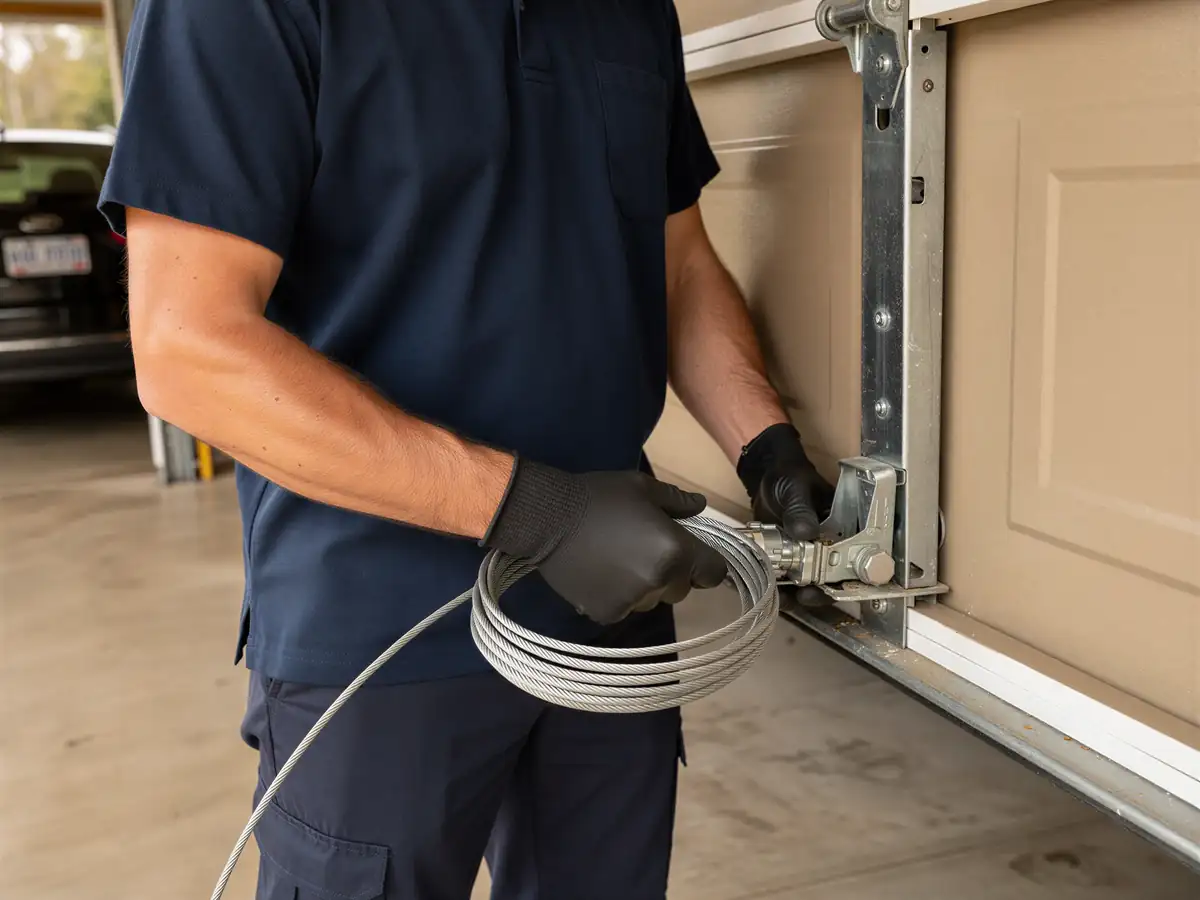
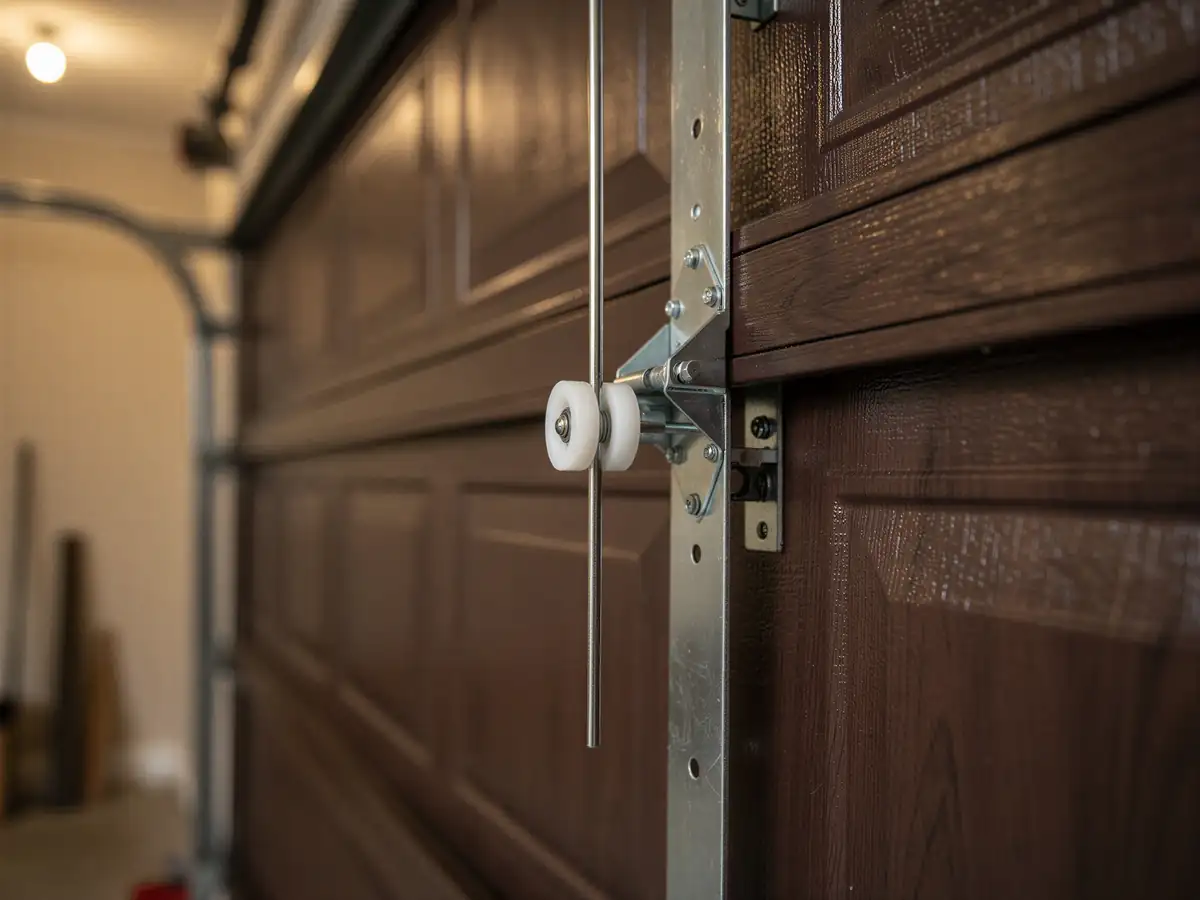
Most calls we take in Xenia start with a broken or weakened torsion spring, a cable off its drum, or an opener that's finally given out after years of cold-weather strain. We diagnose on site, match the spring size and track hardware to what's already on the door rather than swapping in whatever's generic, and we'll tell you honestly if the door itself - not just the part that failed - is at the end of its useful life. That's more common on houses from the 1970 era than on newer builds, and it's a judgment call we'd rather make with you standing there than guess at over the phone.