Serving Beavercreek, OH & nearby
(937) 326-4953
Beavercreek, OH

Roller Replacement for Xenia's 1970s Garage Doors

Xenia homes built around 1970 still run original steel rollers on steel track. We drive out from Beavercreek to swap worn rollers before they take the track with them.

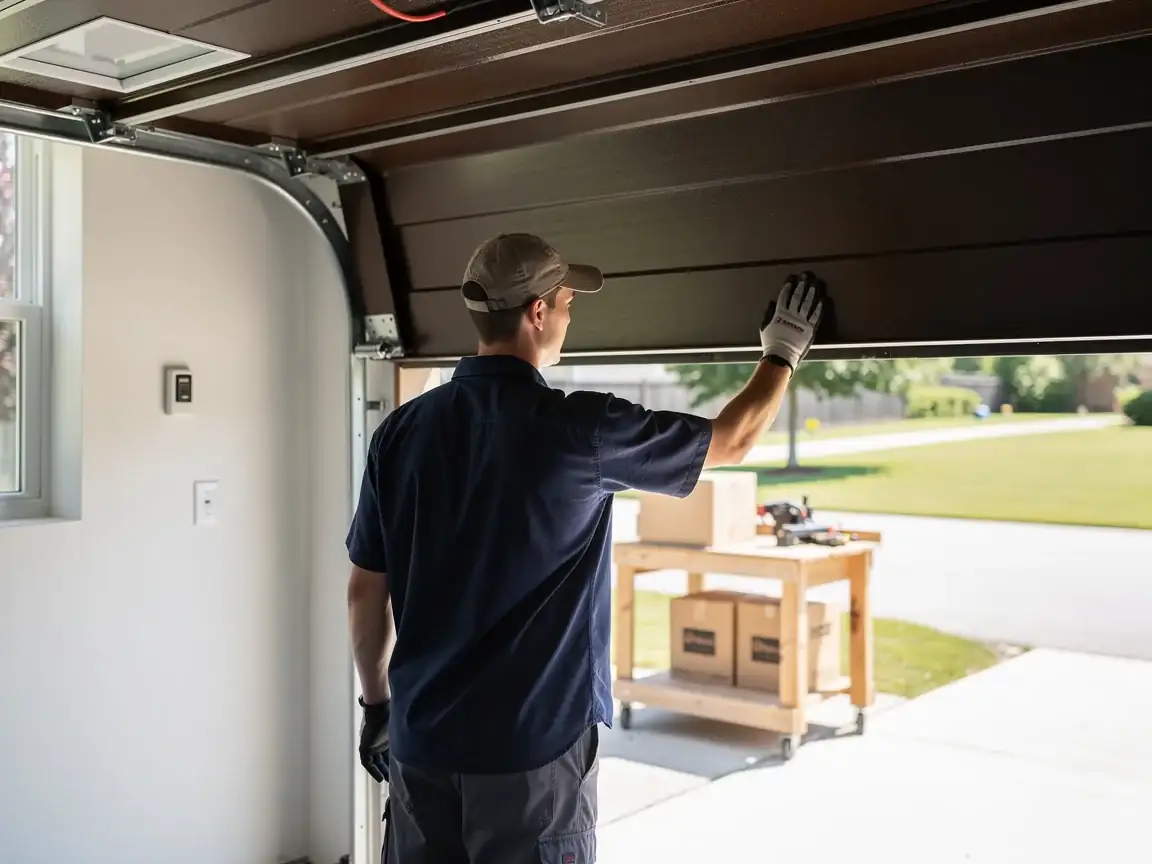
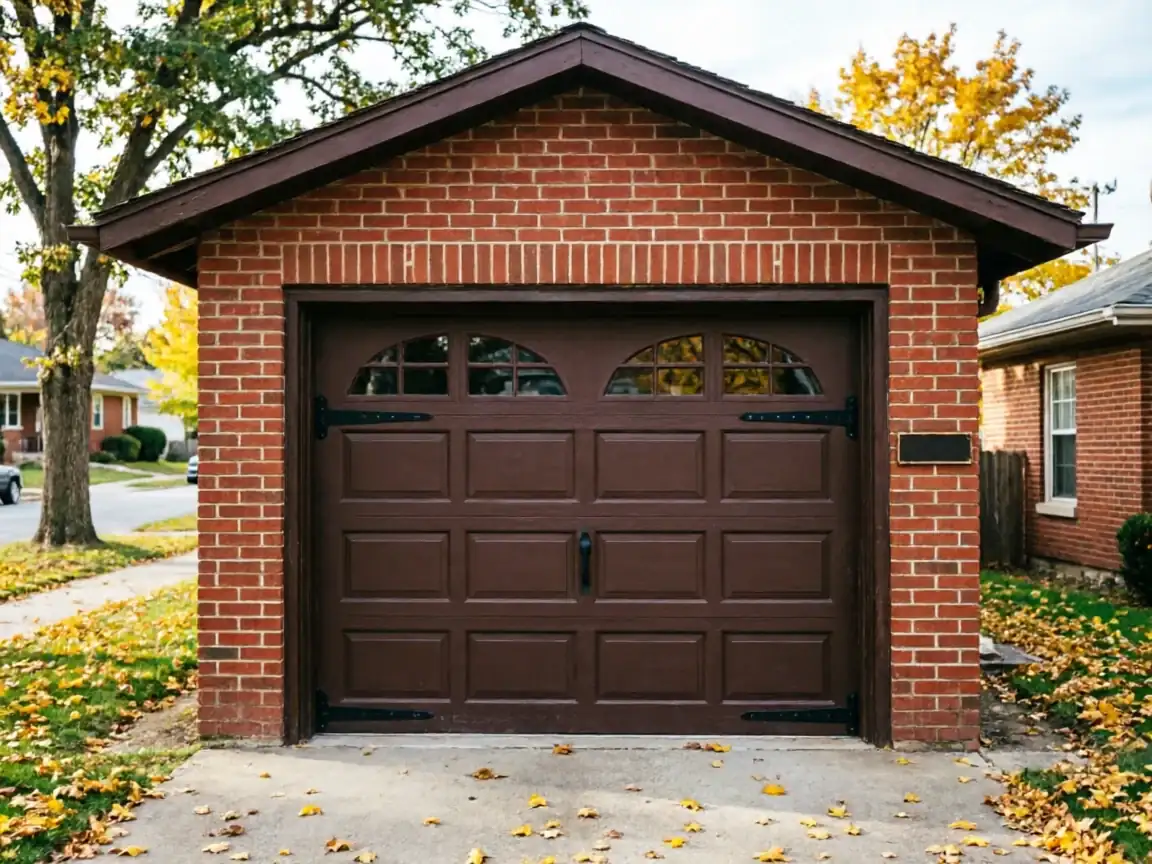
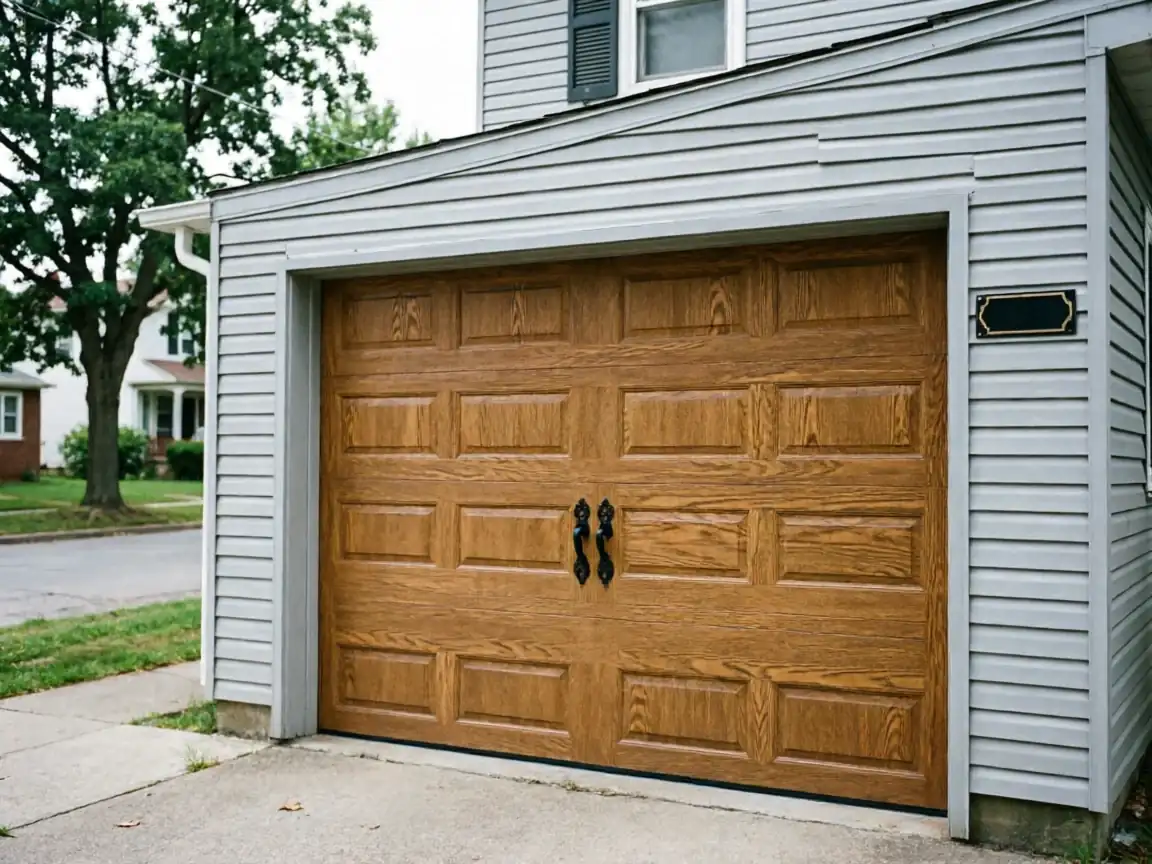
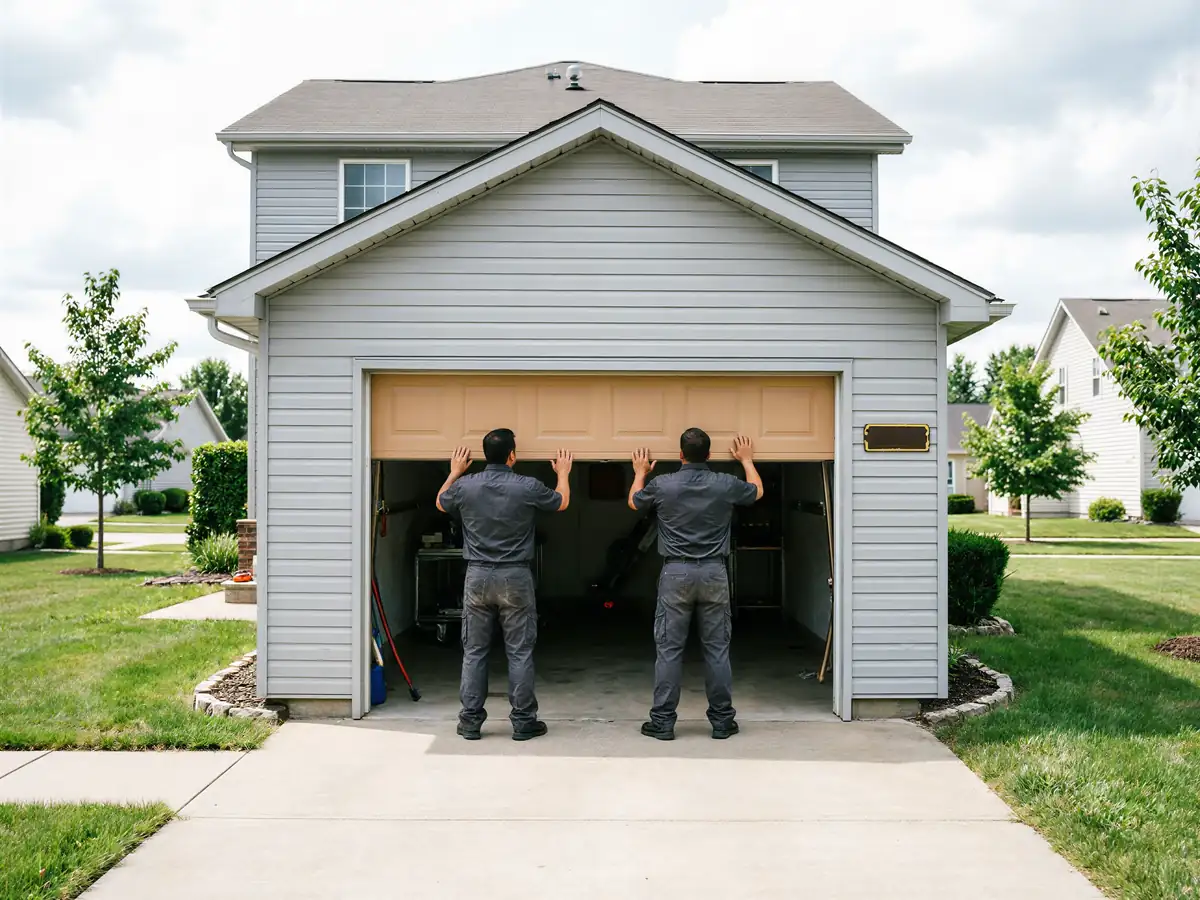
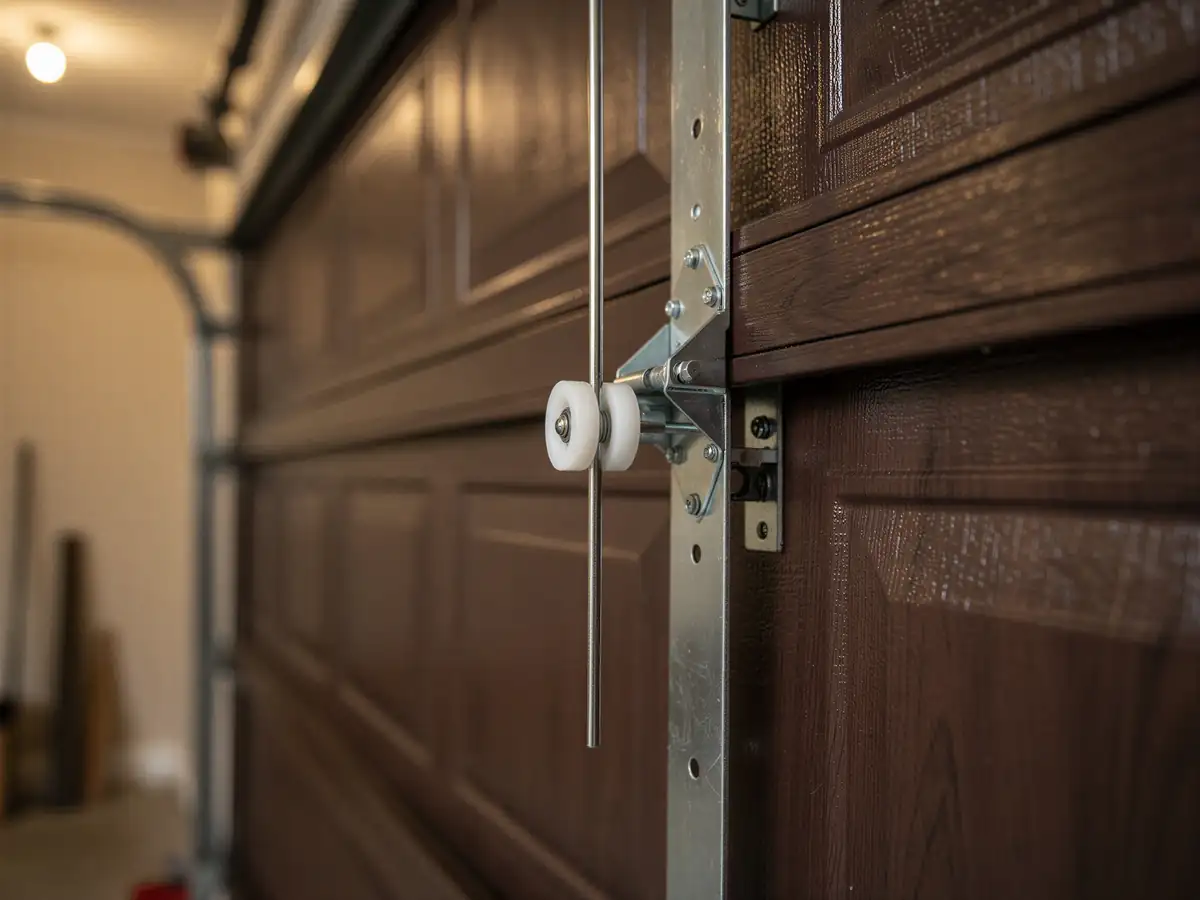
The brown garage door is open, showing a roller and track.
Beavercreek, OH
8 services
8 service areas
Diagnosis first, then the fix

What Is on the Truck

  1. Most of the doors we see in Xenia went up around 1970, give or take a decade either side

    And that means a single-layer steel door on steel vertical track, usually a 16x7 double or a 9x7 single, with the original 7-ball steel rollers still riding in the hinges. Nobody specified nylon back then - steel was the standard roller, and steel is loud, and steel wears a groove into the track over forty-plus years. We carry both steel and sealed-bearing nylon rollers on the truck, along with the longer stems some of these older hinge plates take, because the newer short-stem rollers sold at the box stores don't always fit the hinge spacing on a door this age without a bracket swap. We don't carry every spring size for commercial or custom doors on a standard run - if what you've got is oversized or non-standard, we'll tell you on arrival and schedule the right parts rather than force a fit.

  2. We come out of Beavercreek, about 7 miles away

    So the truck is stocked for a standard residential call before we ever pull up, not restocked on the way.

    • 7 miles

Booking a Visit

Tell us the door's rough age and whether it's steel or steel-and-insulated-core when you call - on a house built near 1970 that's almost always the original door, not a replacement, and that changes which rollers and stems we bring. A photo of the track where the rollers ride helps too; grooved or bent track changes the job from a roller swap to a track job. We book the visit from Beavercreek, so give us the cross street or a close landmark when you call rather than assuming we already know the block.

How It Shows Up

On a door this old, roller failure sounds before it looks like anything. A grinding or popping on one side as the door travels, usually worse on the roller nearest the bottom bracket where the weight load is heaviest. Steel rollers lose their bearing lubrication over decades and start running dry against the track, which chews a flat spot into the roller wheel itself - you can often feel it as a thump at the same point in every cycle. Cold makes it worse. In a severe cold climate like this one, old grease in a steel roller stiffens up overnight, so the door is loudest and hardest to lift on the first run of a cold morning, then loosens up some once it's moved a few times. That pattern - bad in the cold, better by midday - is roller wear, not a spring problem, most of the time.

The Complications

The complication on a 1970-era door isn't the roller, it's what the roller has been quietly damaging. Fifty years of a dry steel roller running in a track grooves the inside rail, and a grooved rail will chew through a brand-new roller just as fast as it did the old one. If the track shows a visible wear channel, roller replacement alone won't hold - the track needs straightening or replacing first. We also run into hinge plates stretched oval from decades of play, which won't grip a new roller stem snugly even if the roller itself is correct. We check both before we quote the job as a roller swap. On a household income around $54,616 in Xenia, we'd rather tell you upfront that the track needs attention too than sell a roller job that fails in six months.

What You Pay

We don't have a flat number to quote here without seeing the door - track condition, roller count, and whether hinges need replacing all move the price. What we can tell you is the honest trade-off: steel rollers cost less per unit but wear faster and run louder, nylon sealed-bearing rollers cost more up front but hold up better through a cold Ohio winter and quiet the door down noticeably. On a door running original 1970s hardware, we usually recommend nylon across the board rather than mixing old steel with new, since mismatched rollers wear unevenly.

How We Fix It

We pull the door down section by section, working the rollers out of the track without forcing the hinge plates, and check each hinge for stretch or cracking as we go. Worn hinges get replaced along with the rollers - putting a new roller into a loose hinge just reintroduces the same play within a year. If the track shows grooving from the old rollers, we true it or swap the affected section before reinstalling, then run the door through a full cycle to check for binding, especially at the curve where vertical track meets horizontal. A door this age sometimes reveals a second issue once it's apart - a cracked bottom bracket or a spring near the end of its cycle count - and we'll show you what we find before doing any work beyond what you called for.
How it works

From “it’s stuck” to “it’s fixed”

1
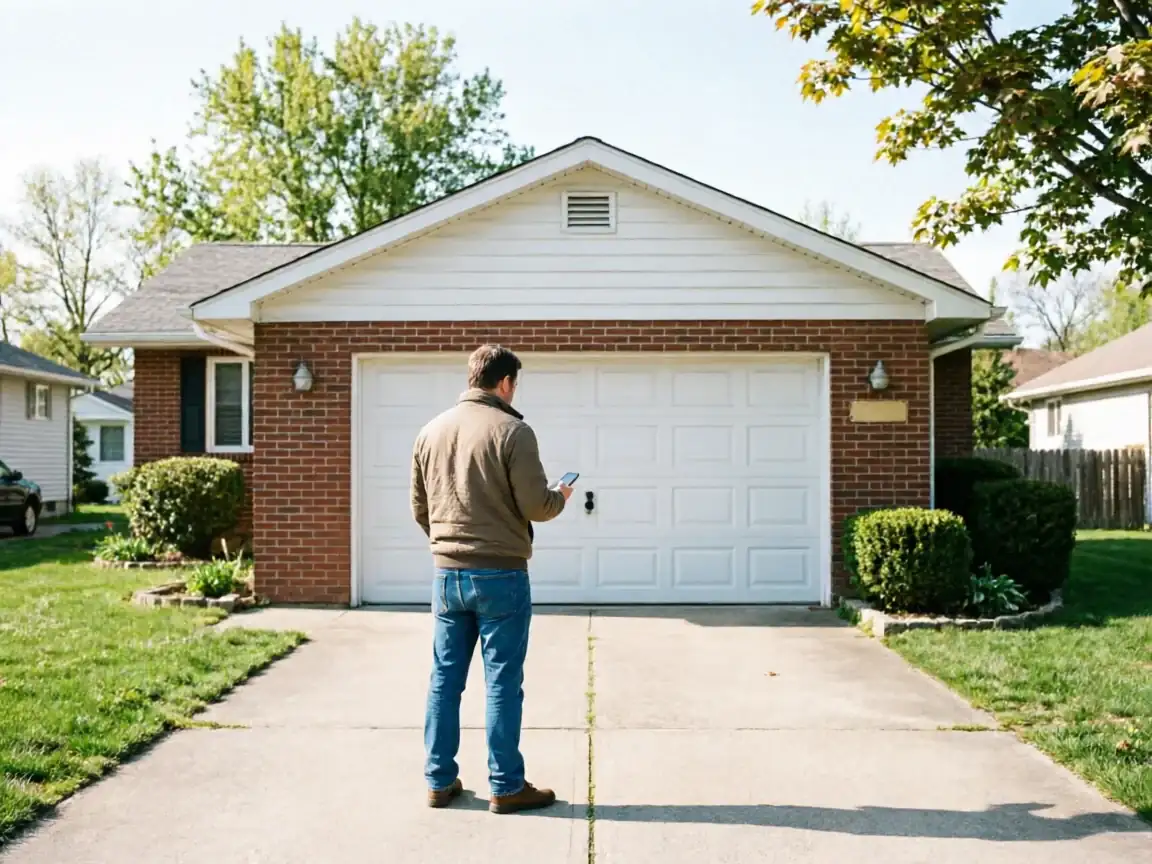
A man stands in a driveway looking at his phone in front of a white garage door.

Tell us what’s wrong

Describe the symptom - won’t open, loud bang, opener runs but the door won’t move.

2
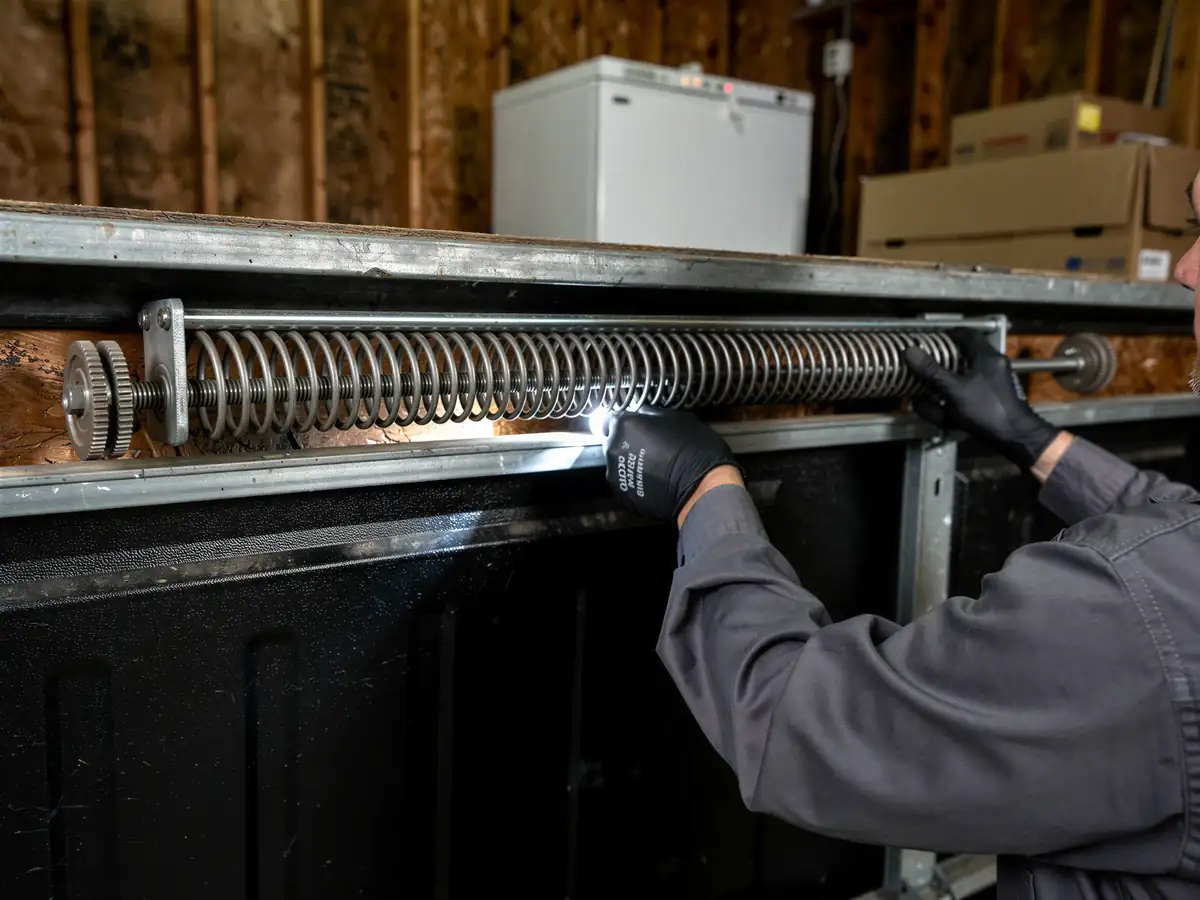
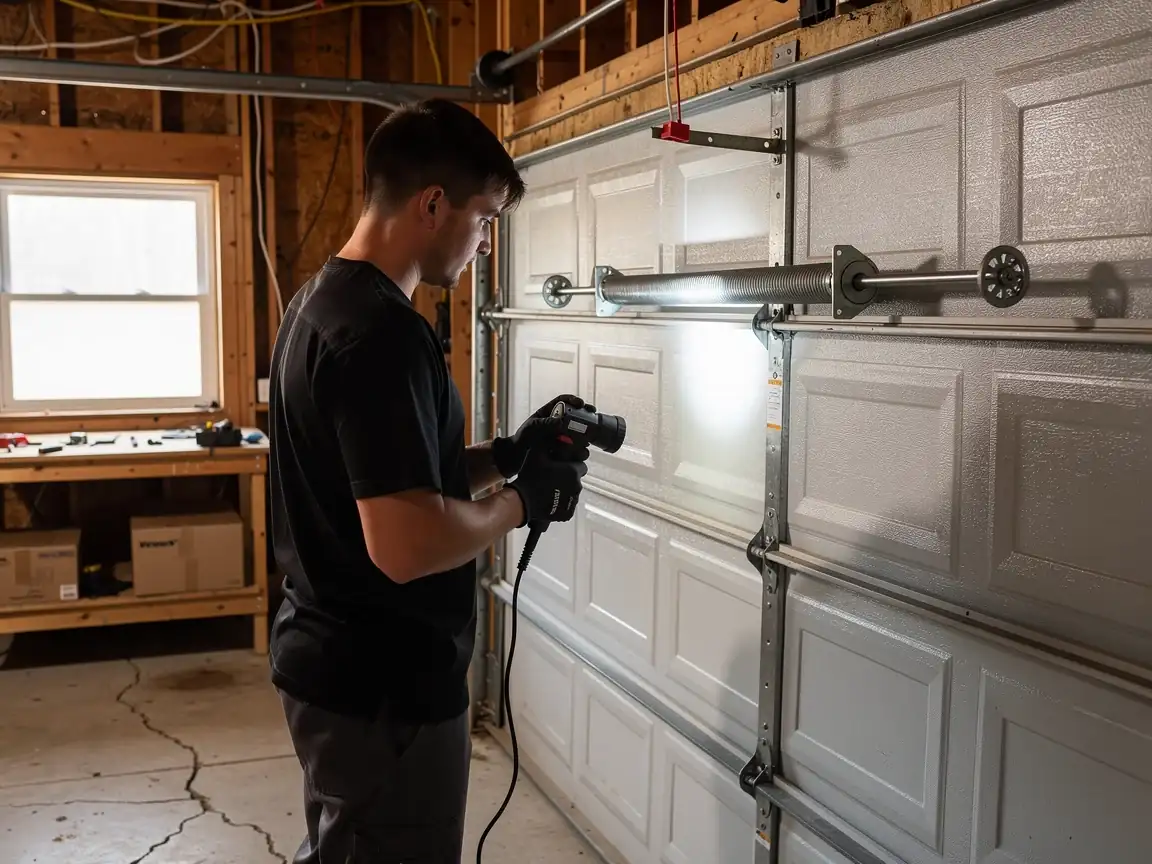
A technician shines a light on a garage door torsion spring.

On-site diagnosis

A technician tests the door under power and by hand and finds what actually failed.

3
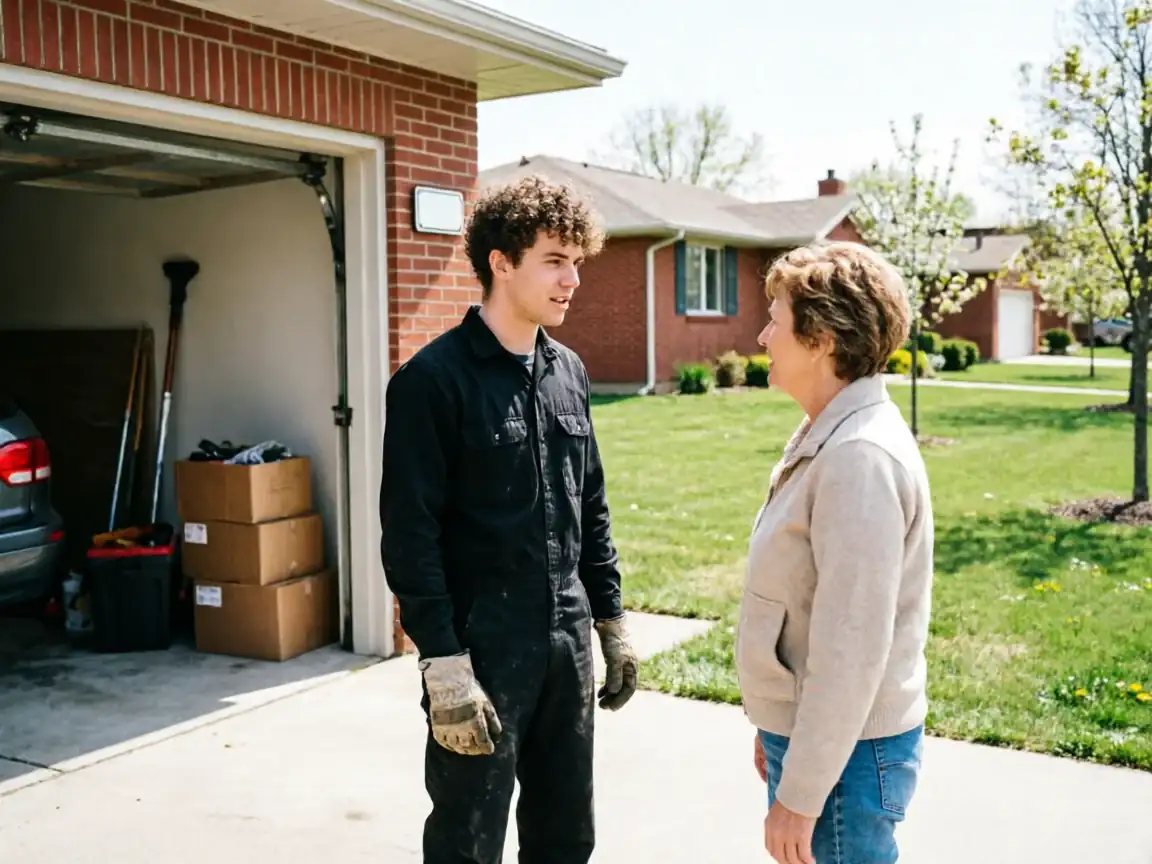
A technician in a black uniform talks to a woman in a beige jacket.

Clear, up-front plan

You get the fix that’s needed and what drives the cost - before any work starts.

4
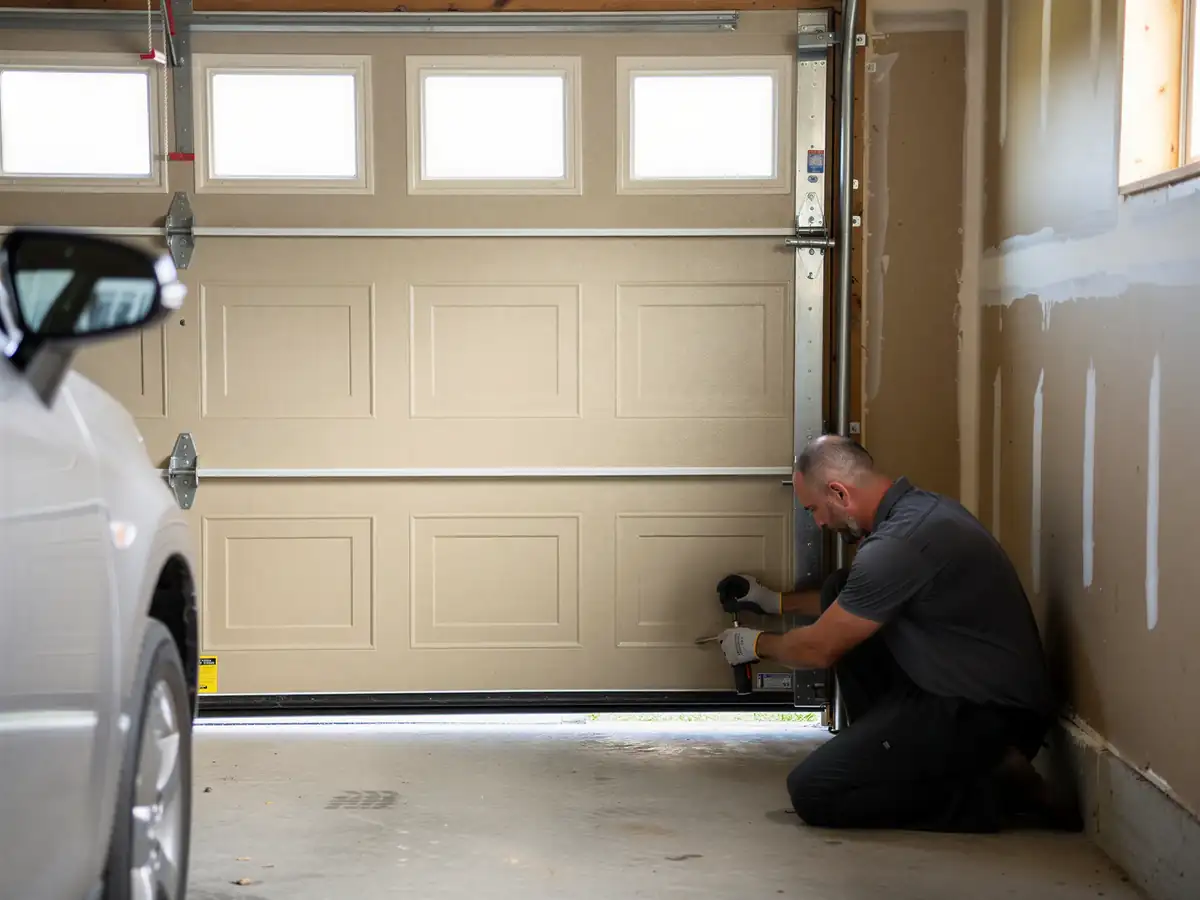
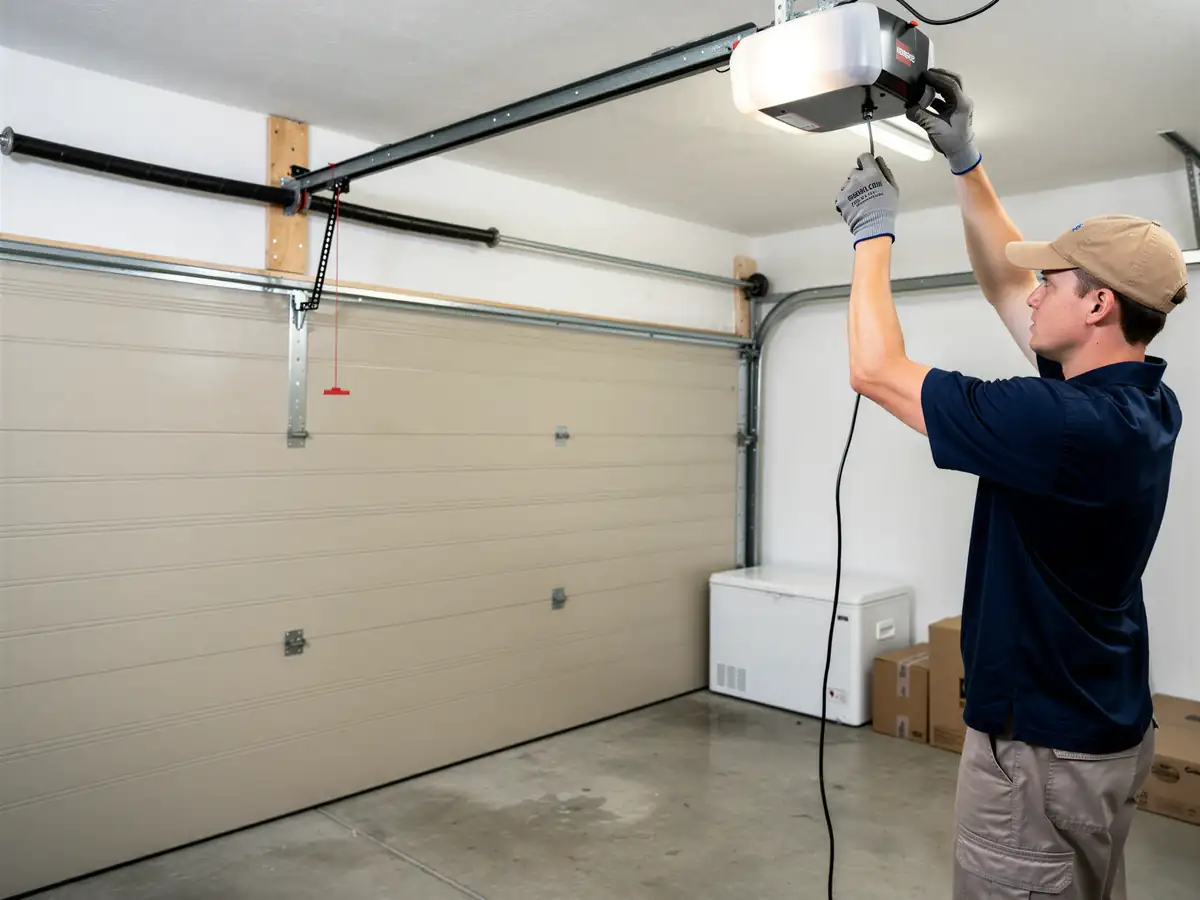
A technician in a cap and gloves adjusts a brown garage door.

Repaired & tested

The repair is done, the door is set true and tested, and the work area left clean.

Not sure which repair your door needs in Beavercreek, OH? Describe what it’s doing - every job starts with a diagnosis.

How we work

What to expect

Diagnosis firstEvery visit starts by finding what actually failed - not a pre-written parts list.
The right part for the doorSprings and openers matched to the door’s weight and age, so the fix holds up.
Straight answersWhen a repair makes more sense than a replacement - or the reverse - you hear it plainly.
Clean, careful workTension released safely, hardware set true, the door tested under power before we leave.
46,277Residents in Beavercreek
8Garage door services
8Neighborhoods & suburbs
OHServing Beavercreek, OH
Questions

Frequently asked

Straight answers about garage door repair in Beavercreek. Still unsure? Ask us directly.

Is roller noise on an older Xenia home always a roller problem?

Usually, but not always. On a door built around 1970 with original steel rollers, grinding or thumping is most often the roller and track. But if the noise is a sharp bang rather than a grind, that can be a spring or cable issue instead, which we'd check before quoting a roller job.

Will new rollers fit my door's original hinges?

Often yes with the right stem length, but not always. Hinge plates on doors from this era sometimes carry a longer stem spacing than current standard rollers, and decades of use can stretch the hinge opening itself. We check fit on the door rather than assuming a standard roller will seat correctly.

Do you stock parts for a non-standard or commercial door in Xenia?

Not on every truck run. Our standard stock covers typical residential doors. If your door is oversized, custom, or commercial, we'll assess it on the visit and schedule a follow-up with the correct parts rather than guess.

How far out is Xenia from your crew?

About 7 miles from Beavercreek, where the truck is based. We travel out for the visit rather than running a separate branch in Xenia.

Ready to get your garage door sorted?

Tell us what it’s doing and where you are in Beavercreek - we’ll take it from there.

Request a QuoteCall