Booking a Visit
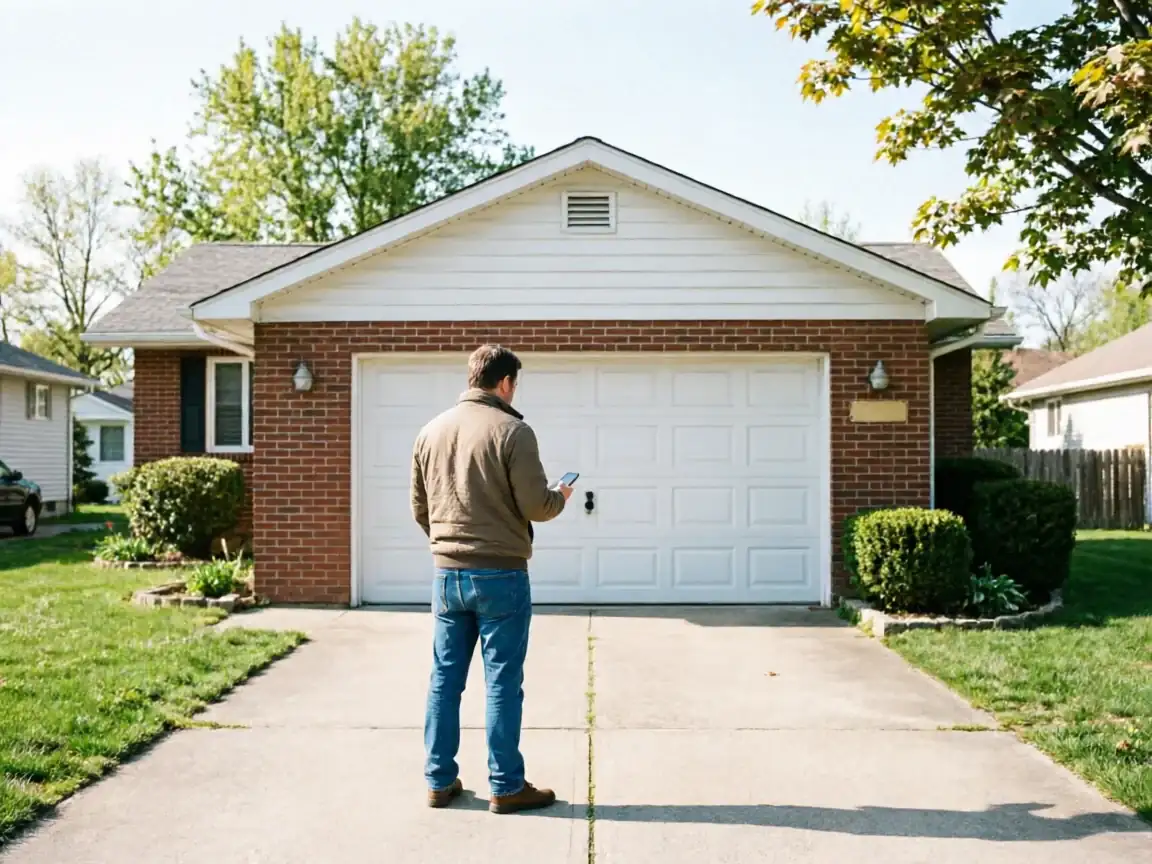
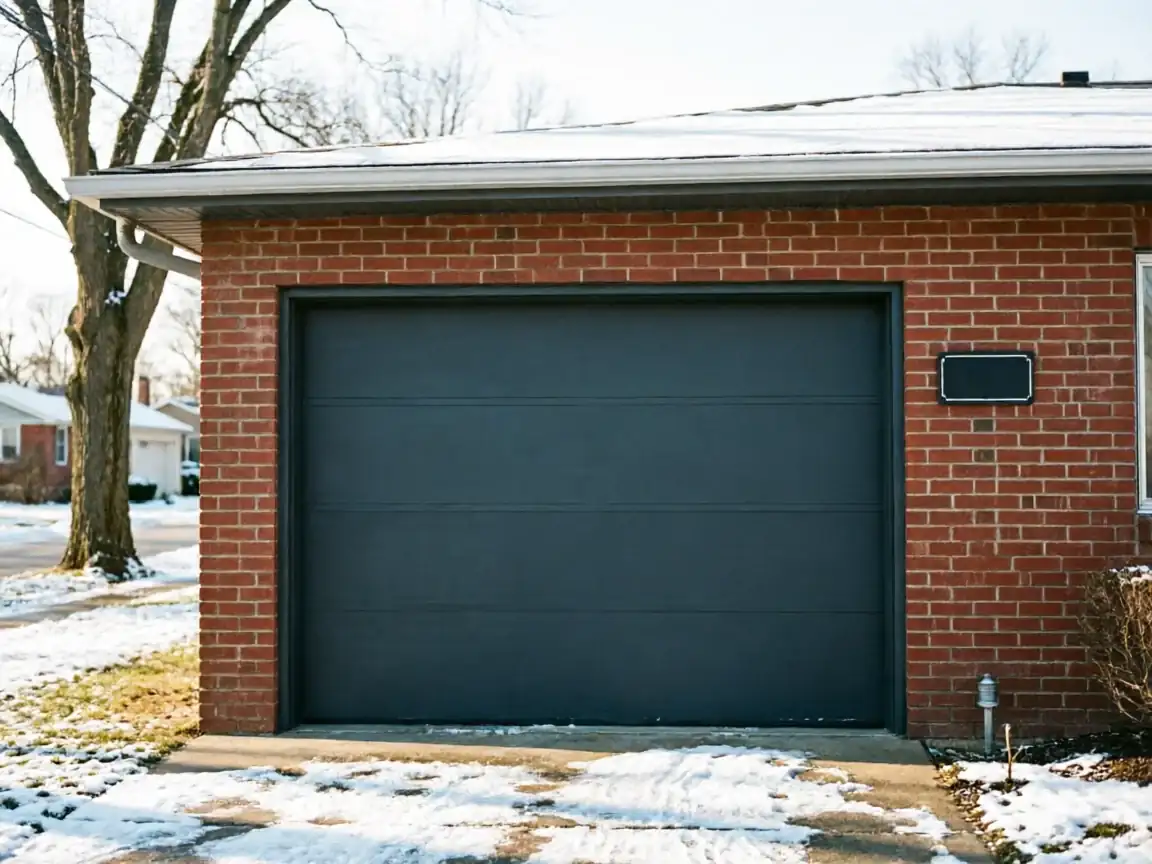
Xenia sits about 7 miles from our Beavercreek base, which is close enough that we don't pad a quote for drive time, but it does mean the visit gets scheduled as a trip, not a walk-up. When you call, tell us the rough age of the house and whether the door is original - for Xenia that usually means something installed around 1970 or later, since that's the median build year here. That single detail changes what we bring and whether we can finish an install in one visit or need to come back once we've measured the opening against current door sizes.
How It Shows Up
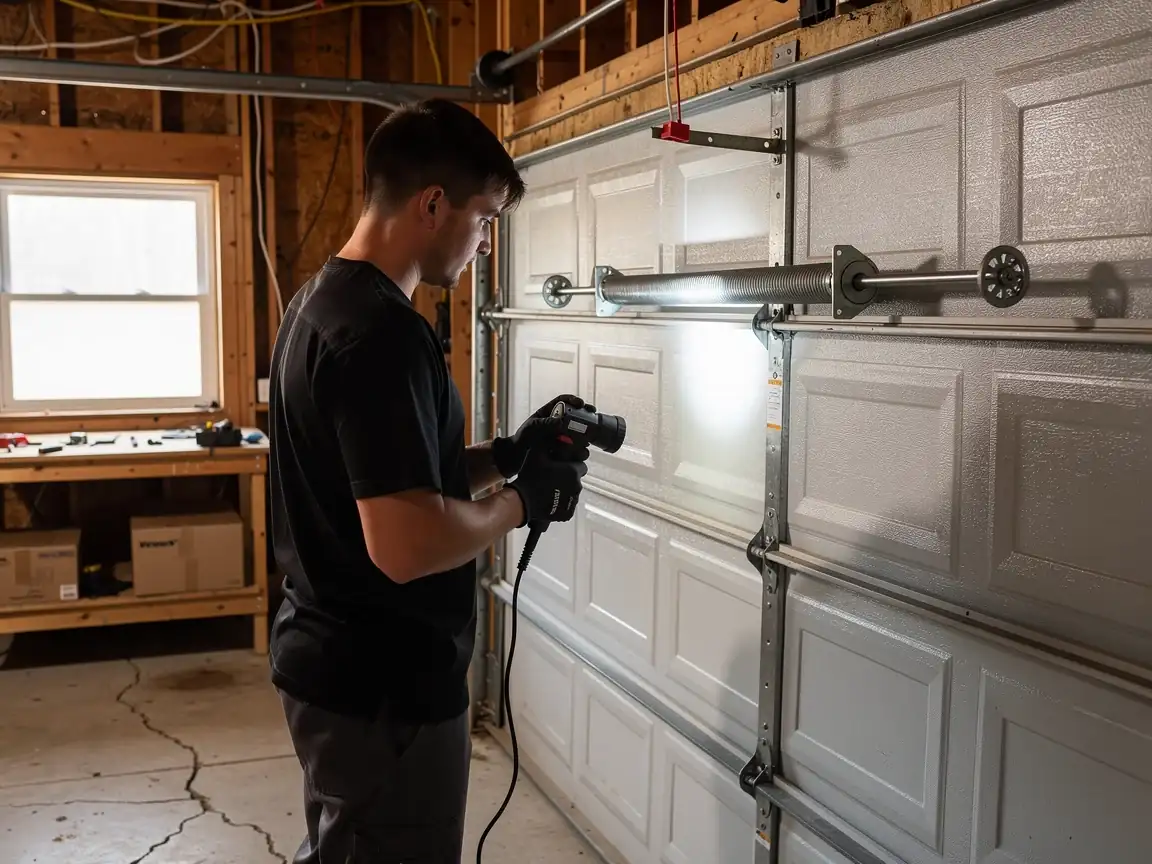
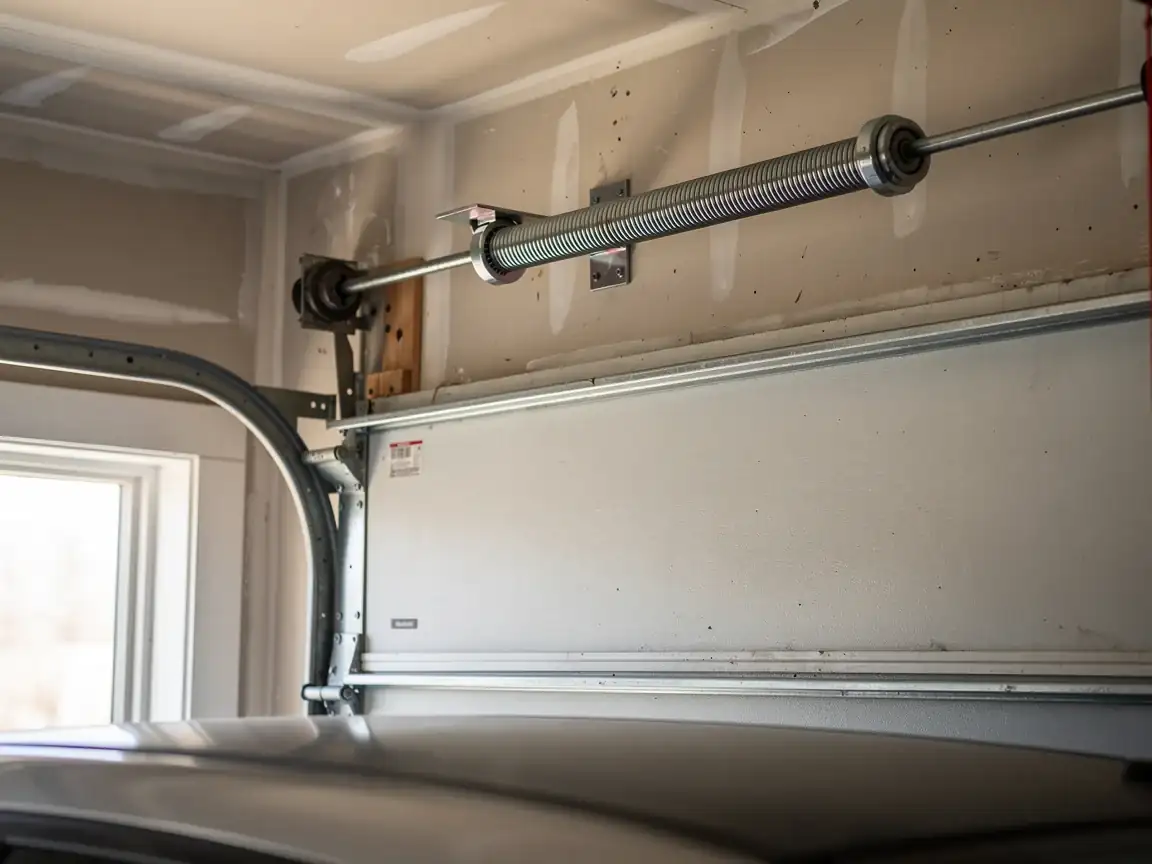
A door that's original to a house built near 1970 doesn't usually fail all at once. It shows up as a track that's bowed from decades of cold-season contraction, a panel seam that's started to separate, or an opener that strains harder every winter because the door itself has gotten heavier to lift as hardware wears. In a cold-climate area like this, sustained freeze cycles are hard on steel panels and on the rollers riding in the track, so the failure pattern tends to be gradual stiffness before it's a full breakdown. By the time a homeowner calls us about installation rather than repair, the door has usually been fought with for a season or two already.
What You Pay
We don't have a posted price list for Xenia installs, and we're not going to invent one here. What we can tell you is how the decision gets made: given the median income in this area, we start by checking whether the existing track and opener are salvageable, because reusing them is the single biggest cost lever on the job. A full new door with new hardware costs more than a panel swap on an existing frame, and for a lot of Xenia houses built around that 1970 median, the frame is still square enough to keep. We'll give you both numbers before we start, not just the higher one.
How We Fix It
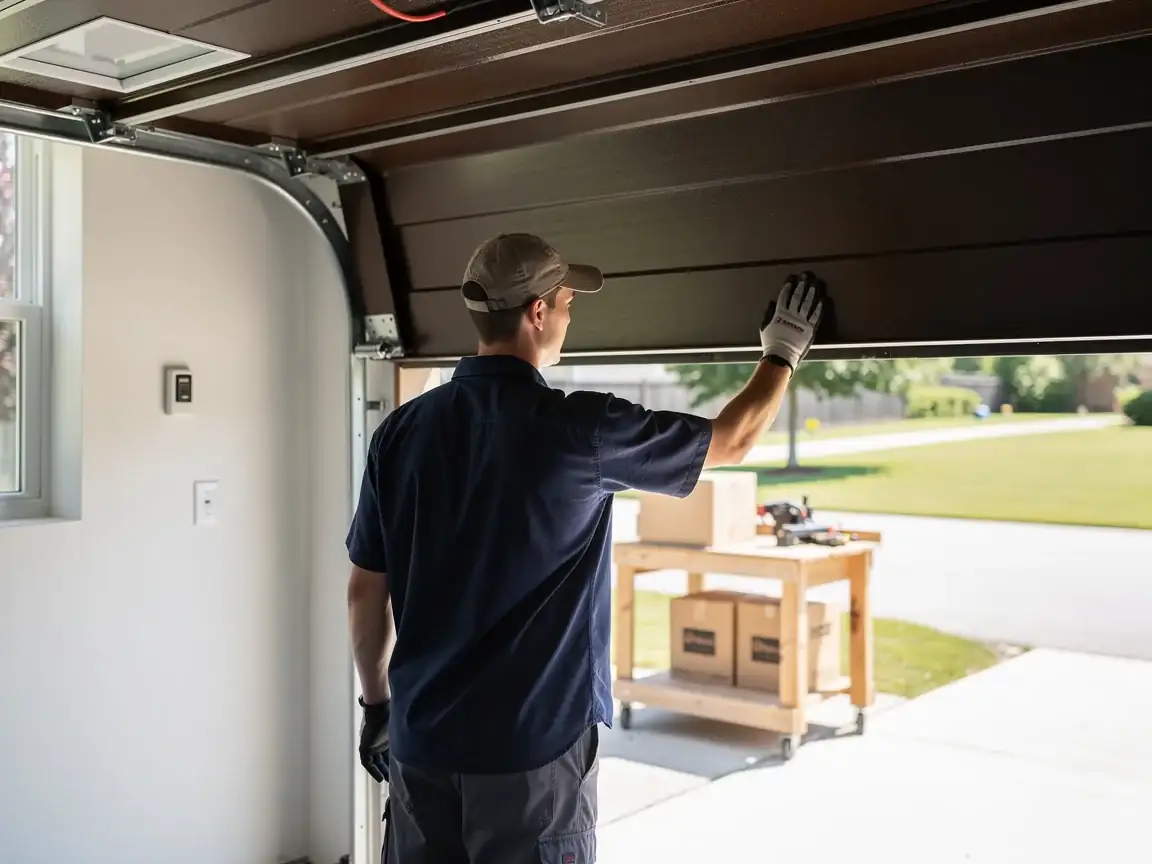
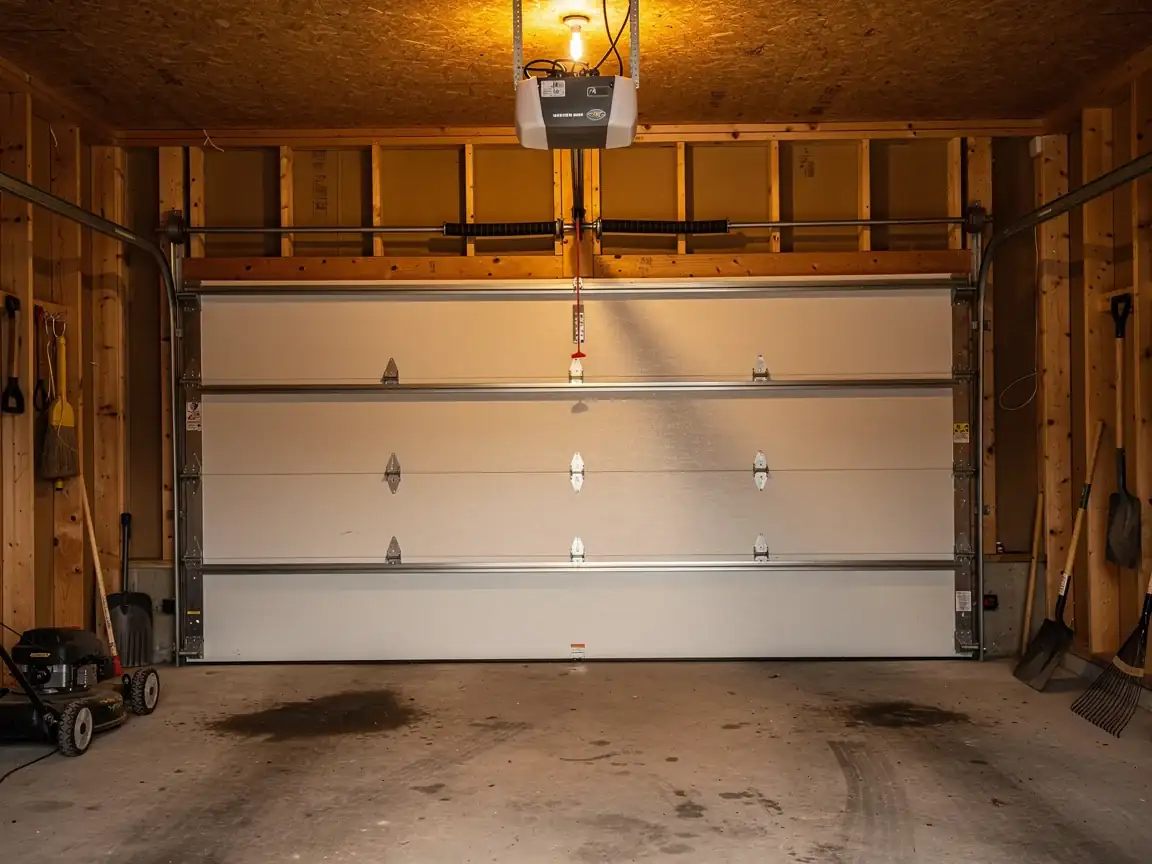
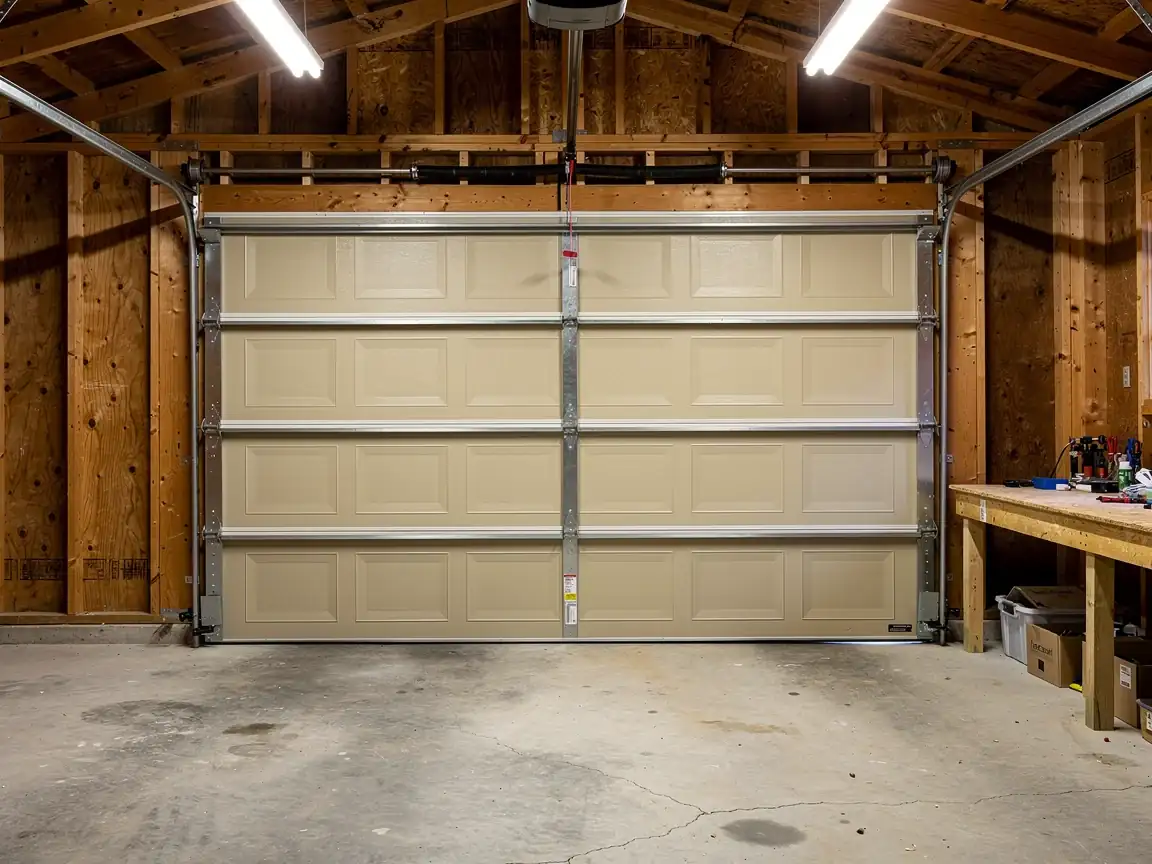
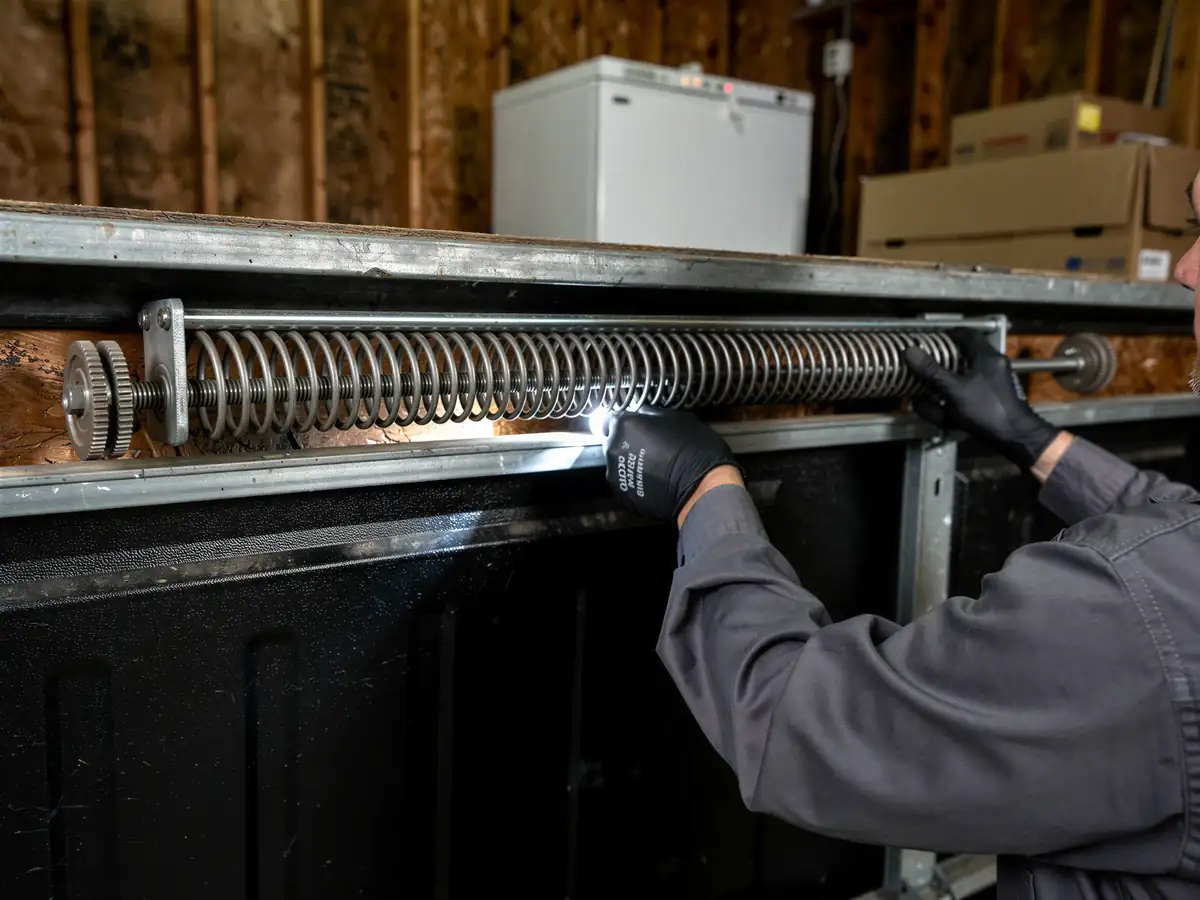
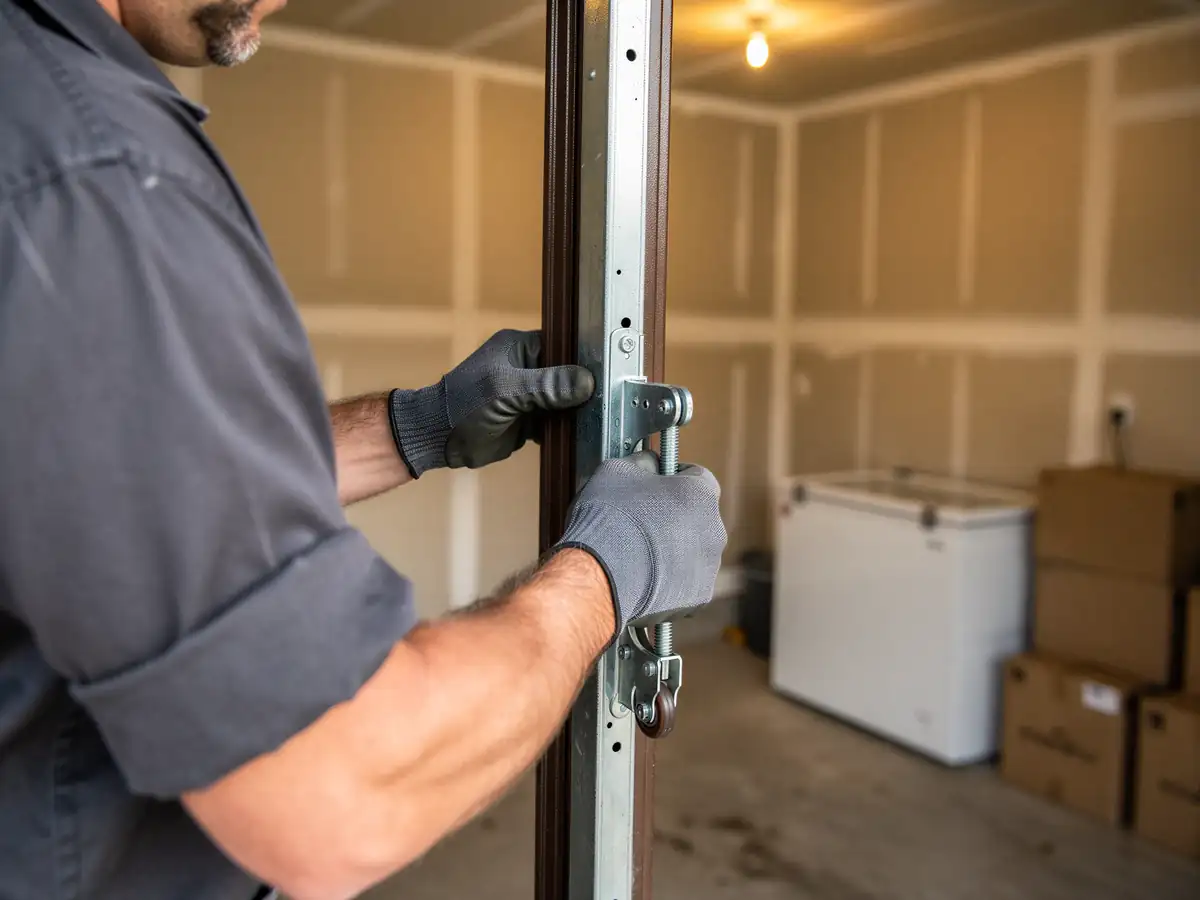
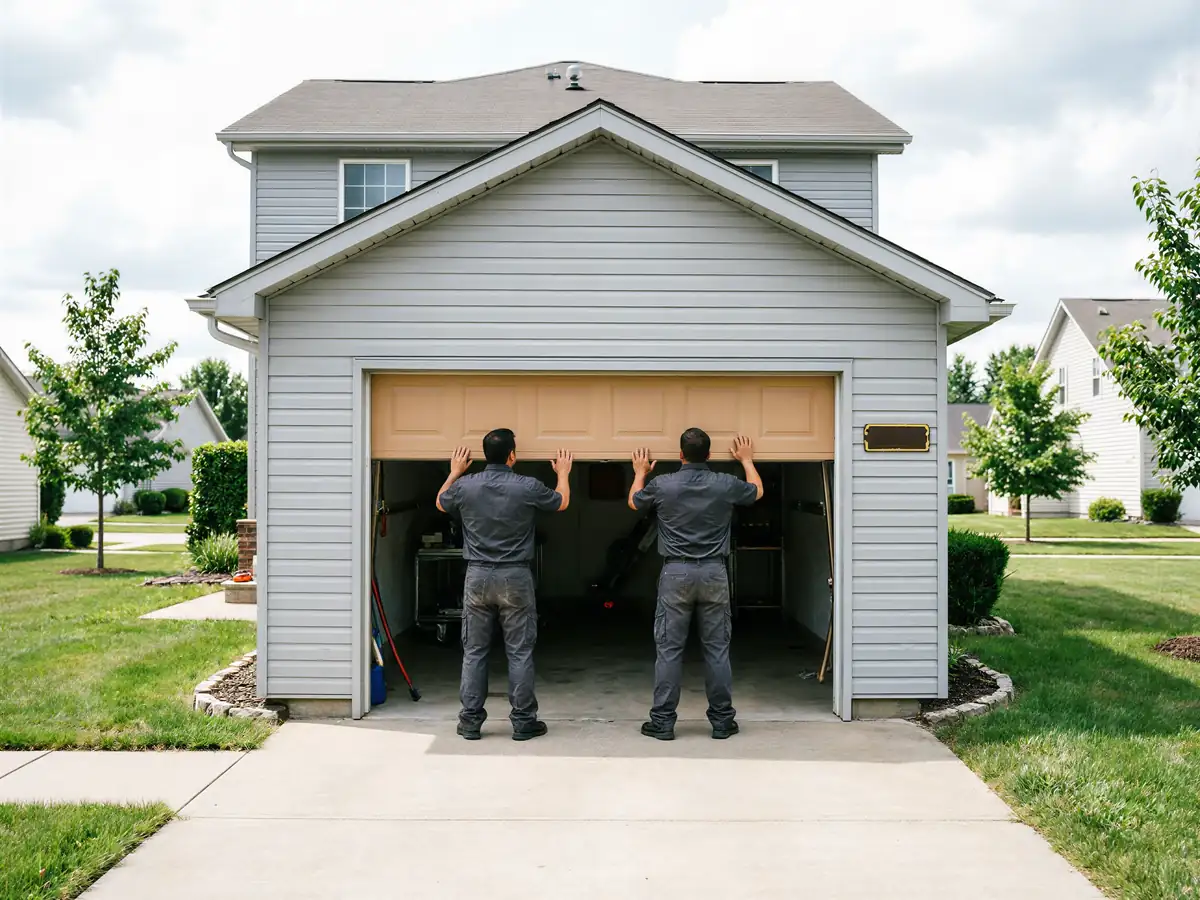
On install day we pull the old door, check the jamb and header for square, and set the new door to match the opening rather than forcing a stock size to fit. If the house is from the 1970 era that's typical here, we expect the track spacing to be narrower than current standard doors, so we budget time for adjusting brackets rather than assuming a bolt-in replacement. One honest limit: if the opening has shifted out of square from decades of settling, that's carpentry work outside a straight door swap, and we'll say so rather than force a door into a frame that won't hold it true.