Why This Fails Locally
The drive from Beavercreek to Miamisburg runs about 13 miles each way
Which means a replacement job here gets booked as a full block of the day rather than a quick stop between other calls. That changes how we schedule it, not how we do the work, but it's worth knowing up front.
- 13 miles
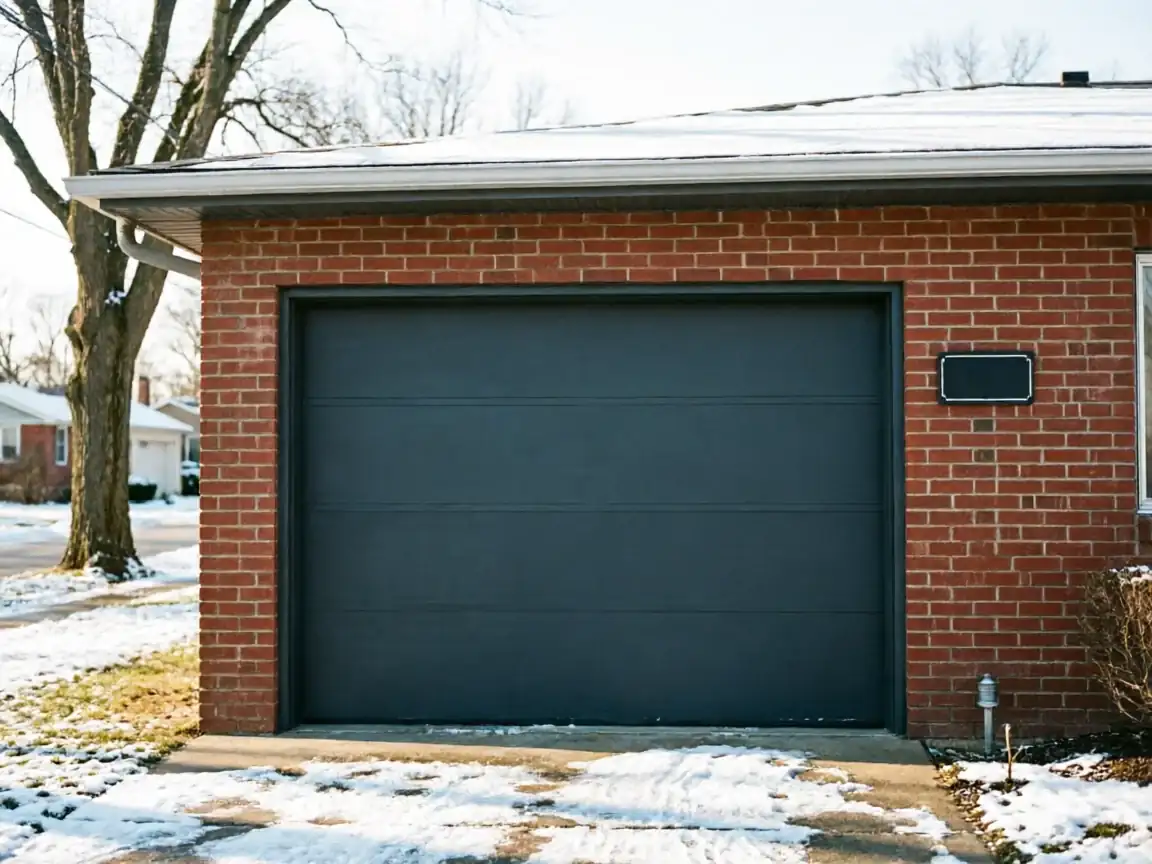
Most houses in Miamisburg went up around 1974
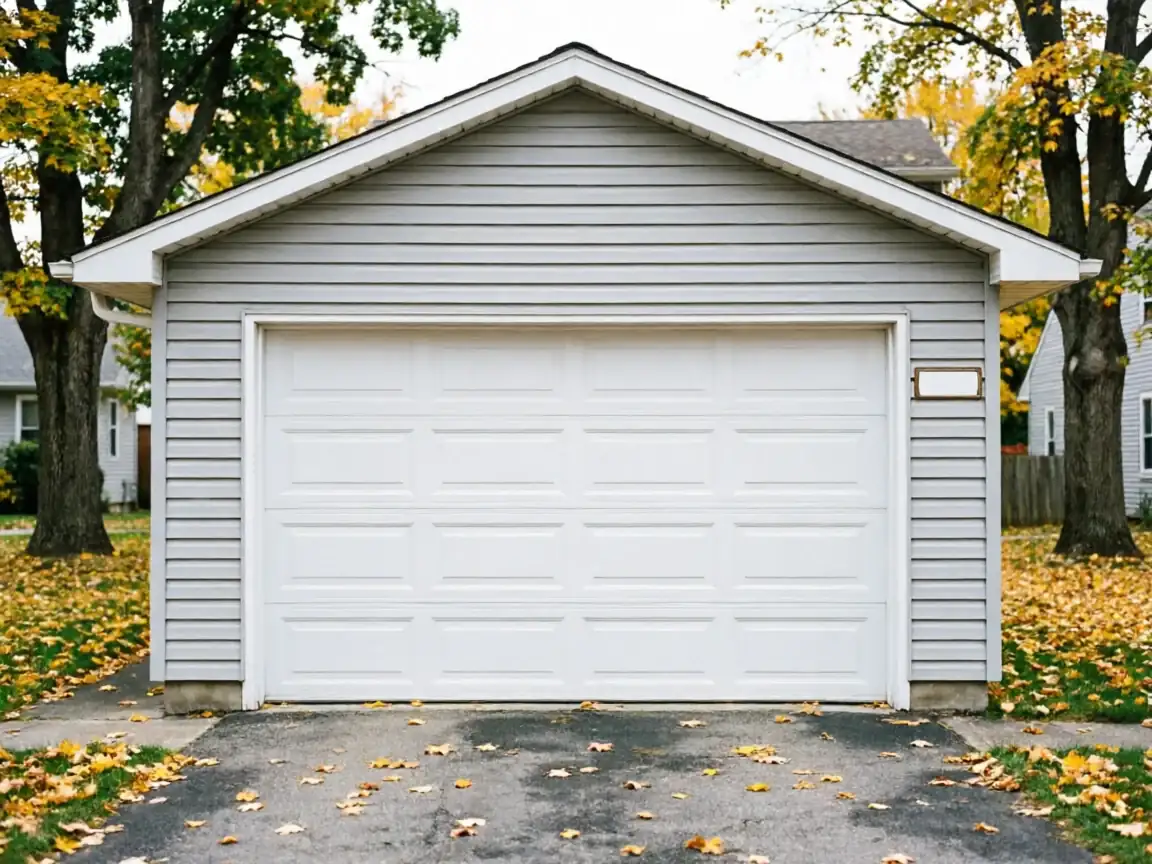
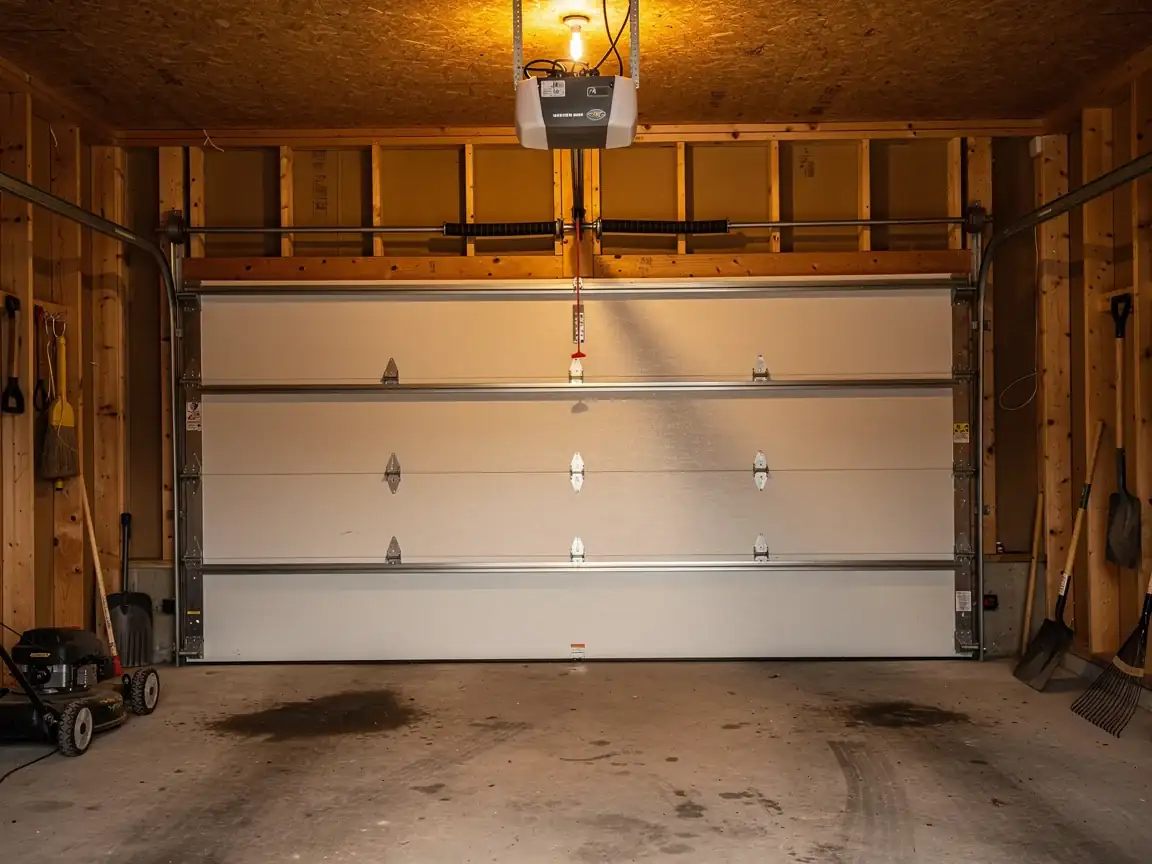
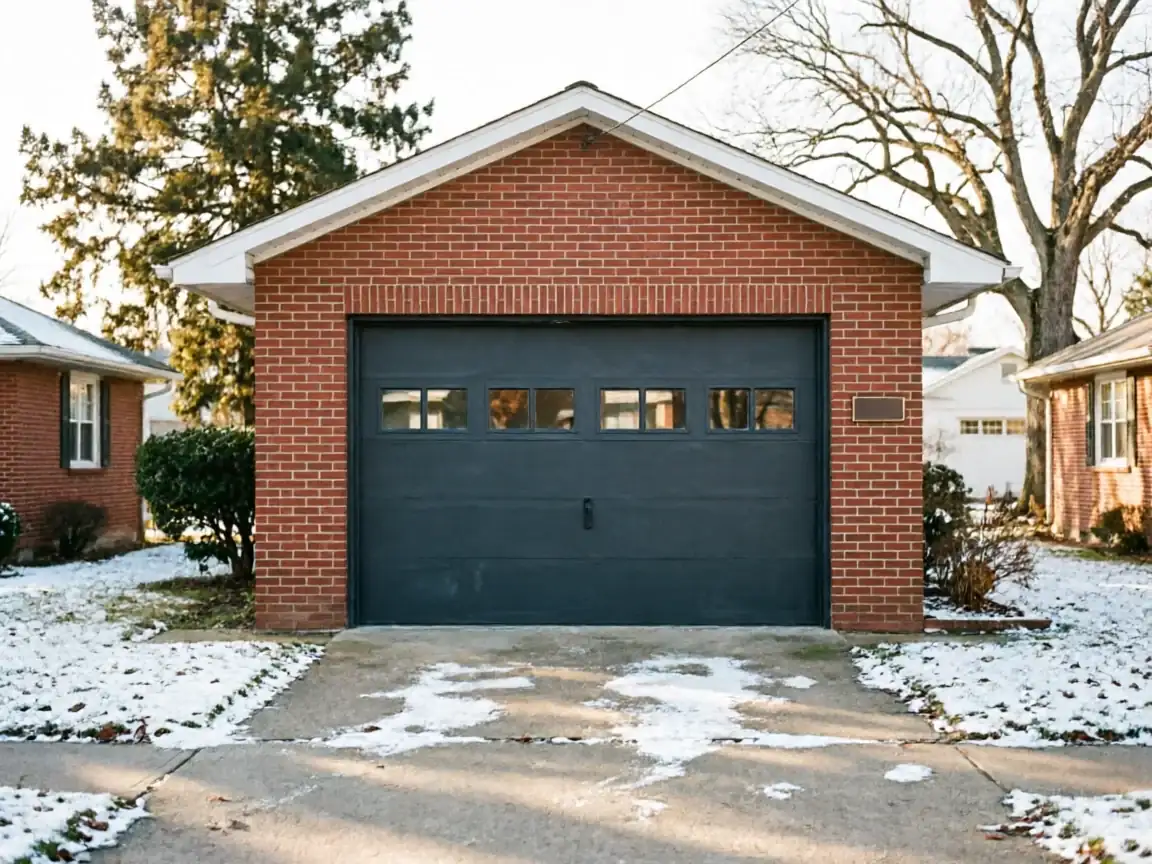
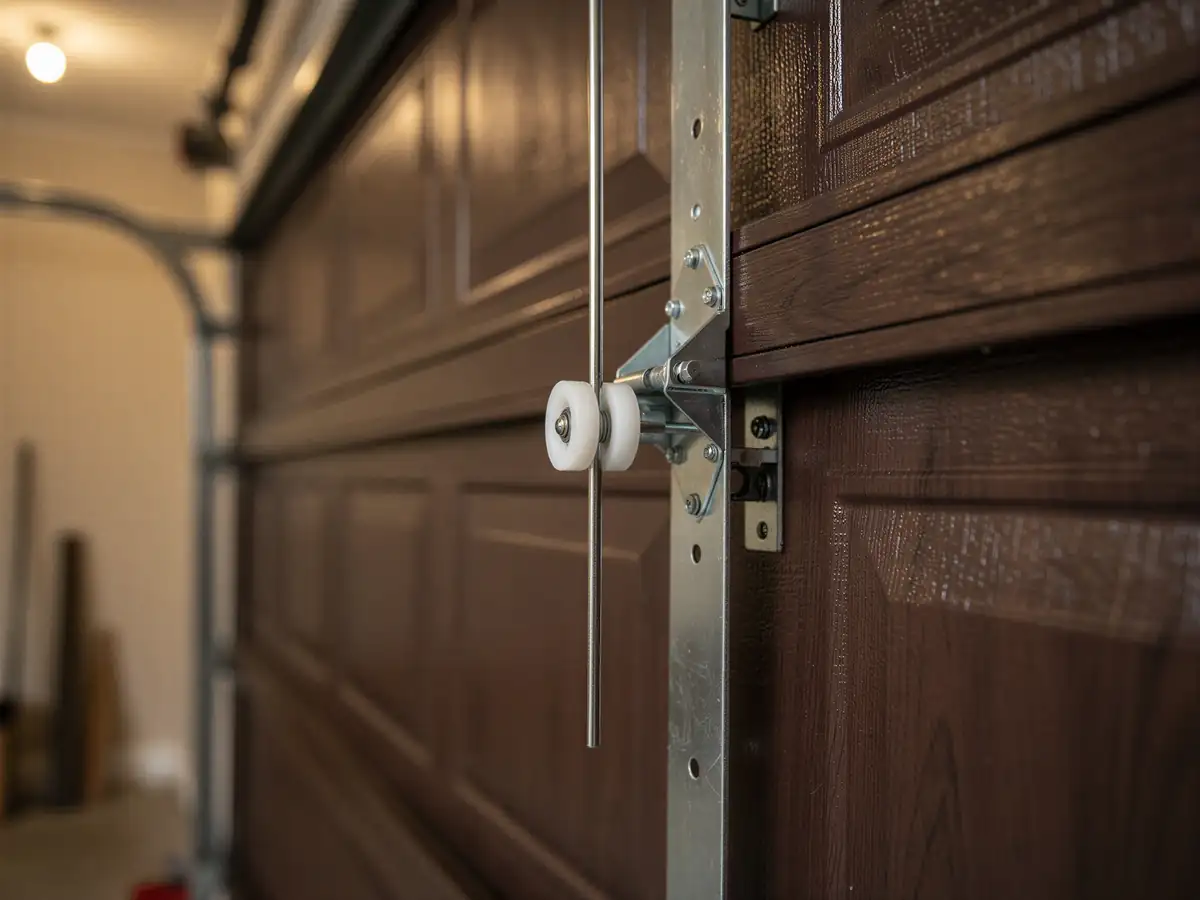
Squarely in the mid-70s wave of single-layer steel doors with minimal insulation and the hardware that came standard then: lighter-gauge track, undersized rollers, torsion springs sized for a door that's thinner than what most owners want to put in today. Fifty years in, that original door is past the point where a new spring or a new roller fixes the real problem. The door itself is the weak point - the panel flexes, the bottom seal never sat right after a few winters, and the opener is straining against weight and wind resistance it wasn't built to handle.
With 7,508 households in Miamisburg, the housing stock here skews toward that same mid-70s build window rather than the older 1930s-to-60s houses found elsewhere across the broader service area
That consistency actually makes the job simpler - the rough opening sizes and header clearances tend to run the same from one street to the next.
- 7,508 households
Can You Do This Yourself
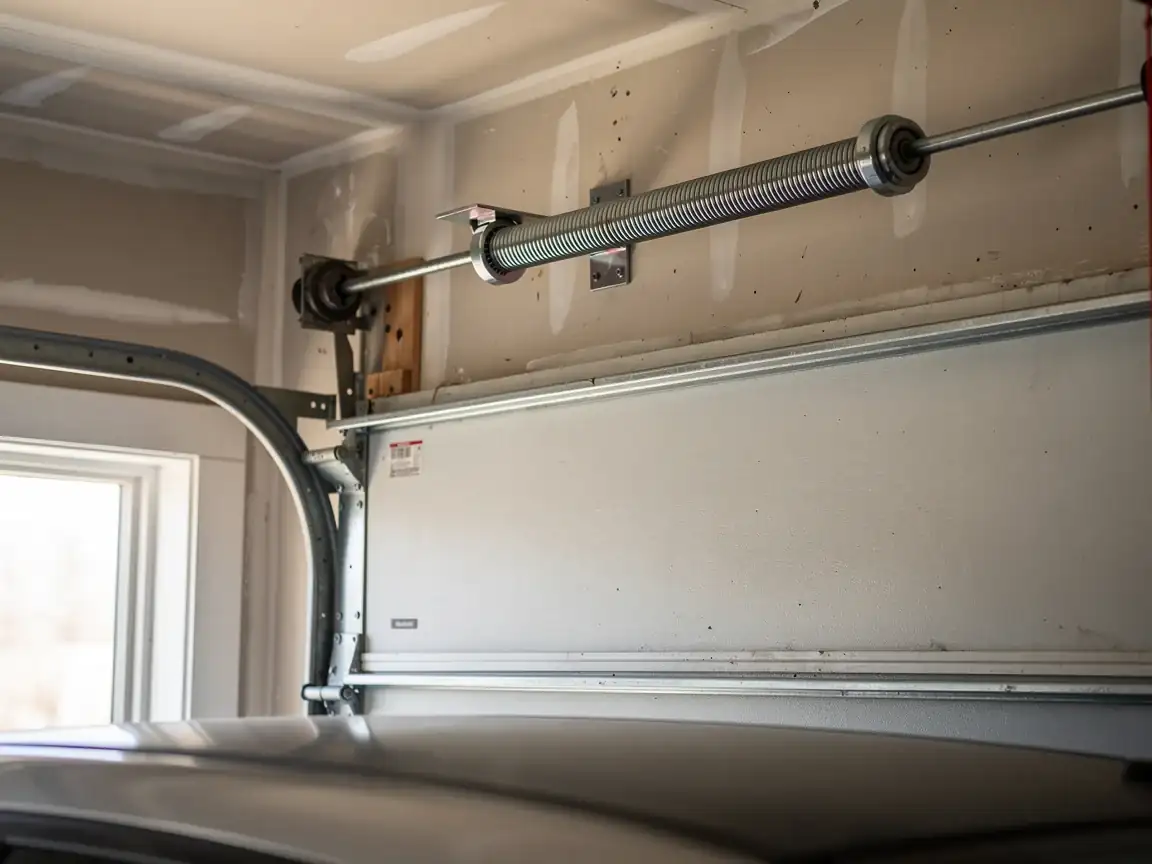
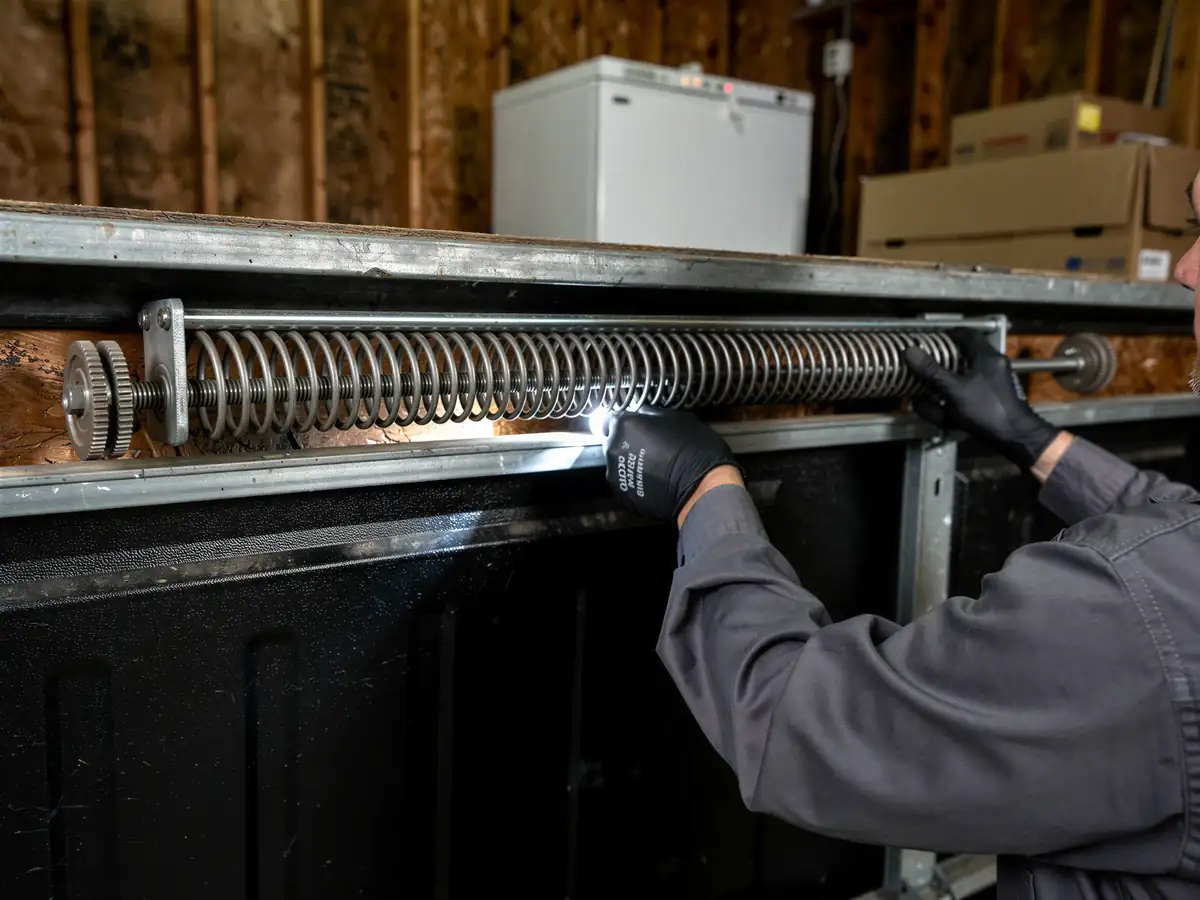
A new door is not a weekend project most owners should take on alone, and we'll say that plainly. The panels are manageable. The torsion spring system is not - it's wound under enough tension to break a bone or worse if the winding bars slip, and that risk doesn't go down because you watched a video first.
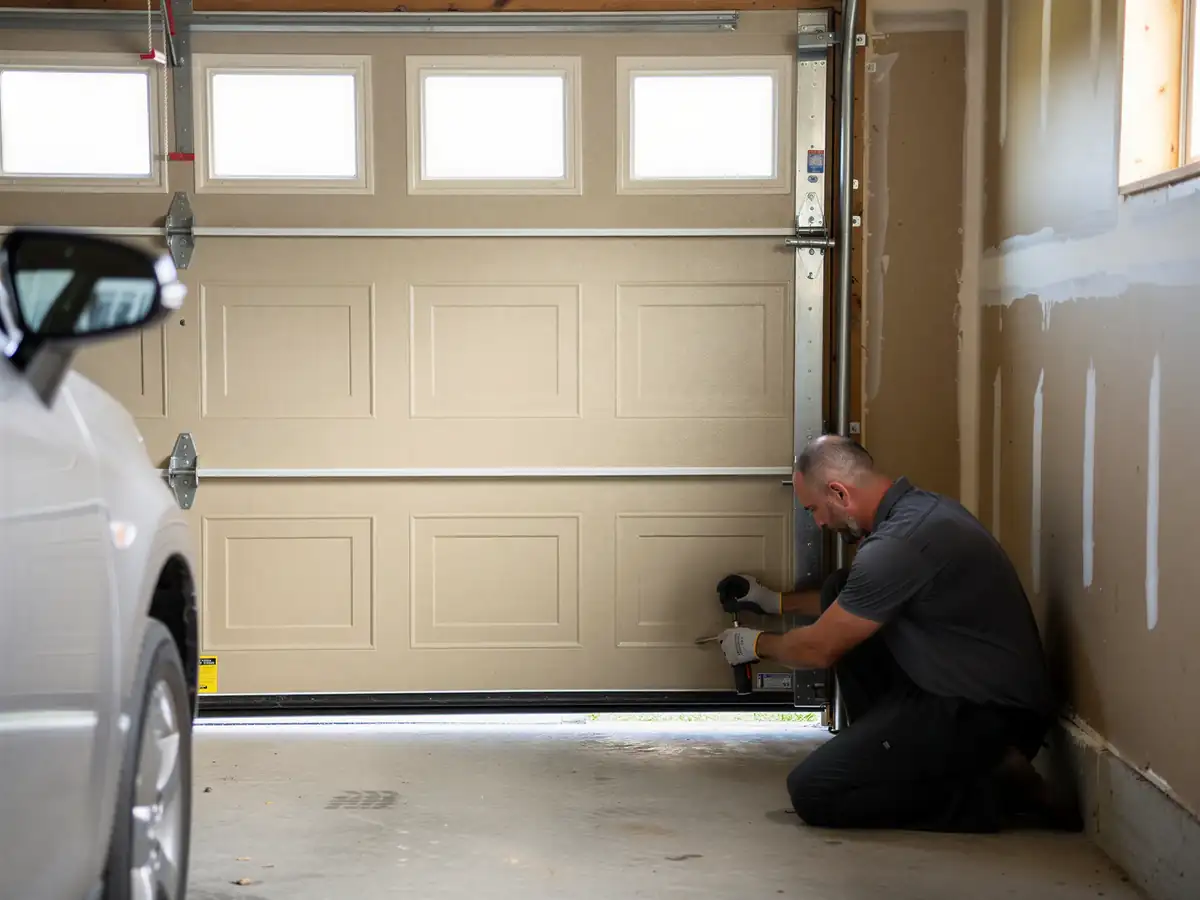
What you can reasonably do yourself: measure your rough opening before you call, pull the model number off your current opener if you're keeping it, and clear the garage so the old door and track can come out without six trips around a parked car. That saves time on the install day and it's the kind of prep that actually helps.
What we don't recommend doing yourself: removing the old torsion spring, setting a new door into an opening that's out of square (common in houses this age, where framing has settled over fifty years), or wiring a new opener into an old circuit without checking the breaker first. If you're set on doing part of it yourself, say so when you book - we'll tell you honestly which parts are fine to DIY and which parts aren't worth the saved labor cost.
Time on the Job
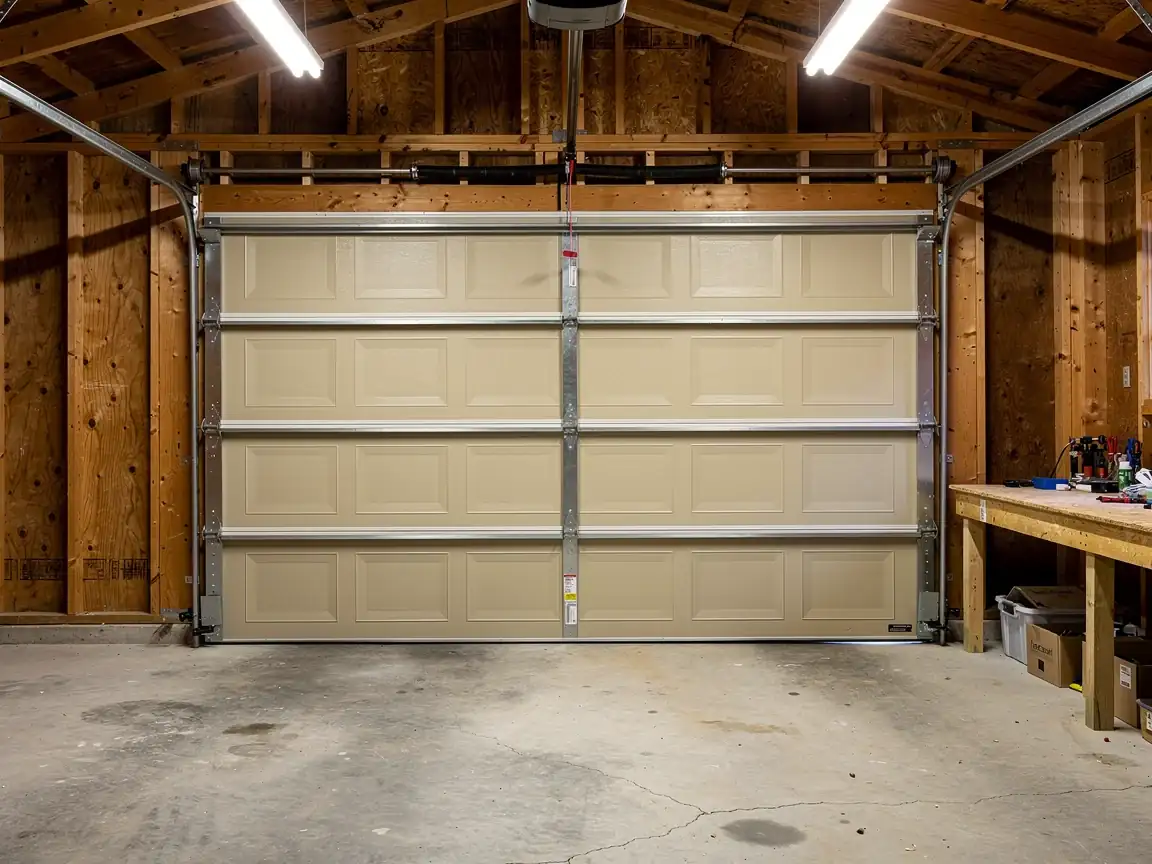
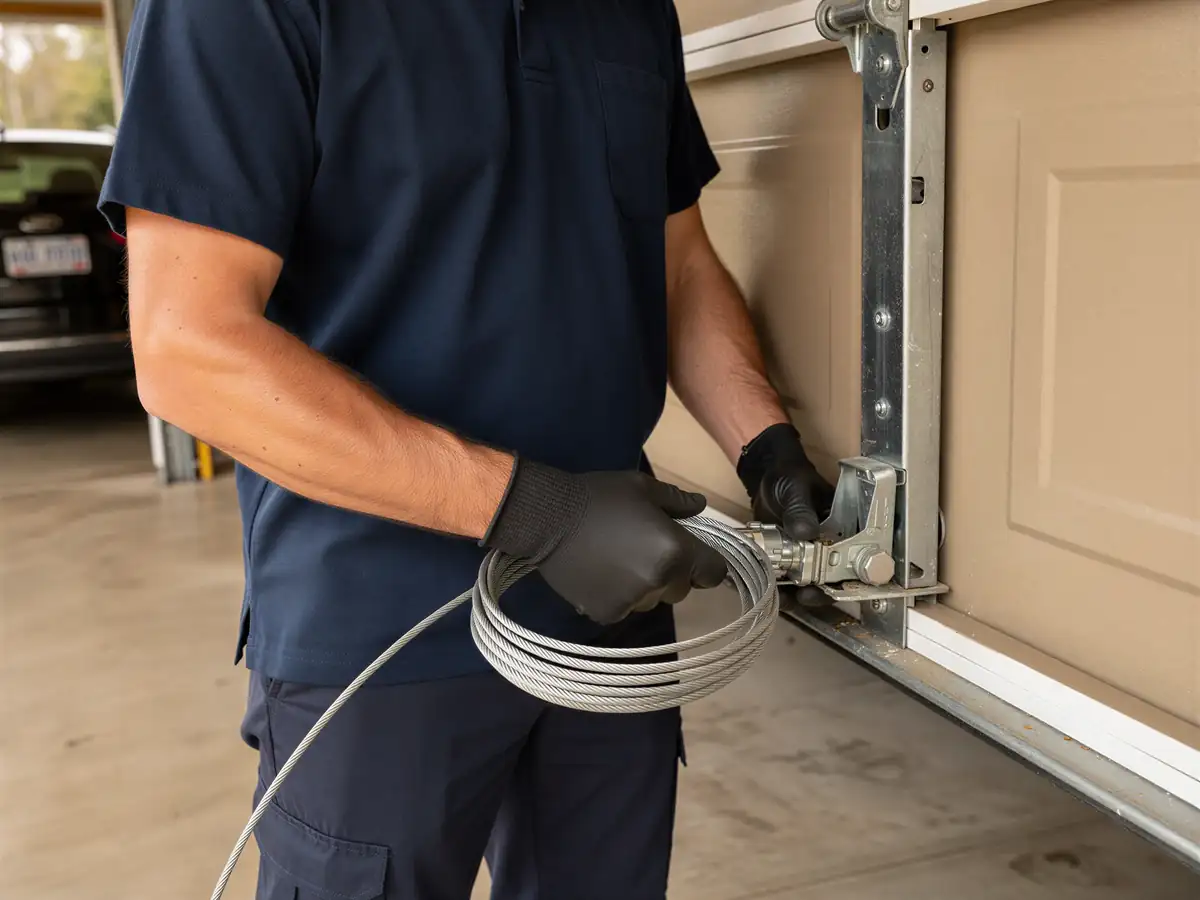
A single door, standard size, with the opener staying the same, is usually a half-day job once the crew is on site - the travel from Beavercreek is the bigger variable in when we arrive, not how long the install itself takes. A double door, or a single swapped for an insulated model with a heavier panel, runs longer because the track and header hardware often need adjusting to carry the extra weight.
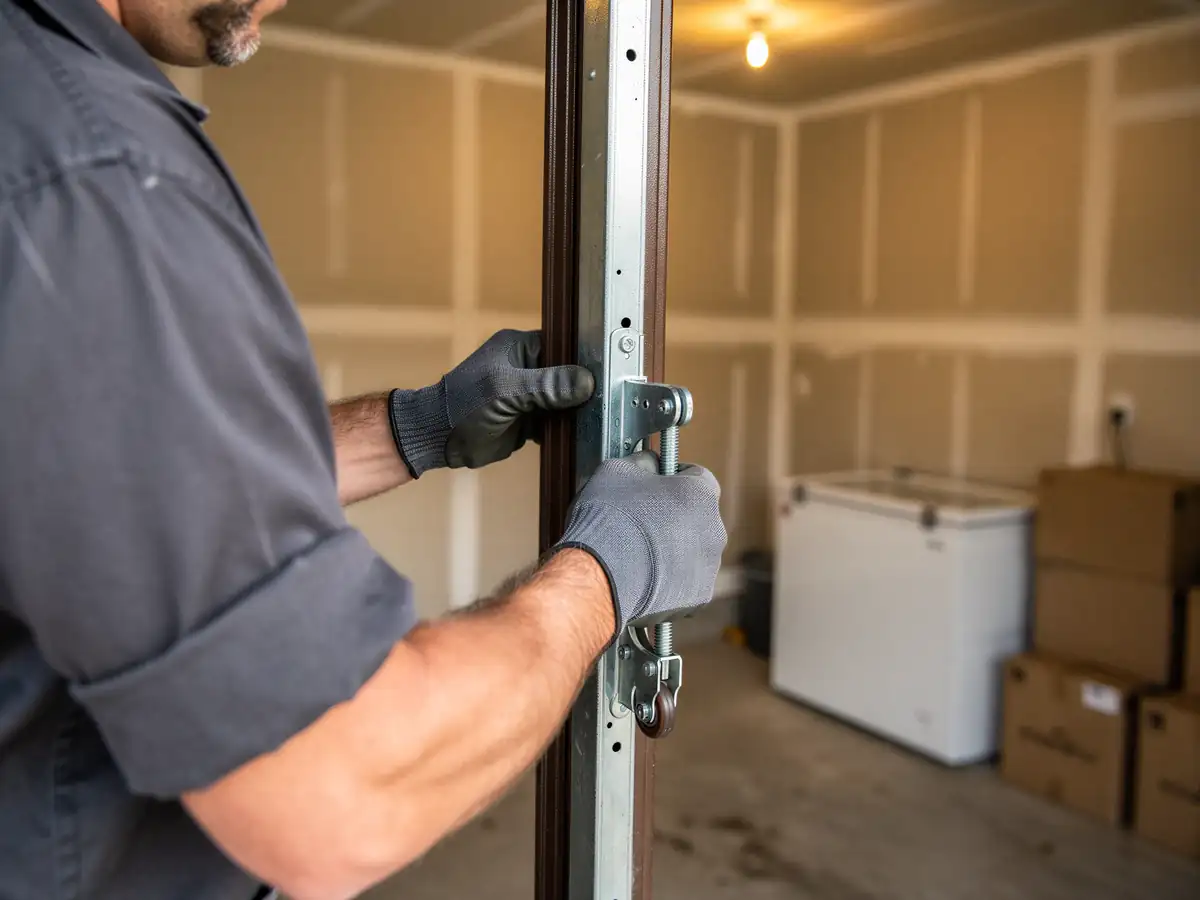
Houses built around 1974 sometimes add time we can't predict from the street: a rough opening that's shifted slightly out of square, old jamb brackets that don't match current fastener spacing, or a header that needs reinforcing before a heavier insulated door goes up. We won't know until the old door is off the track, which is also why we don't quote a flat hour count before we've looked at the opening in person.
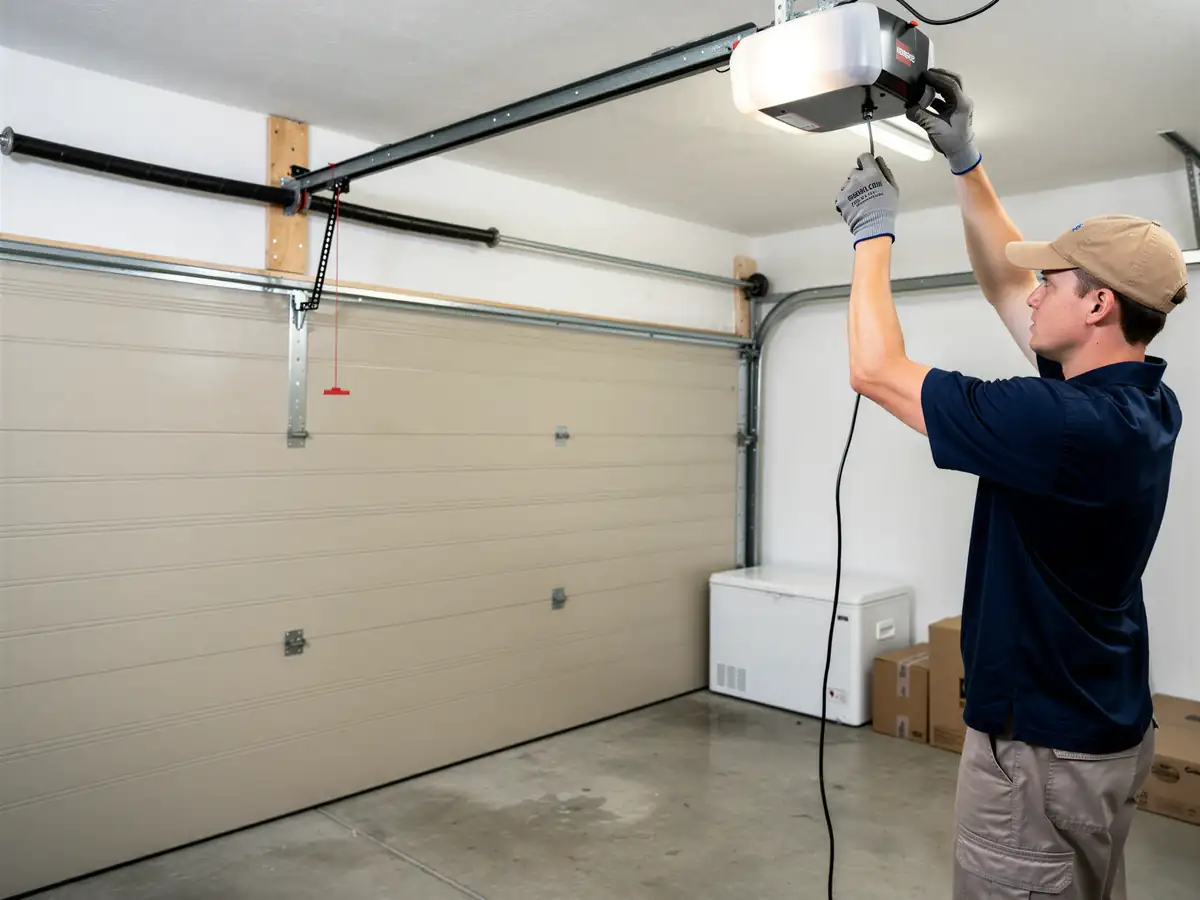
If the opener is also being replaced, add roughly another hour for wiring, safety sensor alignment, and programming. We test full open-close cycles and the auto-reverse safety feature before we call the job done, every time, regardless of how straightforward the rest of the install went.
What You Pay
We don't post flat prices here because the two biggest cost drivers
Door size and insulation level - vary house to house, and a number that doesn't match your door isn't useful to you. What we can tell you is what moves the price: single versus double, insulated steel versus basic steel, and whether the opener comes along in the same visit.
Miamisburg's median household income runs $82,095, noticeably above the broader service area's median of $70,000
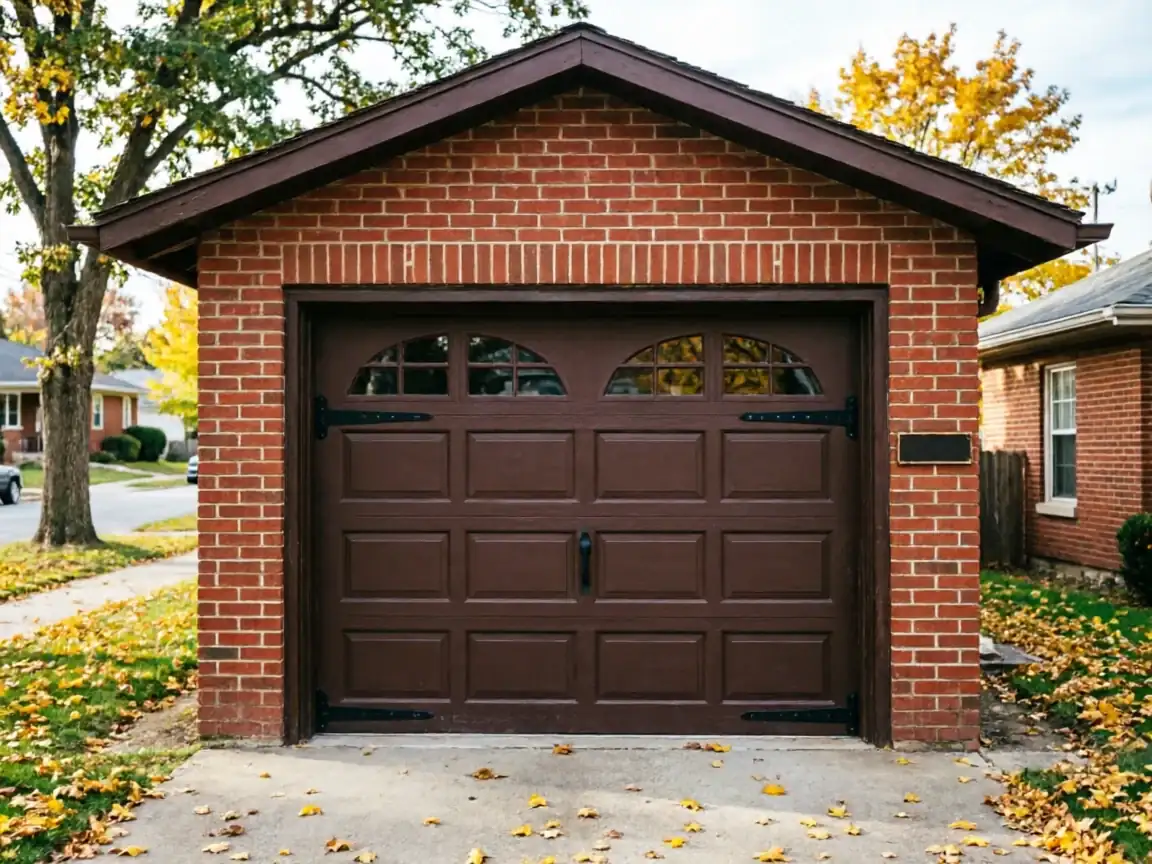
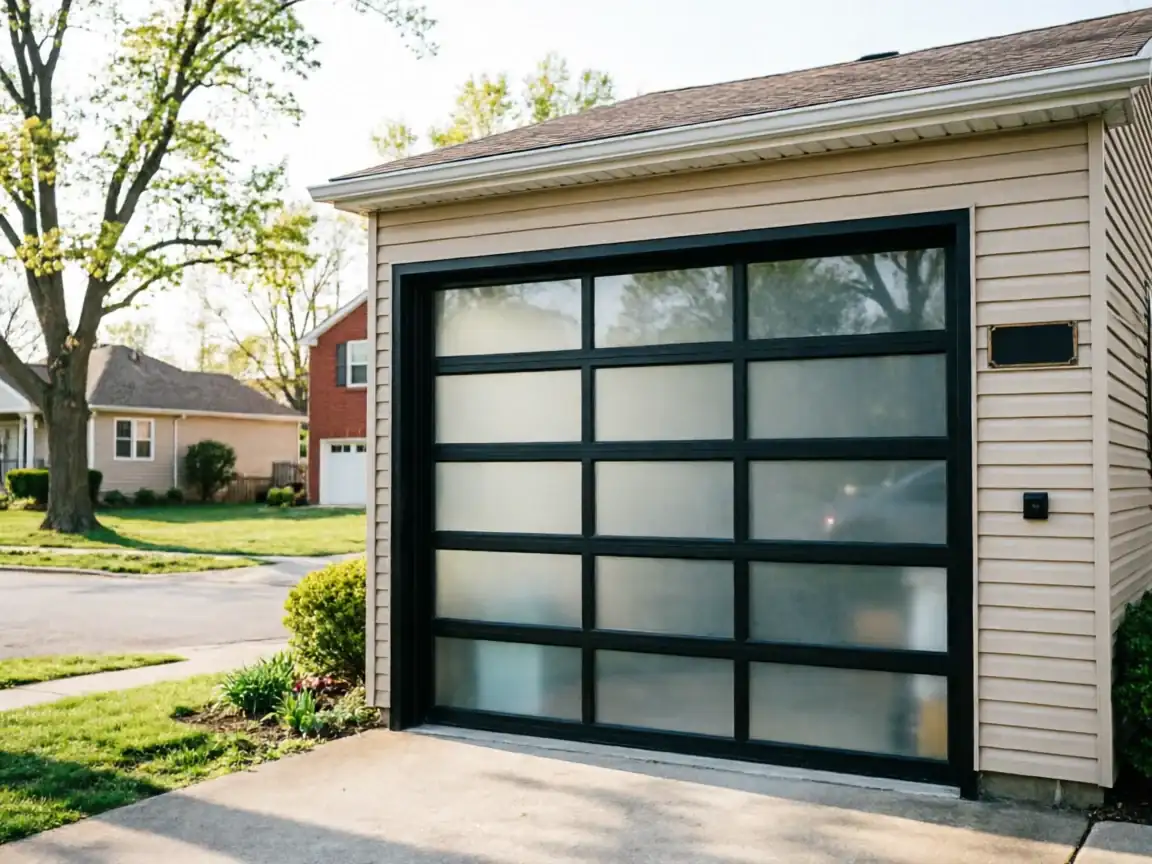
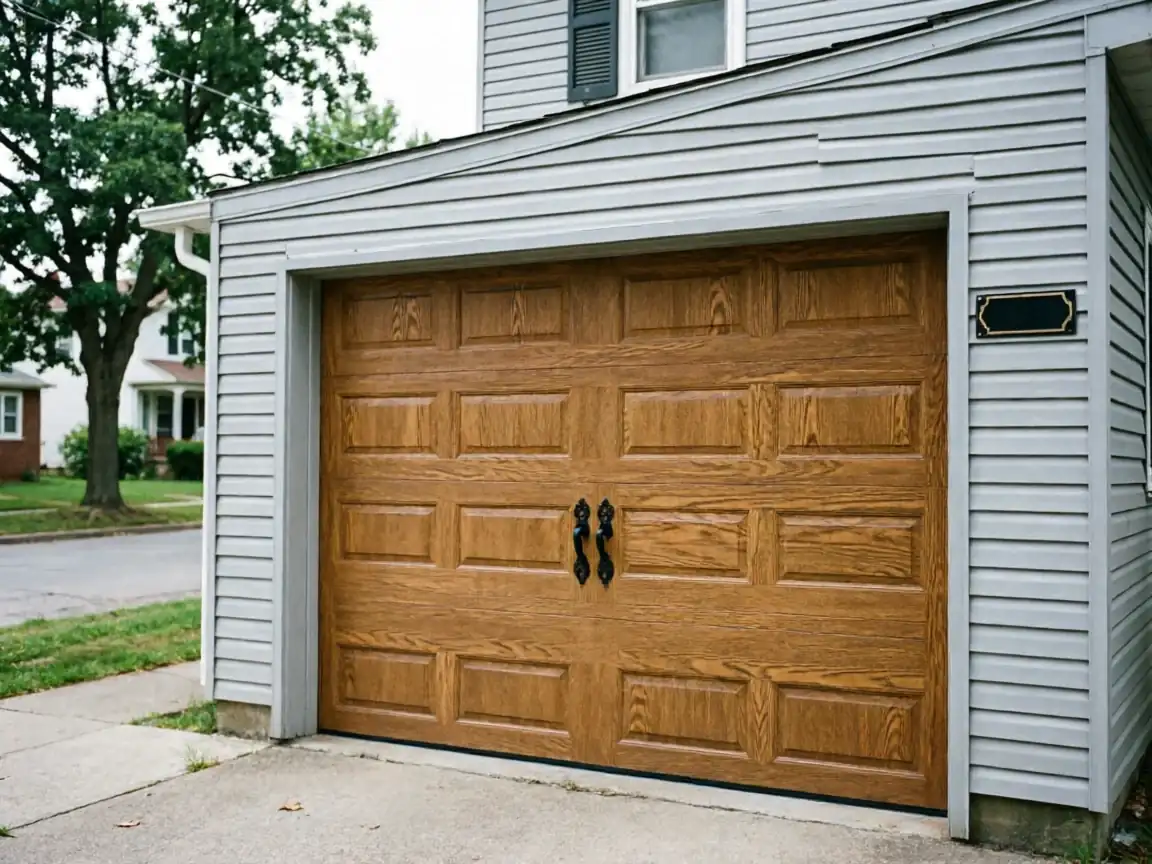
And we see that reflected in what owners here tend to choose - more insulated and wood-look steel doors, fewer base-model single-layer doors, compared to some of the older, lower-built-up areas we also cover. That's not a requirement, just what the calls here tend to look like.
The honest limitation
If your opening is out of square or your header needs structural work before a new door goes in, that adds labor beyond the door itself, and we'll quote that separately once we've seen it - not folded into a vague package price that hides it.
Booking a Visit
Because every job in Miamisburg starts with that 13-mile drive from Beavercreek, we schedule these as dedicated visits rather than fitting them between closer calls - which means picking a day that works for you matters more here than squeezing into a same-day slot. Tell us the door size, whether you're keeping the opener, and roughly how old the current door is when you call.
If you want to see what we've covered for homes near you, our Miamisburg area page has more on how we handle calls in this part of the service area. For the full rundown of everything we install and repair out of Beavercreek, including services beyond new door installs, see our main installation page.
How It Shows Up
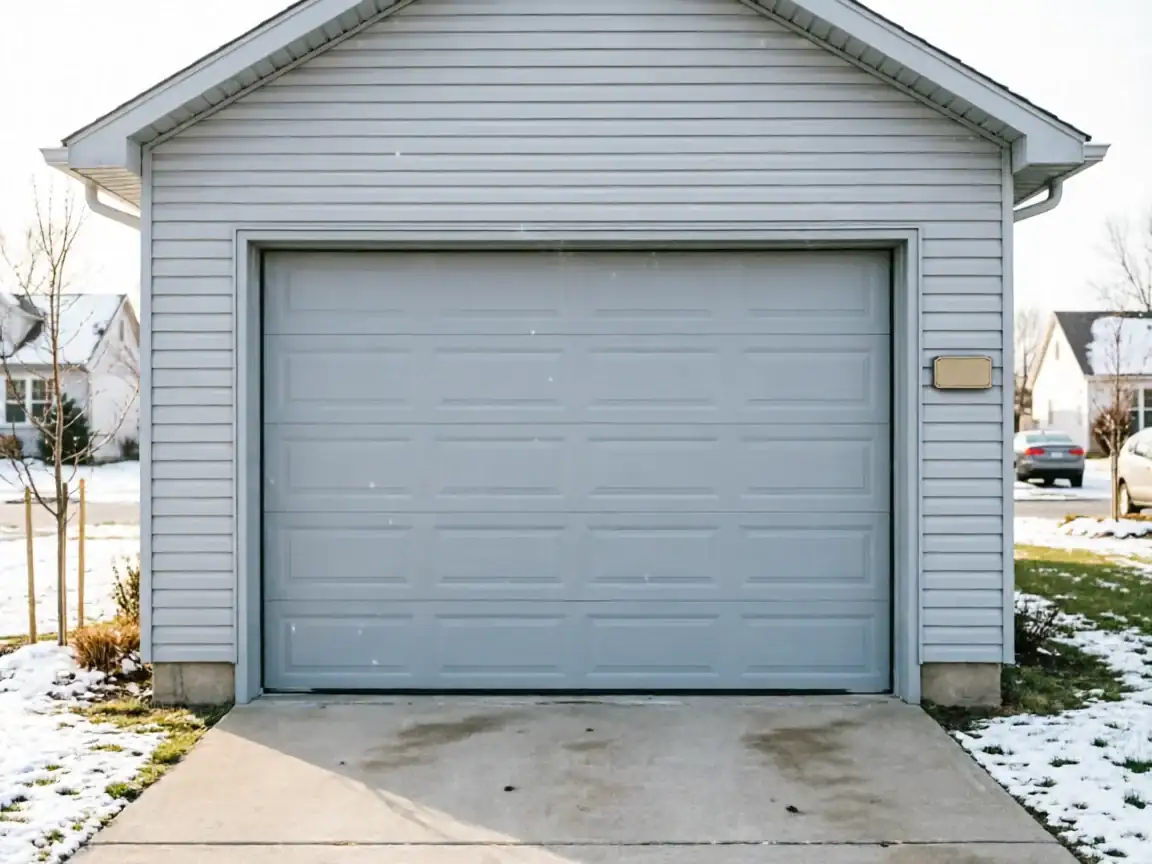
This area sits in a severe cold-climate band, and that's the detail most owners replacing a 1974-era door don't think about until the second winter with a new one. A door that isn't rated for this cold, or isn't insulated at all, lets the garage track close to outdoor temperature, which matters if there's a water heater, a freezer, or finished space above or beside the garage.
The original door on a lot of Miamisburg houses was single-layer steel with no insulation at all - standard for the mid-70s, not standard for what most owners want to live with now. A new door with a foam core and a tight bottom seal changes the garage's temperature swing noticeably, especially paired with weatherstripping at the jambs that the original install likely didn't have.
We size the insulation level to what the garage is used for - storage only is a different call than a garage with a workbench or a second fridge - and we'll ask how you use the space before recommending a specific door, rather than defaulting to the heaviest option every time.