Why This Fails Locally
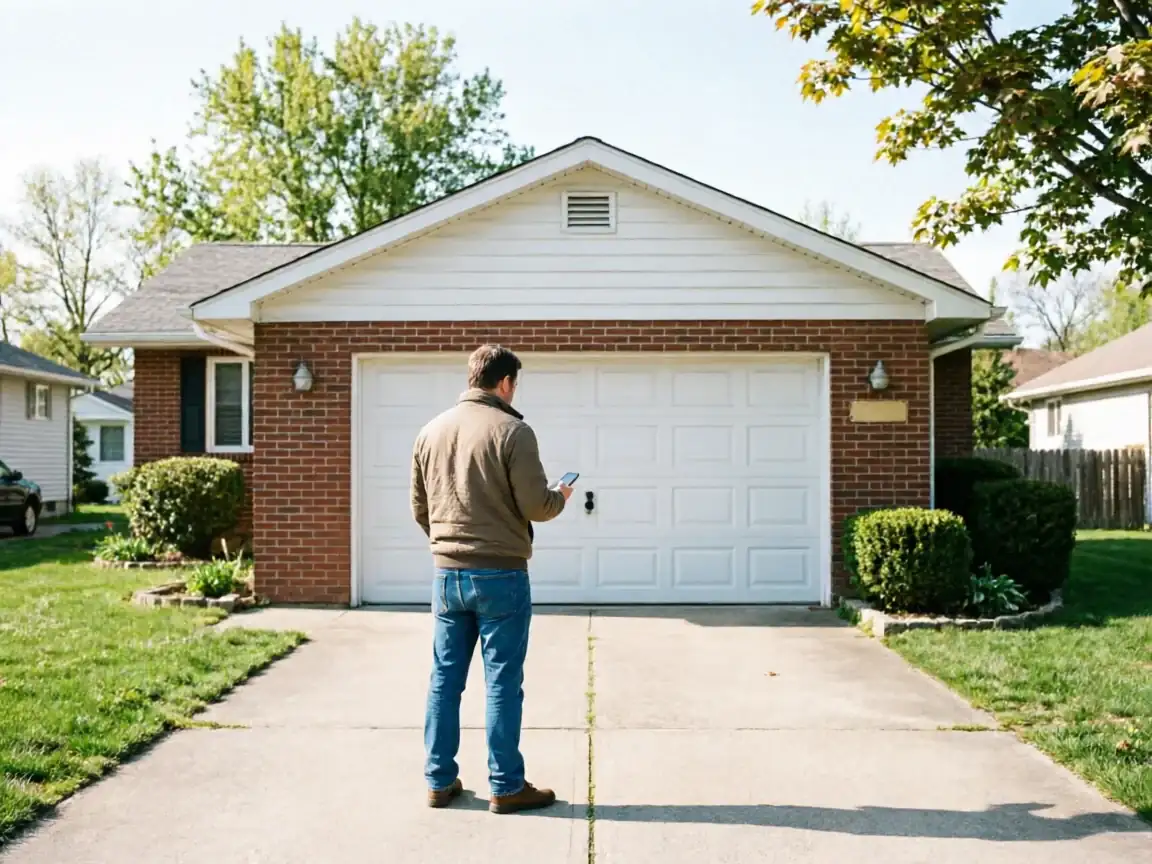
If your house in Miamisburg was built anywhere near the neighborhood median of 1974
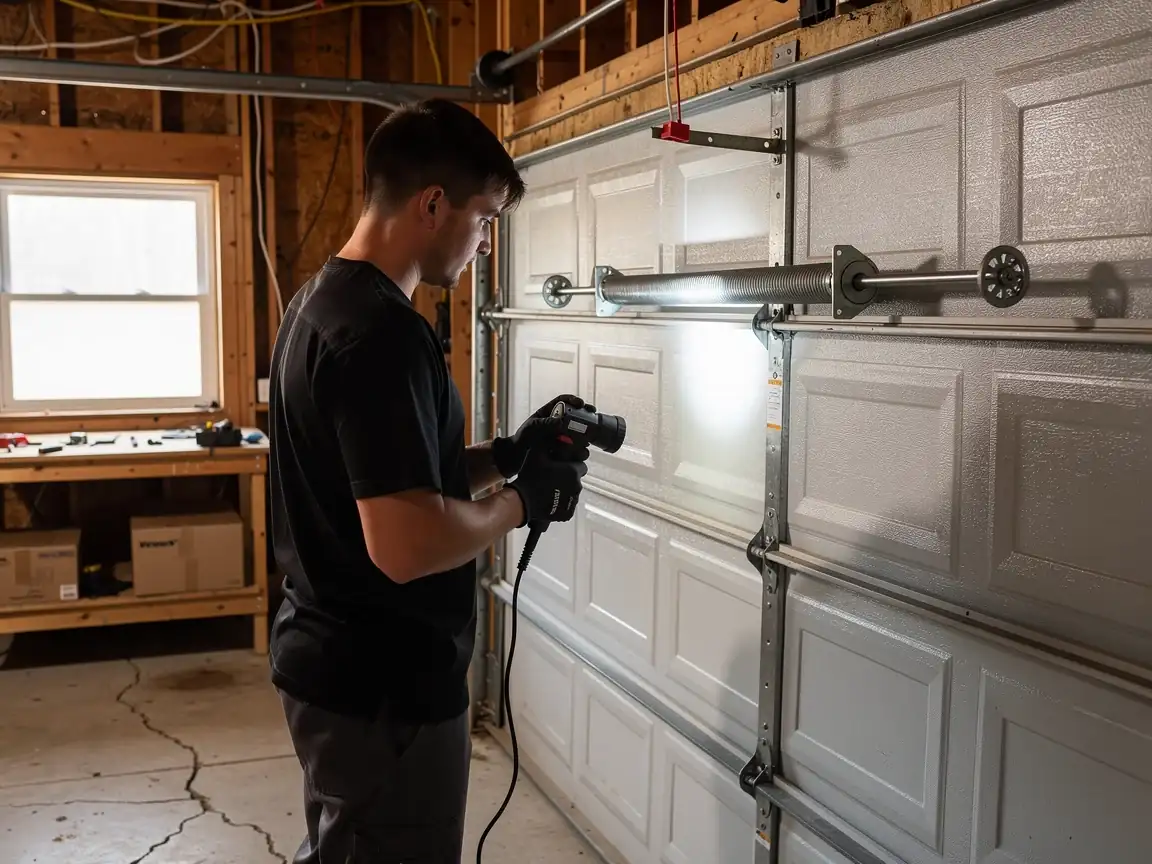
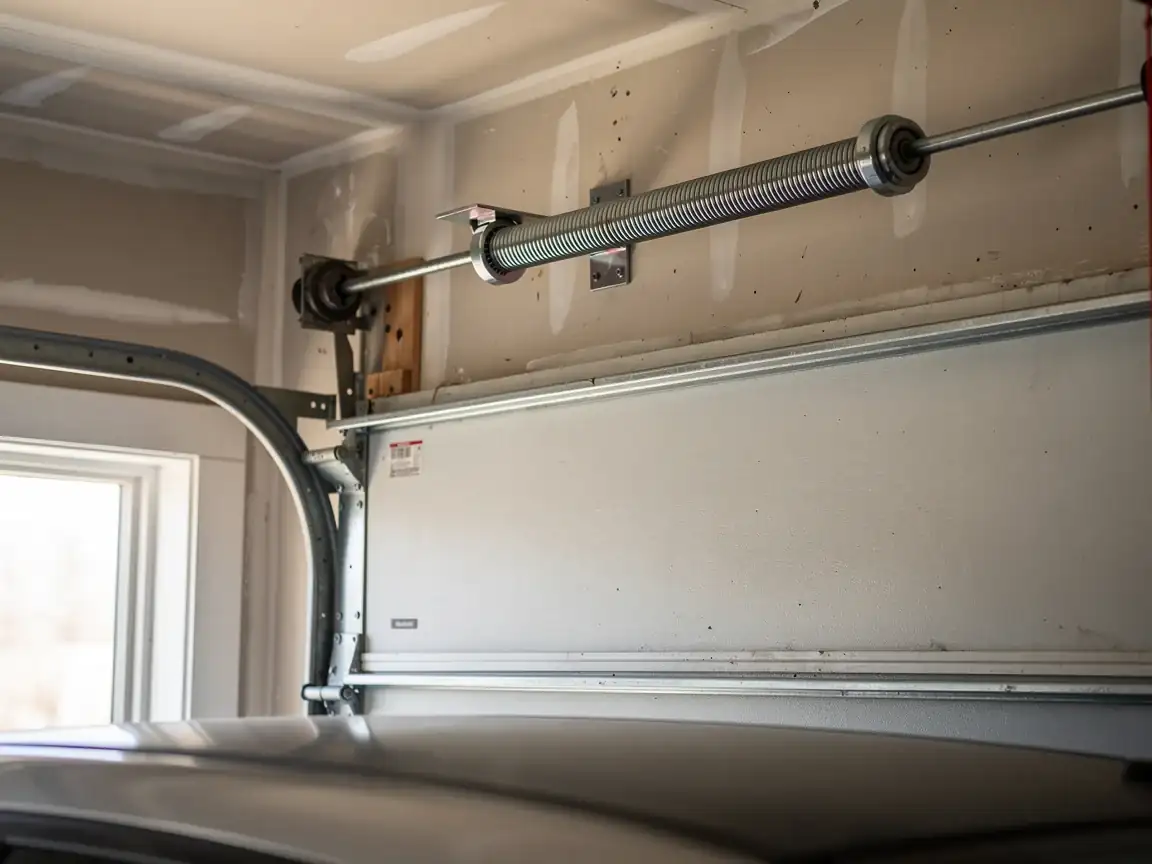
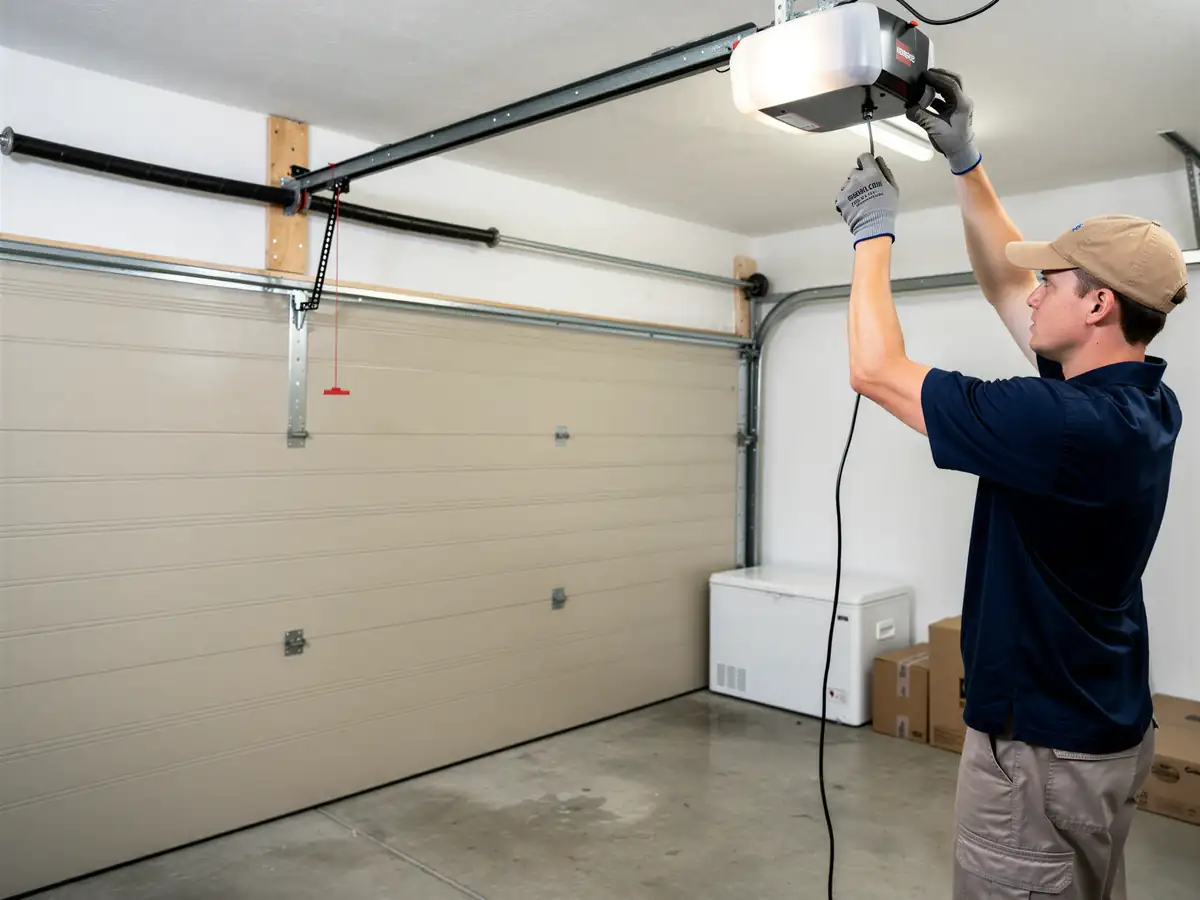
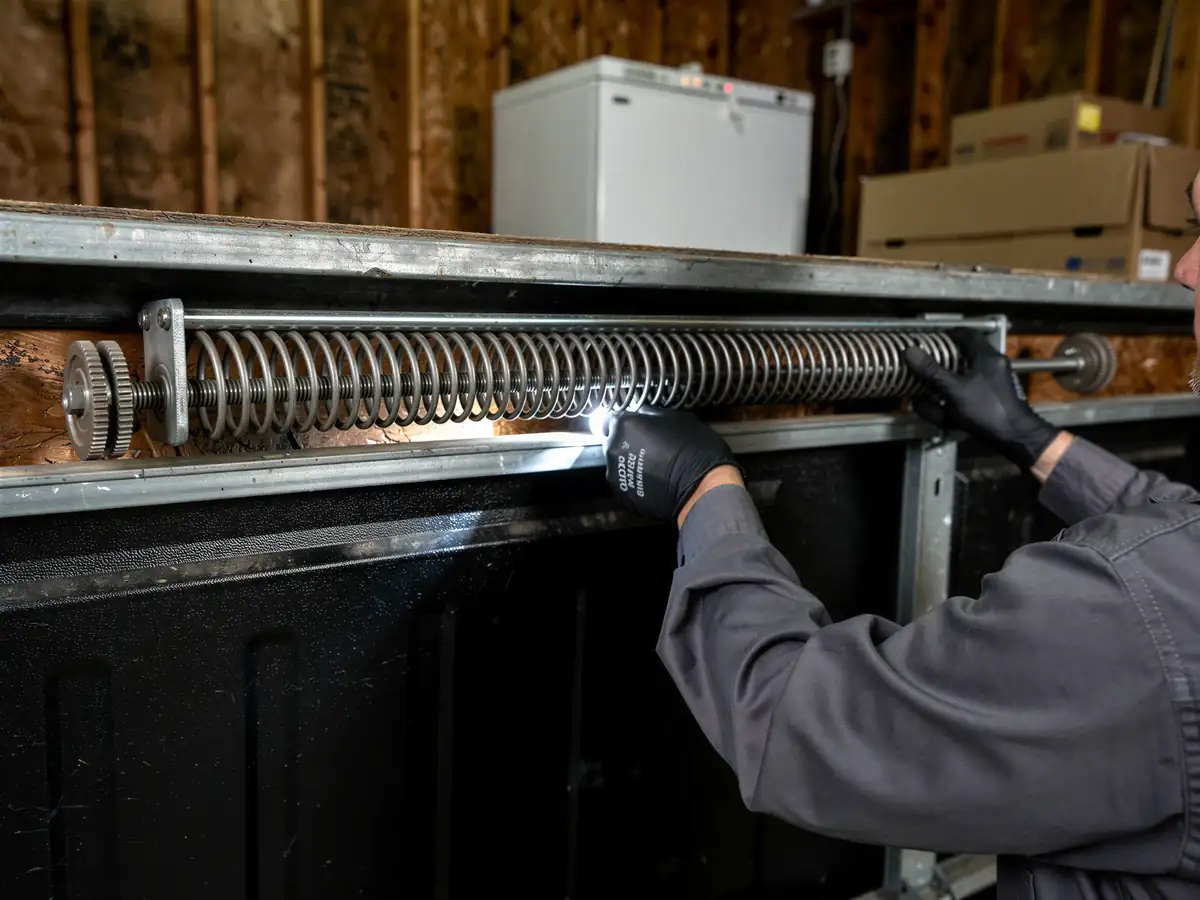
There's a good chance nobody has ever touched the torsion spring on your garage door. Springs ship with the house, get used a few thousand times, and eventually fatigue to the point of snapping - usually without warning, usually on a cold morning. A spring rated for 10,000 cycles doesn't know it's 2024; it just knows it's been wound and unwound twice a day for fifty years.
Miamisburg's housing sits inside the wider build window of 1938 to 1998 that runs across this part of the area
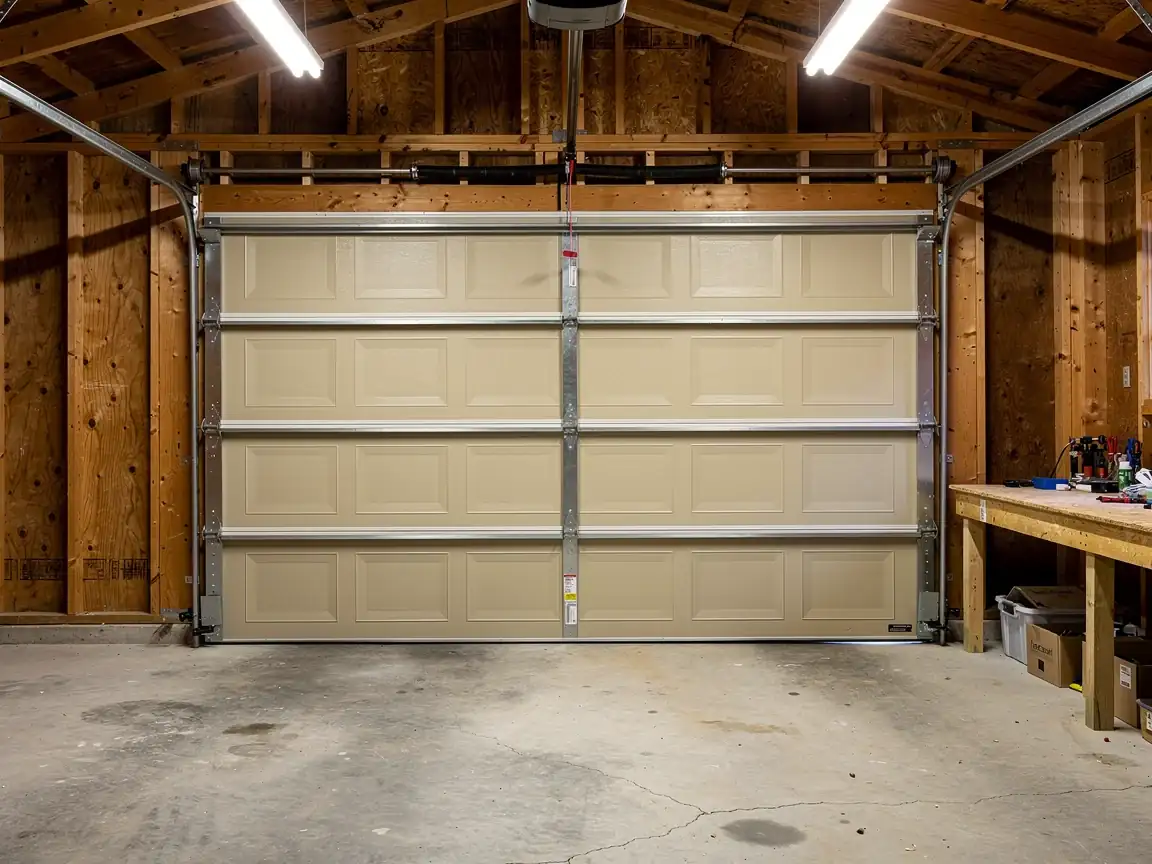
But the local median lands later than some neighboring suburbs, which matters: later builds often got the lighter-duty single springs instead of the dual setups you'd find on older two-car doors. That single-point-of-failure design is part of why a spring job here tends to be a full stop, not a slow leak - the door either lifts or it doesn't.
With roughly 7,508 households in Miamisburg built in a tight window
A lot of these springs are aging out around the same calendar years. We're not guessing at that pattern - it's just what a town built mostly in one decade looks like thirty and forty years later.
- 7,508 households
Can You Do This Yourself
A torsion spring is wound under enough tension to break bones or worse if it lets go while you're working on it. We're not going to walk you through winding bars and cone adjustments here - that's not a YouTube-Saturday repair, and we'd be lying if we said otherwise. What you can safely check yourself: does the door look crooked when it's halfway up, is there a visible gap or kink in the spring coil, does the opener strain and reverse instead of lifting smoothly. Any of those, stop using the door and call someone.
One honest limit on our end: if the spring has already let go and the cable or track took damage with it, that's not always a same-visit fix. Sometimes the right call is ordering a part and coming back, especially if the door is an older size that isn't stocked locally. We'll tell you straight if that's the case instead of padding the invoice with a workaround that won't hold.
Time on the Job
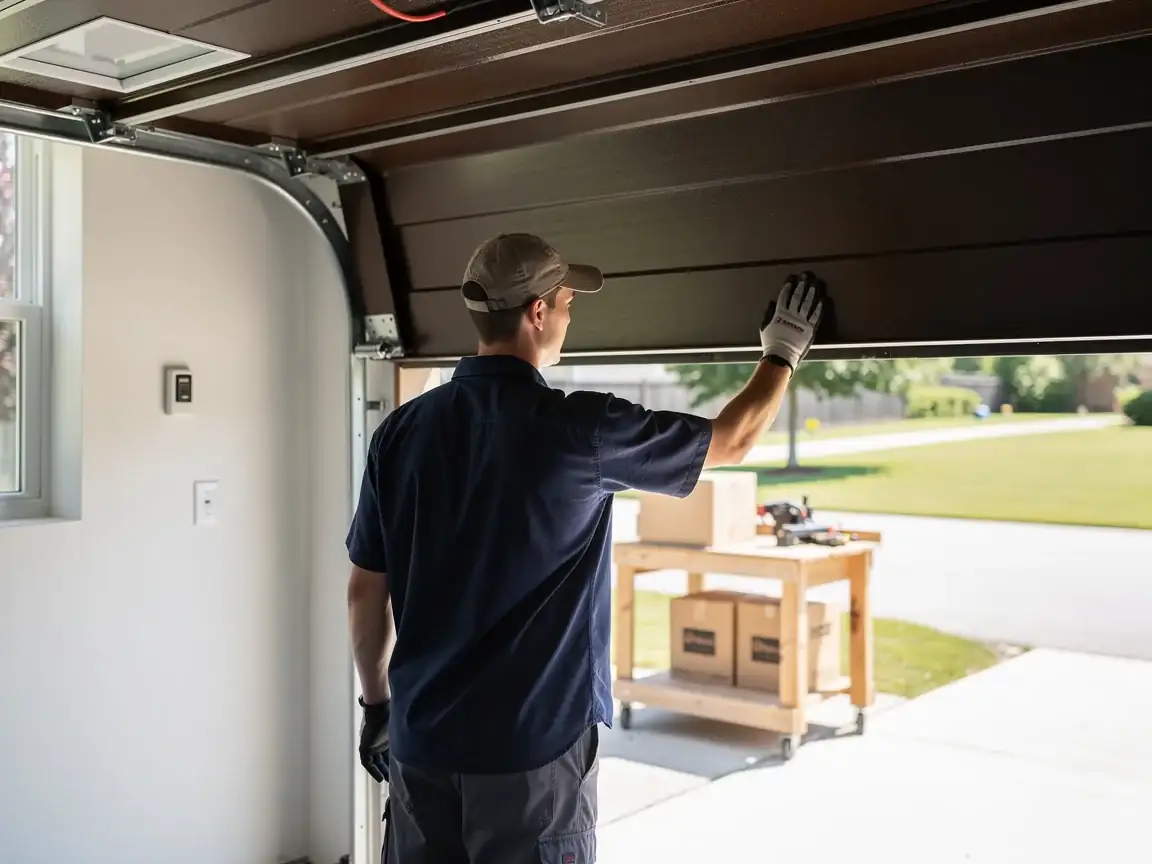
Miamisburg is about 13 miles from our shop in Beavercreek, so figure that drive into any estimate of how fast we can get there - we're not based in town, and we won't pretend otherwise. Once we're on site, a standard single or dual torsion spring swap on a residential door usually wraps in under two hours, assuming the drums, cables, and track are in decent shape and we're not waiting on a part.
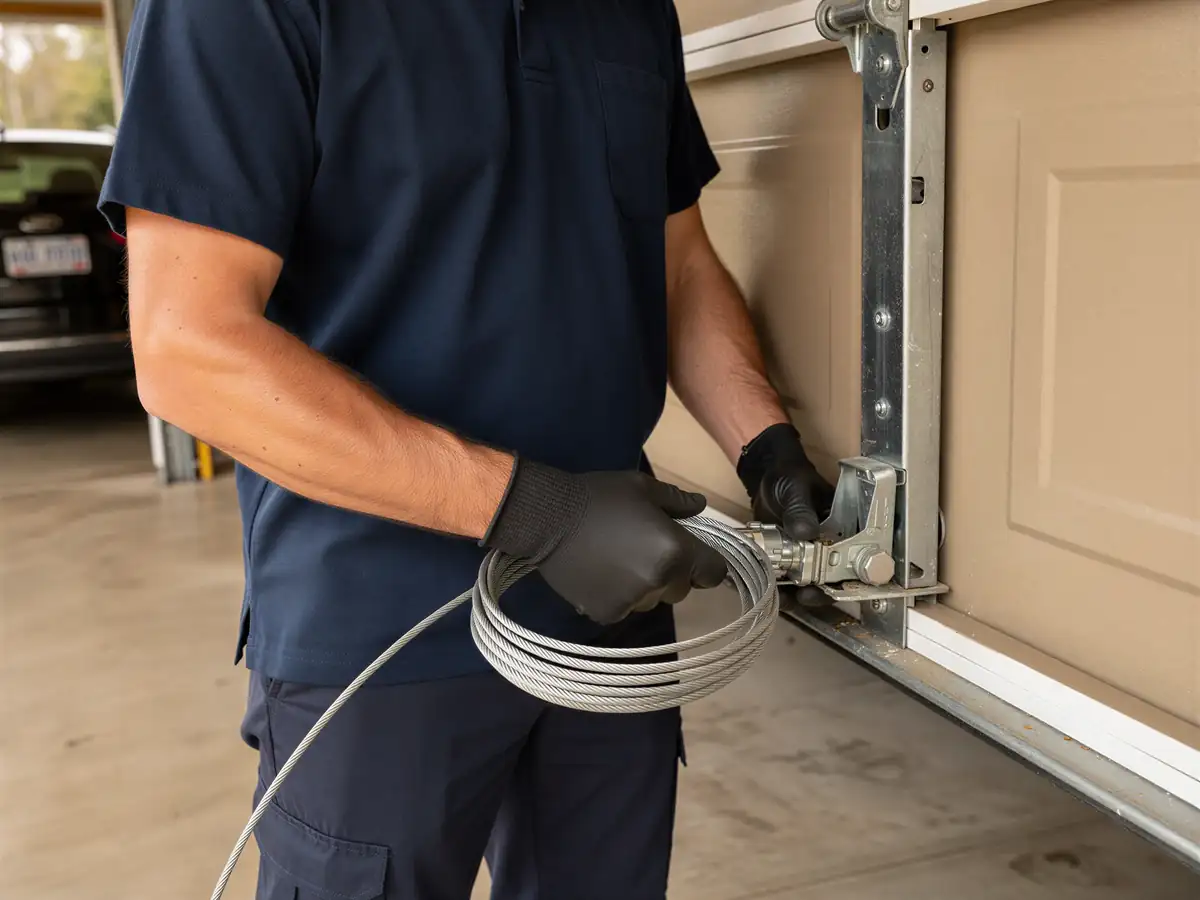
What stretches the job: doors where the spring broke mid-cycle and bent the track on the way down, or older doors where the winding cone size isn't the common one. Those add time because we're diagnosing damage beyond the spring itself, not just swapping a part.
What You Pay
We don't publish a flat number here because spring jobs vary with door weight, spring count, and whether anything else got damaged when the spring failed
A single spring on a lighter door costs less than a dual-spring setup on a heavier insulated door, and either number changes again if cables or rollers need replacing at the same time. What we can tell you is that we quote the job on site before any work starts, so you're not guessing at the final number from a phone estimate.
If you want a sense of typical ranges before you call
That's covered on our main spring repair page rather than repeated here.
Booking a Visit
Call us and tell us roughly when your door was built if you know it - 1974 is the Miamisburg median, but plenty of houses here run earlier or later, and that number changes which spring size we bring on the truck. If you've got the door's serial plate or a photo of the spring, that helps us load the right parts before we make the drive out from Beavercreek.
See our general spring repair coverage for how we handle this service across the wider area, or check who else we cover nearby if you're trying to figure out whether we reach your specific street.
How It Shows Up
The classic sign is the loud bang - a spring letting go sounds like a gunshot in a closed garage, and it usually happens on a cold morning because steel gets stiffer and more brittle in low temperatures, and this area sits in a climate band with real winter cold. Short of that, watch for a door that feels heavier than it used to when you lift it manually, or an opener that strains, hesitates, and sometimes reverses halfway up.
A slightly crooked door - one side higher than the other when it's partway open - usually means one spring in a dual setup has already failed while the other is still holding. That's not a wait-and-see situation; running the door on one spring stresses the opener and the remaining spring both.