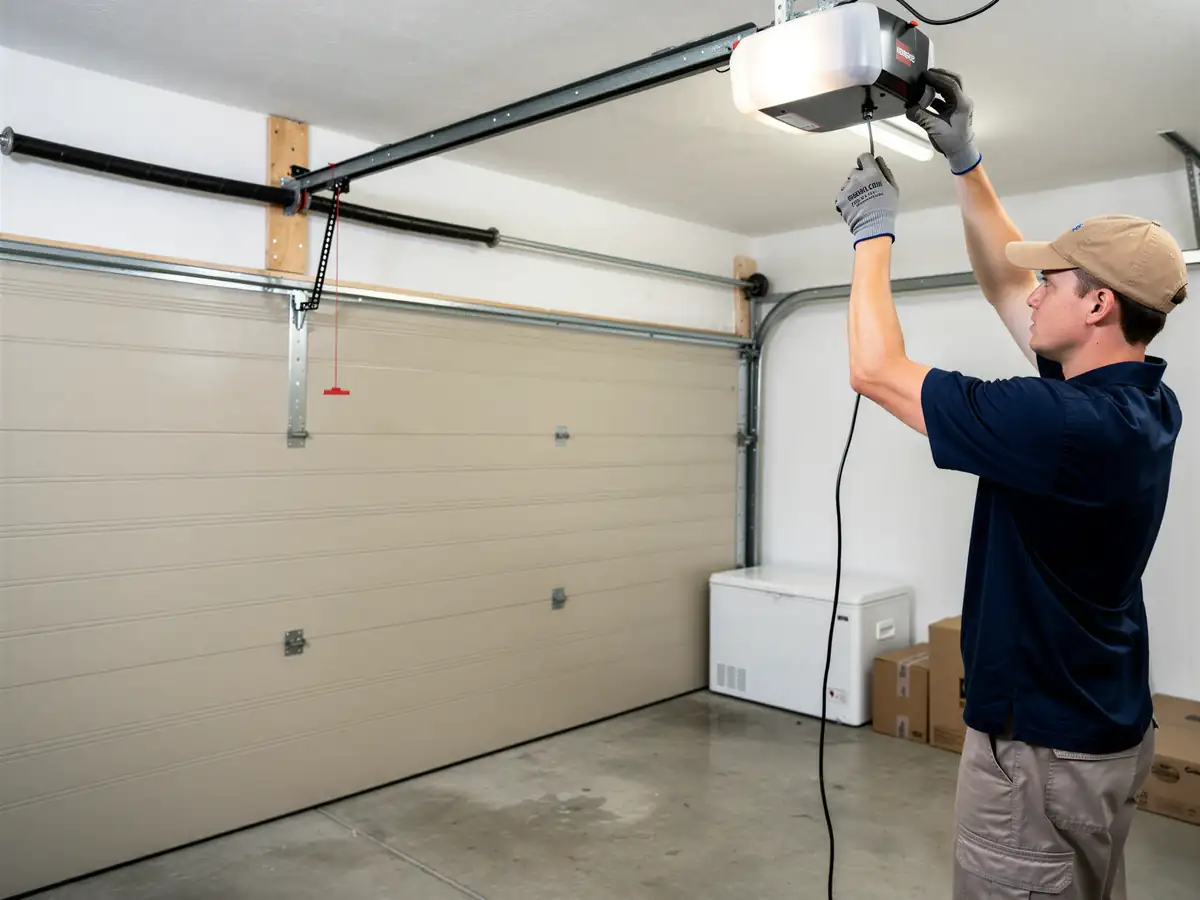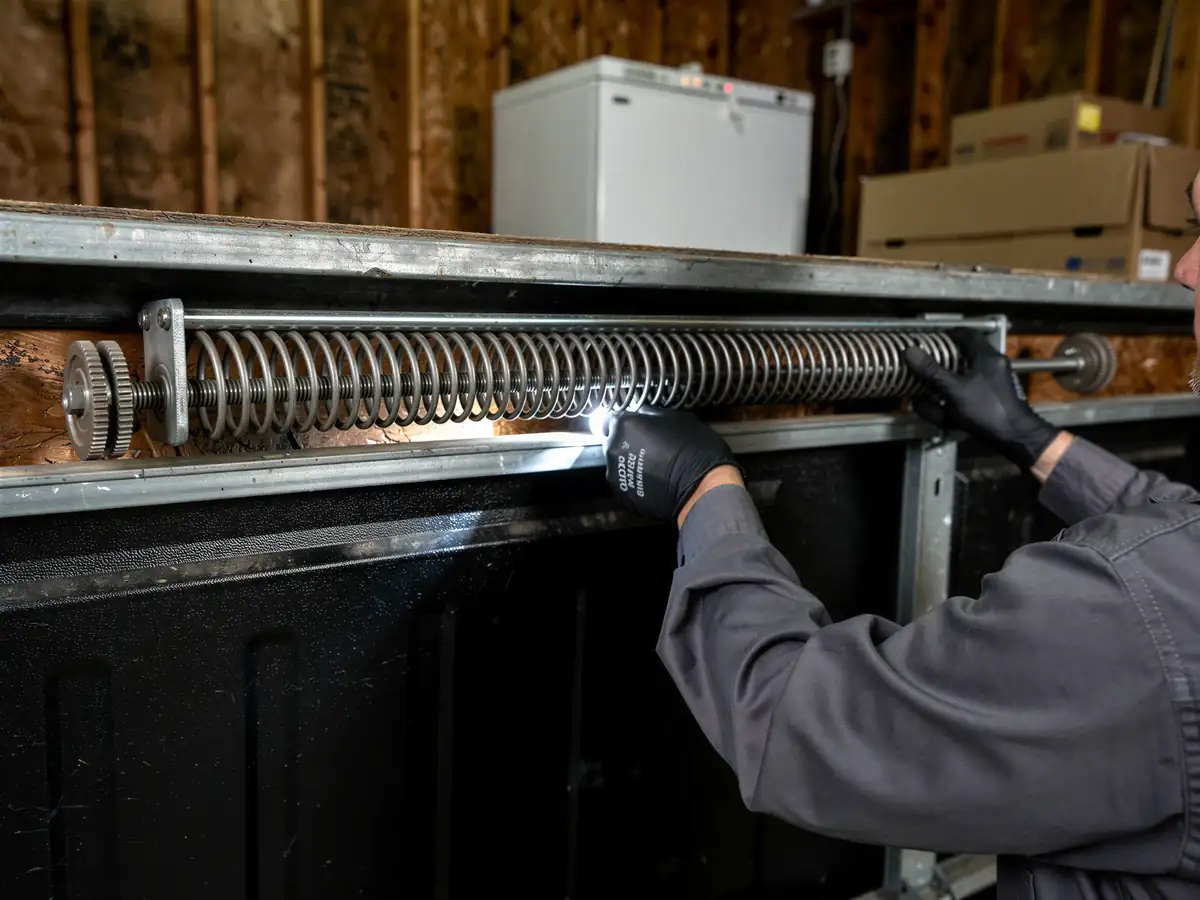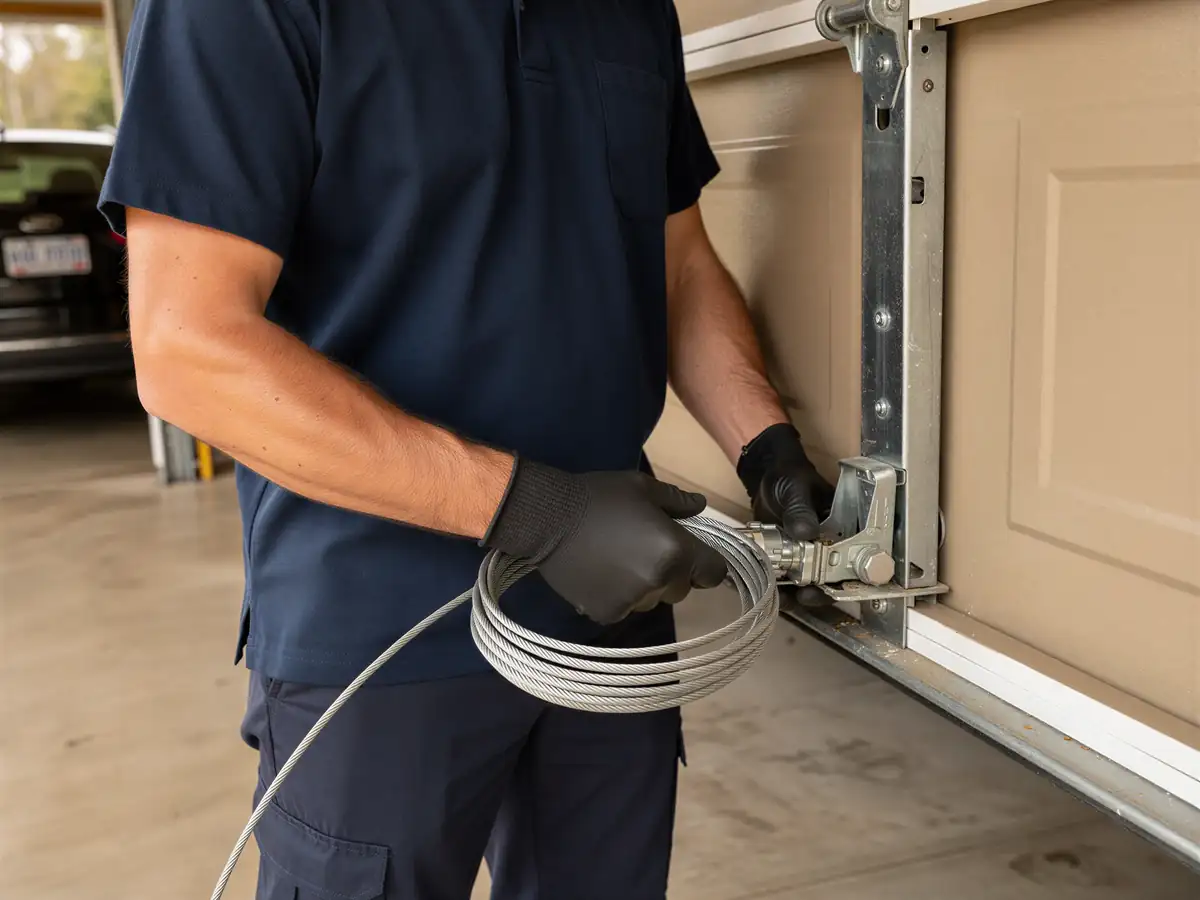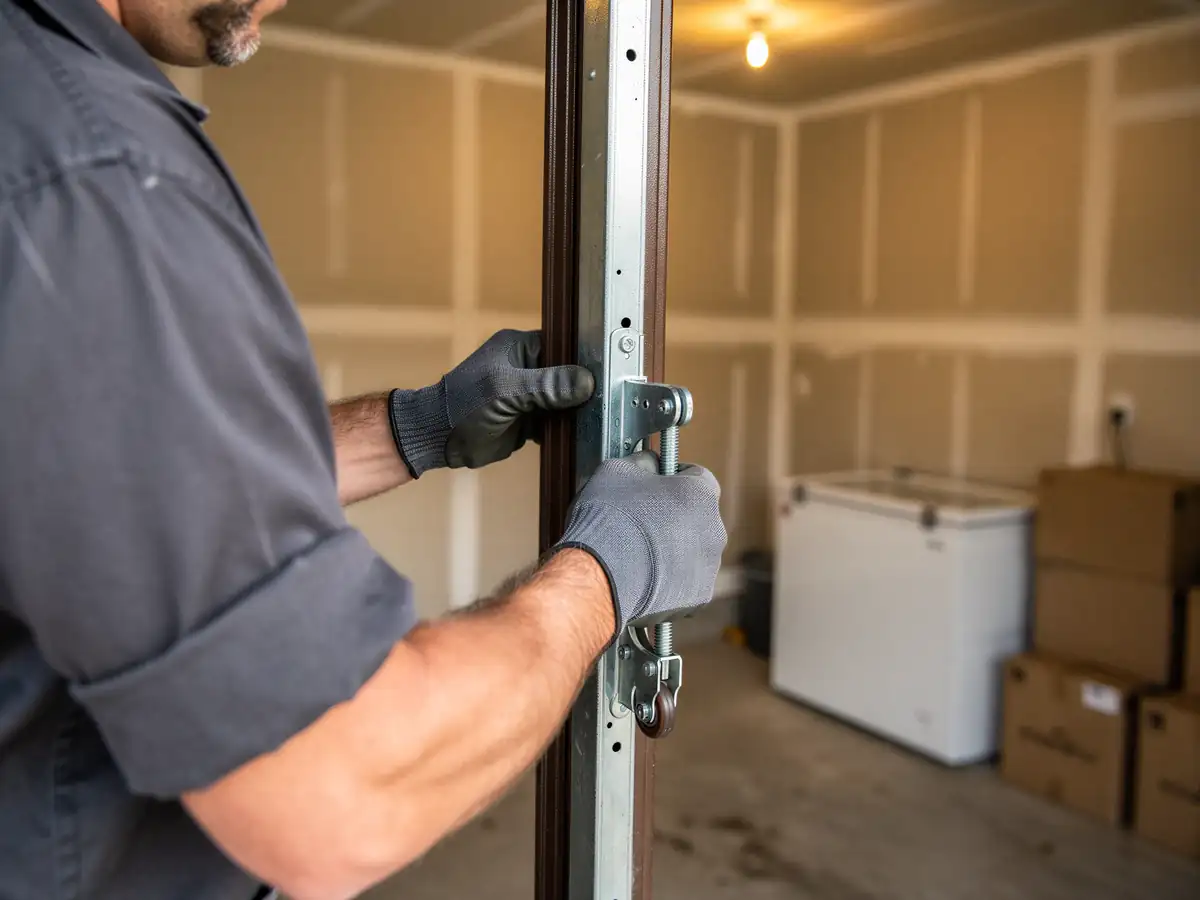
Why This Fails Locally
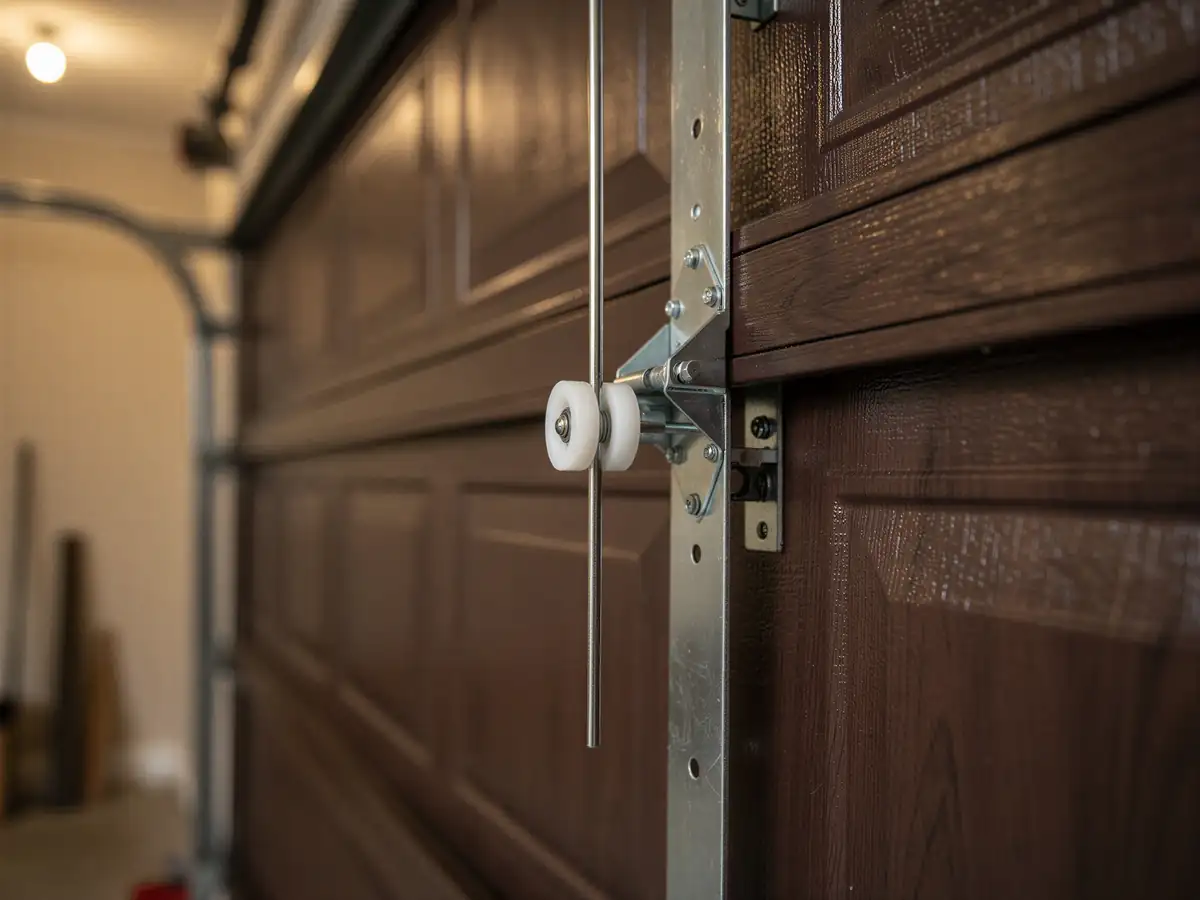
The fault we see most in Miamisburg isn't a broken spring or a dead opener - it's rollers
Specifically, steel rollers that have been grinding in their tracks for decades, throwing metal shavings and getting louder every month until the door starts binding on the way up.
That's not a coincidence
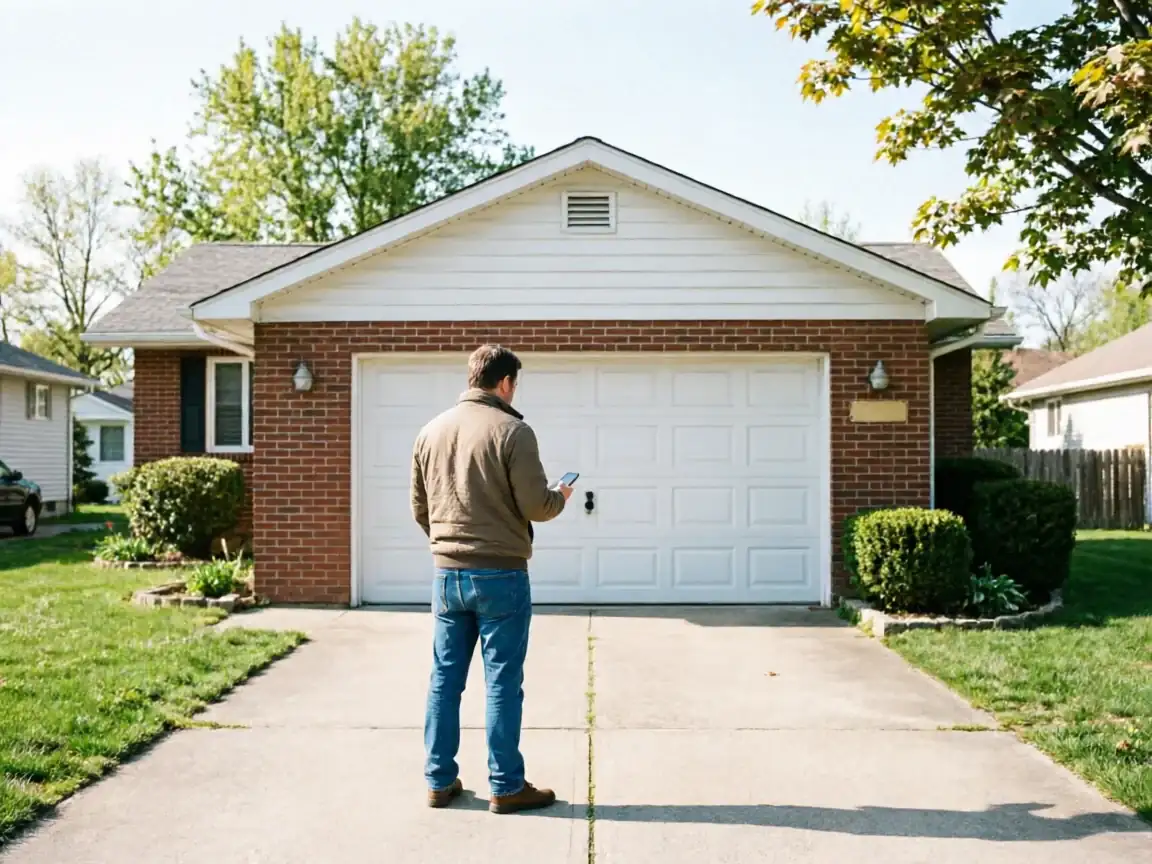
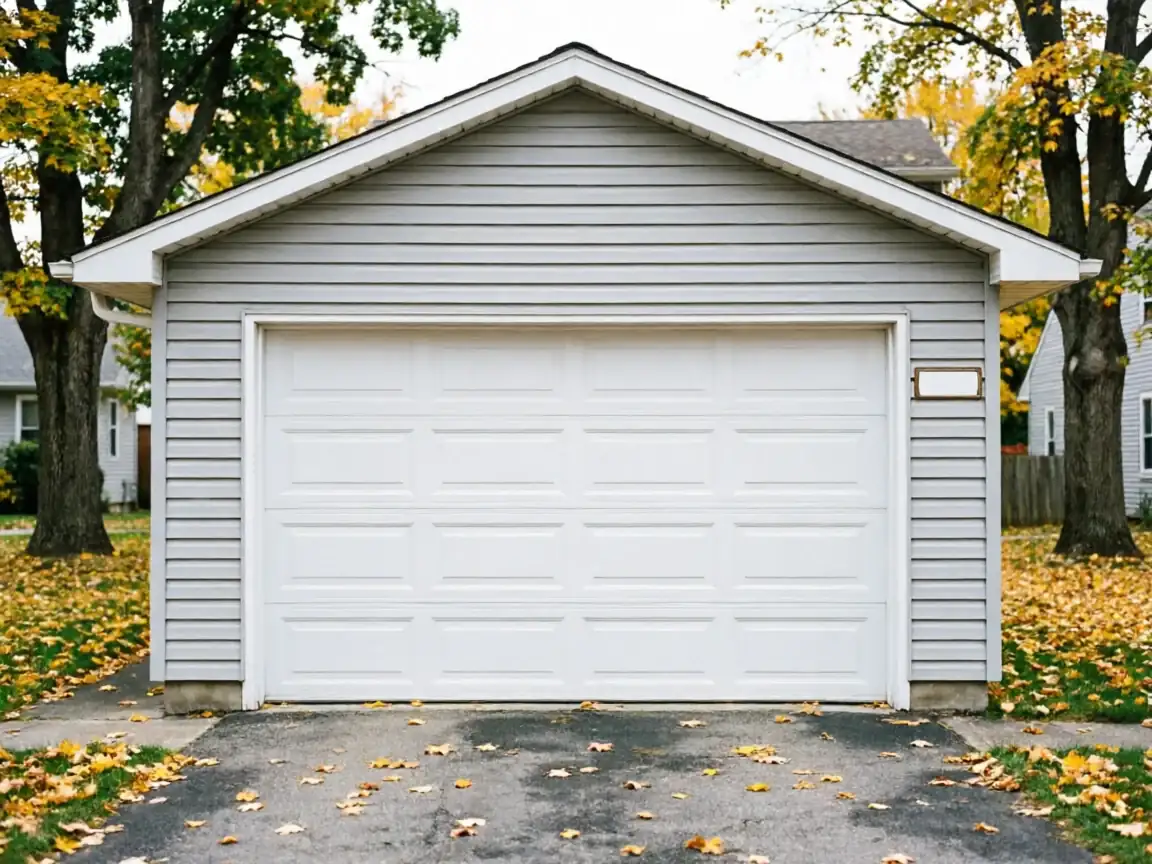
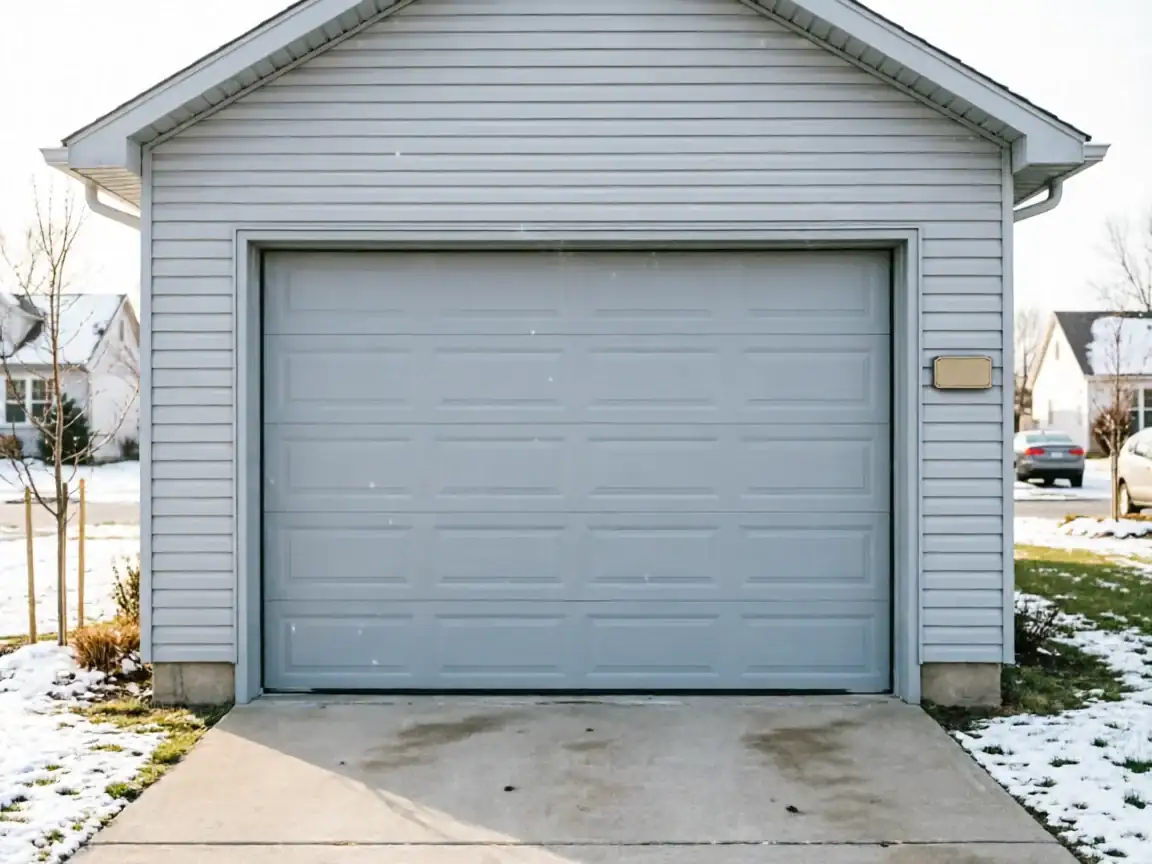
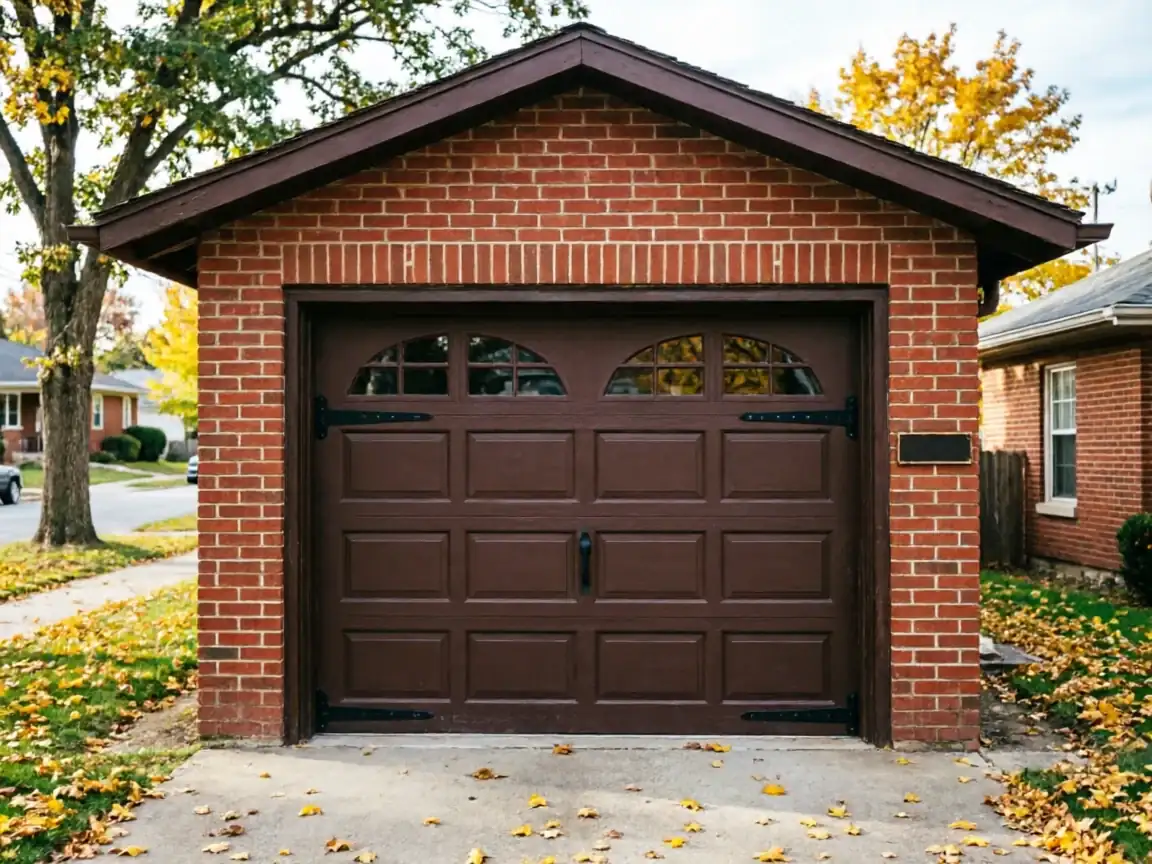
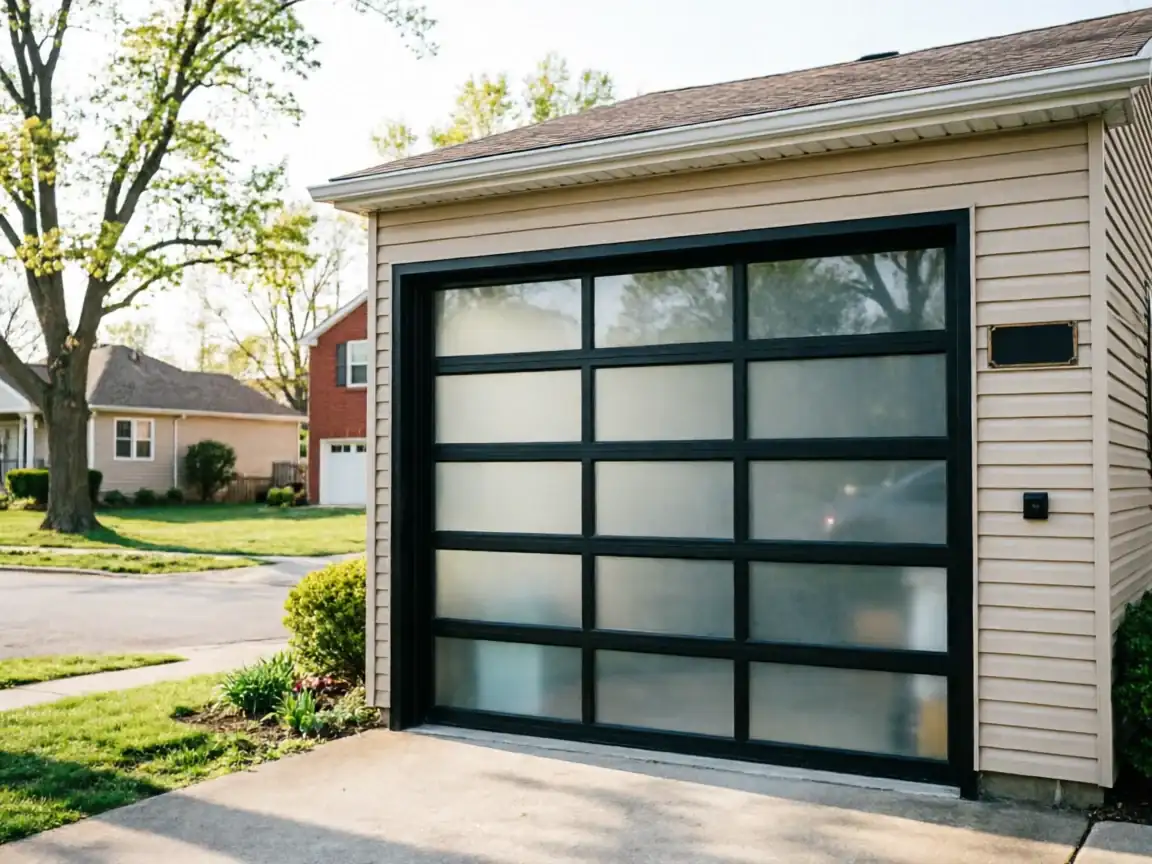
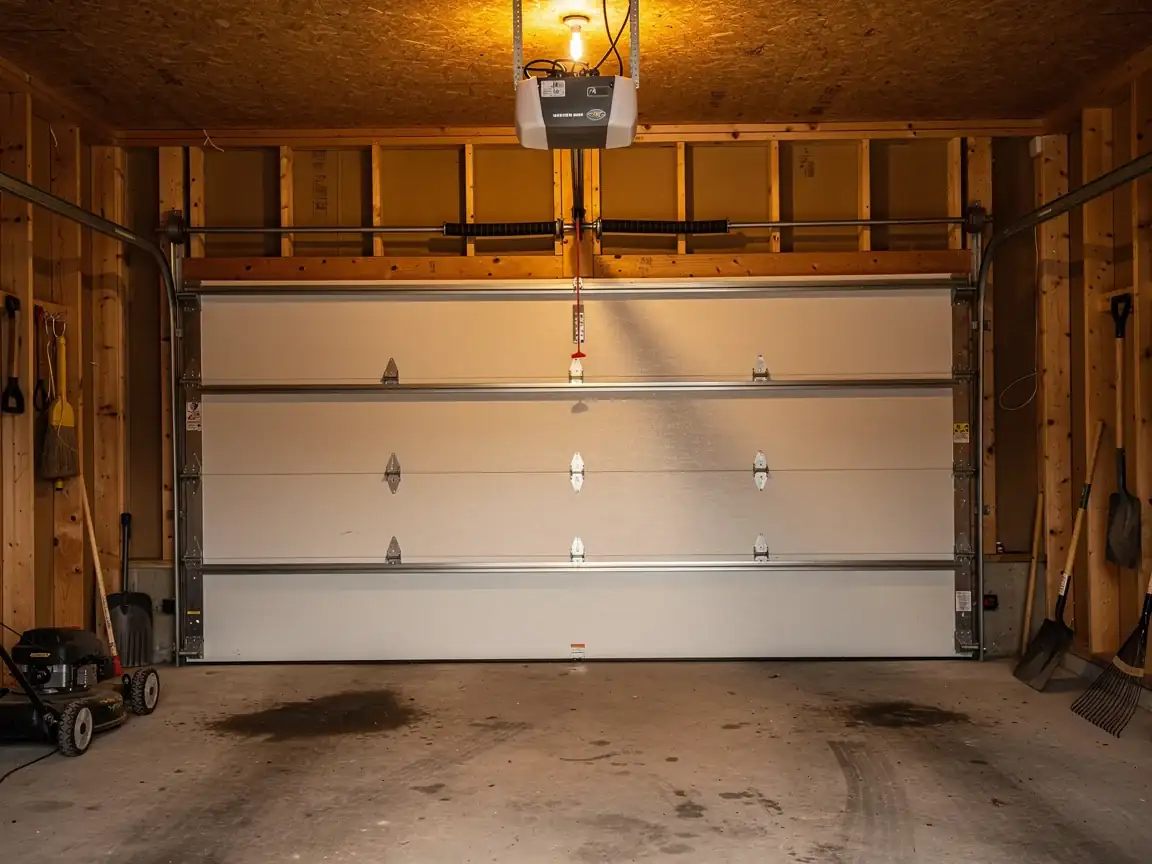
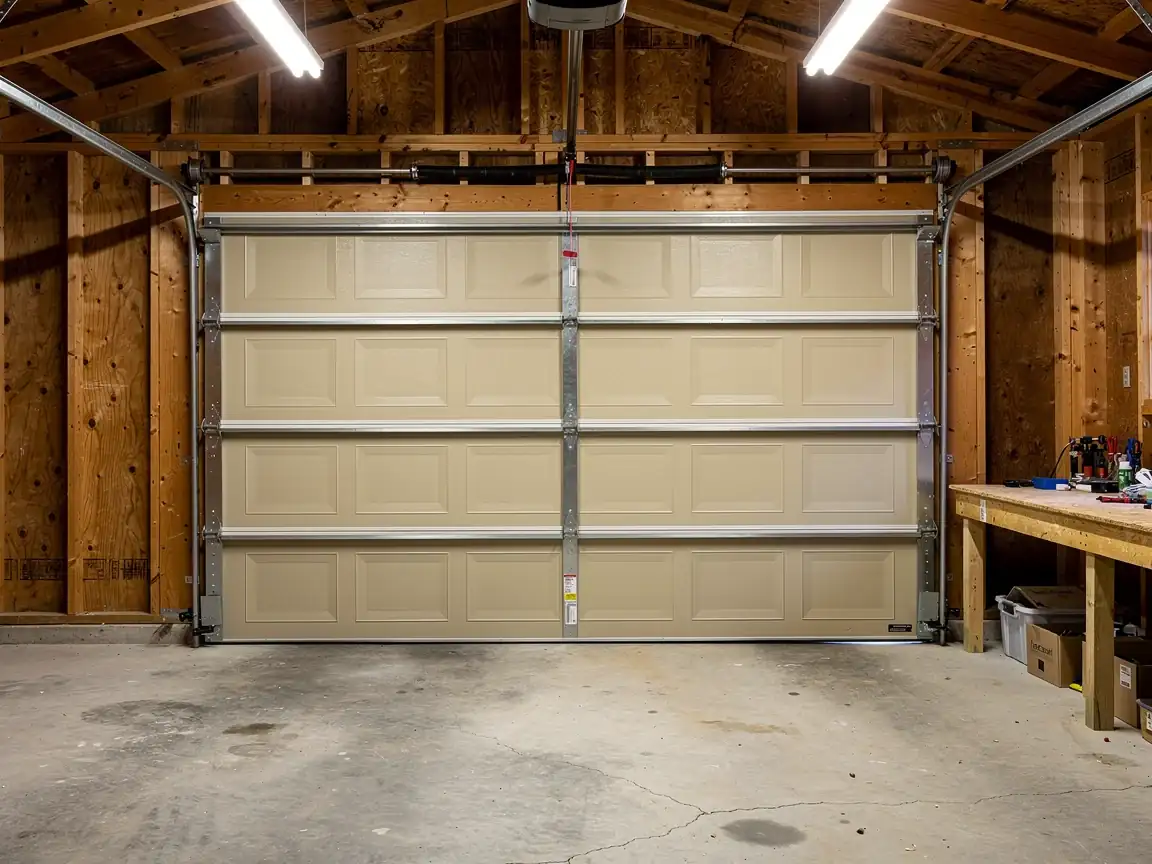
Miamisburg's housing stock clusters around a 1974 median build year, a few years past the wider service area's 1971 median but still squarely in the era before nylon rollers became the default. Garages built then came standard with 7-ball or 10-ball steel rollers riding directly on steel track, no stem bearing, no cushioning. Three to four decades of cycles later, the roller stems wear oval, the bearings seize, and the door starts riding rough on both sides of the track at once - which is a roller problem, not a spring or opener problem, even though it often gets blamed on the opener.
Can You Do This Yourself
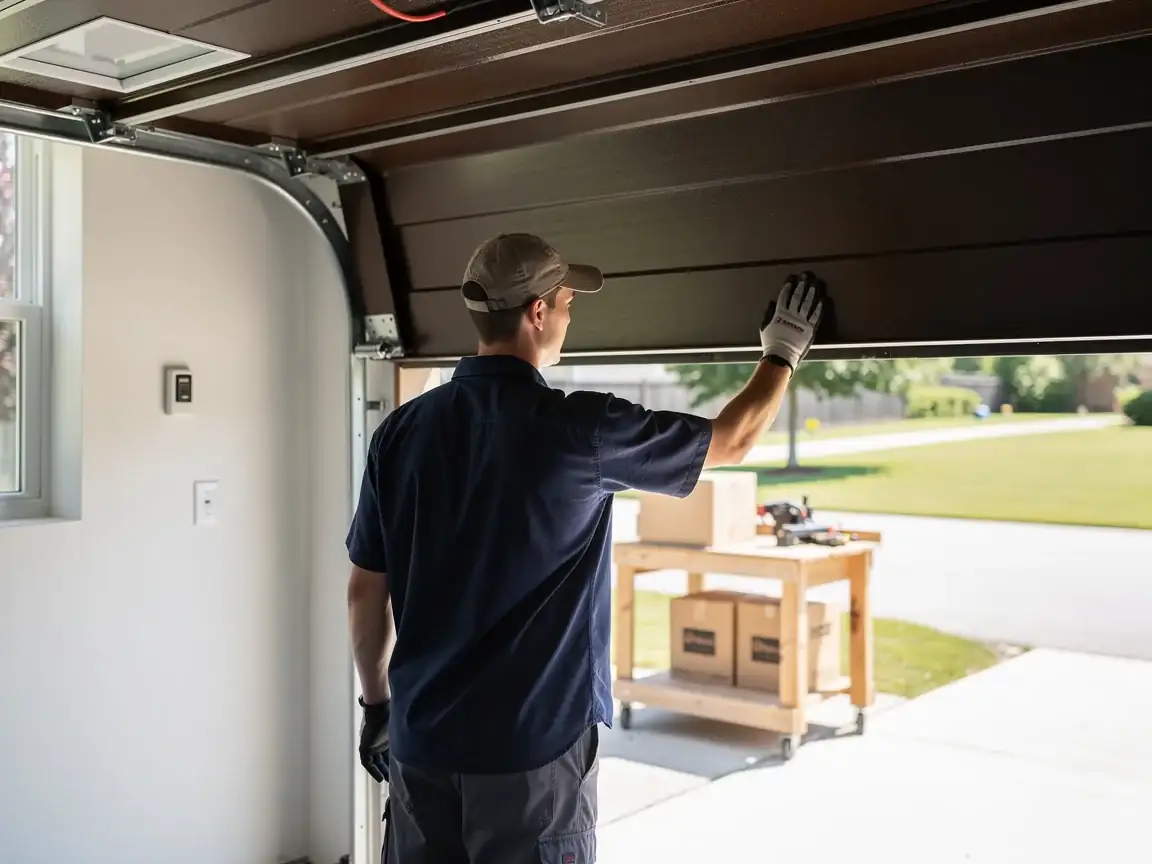
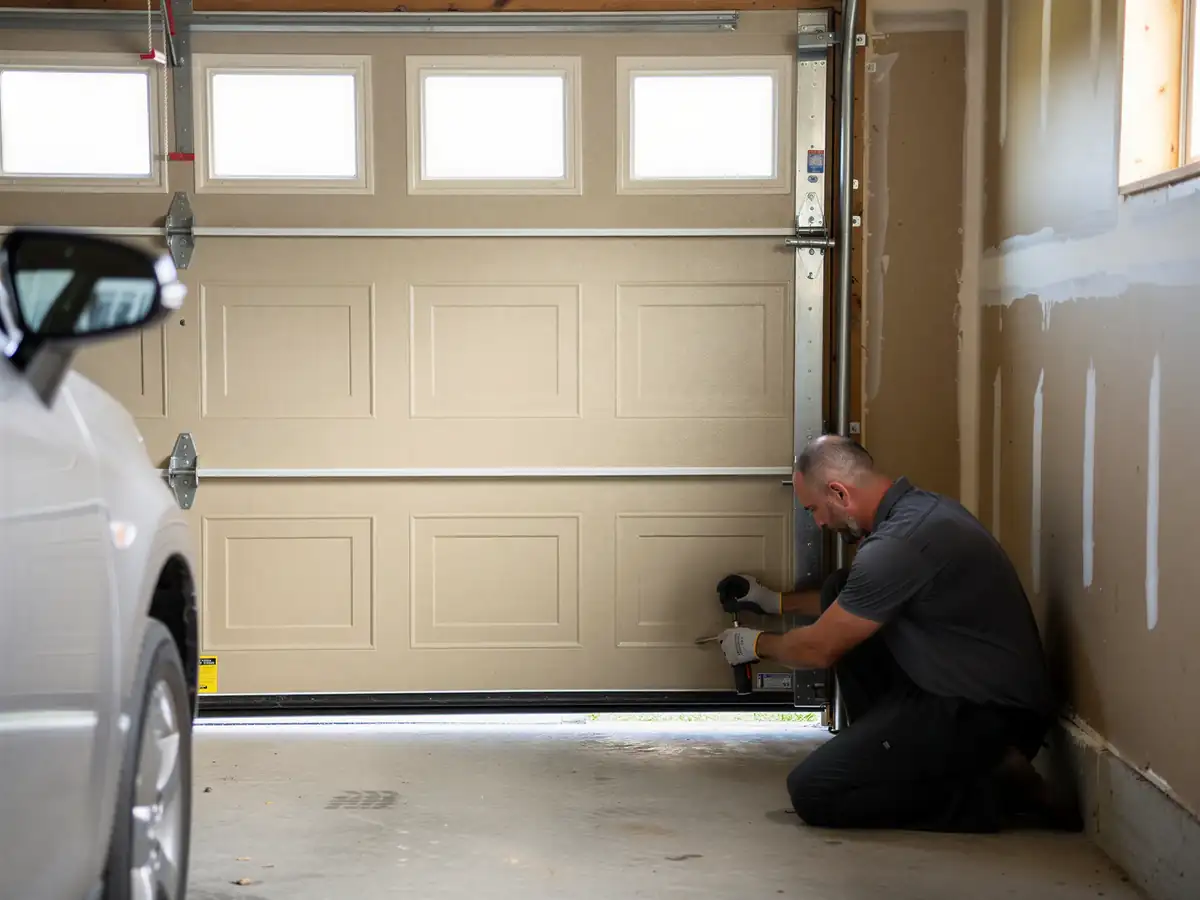
Rollers are one of the more approachable DIY jobs on a garage door, and we won't pretend otherwise. If you're only replacing the bottom two rollers and the door isn't under spring tension at that panel, a patient homeowner with the right socket can do it in an afternoon.
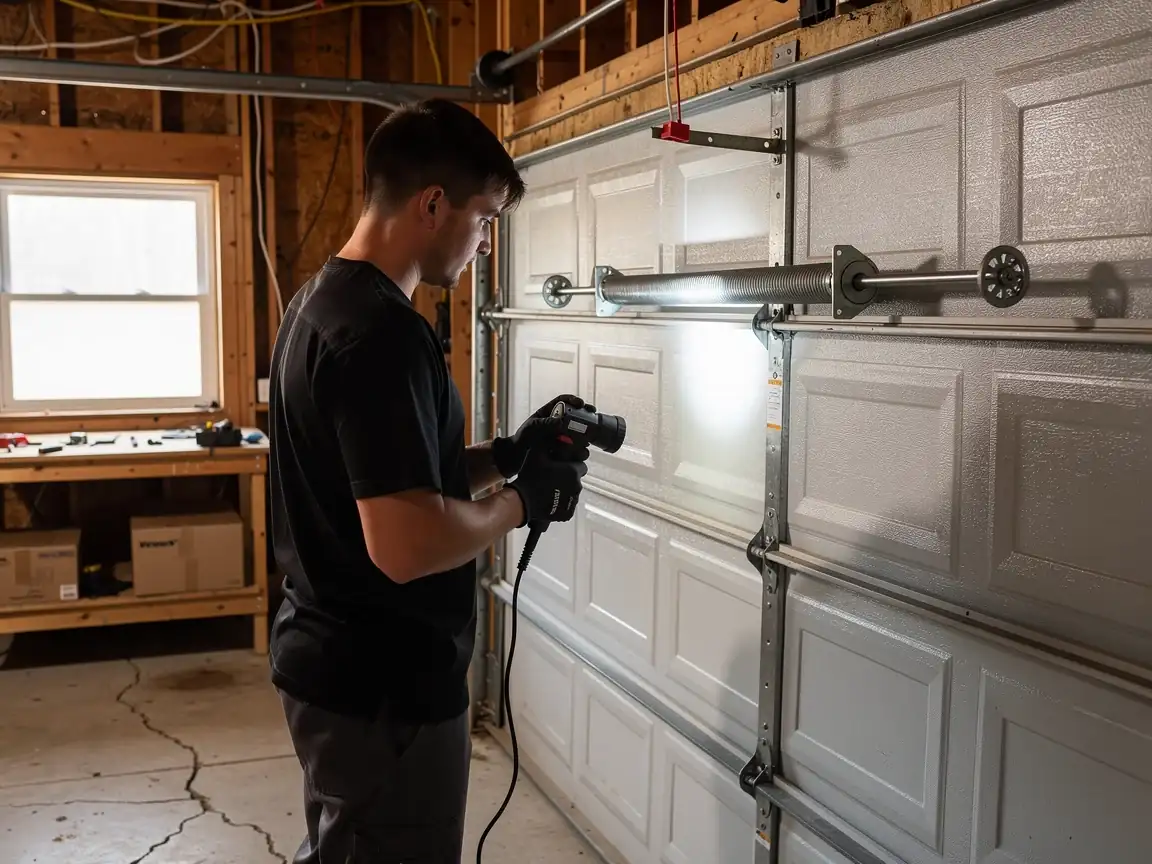
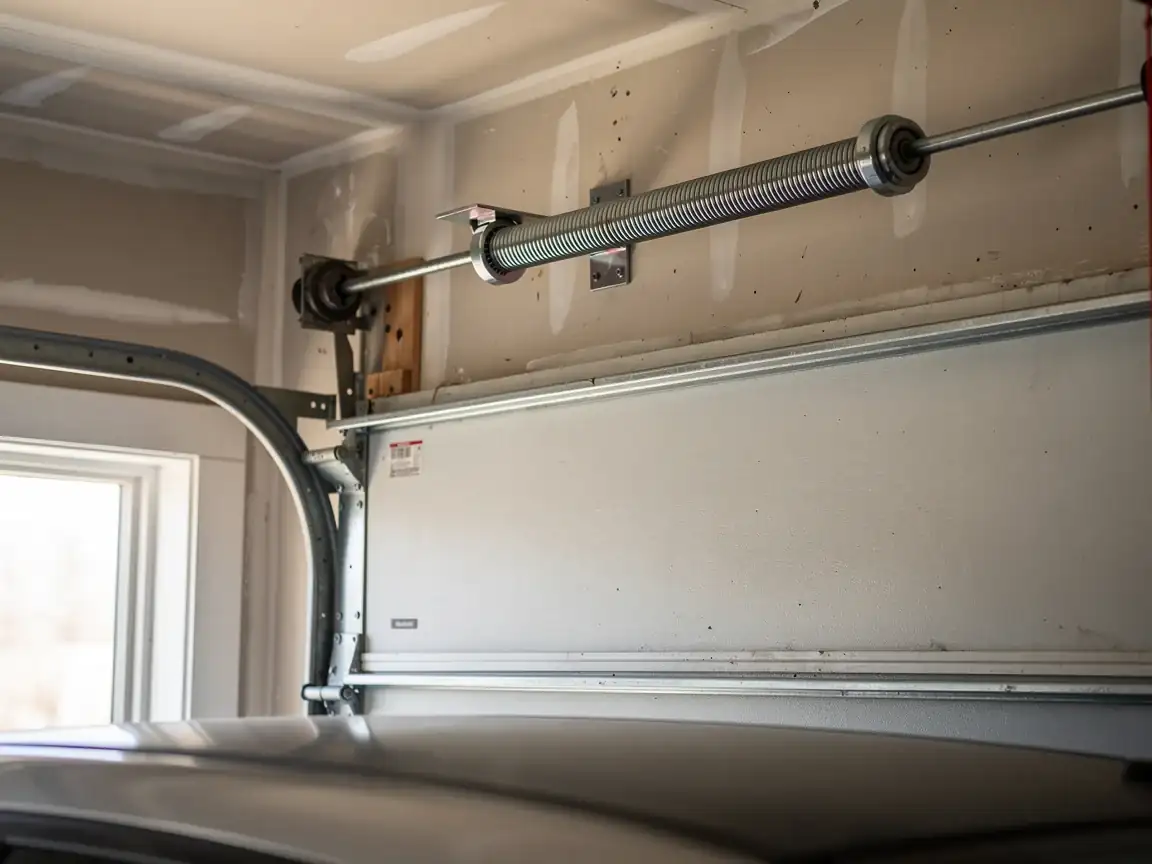
Where it stops being a weekend project: the top rollers on a door with high-lift track, or any roller near a panel where the cable or spring has to come off first. On 1974-era doors specifically, the steel track itself has often worn into a slight curve matching the old roller's wobble - put a new roller in that track and it can bind worse than the old one did. That's the part we'd tell you to call for, not because the roller swap is hard, but because the track underneath it may need straightening or replacing first, and that's not a job to learn on your own door.
Time on the Job
A straightforward roller replacement - both tracks, full set, no track damage - is a short visit once the truck is on site. Where the time goes is diagnosis: on a door this age, we're checking whether the track has worn in sympathy with the bad rollers, whether the hinges are stretched at the roller stem holes, and whether the cable drums are tracking true before we call it done.
We're coming from Beavercreek, 13 miles out, so the drive itself is part of scheduling a visit, not part of the job once we arrive. We don't promise a same-day window here - that's a scheduling conversation, not something we'll state as a blanket fact for every address in Miamisburg.
What You Pay
We're not going to put a number here that doesn't apply to your door
Roller jobs vary by how many rollers need replacing, whether it's steel or nylon, and whether the track comes with it. What we can tell you: Miamisburg's median household income runs to $82,095, well above the broader service area's $70,000, and in practice that shows up in which roller homeowners here ask for. More of our Miamisburg calls end with sealed nylon ball-bearing rollers going in rather than the cheapest steel replacement, simply because the quieter ride is worth the difference to people in this price bracket.
The honest limitation
If your track is also bent or rusted through, that's a separate line item, and we won't know whether you need it until we're looking at the door in person.
Booking a Visit
We cover Miamisburg out of our Beavercreek shop, 13 miles up the road, and we bring a full set of roller sizes with us so a steel-to-nylon swap doesn't turn into a second trip. If you want to see how we handle the rest of this corner of the service area, our Miamisburg coverage page has the rundown, and the roller replacement details based in Beavercreek cover the parts and process that don't change by address.
How It Shows Up
On a 1974-built garage in this region's severe-cold climate band, the pattern is usually the same. First it's a rhythmic squeak as the door moves, easy to ignore. Then it's a grinding or rattling sound, especially in the first cold snap of the year, when steel rollers already brittle with age are most likely to crack at the stem rather than just wear smooth. After that, you'll notice the door catching or jerking at the same spot in the track every time - that's a roller that's stopped rolling and started dragging.
Across the roughly 7,508 households in Miamisburg, that steel-roller failure is one of the more common reasons we get a call in this stretch, more common than a snapped spring on a door this age. If you're hearing the grind but the door still opens fine, that's usually the window to replace rollers before the dragging starts chewing up the track too.