How We Fix It
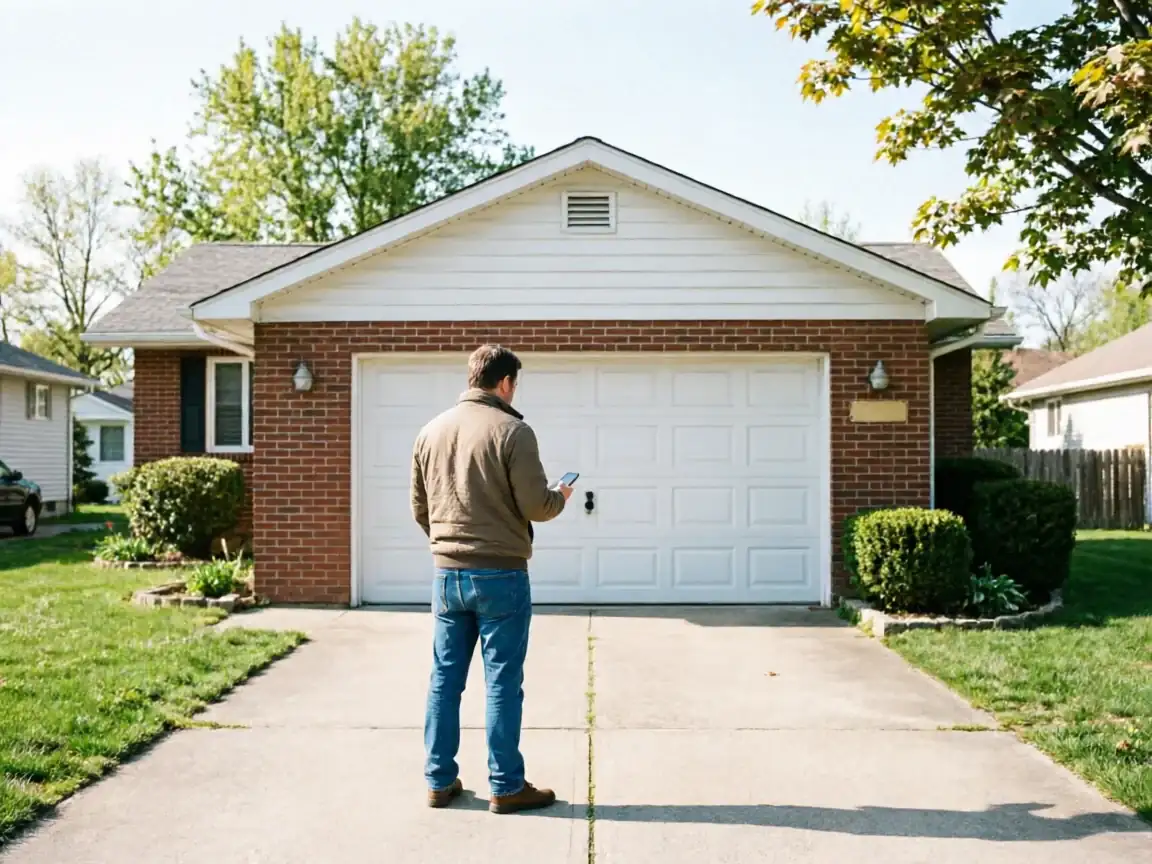
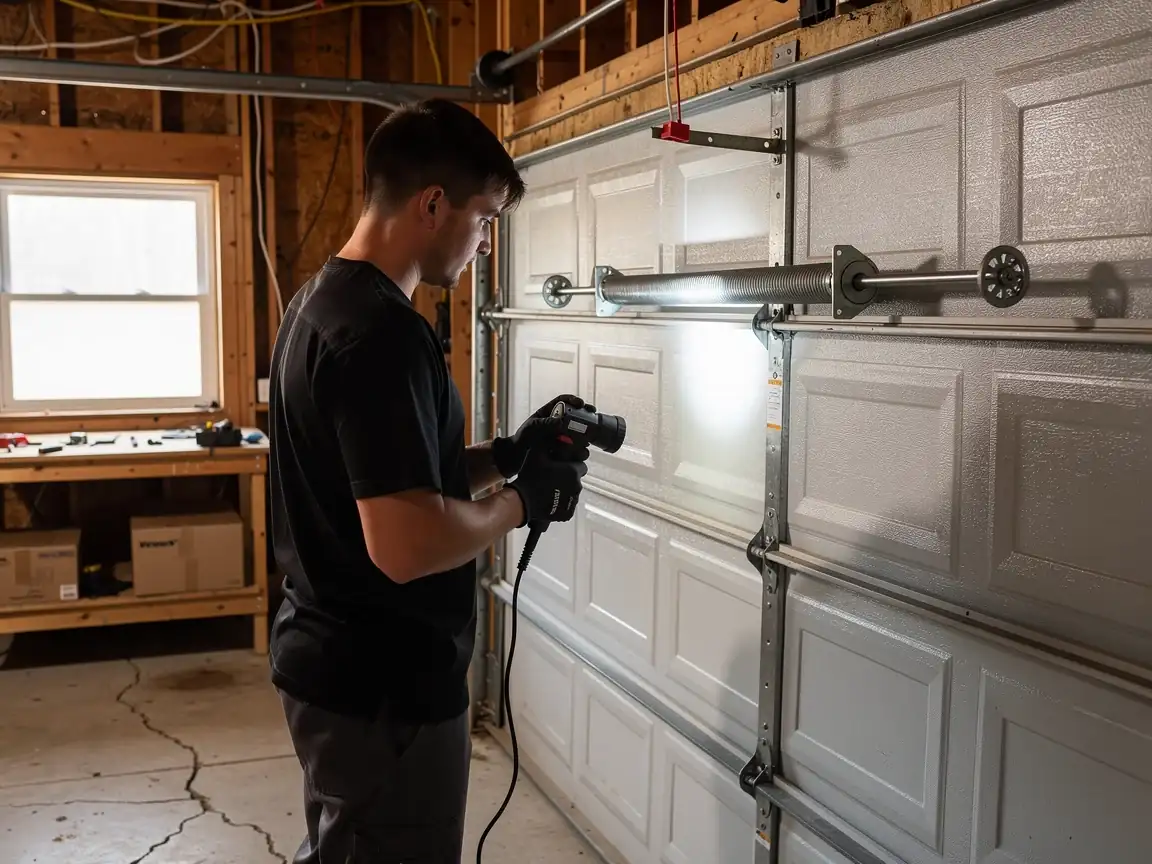
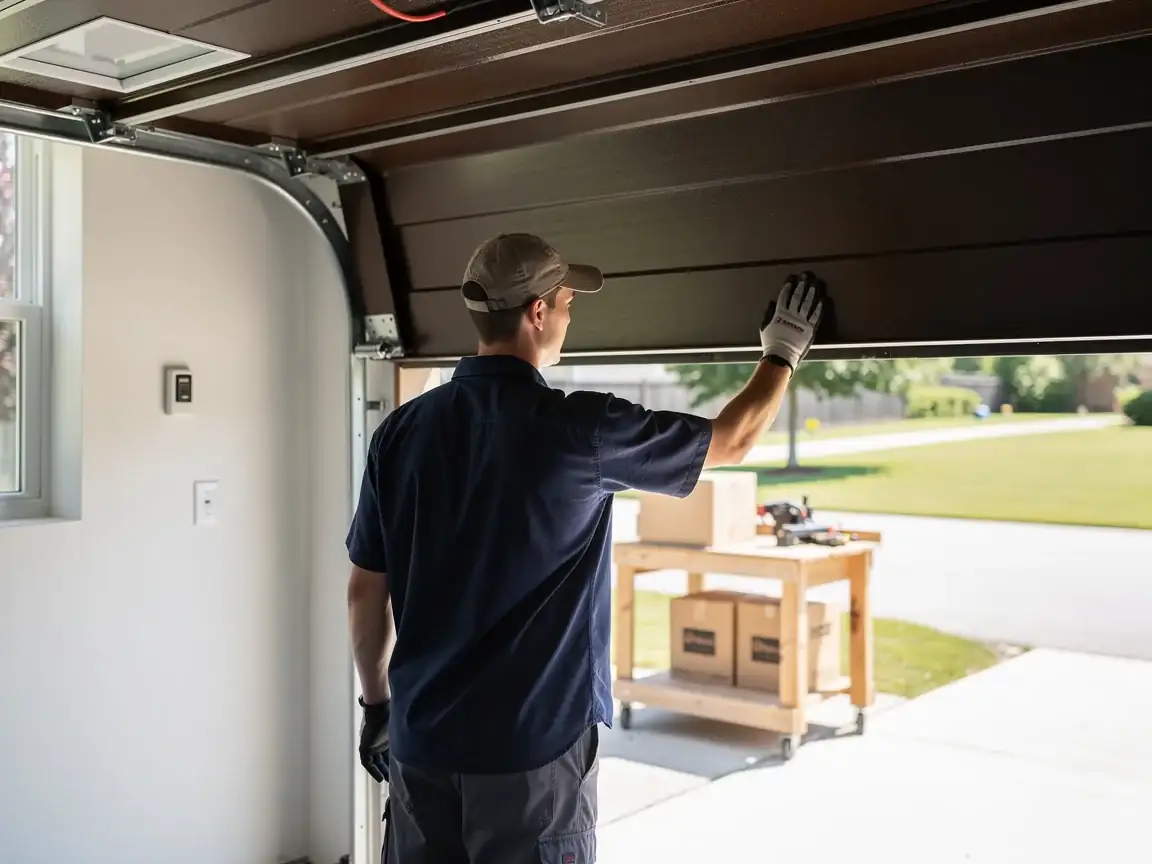
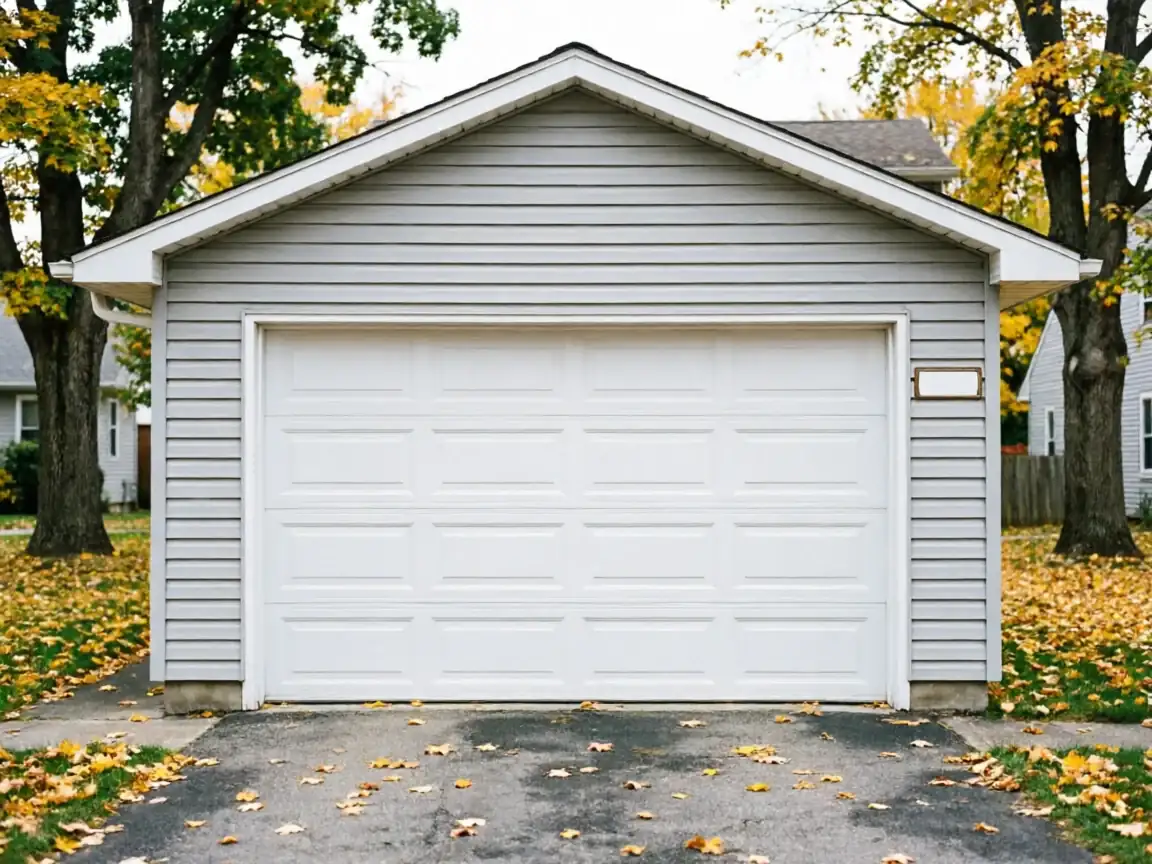
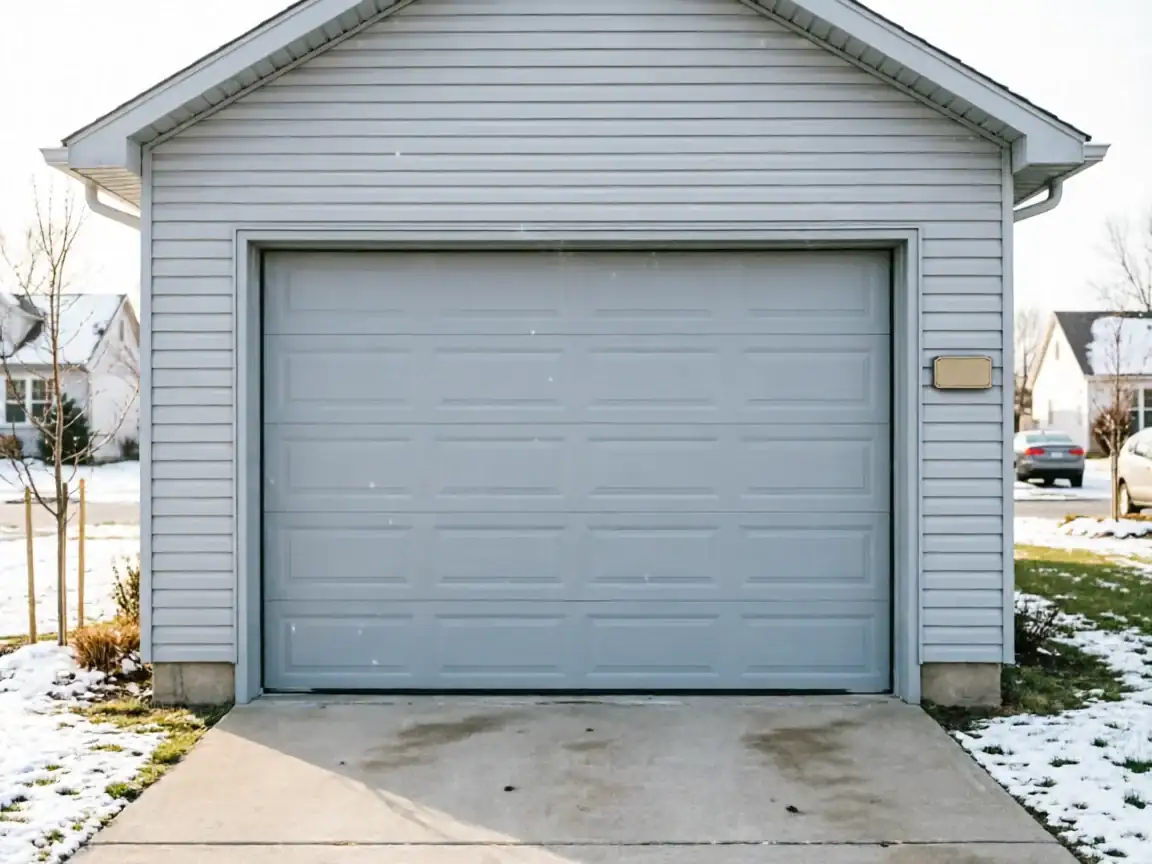
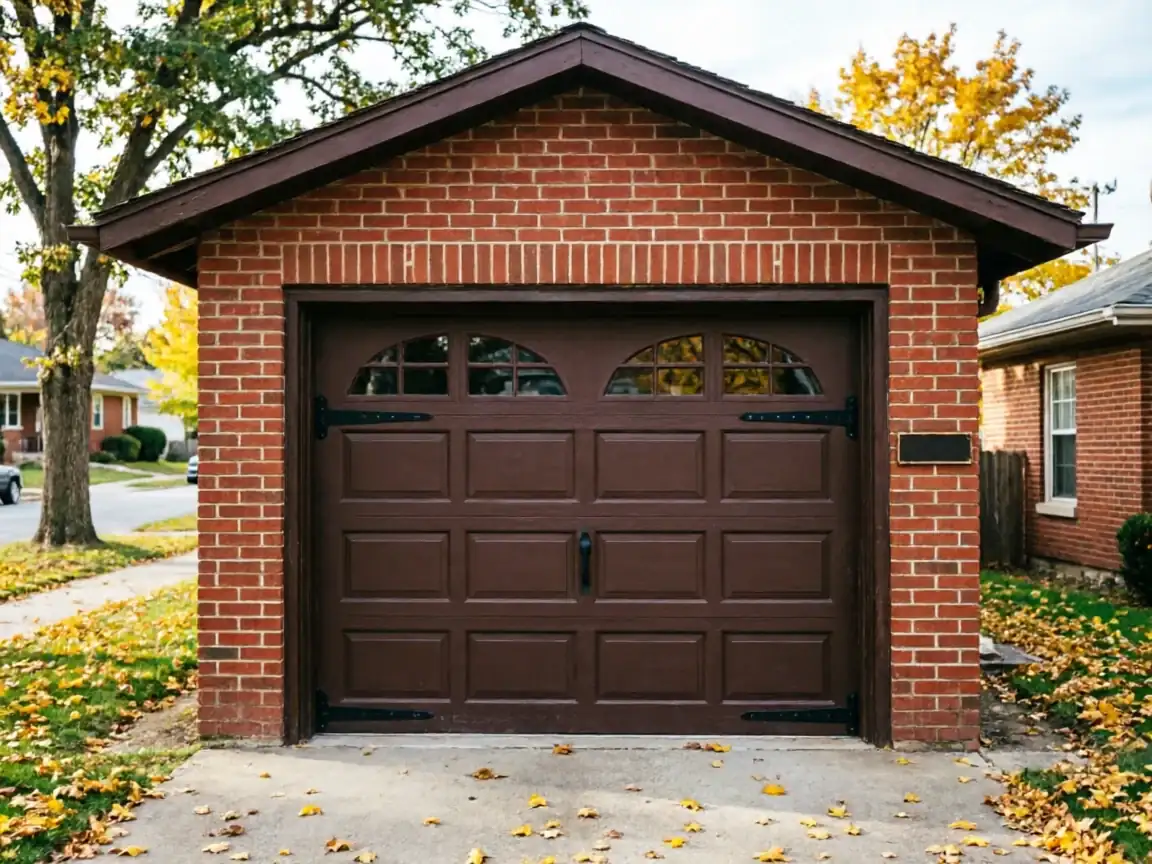
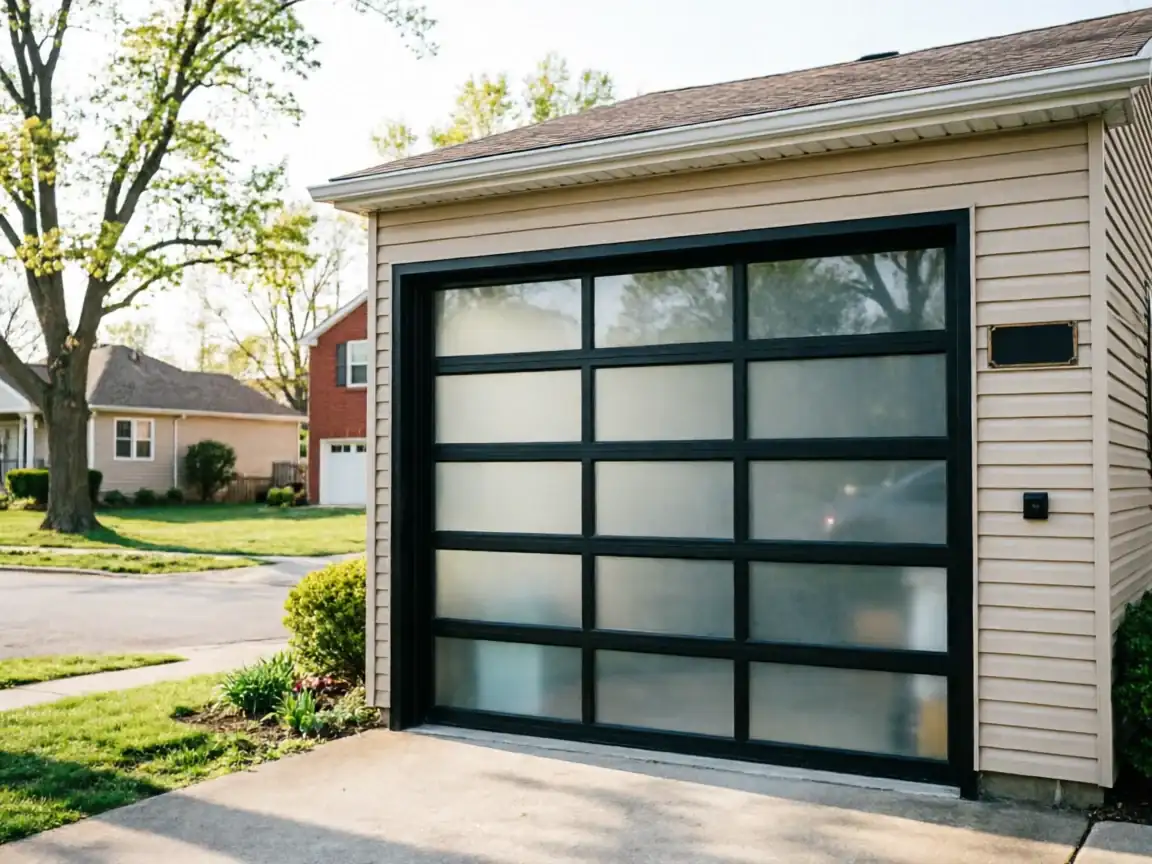
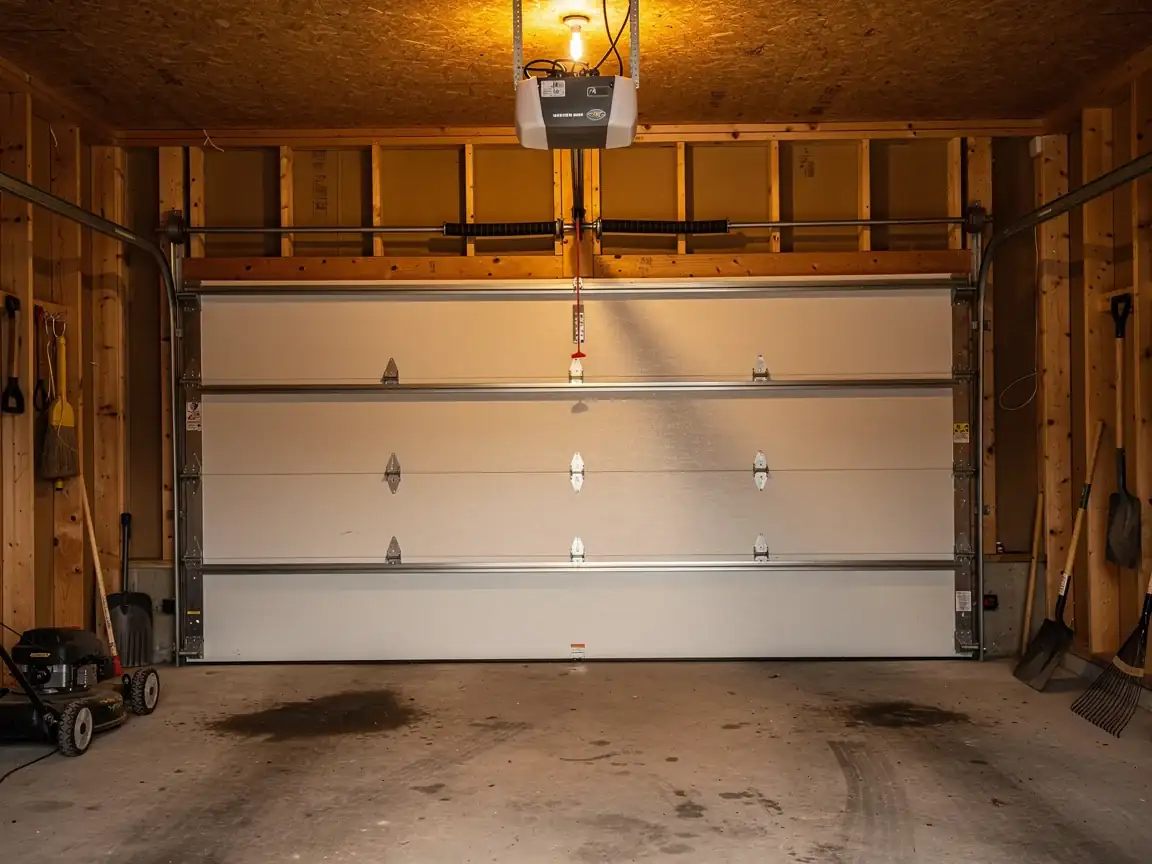
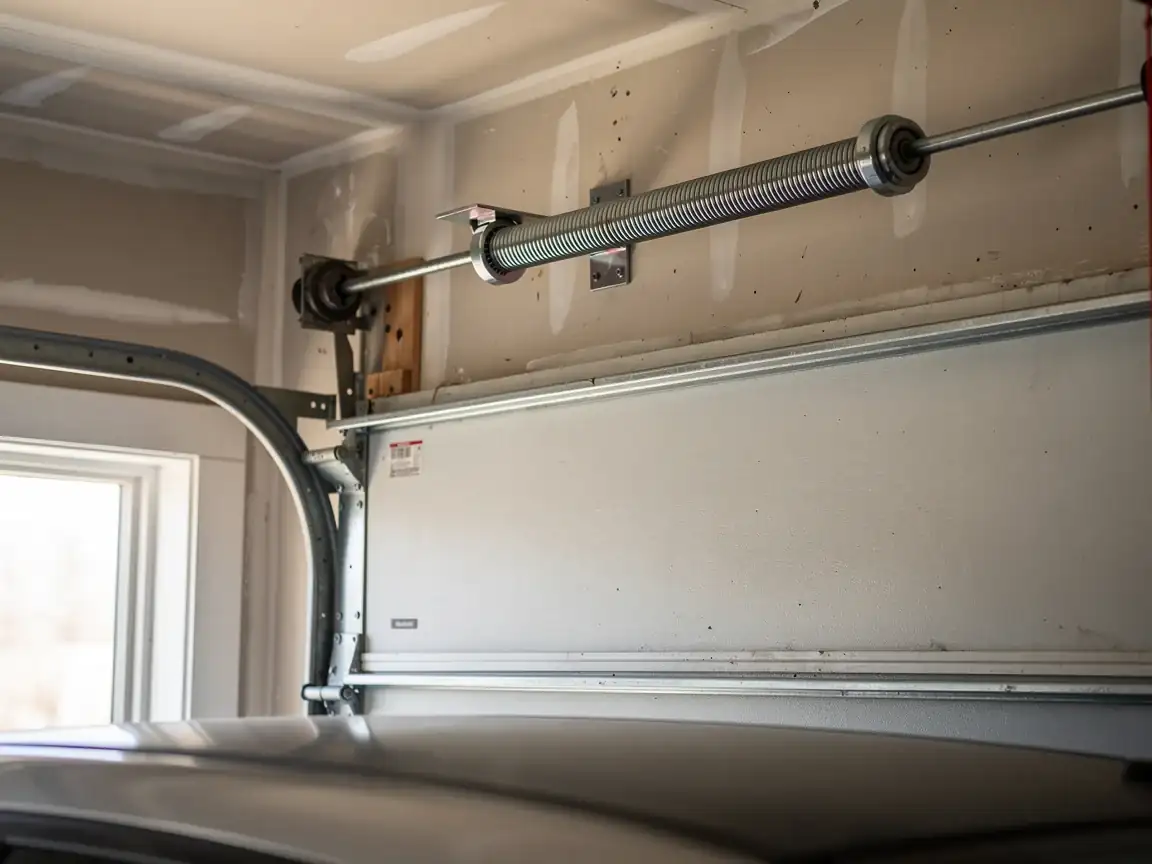
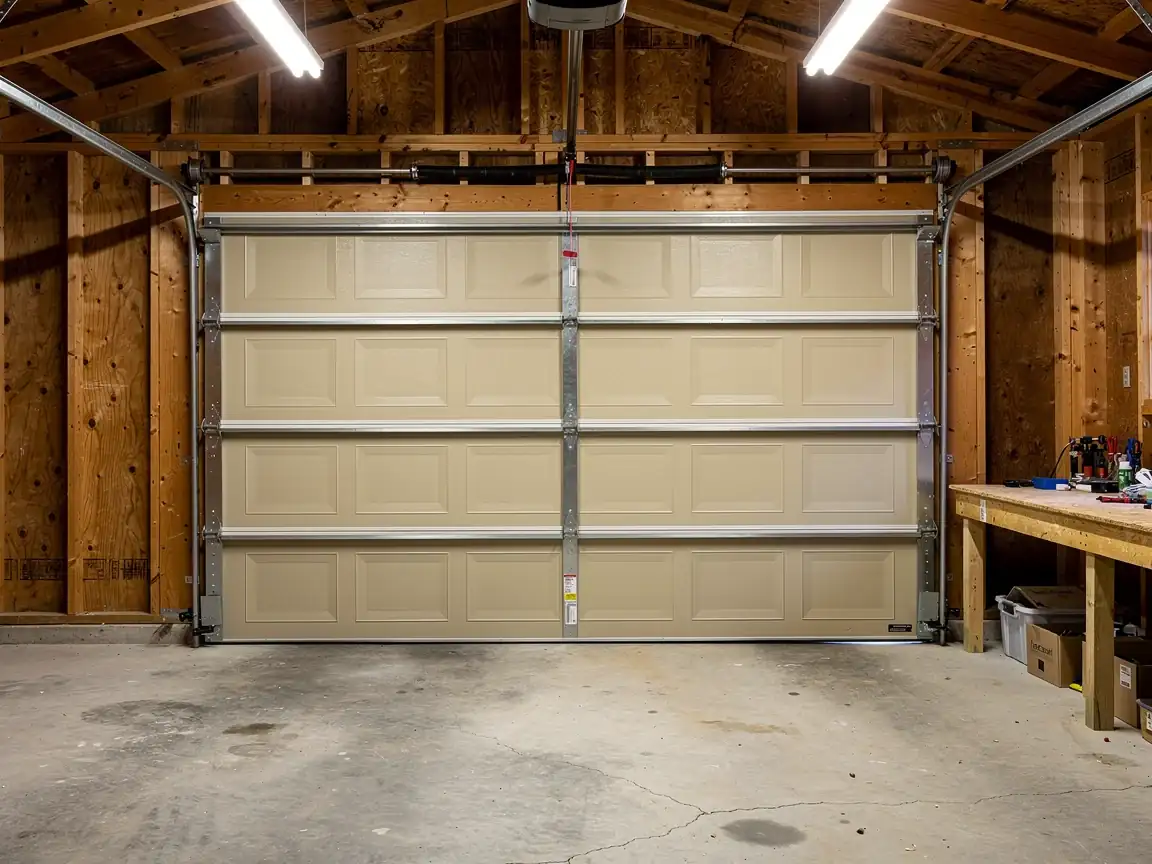
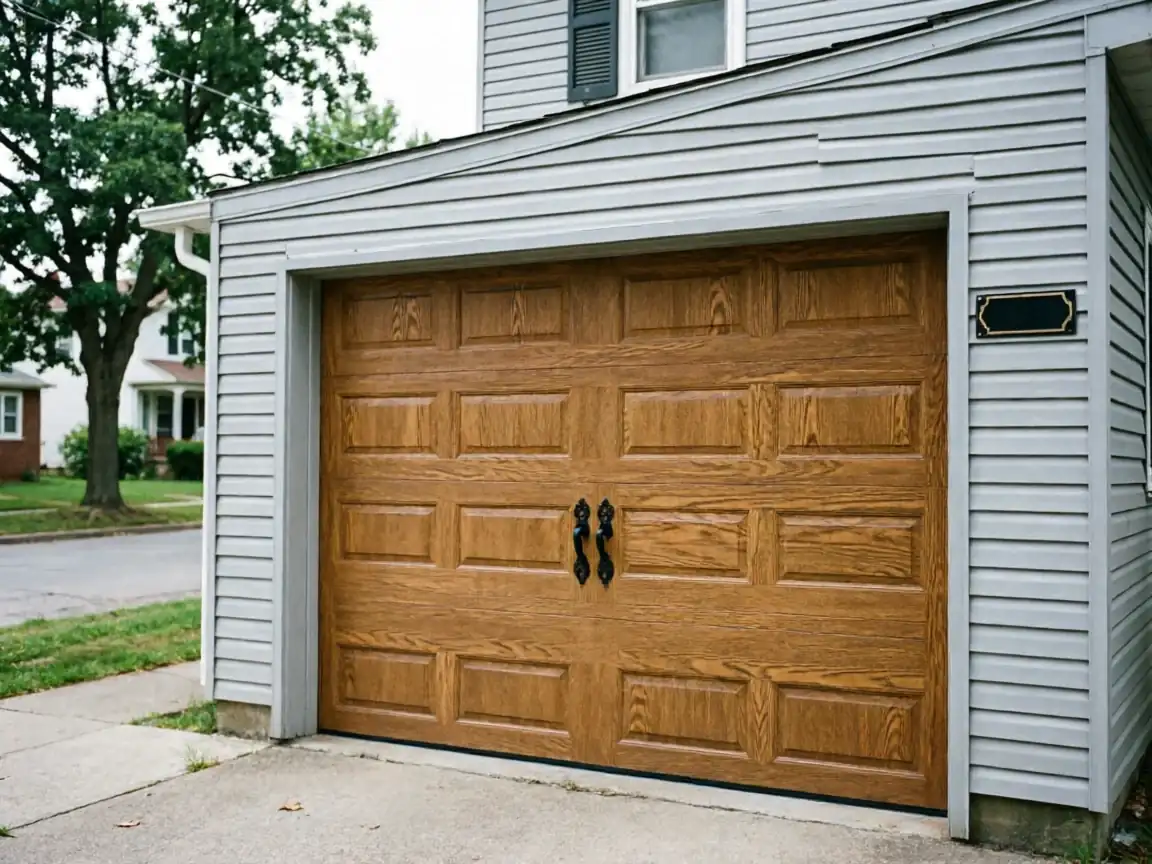
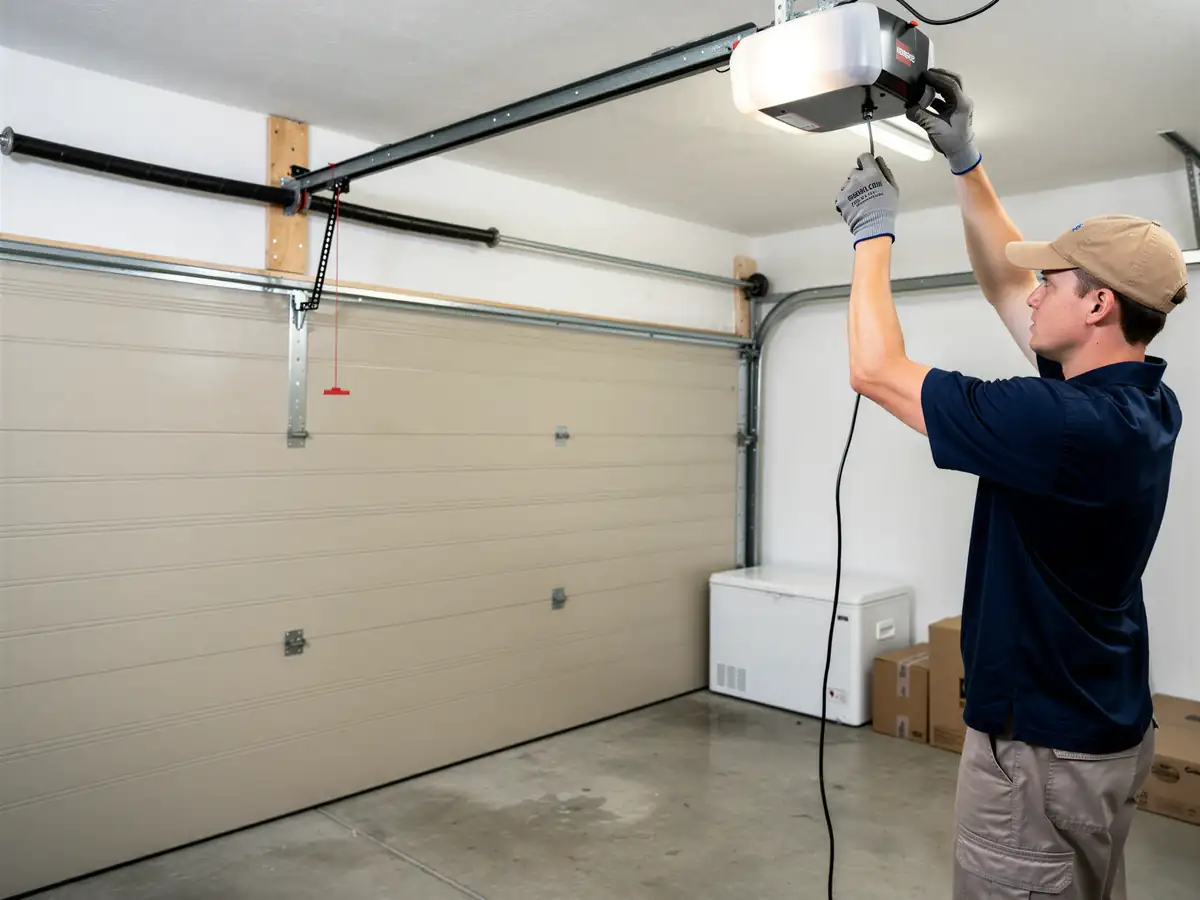
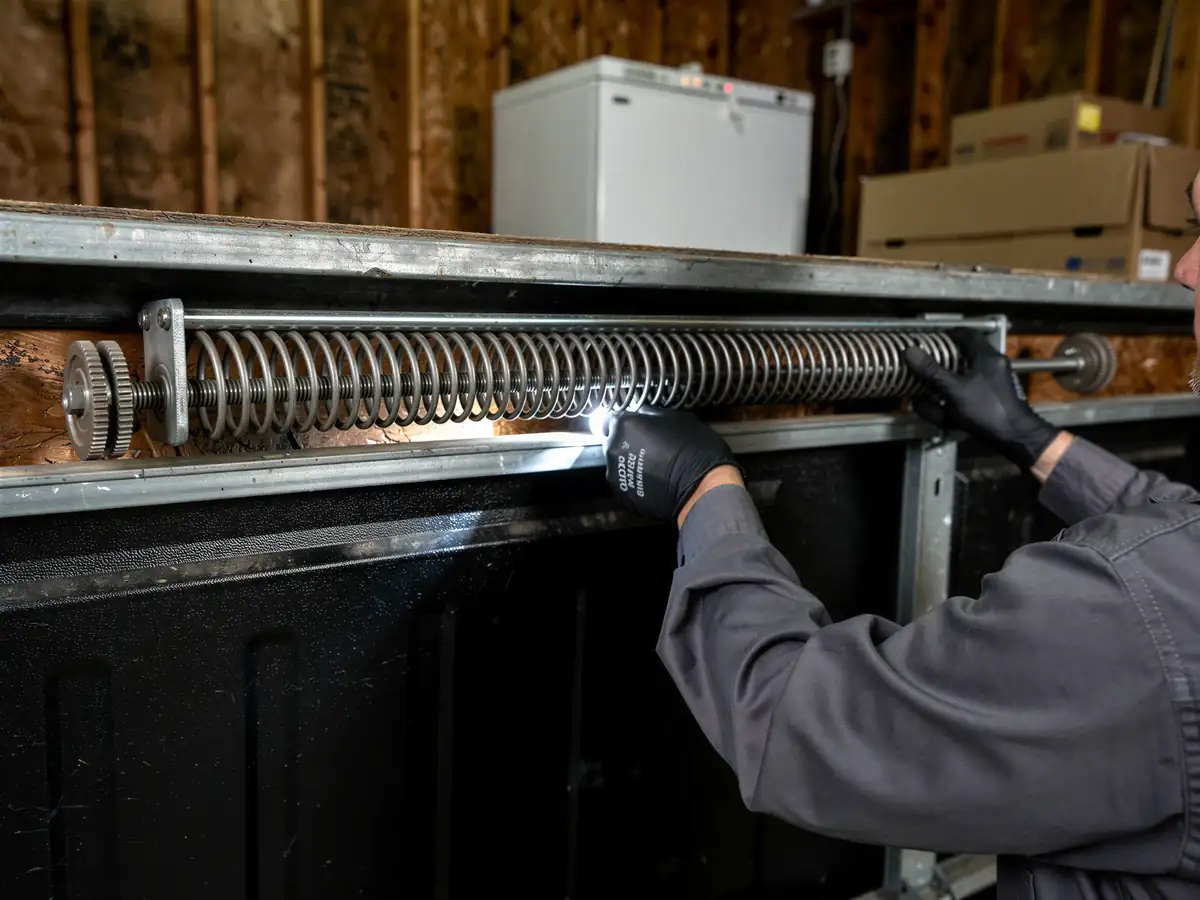
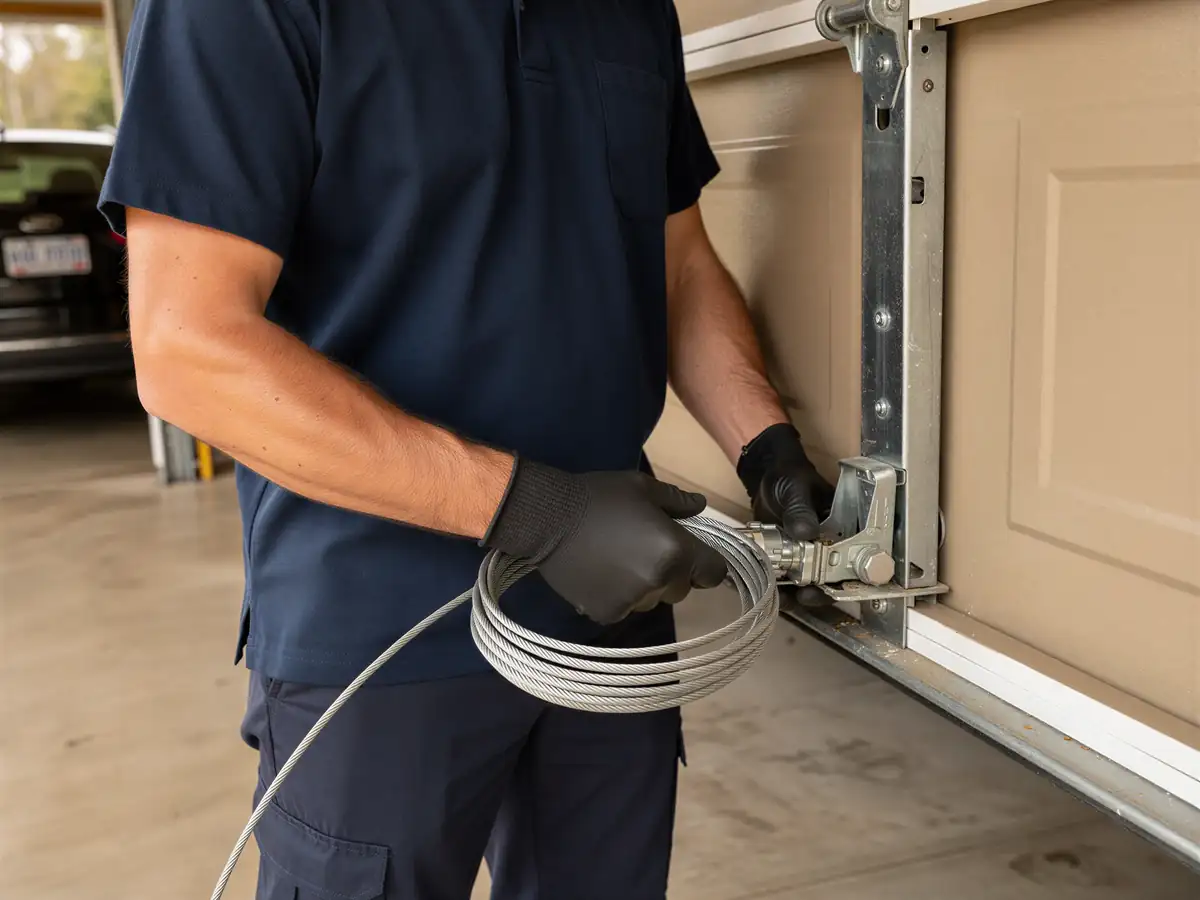
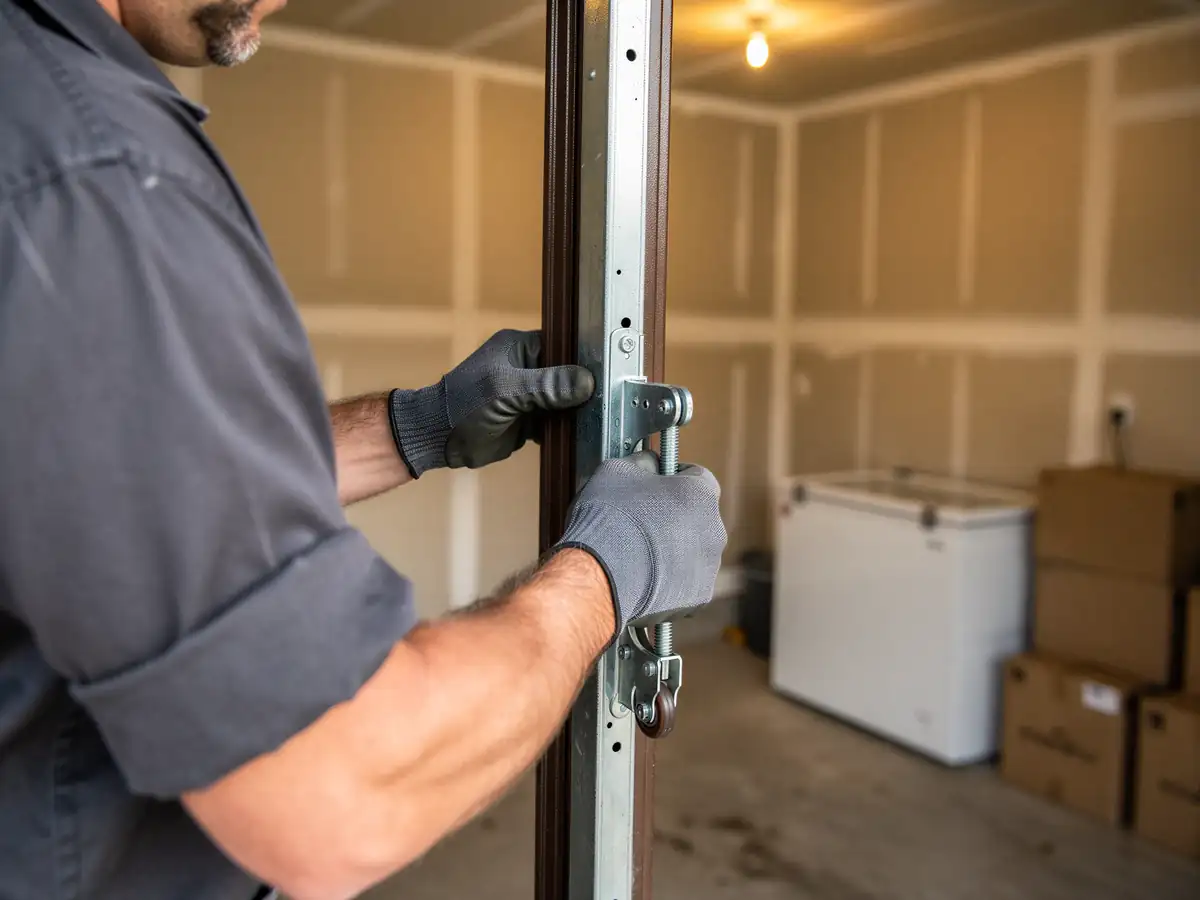
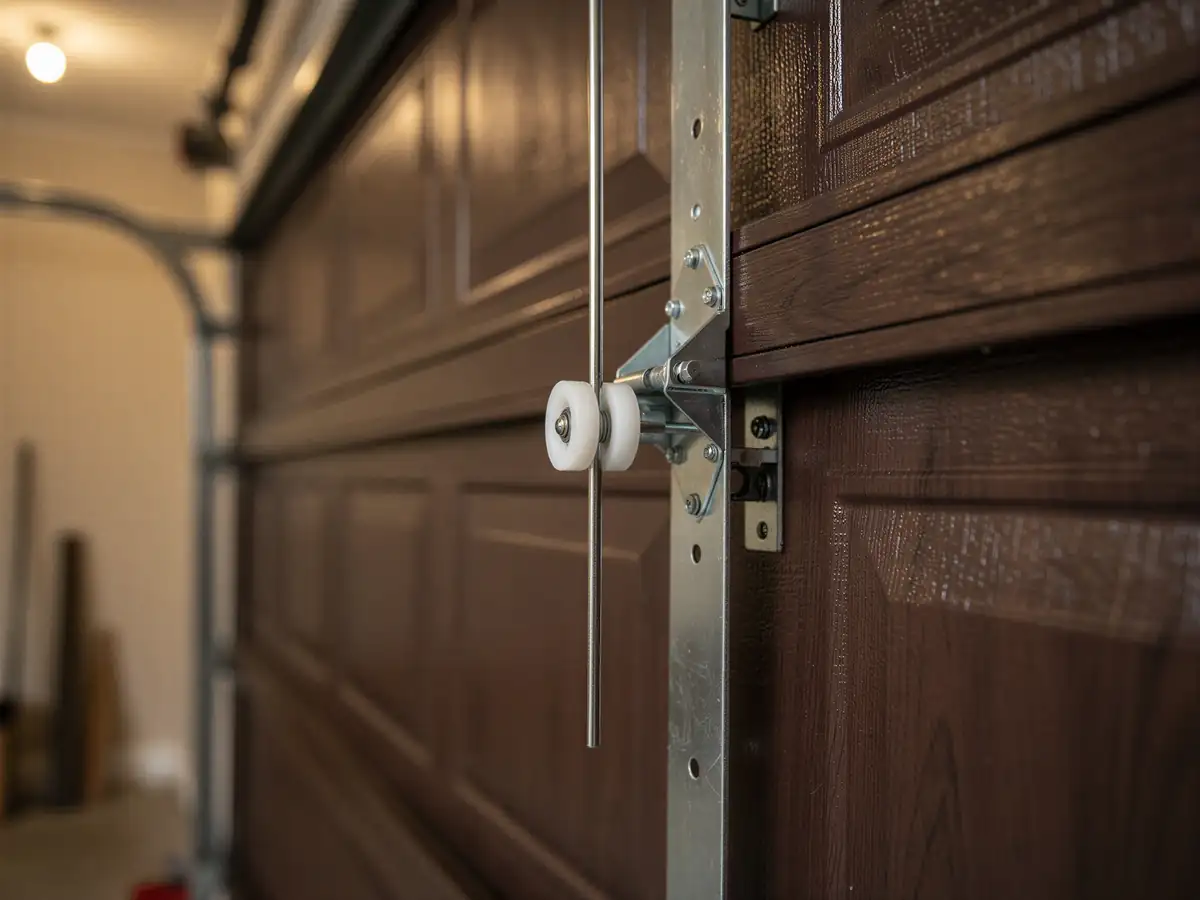
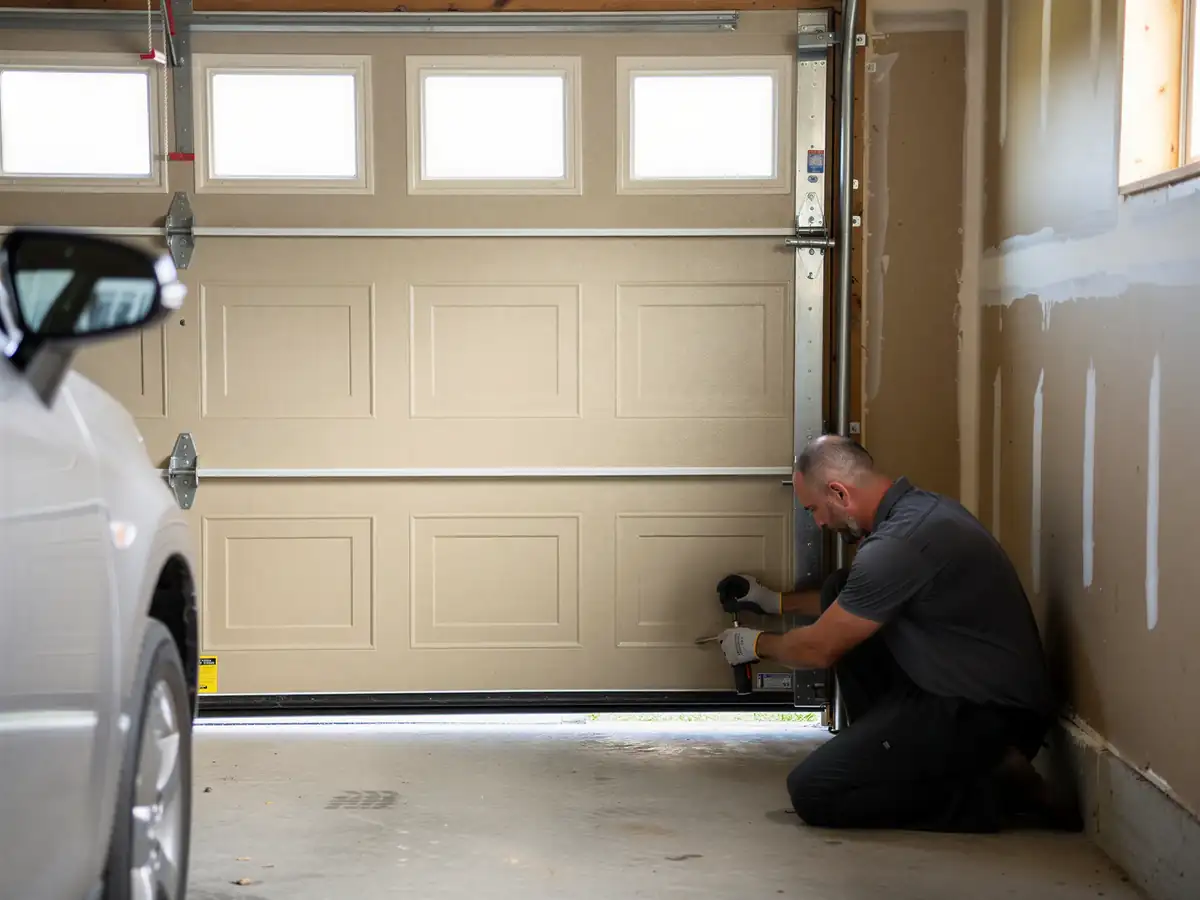
We start by checking what's original versus what's been swapped at some point - torsion spring, cable, rollers, and the track itself. On a 1963-era door, we expect at least one of those to still be factory. If the spring is original steel from that period, we don't patch around it; we replace it with a correctly sized torsion spring rated for the door weight and cycle it under control before reinstalling the panel. Bent track gets straightened or swapped, not forced back into shape with a hammer, because forcing it just moves the bind somewhere else. If the opener is original to the house, we'll say so plainly - most 1960s units aren't worth saving, and we'd rather tell you that up front than bill you for a repair that buys six months. Same goes for panels: steel from that era dents and doesn't always take hardware the same way modern doors do, so a panel swap sometimes means we're matching an obsolete profile rather than pulling a part off a shelf. We travel out from Beavercreek for the job, and the diagnosis happens on site before any part gets replaced.
Time on the Job
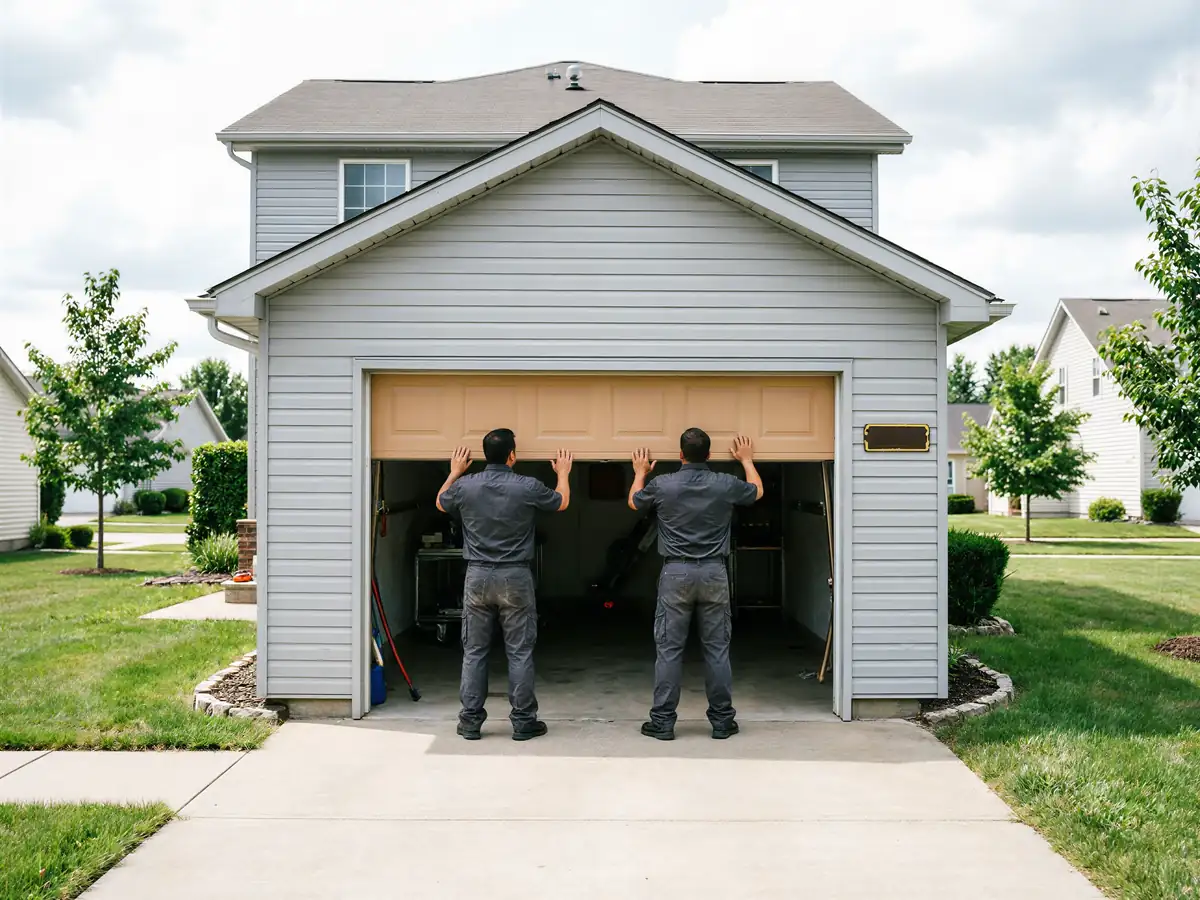
A straightforward torsion spring replacement on a standard double door, with no track or panel damage, is usually a same-visit job once we've got the right spring on the truck. Where it runs longer is when the hardware is original enough that the mounting hardware itself has to be re-drilled or reinforced - not uncommon on houses from the early 1960s where the header framing wasn't built with modern spring systems in mind. We won't quote a fixed number of hours before we've seen the door, because a job that looks like a spring swap sometimes turns into a track realignment once the door is actually moving under its own weight again. What we can say is that we don't leave a job half-finished to come back another day for a part we should have brought the first time.
The Complications
The biggest complication in houses from this build year is hardware that was never upgraded to match code or safety standards that came later - things like proper end bearing plates or a correctly tensioned bottom bracket. We find springs installed with the wrong wind direction, cables run through rollers that were swapped out one at a time over decades instead of as a set, and openers wired straight into circuits that weren't built for a motor load. None of that is unusual for houses built in 1963, and none of it is a quick fix once we're inside the mechanism. Cold, severe winters add another layer: steel contracts, lubricant stiffens, and a door that limped along all summer sometimes fails outright on the first hard freeze. We also run into limited headroom on some of these older framing setups, which can rule out certain opener models without a bracket modification.
What You Pay
We don't have a published price list for Trotwood specifically, and we're not going to invent one. What we can tell you is that the job cost depends on what's actually original versus already replaced, and on a house from 1963 that's rarely obvious until the door is open. A straightforward spring swap costs less than a job that turns up fatigued track, an obsolete opener, or hardware that needs re-mounting. We quote on site once we've seen the actual parts, not off a phone call, because guessing a price on 1960s hardware sight unseen does nobody any favors.