Serving Beavercreek, OH & nearby
(937) 326-4953
Beavercreek, OH

Garage Door Repair for Trotwood's 1960s Housing Stock

Trotwood homes mostly date to 1963, meaning steel doors on original hardware. We travel 14 miles from Beavercreek to fix springs, openers, and tracks built for an older door.

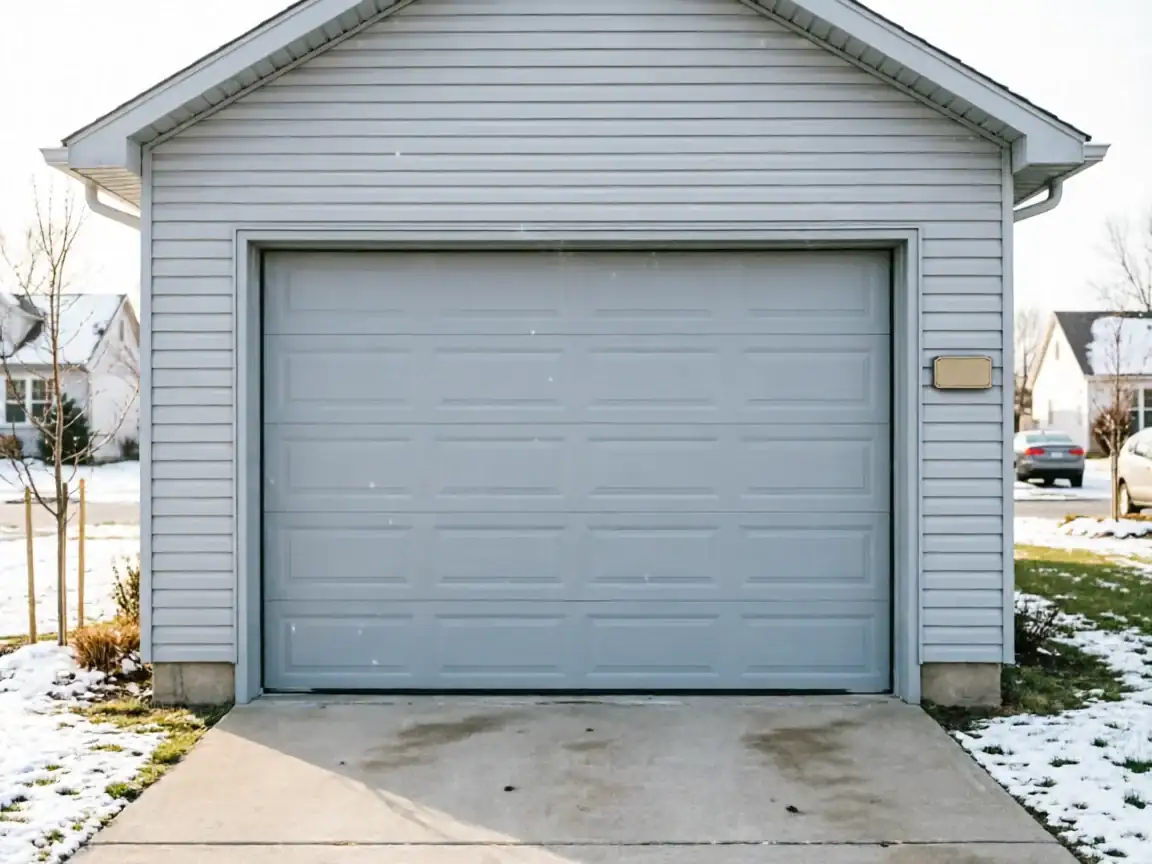
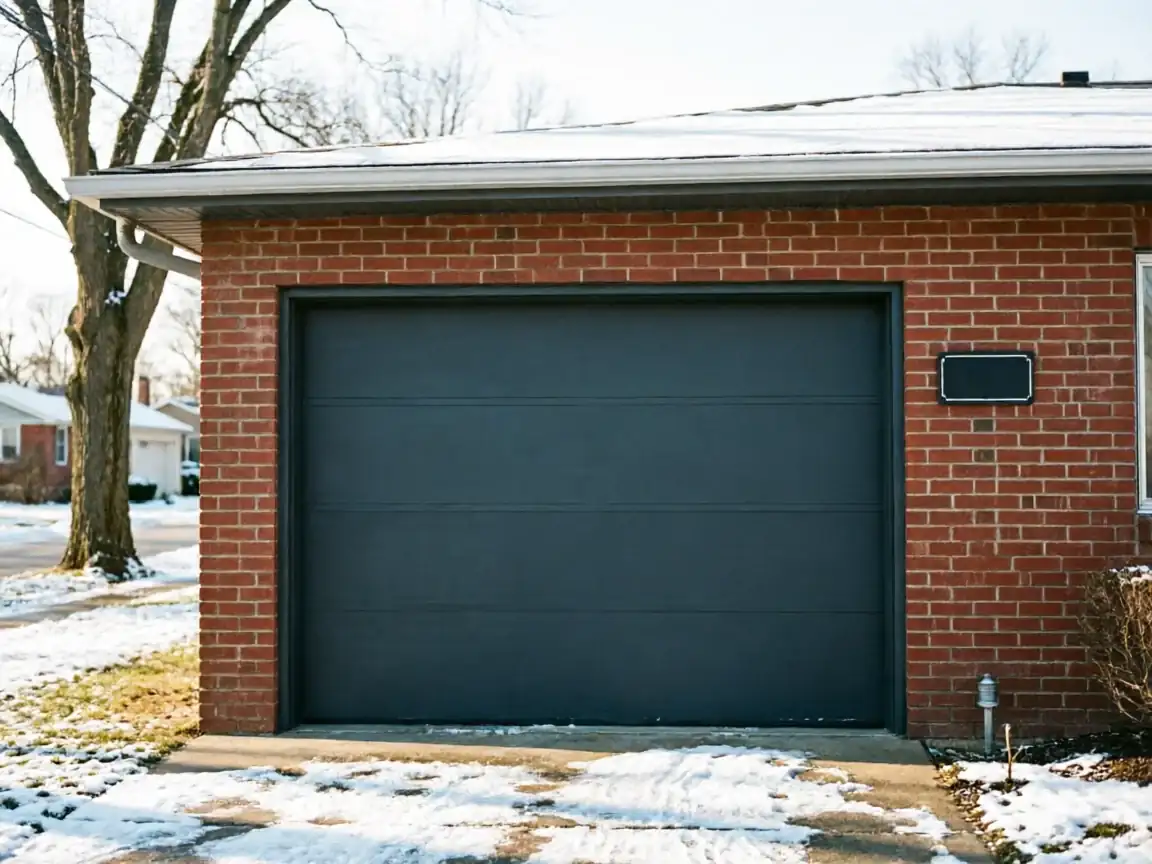
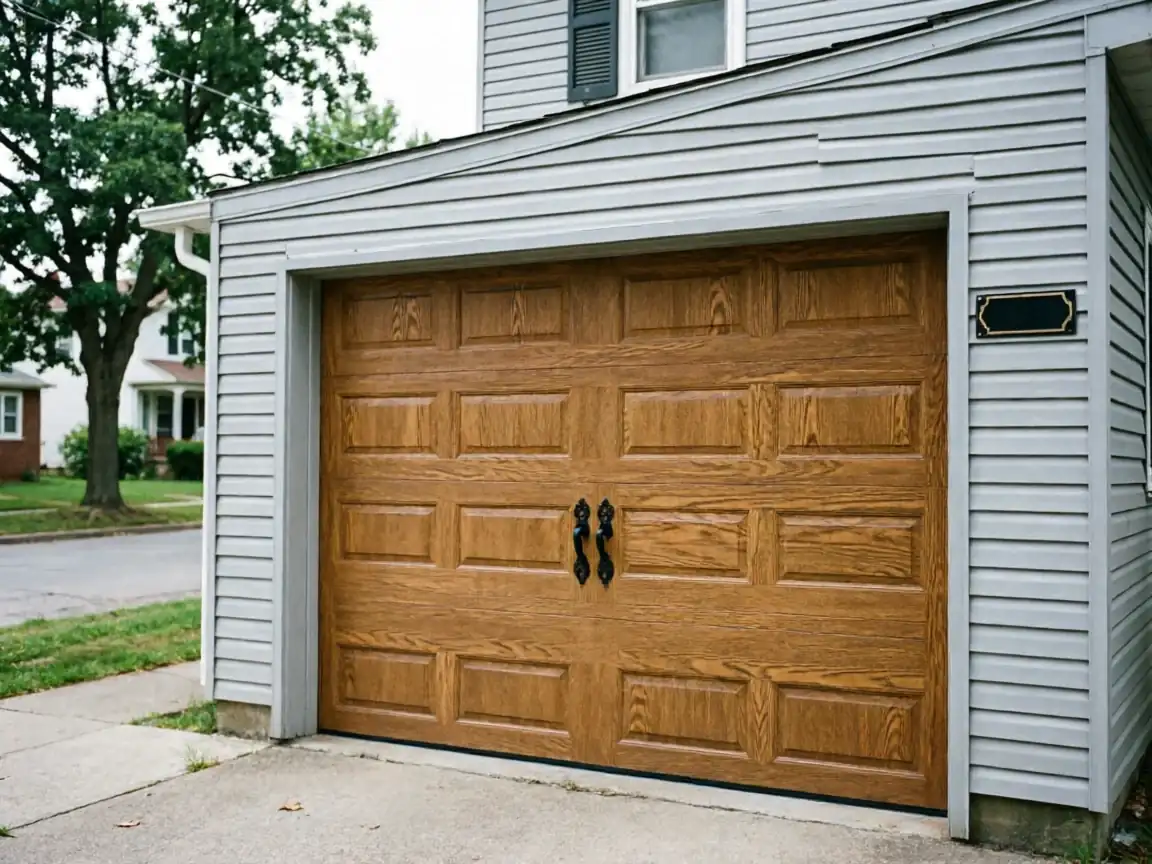
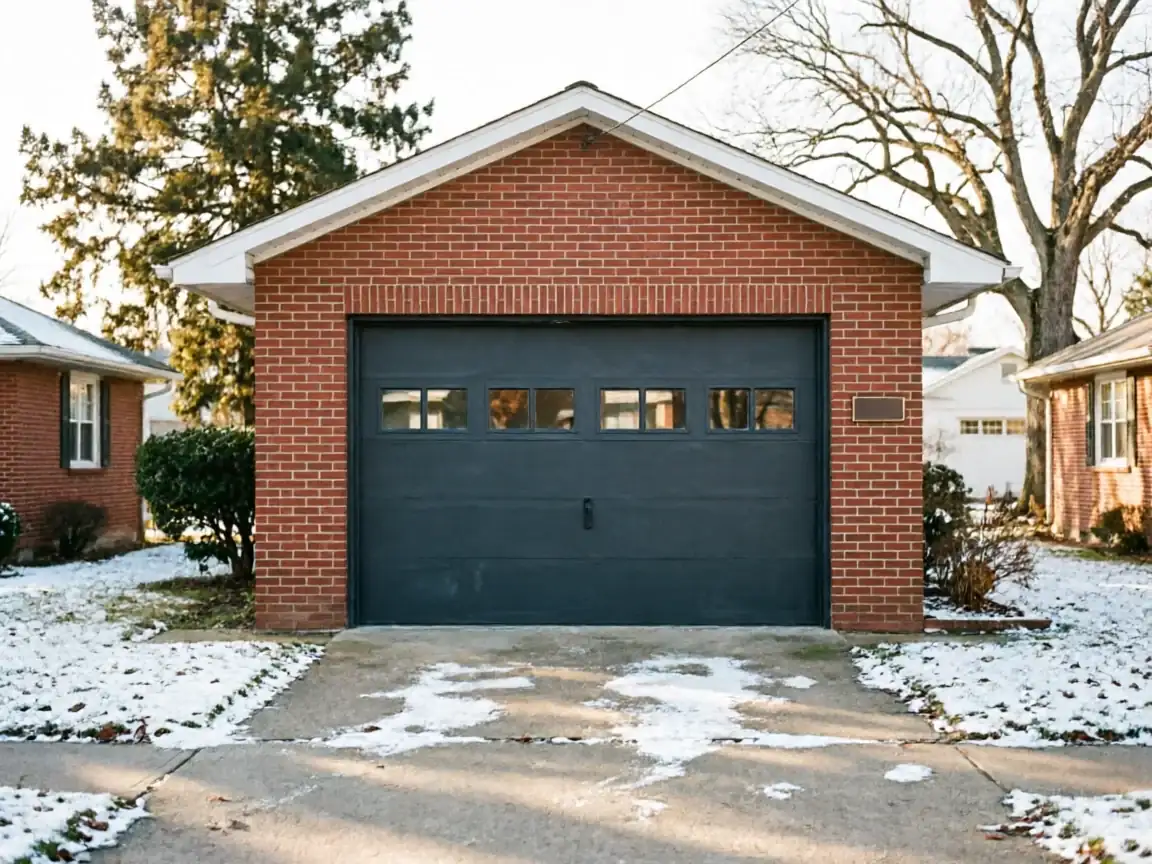
The brick garage has a dark gray door with windows, and snow covers the ground.
Beavercreek, OH
8 services
8 service areas
Diagnosis first, then the fix

Why This Fails Locally

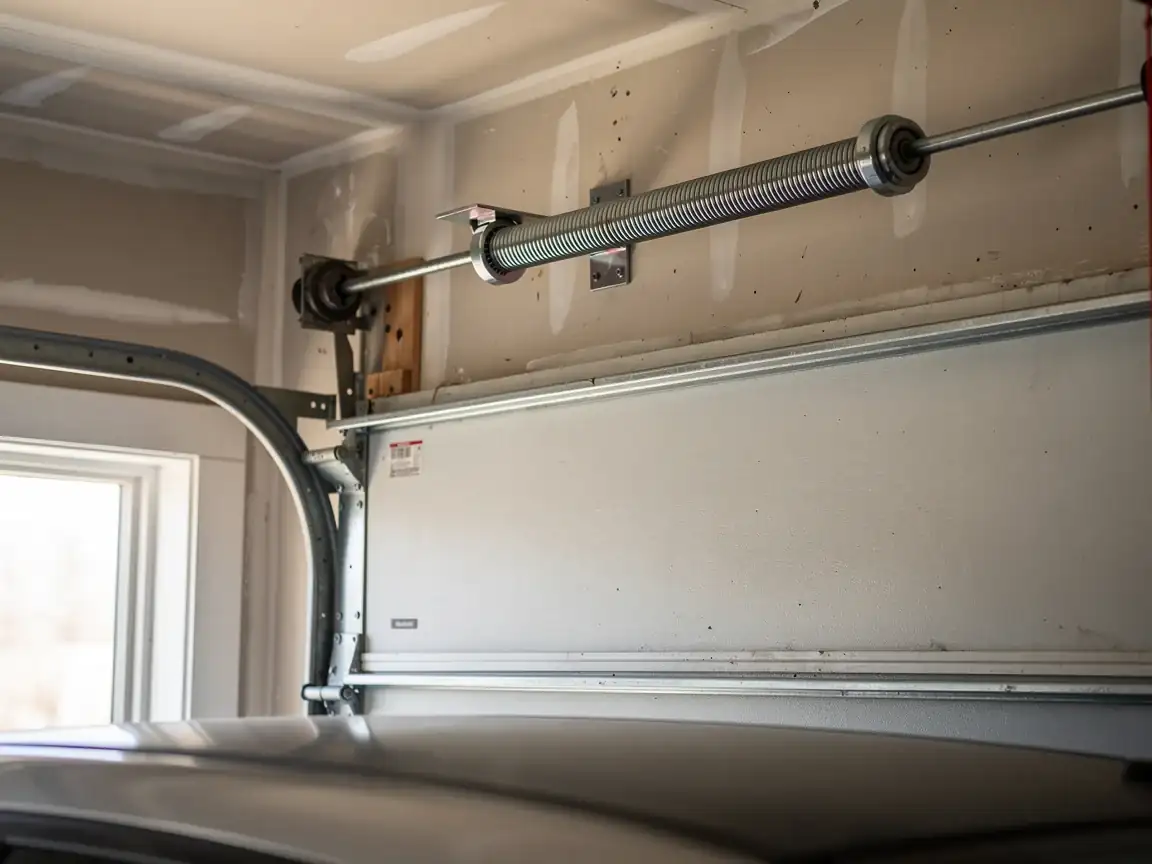
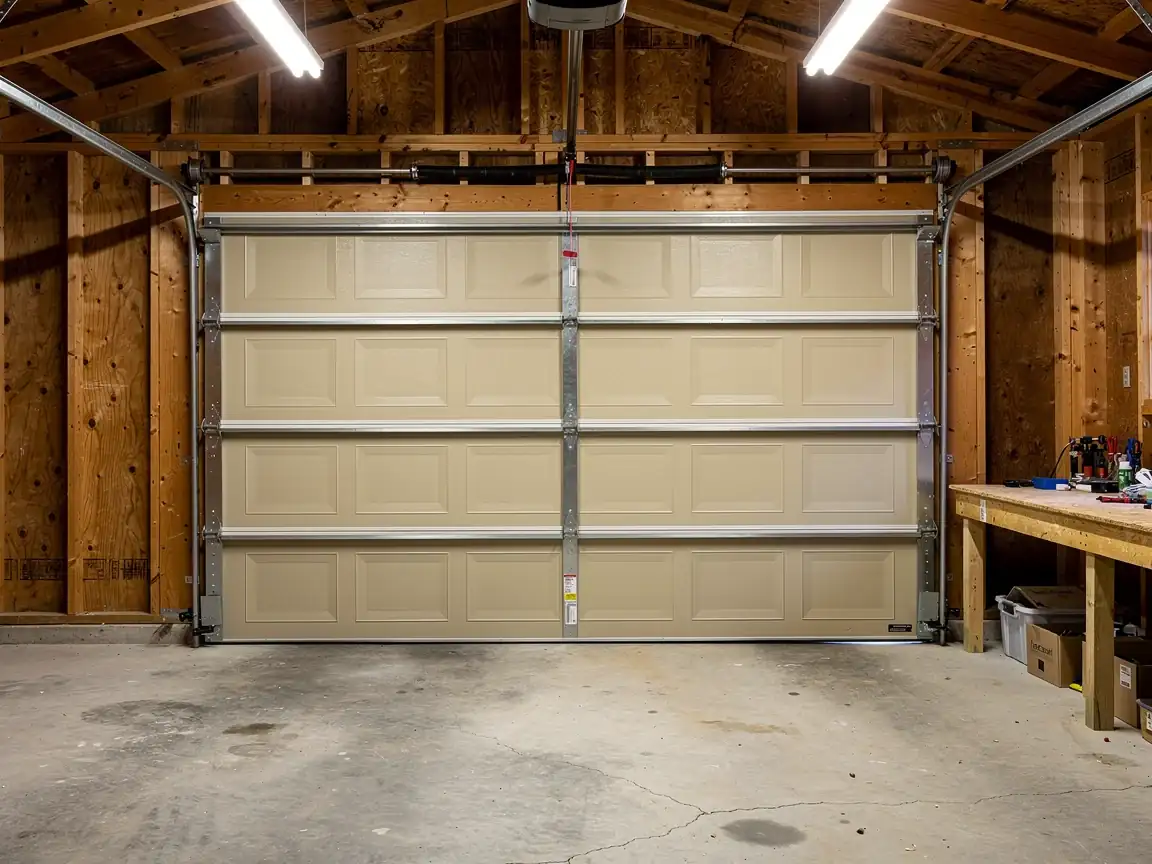
Most garage doors in Trotwood went up around 1963, which puts them squarely in the early run of mass-produced steel sectional doors - single-layer panels, no insulation core, and a 16x7 or 9x7 opening sized for the cars of that era. Wood doors from the same years are also common, usually still on their original hardware because nobody's gotten around to swapping it. That hardware is the problem. A door built in 1963 was never engineered for a cold-climate region's freeze-thaw cycle repeating on it for sixty winters. Steel track brackets loosen in the wood jamb, torsion springs lose temper and snap without warning, and the galvanized cable starts fraying where it wraps the drum. None of that shows up as a sudden failure - it shows up as a door that's gotten louder, slower, and heavier to lift by hand over several years, until one morning it doesn't move at all. Homes in this part of the service area skew toward lower household income than some neighboring suburbs, which we mention only because it shapes a real choice: repair the original hardware where it's sound, rather than defaulting to full replacement every time a spring goes.

How We Fix It

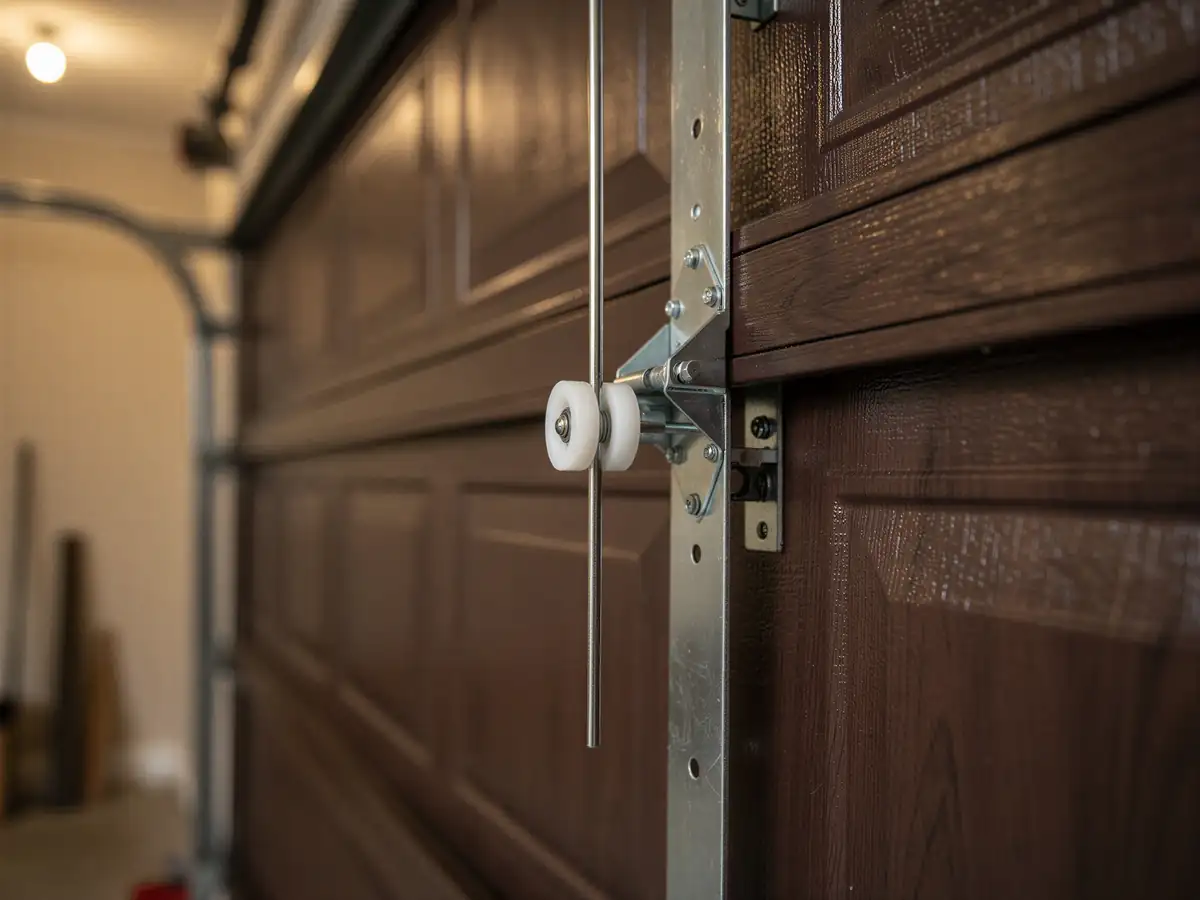
We start by checking what's actually original on the door versus what's been patched over the years - in houses from 1963, it's common to find a replacement opener bolted onto a track and spring setup that's still the one installed with the house. We test torsion spring wind and cable tension against the door's actual weight, not a generic chart, because a 1960s steel door and a modern insulated one don't weigh the same and don't take the same spring. Rollers on these doors are usually the original steel wheels, which bind and chip the track over time; nylon rollers solve that without replacing the track itself. Where the jamb has shifted - common in houses this age as the house itself has settled - we reset the track rather than forcing a new door into an opening that's moved. Replacement only comes up when the panel itself is rusted through or the door's been hit hard enough to bow the frame.

Time on the Job

We're coming from Beavercreek, about 14 miles out, so the drive is part of planning the visit rather than something we hide from you. Most spring and cable jobs on a door this age run long enough to do the work right the first time - checking balance, re-tensioning, and testing the full cycle before we leave - rather than a quick swap-and-go. Opener diagnostics take longer on houses where the opener's been replaced more recently than the door itself, since we're matching newer electronics to an older track and spring system that doesn't always behave the way the opener expects.

What Is on the Truck

Given the age of the housing stock here, we carry torsion springs sized for the lighter steel doors common to the early 1960s builds, not just the heavier insulated-door springs that fit newer construction. We stock galvanized cable, steel and nylon rollers, and standard track sections sized to the 7-foot openings typical of this era. What we don't always carry is a matching panel for an older wood door - those are often a special order, and if a panel's split or rotted through, we'll tell you the lead time up front rather than promise a same-visit fix we can't deliver.

The Complications

Cold-climate winters are hard on hardware this old. Steel contracts, grease thickens, and a spring that's been slowly weakening for years will often pick the coldest morning of the season to let go - that's physics, not bad luck. On houses where the opener was added decades after the original door, we sometimes find the opener's safety reversal sensors wired around or disabled entirely, which was common practice before current code caught up. We won't leave a door running with safety sensors bypassed; that's a fix we do regardless of what else was asked for. On wood doors specifically, sixty years of freeze-thaw cycling can warp a panel just enough that it binds in the track on one side only, which looks like a spring problem but isn't.

What You Pay

We don't have a flat number to quote in this space because the fix on a 1963-era door depends heavily on whether the fault is the spring, the track, or the opener wiring - and those jobs don't cost the same. What we can tell you is that repairing original hardware is almost always cheaper than replacing the whole door, and for a lot of houses in this area that's the right call rather than a line we use to upsell. If the panel itself is the failure point, that's the one case where replacement usually wins out, and we'll say so plainly before any work starts.
How it works

From “it’s stuck” to “it’s fixed”

1
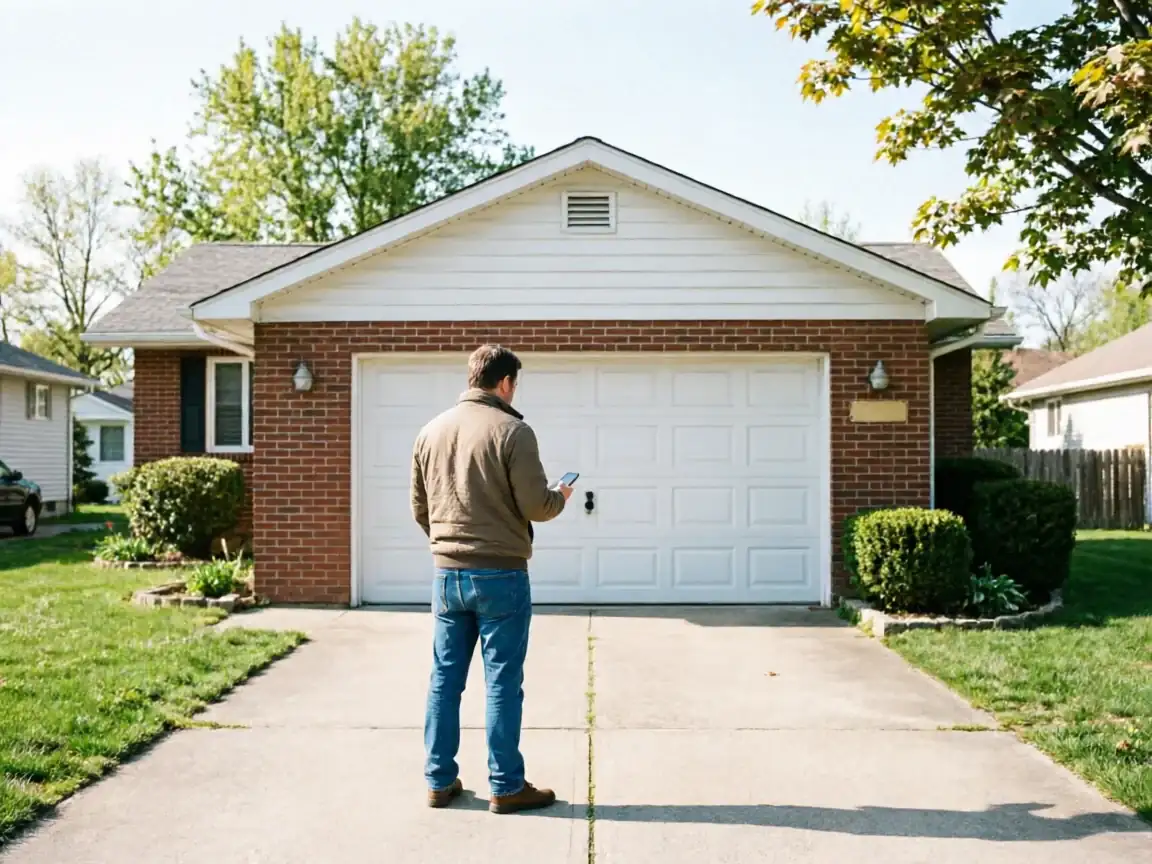
A man stands in a driveway looking at his phone in front of a white garage door.

Tell us what’s wrong

Describe the symptom - won’t open, loud bang, opener runs but the door won’t move.

2
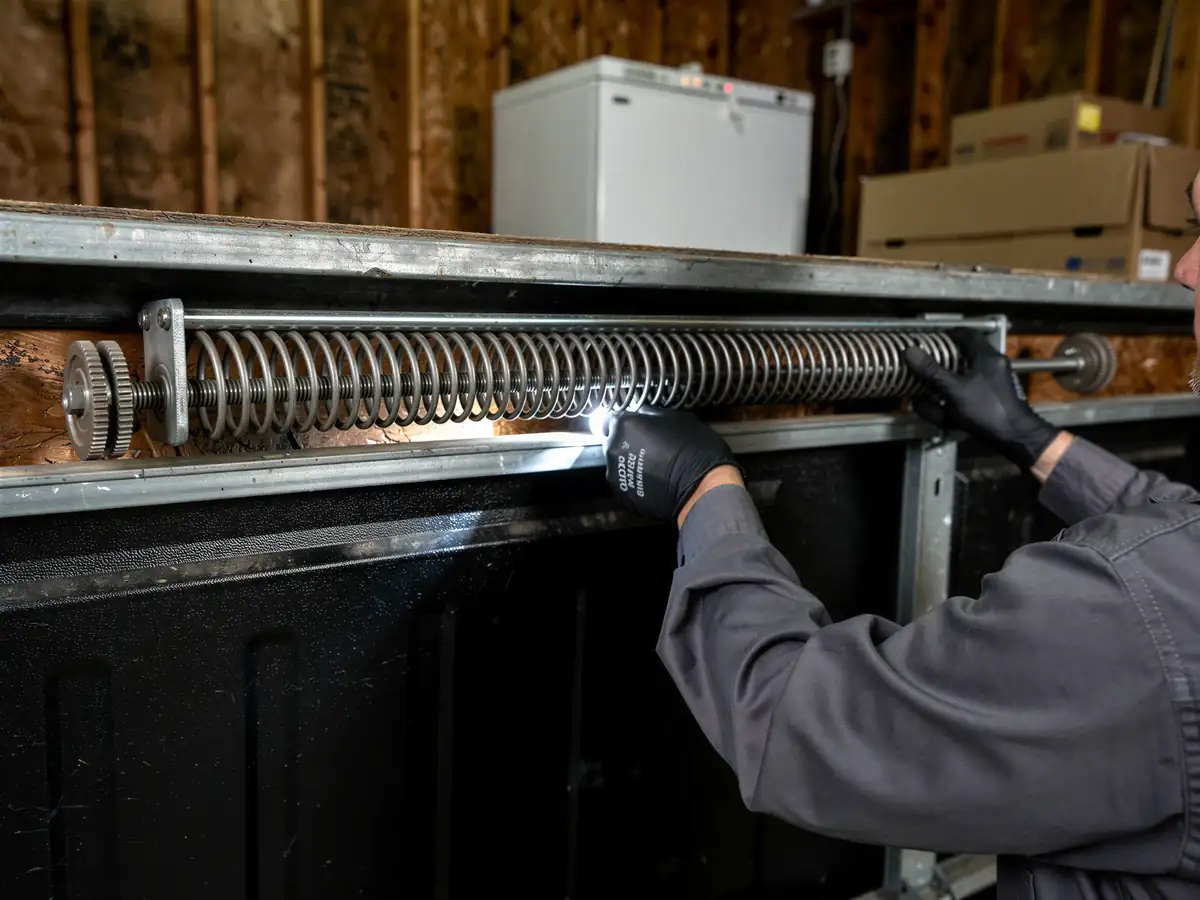
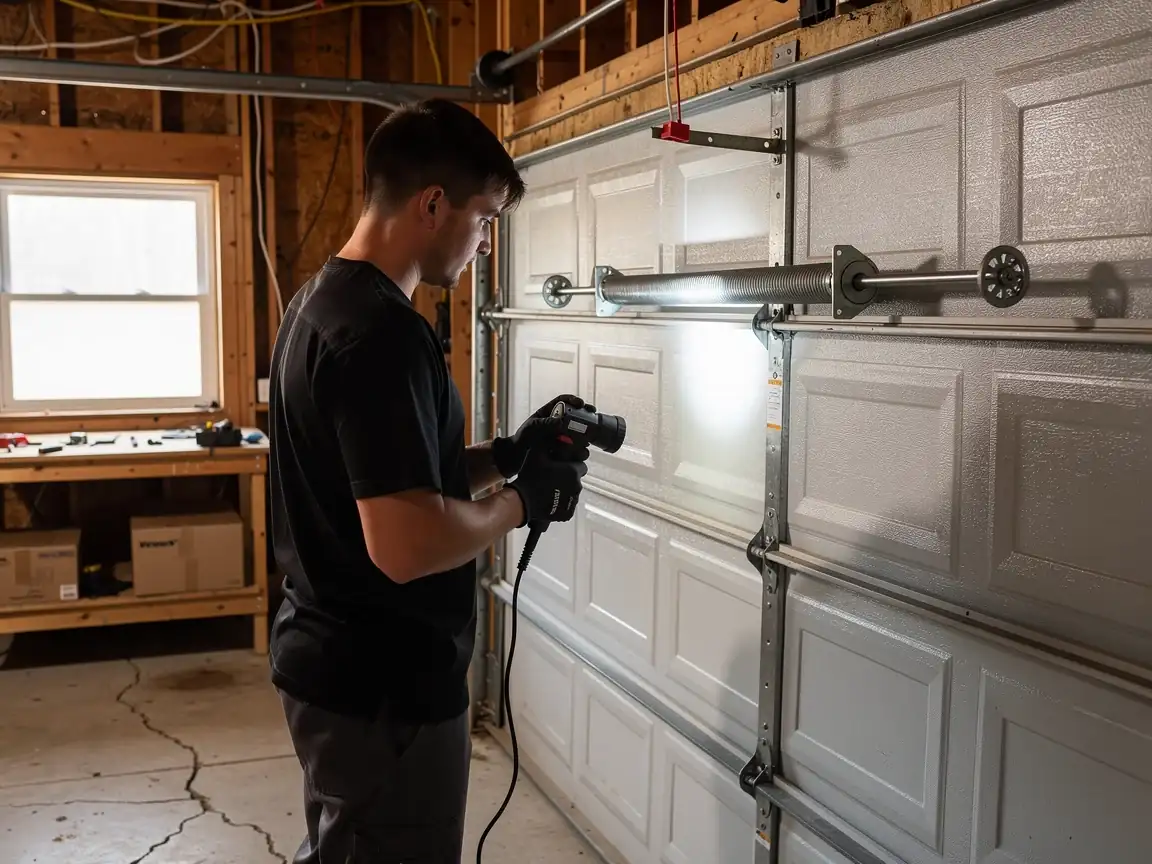
A technician shines a light on a garage door torsion spring.

On-site diagnosis

A technician tests the door under power and by hand and finds what actually failed.

3
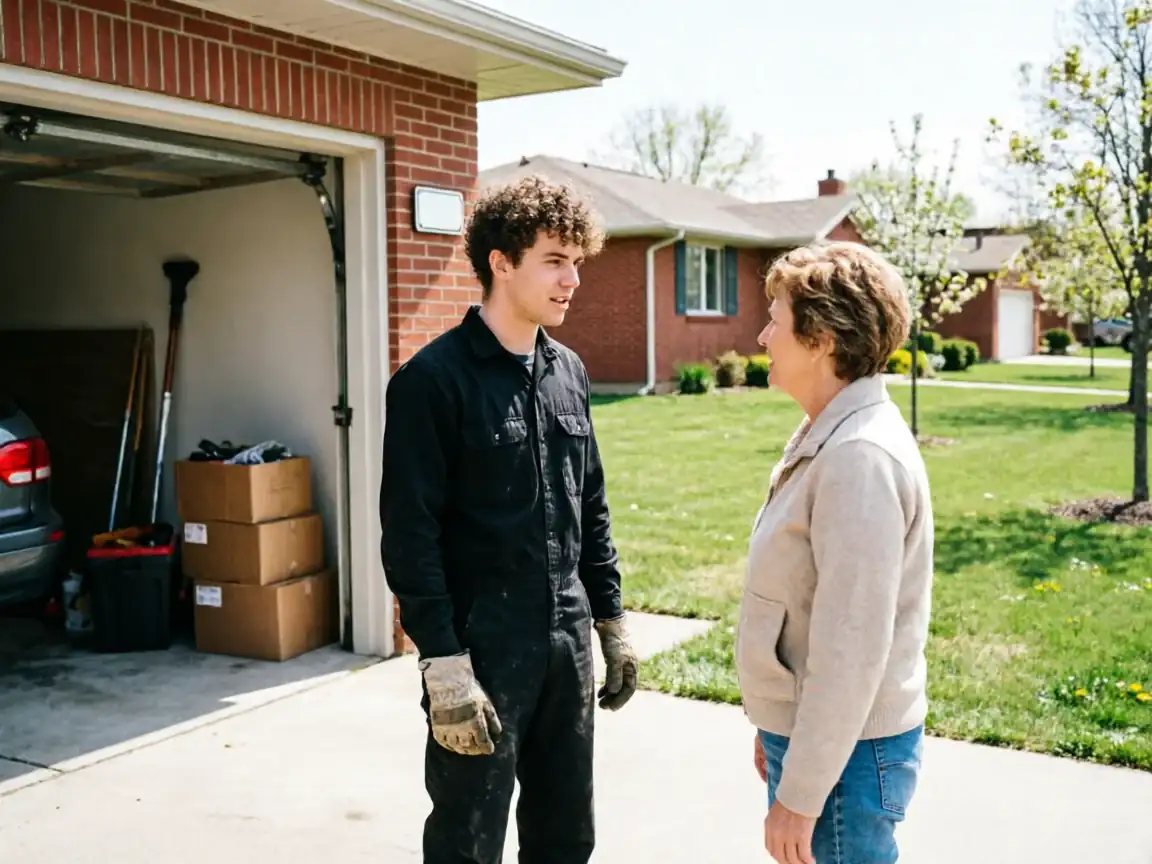
A technician in a black uniform talks to a woman in a beige jacket.

Clear, up-front plan

You get the fix that’s needed and what drives the cost - before any work starts.
4
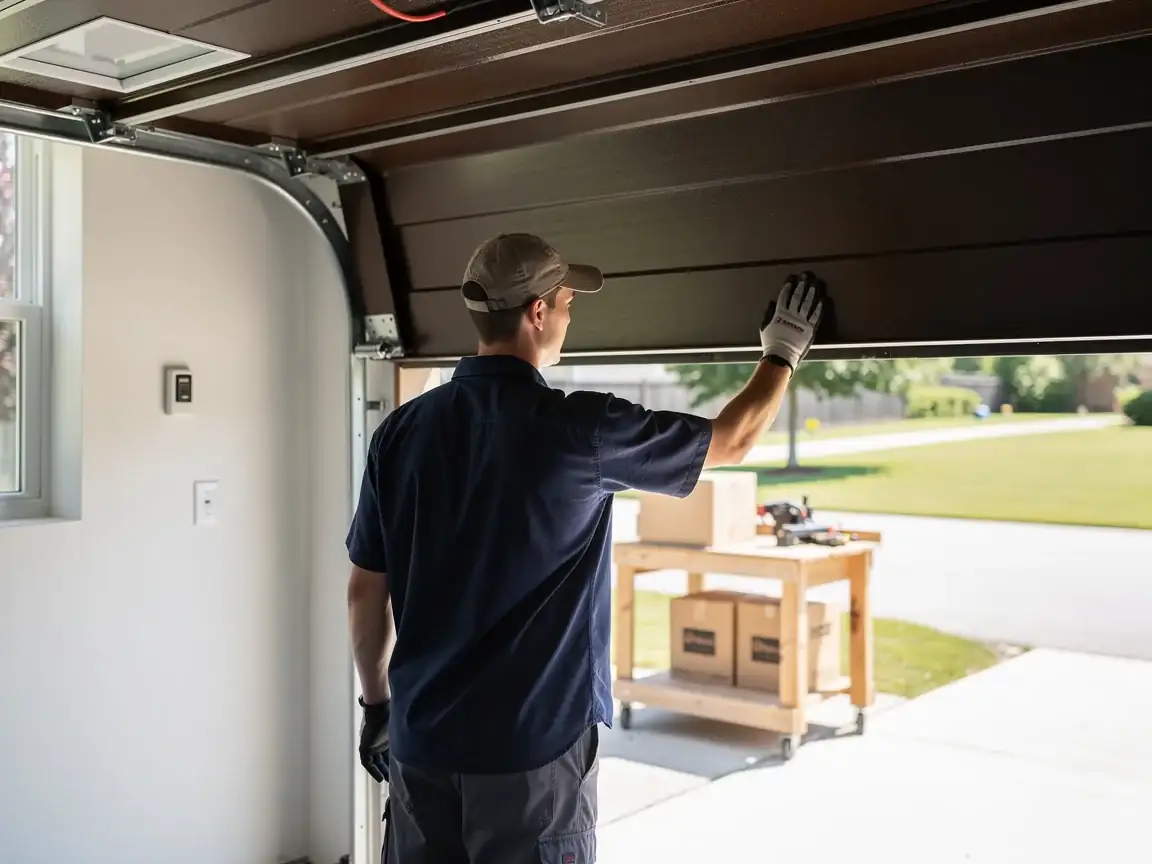
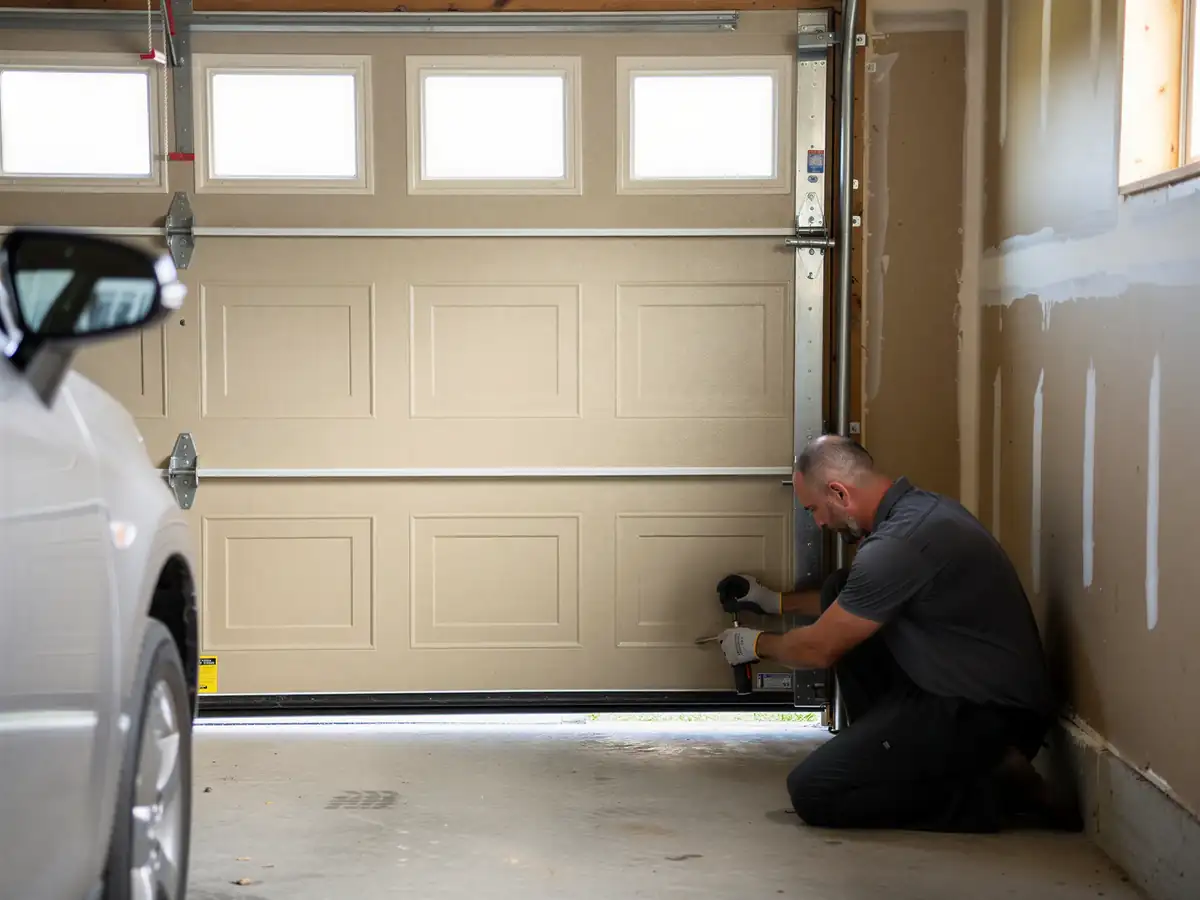
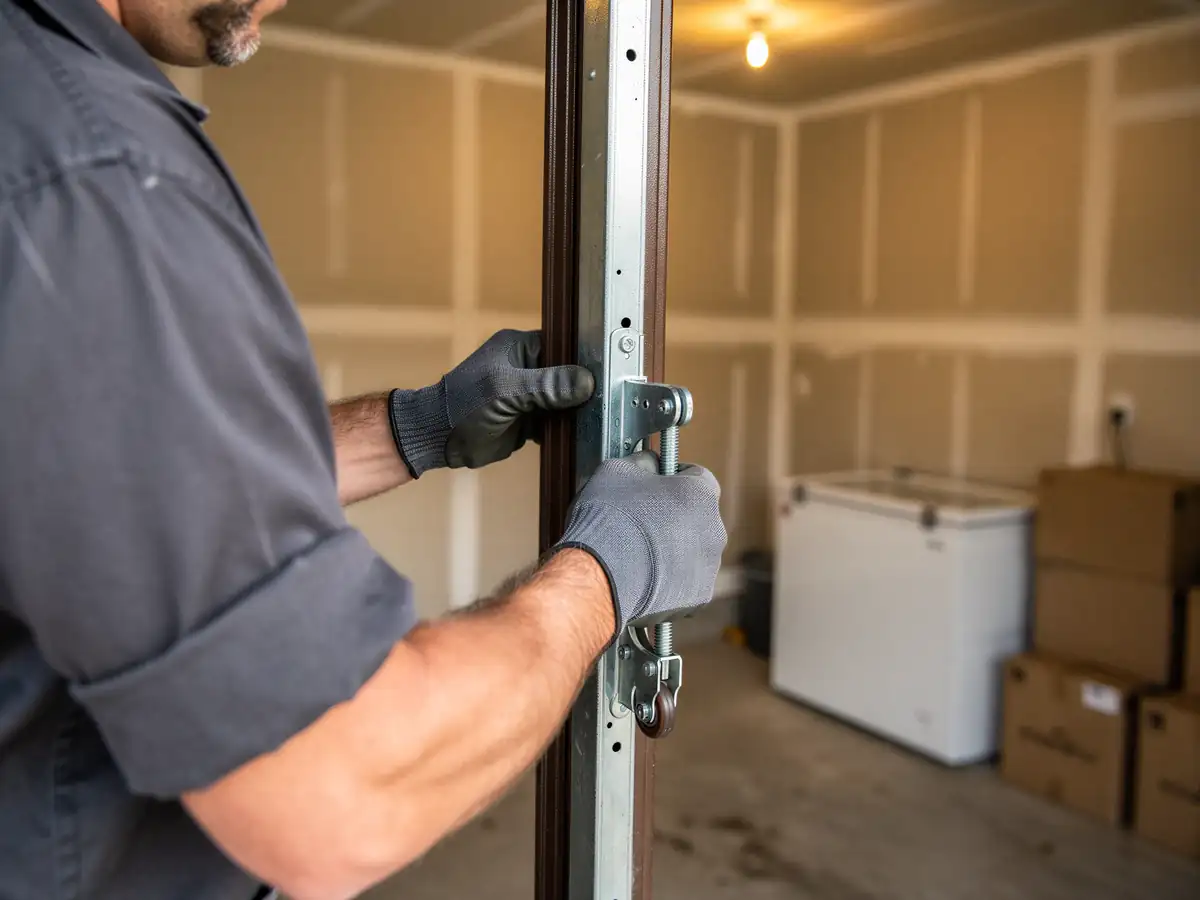
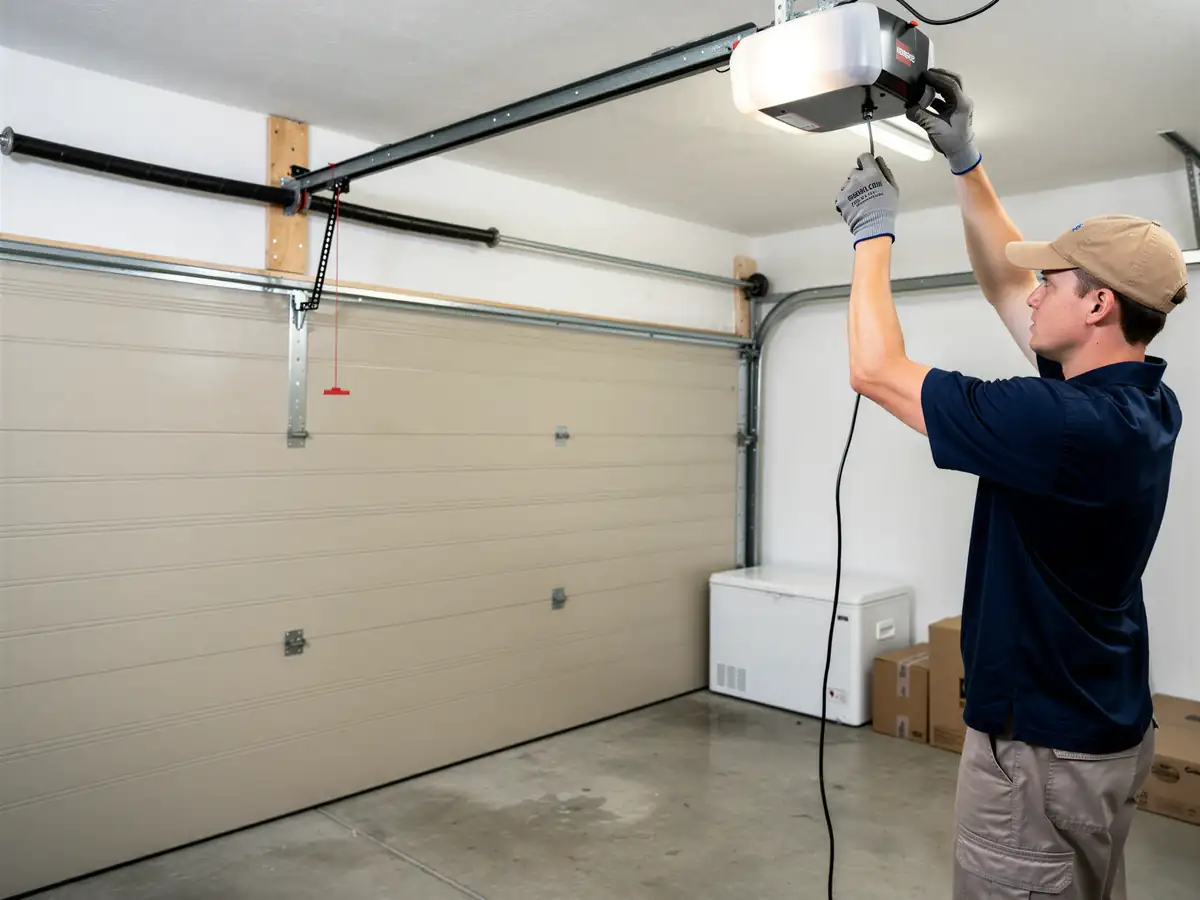
A technician in a cap and gloves adjusts a brown garage door.

Repaired & tested

The repair is done, the door is set true and tested, and the work area left clean.

Not sure which repair your door needs in Beavercreek, OH? Describe what it’s doing - every job starts with a diagnosis.

How we work

What to expect

Diagnosis firstEvery visit starts by finding what actually failed - not a pre-written parts list.
The right part for the doorSprings and openers matched to the door’s weight and age, so the fix holds up.
Straight answersWhen a repair makes more sense than a replacement - or the reverse - you hear it plainly.
Clean, careful workTension released safely, hardware set true, the door tested under power before we leave.
46,277Residents in Beavercreek
8Garage door services
8Neighborhoods & suburbs
OHServing Beavercreek, OH
Questions

Frequently asked

Straight answers about garage door repair in Beavercreek. Still unsure? Ask us directly.

Why does my garage door feel so much heavier than it used to?

On a door from the early 1960s, a heavier lift usually means the torsion spring has lost tension over the decades, not that the door itself changed. Springs are rated for a set number of cycles and a set weight, and after sixty years most have weakened well past their working range, even if they haven't snapped yet.

Is my original wood door worth repairing or should I replace it?

If the panel is solid and the warp is isolated to one section, we can usually true it up and keep the door running. If freeze-thaw cycling has split or rotted the wood through, repair stops making sense and we'll tell you that directly rather than keep patching it.

Do you have a shop in Trotwood?

No, we work out of Beavercreek, about 14 miles away, and travel to Trotwood for service calls. We don't keep a local branch here, so scheduling is built around that drive rather than assuming a same-hour arrival.

Will you fix my opener if the safety sensors were bypassed by a previous installer?

We will, and we won't leave it that way afterward. Disabled reversal sensors were common on older installations before current safety standards, but we re-enable and test them as part of any opener work, regardless of what the original call was for.

Ready to get your garage door sorted?

Tell us what it’s doing and where you are in Beavercreek - we’ll take it from there.

Request a QuoteCall