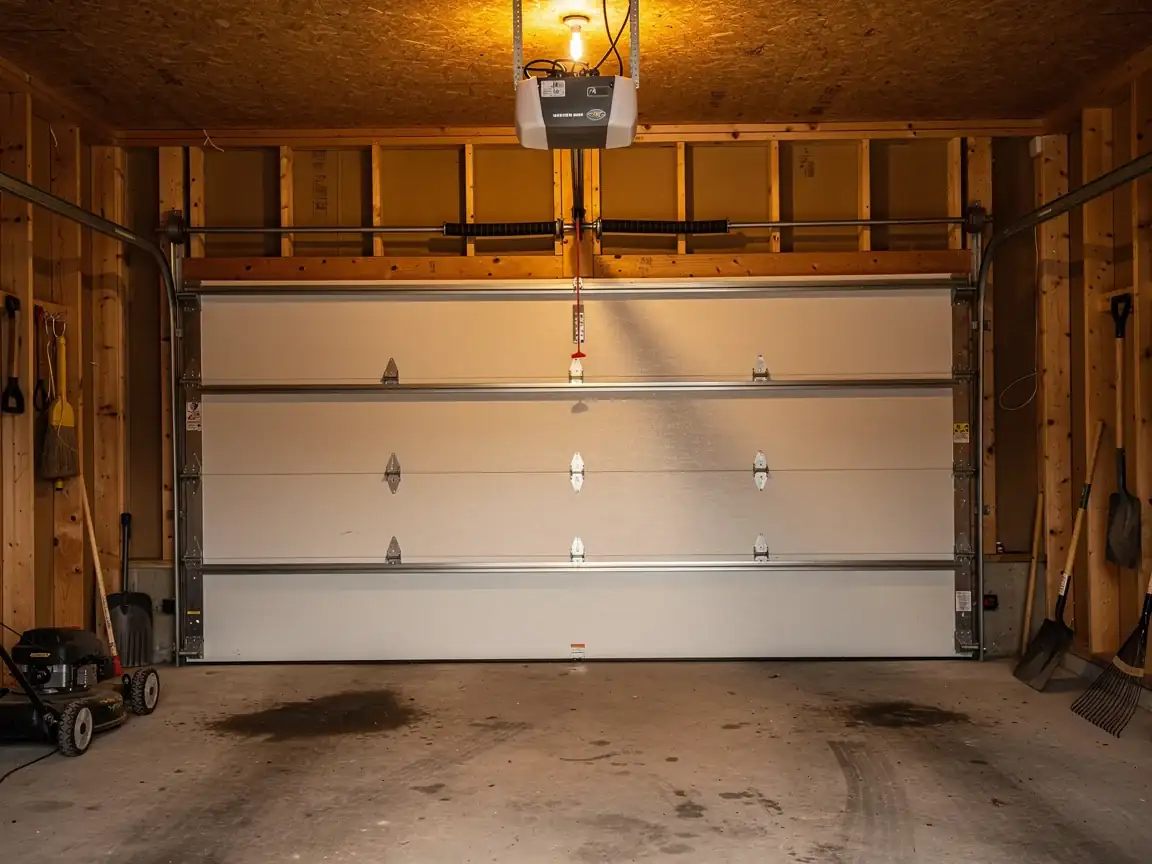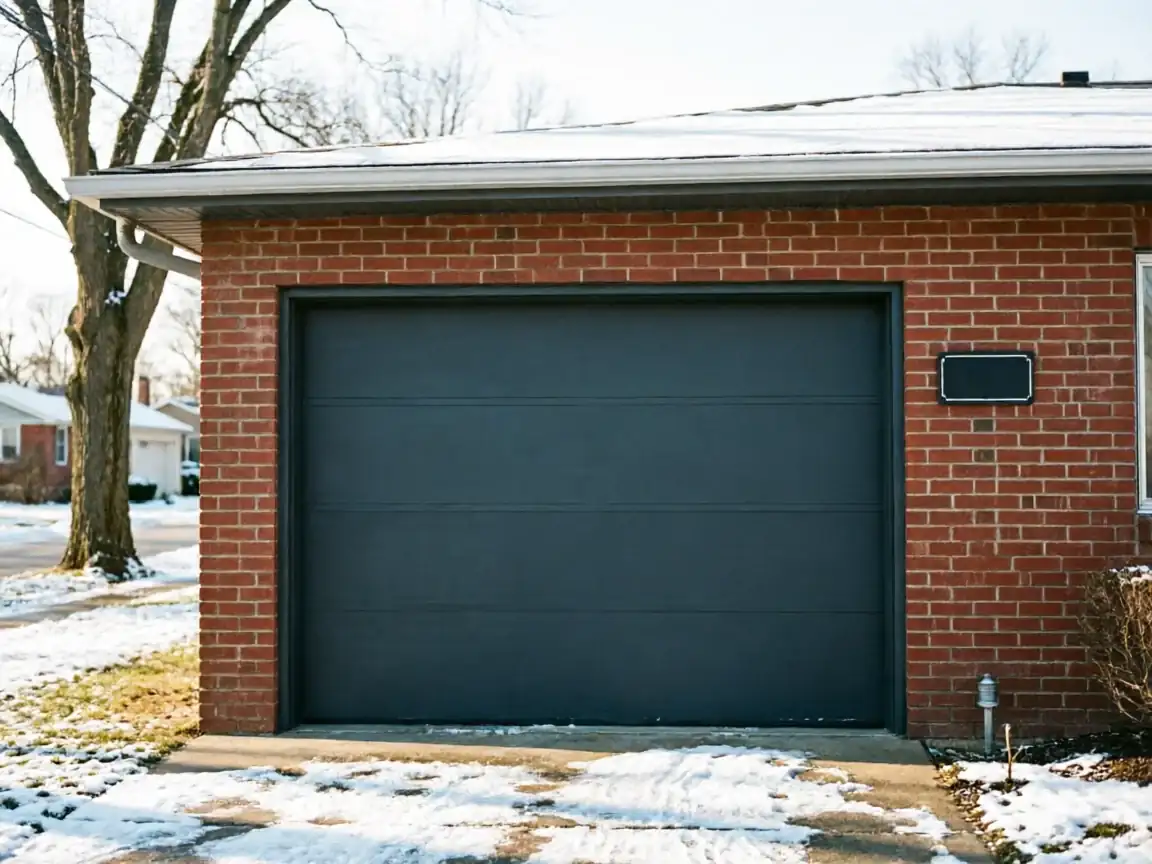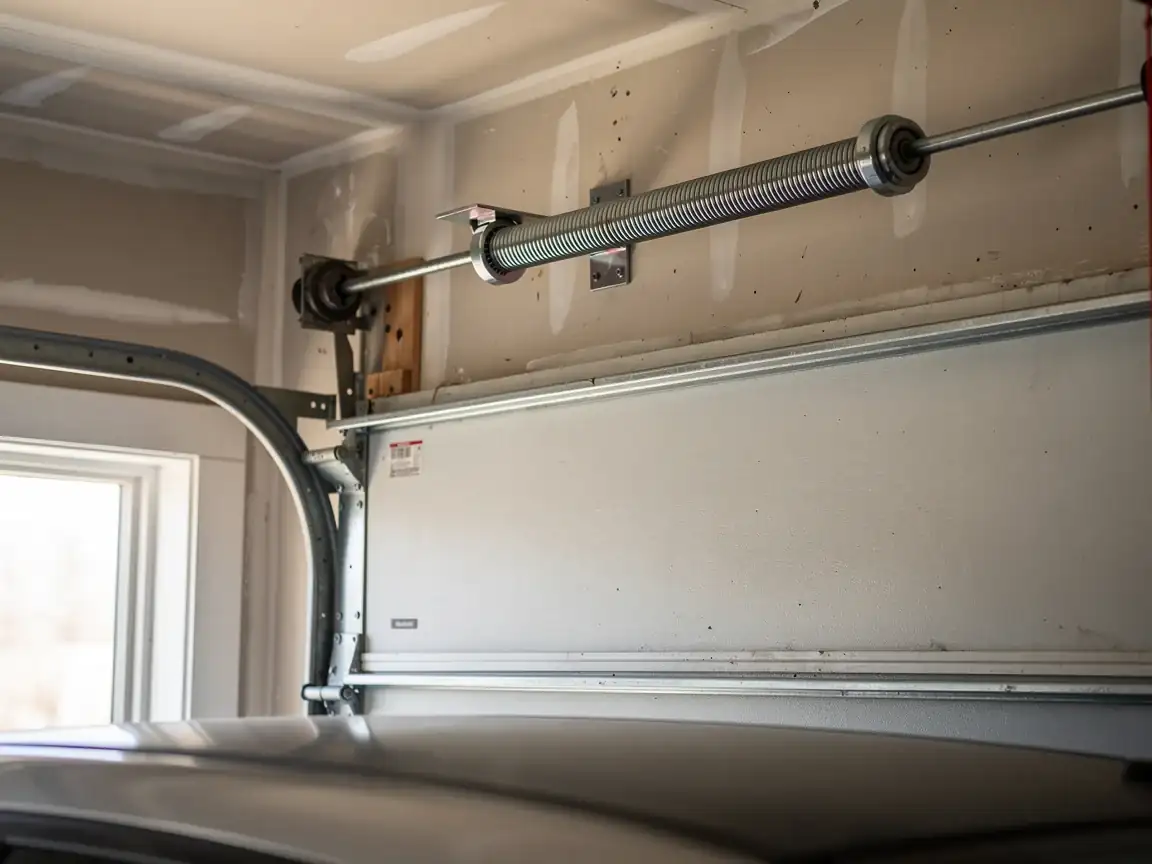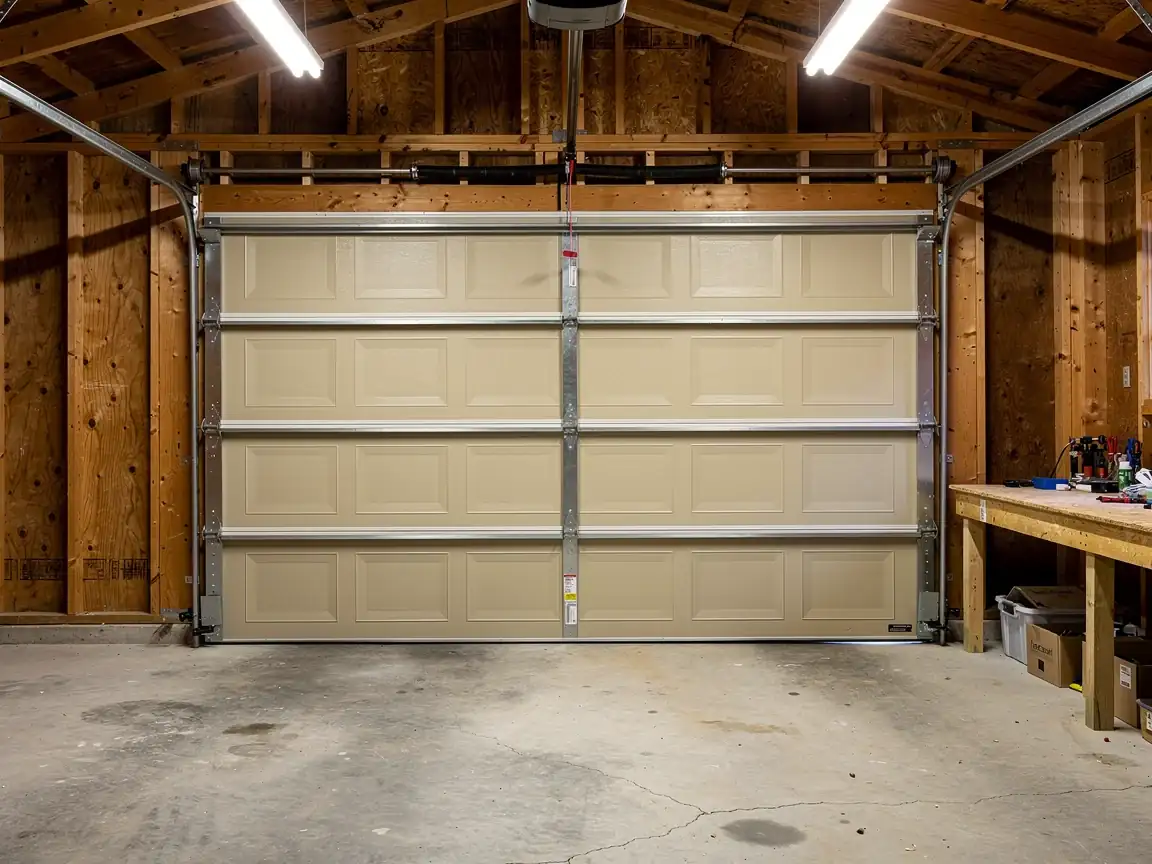
Why This Fails Locally
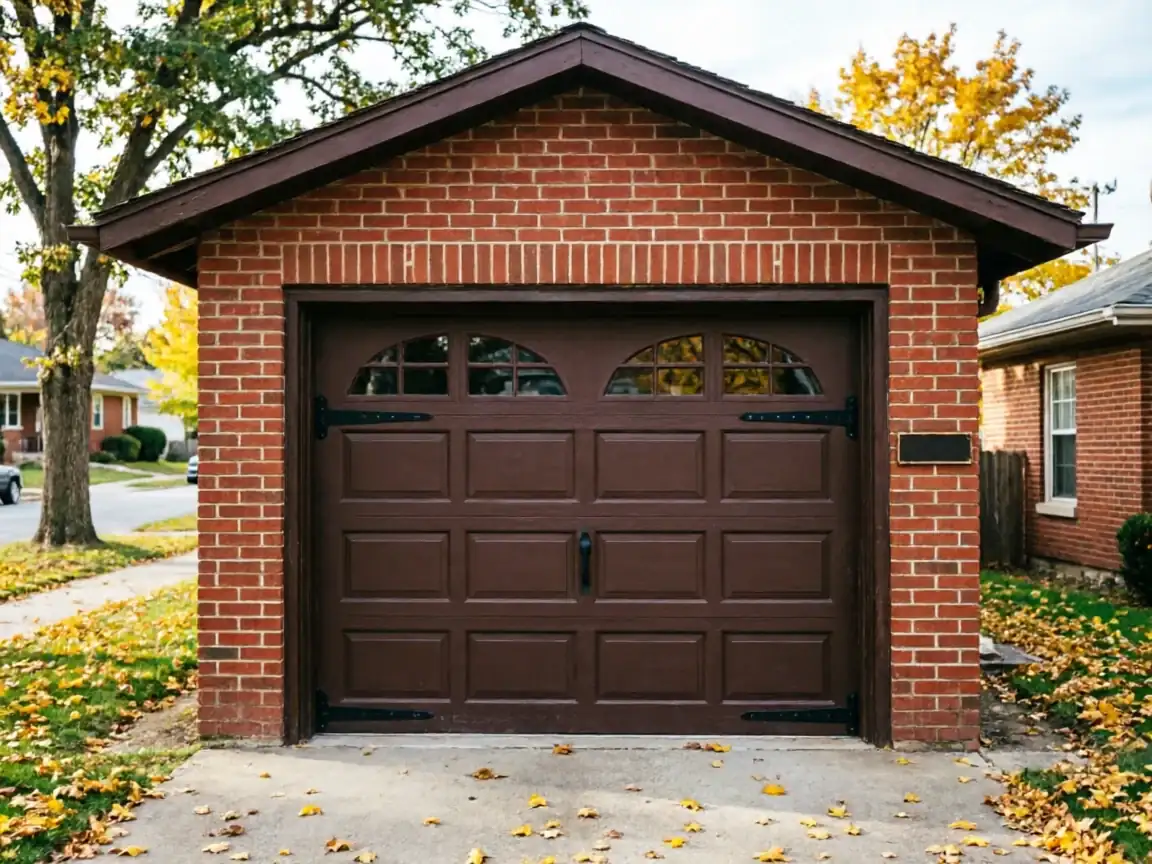
Trotwood's houses cluster around a median build year of 1963
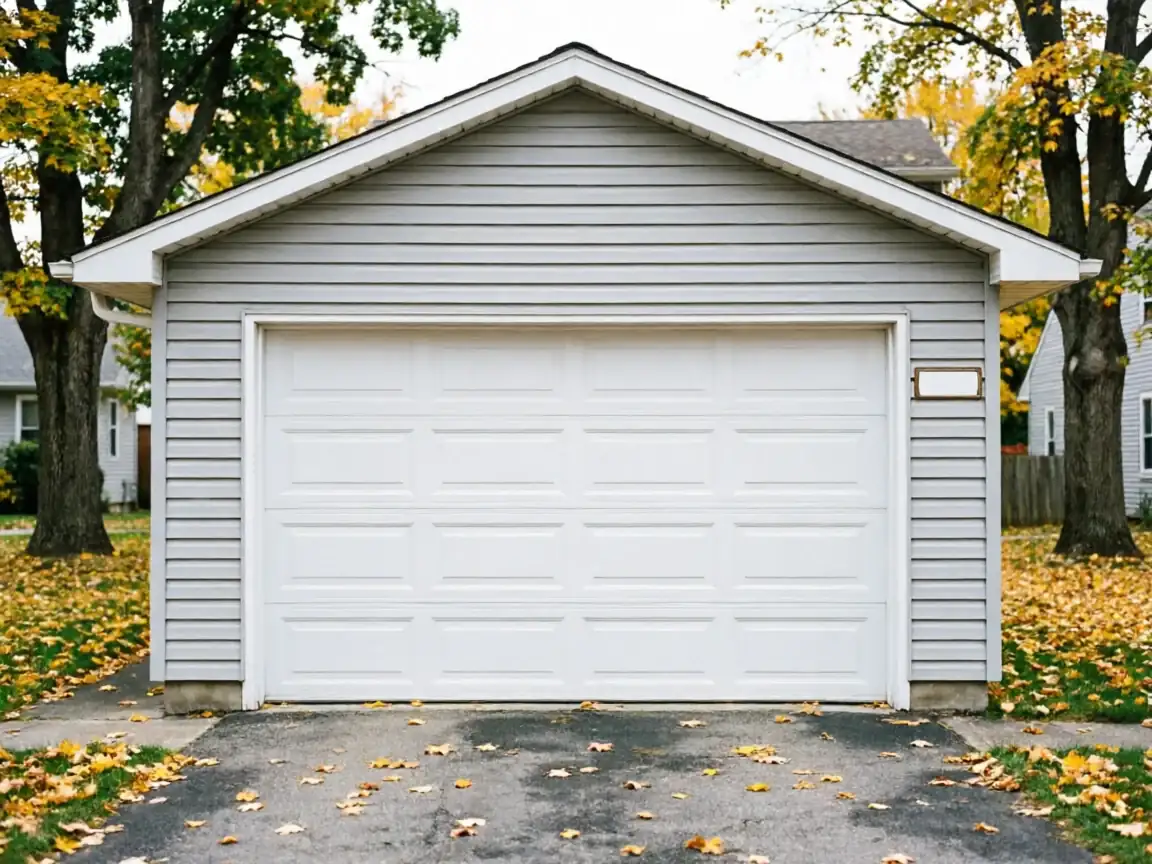
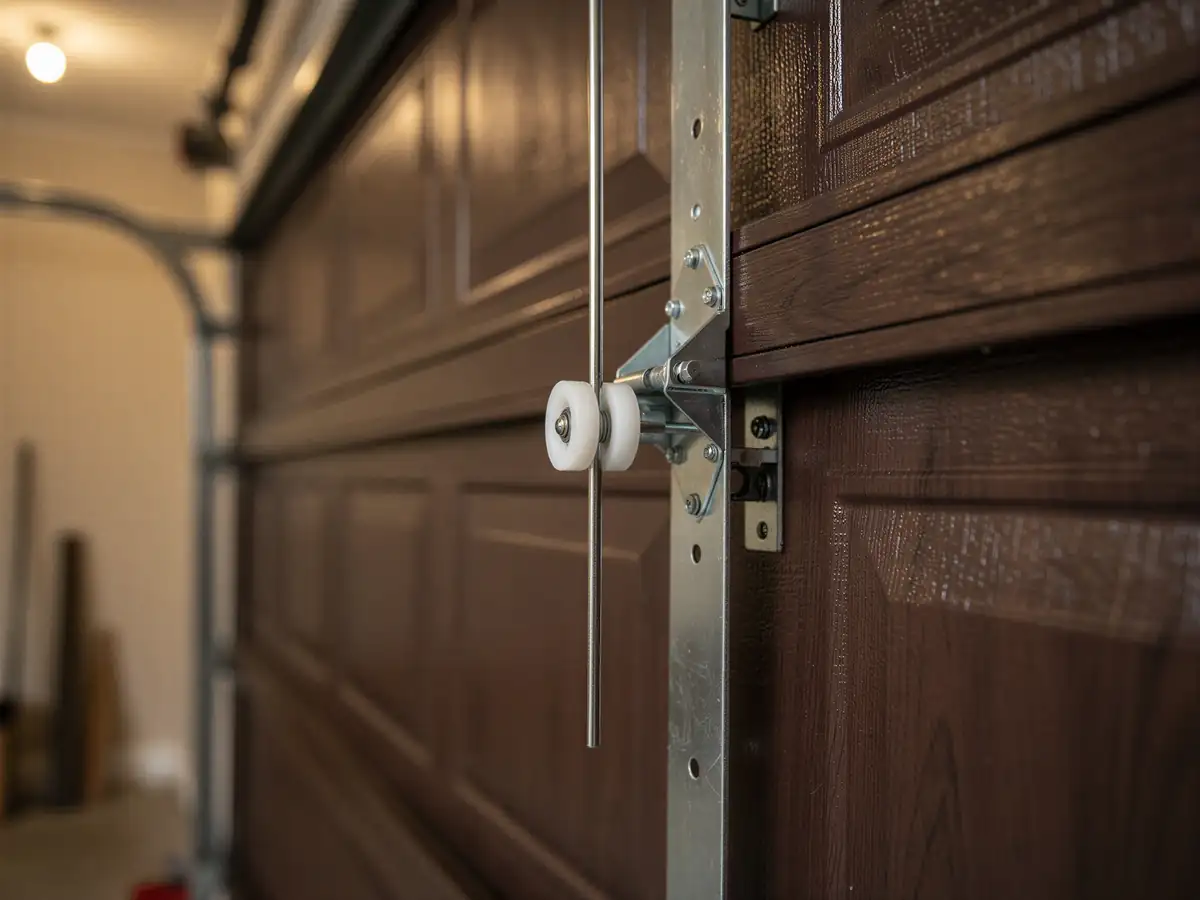
Which puts a good share of this area's garage doors ahead of the wider service area's 1971 median. That eight-year gap matters more than it sounds. Doors from the early 1960s were built for steel rollers riding in narrower tracks, often on hardware that predates the nylon roller upgrades that became standard later in the stock. Steel rollers don't have the stem flex or the sealed bearing that nylon rollers do, so they wear faster and they wear loud - a grinding or popping sound on the way up or down is usually the steel wheel, not the spring.
Add the climate
This region sits in a cold, severe-winter band, and cold makes old steel rollers brittle at the exact temperature where the door gets used the most - early morning, before the garage has warmed at all. A roller that's been chattering all fall can crack clean through on the first hard freeze. We see this pattern more in Trotwood's older sections than in newer construction nearby, simply because there's more 1960s hardware still in service here.
This isn't a defect of the town
It's a function of when the houses went up, and that's a fact we can point to, not a guess.
How We Fix It
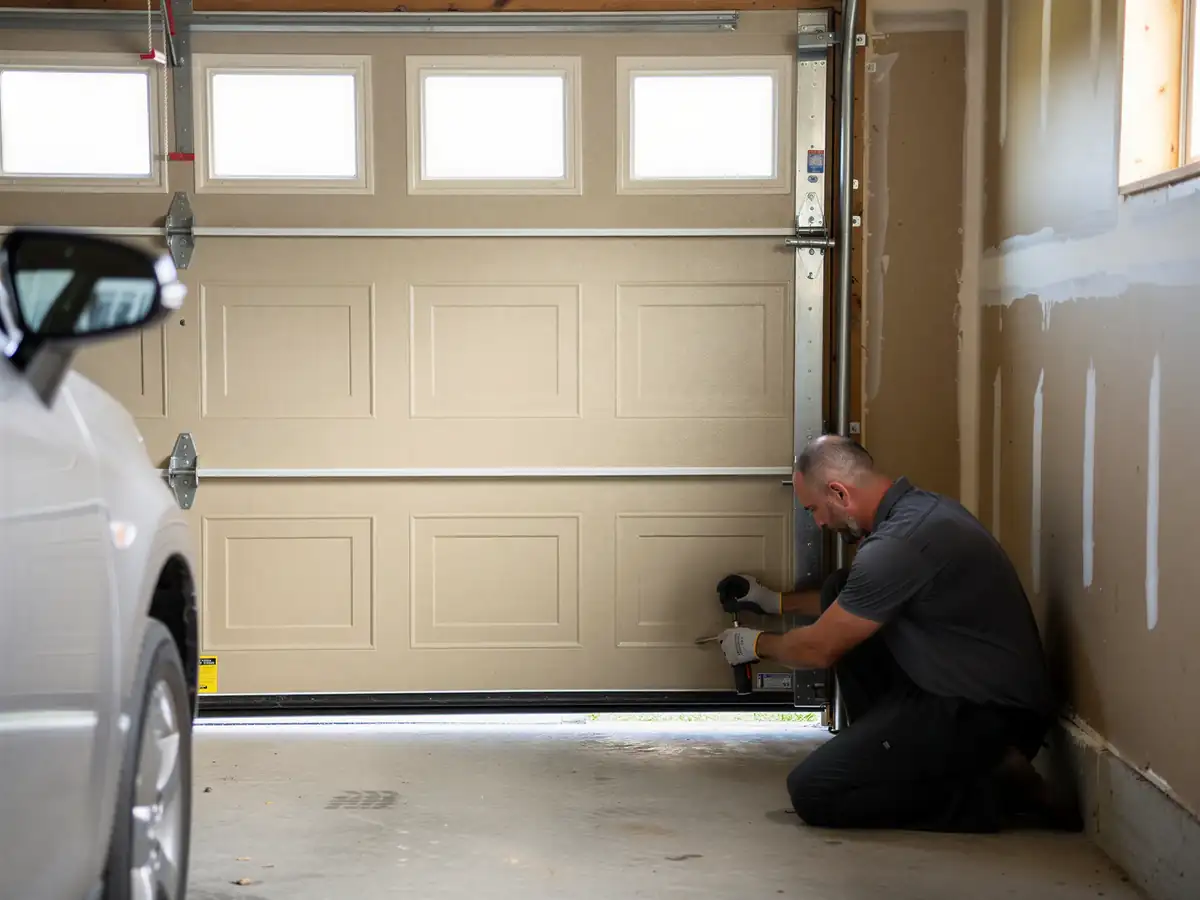
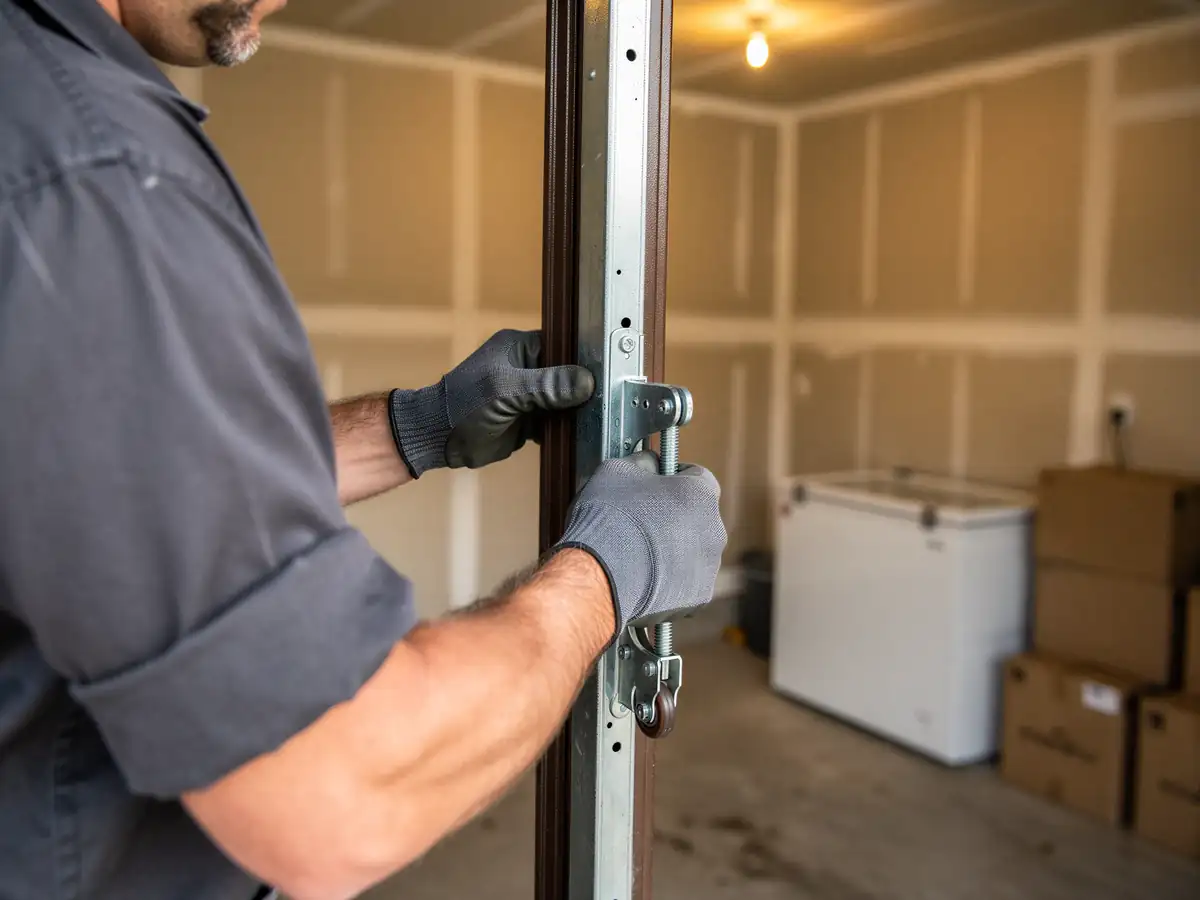
We pull the door, check every roller stem for wear and every bracket for elongation, and replace the full set rather than the one that's loudest. Mixing old steel rollers with new nylon ones on the same track just moves the noise and the wear to whichever roller is oldest, so we don't do half jobs on a full-set failure.
On 1960s-era doors we also check the track gauge before we order parts. Some of this stock runs a narrower track than what ships standard today, and a roller that's the wrong stem length or wheel diameter will bind instead of roll. We measure before we quote, not after we've already got the wrong box on the truck.
If the bottom bracket is bent or the track is pulled out of plumb - common once a roller has been grinding for a while - we true the track as part of the same visit rather than charging it as a separate trip later.
Time on the Job
A straight roller swap on a double door, no track damage, no spring involvement, typically runs under two hours once we're on site. Add bracket or track correction and it stretches longer - we tell you which situation you're in before we start, not after.
We travel from Beavercreek to reach Trotwood, about 14 miles each way. That travel time isn't billed as a separate line item, but it does mean we schedule Trotwood jobs in blocks rather than fitting in a single same-day emergency call. If a roller has already seized and the door won't move at all, say so when you call - that changes how we route the day.
What Is on the Truck
We carry both steel and nylon rollers in the stem lengths and wheel sizes common to 1960s and 1970s track systems
Since that's the bulk of what this area still runs. Sealed-bearing nylon rollers are what we recommend for the cold-climate wear this region gets - they hold up better through freeze-thaw cycles than open steel bearings do.
We also stock standard track sections and bottom brackets
Since a worn-out roller often takes the track with it by the time someone notices the noise. What we don't carry on every truck is a full custom track for a non-standard door width - if your door was a custom order decades back, that part may need to be ordered, and we'll tell you that up front rather than promise a same-visit fix we can't deliver.
The Complications
The biggest complication on older stock isn't the roller itself - it's what's attached to it. A bent track from years of a grinding roller can throw the whole door out of square, and straightening it sometimes reveals a cracked weld or a stripped bracket bolt that needs its own fix. We won't quote a roller-only price and then surprise you with a track bill; we look at the whole run before we commit to a number.
Income in this area runs lower than the wider service area's median - $49,082 here against a service-area figure of $70,000 - and we know that affects what repairs people can take on at once. Where it makes sense, we'll tell you honestly if a partial roller swap gets you another year or two versus paying for the full set now. That's a real tradeoff, not a sales pitch, and sometimes the honest answer is to wait.
What You Pay
We don't have a published price list for this page, and we're not going to guess a number just to fill the space. What we can tell you is that the job scope - steel versus nylon, full set versus partial, track correction or not - is what drives the cost, and we walk through that scope with you before any work starts so the number isn't a surprise.