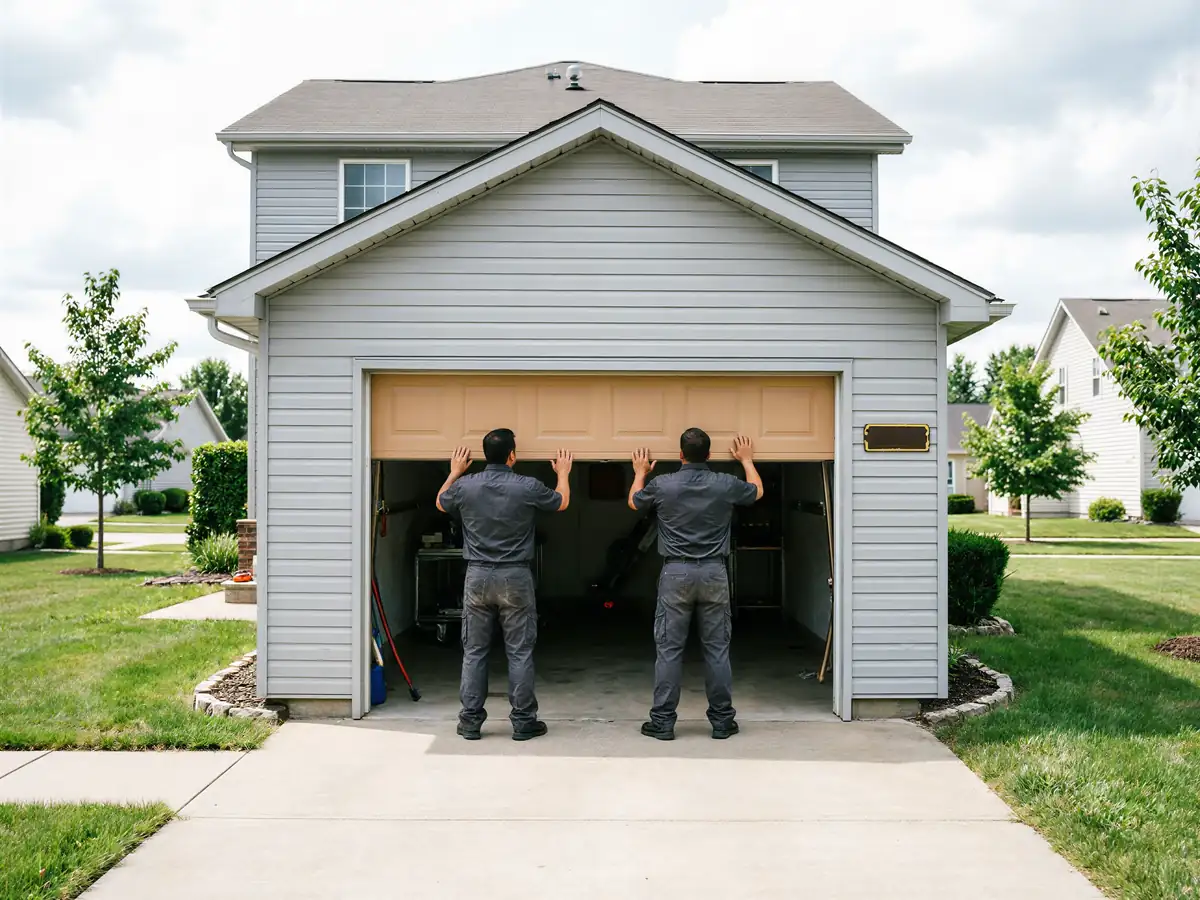
How We Fix It
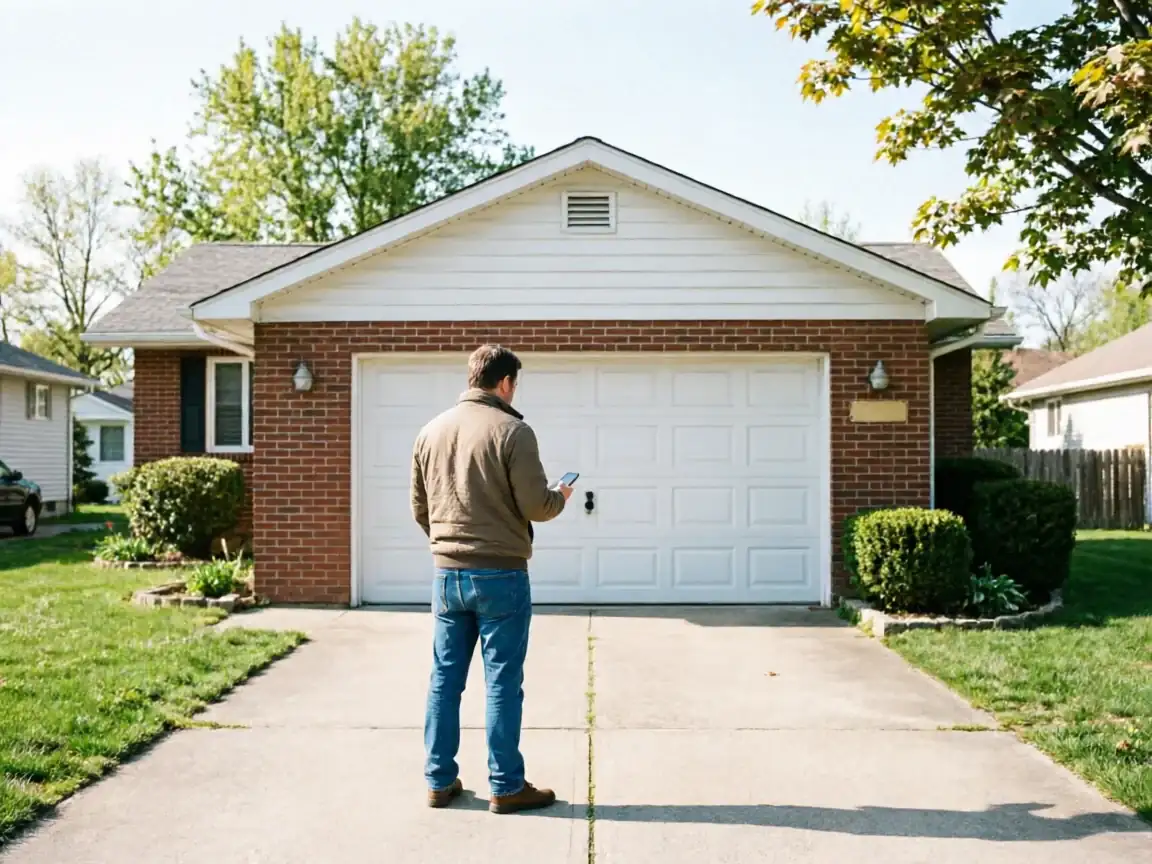
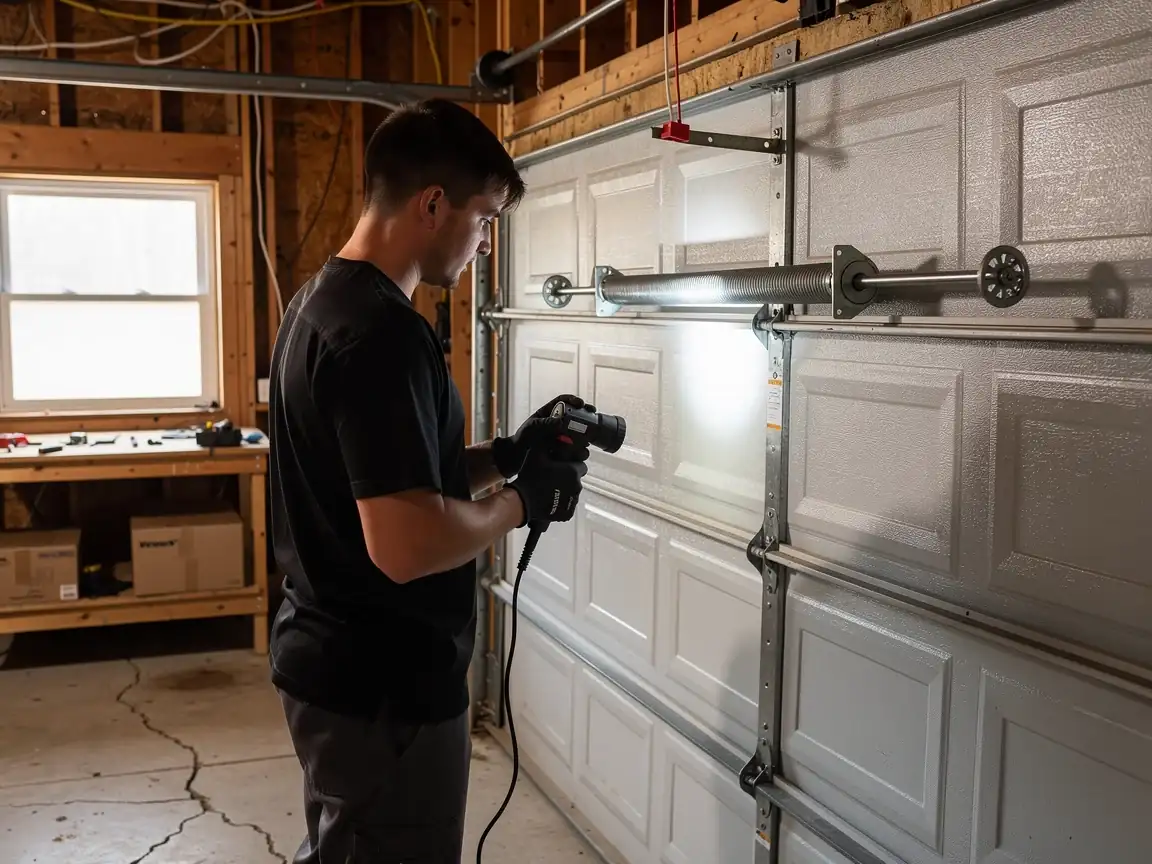
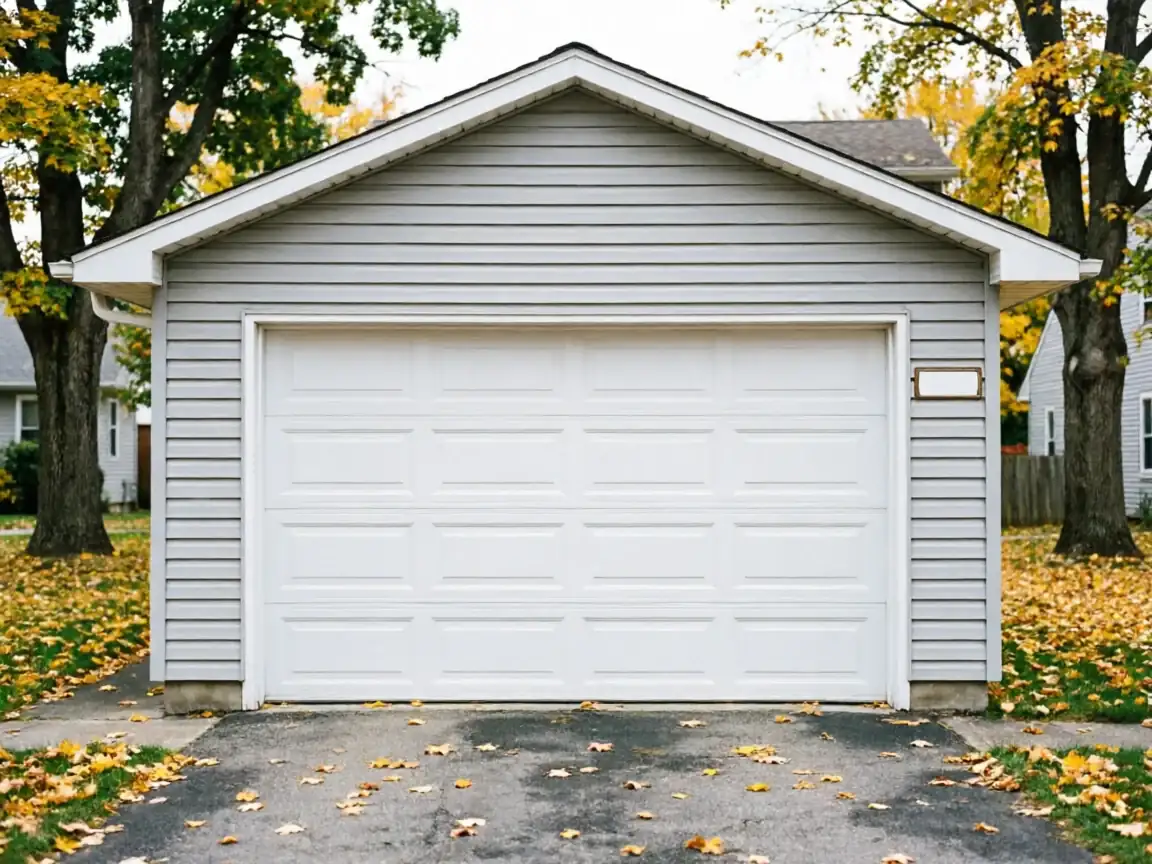
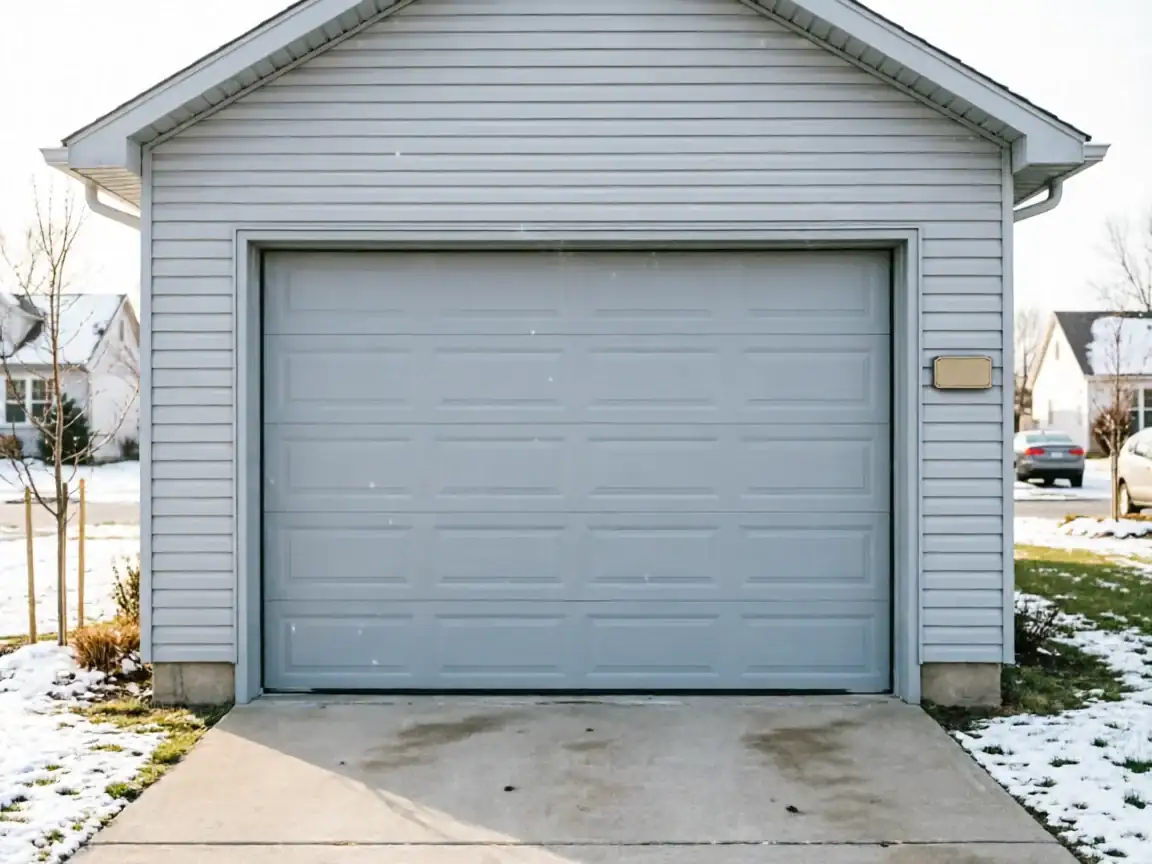
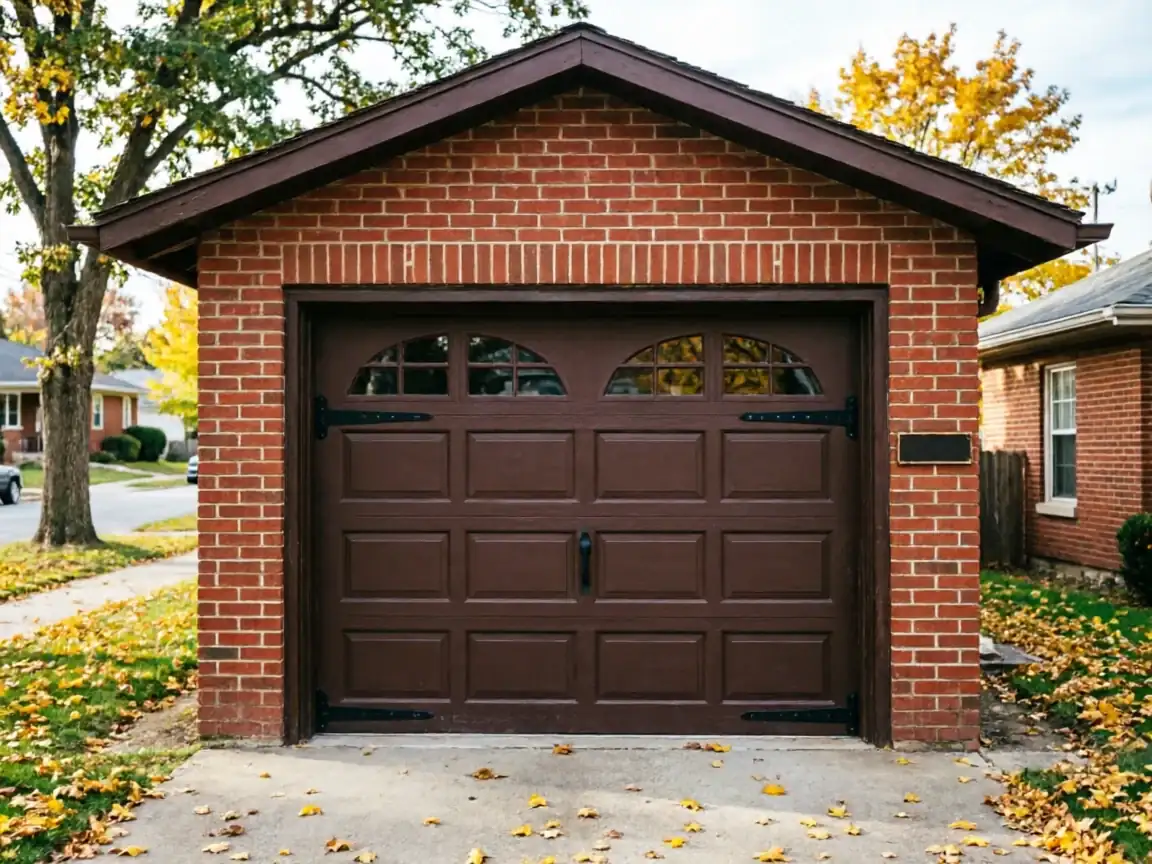
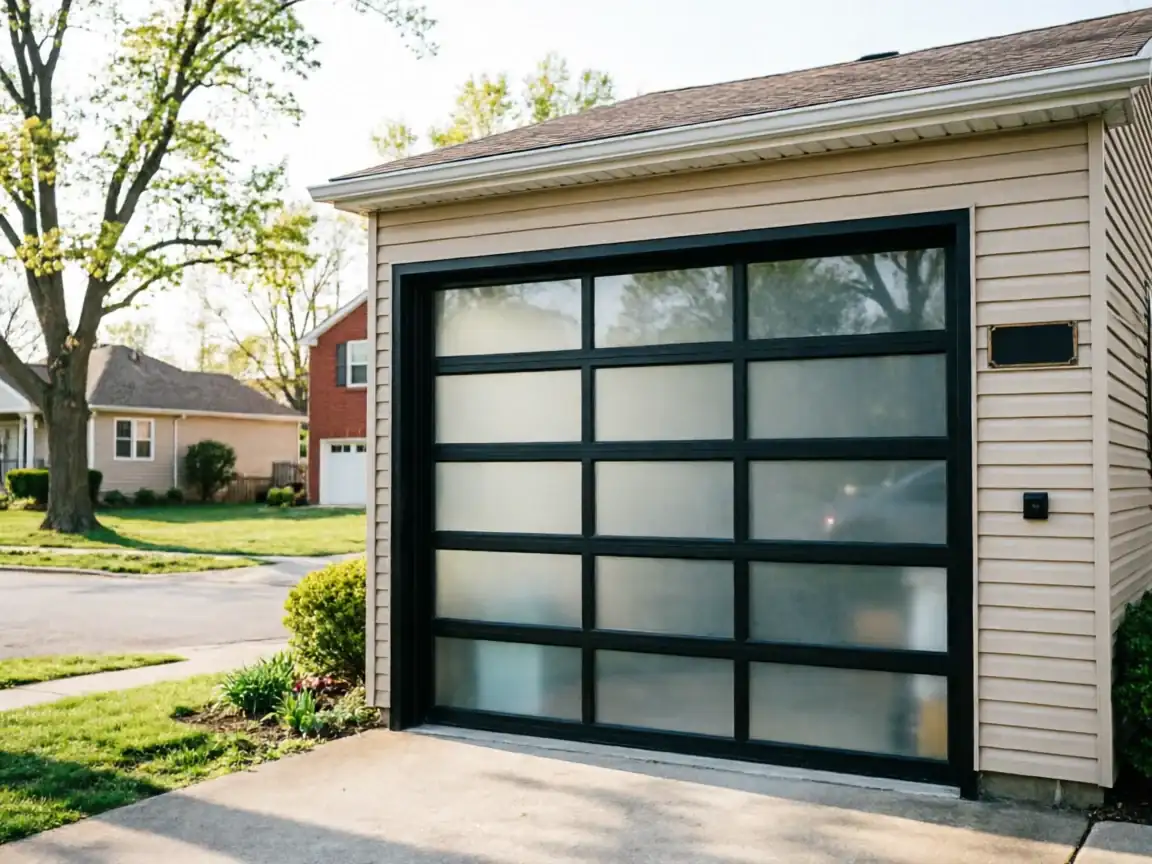
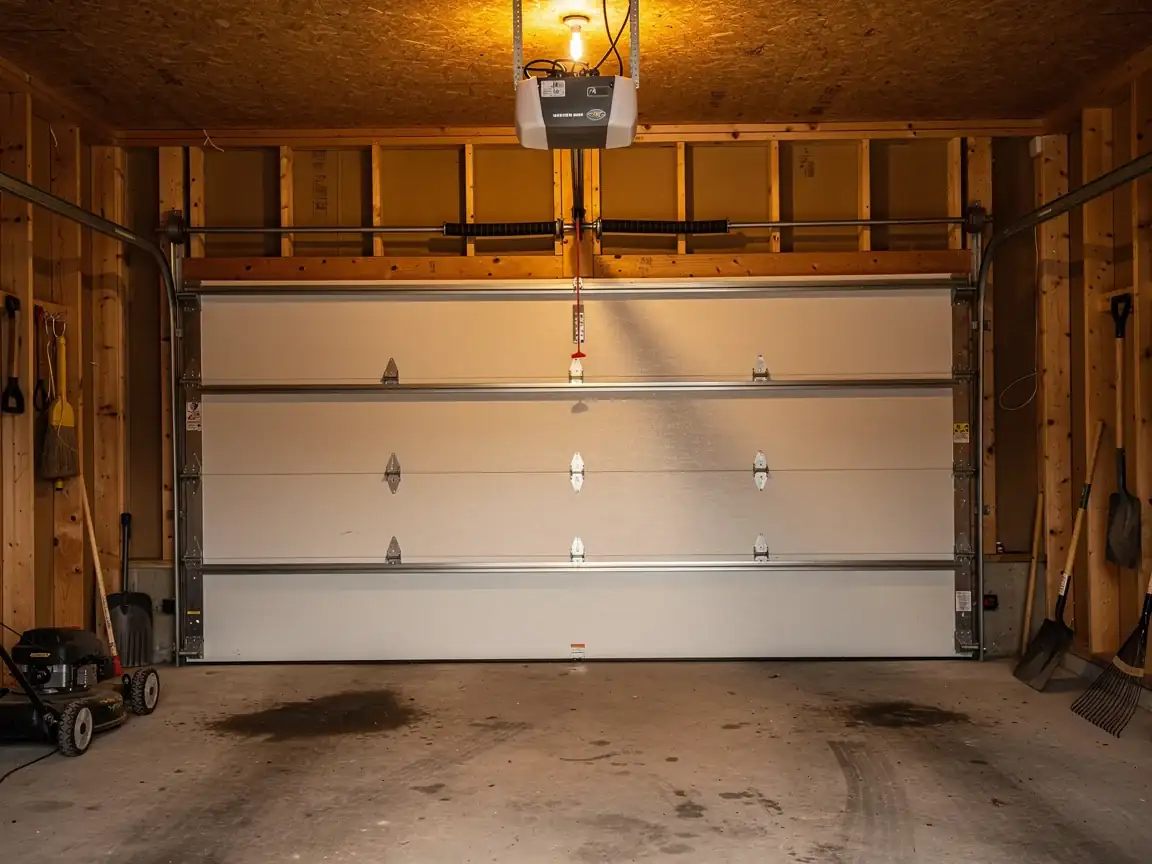
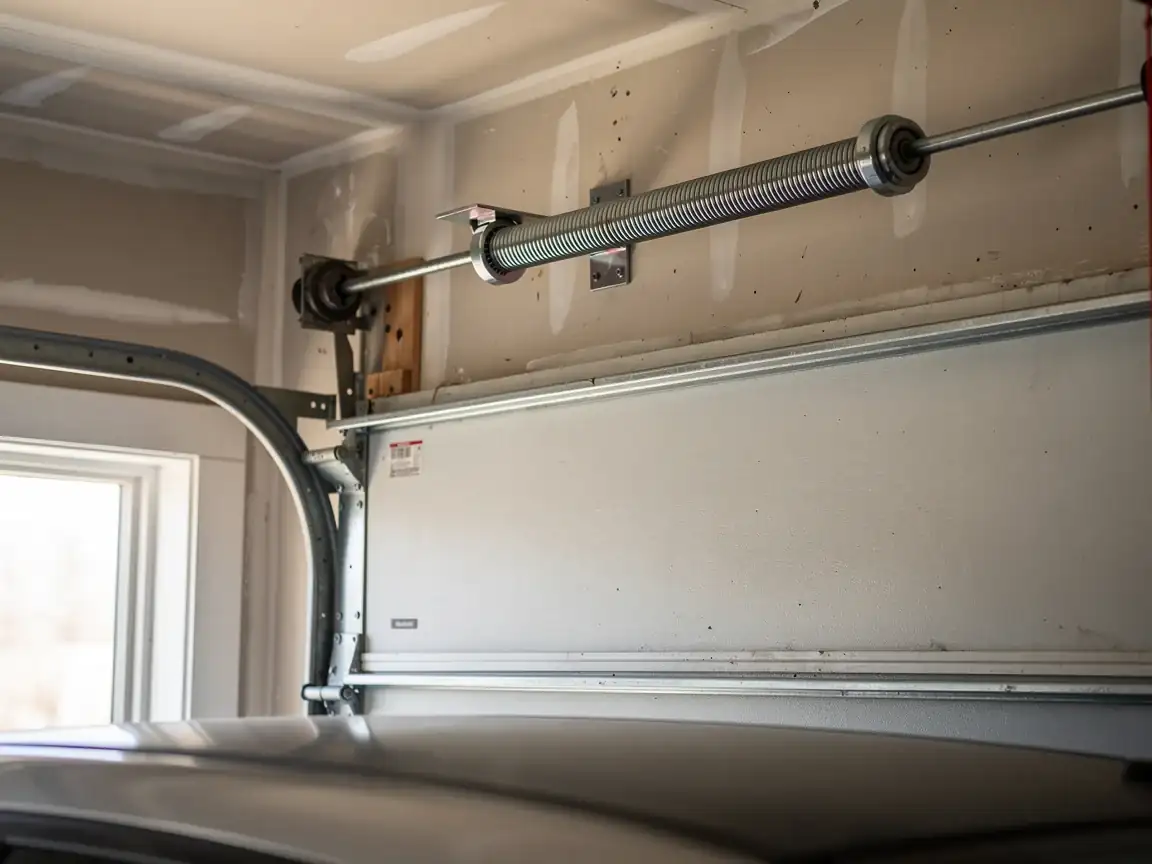
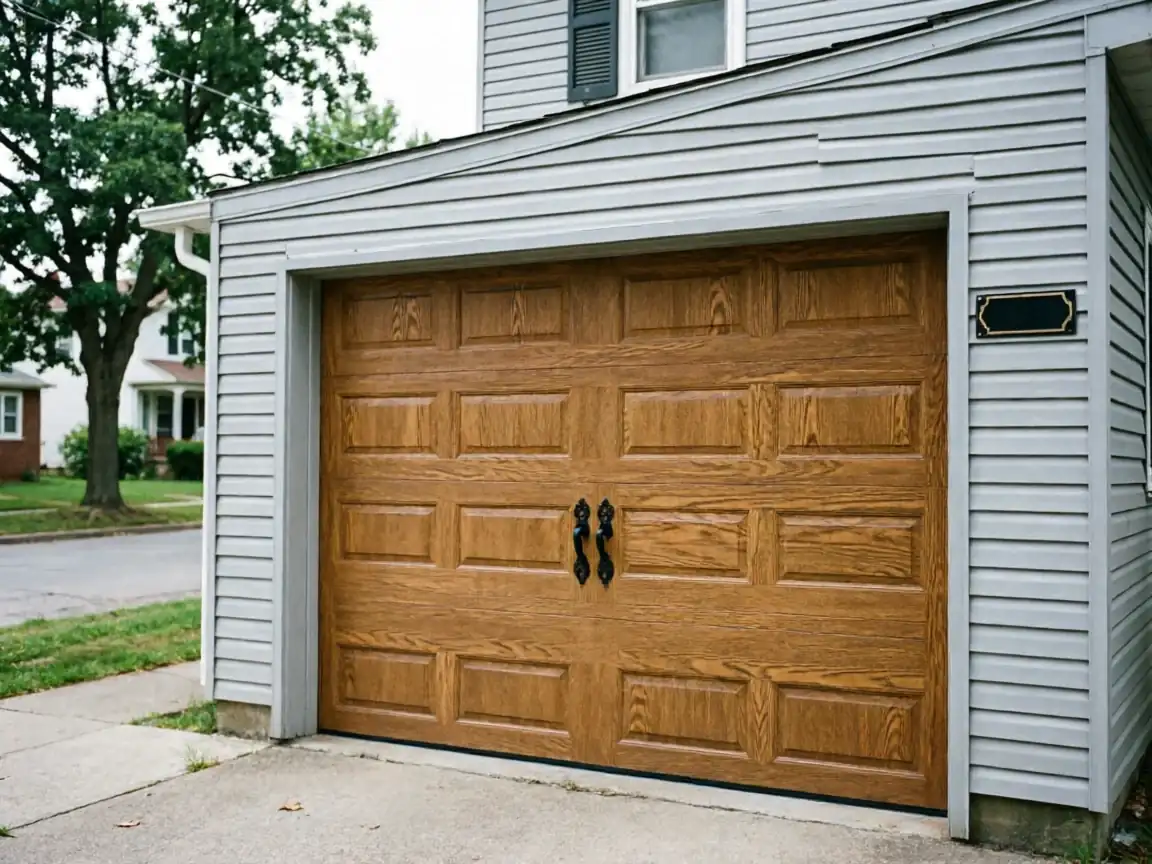
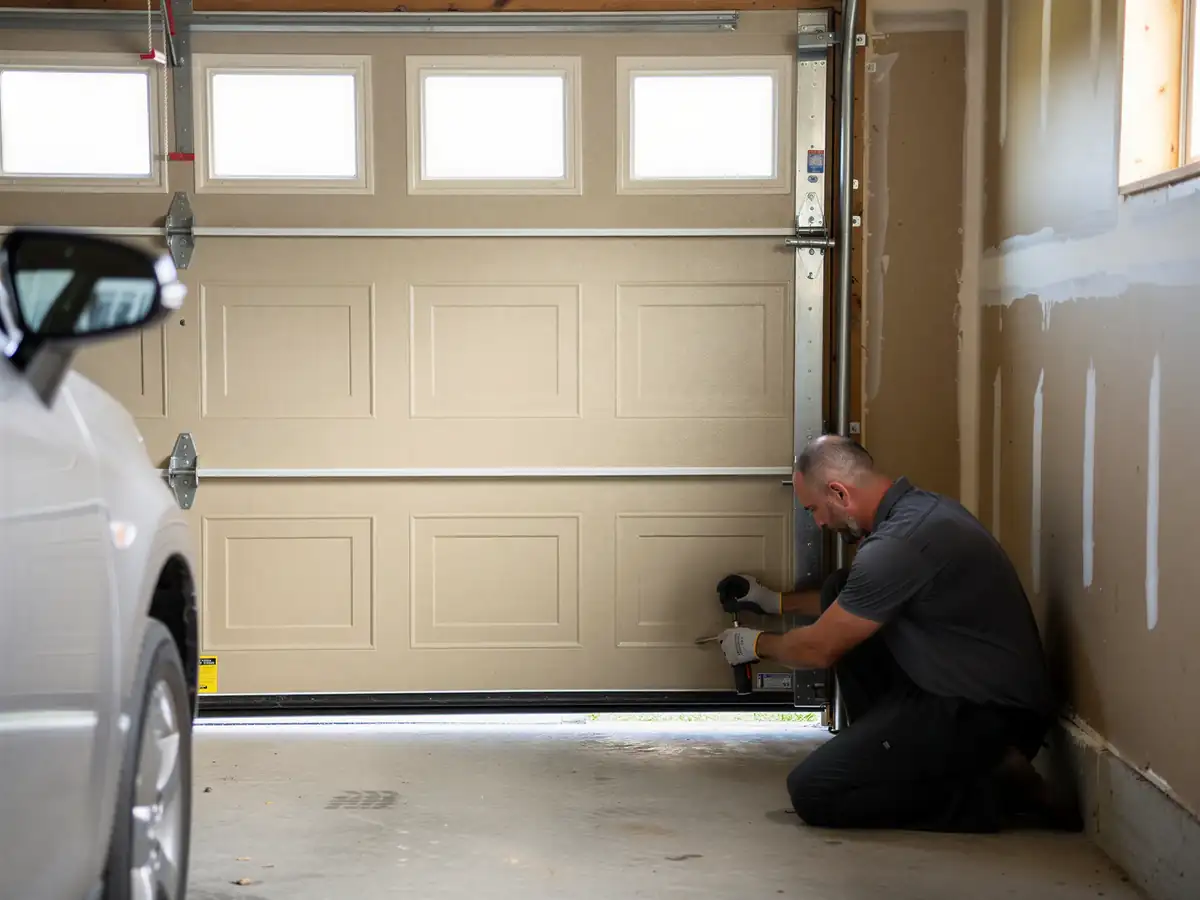
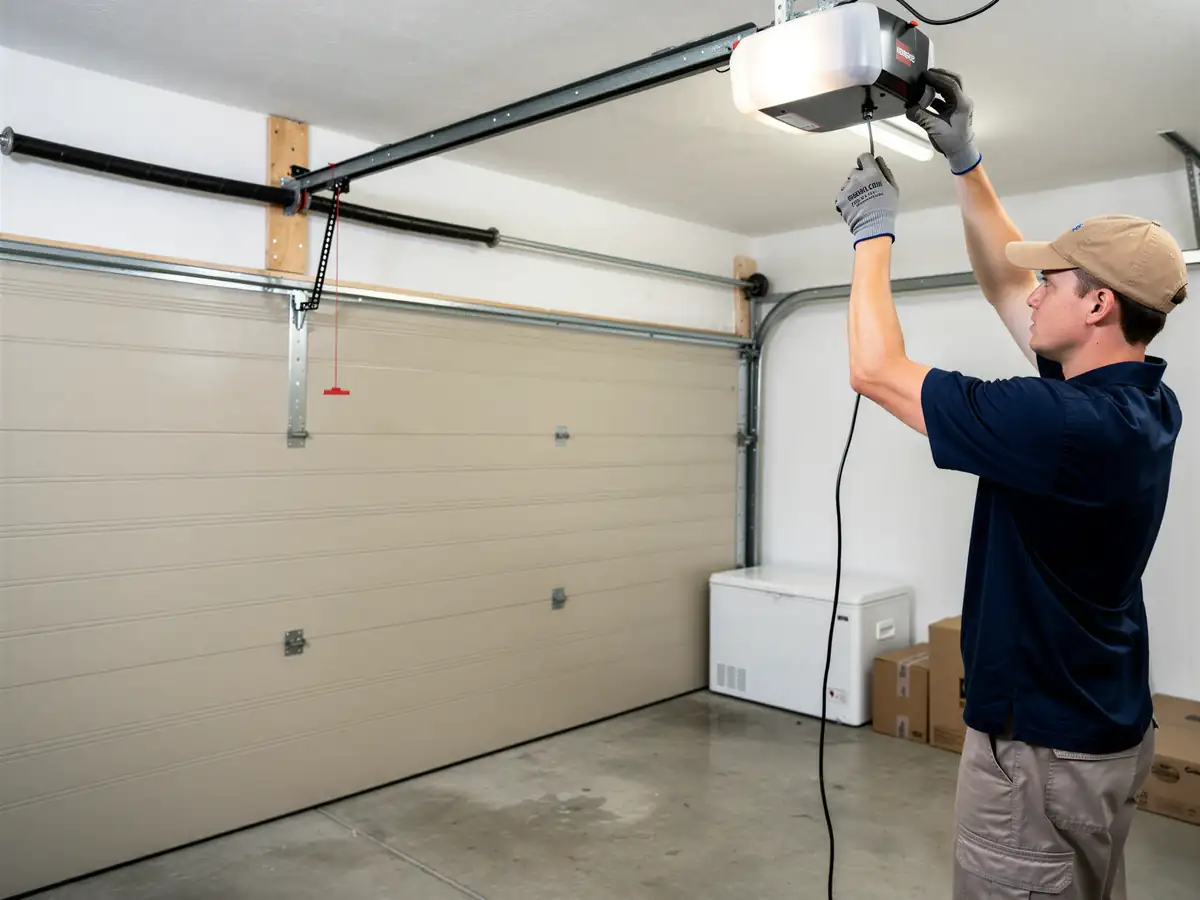
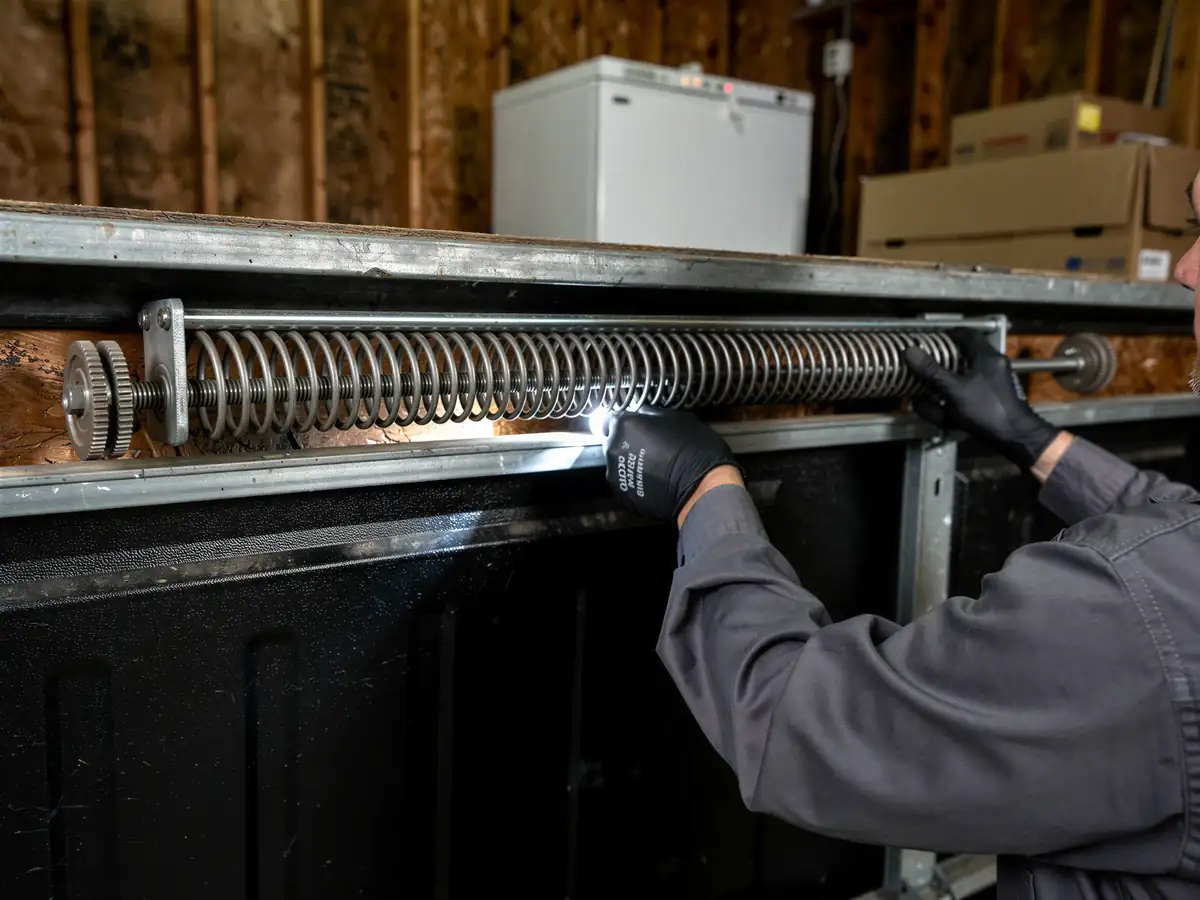
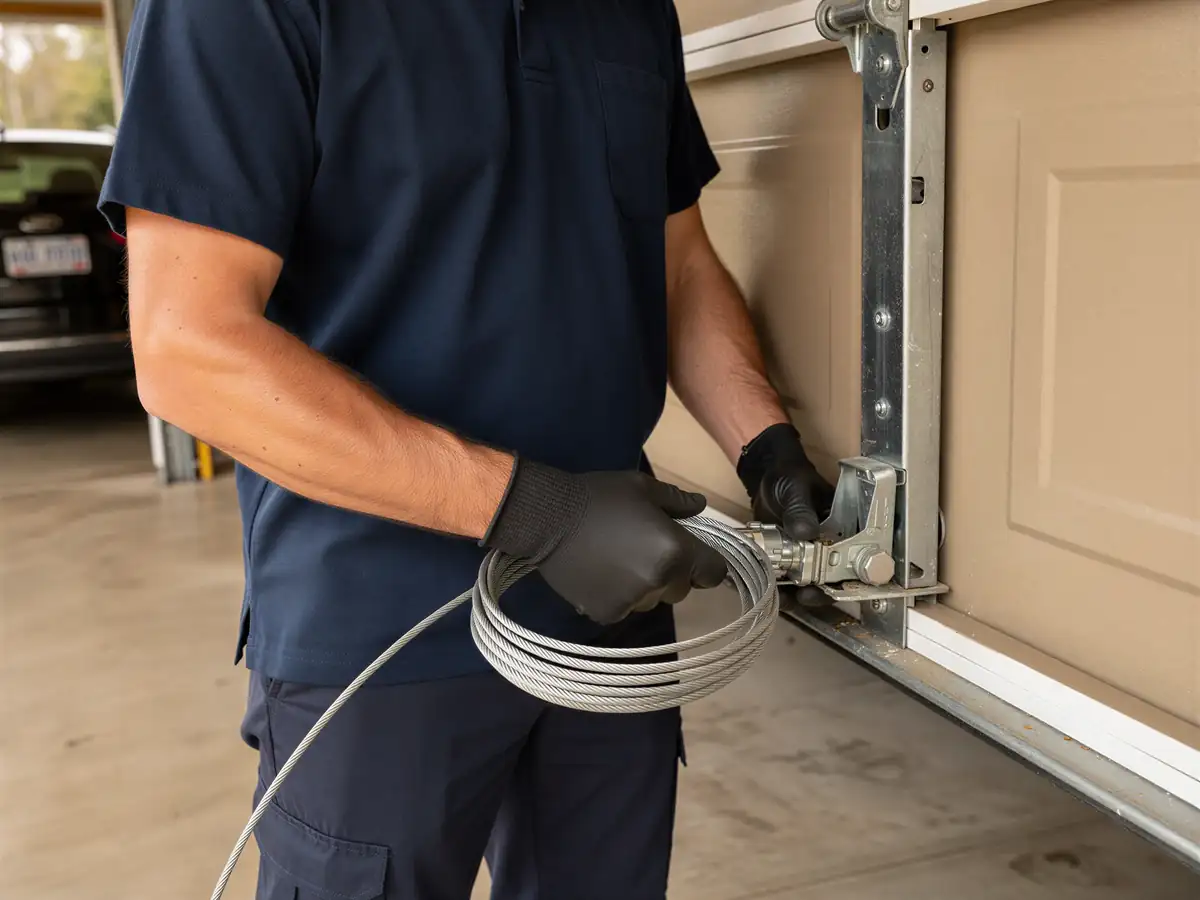
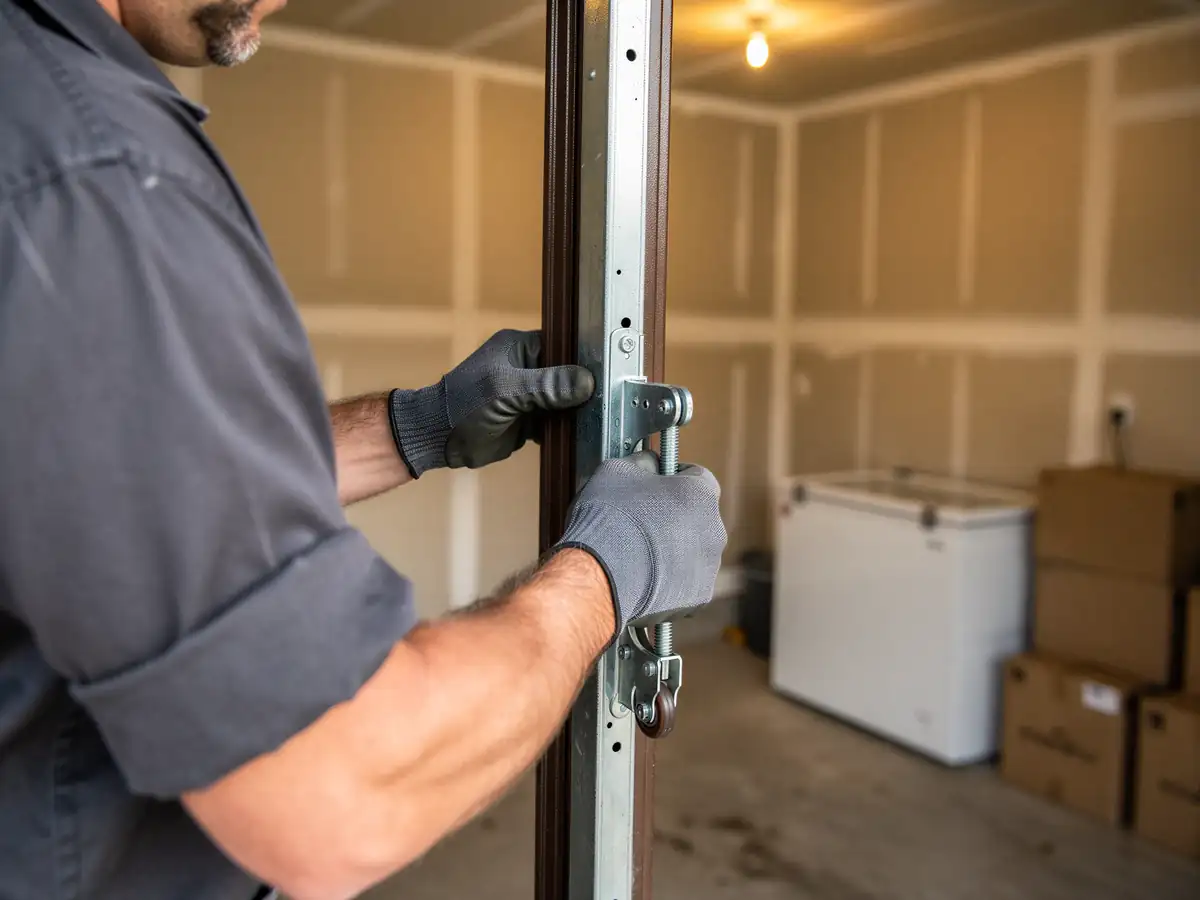
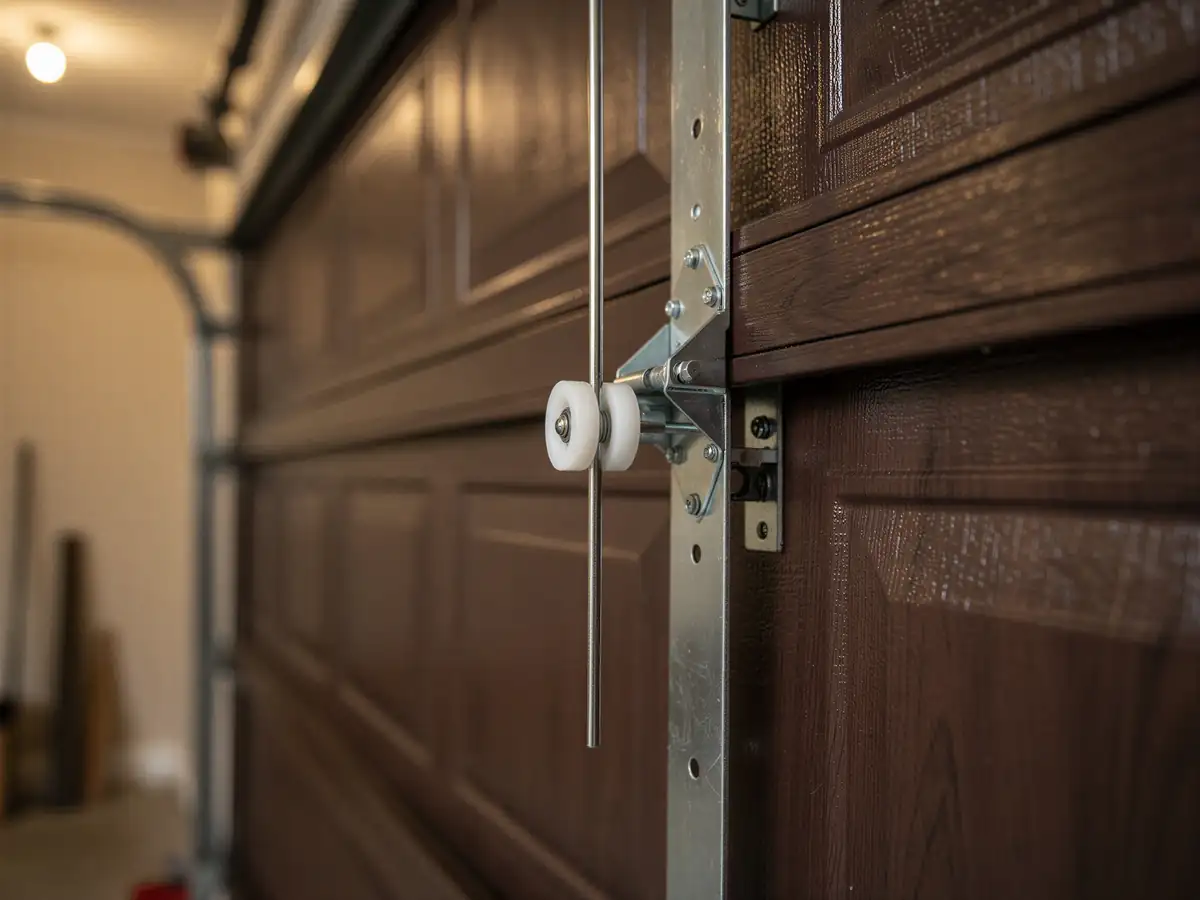
We start by measuring the existing rough opening against the track and header clearance, since 1960s framing in this area often sits a half-inch or more off modern spec. If the opening's out of square - common after sixty years of settling - we shim and resquare the jamb before the new door ever goes up, rather than forcing a door into a frame that will torque it within a year. For the spring system, we size torsion springs to the actual door weight, not a generic chart number, because original 1960s doors were often heavier wood-composite panels and the replacement insulated steel door weighs differently even at the same size. We set the opener bracket to current clearance standards so it doesn't fight the header. Given the cold band this area sits in, we also pay attention to bottom seal choice and track lubrication rated for sustained low temperatures, not just a general-purpose grease that gums up or cracks in a hard freeze. None of this is exotic work - it's paying attention to what a sixty-year-old opening actually needs instead of assuming it matches a new-construction spec sheet.
Time on the Job
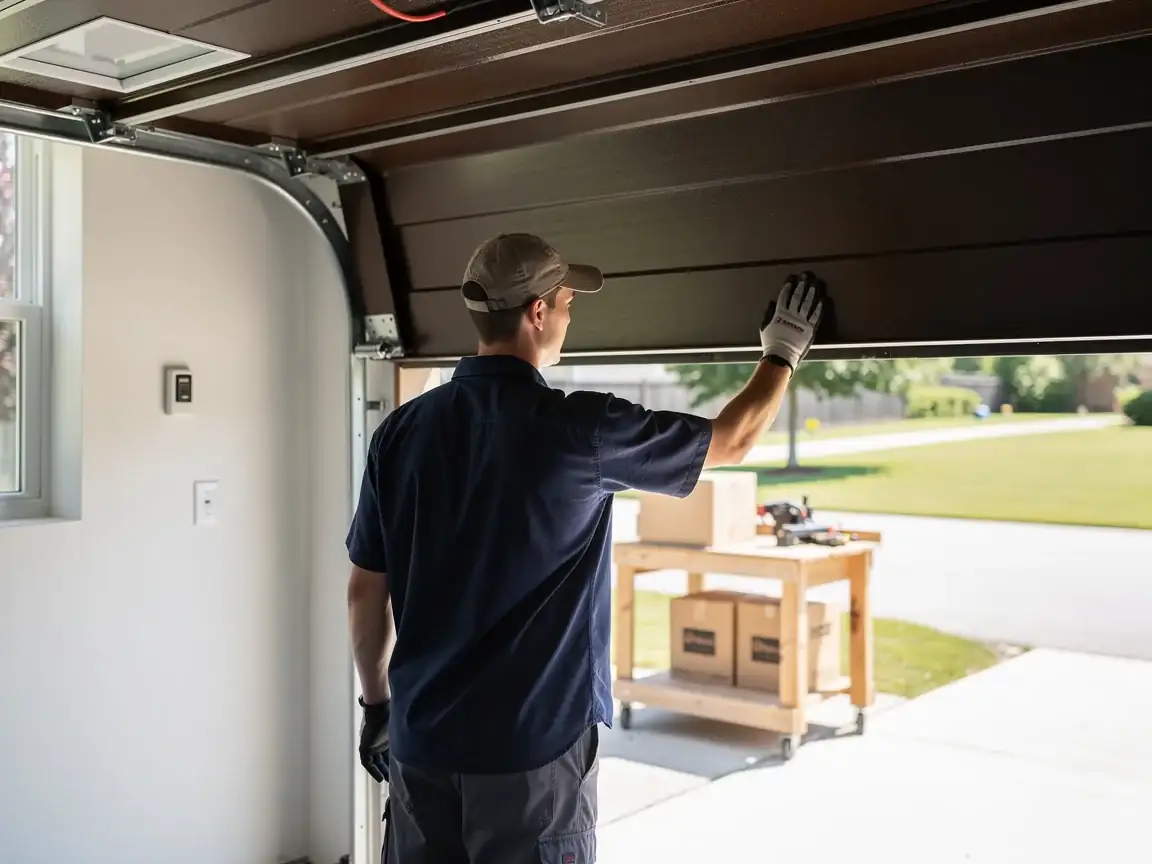
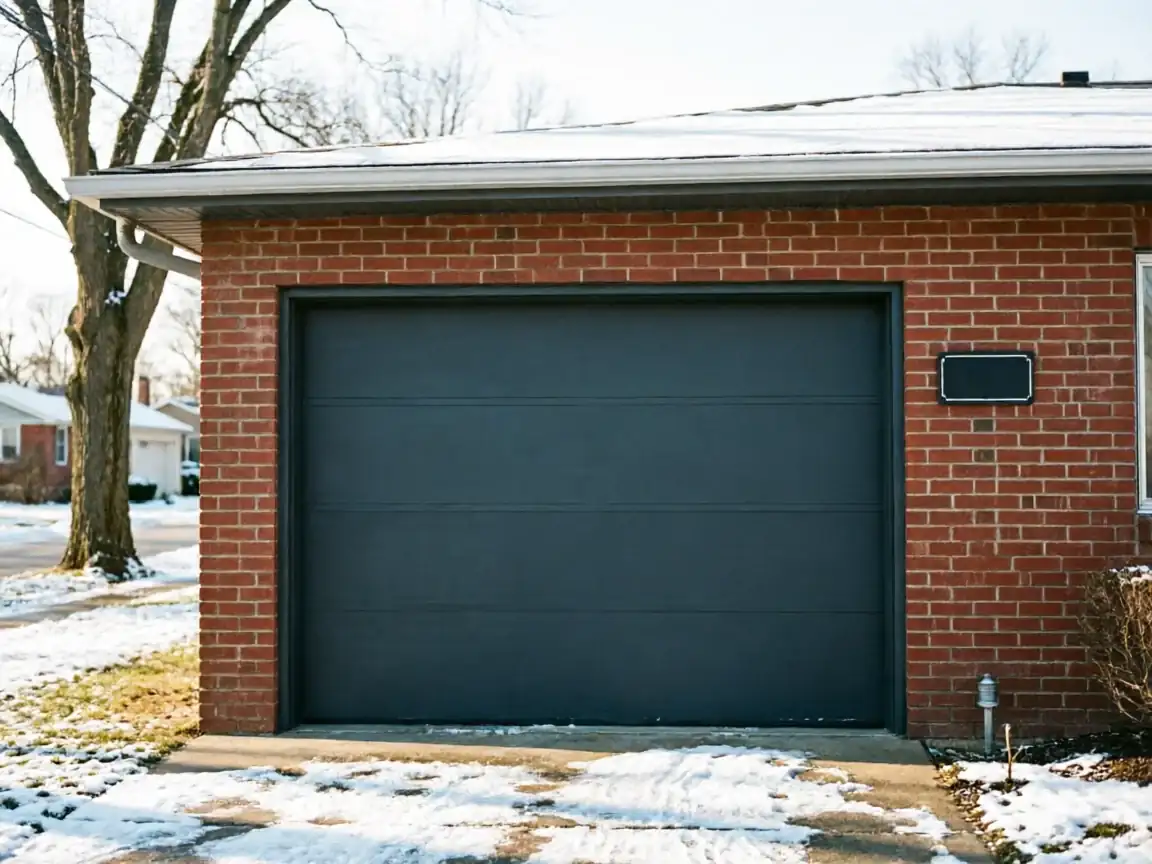
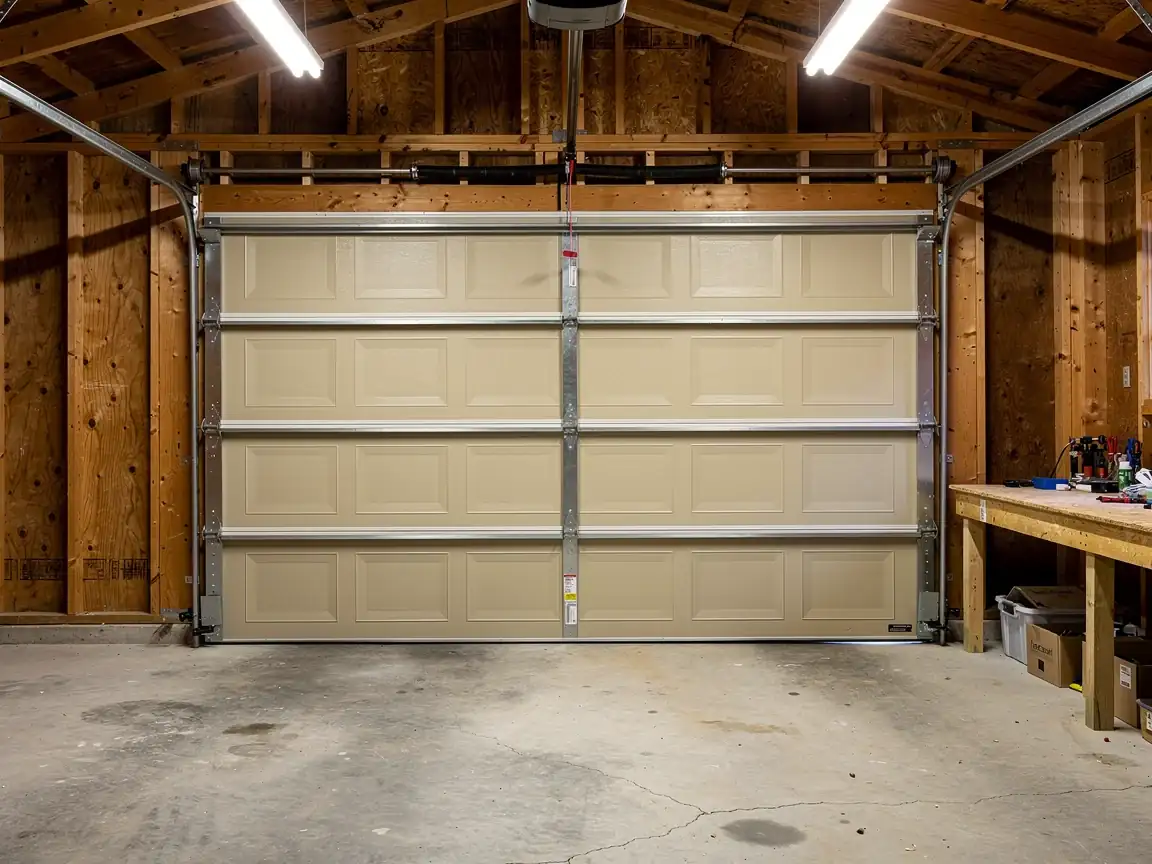
A straight swap on a standard single or double opening, where the frame is square and the header height is already correct, runs a predictable day. Where the opening needs resquaring - which we see often enough in this housing stock given the 1963 median build year - plan on extra time for jamb work before the door itself goes in. We don't rush that step. A door set into an out-of-square frame looks fine on install day and then binds on one corner six months later, which is a callback nobody wants. If we find rot or settling in the framing once we open things up, that adds time too, and we'll tell you before we proceed rather than after.
The Complications
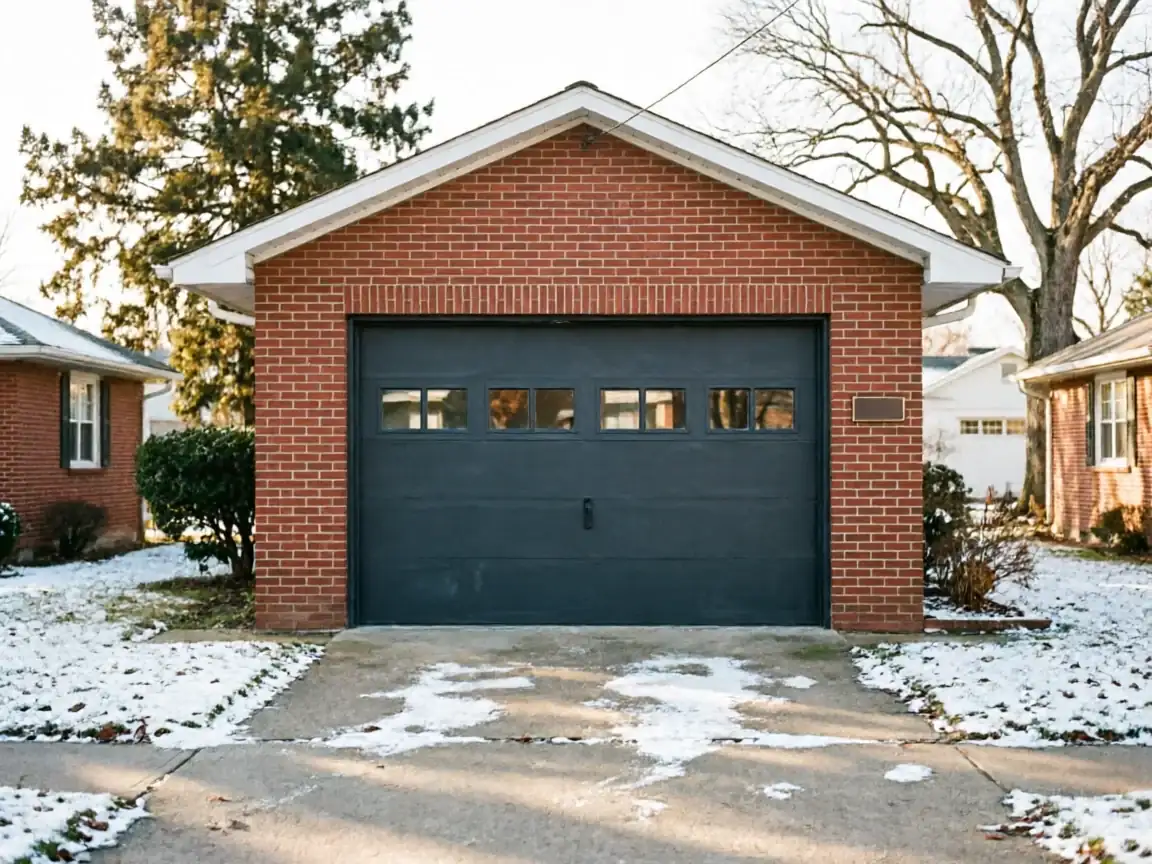
The most common complication in this housing stock is the rough opening itself. A frame built around 1963 has had sixty years to settle, and settling is rarely even on both sides. We've opened up openings that measure square at the floor and are an inch out at the header - invisible until you're trying to set a new door plumb. The second complication is anchor point condition: original spring brackets from this era are sometimes mounted into framing that's since been notched or weakened by other work done in the house over the decades, and that needs reinforcing before we hang new springs on it. Given the median income across this service area and the age of this housing stock, we also see a fair number of owners trying to decide between repair and full replacement on a door that's borderline. If the frame and track are sound and only the panel has failed, replacement of the door alone is often the right call instead of the whole system.
What You Pay
We don't have a fixed number to quote here since it depends on door size, the condition of the existing opening, and whether framing repair is needed before the door goes in - all of which varies house to house in a stock this old. What we can tell you is that jobs needing jamb or header correction cost more than a straight swap, and we'll give you that number as a separate line before we start, not folded into one total. We travel to Trotwood from our Beavercreek location, about 14 miles out, and that distance is already factored into any quote we give you up front - no surprise trip charge added later.