What Is on the Truck
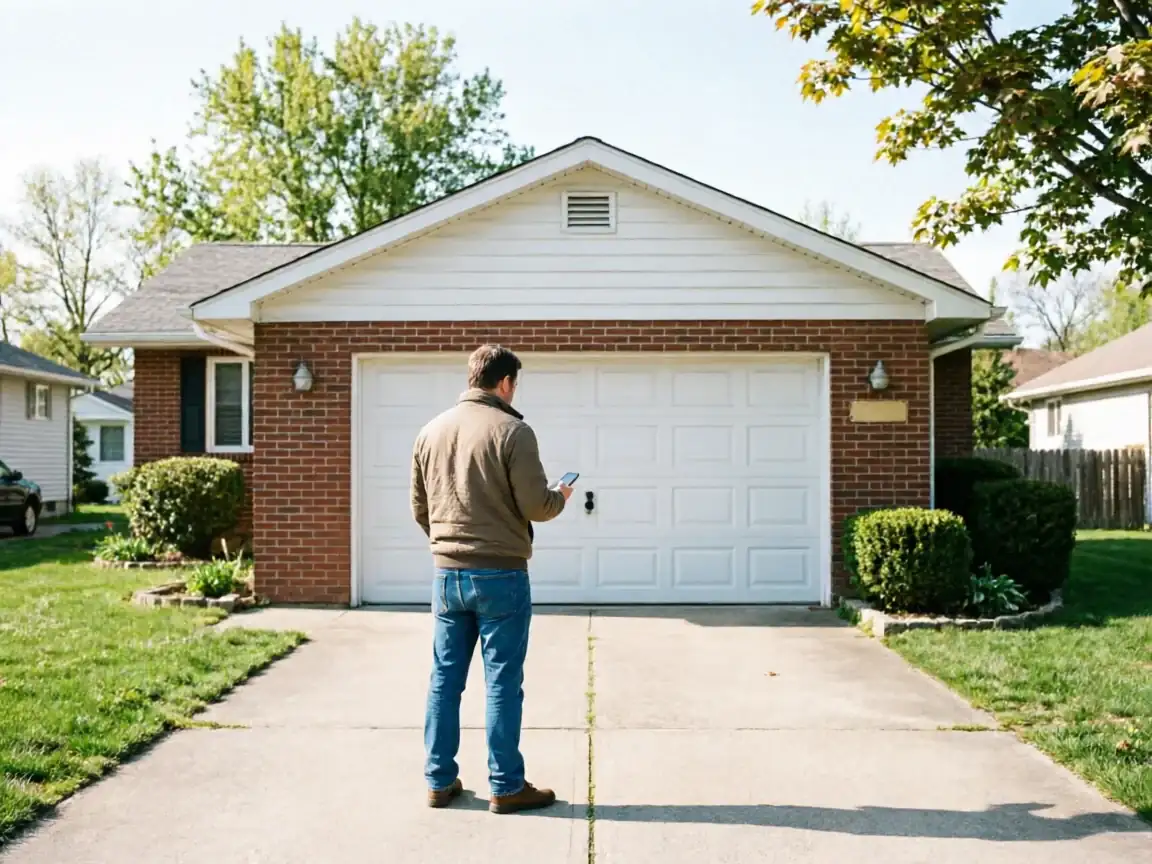
Springboro's median home was built around 1995
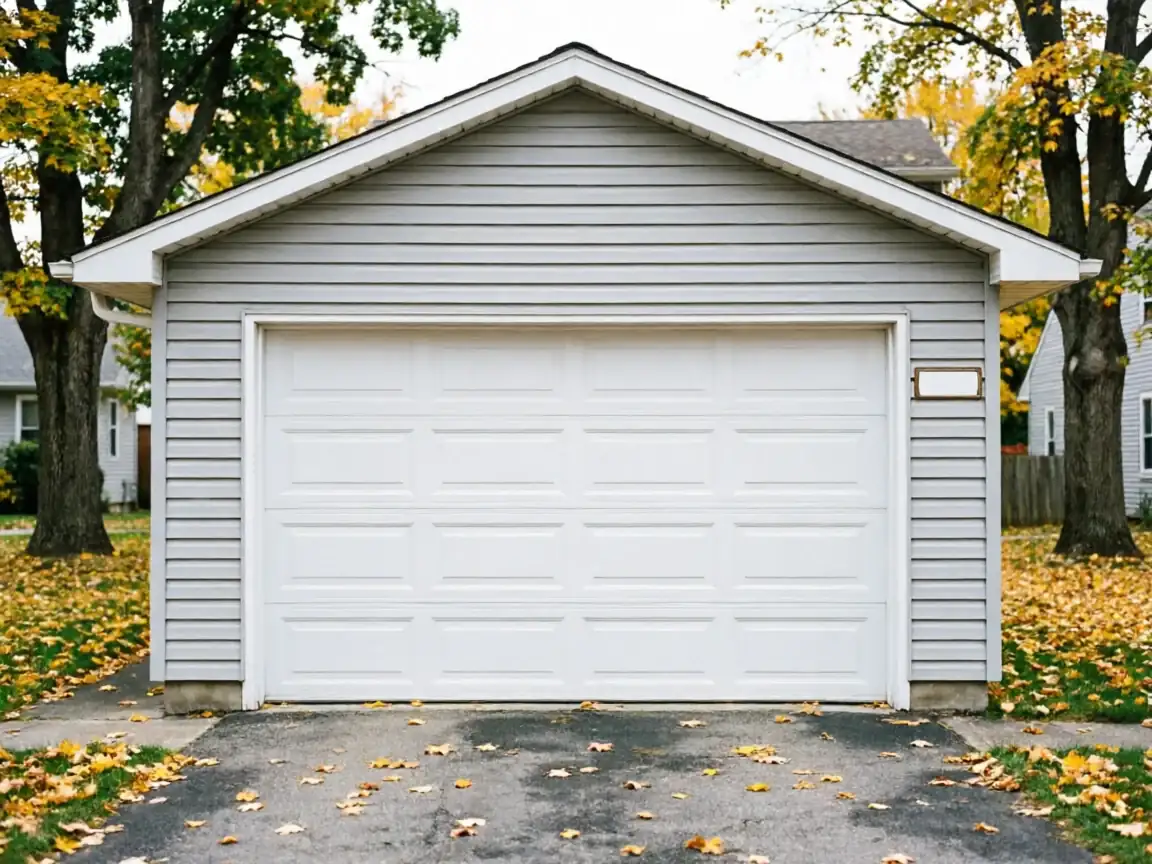
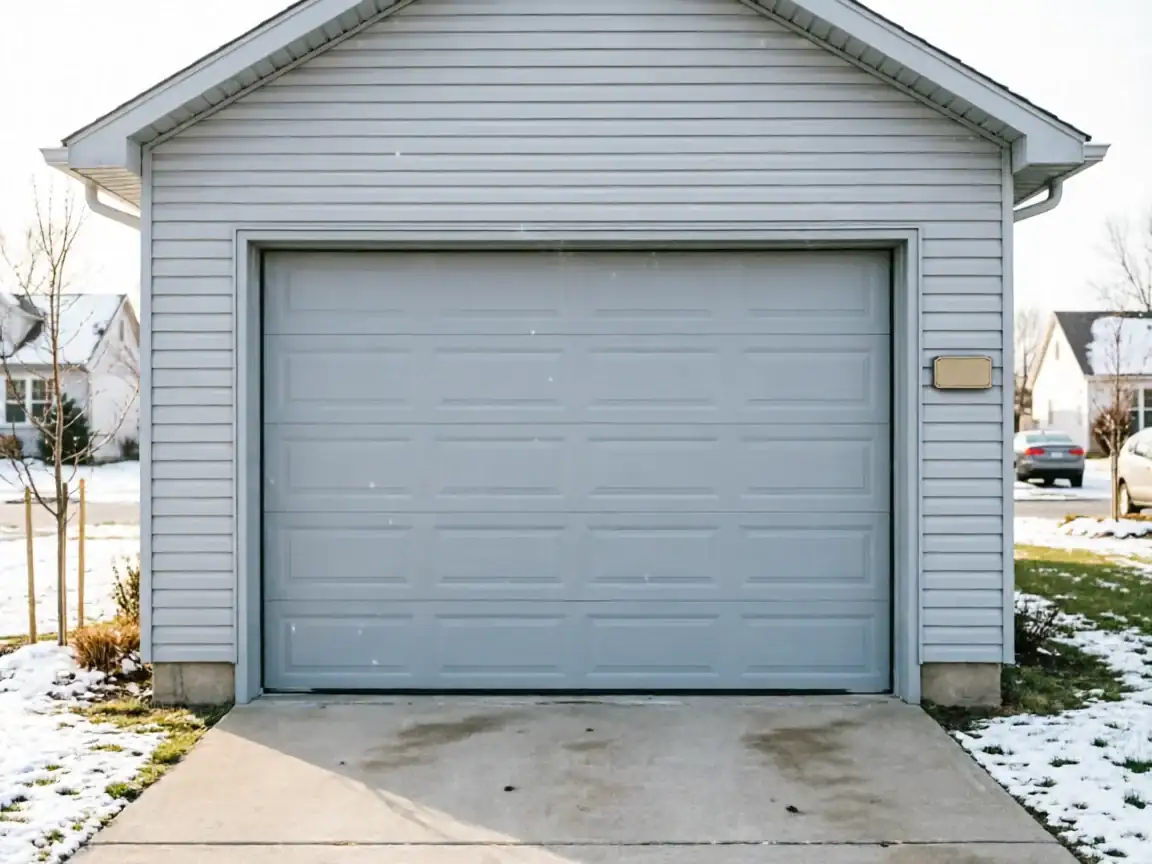
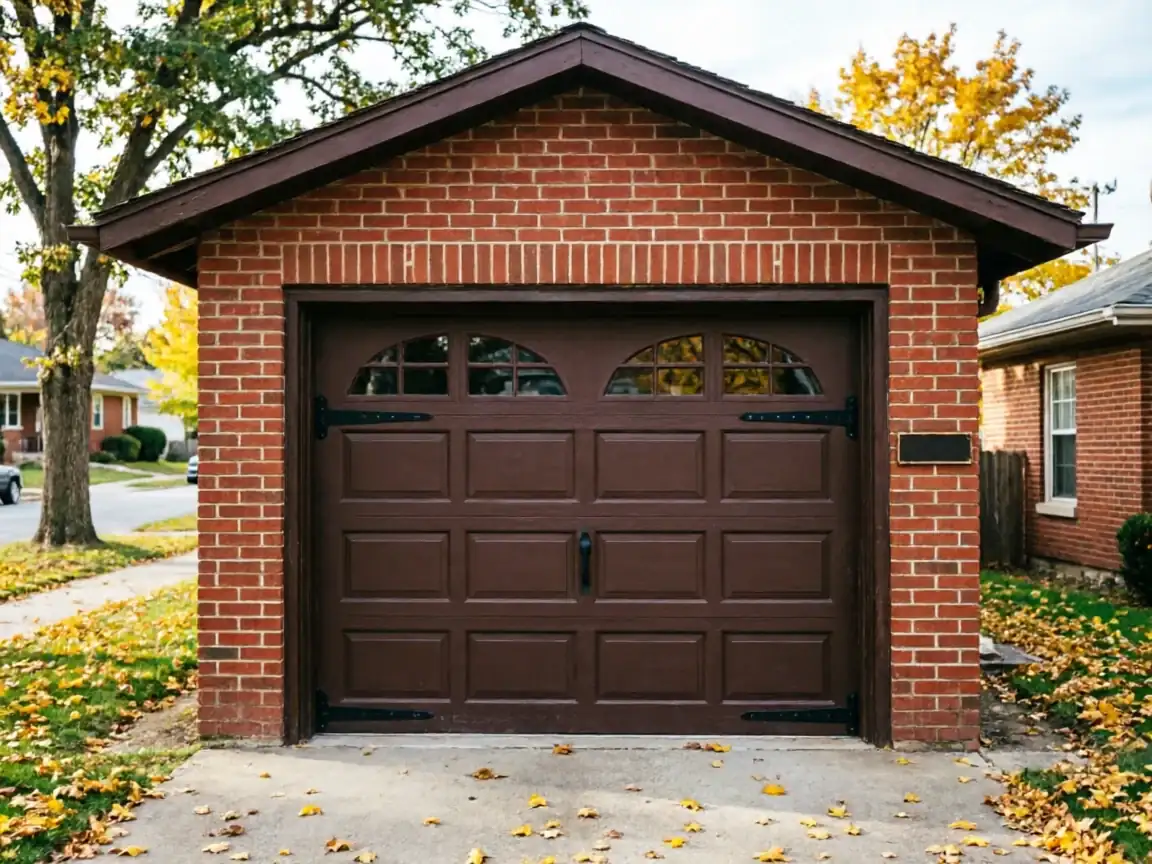
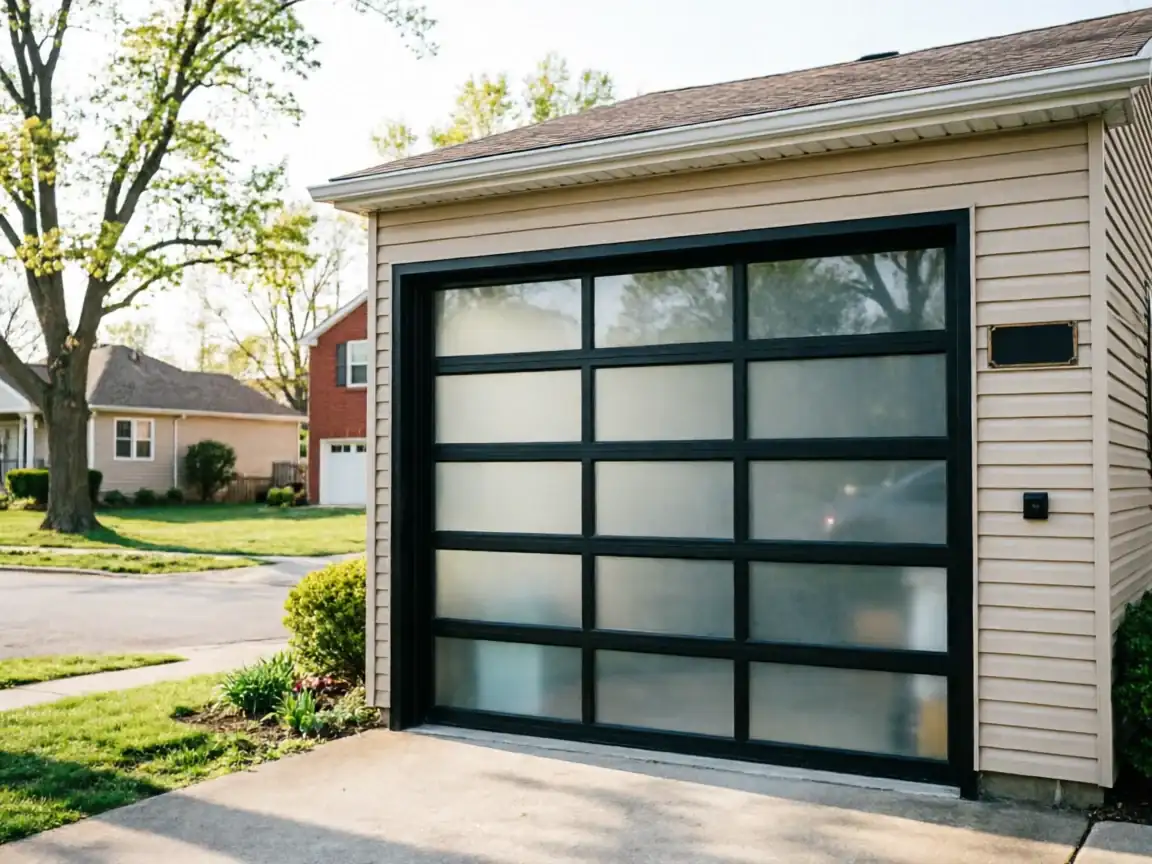
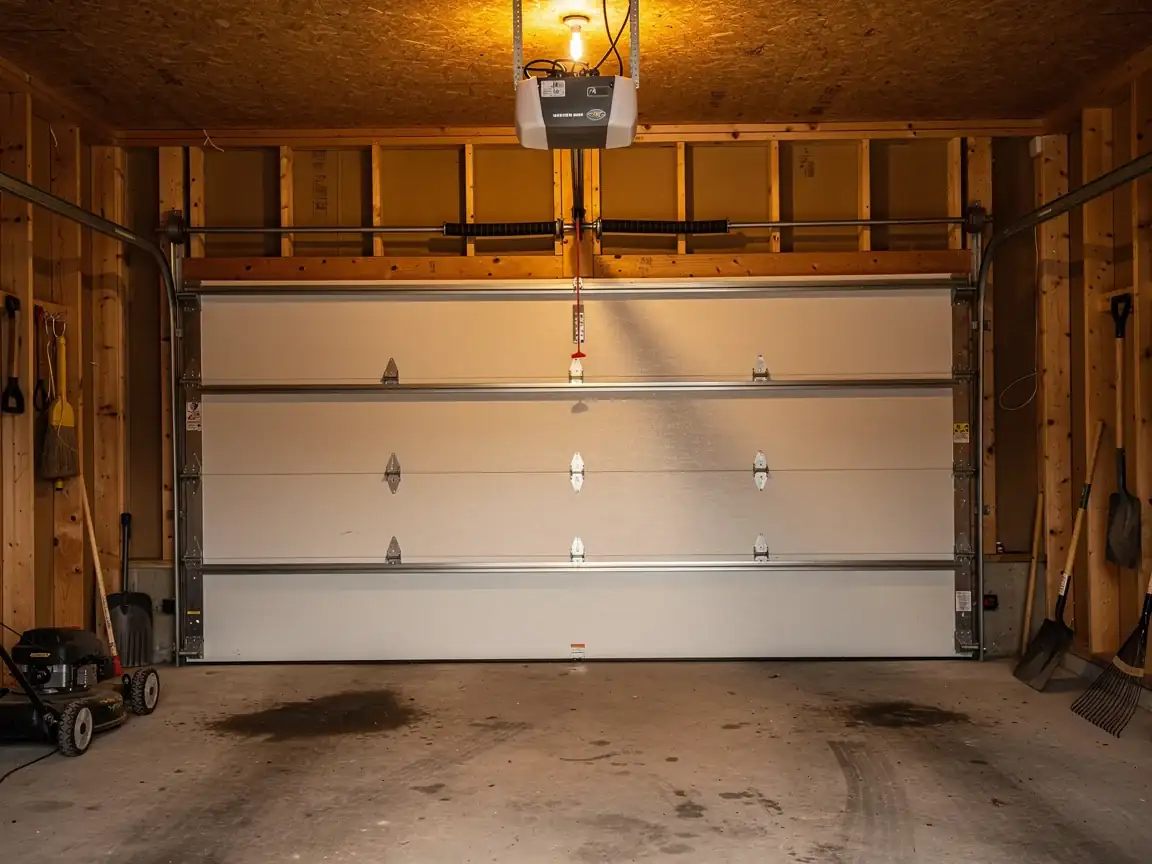
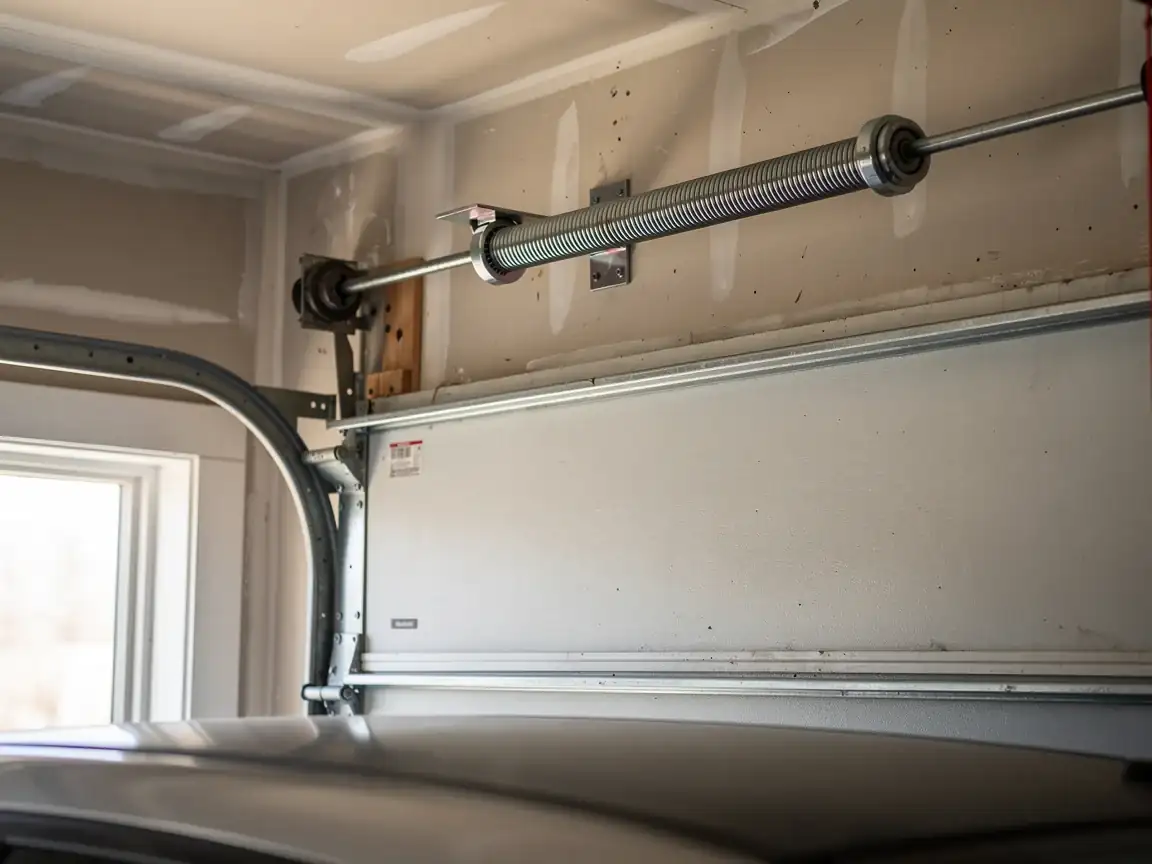
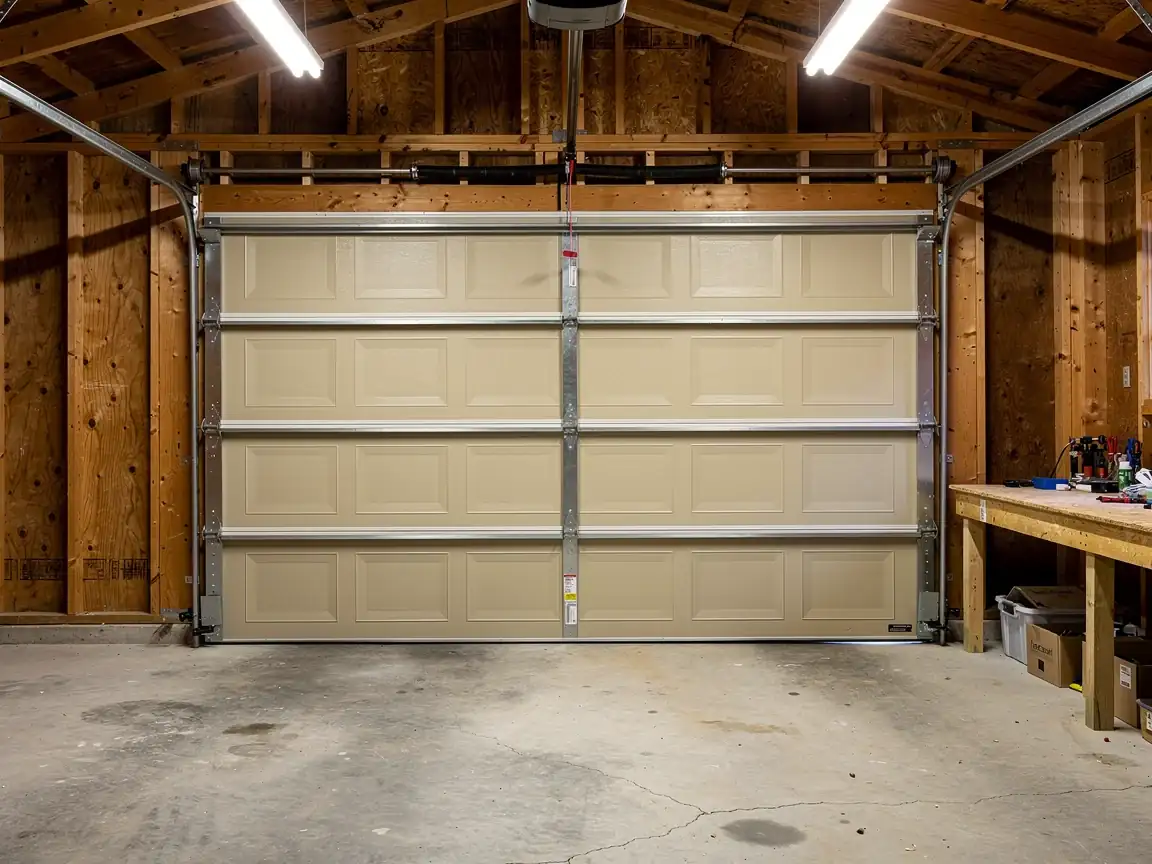
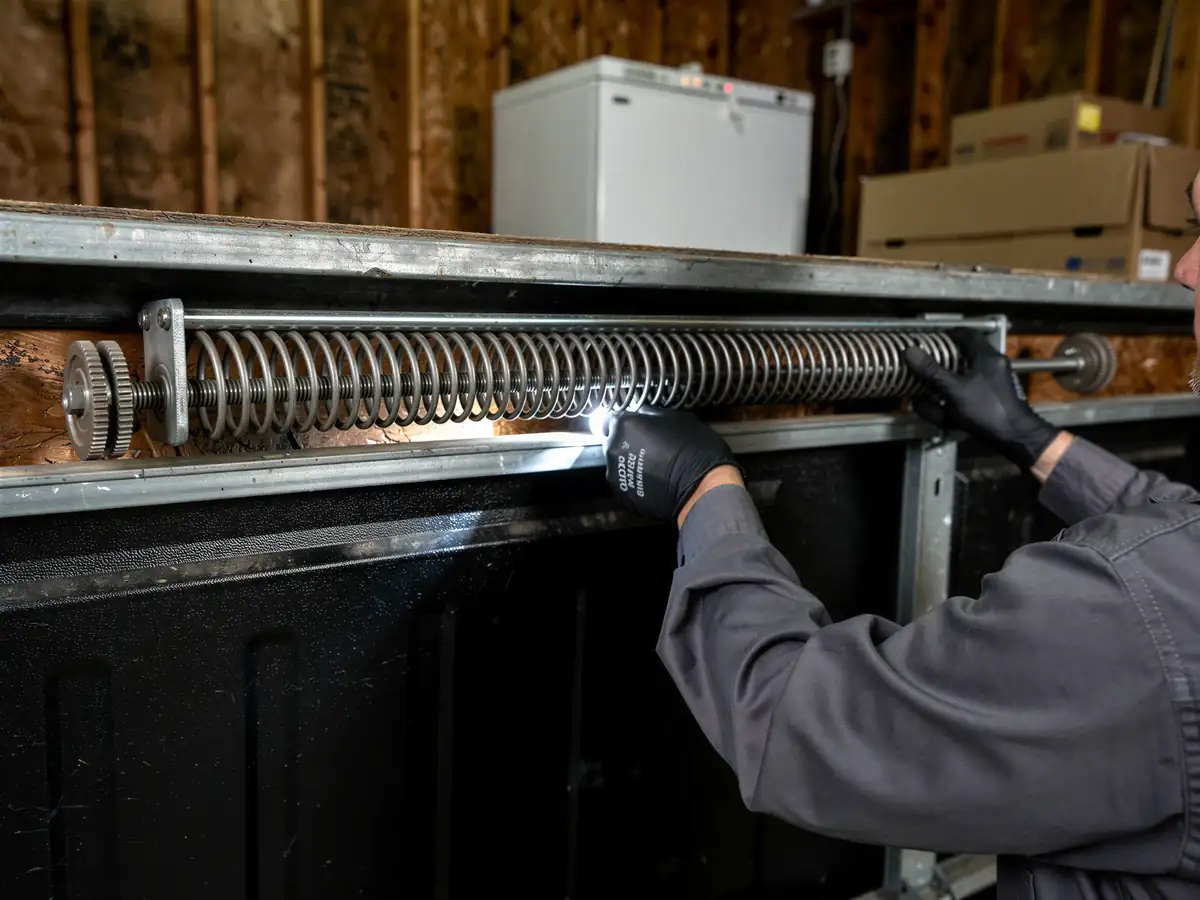
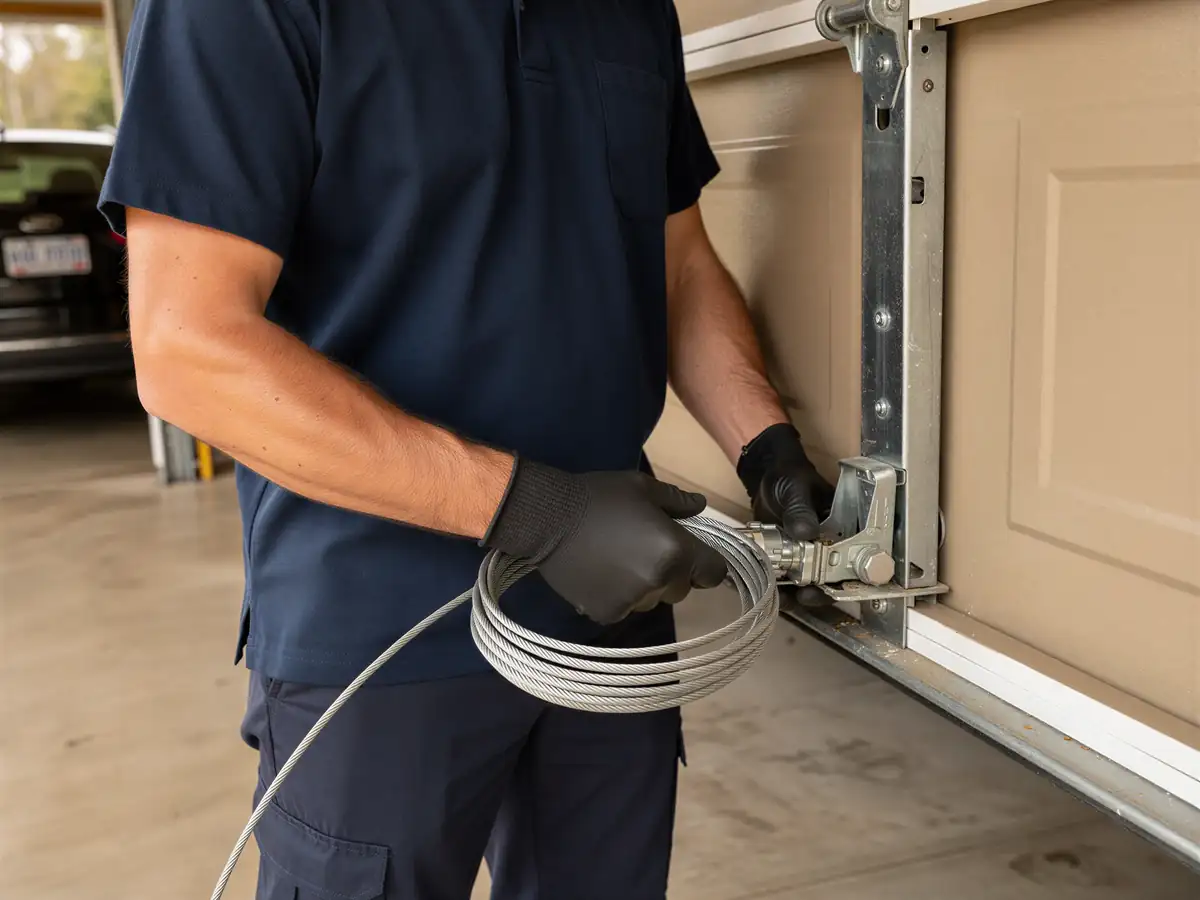
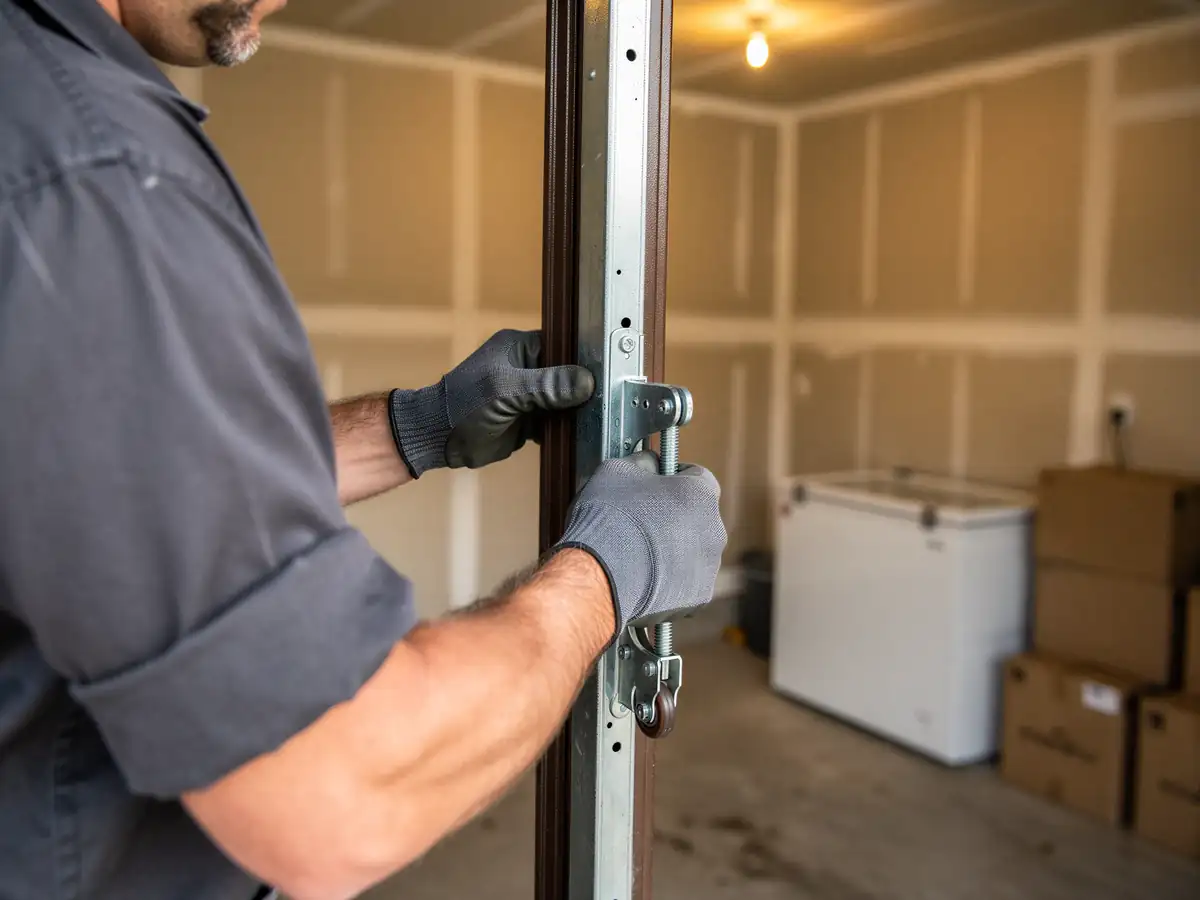
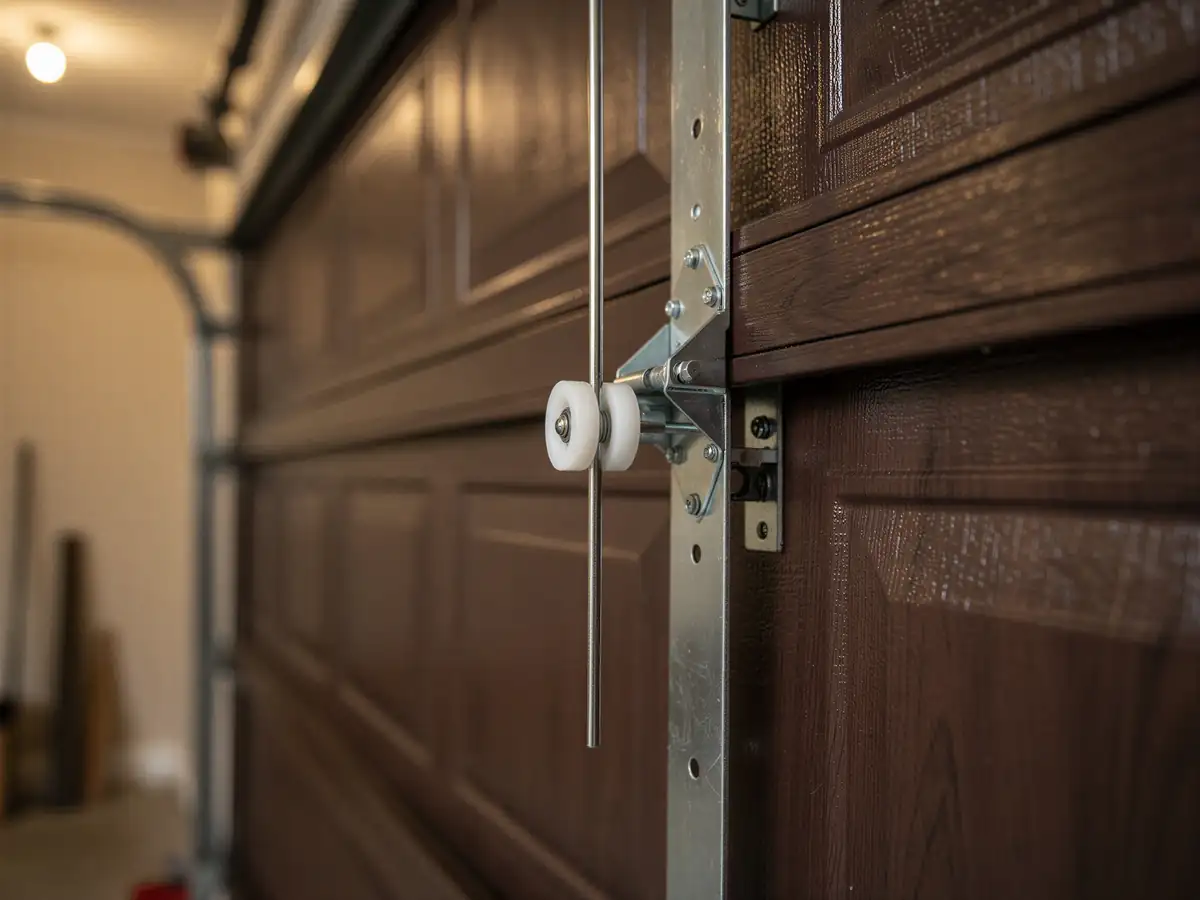
Which is late compared to a lot of the area we cover out of Beavercreek. That means most doors out here are still on their original steel sectional panels and factory torsion springs, because the house just hasn't been standing long enough for a second replacement cycle. What's actually failed the first time is usually the spring itself - torsion springs are rated for a number of open-close cycles, not years, and a 1995 door that's been used daily is right in the window where the factory spring gives out. We carry torsion springs in the common cycle ratings, nylon and steel rollers, standard-gauge lift cables, and opener logic boards for the chain and belt-drive units that shipped with mid-90s builder-grade doors. What we don't carry is obsolete hardware for anything older - if a Springboro door turns out to predate 1995, we tell you that before we quote anything, not after.
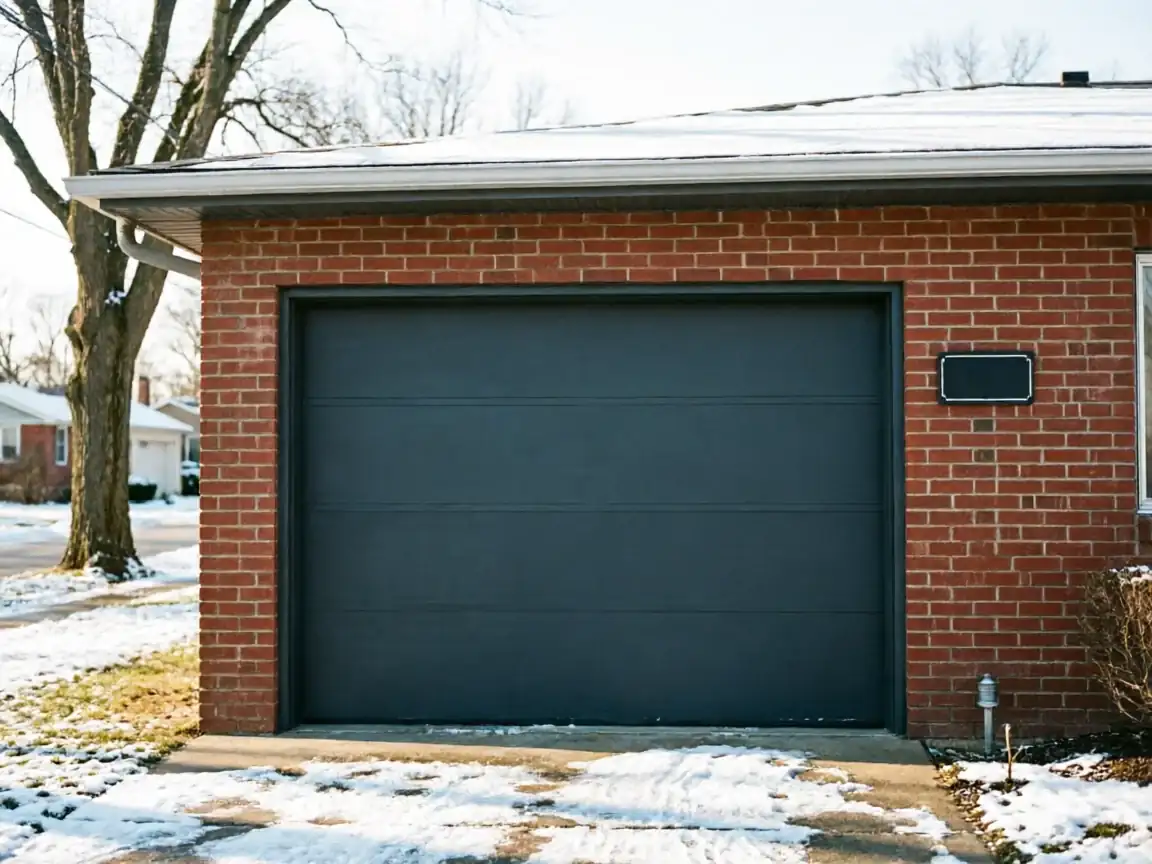
We also stock weatherstrip and bottom seal stock sized for standard 16-foot and 9-foot openings
Since those are what you'll find on most driveways out here.
How It Shows Up
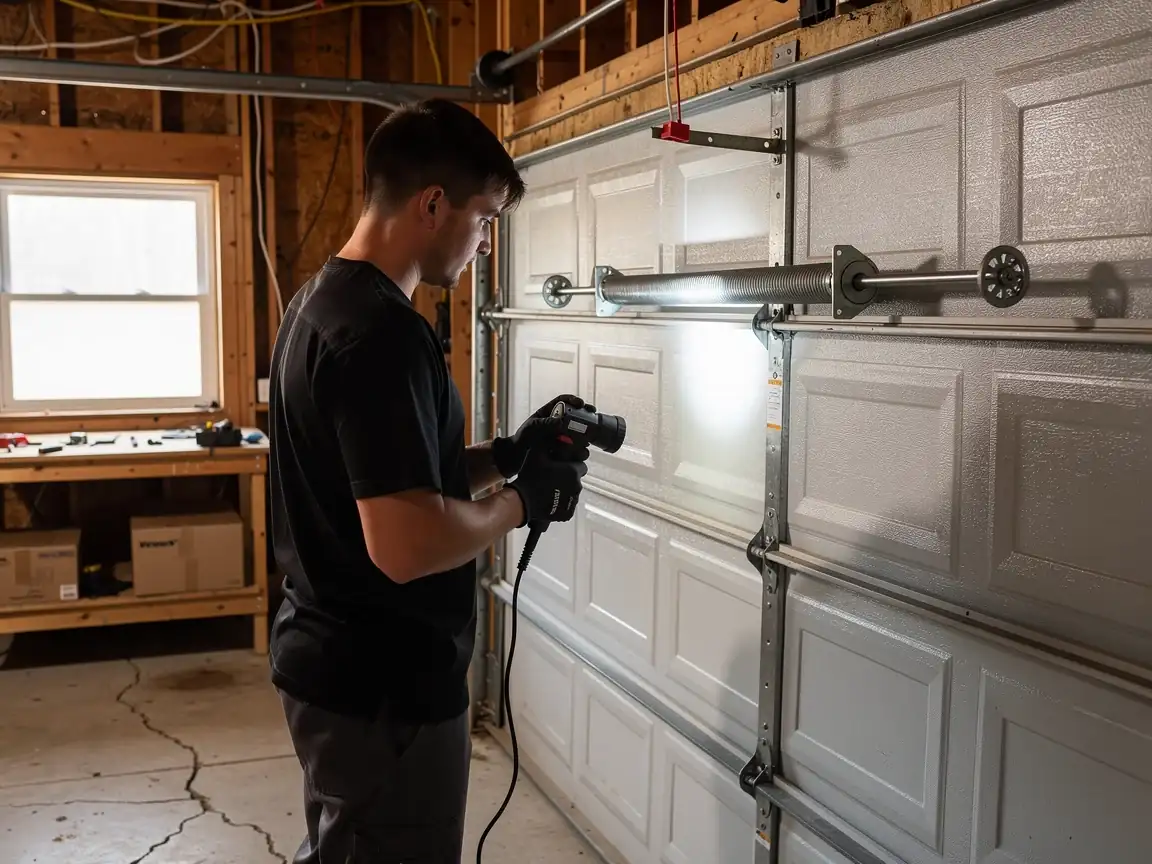
On a door this age, the failure is rarely dramatic. It's a spring that lets go with a bang on a cold morning, or an opener that runs but the door doesn't move because a cable jumped the drum. Cold-climate stress on original torsion springs is real - this region sits in a severe cold band, and steel fatigues faster through repeated freeze-thaw cycling than it would somewhere mild. A spring built in 1995 that's never been replaced is well past due, and winter is when that shows up as a door that won't open at all.
The other common call is a worn roller track from 25-plus years of the same rollers running the same groove. You'll hear it before you see it - a grinding or popping sound as the door travels, especially on the first cold start of the day.
Can You Do This Yourself
Replacing rollers or tightening track bolts is reasonable weekend work if you're comfortable on a ladder. Torsion springs are not - they're wound under enough tension to break a wrist or worse, and the tools to do it safely aren't something most garages have lying around. If your door won't budge and you can see a gap in the spring above the door, don't try to force it open by hand and don't try to wind a replacement yourself. That's the one job on this list we'd tell you to skip even if you're handy.
Opener remote and sensor issues, on the other hand, are often just a dirty sensor eye or dead battery - worth checking before you call anyone out.
How We Fix It
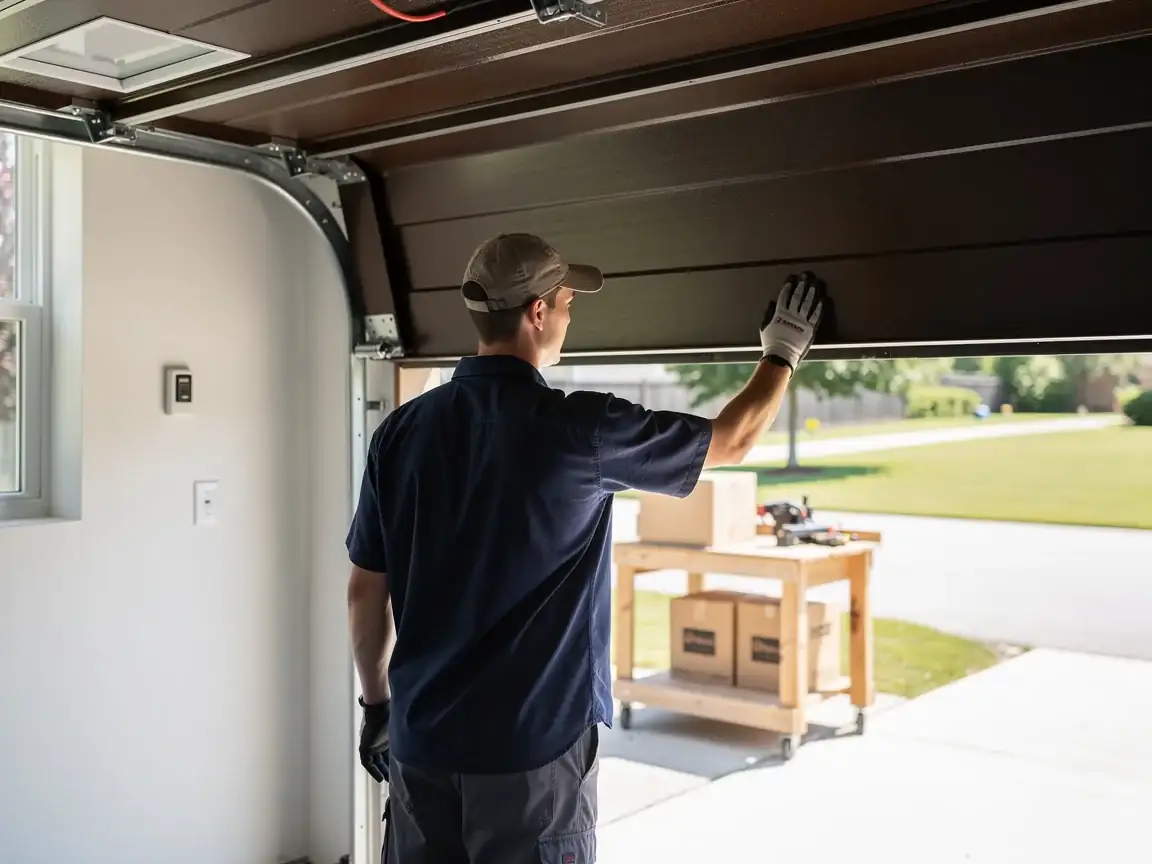
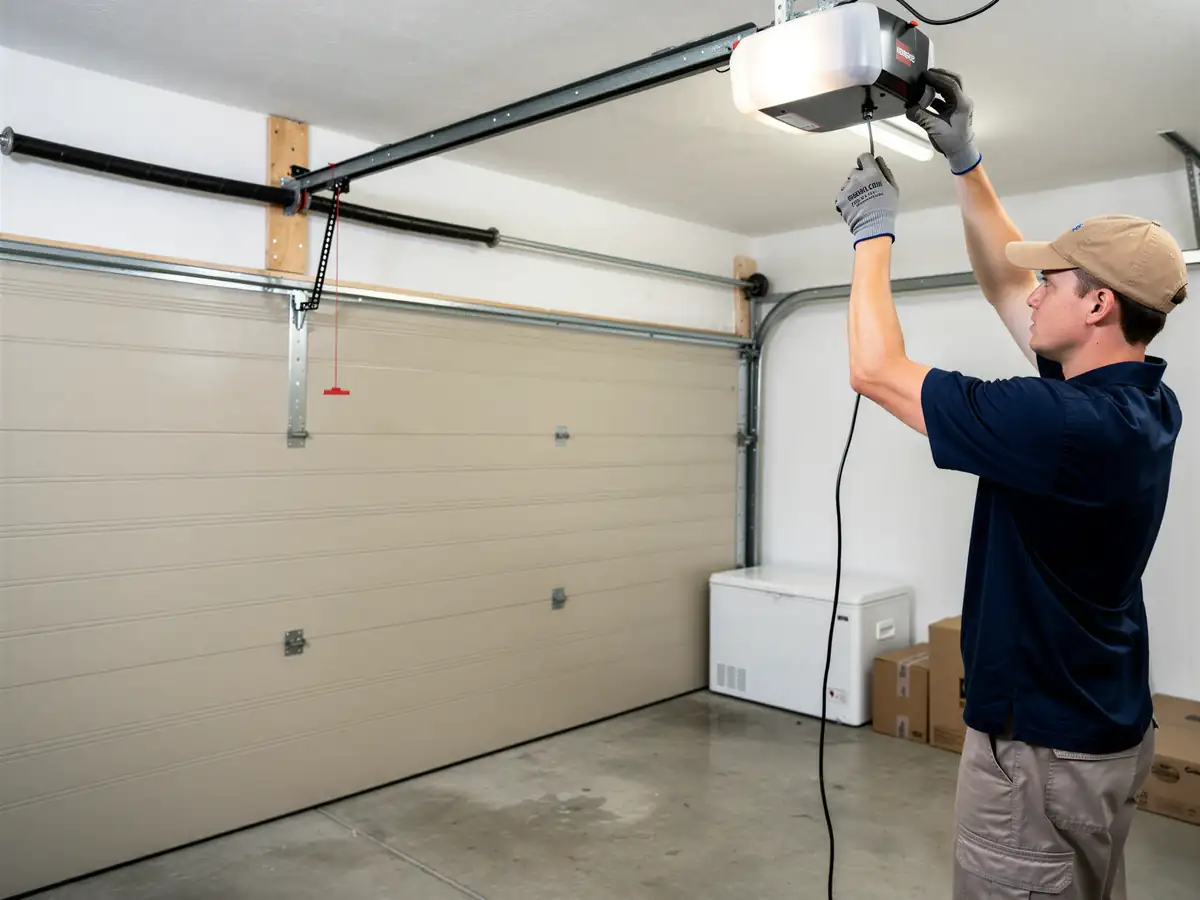
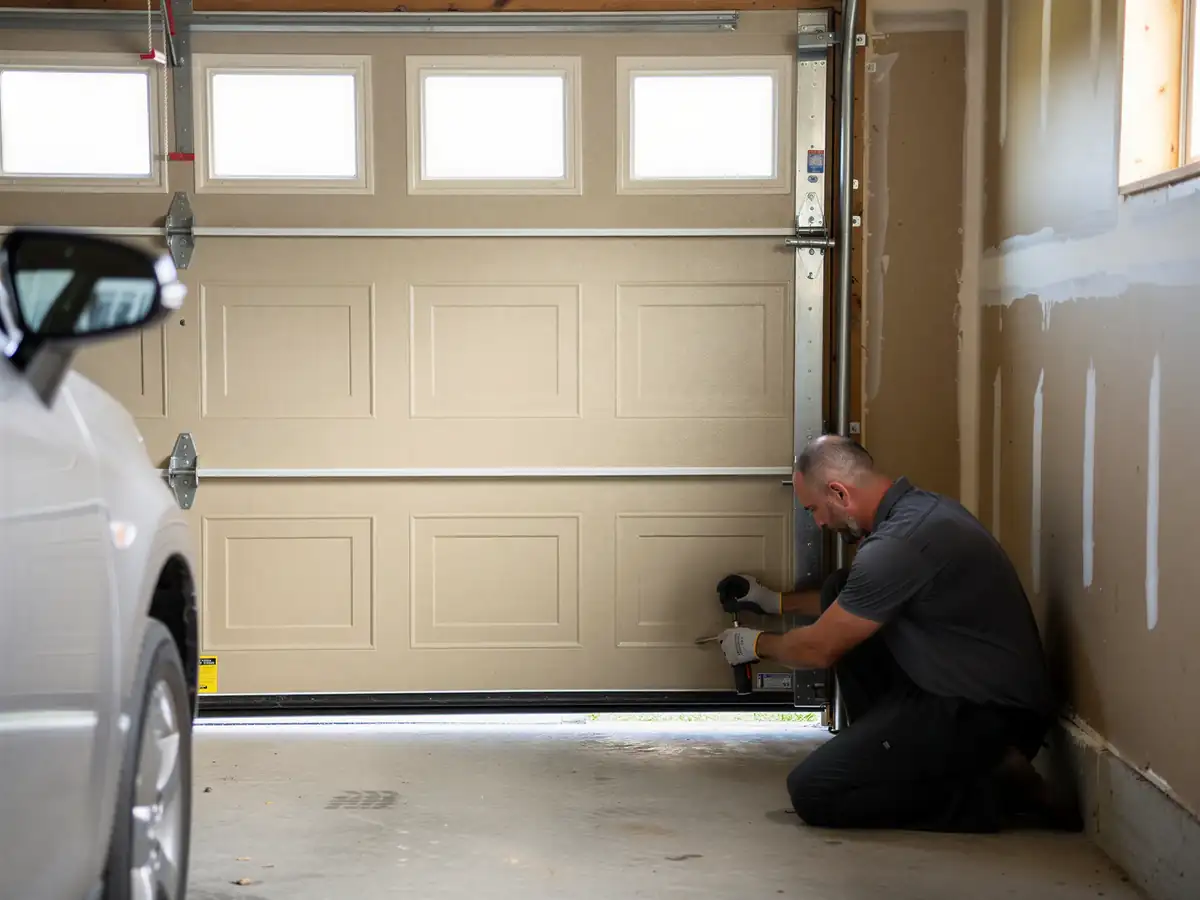
We start by running the door through a full cycle, listening and watching for where it binds, drags, or lets go. On a 1995-era door that's a quick diagnosis most of the time, since the common failure points - spring, cable, roller - are well understood on this generation of builder-grade hardware. If it's the spring, we match the replacement to the door's weight and cycle rating rather than just grabbing whatever's closest, because an undersized spring on a door this size just fails again sooner.
If the opener logic board has failed instead of the mechanical hardware, we'll tell you plainly whether a repair makes sense or whether, given the age, a new opener is the better money. We're not going to sink parts into a 20-plus-year-old motor just to have it fail again next year.