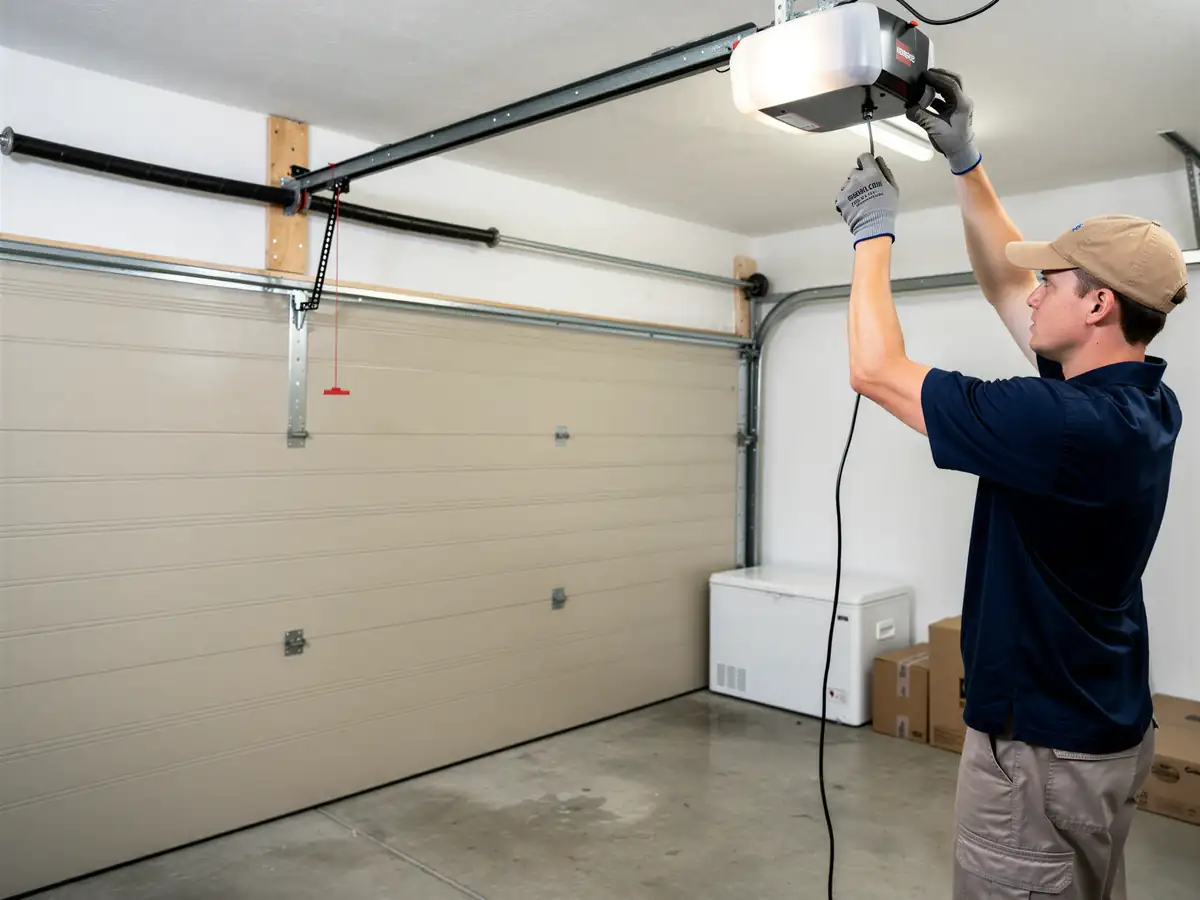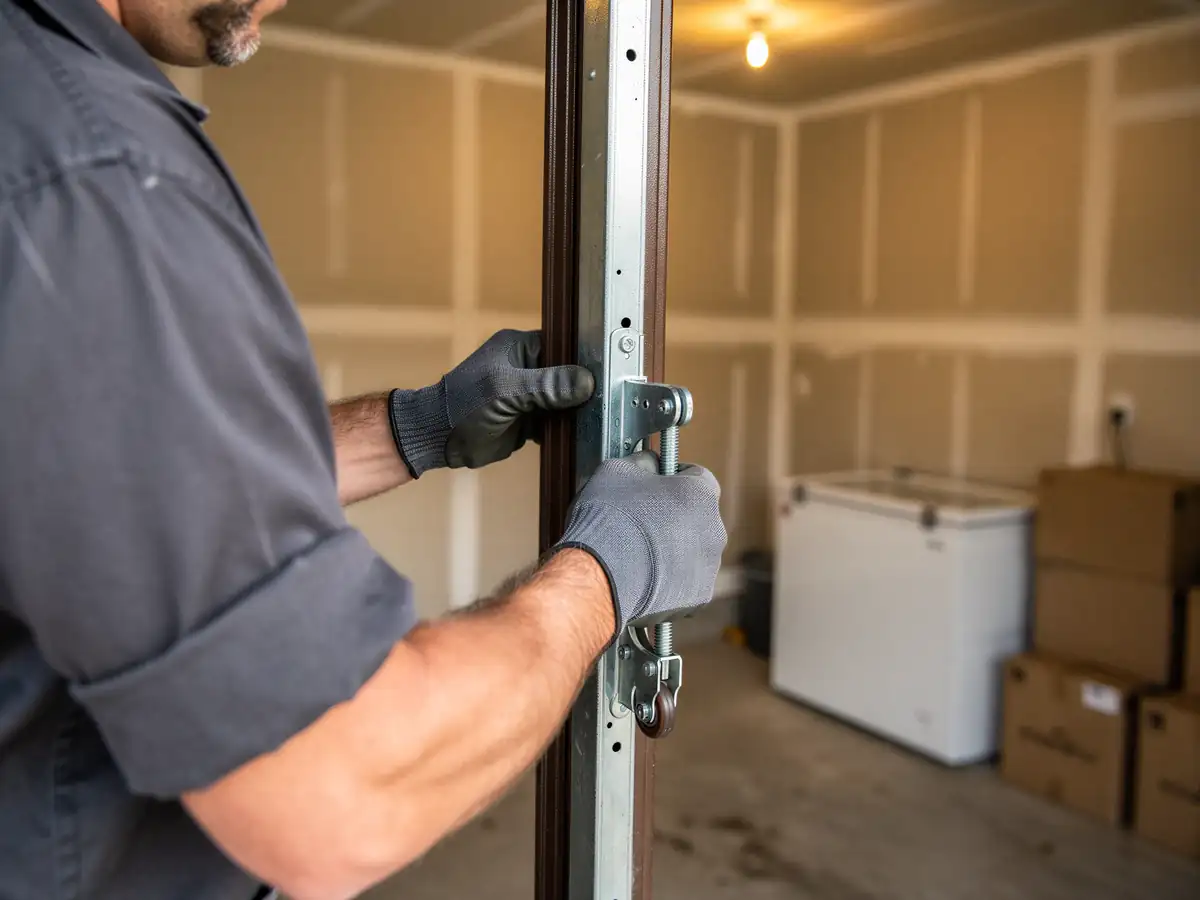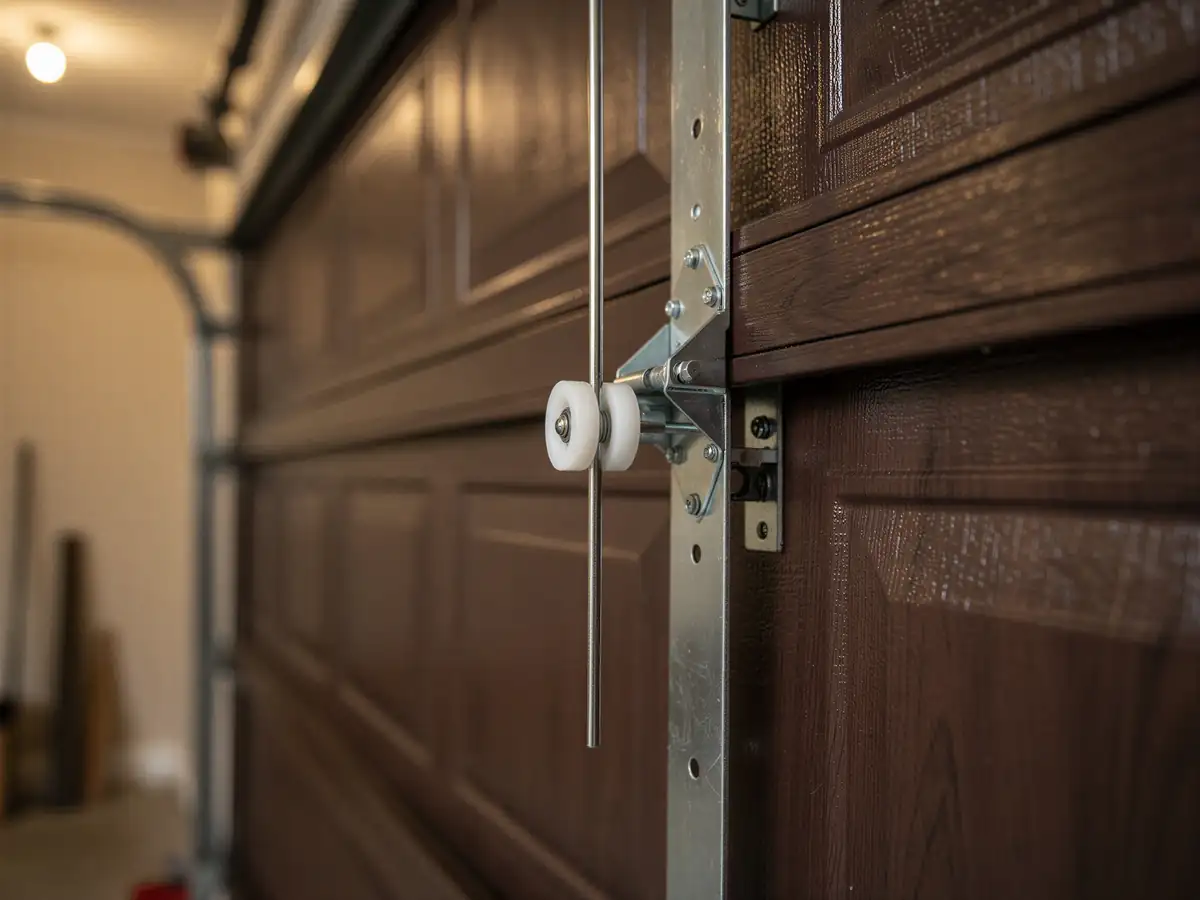
What Is on the Truck
Most of the torsion failures we see out of Springboro aren't old-age failures
They're spring rate failures. The suburb's housing stock centers on 1995, a good two decades newer than the 1971 median across the rest of the area we cover. Newer builds like these came with wider, taller garage openings than the one-piece doors common on older streets nearby, and a lot of them were hung with builder-grade torsion springs sized for the door's weight at install, not for twenty-plus years of daily cycling.
What that means on a call: we're not pulling the same spring off the shelf for every house
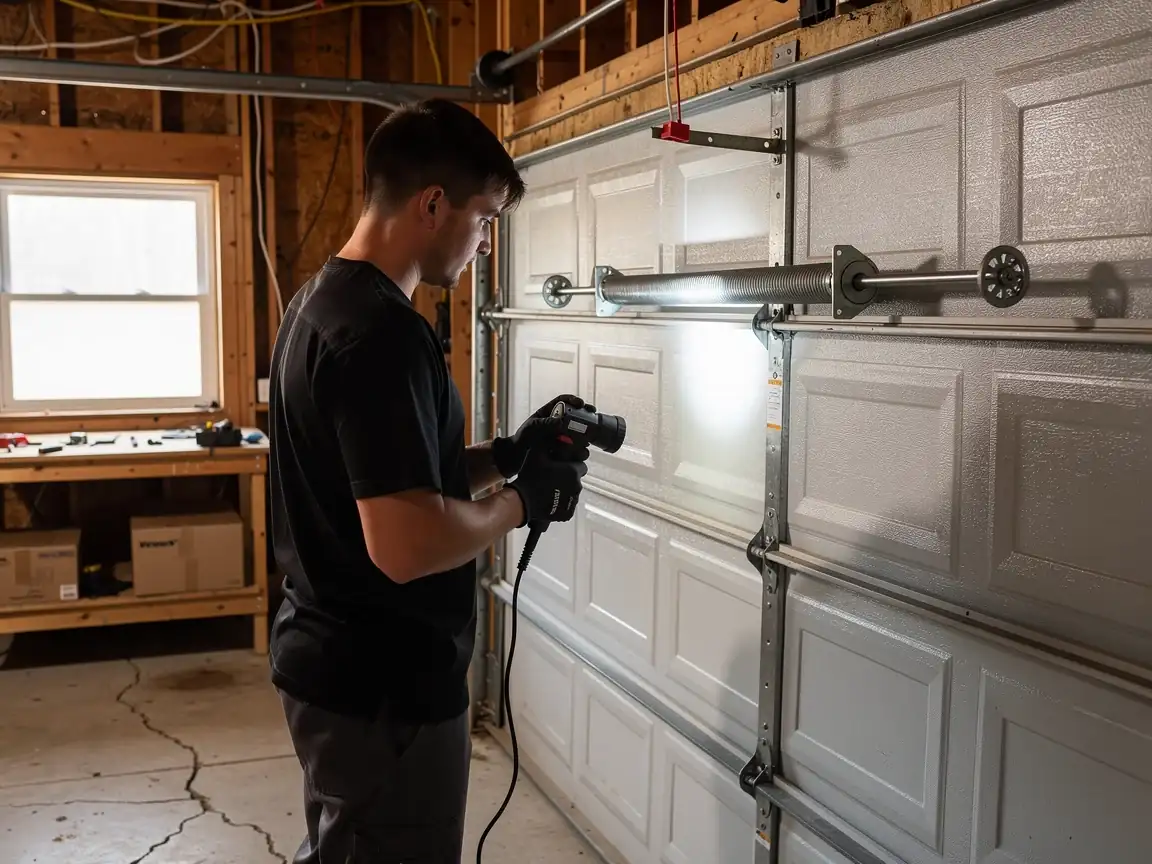
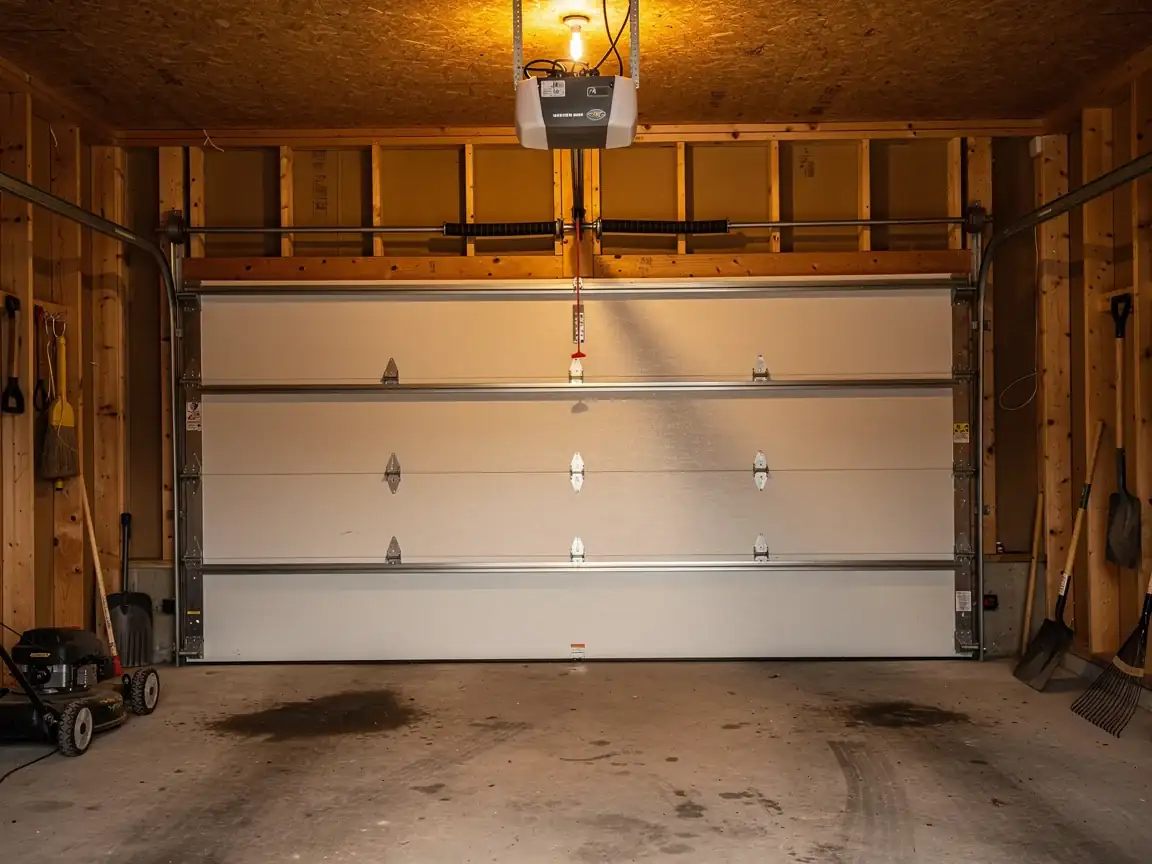
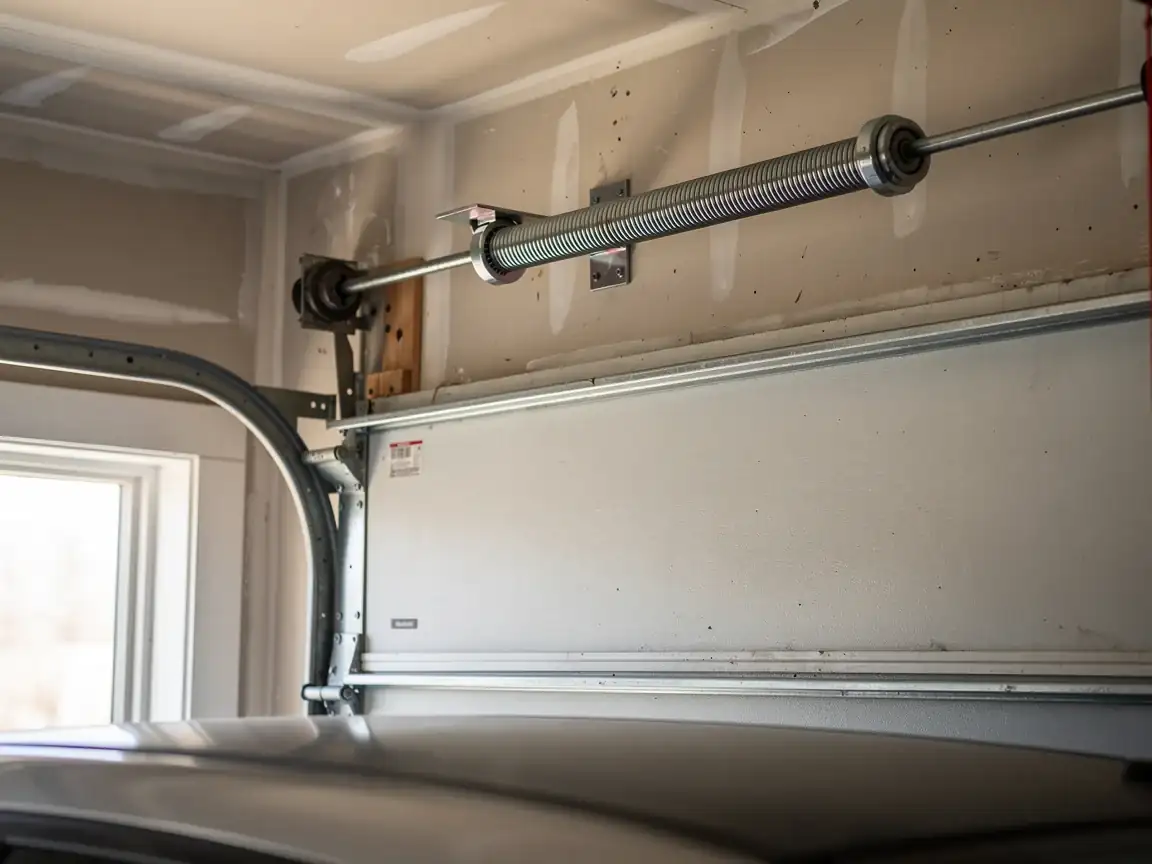
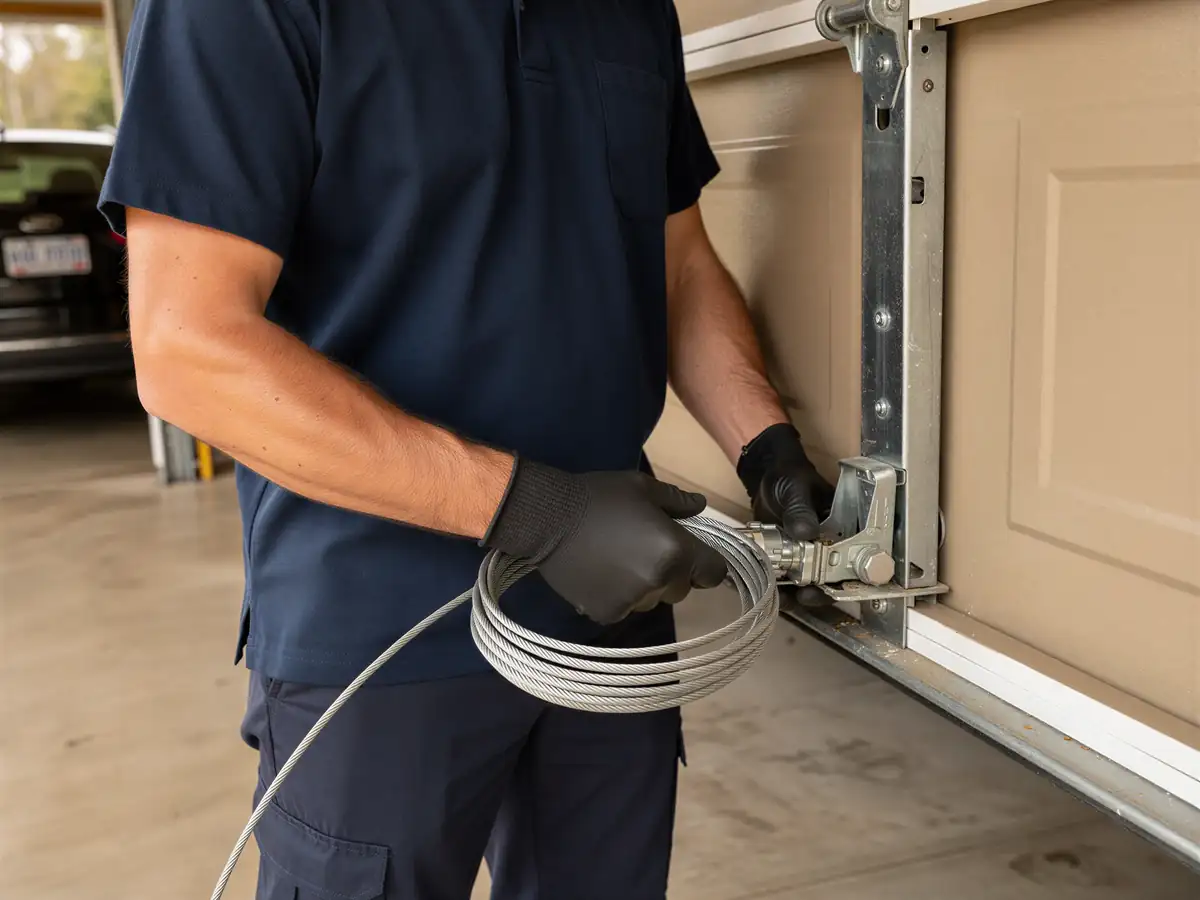
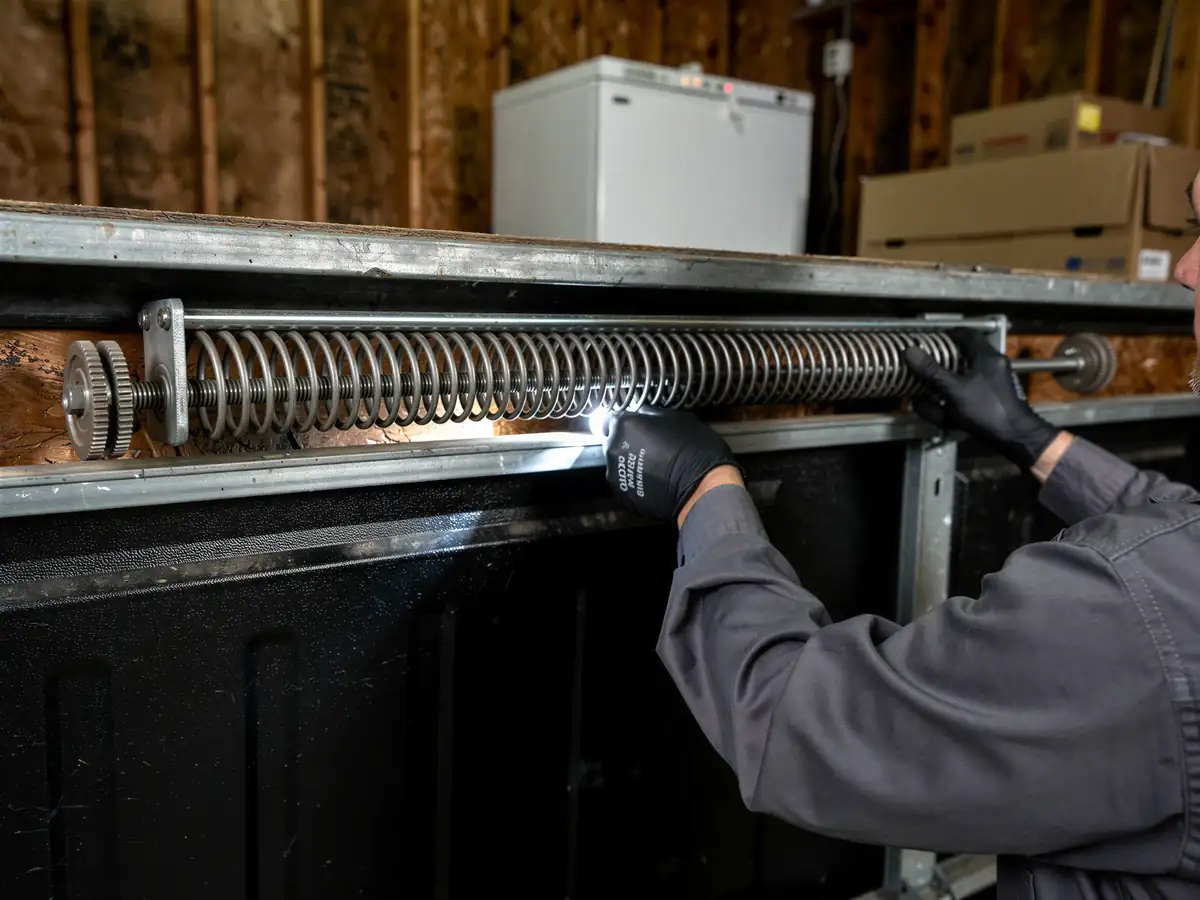
We bring torsion springs sized to the door in front of us - wire gauge, inside diameter, and wind length all matter - along with the drums, end bearings, and lift cable that wear out alongside a failing spring. If the spring snapped under load, we also check the cable and the bottom bracket before closing the job out, because a spring rarely fails without taking something else down with it.
We don't stock every size on the truck
If a door needs an oversized or custom-length spring, that's a short order delay, not a same-visit fix - worth knowing before you call expecting it done in an hour.
How It Shows Up
A torsion spring on a newer, heavier door usually gives some warning before it lets go completely. The opener strains and groans partway up, the door looks like it's sagging slightly to one side when it's halfway open, or it slams the last foot on the way down because the spring isn't carrying its share of the weight anymore. Some owners notice the door feels noticeably heavier to lift by hand than it used to - that's the spring losing tension, not the door getting heavier.
Cold matters here too. This area sits in a climate zone with severe winter cold, and spring steel gets more brittle and more likely to snap outright in low temperatures, especially on a spring that's already fatigued. A lot of the complete breaks we get called for happen on the first hard cold morning of the season, when a spring that was limping along finally gives out.
If you hear a loud bang from the garage and the door won't move, or moves but drops fast, that's almost always a broken spring, not a motor problem. Don't run the opener again once that happens - it puts more strain on the opener gear and the remaining hardware than they're built for.
Can You Do This Yourself
Torsion spring work is not a reasonable DIY project, and that has nothing to do with skill. A wound torsion spring on a door sized for a Springboro-era home is holding real force, and the winding bars and clamping steps that release that force safely aren't optional shortcuts - they're the difference between a job and an ER visit. We don't walk homeowners through doing this over the phone, and we'd tell you that even if it cost us the call.
What you can check yourself before calling: whether the door is binding on one side versus dropping evenly, whether the opener motor still runs even if the door doesn't move, and whether you can see a visible gap in the coil of the spring above the door. That tells us a lot before we're even on site and saves time once we are.
One honest limitation: we don't do same-day emergency response here, since every call to Springboro is a drive from Beavercreek rather than a local dispatch. If the door is stuck open overnight, that's a real inconvenience, and we'll tell you straight if waiting a day is the safer option versus forcing it.
What You Pay
We're not going to put a number here that isn't accurate for your door
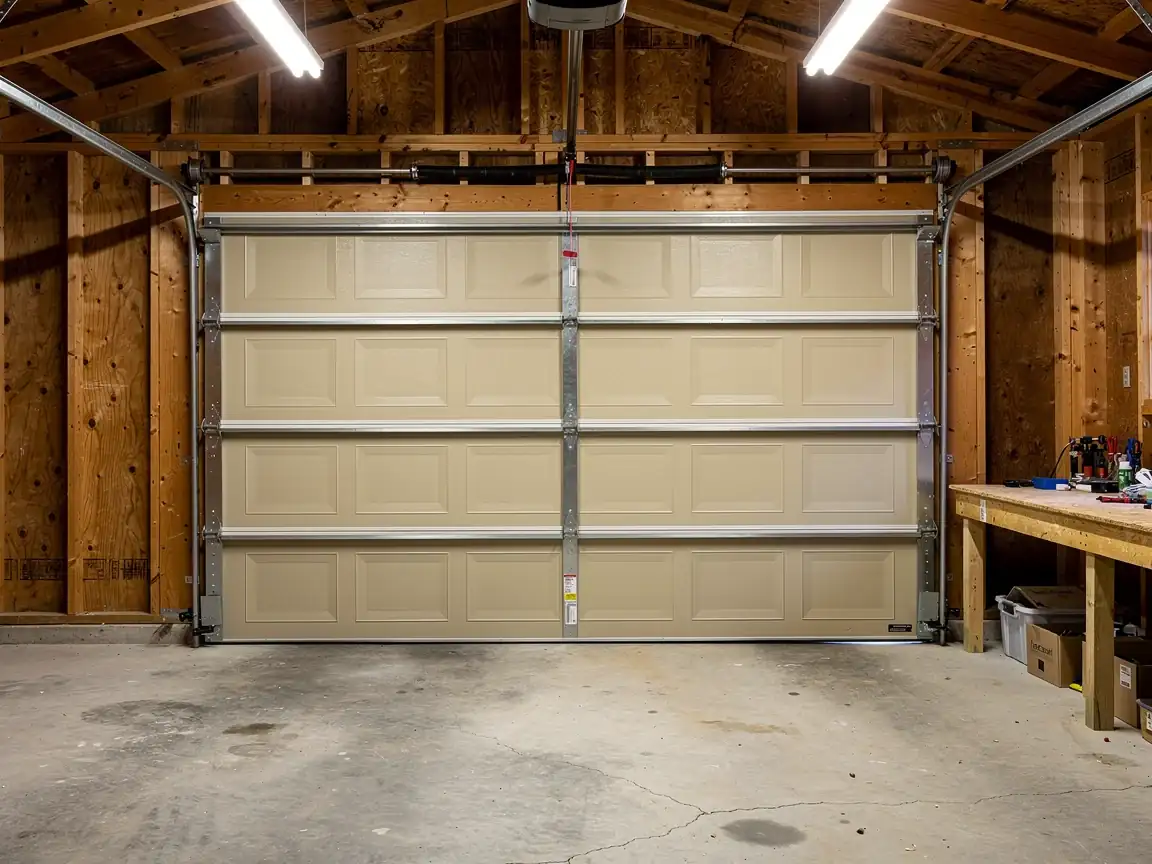
And torsion spring cost varies more than people expect - mostly on door weight, which in Springboro tends to run higher than older one-piece doors nearby because of the larger openings built in the mid-1990s. A single spring on a lighter door costs less than a matched pair on a heavier double door, and if the drums or cable also need replacing, that's added to the job, not folded into a vague flat rate.
We quote after we see the door and the spring, not before
A phone estimate on a spring job is a guess, and we'd rather tell you that than give you a number we can't stand behind once we're looking at the actual hardware. If a repair turns out to not be worth it - an older opener paired with worn track and a dying spring all at once - we'll say so instead of running up a bill fixing one part of a system that's failing as a whole.
How We Fix It
We come out from Beavercreek, about 15 miles to Springboro, so the first thing we do on arrival is look at the whole door, not just the broken spring - track alignment, cable condition, and whether the opener has been compensating for the bad spring in a way that's worn something else down. On a double door, we replace springs in matched pairs even if only one failed, because a mismatched pair just means a second call in a year or two.
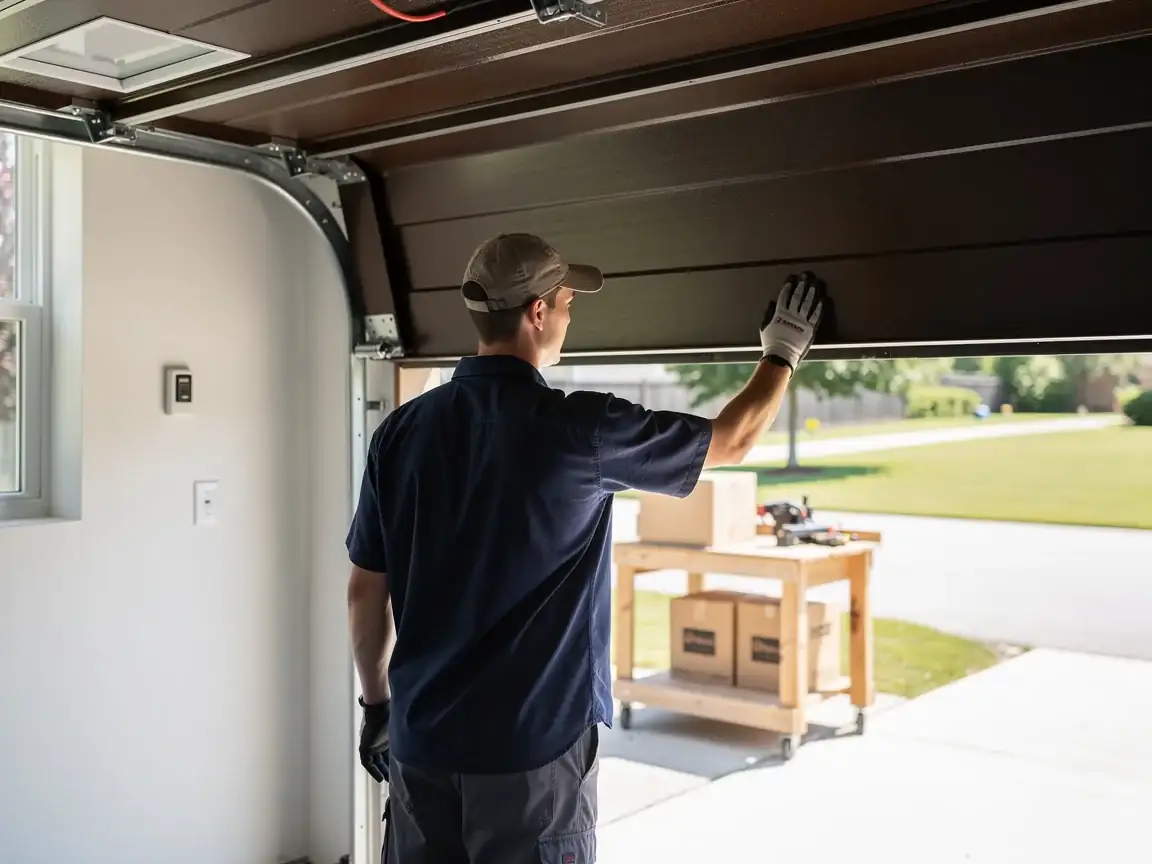
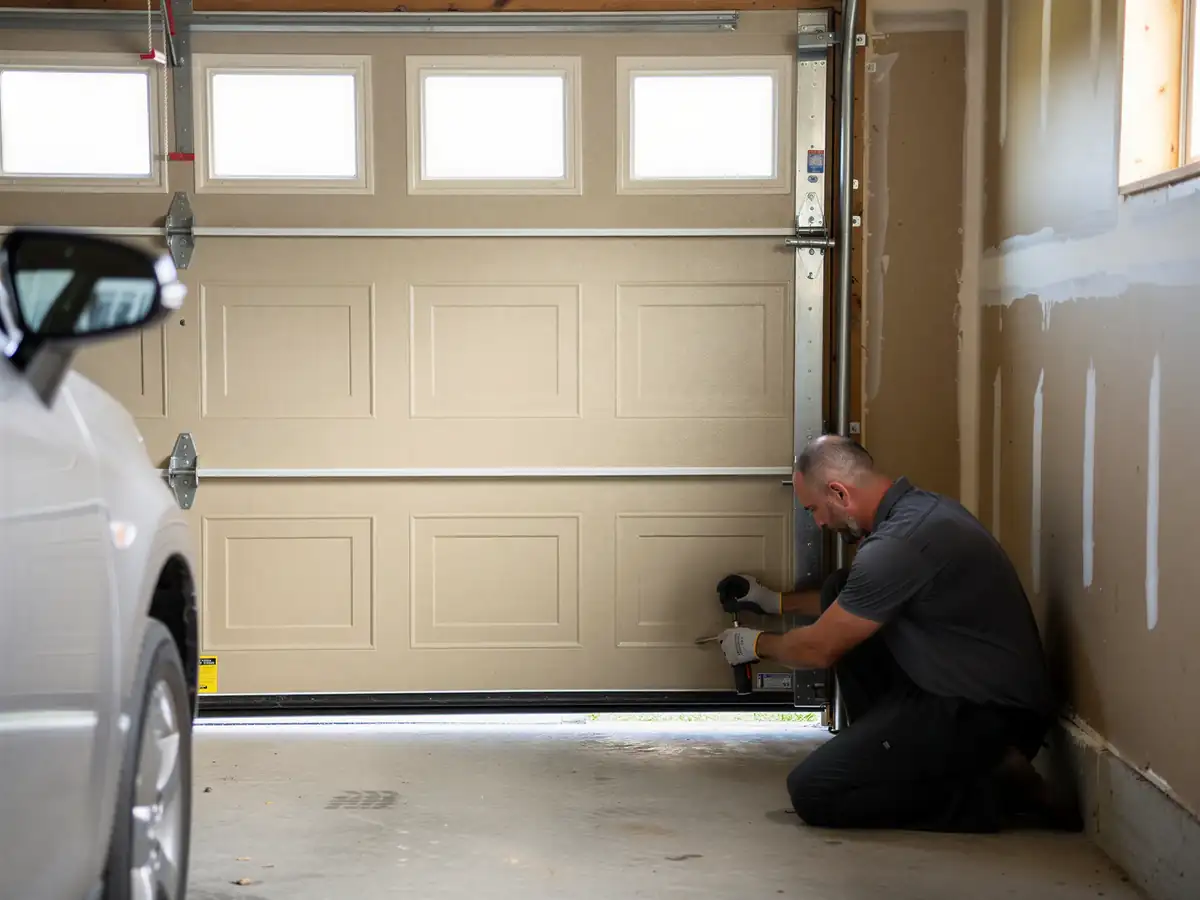
Once the new spring is sized and wound to the door's actual weight, we cycle the door several times by hand before touching the opener, checking it balances and holds position partway open on its own. A door that won't hold still halfway up still has a spring problem even after the new spring goes in, and we don't call the job done until that's sorted.