What Is on the Truck
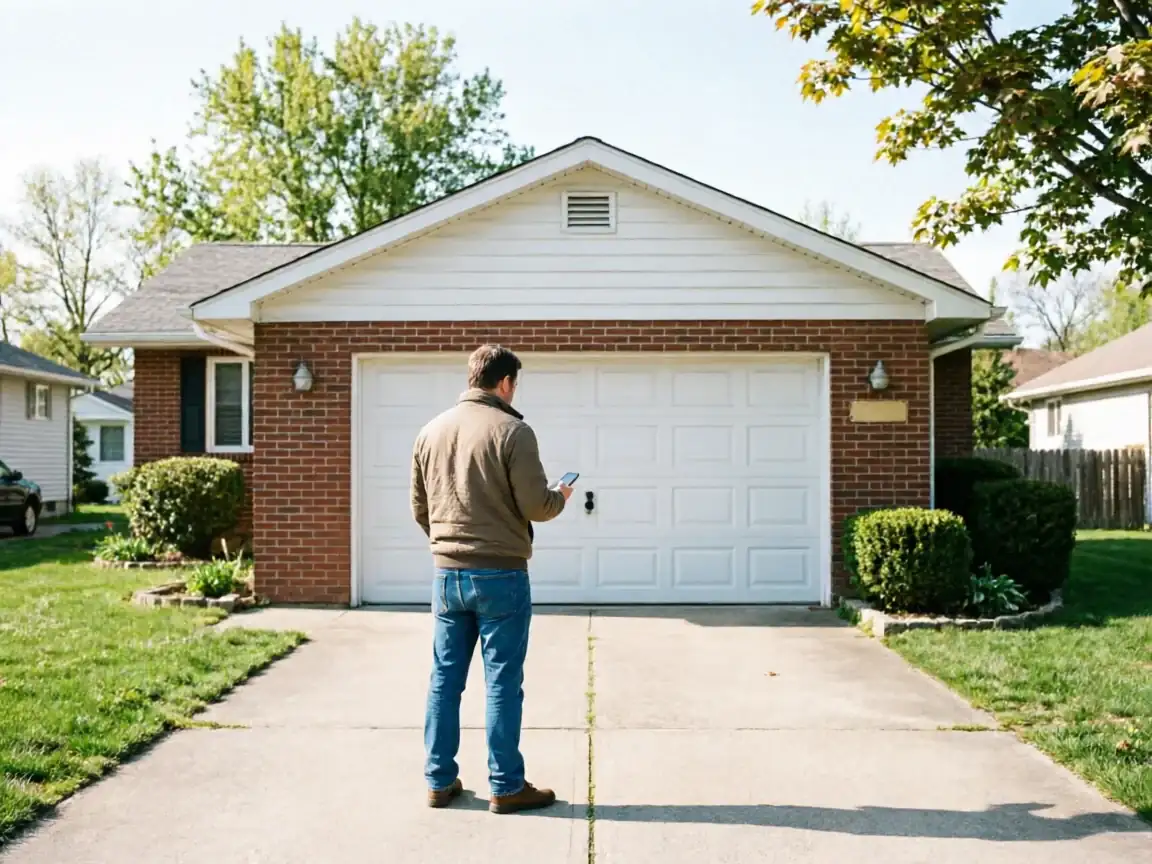
Springboro's housing stock centers on a median build year of 1995
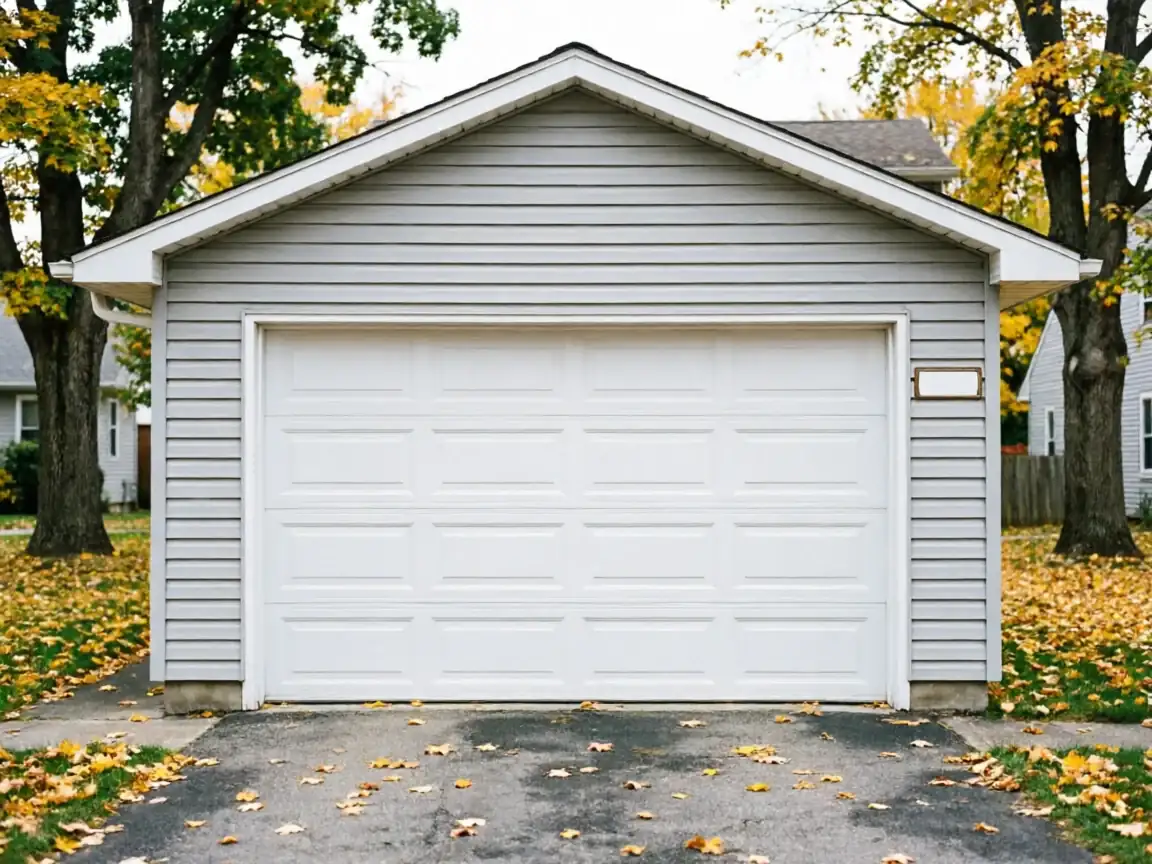
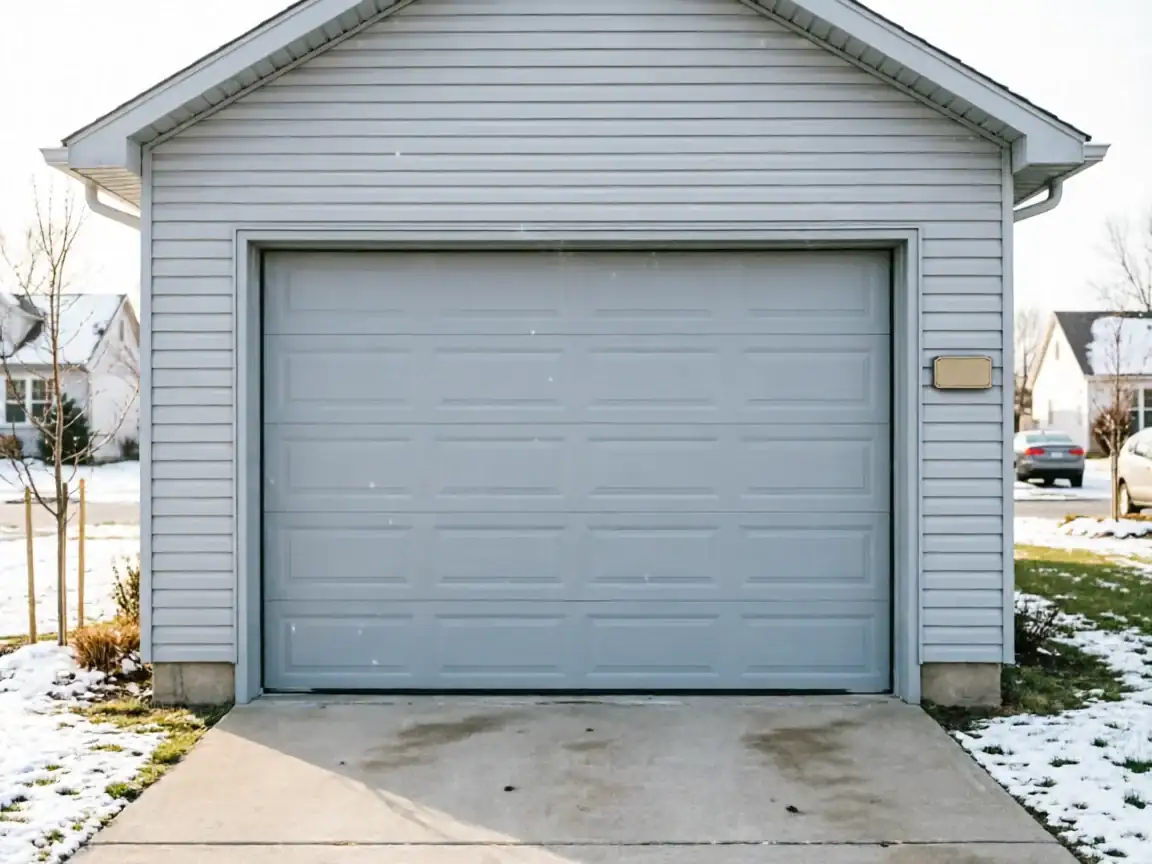
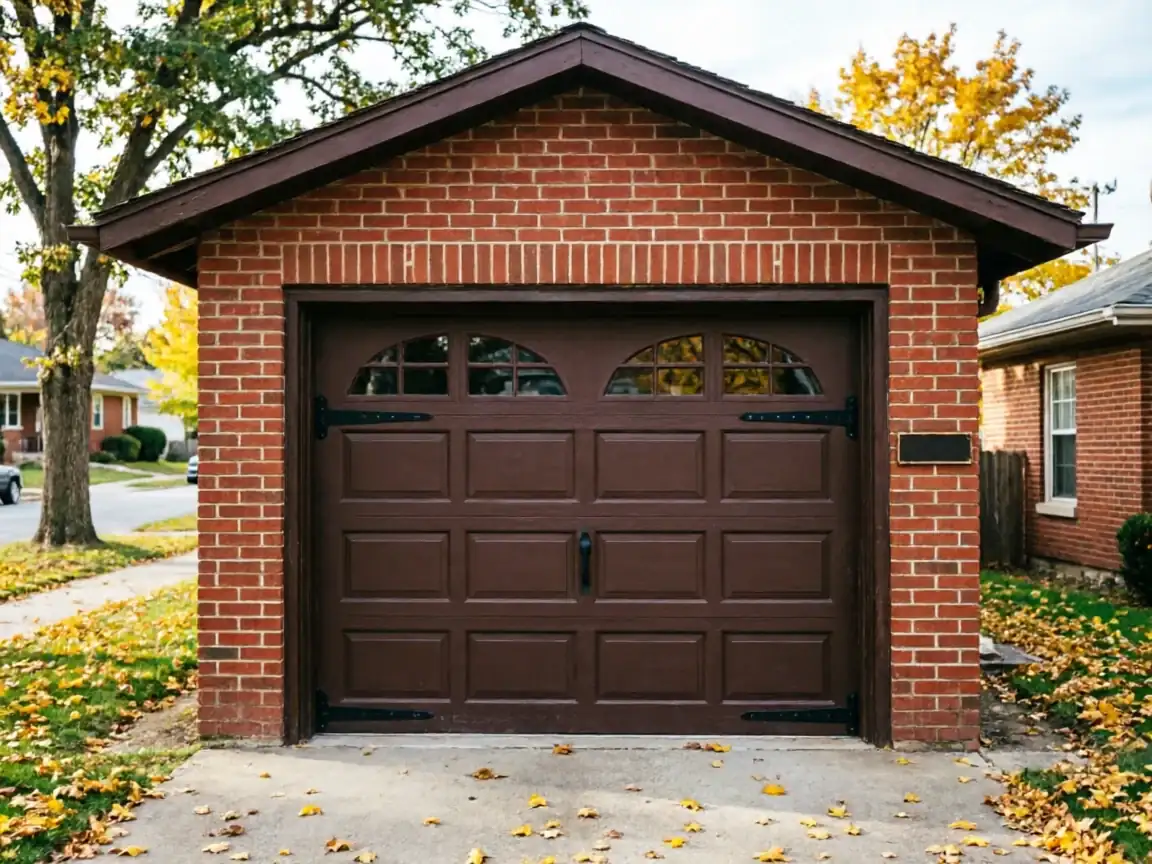
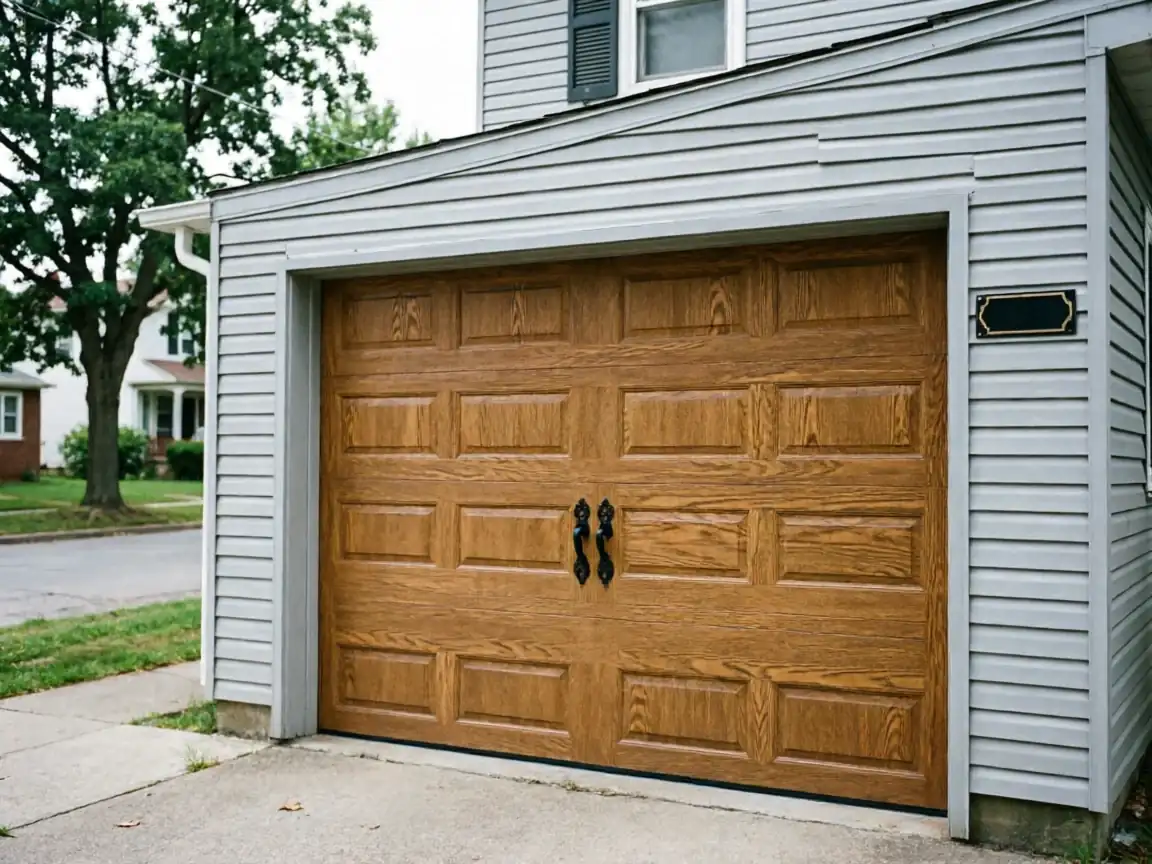
A generation newer than the 1971 median across the rest of the Beavercreek service area. That gap matters on a job site. Homes built in the mid-90s came standard with galvanized torsion spring systems, steel sectional doors on 2-inch track, and rough openings sized to that decade's builder specs - not the older extension-spring, wood-jamb setups common on 1960s and 70s stock elsewhere in the area.
We carry doors and hardware sized to that era's openings
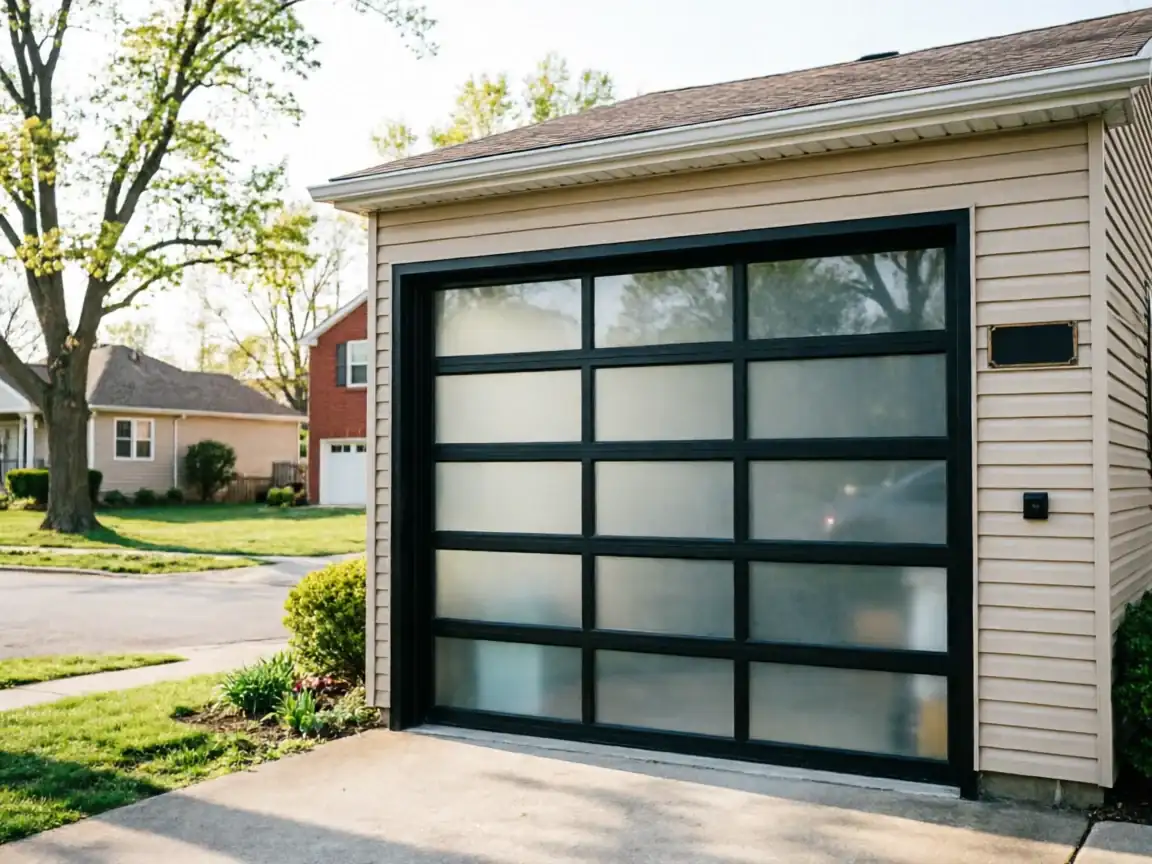
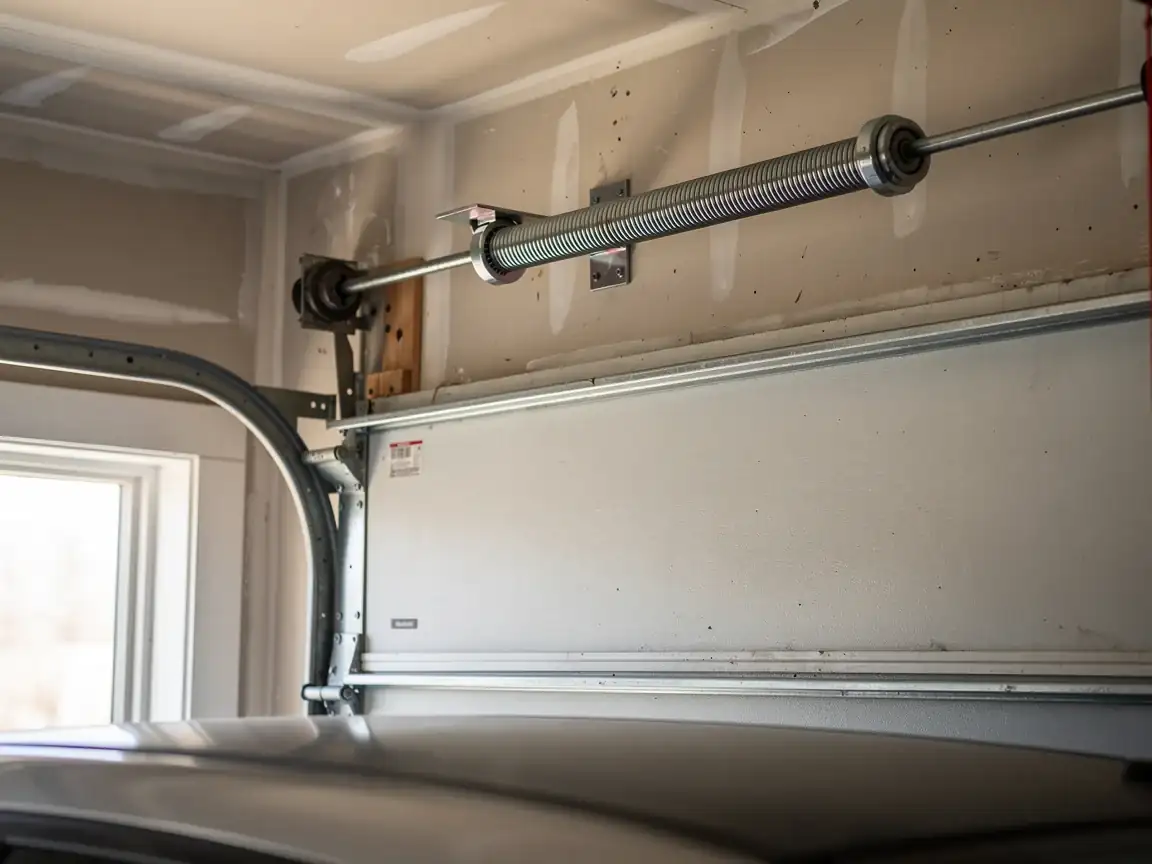
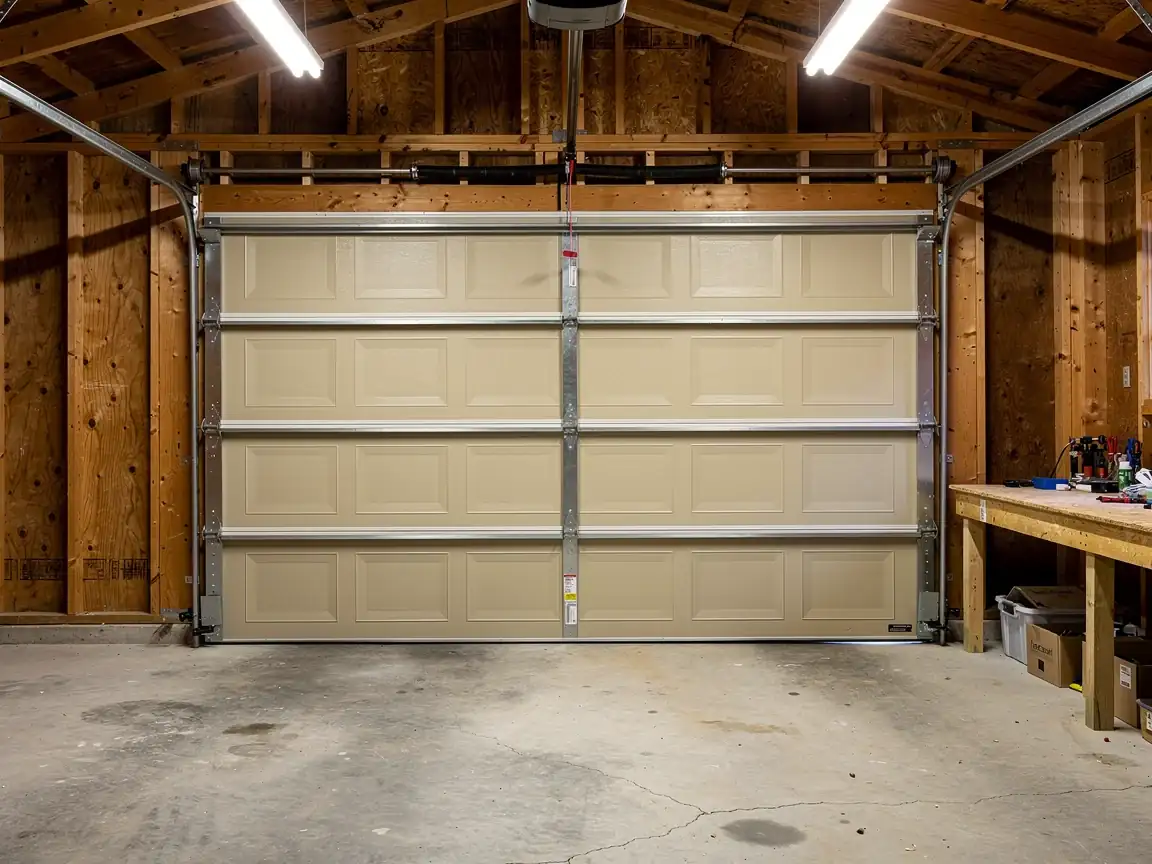
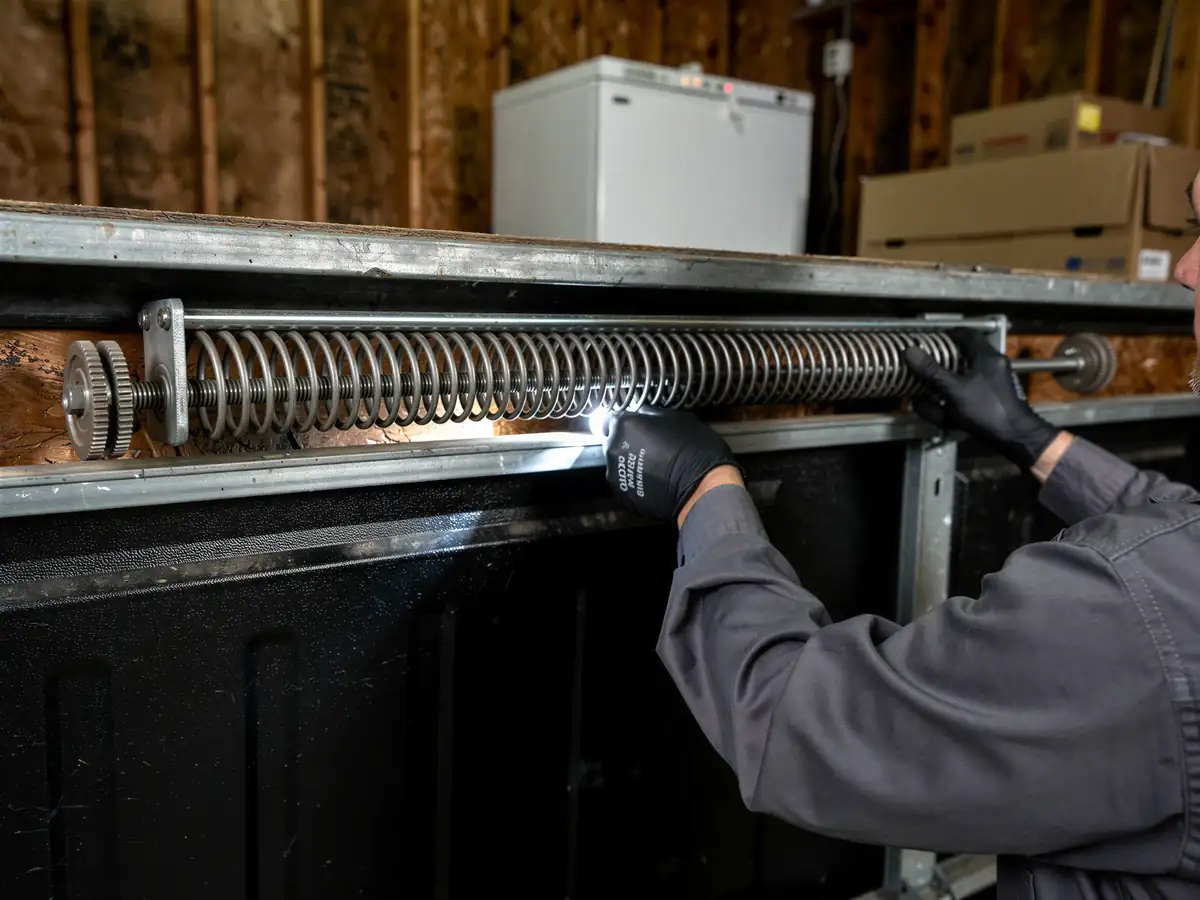
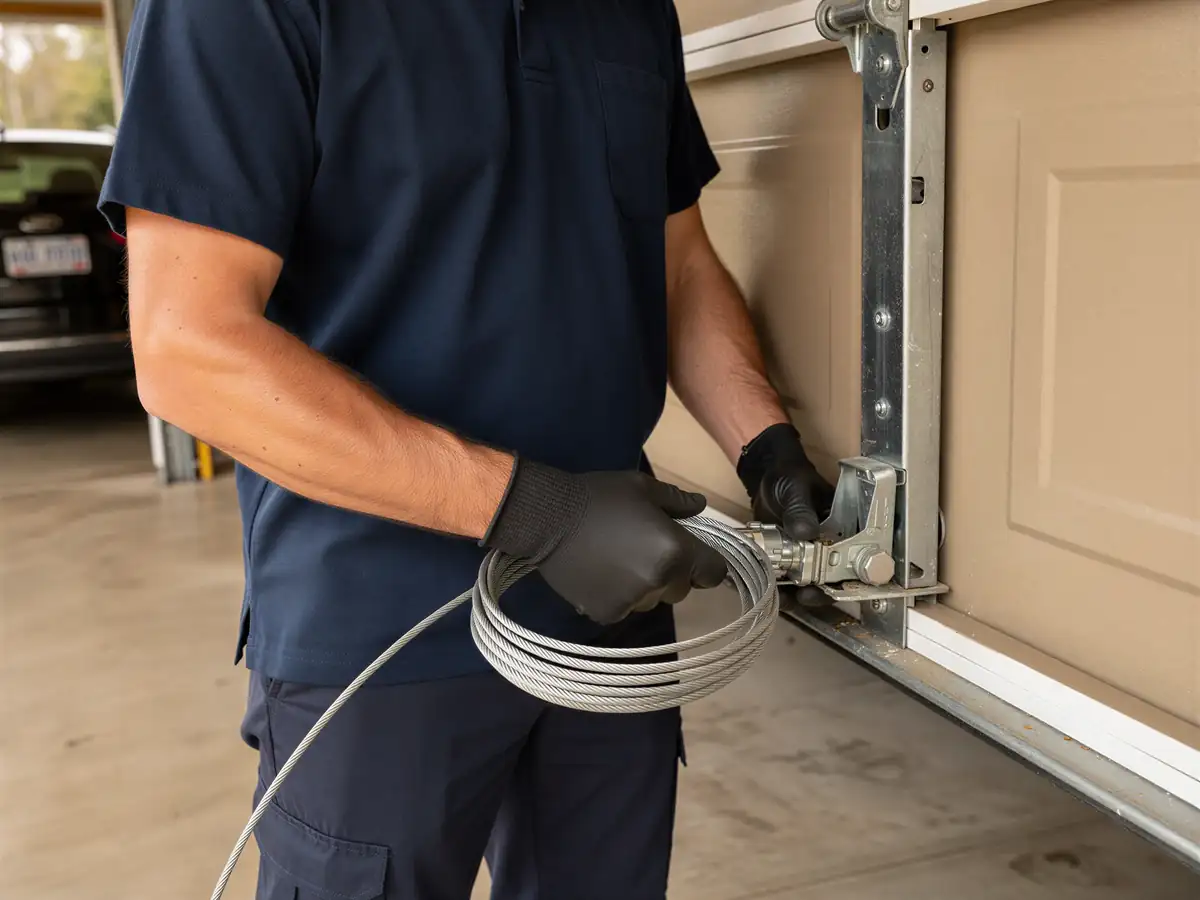
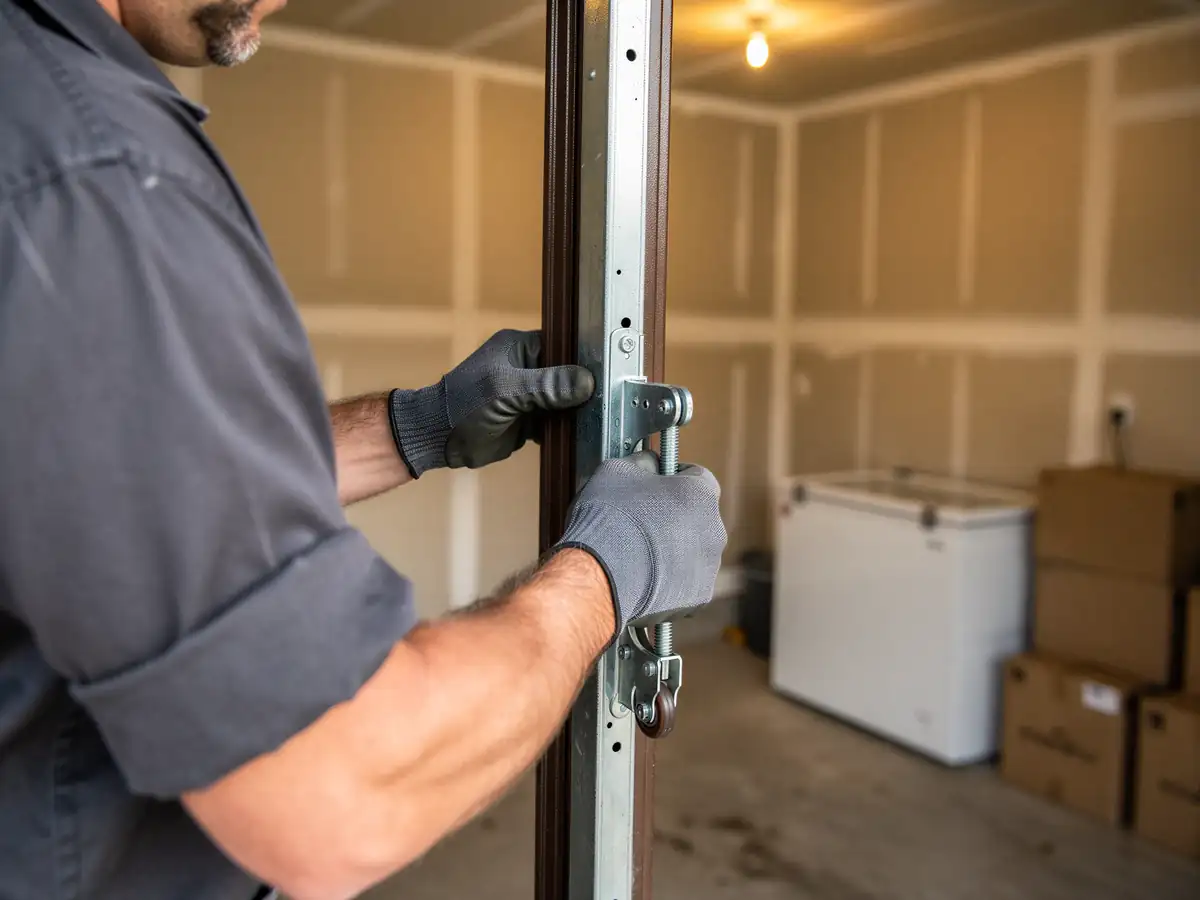
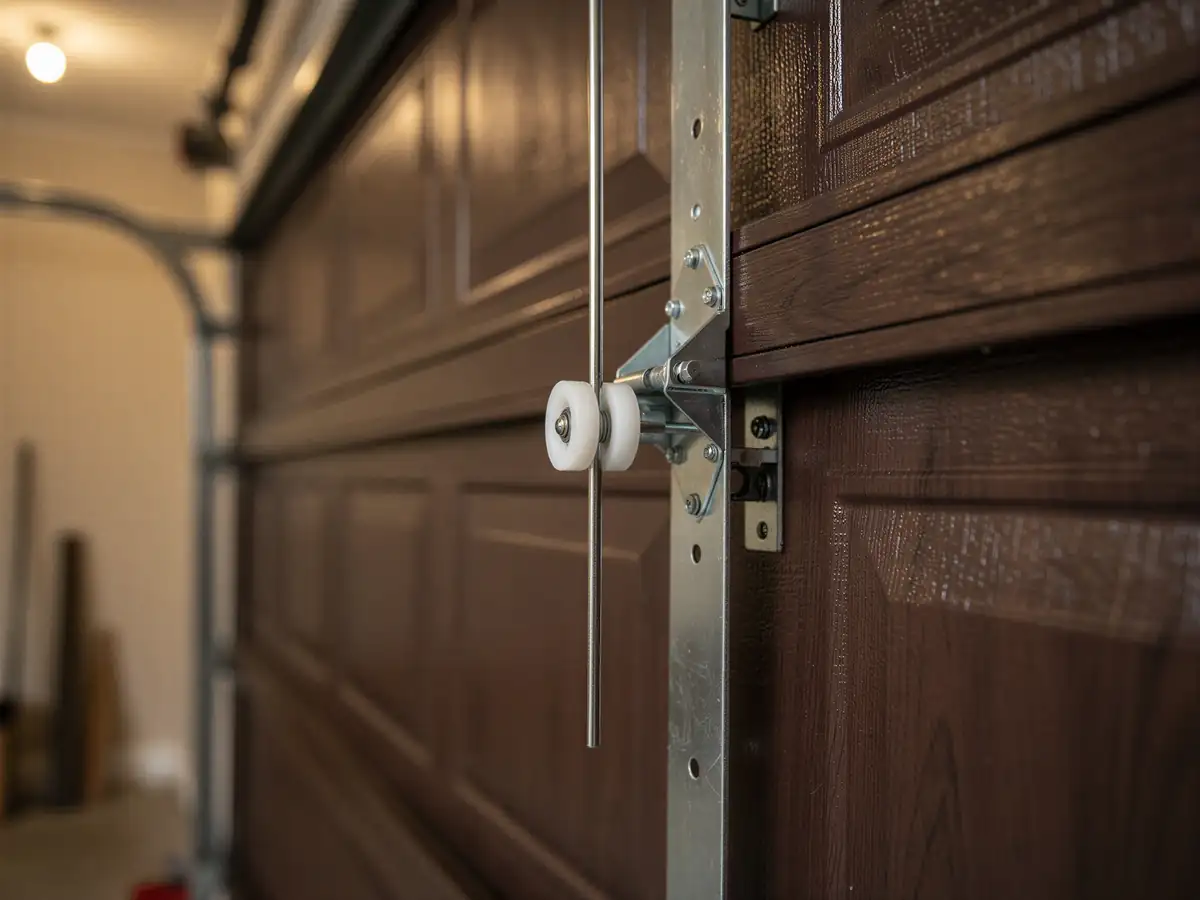
Standard 16x7 and 9x7 steel sections, torsion springs rated for the taller openings common in 90s construction, and nylon rollers that fit the wider track gauge those garages were built with. Because Springboro's median household income runs well above the broader service area's $70,000, we also carry insulated and polystyrene-core doors on the truck more often here than we might for an older, lower-stock subdivision - owners tend to ask for the upgrade over the bare steel panel.
One limit worth saying plainly
If a home has a non-standard opening - something custom-built outside the mid-90s tract norm - we may not have the exact panel width on the truck and will need to order it, which adds lead time.
How It Shows Up
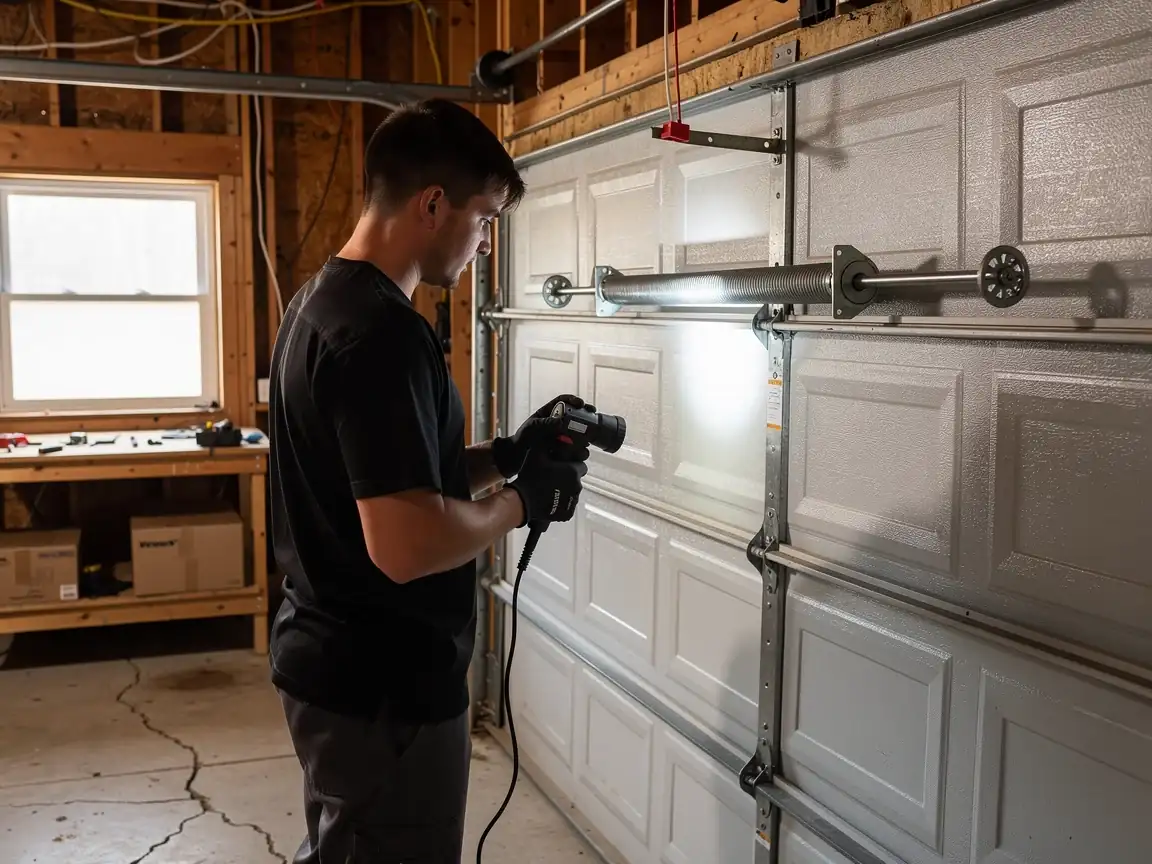
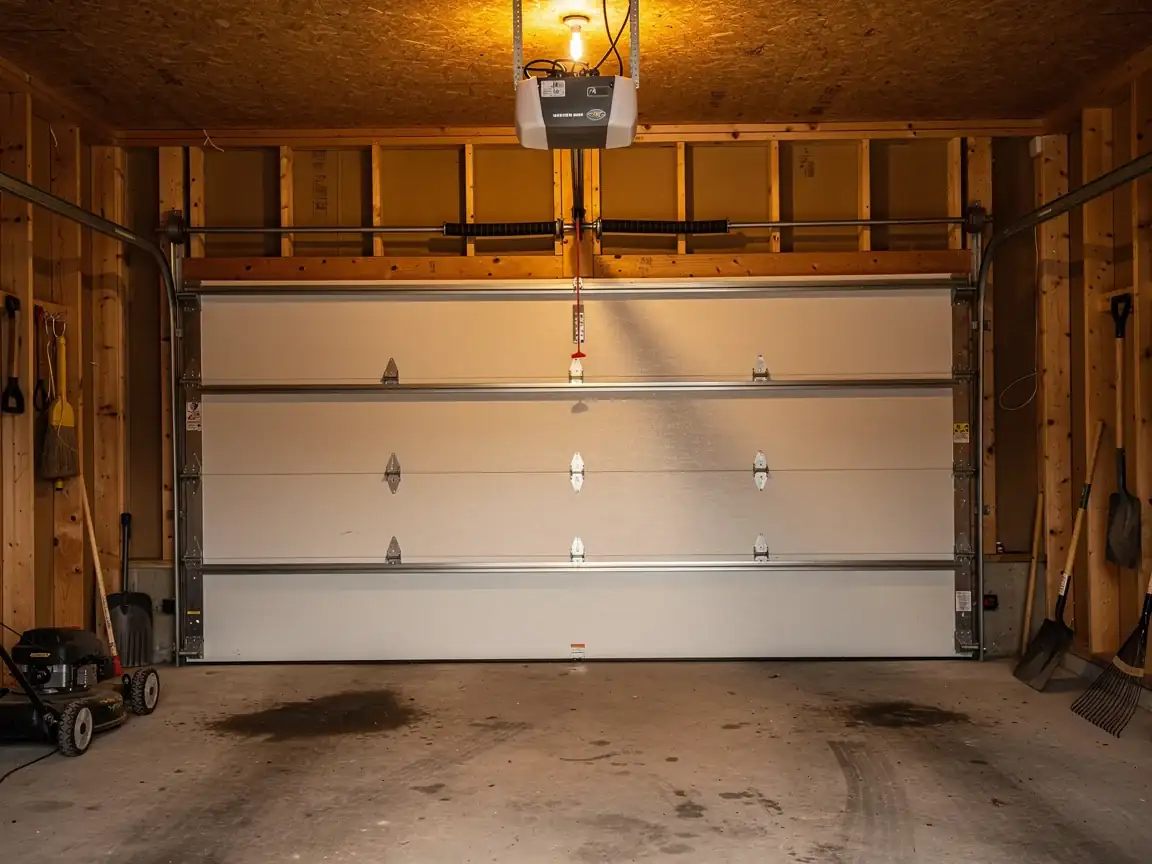
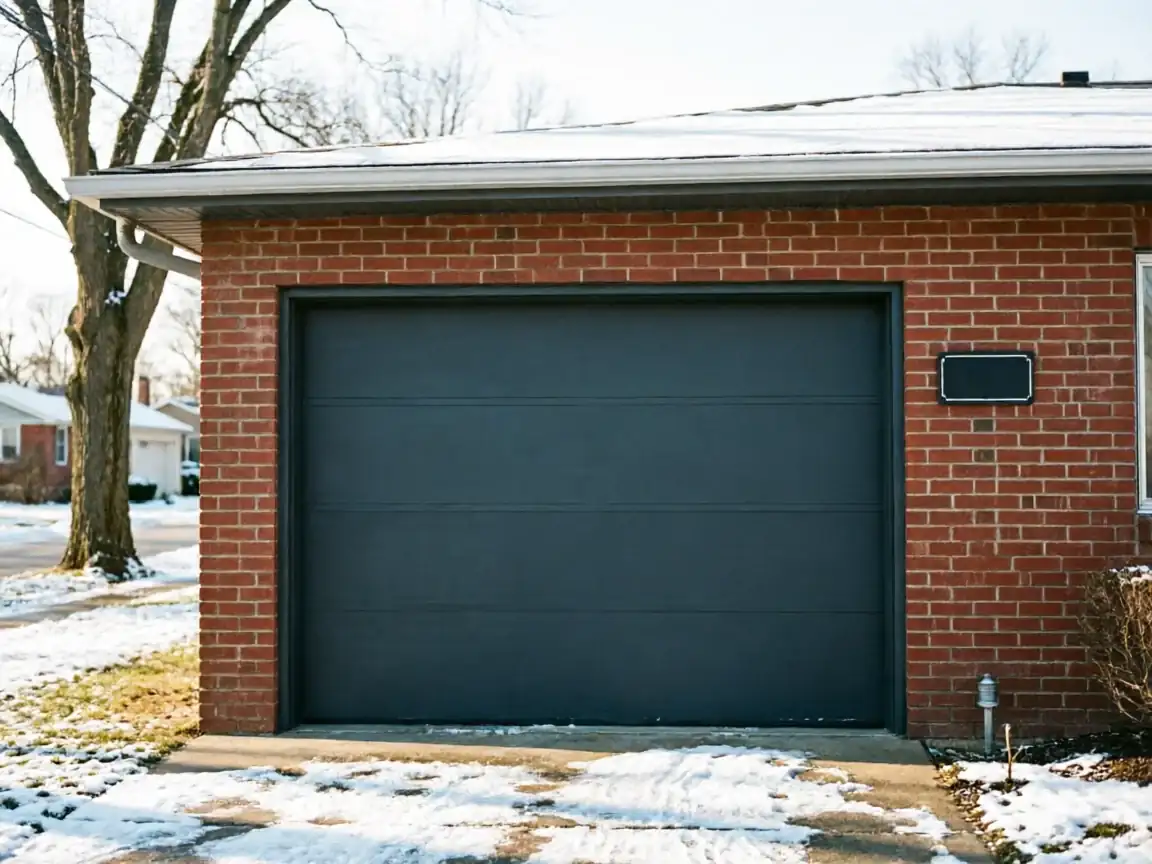
A garage door installed when a Springboro subdivision went up in 1995 is now pushing 30 years old. That's close to the end of a standard torsion spring's rated cycle life, so the first sign is usually a door that feels heavier to lift by hand, or an opener straining and reversing partway up. On steel doors from that era without foam backing, the region's cold, severe winters put real stress on the panels - expansion and contraction at the seams, and condensation on the inside face that eventually shows as rust at the bottom section.
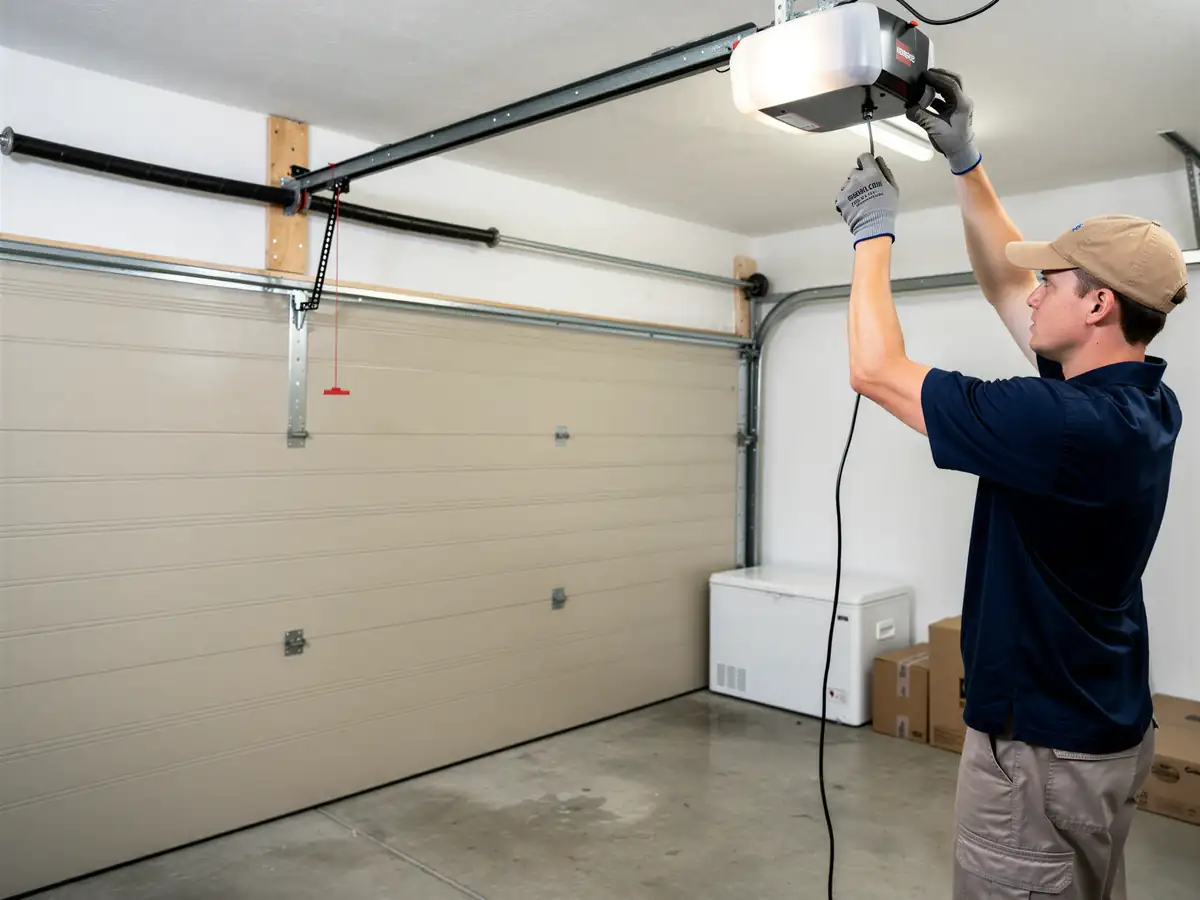
Builder-grade openers from the mid-90s are usually original equipment still in the garage, and their chain drives and circuit boards are past the point where parts are easy to source. When a homeowner calls about a door that won't open evenly or an opener that clicks but doesn't move the door, in a home from this build era it's often the original spring and opener reaching the end of their service life together, not two separate problems.
We size a lot of our Springboro recommendations around that likely age and spec, which is part of why we ask for the rough age of the house before we quote anything.
Can You Do This Yourself
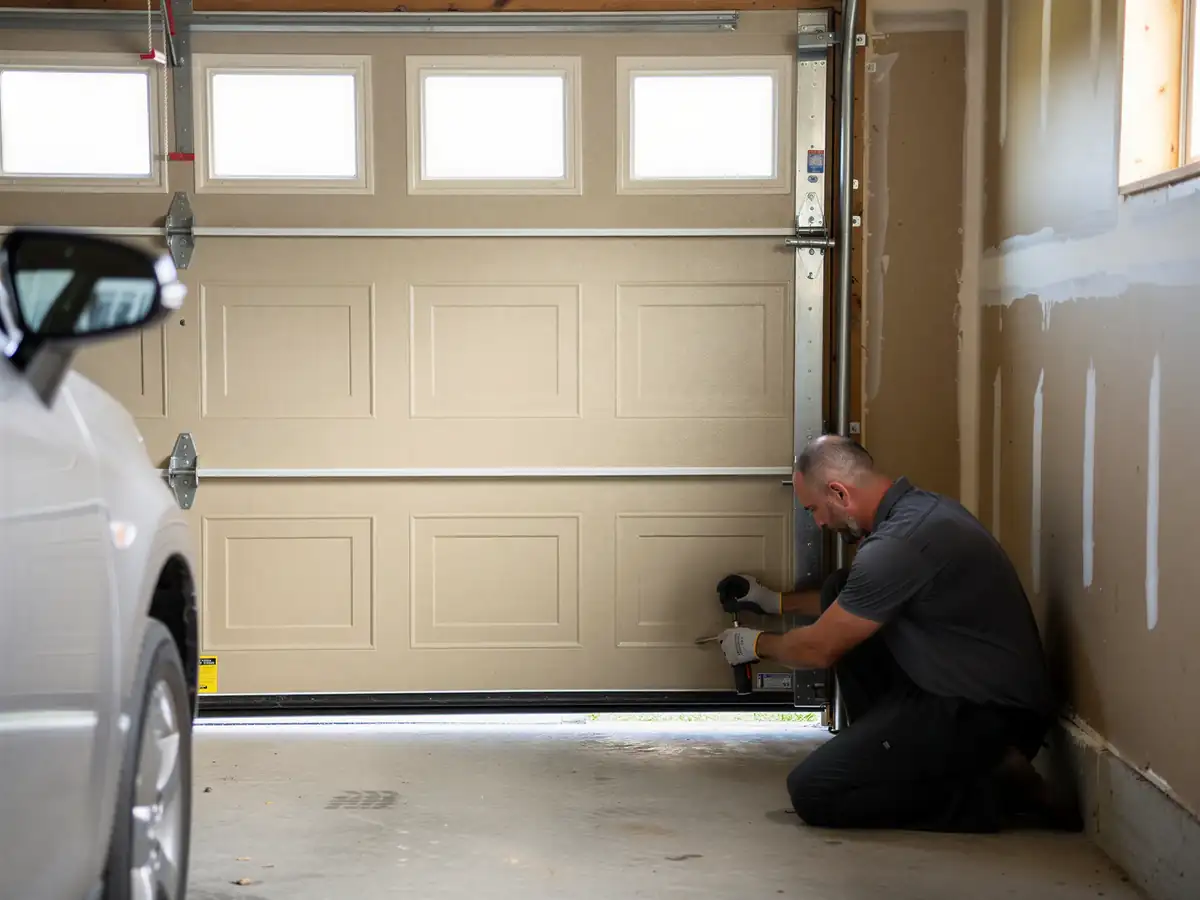
A torsion spring under load can cause a serious injury if it lets go while you're working on it, and that risk doesn't change because the house is newer. If you're comfortable swapping a roller or tightening hinge bolts, that's reasonable DIY work. Pulling the old door, resetting track, or winding a new spring to the right tension is not - the tools for that are specific and the margin for error is small.
We'll also say plainly where a job isn't worth doing at all: if a 1990s-era steel door is still square, the track is straight, and the only issue is a worn spring or opener, replacing those parts costs less than a full door and usually solves it. We don't push a full installation on a door that doesn't need one - that's the honest call more often than not on a 30-year-old door in decent shape.
What You Pay
We don't post a flat number here because the spread between a standard uninsulated steel door sized to a 90s-era opening and an insulated upgrade is real
And Springboro is a town where that upgrade comes up often given the income level in the area. What drives the number is door width, insulation, whether the opener gets replaced at the same time, and whether the existing track and spring system can be reused or need to come out with the old door.
We'll give you a firm number on-site once we've measured the opening and looked at what's there
Not a phone estimate. If you want a general sense of install pricing before we come out, the Beavercreek installation page covers how we structure a quote across the service area.
How We Fix It
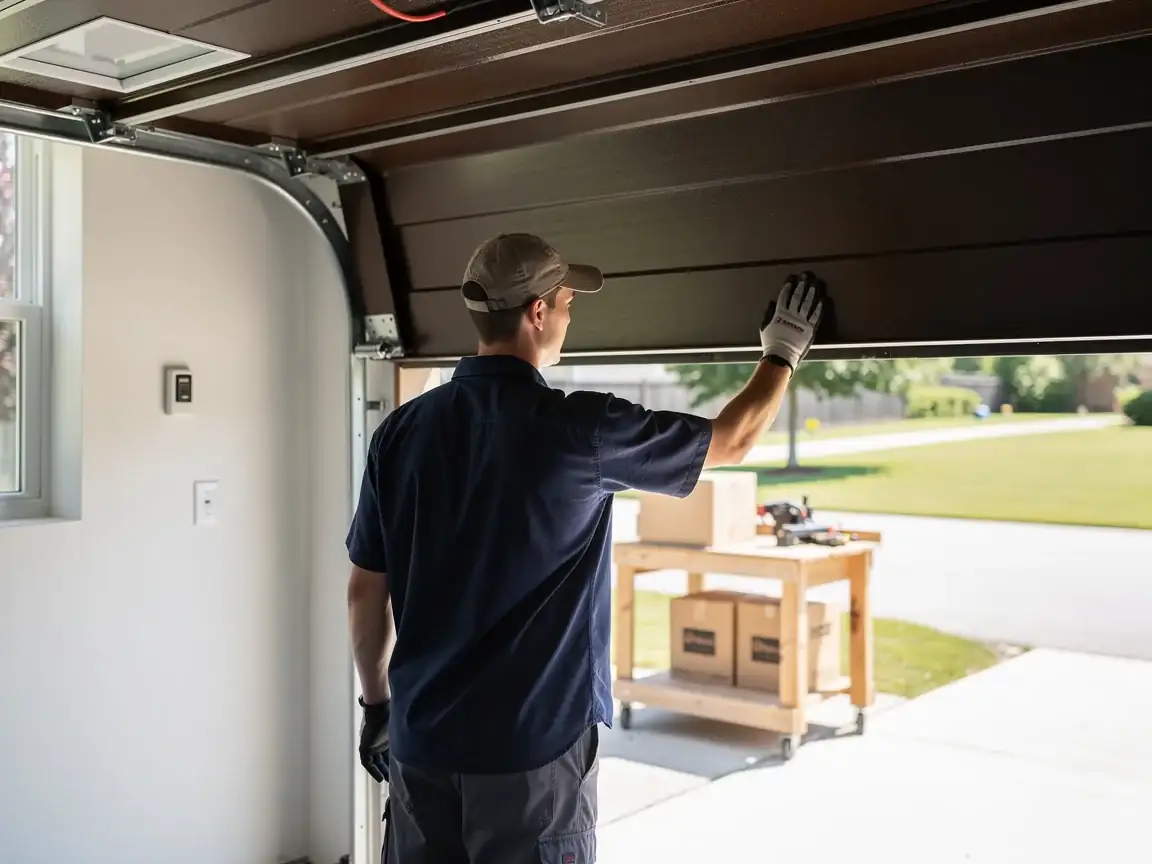
We run out of Beavercreek, about 15 miles from Springboro, so jobs here get scheduled as a full stop rather than squeezed between closer calls - we bring everything the quote calls for in one trip rather than making a second run for a part. On an install, that means pulling the old door and spring together, checking the track and jamb are square (common enough on a 90s build, but worth confirming), setting the new door and torsion spring to the opening's actual height, and testing the balance by hand before we touch the opener.
If the opener's original to the house, we'll flag whether it's worth keeping or replacing while the door's already open - no sense pulling a door twice. For more on how we handle the wider area the truck covers, see our Springboro service page.