What Is on the Truck
Springboro's housing stock is younger than most of the territory we cover out of Beavercreek
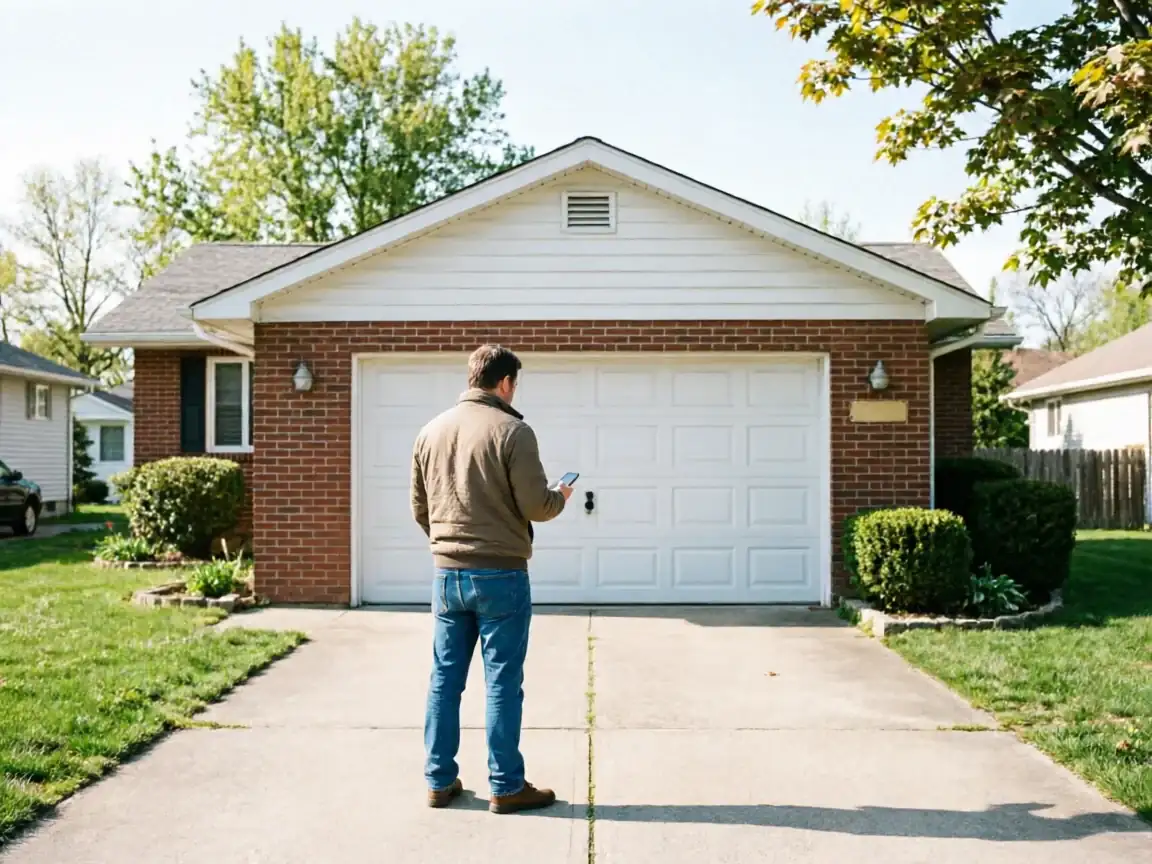
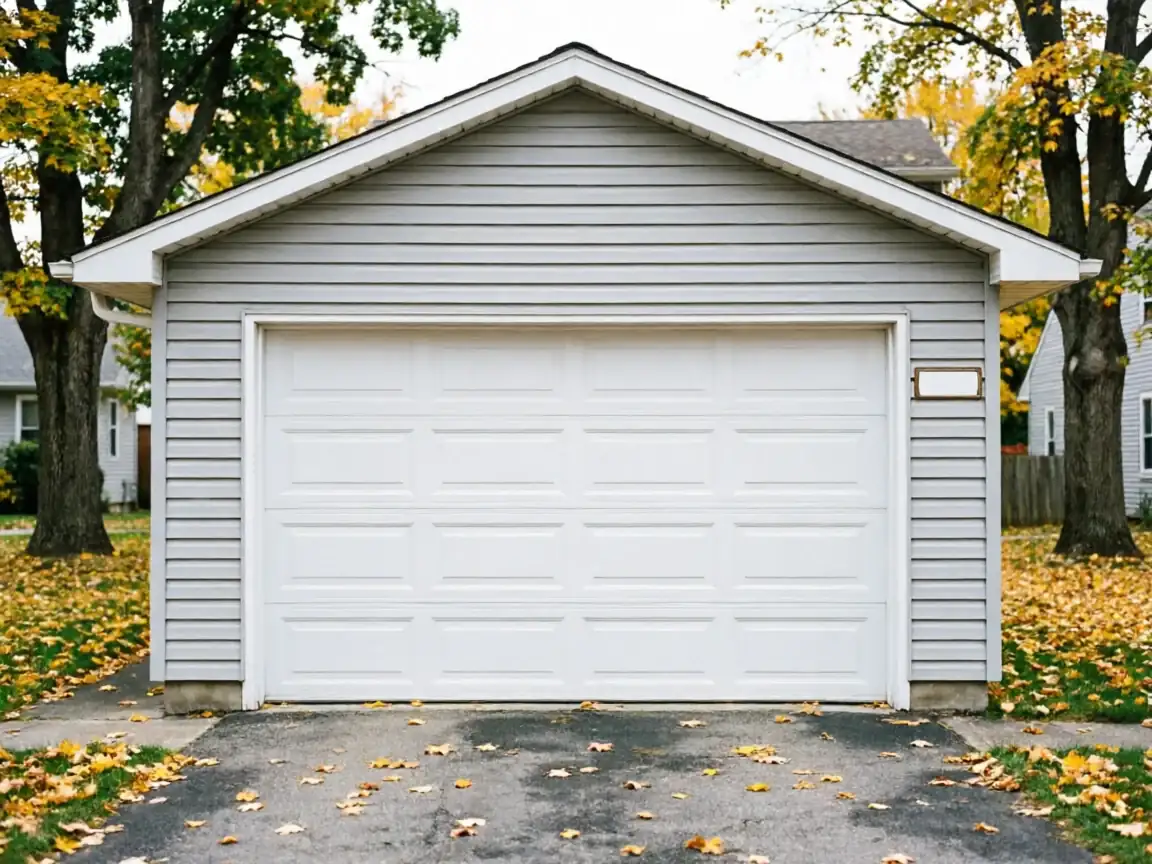
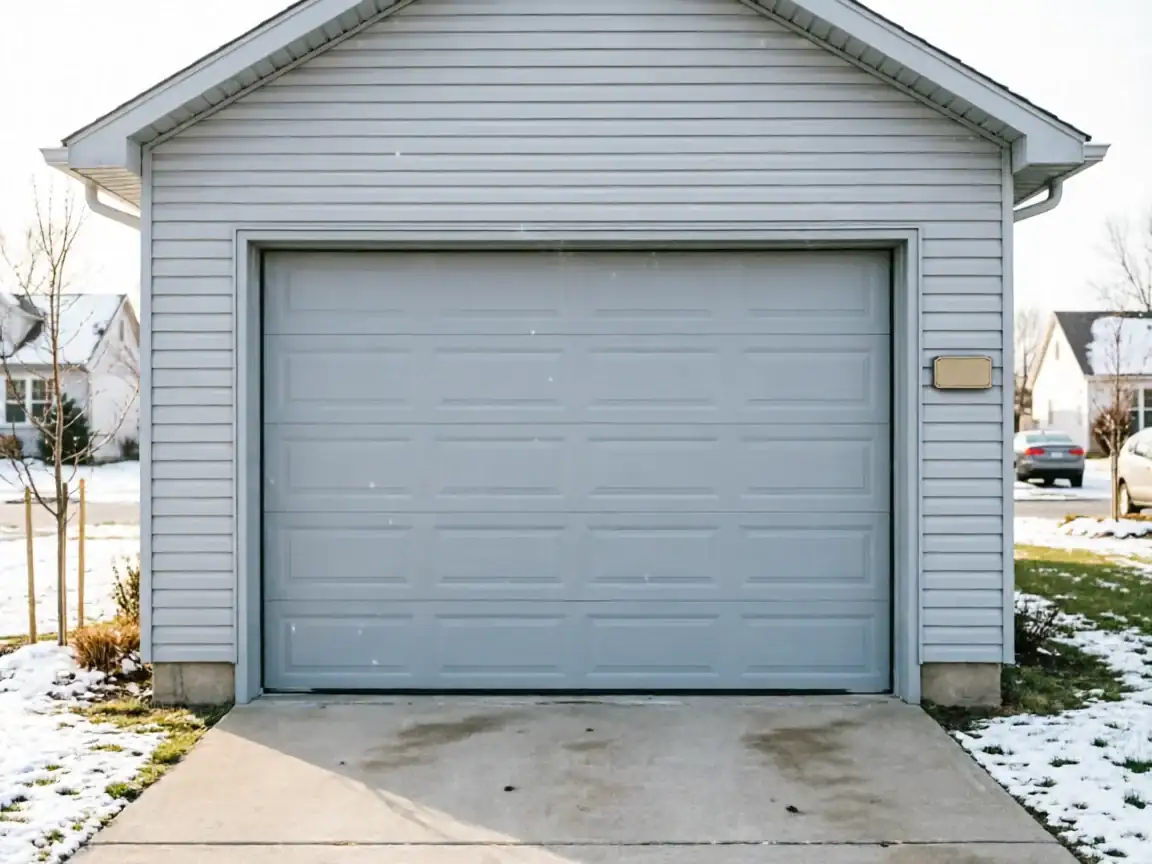
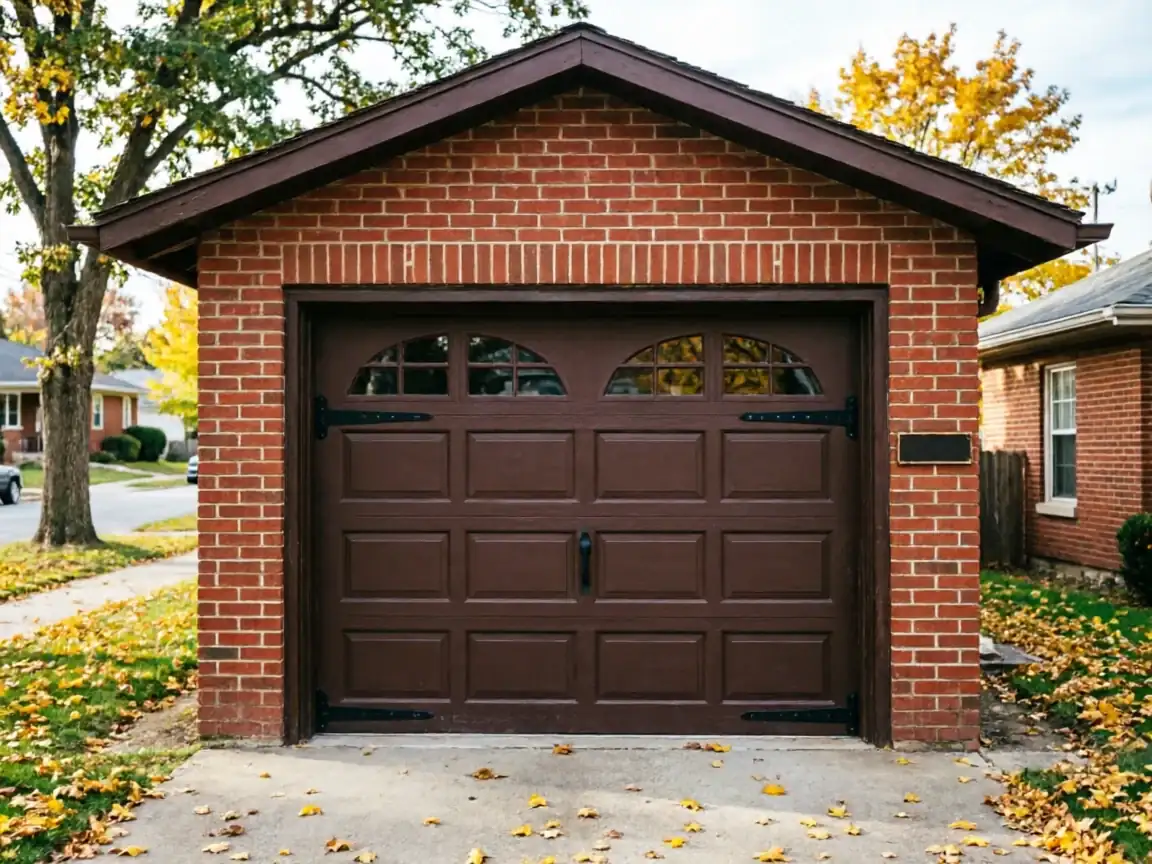
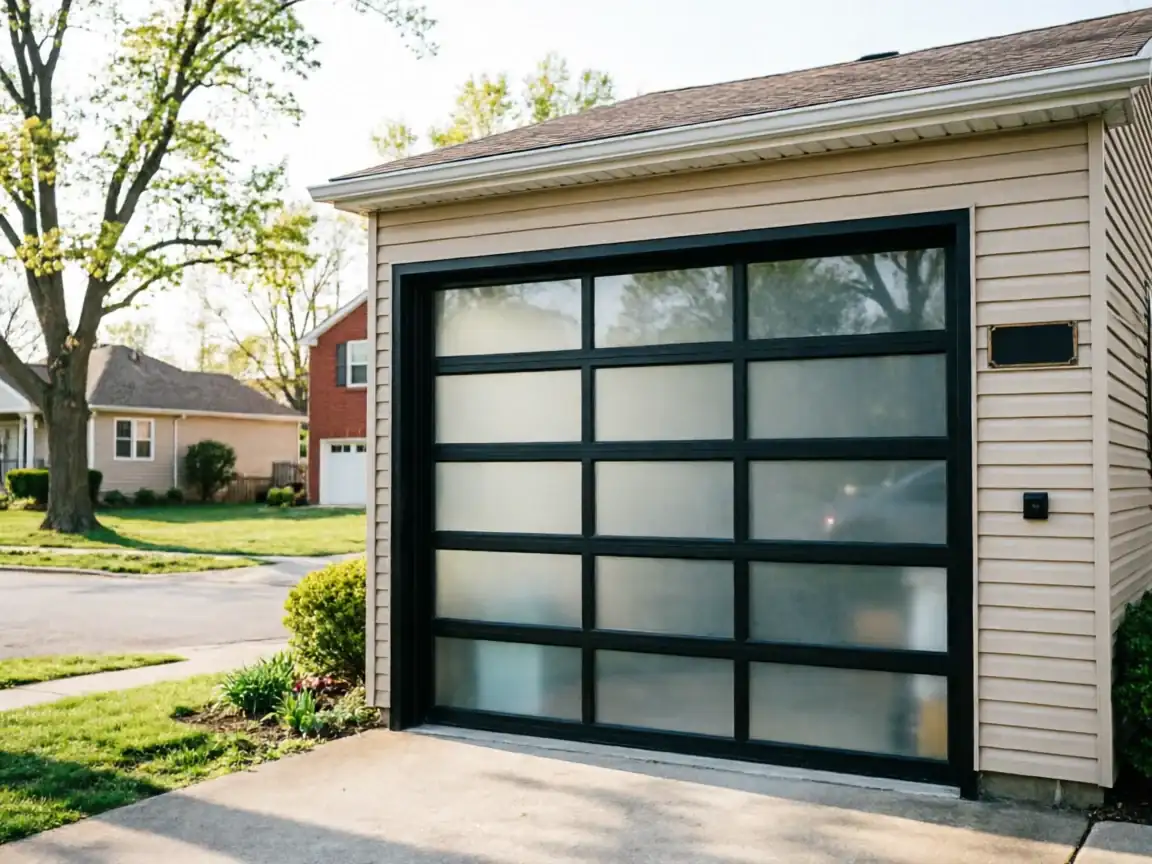
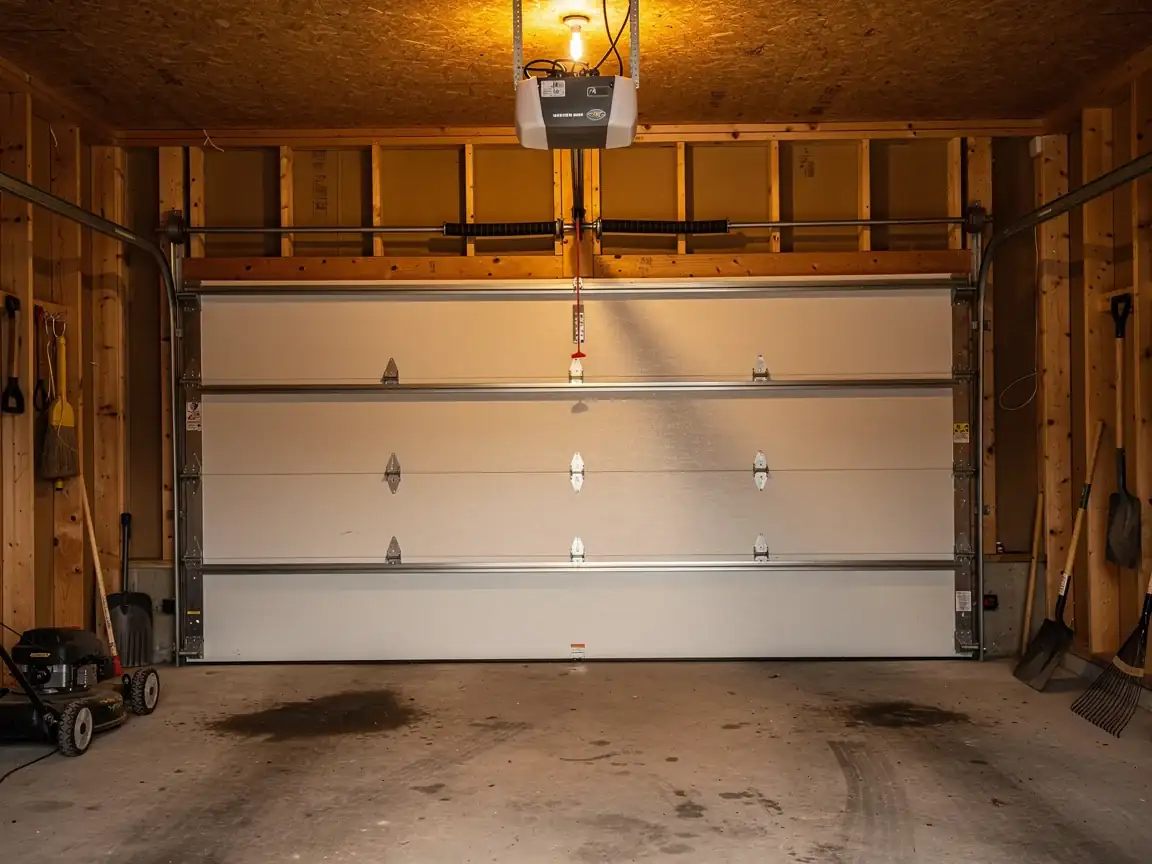
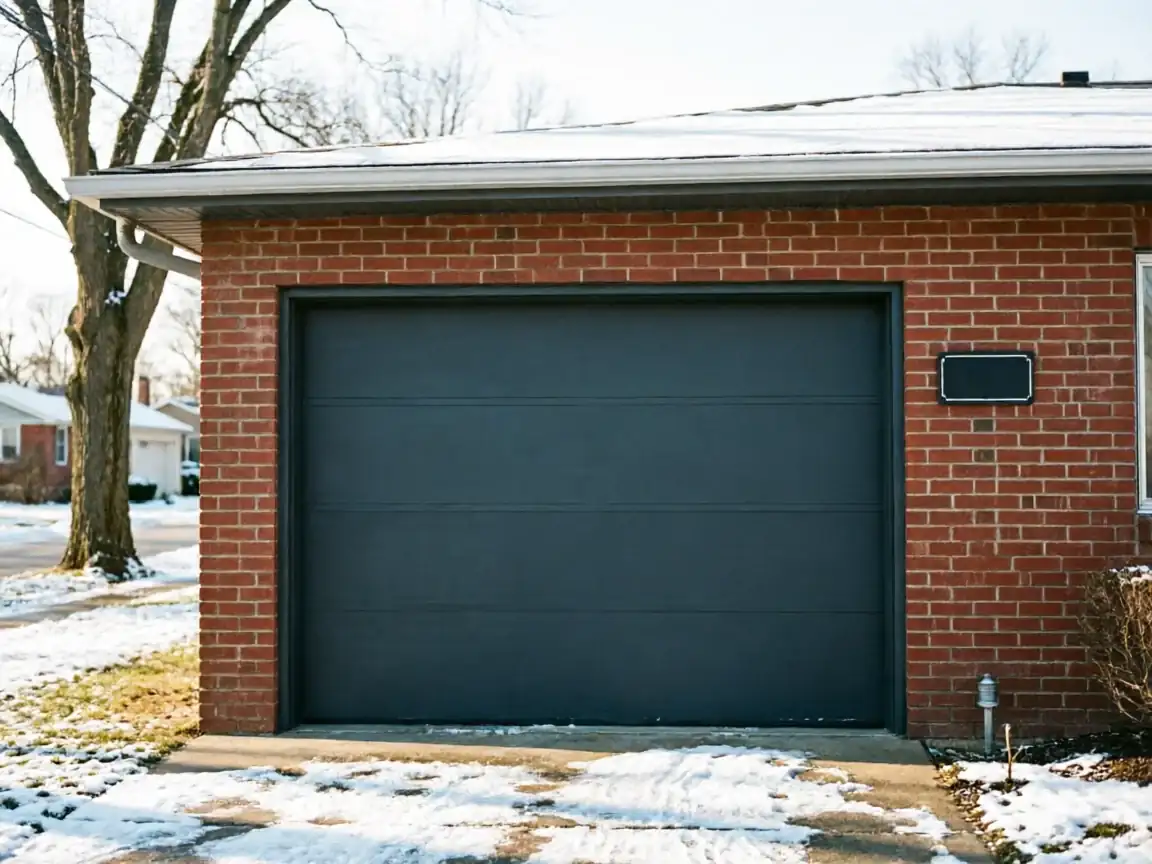
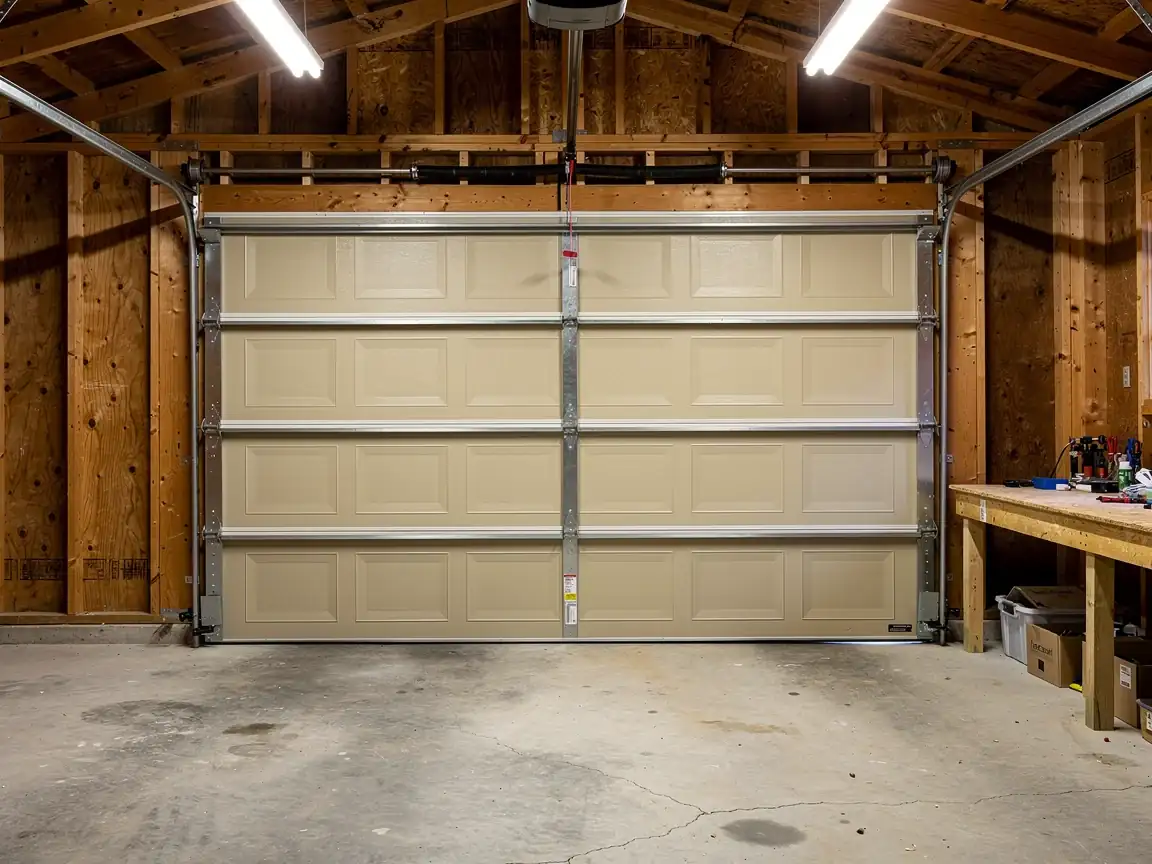
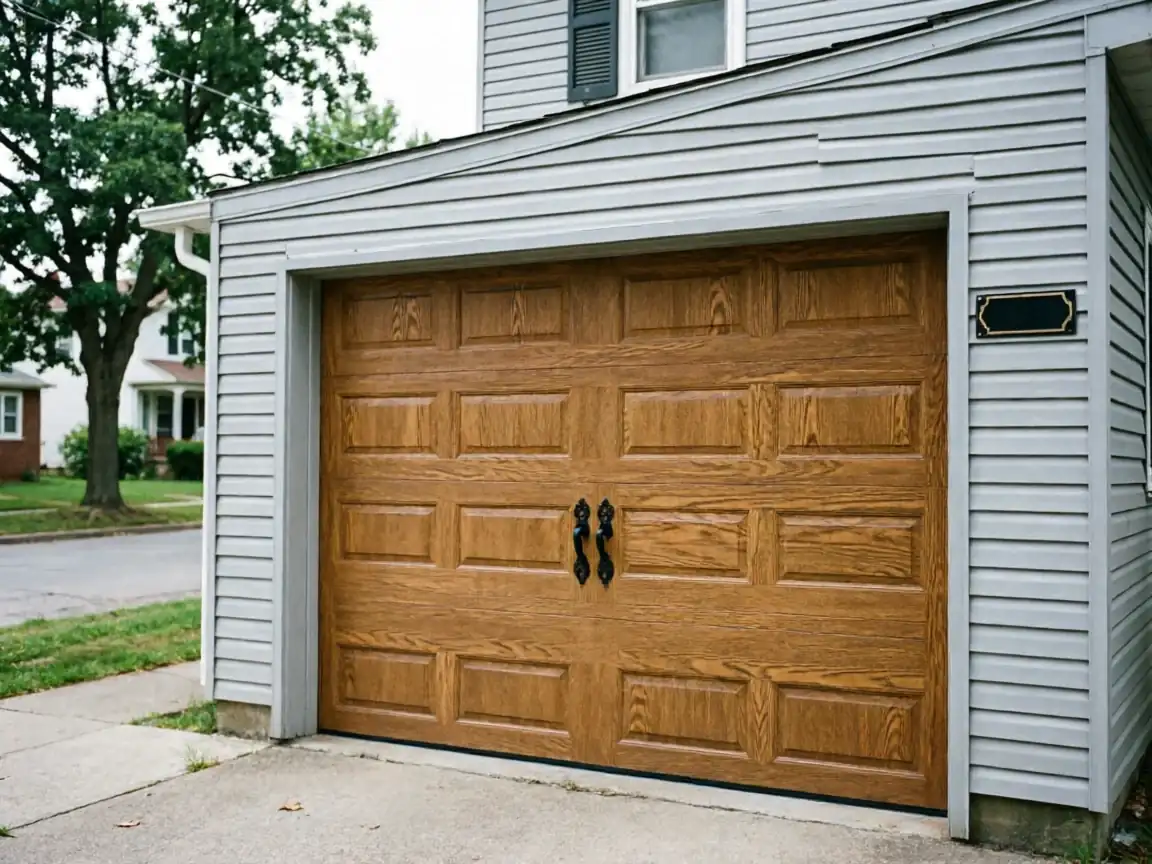
The median build year here is 1995, a couple of decades past the 1971 median across the wider service area. That means most of the doors we're called out to are steel sectional panels on wider two-car openings, not the narrow single-car wood doors you find in older pockets closer to town. These doors came factory-insulated more often than not, hung on torsion springs rated for a heavier panel, and the openers tend to be chain or belt-drive units from the mid-90s through the 2000s rather than the older screw-drive models we still service elsewhere.
Because the stock is newer, the truck carries different stuff for a Springboro call
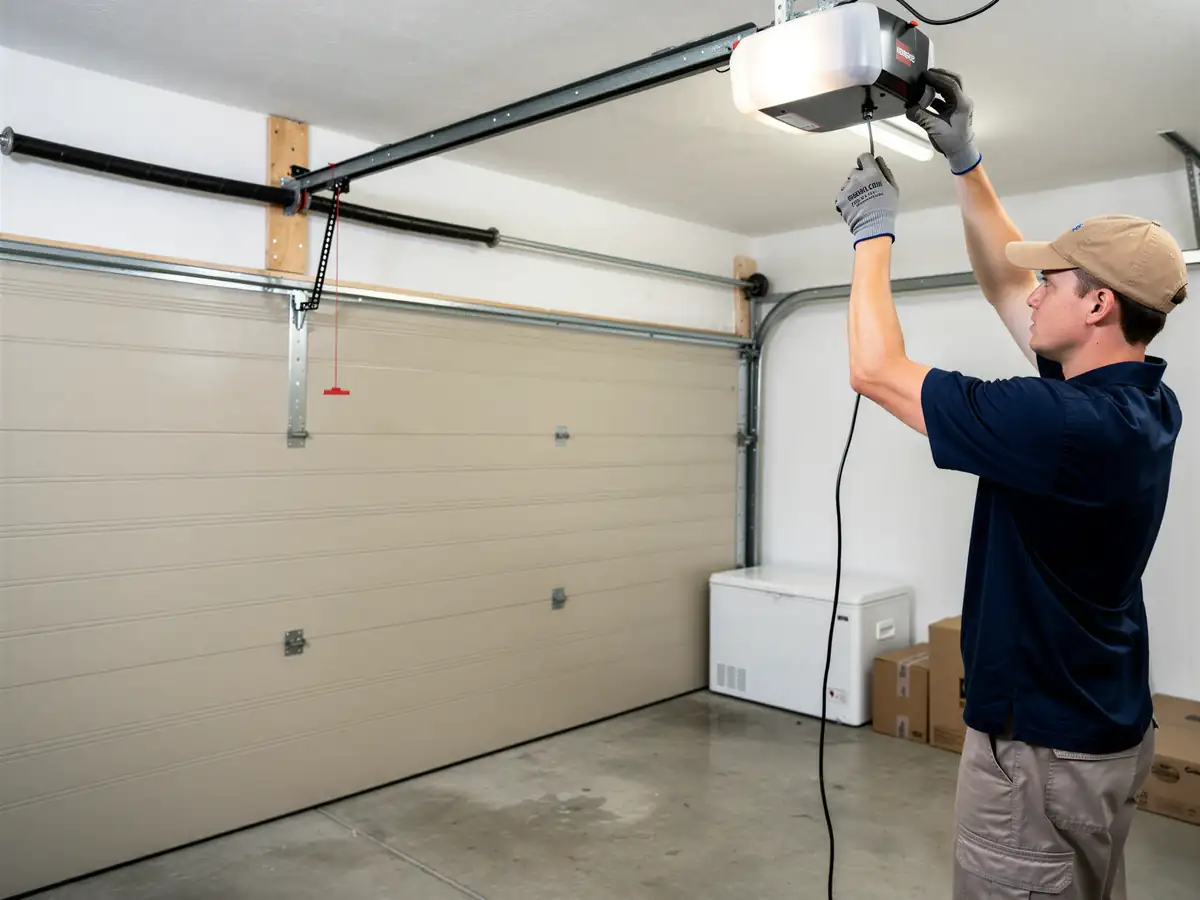
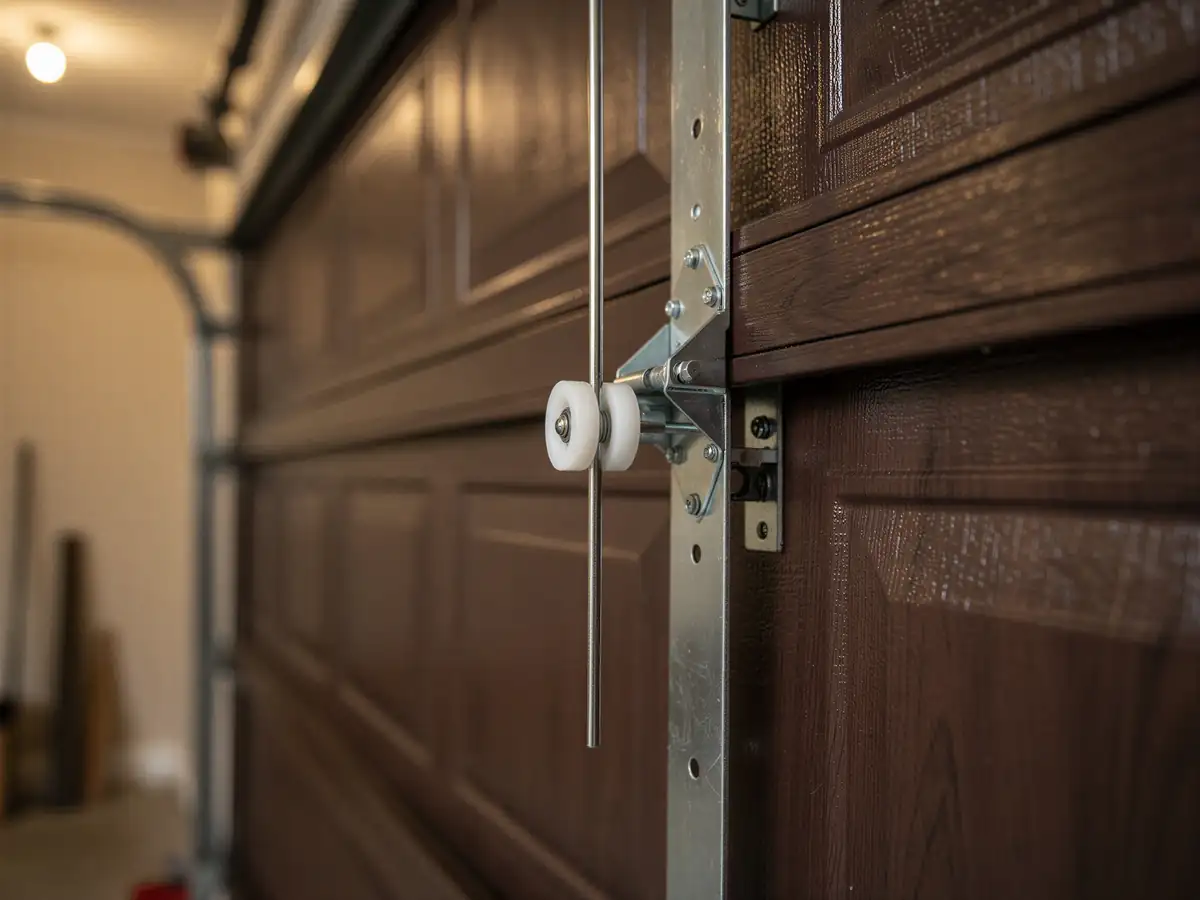
Wider torsion springs sized for a 16-foot double door, longer tracks, and the drive belts and chain kits that match openers from that build era rather than parts for the older screw-drive units common in 1970s construction. We still carry rollers and cable for anything, but the spring cores we pull first for Springboro are not the same ones we pull on an older street near Beavercreek itself.
How It Shows Up
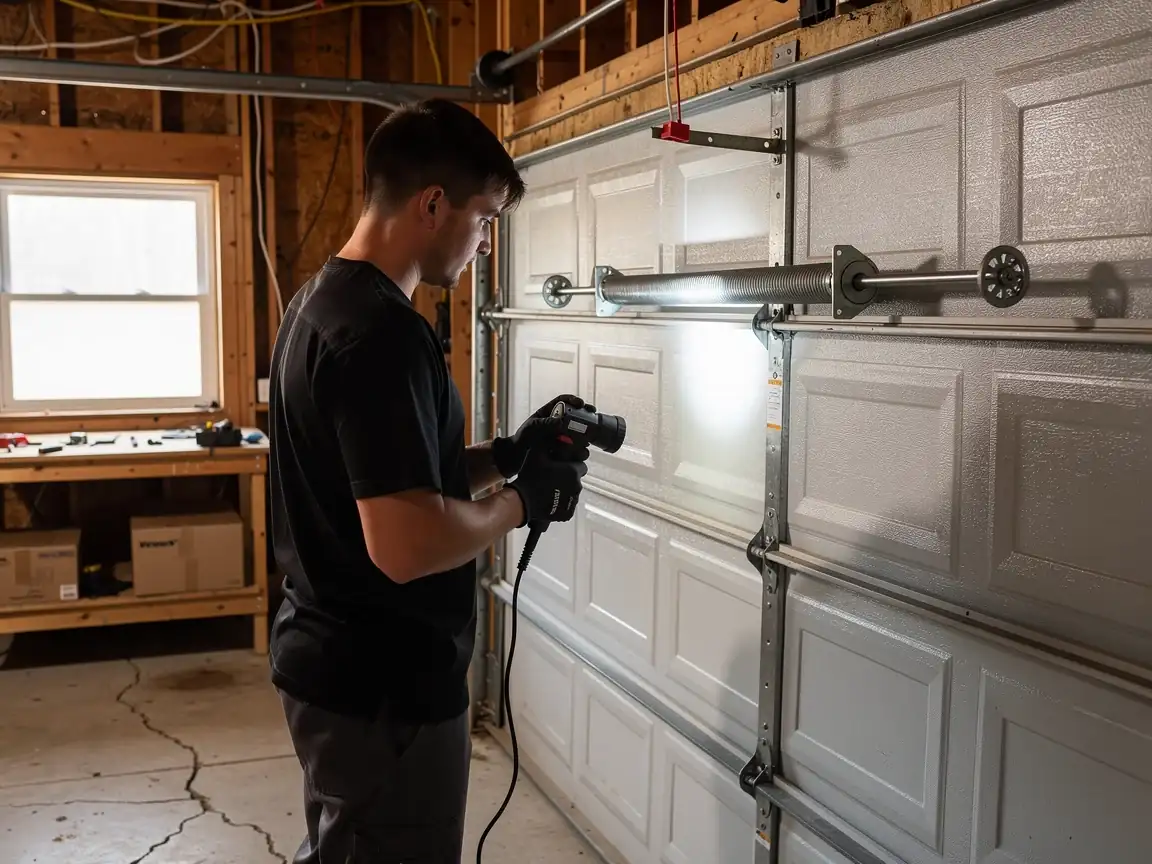
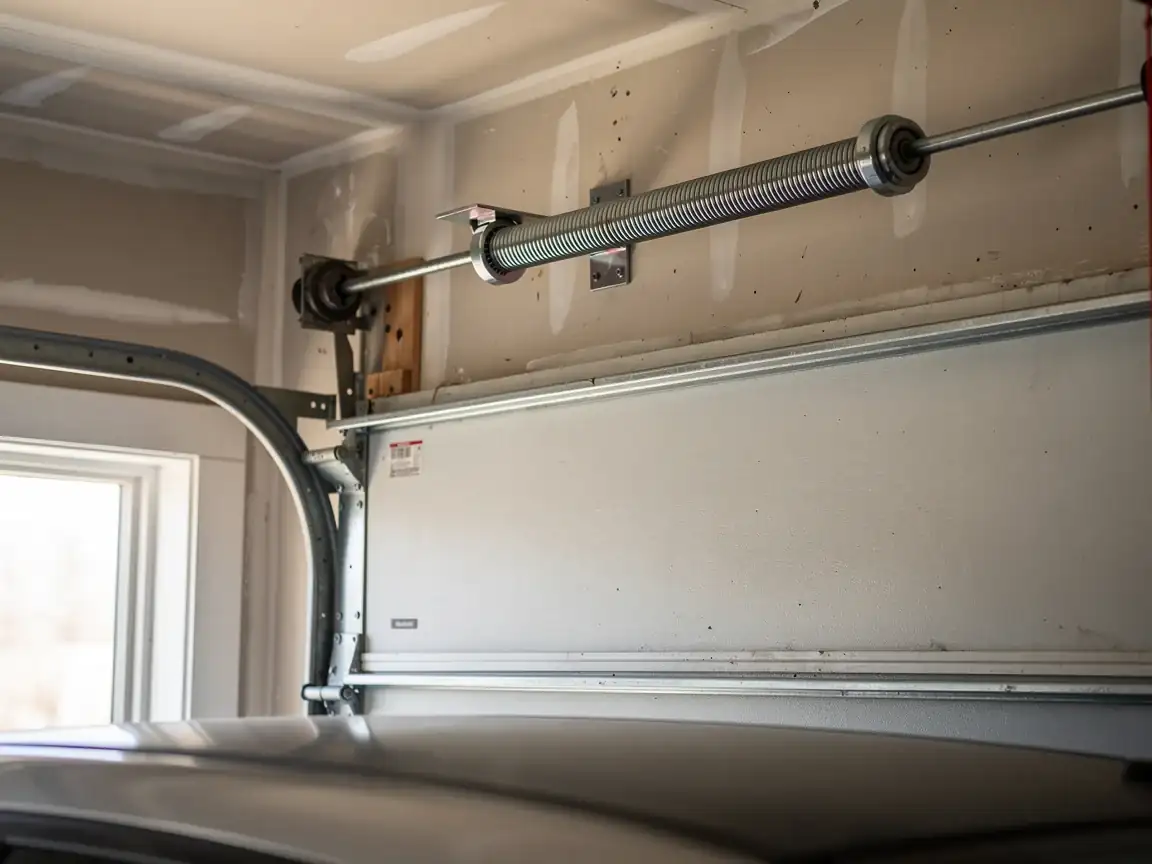
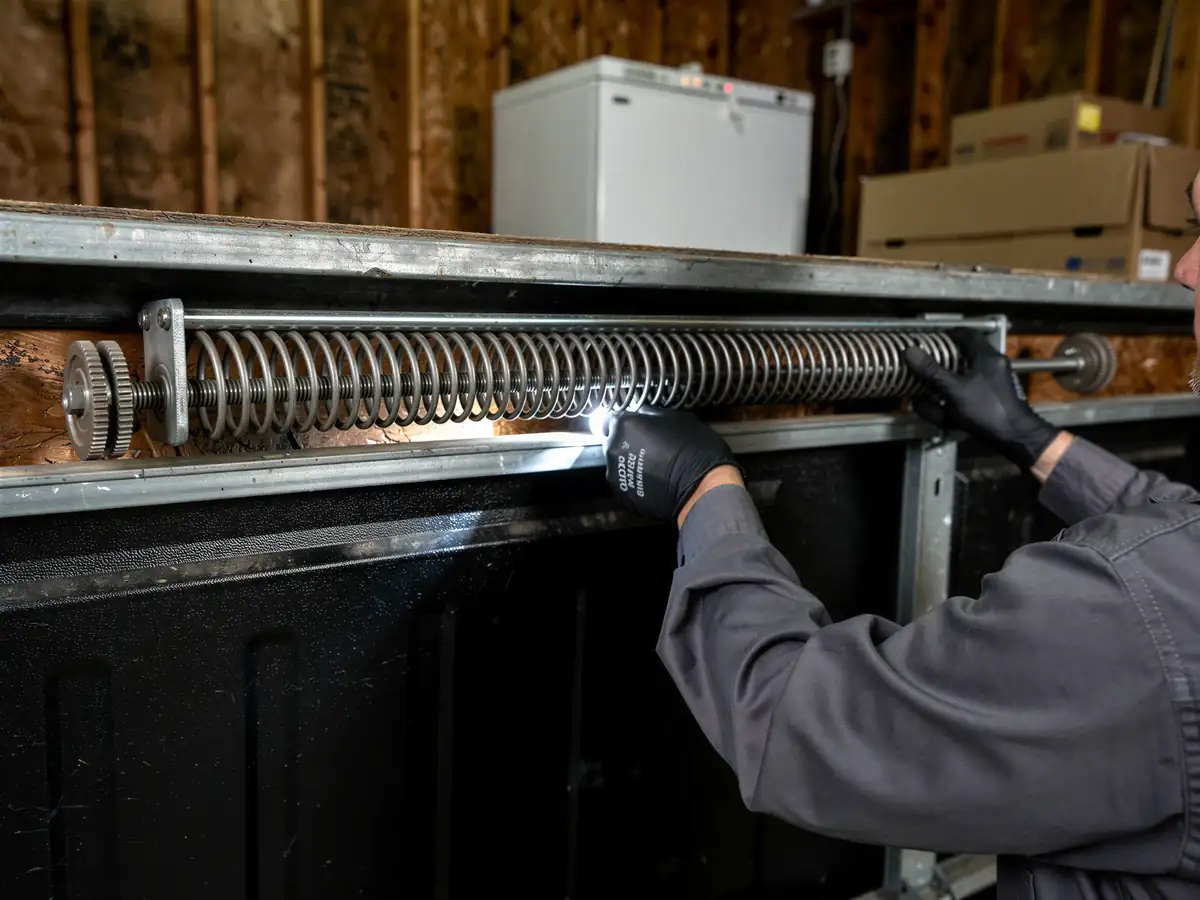
A 1995-era door doesn't fail the way a 1960s door fails. The complaint we hear most from Springboro is an opener that runs but the door barely clears the floor, or a door that reverses itself halfway up - both point to a torsion spring that's lost tension on a heavier insulated panel, not a snapped cable like you'd expect on an older, lighter door. On a double-wide opening, that spring loss shows up fast because there's more steel for it to lift.
Colder months make it worse. This area sits in a cold-severe climate band, and a spring that's already weak will bind harder in low temperatures before it lets go outright. If your door has been groaning or hesitating on cold mornings, that's usually the spring telling you it's close to done, not the opener.
Can You Do This Yourself
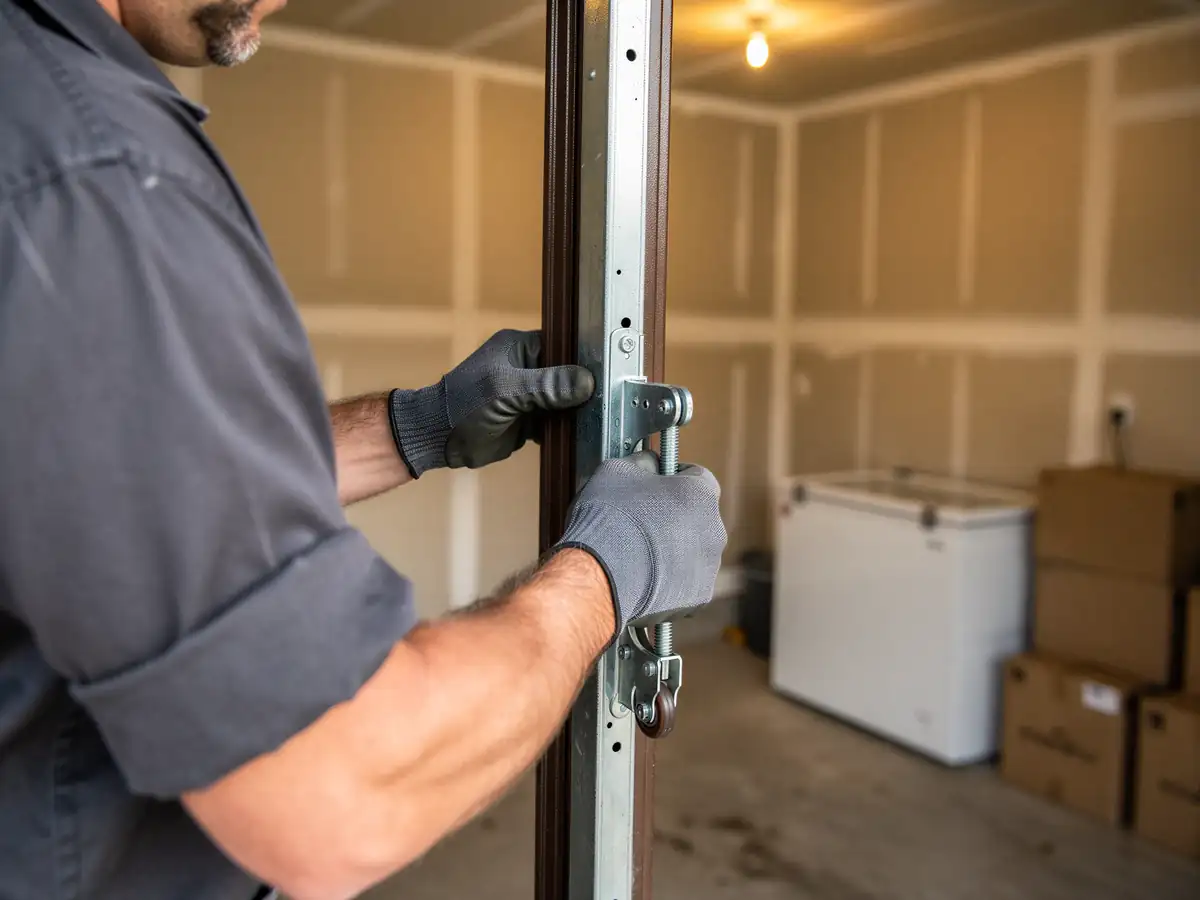
Lubricating rollers, checking the weatherstrip, and tightening visible hardware are fine to do yourself, and worth doing on a newer door since it's likely still square and true. What you should not touch is the torsion spring. On a wider double door built in the 90s, that spring is wound to a higher tension than the single-car springs on older houses, and it will take a hand off at full extension if it slips.
If the opener's safety reverse or force settings seem off, that's also not a DIY adjustment - a door that doesn't stop on contact is a liability, not a convenience feature to tune by trial and error. Call it in.
How We Fix It
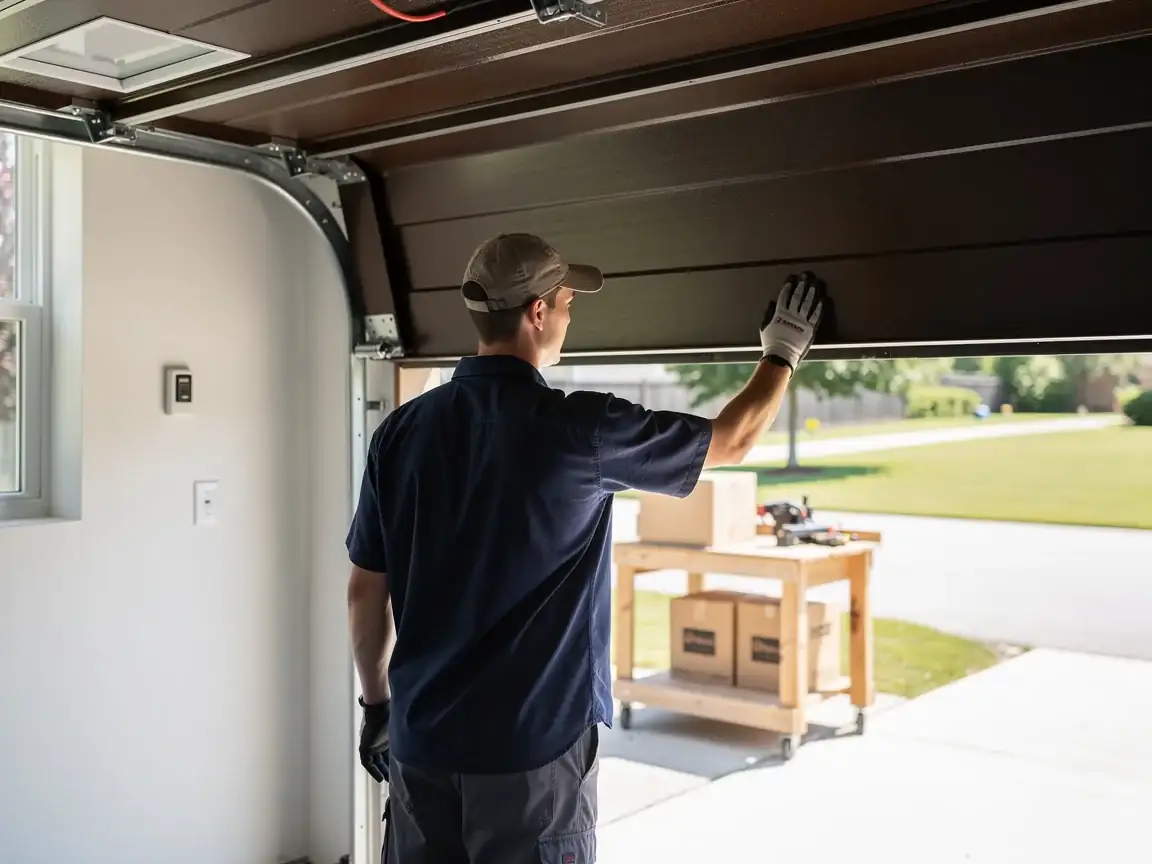
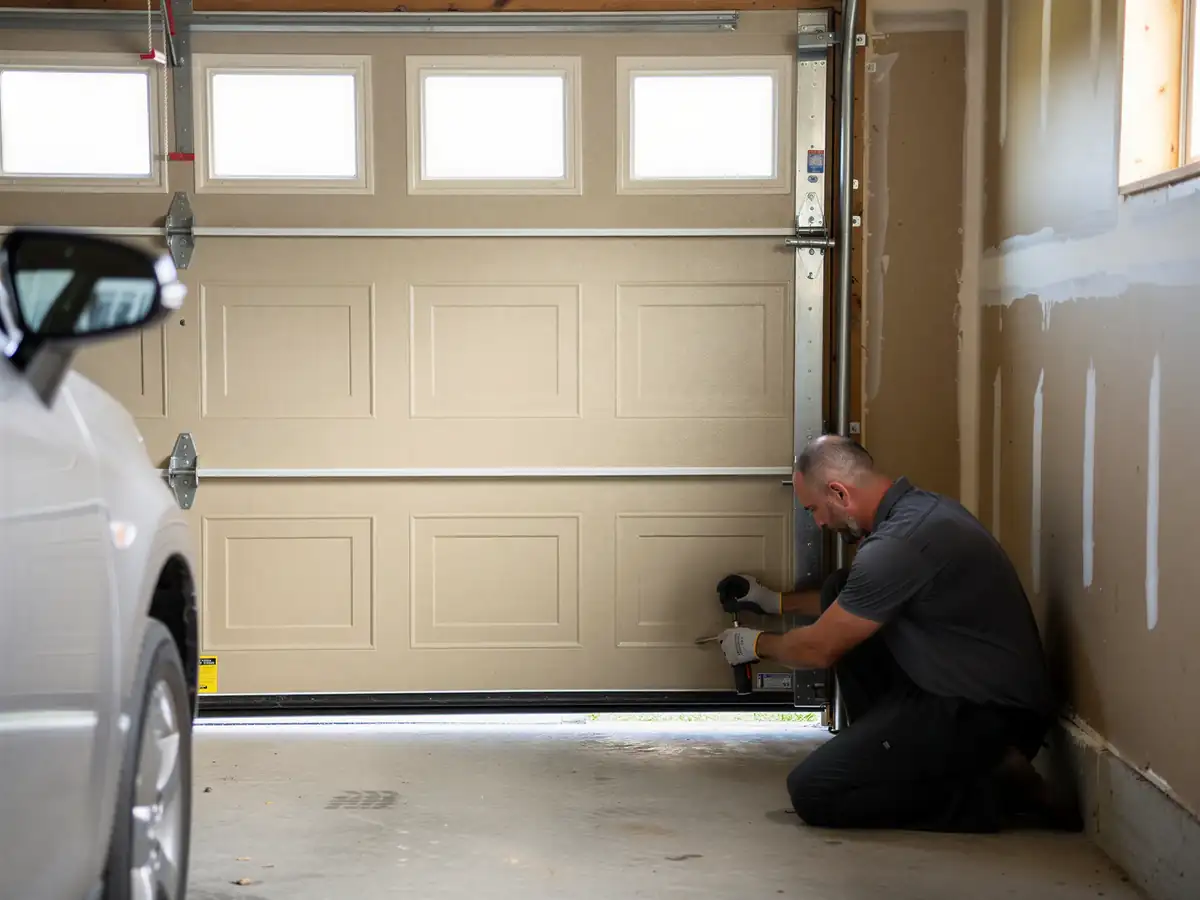
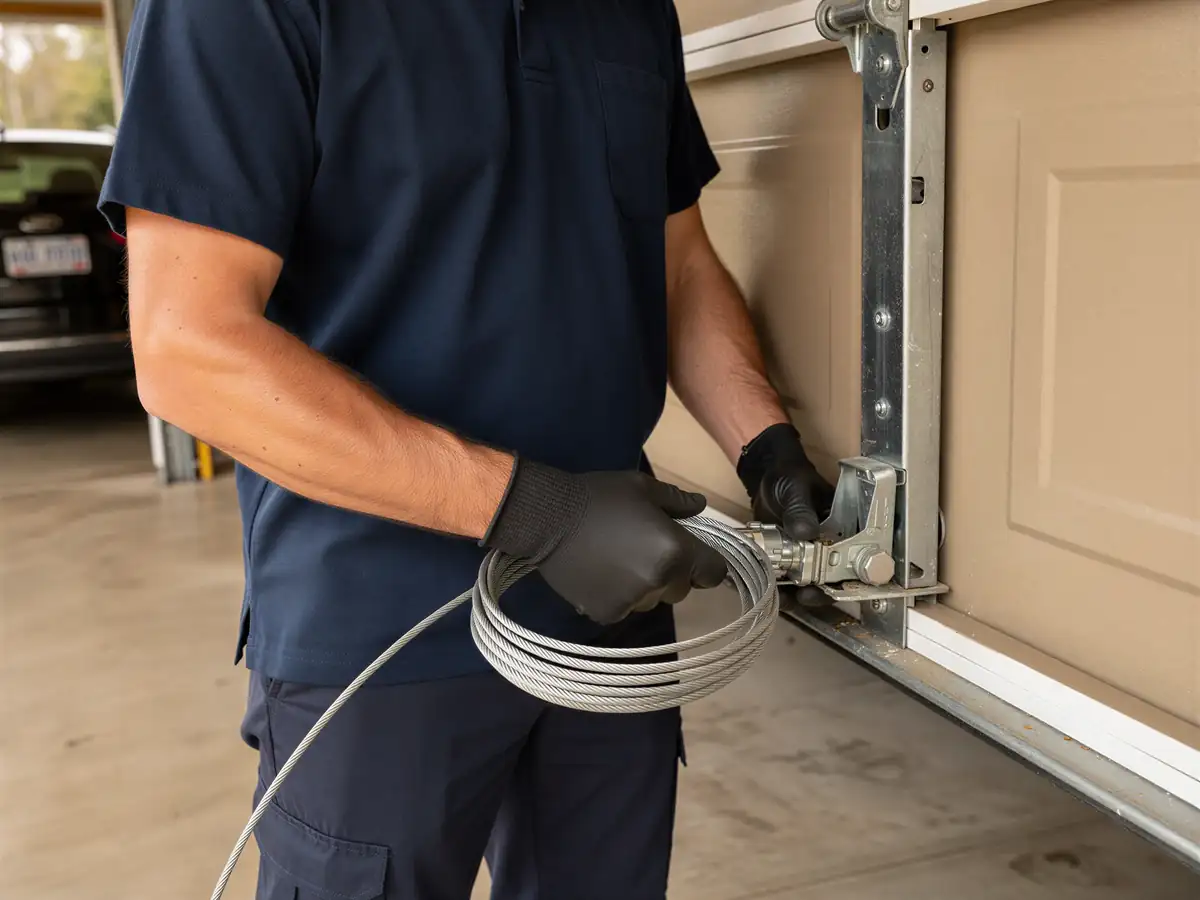
We come out from Beavercreek, about 15 miles over - Springboro isn't a branch location, it's a service stop, so we schedule the trip rather than dispatch from around the corner. On site, the job is usually a spring swap sized to the panel weight, a cable check, and a run-through of the opener's travel limits and force settings, since those drift over time on any door regardless of age.
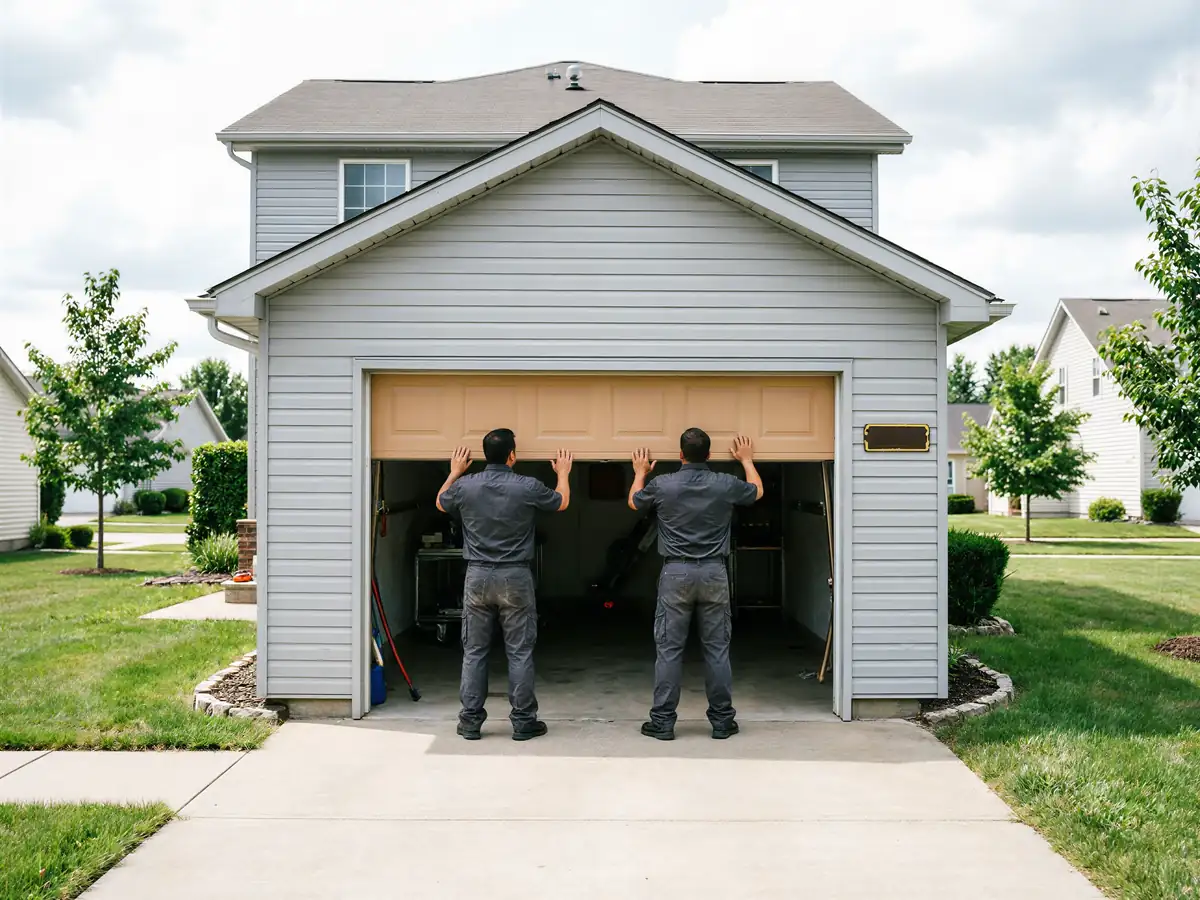
One limitation worth saying plainly: if the door itself is original to a 1995 build and the panels are dented, delaminating, or the track is bent beyond a clean straighten, we'll tell you replacement is the better money rather than keep patching an aging panel. With roughly 6,739 households in Springboro and a housing stock concentrated in that mid-90s window, a fair number of these doors are now around the age where that conversation starts to come up.